NYSORA - Leader in Medical Education

Explore NYSORA knowledge base for free:
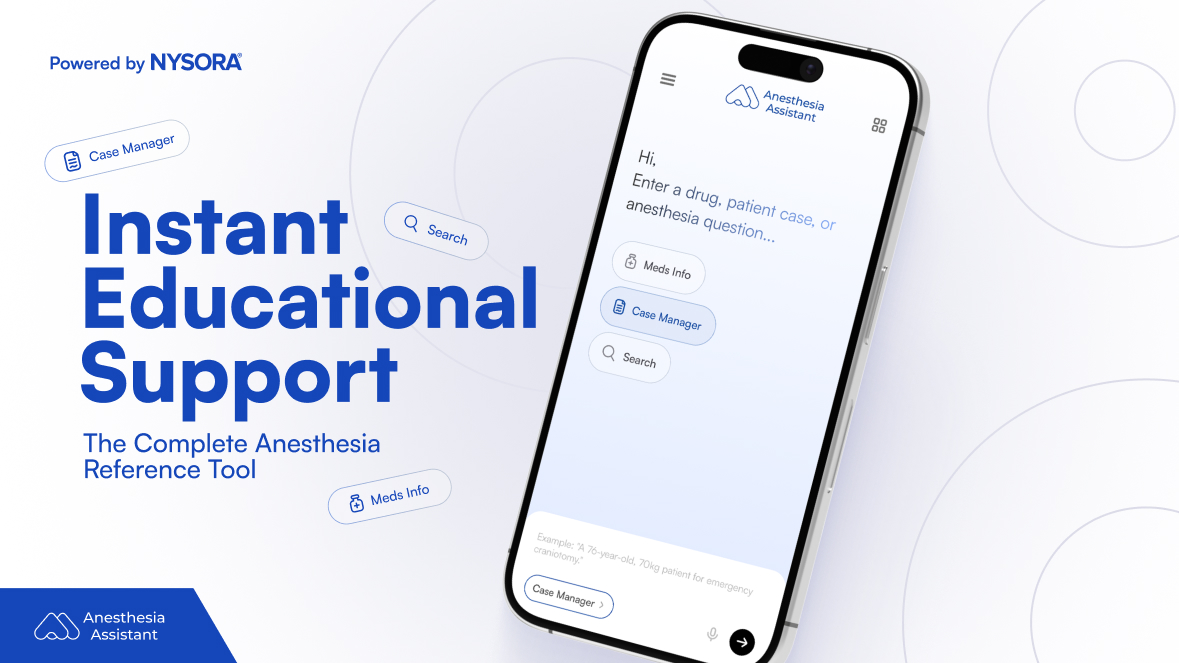
Anesthesia Assistant App

Anesthesia Updates & Clinical Tools All in One App!

Read More
NYSORA Innovation Awards 2025

Most Innovative Regional Anesthesia Manufacturers 2025

Val D’Isere, France
Anesthesia Review Conference
February 16-20, 2026
Anesthesia

Basic Knobology Useful for the BLUE-Protocol (Lung and Venous Assessment) and Derived Protocols

Notions of the physical properties of ultrasound are not indispensable for the user (as we wrote in our 1992, 2002, 2005, 2010, and 2011 editions). Interested readers will find them in any ultrasound textbook. We will discuss here the notions useful for understanding critical ultrasound. Every maneuver which favors simplicity will be exploited. Space will be used for explaining why only one setting is used; why, at the lung or venous area, only one probe orientation is favored; and how to easily improve the image quality.

Anesthesia

PLAPS and Pleural Effusion

In the usual work of a physician, knowing how to detect a pleural effusion is a conclusion. The interest of the BLUE-protocol is to specify…

Anesthesia

Interstitial Syndrome in the Critically Ill: The B-Profile and the B’-Profile

This chapter will probably be the shortest. It was necessary to understand quietly, step-by-step, the elementary sign, the developed sign of interstitial syndrome, and the phenomenon of lung sliding. Lung ultrasound is a dynamic tool investigating a dynamic organ, using a sign, lung sliding, with no equivalent using traditional tools (X-rays and CT mainly). This allows to define two opposing kinds of interstitial syndrome, the transudative and the exudative interstitial syndrome.

Anesthesia

The A-Profile (Normal Lung Surface): 2) Lung Sliding

In workshops, the lung sliding of healthy models is rather easy to study. In the critically ill, because either exacerbated but parasited by severe dyspneas or made too subtle by deep sedations, its study needs the consideration of adapted signs.

Anesthesia

The A-Profile (Normal Lung Surface): 1) The A-Line

We now describe the 5th principle of LUCI. It should be understood that the A-profile is defined by both lung sliding and the A-line. Note that a Lung sliding associated to one, or even 2 B-lines, is still in the definition of an A-profile (3 B-lines would change it into a B-profile. We do not use transversal scans. This would make lung ultrasound more difficult. Slight movements (of the physician or patient) would deeply change the image. Our 5 MHz microconvex probe is perfect for this part of lung investigation.

Anesthesia

An Introduction to the Signatures of Lung Ultrasound

For performing lung ultrasound in the critically ill, we have counted 12 main signs. Only the first ten are used in the BLUE- protocol (the two others are the dynamic air bronchogram and the lung pulse).

IV Access

Indications for US-guided peripheral IV cannulation

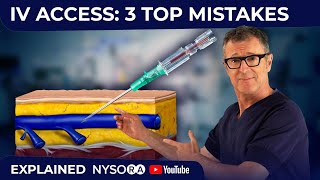
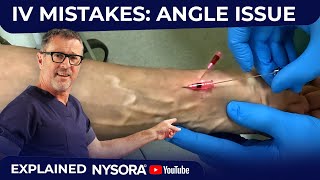
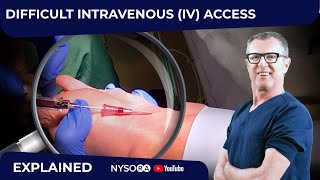
In IV therapy, ultrasound-guided peripheral IV cannulation has emerged as an important technique, enhancing the success rates of venous access, especially in patients with difficult venous anatomy. Ultrasound guidance for peripheral IV cannulation represents a significant advancement in venous access. It provides real-time visualization of veins, surrounding tissues, and the needle path. It is particularly beneficial for patients with difficult access due to obesity, chronic illness, or depleted venous reserves. This technique enhances the accuracy of needle insertion, minimizes the number of attempts required for successful cannulation, and increases patient comfort and satisfaction.

IV Access

IV access in emergency settings

Emergency situations demand swift action; obtaining IV access can be the difference between life and death. However, the process is fraught with difficulty, especially in patients with compromised vascular access due to dehydration, trauma, shock, obesity, or IV drug use. We introduce a practical algorithm specifically designed for IV access in emergency settings to streamline the decision-making process and enhance clinical outcomes. These algorithms are step-by-step guides that address initial site selection, techniques for difficult IV access, use of ultrasound-guided venipuncture, and alternative access methods such as IO infusion. It is intended to serve as a practical tool for clinicians, reducing the time to achieve access and improving patient care.

IV Access

IV access in patients with a history of cancer or chemotherapy treatment

Patients with a history of cancer, especially those who have received chemotherapy, often experience venous changes that make IV access difficult. Chemotherapy agents can cause venous damage, leading to sclerosis, reduced elasticity, and increased fragility of the veins. Additionally, repeated venipunctures throughout the treatment can further compromise venous integrity, resulting in limited or difficult-to-access venous sites.

IV Access

IV access in patients with a history of IV drug use

Patients with a history of IV drug use often present unique challenges when establishing IV access. Adopt an empathetic approach and utilize technical solutions to establish IV access in these patients. 

IV Access

IV access in patients with diabetes

Patients with diabetes often have complications such as peripheral vascular disease, changes in skin texture, and susceptibility to infection, all of which can complicate the process of obtaining and maintaining reliable IV access.

IV Access

IV access in patients with burns

Depending on their severity and location, burns can significantly alter the anatomy of the skin and underlying tissues, complicating the identification and cannulation of peripheral veins.

IV Access

IV access in obese patients

Securing IV access in obese patients presents a unique set of challenges for healthcare professionals. The increasing prevalence of obesity worldwide has made this a common issue in clinical settings, necessitating a deeper understanding and specialized approaches to ensure effective venous cannulation. In obese individuals, the excessive adipose tissue can obscure superficial veins, making them difficult to palpate and visualize. This complicates the identification of suitable veins for cannulation and increases the risk of multiple cannulation attempts, leading to patient discomfort and potential complications such as hematoma, infection, or thrombophlebitis.

IV Access

IV access in underweight patients

IV access in patients with low body weight or a low body mass index (BMI) presents unique challenges for healthcare professionals. These individuals often have less subcutaneous fat and smaller, more fragile veins, making traditional IV insertion more difficult and increasing the risk of complications such as vein damage or infiltration. The reduced vein visibility and palpability require a higher level of skill and sometimes necessitate the use of ultrasound-guided techniques to achieve successful venipuncture. Additionally, these patients may have a higher risk of adverse reactions from fluid overload or medication toxicity, necessitating careful monitoring and adjustment of IV fluid and medication dosages. 

IV Access

IV access in elderly patients

Thinner skin and fragile veins

IV Access

IV access in pediatric patients

Securing venous access in infants and children presents unique challenges due to the delicate nature of their veins, potential dehydration, and anxiety about the procedure. This manual focuses primarily on IV access in adults. However, here are essential points to consider when attempting vein access in pediatric patients.

IV Access

Algorithms

IV Access

Large vein cannulation

The expertise in inserting large-bore IV catheters during acute scenarios is essential for doctors, paramedics, and nurses caring for critically ill or injured patients. Large-bore IV lines are frequently needed in the emergency department, trauma victims, or in the OR when major blood loss is anticipated. Most medical professionals become proficient at establishing small-gauge IV lines over time. However, inserting large-bore catheters, especially in patients requiring substantial IV fluids or blood for resuscitation, presents a greater challenge. One might assume that cannulating these prominent, large veins would be straightforward. However, they can be challenging and require skill and expertise.

Read More

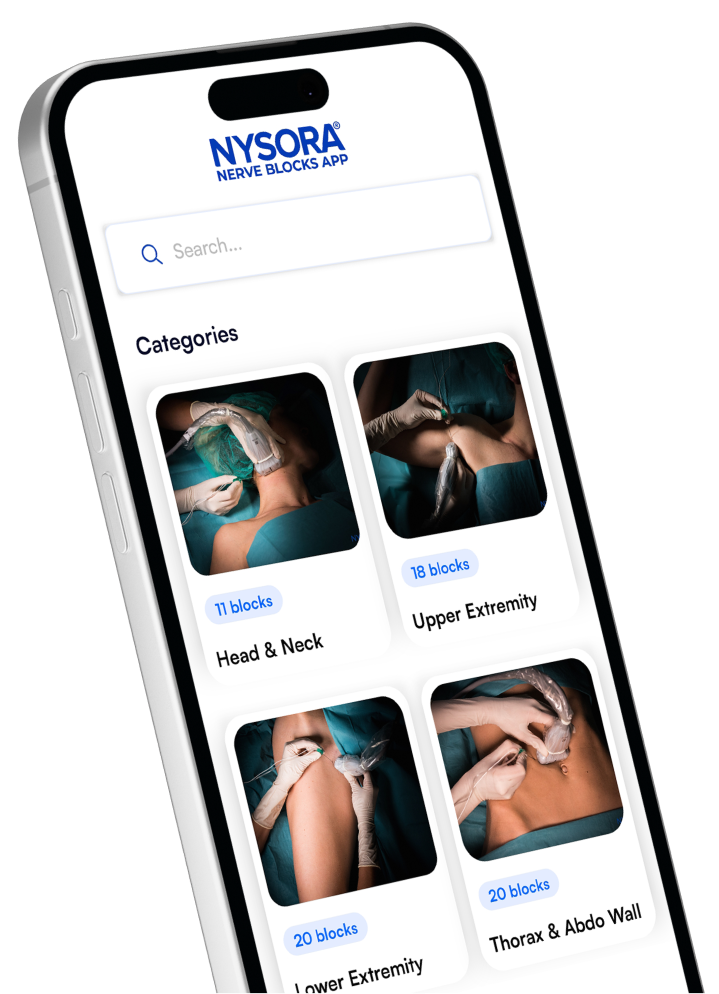
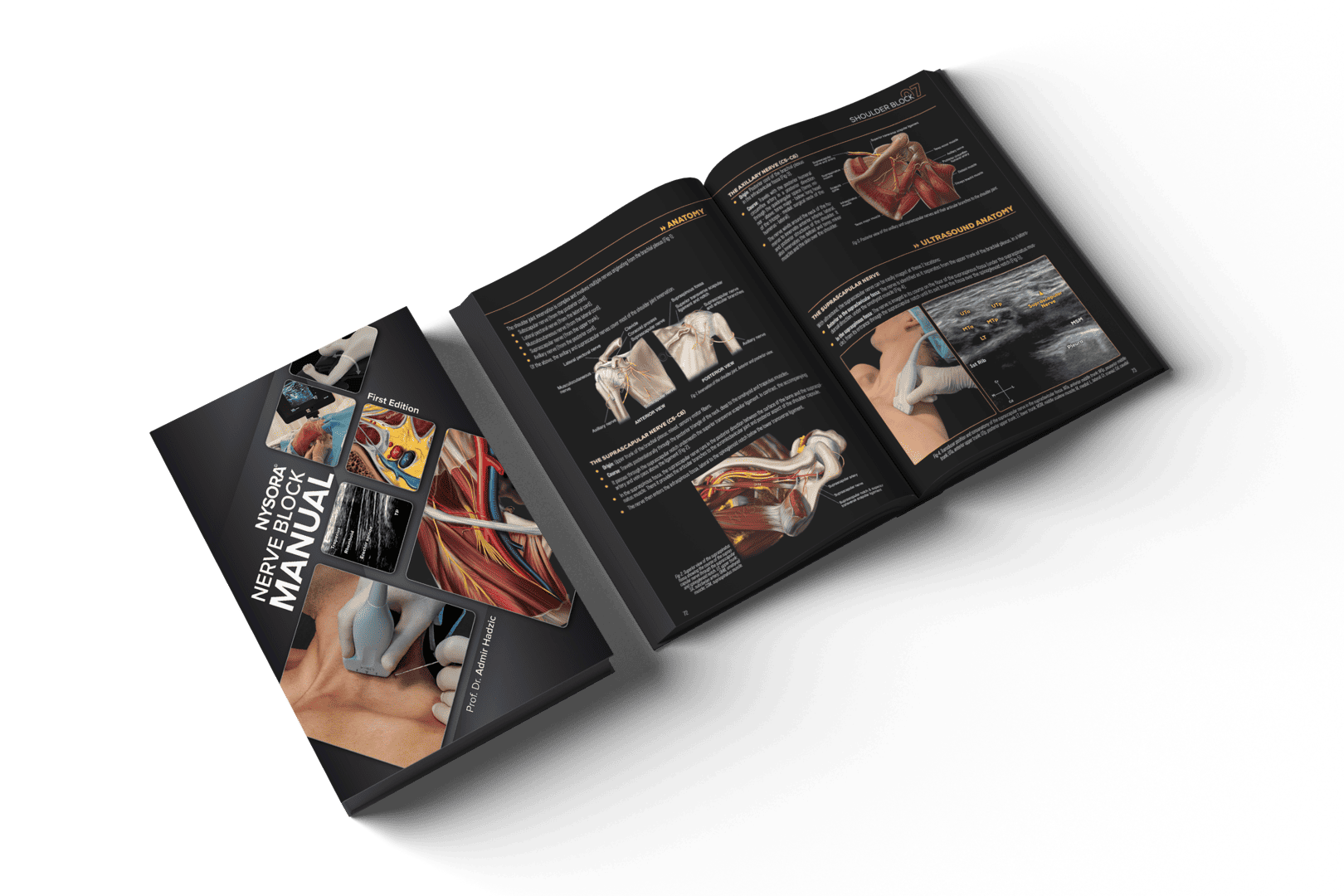
The World's Most Detailed Nerve Blocks Guide

Everything you need to learn or teach nerve blocks.

Read More

The First AI Assistant Built for Anesthesiologists

Trusted worldwide. Backed by experts. Designed for effective, real-time decision support.

Read More

Your Interactive Companion for Intravenous Catheterization

Master routine and challenging IV Access with the ultimate and most practical Go-To App.
Read More

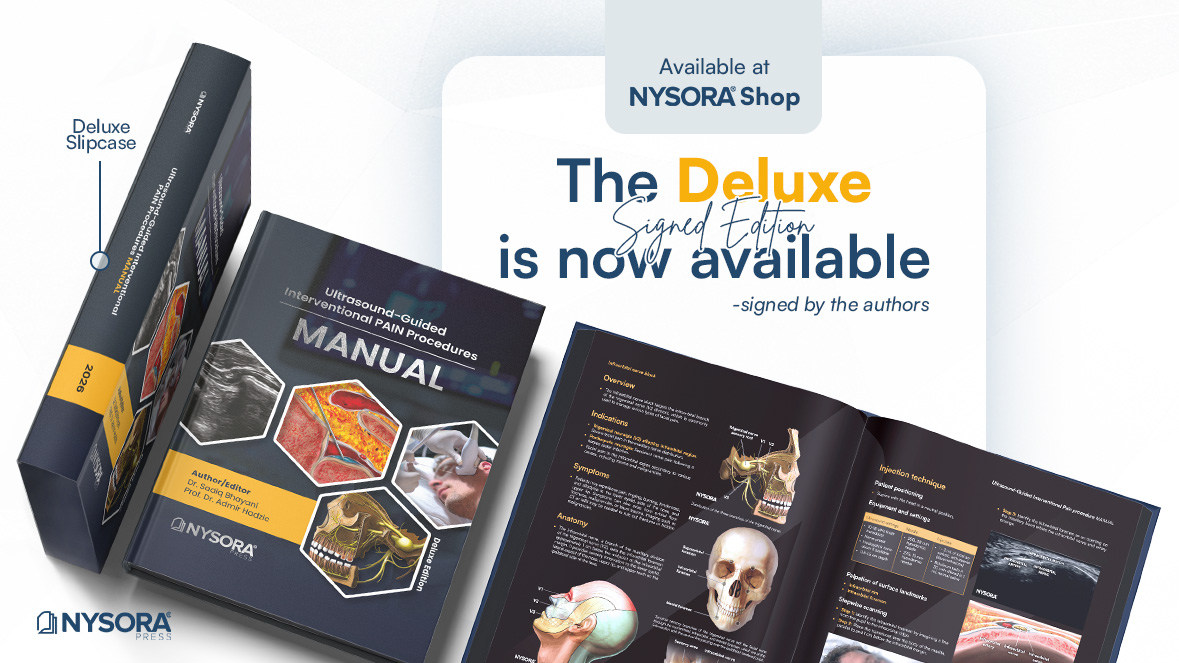
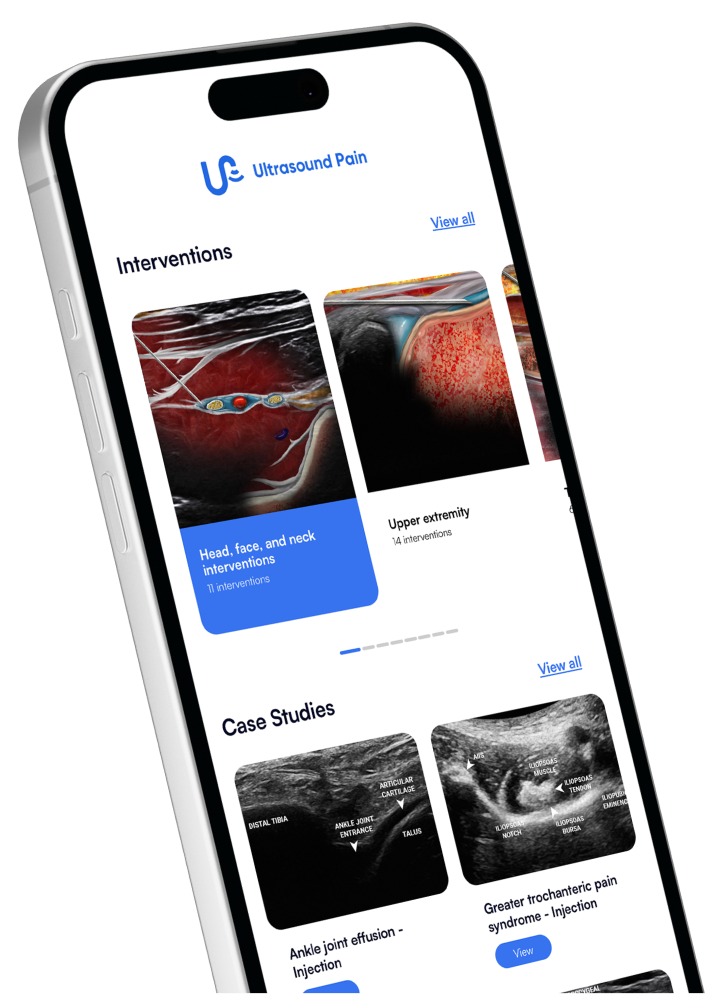
The Essential App for Pain Interventions

Access a concise and practical guide on 50+ ultrasound-guided interventional pain procedures.

Read More

A Clinically Oriented Approach to Point-of-Care Ultrasound

Master your emergency diagnostics skills on the go!

Title

Description

Read more

Expand your expertise through NYSORA’s CME-accredited events. Join anesthesiologists and pain specialists worldwide for live training, case discussions, and professional networking.

Pain Review Conference: Ultrasound-Guided Pain & MSK Interventions – From Fundamentals to Advanced Joint Interventions with Live Demonstrations

Pain Review Conference: Ultrasound-Guided Pain & MSK Interventions – From Fundamentals to Advanced Joint Interventions with Live Demonstrations

Kowloon, Hong Kong
May 08
Anesthesia Review Conference – Includes Interactive Live Demonstrations

Anesthesia Review Conference – Includes Interactive Live Demonstrations

Key West, USA
Feb 26
Anesthesia Review Conference

Anesthesia Review Conference

Tremblant, Canada
Jan 29
Pain Review Conference – Includes Interactive Live Demonstrations

Pain Review Conference – Includes Interactive Live Demonstrations

Lech am Arlberg, Austria
Jan 14
Anesthesia Review Conference – Includes Interactive Live Demonstrations

Anesthesia Review Conference – Includes Interactive Live Demonstrations

Cancun, Mexico
Oct 27
Anesthesia Review Conference – Includes Interactive Live Demonstrations

Anesthesia Review Conference – Includes Interactive Live Demonstrations

Val D’Isere, France
Feb 16
Anesthesia Review Conference- Includes Interactive Live Demonstrations

Anesthesia Review Conference- Includes Interactive Live Demonstrations

Rio Grande, Puerto Rico
Dec 04
Pain Review Conference

Pain Review Conference

Lech am Arlberg, Austria
Jan 14
Anesthesia Review Conference – Includes Interactive Live Demonstrations

Anesthesia Review Conference – Includes Interactive Live Demonstrations

Las Vegas, USA
Nov 06
Anesthesia Review Conference – Includes Interactive live demonstrations

Anesthesia Review Conference – Includes Interactive live demonstrations

Puerto de Mogán, Gran Canaria
Nov 14
Anesthesia Review Conference – Includes Interactive Live Demonstrations

Anesthesia Review Conference – Includes Interactive Live Demonstrations

Lake Tahoe, USA
Sep 19
Anesthesia Review Conference

Anesthesia Review Conference

Anna Maria Sound, Bradenton, USA
Dec 11
Anesthesia Refresher Course: Regional Anesthesia

Anesthesia Refresher Course: Regional Anesthesia

Leuven, Belgium
Oct 11
Anesthesia Refresher Course: Regional Anesthesia

Anesthesia Refresher Course: Regional Anesthesia

New York, USA
Aug 16
Anesthesia Refresher Course: Regional Anesthesia

Anesthesia Refresher Course: Regional Anesthesia

Leuven, Belgium
Aug 02
Anesthesia Review Conference – Includes Interactive Live Demonstrations

Anesthesia Review Conference – Includes Interactive Live Demonstrations

Savannah, USA
Oct 03
Anesthesia Review Conference – Includes Interactive Live Demonstrations

Anesthesia Review Conference – Includes Interactive Live Demonstrations

Napa Valley, USA
Oct 17
Anesthesia Review Conference – Includes Interactive Live Demonstrations

Anesthesia Review Conference – Includes Interactive Live Demonstrations

Nashville, USA
Sep 11

Discover

NYSORA - Education

@nysoravideo


  • 255K subscribers
  • 305 videos

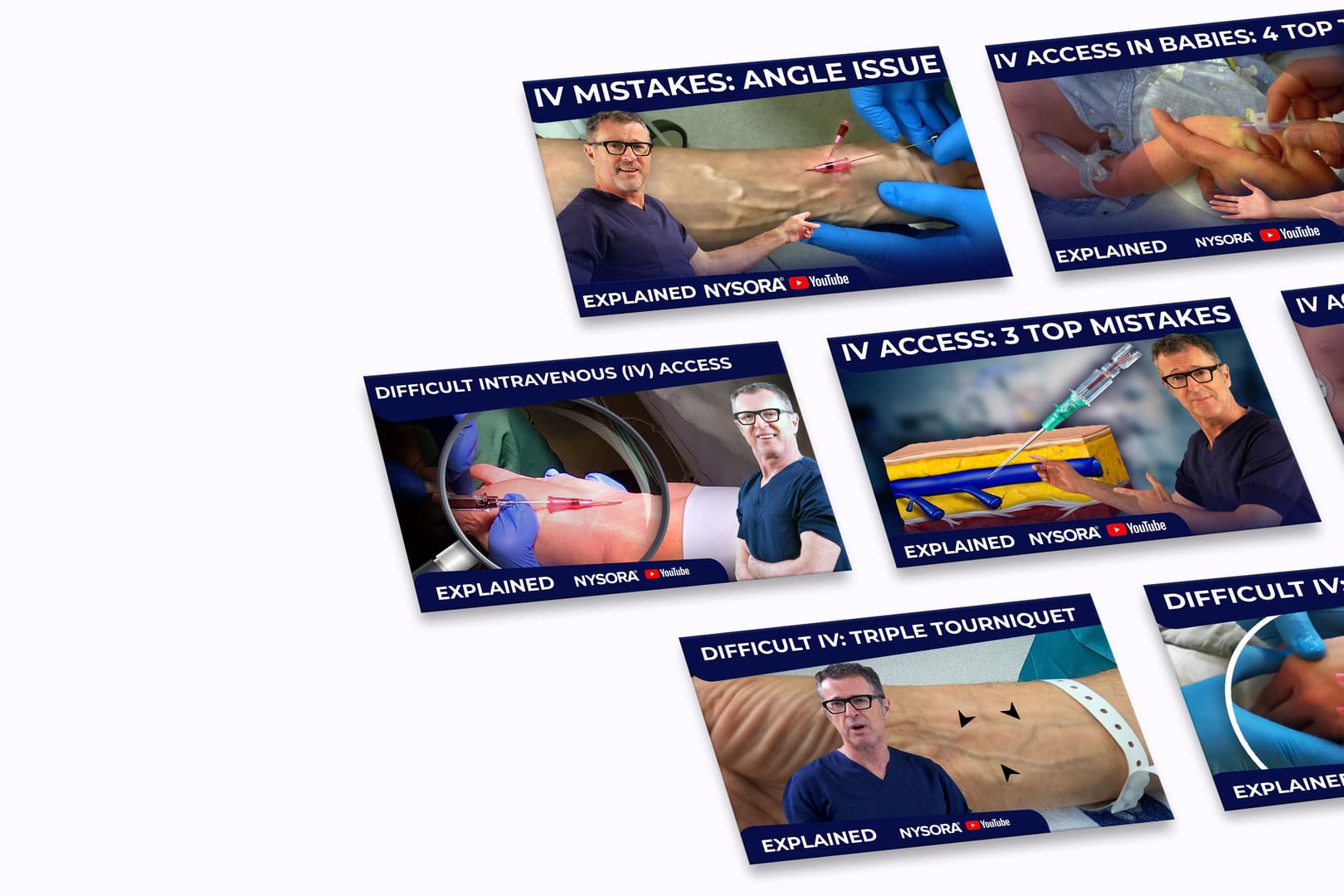
Discover the NYSORA YouTube channel for free educational content and insights in anesthesiology and pain medicine.

Subscribe

NYSORA - Education

@nysoravideo


  • 255K subscribers
  • 305 videos

Discover the NYSORA YouTube channel for free educational content and insights in anesthesiology and pain medicine.

Subscribe

Anasthesiology Updates

Anasthesiology
Updates

NYSORA Press

Knowledge That Shapes Clinical Practice

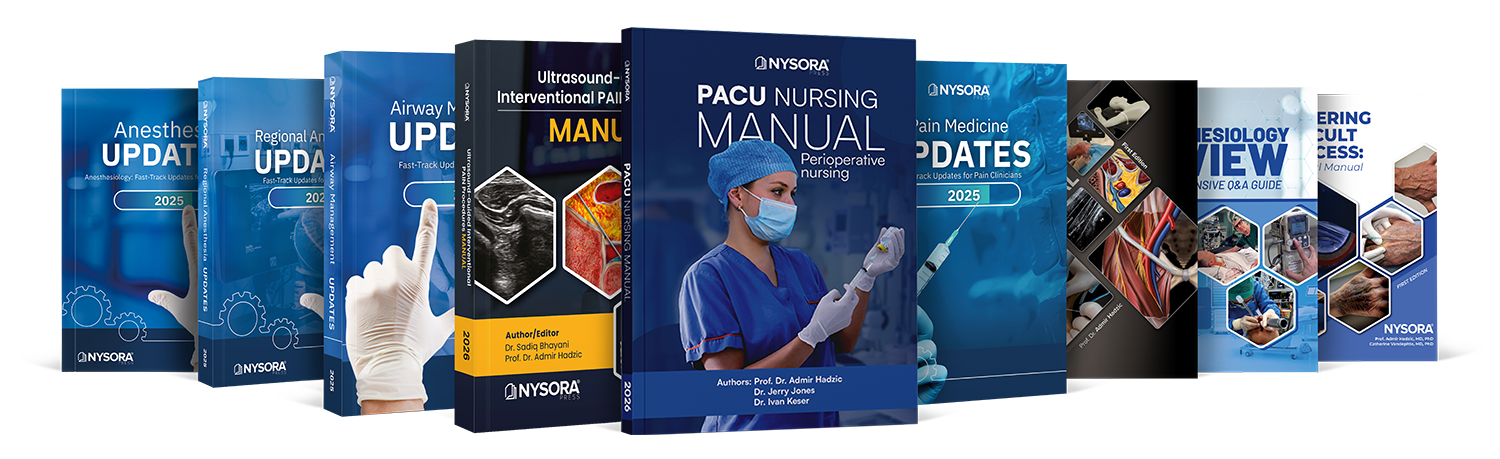
From regional anesthesia to IV access, our books transform complex topics into practical learning. With global reach and top ratings, they guide students, residents, and practicing anesthesiologists alike.
6+

Amazon Bestsellers

95%
Clinician Endorsement

Clinicians worldwide rely on NYSORA books for clarity, accuracy, and clinical impact.

Trusted by Hospitals, Universities, and Industry

Leading hospitals, academic institutions, and healthcare companies rely on NYSORA’s resources to train, connect, and inspire professionals across specialties.


Built on NYSORA’s best-selling books, our modules combine illustrations, clinical videos, and practical insights for real-world use. Designed for fast learning and continuously updated.

NYSORA360

Experience live demonstrations and practical techniques at the Anesthesia Symposium in Sydney, March 2026.

X

Expert anesthesia updates - join us in Key West, Florida for the 2026 Anesthesia Review Conference.

X