- Learn
-
Apps
View all apps
Veterinary
 VetRA App
- Books
- Events
- News
- Partners
- About
- For Clinicians
 VetRA App

 North America
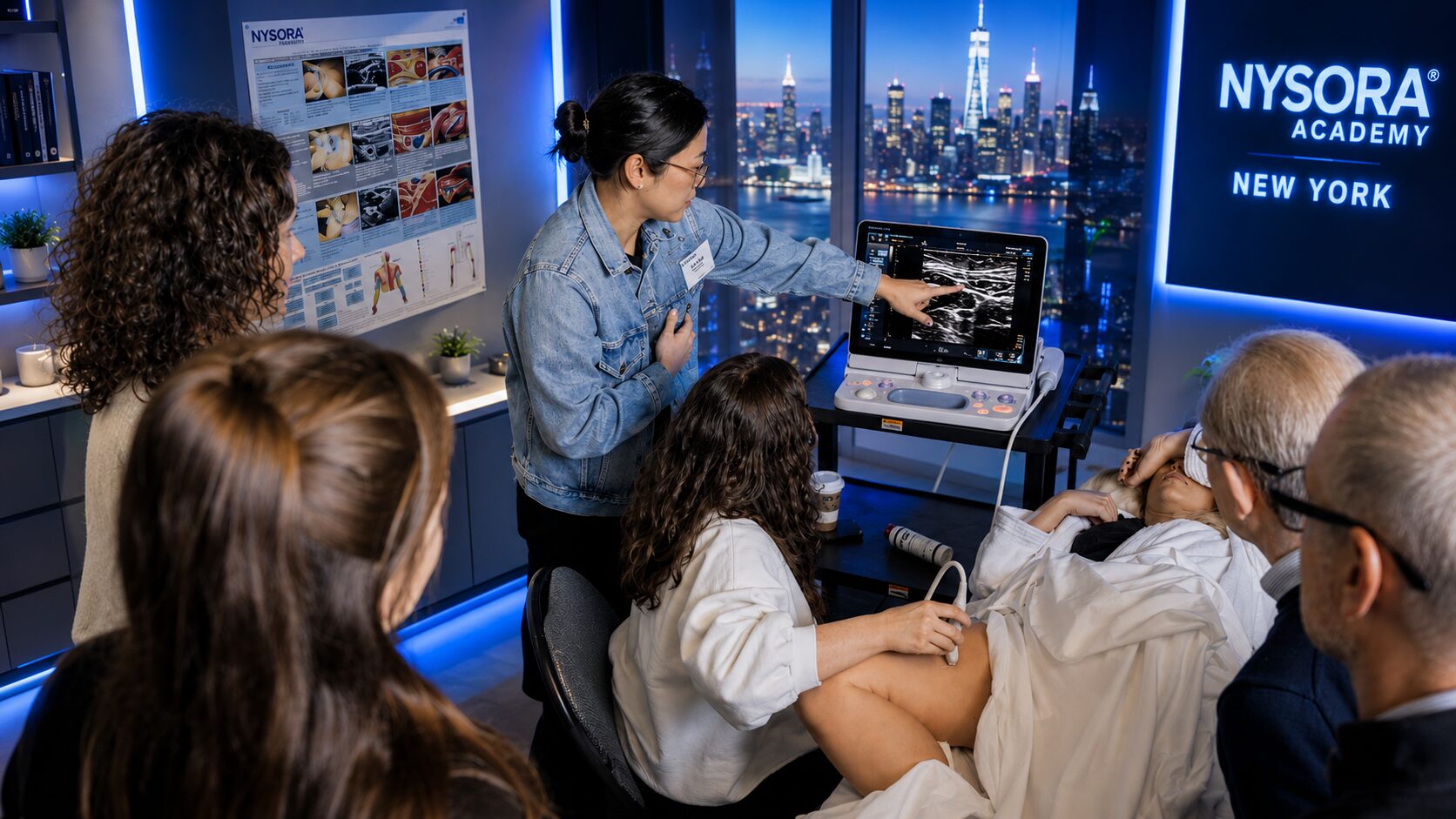
A focused, hands-on learning experience designed to advance your regional anesthesia skills through ultrasound-guided techniques, anatomy mastery, and clinical application.
FORMAT
Focused Small-Group Training
type
Simulator Training
teaching
Top Experts
Date
Event
Location
Duration
Price
Sep
12-13
 New York, USA, Sep 12-13
 New York, USA
2 Days
$2,195

In support of improving patient care, this activity has been planned and implemented by the Postgraduate Institute for Medicine and NYSORA. Postgraduate Institute for Medicine is jointly accredited by the Accreditation Council for Continuing Medical Education (ACCME), the Accreditation Council for Pharmacy Education (ACPE), and the American Nurses Credentialing Center (ANCC), to provide continuing education for the healthcare team.
Physician Continuing Medical Education
The Postgraduate Institute for Medicine designates this live activity for a maximum of 13 AMA PRA Category 1 Credit(s)™. Physicians should claim only the credit commensurate with the extent of their participation in the activity.
Continuing Nursing Education
The maximum number of ANCC Nursing credit hours awarded for this Continuing Nursing Education activity is 13 contact hours. Pharmacotherapy contact hours for Advance Practice Registered Nurses will be designated on your certificate.
Disclosure of Conflicts of Interest
Postgraduate Institute for Medicine (PIM) requires faculty, planners, and others in control of educational content to disclose all their financial relationships with ineligible companies. All identified financial relationships are thoroughly vetted and mitigated according to PIM policy. PIM is committed to providing its learners with high quality accredited continuing education activities and related materials that promote improvements or quality in healthcare and not a specific proprietary business interest of an ineligible company.
 Course Highlights
 Schedule
Morning Session (07:30 - 16:00)
Morning Session (07:30 - 14:45)
Oct
03-04
New York, USA, Oct 03-04 New York, USA
2 Days
Early bird
$2,095
In support of improving patient care, this activity has been planned and implemented by the Postgraduate Institute for Medicine and NYSORA. Postgraduate Institute for Medicine is jointly accredited by the Accreditation Council for Continuing Medical Education (ACCME), the Accreditation Council for Pharmacy Education (ACPE), and the American Nurses Credentialing Center (ANCC), to provide continuing education for the healthcare team.
Physician Continuing Medical Education
The Postgraduate Institute for Medicine designates this live activity for a maximum of 13 AMA PRA Category 1 Credit(s)™. Physicians should claim only the credit commensurate with the extent of their participation in the activity.
Continuing Nursing Education
The maximum number of ANCC Nursing credit hours awarded for this Continuing Nursing Education activity is 13 contact hours. Pharmacotherapy contact hours for Advance Practice Registered Nurses will be designated on your certificate.
Disclosure of Conflicts of Interest
Postgraduate Institute for Medicine (PIM) requires faculty, planners, and others in control of educational content to disclose all their financial relationships with ineligible companies. All identified financial relationships are thoroughly vetted and mitigated according to PIM policy. PIM is committed to providing its learners with high quality accredited continuing education activities and related materials that promote improvements or quality in healthcare and not a specific proprietary business interest of an ineligible company.
Course Highlights
Schedule
Morning Session (07:30 - 16:00)
Morning Session (07:30 - 14:45)
Oct
31
-
Nov
01
New York, USA, Oct 31 - Nov 01 New York, USA
2 Days
Early bird
$2,095
In support of improving patient care, this activity has been planned and implemented by the Postgraduate Institute for Medicine and NYSORA. Postgraduate Institute for Medicine is jointly accredited by the Accreditation Council for Continuing Medical Education (ACCME), the Accreditation Council for Pharmacy Education (ACPE), and the American Nurses Credentialing Center (ANCC), to provide continuing education for the healthcare team.
Physician Continuing Medical Education
The Postgraduate Institute for Medicine designates this live activity for a maximum of 13 AMA PRA Category 1 Credit(s)™. Physicians should claim only the credit commensurate with the extent of their participation in the activity.
Continuing Nursing Education
The maximum number of ANCC Nursing credit hours awarded for this Continuing Nursing Education activity is 13 contact hours. Pharmacotherapy contact hours for Advance Practice Registered Nurses will be designated on your certificate.
Disclosure of Conflicts of Interest
Postgraduate Institute for Medicine (PIM) requires faculty, planners, and others in control of educational content to disclose all their financial relationships with ineligible companies. All identified financial relationships are thoroughly vetted and mitigated according to PIM policy. PIM is committed to providing its learners with high quality accredited continuing education activities and related materials that promote improvements or quality in healthcare and not a specific proprietary business interest of an ineligible company.
Course Highlights
Schedule
Morning Session (07:30 - 16:00)
Morning Session (07:30 - 14:45)
Nov
14-15
Toronto, Canada, Nov 14-15 Toronto, Canada
2 Days
Early bird
US$2,095
In support of improving patient care, this activity has been planned and implemented by the Postgraduate Institute for Medicine and NYSORA. Postgraduate Institute for Medicine is jointly accredited by the Accreditation Council for Continuing Medical Education (ACCME), the Accreditation Council for Pharmacy Education (ACPE), and the American Nurses Credentialing Center (ANCC), to provide continuing education for the healthcare team.
Physician Continuing Medical Education
The Postgraduate Institute for Medicine designates this live activity for a maximum of 13 AMA PRA Category 1 Credit(s)™. Physicians should claim only the credit commensurate with the extent of their participation in the activity.
Continuing Nursing Education
The maximum number of ANCC Nursing credit hours awarded for this Continuing Nursing Education activity is 13 contact hours. Pharmacotherapy contact hours for Advance Practice Registered Nurses will be designated on your certificate.
Disclosure of Conflicts of Interest
Postgraduate Institute for Medicine (PIM) requires faculty, planners, and others in control of educational content to disclose all their financial relationships with ineligible companies. All identified financial relationships are thoroughly vetted and mitigated according to PIM policy. PIM is committed to providing its learners with high quality accredited continuing education activities and related materials that promote improvements or quality in healthcare and not a specific proprietary business interest of an ineligible company.
Course Highlights
Schedule
Morning Session (07:30 - 16:00)
Morning Session (07:30 - 14:45)
Nov
21-22
New York, USA, Nov 21-22 New York, USA
2 Days
Early bird
$2,095
In support of improving patient care, this activity has been planned and implemented by the Postgraduate Institute for Medicine and NYSORA. Postgraduate Institute for Medicine is jointly accredited by the Accreditation Council for Continuing Medical Education (ACCME), the Accreditation Council for Pharmacy Education (ACPE), and the American Nurses Credentialing Center (ANCC), to provide continuing education for the healthcare team.
Physician Continuing Medical Education
The Postgraduate Institute for Medicine designates this live activity for a maximum of 13 AMA PRA Category 1 Credit(s)™. Physicians should claim only the credit commensurate with the extent of their participation in the activity.
Continuing Nursing Education
The maximum number of ANCC Nursing credit hours awarded for this Continuing Nursing Education activity is 13 contact hours. Pharmacotherapy contact hours for Advance Practice Registered Nurses will be designated on your certificate.
Disclosure of Conflicts of Interest
Postgraduate Institute for Medicine (PIM) requires faculty, planners, and others in control of educational content to disclose all their financial relationships with ineligible companies. All identified financial relationships are thoroughly vetted and mitigated according to PIM policy. PIM is committed to providing its learners with high quality accredited continuing education activities and related materials that promote improvements or quality in healthcare and not a specific proprietary business interest of an ineligible company.
Course Highlights
Schedule
Morning Session (07:30 - 16:00)
Morning Session (07:30 - 14:45)
Dec
12-13
New York, USA, Dec 12-13 New York, USA
2 Days
Early bird
$2,095
In support of improving patient care, this activity has been planned and implemented by the Postgraduate Institute for Medicine and NYSORA. Postgraduate Institute for Medicine is jointly accredited by the Accreditation Council for Continuing Medical Education (ACCME), the Accreditation Council for Pharmacy Education (ACPE), and the American Nurses Credentialing Center (ANCC), to provide continuing education for the healthcare team.
Physician Continuing Medical Education
The Postgraduate Institute for Medicine designates this live activity for a maximum of 13 AMA PRA Category 1 Credit(s)™. Physicians should claim only the credit commensurate with the extent of their participation in the activity.
Continuing Nursing Education
The maximum number of ANCC Nursing credit hours awarded for this Continuing Nursing Education activity is 13 contact hours. Pharmacotherapy contact hours for Advance Practice Registered Nurses will be designated on your certificate.
Disclosure of Conflicts of Interest
Postgraduate Institute for Medicine (PIM) requires faculty, planners, and others in control of educational content to disclose all their financial relationships with ineligible companies. All identified financial relationships are thoroughly vetted and mitigated according to PIM policy. PIM is committed to providing its learners with high quality accredited continuing education activities and related materials that promote improvements or quality in healthcare and not a specific proprietary business interest of an ineligible company.
Course Highlights
Schedule
Morning Session (07:30 - 16:00)
Morning Session (07:30 - 14:45)
Jan
30-31
New York, USA, Jan 30-31 New York, USA
2 Days
Early bird
$2,095
The course will be accredited with AMA PRA Category 1 Credit™ . Further information coming shortly.
Course Highlights
Schedule
Morning Session (07:30 - 00:15)
Afternoon Session (12:15 - 16:00)
Morning Session (07:30 - 12:00)
Afternoon Session (12:00 - 14:45)
Feb
27-28
New York, USA, Feb 27-28 New York, USA
2 Days
Early bird
$2,095
The course will be accredited with AMA PRA Category 1 Credit™ . Further information coming shortly.
Course Highlights
Schedule
Morning Session (07:30 - 00:15)
Afternoon Session (12:15 - 16:00)
Morning Session (07:30 - 12:00)
Afternoon Session (12:00 - 14:45)
Mar
20-21
New York, USA, Mar 20-21 New York, USA
2 Days
Early bird
$2,095
The course will be accredited with AMA PRA Category 1 Credit™ . Further information coming shortly.
Course Highlights
Schedule
Morning Session (07:30 - 00:15)
Afternoon Session (12:15 - 16:00)
Morning Session (07:30 - 12:00)
Afternoon Session (12:00 - 14:45)
Apr
17-18
New York, USA, Apr 17-18 New York, USA
2 Days
Early bird
$2,095
The course will be accredited with AMA PRA Category 1 Credit™ . Further information coming shortly.
Course Highlights
Schedule
Morning Session (07:30 - 00:15)
Afternoon Session (12:15 - 16:00)
Morning Session (07:30 - 12:00)
Afternoon Session (12:00 - 14:45)
May
15-16
New York, USA, May 15-16 New York, USA
2 Days
Early bird
$2,095
The course will be accredited with AMA PRA Category 1 Credit™ . Further information coming shortly.
Course Highlights
Schedule
Morning Session (07:30 - 00:15)
Afternoon Session (12:15 - 16:00)
Morning Session (07:30 - 12:00)
Afternoon Session (12:00 - 14:45)
Jun
26-27
New York, USA, Jun 26-27 New York, USA
2 Days
Early bird
$2,095
The course will be accredited with AMA PRA Category 1 Credit™ . Further information coming shortly.
Course Highlights
Schedule
Morning Session (07:30 - 00:15)
Afternoon Session (12:15 - 16:00)
Morning Session (07:30 - 12:00)
Afternoon Session (12:00 - 14:45)
Jul
24-25
New York, USA, Jul 24-25 New York, USA
2 Days
Early bird
$2,095
The course will be accredited with AMA PRA Category 1 Credit™ . Further information coming shortly.
Course Highlights
Schedule
Morning Session (07:30 - 00:15)
Afternoon Session (12:15 - 16:00)
Morning Session (07:30 - 12:00)
Afternoon Session (12:00 - 14:45)
Aug
21-22
New York, USA, Aug 21-22 New York, USA
2 Days
Early bird
$2,095
The course will be accredited with AMA PRA Category 1 Credit™ . Further information coming shortly.
Course Highlights
Schedule
Morning Session (07:30 - 00:15)
Afternoon Session (12:15 - 16:00)
Morning Session (07:30 - 12:00)
Afternoon Session (12:00 - 14:45)
Sep
25-26
New York, USA, Sep 25-26 New York, USA
2 Days
Early bird
$2,095
The course will be accredited with AMA PRA Category 1 Credit™ . Further information coming shortly.
Course Highlights
Schedule
Morning Session (07:30 - 00:15)
Afternoon Session (12:15 - 16:00)
Morning Session (07:30 - 12:00)
Afternoon Session (12:00 - 14:45)
Oct
23-24
New York, USA, Oct 23-24 New York, USA
2 Days
Early bird
$2,095
The course will be accredited with AMA PRA Category 1 Credit™ . Further information coming shortly.
Course Highlights
Schedule
Morning Session (07:30 - 00:15)
Afternoon Session (12:15 - 16:00)
Morning Session (07:30 - 12:00)
Afternoon Session (12:00 - 14:45)
Nov
20-21
New York, USA, Nov 20-21 New York, USA
2 Days
Early bird
$2,095
The course will be accredited with AMA PRA Category 1 Credit™ . Further information coming shortly.
Course Highlights
Schedule
Morning Session (07:30 - 00:15)
Afternoon Session (12:15 - 16:00)
Morning Session (07:30 - 12:00)
Afternoon Session (12:00 - 14:45)
Dec
11-12
New York, USA, Dec 11-12 New York, USA
2 Days
Early bird
$2,095
The course will be accredited with AMA PRA Category 1 Credit™ . Further information coming shortly.
Course Highlights
Schedule
Morning Session (07:30 - 00:15)
Afternoon Session (12:15 - 16:00)
Morning Session (07:30 - 12:00)
Afternoon Session (12:00 - 14:45)
An inspired setting with stunning views across the Hudson to NYC. A truly enviable location in Weehawken, NJ. Please note that this venue is accessed via stairs.
Our venues are carefully selected for their prime location near major transport hubs, proximity to the city and attractions, inspiring views, and first-rate equipment, ensuring the best possible experience for all attendees.
Arriving by Air:
Newark Airport is located 13 miles from the Academy. CLICK HERE for more information.
Arriving by Car:
A parking garage is available within a 5-minute walk. CLICK HERE for more information.
Arriving by Ferry:
The Academy is located immediately next to the Lincoln Harbor Ferry Terminal, with ferries from Midtown Manhattan taking approximately 8 minutes. Please check the timetable HERE.
Bus:
Buses from NYC to Lincoln Harbor take approximately 15 minutes. CLICK HERE for more information.
Closest Hotel:
The Sheraton Lincoln Harbor Hotel is located just a 3-minute walk from the Academy. CLICK HERE to make a reservation.

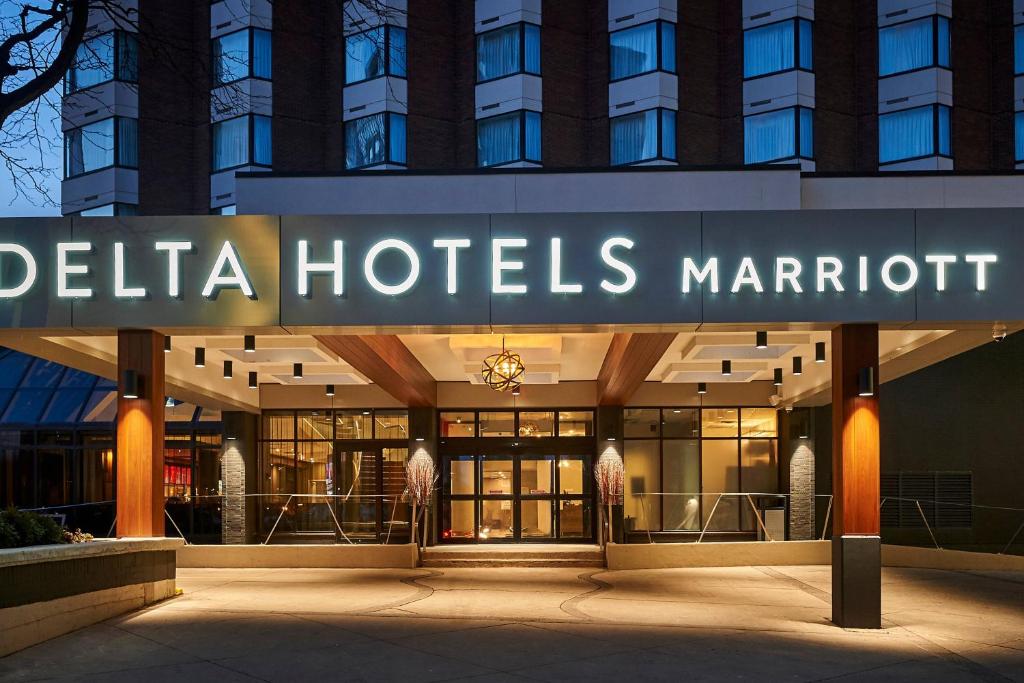
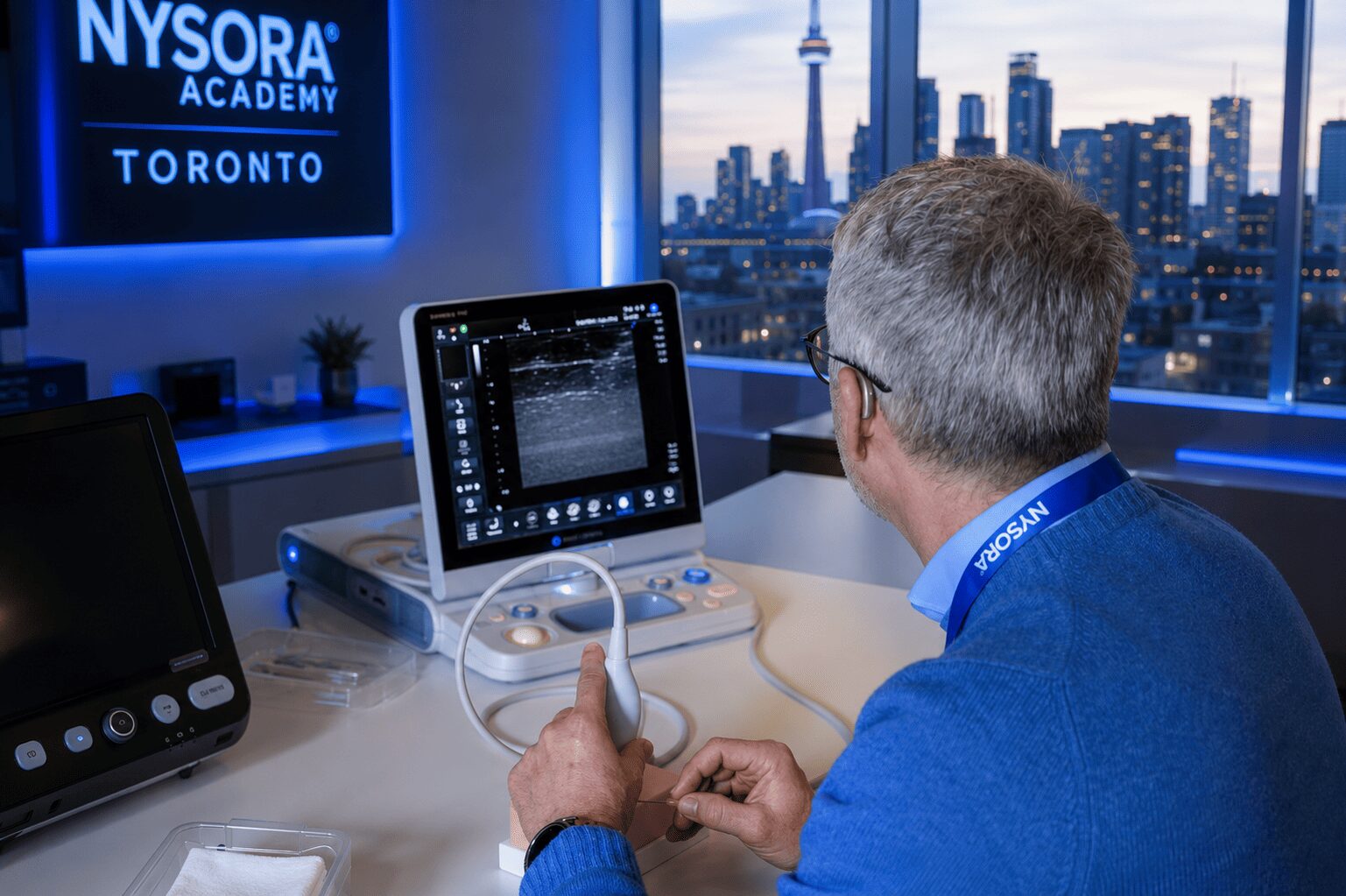
The conference will take place at Delta Hotels Toronto Mississauga, a modern and well-equipped venue located in the heart of Mississauga. Designed to accommodate professional meetings and educational events, the hotel offers state-of-the-art conference facilities, spacious meeting rooms, and a comfortable learning environment.
Conveniently situated just 17 km from Toronto Pearson International Airport, the venue is easily accessible for both domestic and international attendees. Its central location places guests within walking distance of Square One Shopping Centre, the Living Arts Centre, and a diverse selection of restaurants and cafés.
Delta Hotels Toronto Mississauga combines accessibility, comfort, and professional amenities, making it an ideal setting for a high-quality educational conference.

Delta Hotels Toronto Mississauga offers a comfortable and convenient stay for conference attendees, with a wide range of modern amenities designed to support both work and relaxation. Guests can enjoy spacious, well-appointed rooms, complimentary high-speed Wi-Fi, a fully equipped fitness centre, and on-site dining options. The hotel also features business services, meeting-friendly common areas, and 24-hour front desk support to ensure a seamless stay. Its central location provides easy access to nearby shopping, dining, and cultural attractions. A special group rate of CAD 182 per night is available for participants. Last day to book at the group rate: Friday, October 16, 2026.
Delta Hotels Toronto Mississauga
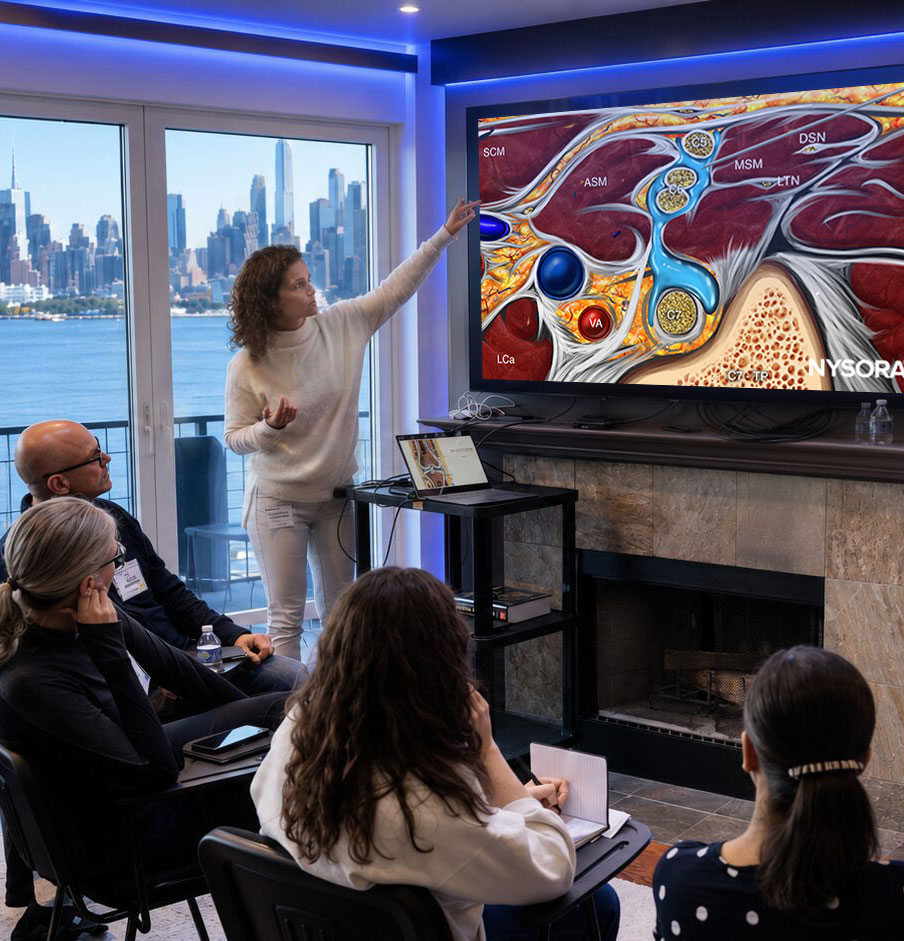
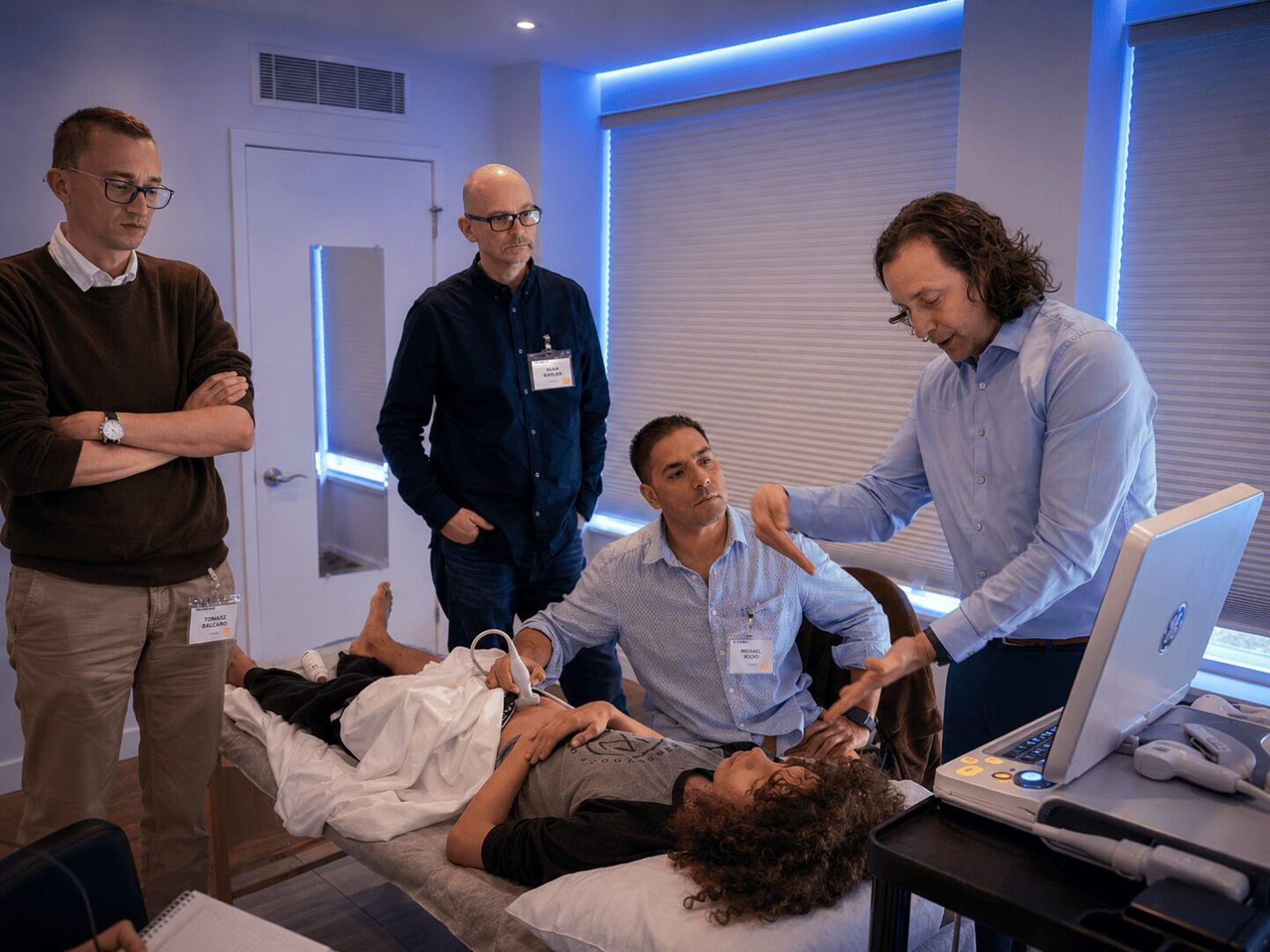
Gain practical expertise in ultrasound-guided regional anesthesia through hands-on training focused on anatomy recognition, needle guidance, and clinical decision-making.

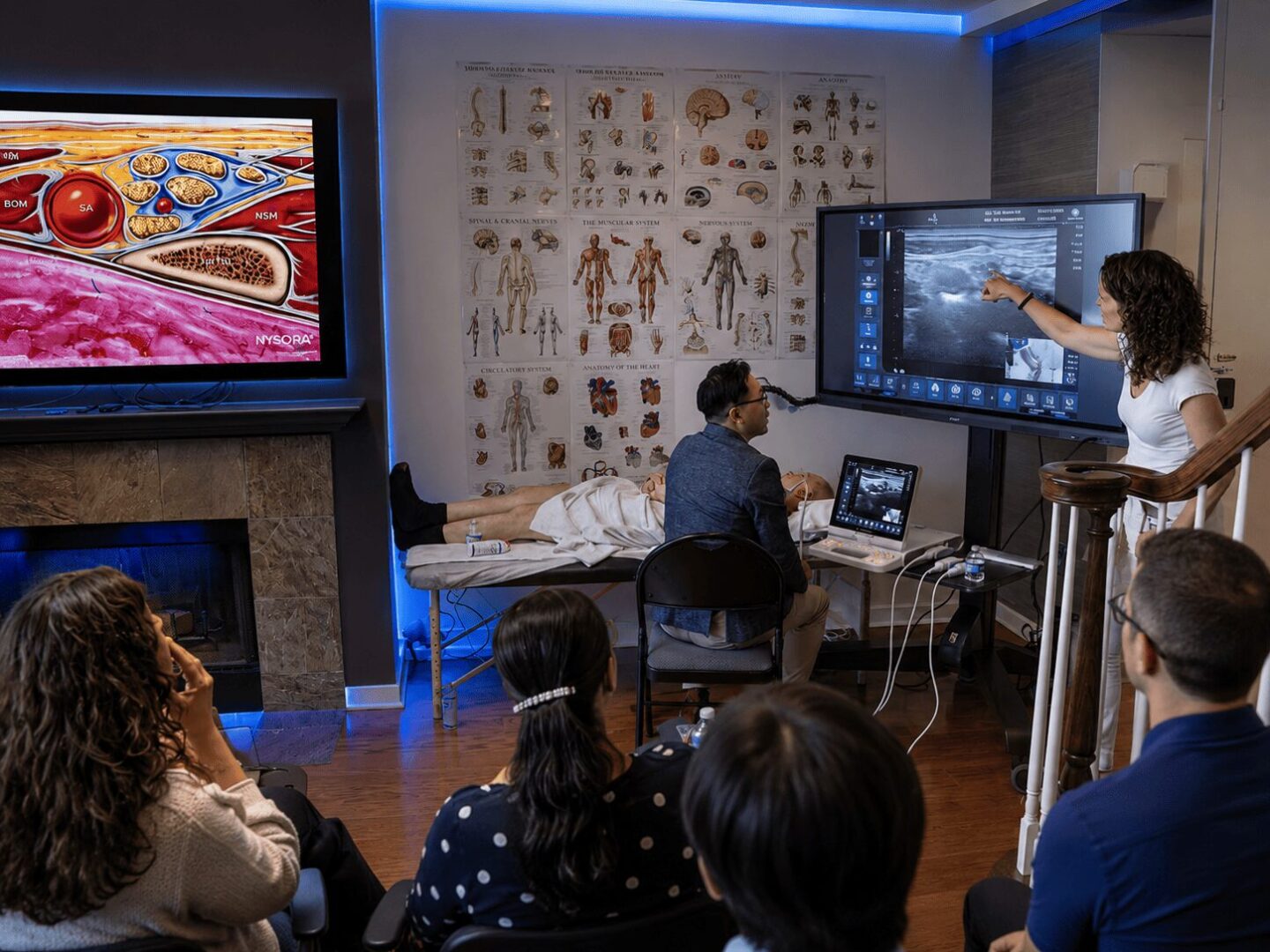
Expert Faculty & Small-Group Learning
Train alongside internationally recognized regional anesthesia experts in an interactive environment that encourages questions, discussion, and personalized feedback.

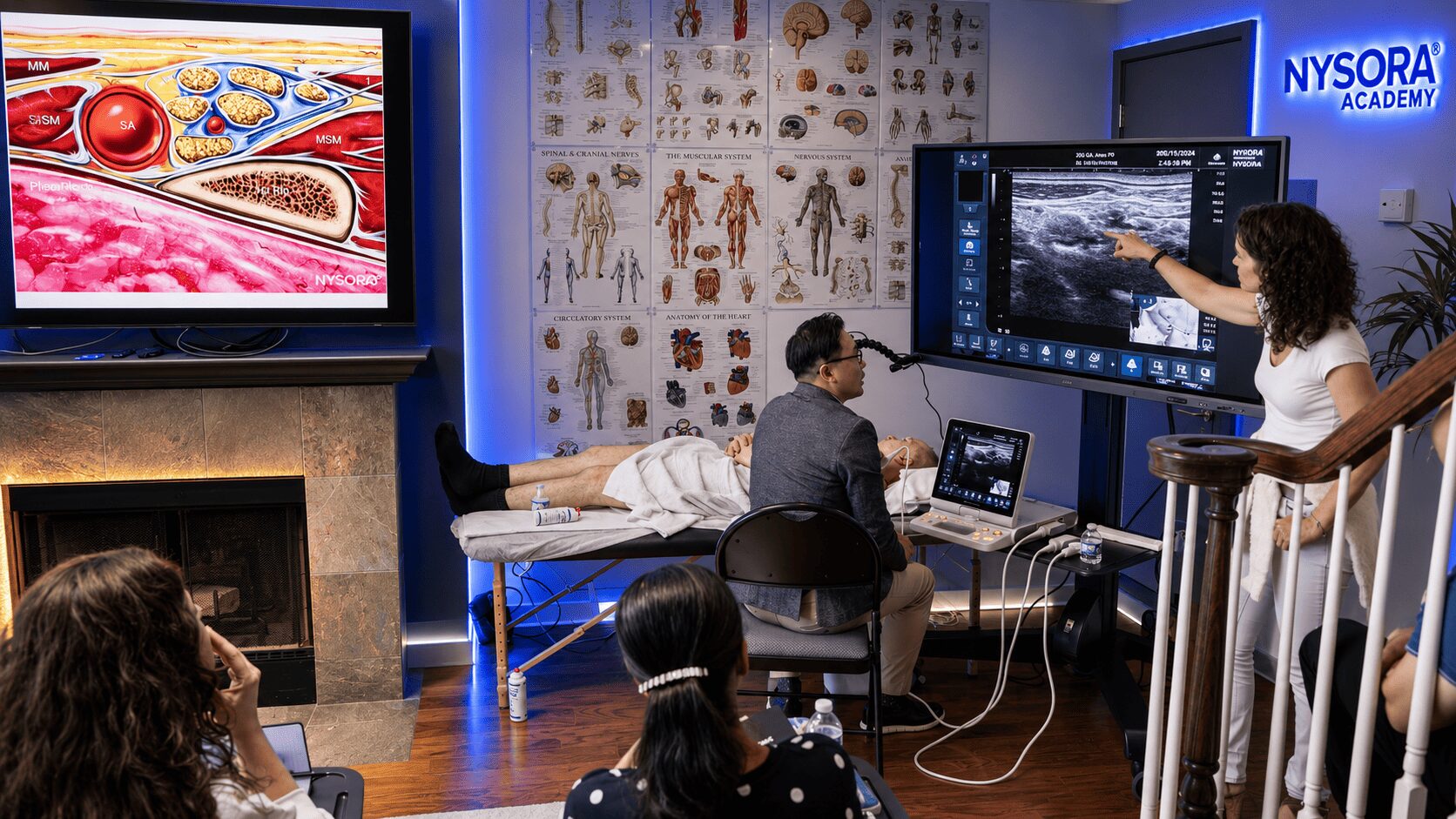
Master Sonoanatomy
Learn to identify key anatomical structures and ultrasound landmarks essential for accurate nerve localization and successful block performance.

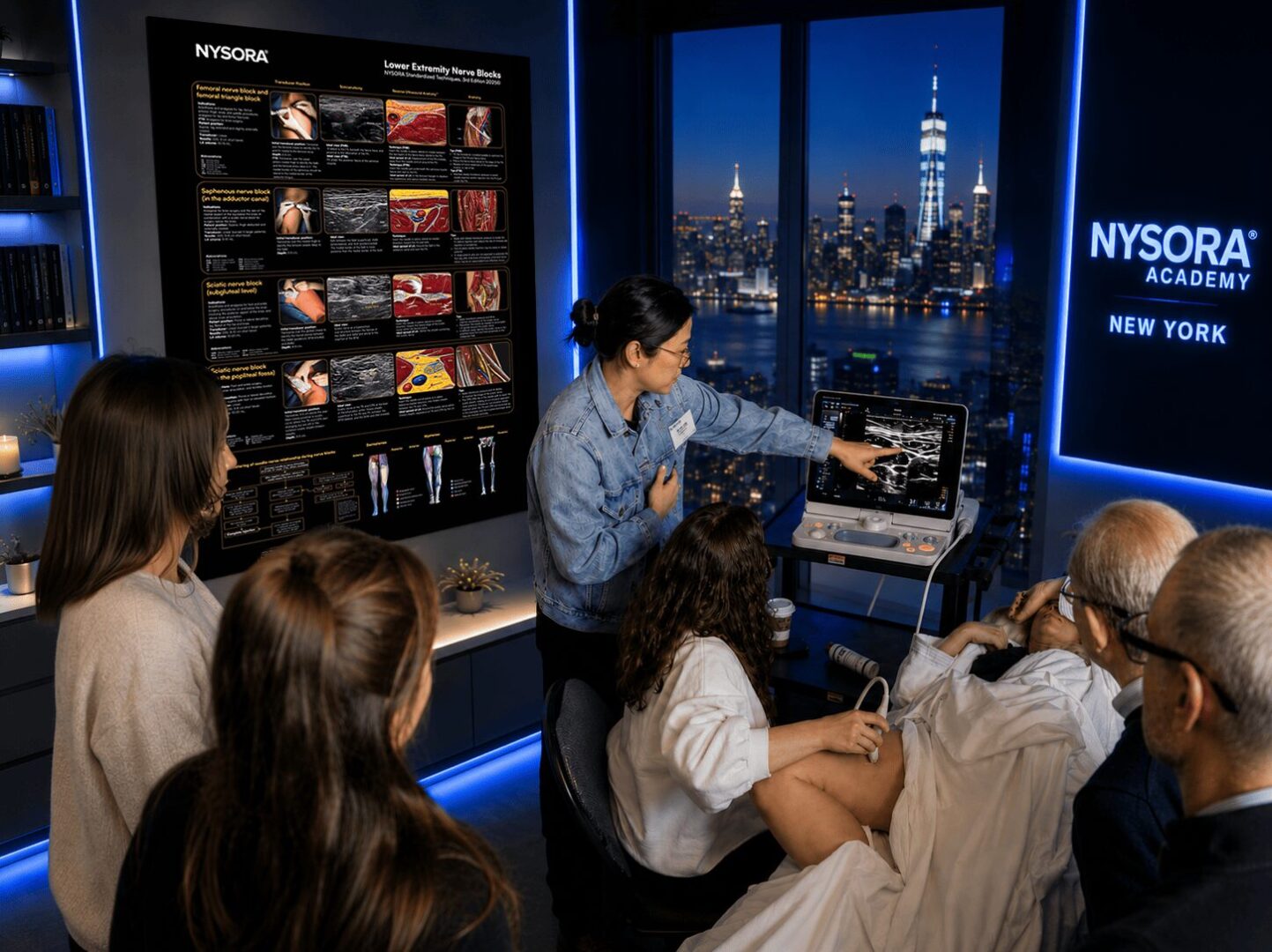
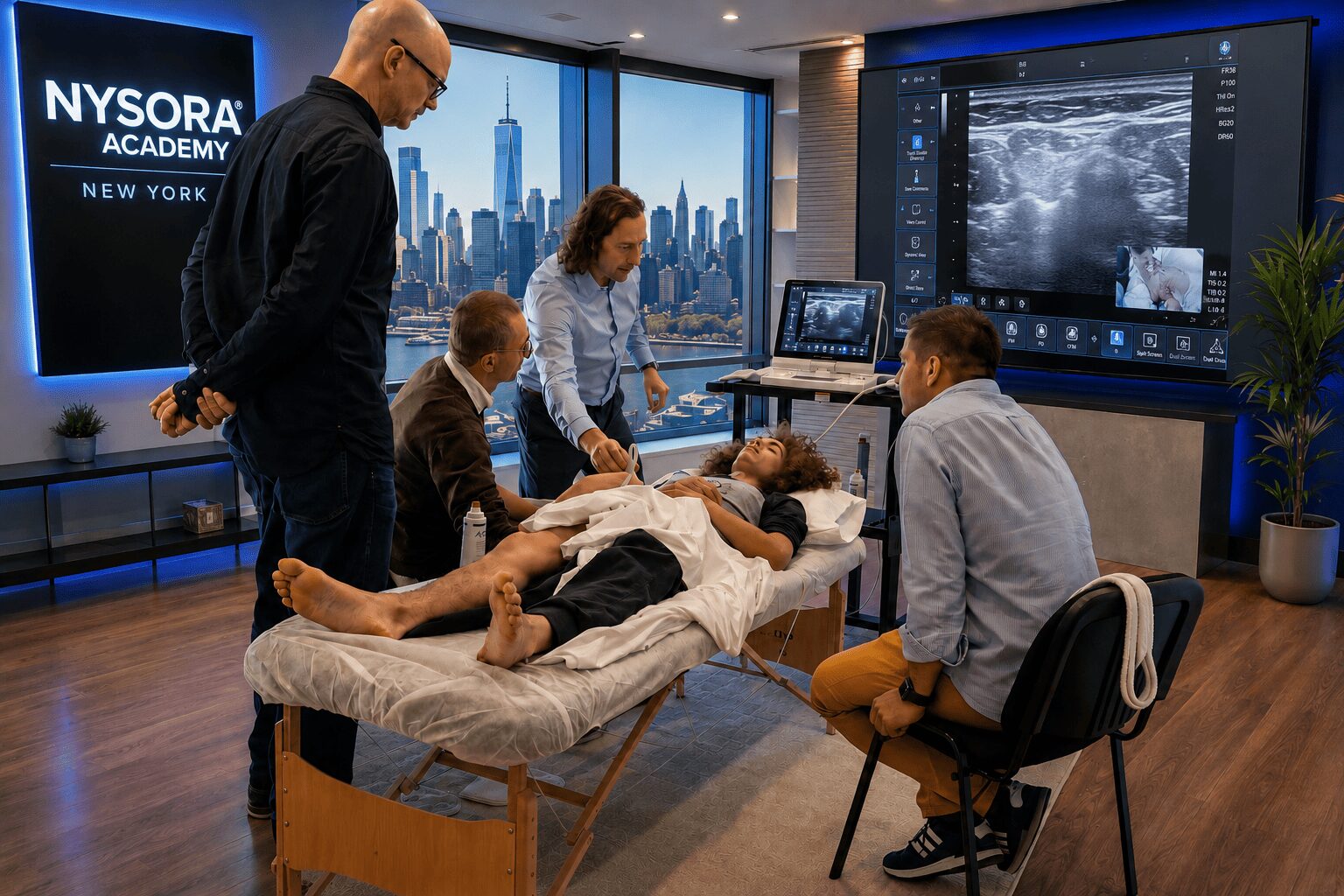
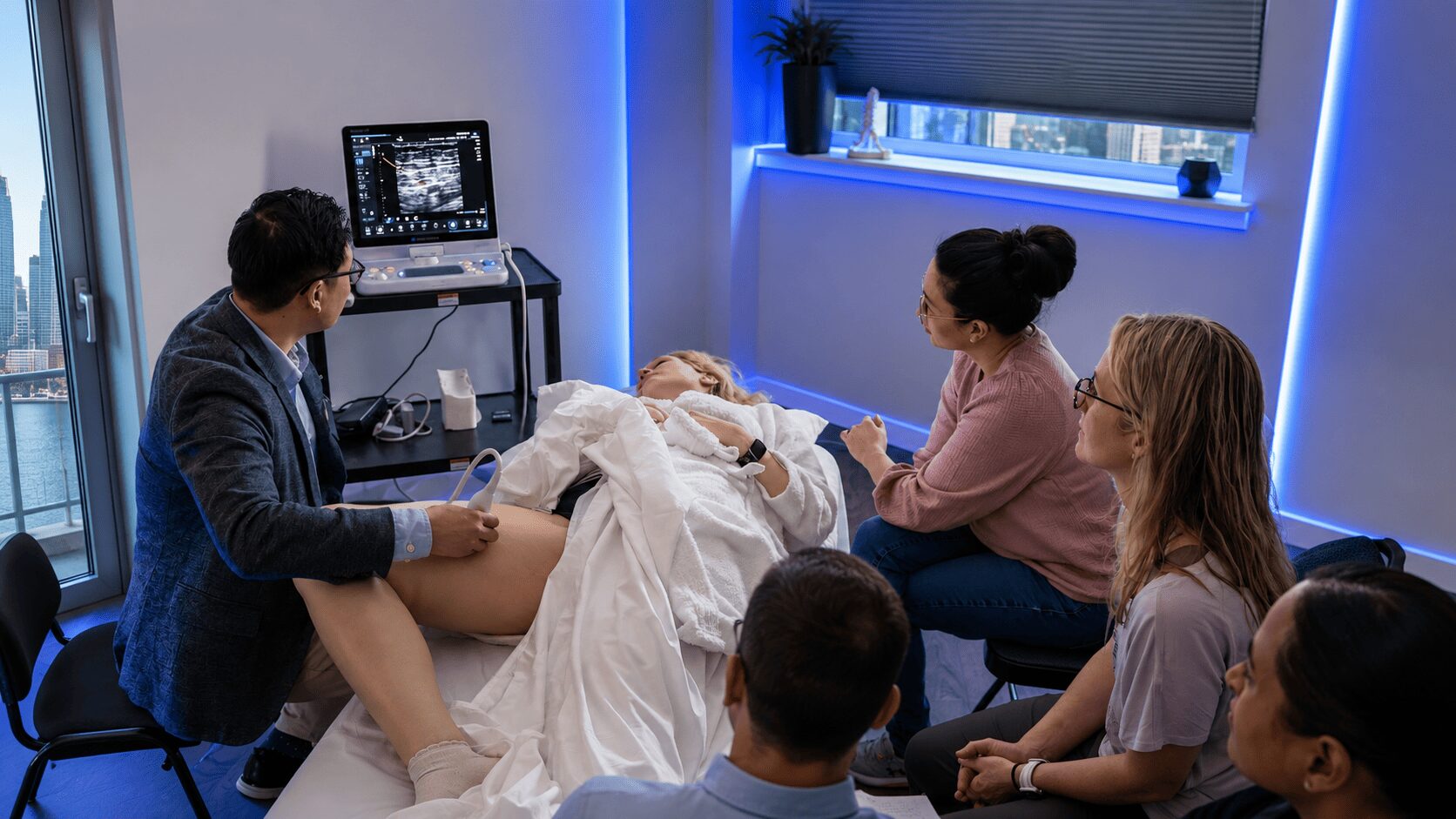
Hands-On Live Scanning
Spend extensive time scanning live models to improve probe positioning, image acquisition, and anatomical recognition across commonly performed nerve blocks.

NYSORA's 1-2-3 Block Strategy
Master a structured approach to regional anesthesia through systematic probe placement, landmark identification, and injection planning.

Immediate Clinical Impact
Return to practice with practical techniques, standardized workflows, and greater confidence in performing ultrasound-guided nerve blocks safely and effectively.
What sets the faculty experience apart:

Admir Hadzic
MD, PhD.
Director – NYSORA, Anesthesiologist, Professor of Anesthesiology, Department of Anesthesiology, ZOL, Genk, Belgium

Catherine Vandepitte
MD, PhD.
Anesthesiologist at Ziekenhuis Oost-Limburg (ZOL), Genk, Belgium
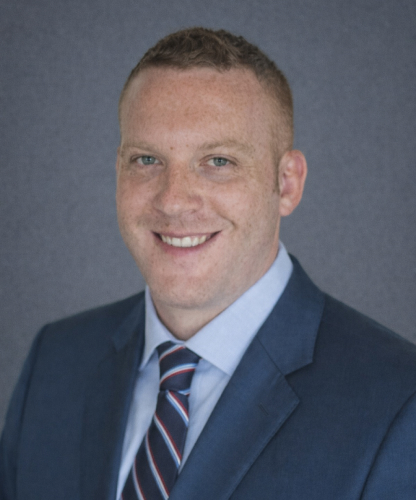
Matthew Colontonio
MD
Assistant Professor & Senior Associate Consultant, Mayo Clinic,
FL, USA

Jerry Jones
MD
East Memphis Anesthesia Services
Partner/Owner & Director, Regional Anesthesia Fellowship
Adjunct Assistant Professor
Division, Regional Anesthesia & Acute Pain Medicine
Department of Anesthesiology
University of Tennessee Health Science Center
Memphis, USA
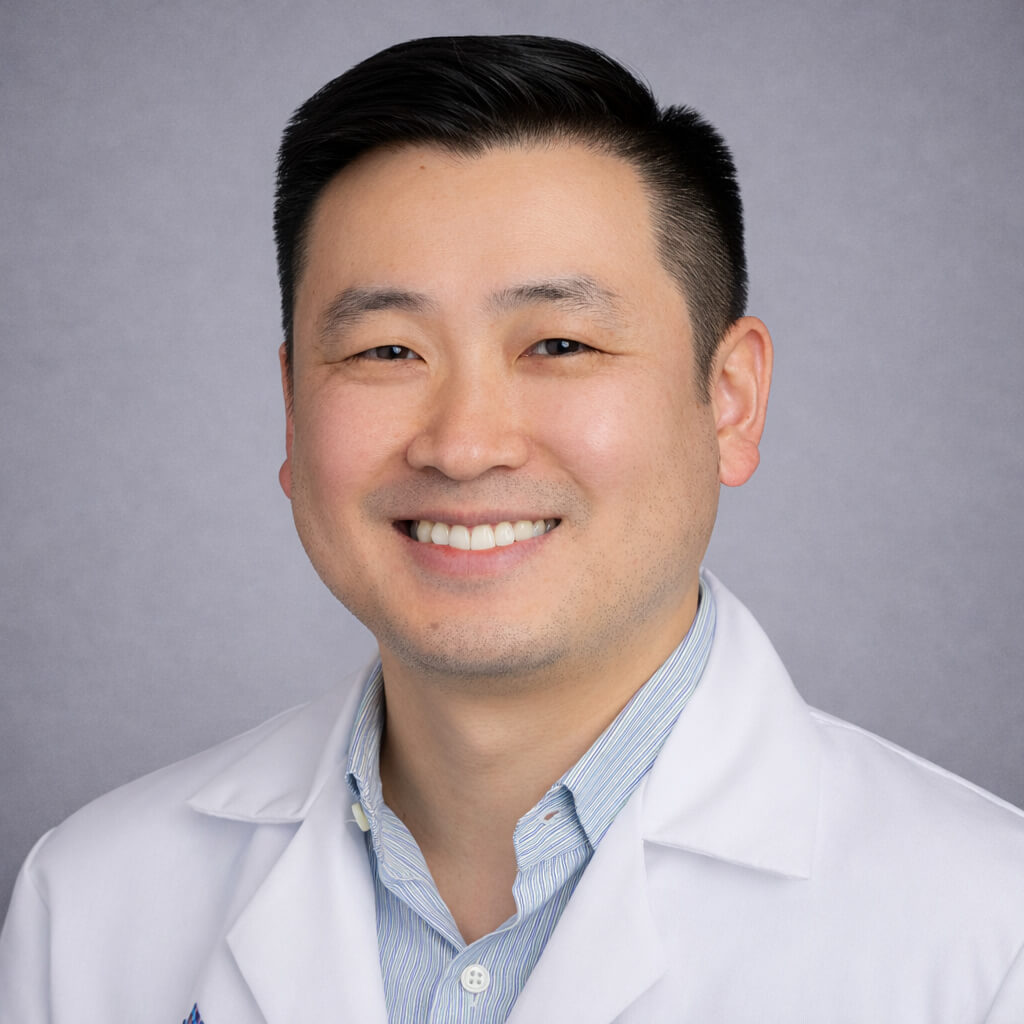
Chang H. Park
MD
Associate Professor of Anesthesiology, Perioperative and Pain Medicine
Program Director, Regional Anesthesiology and Acute Pain Medicine Fellowship
Icahn School of Medicine at Mount Sinai
New York, NY, USA
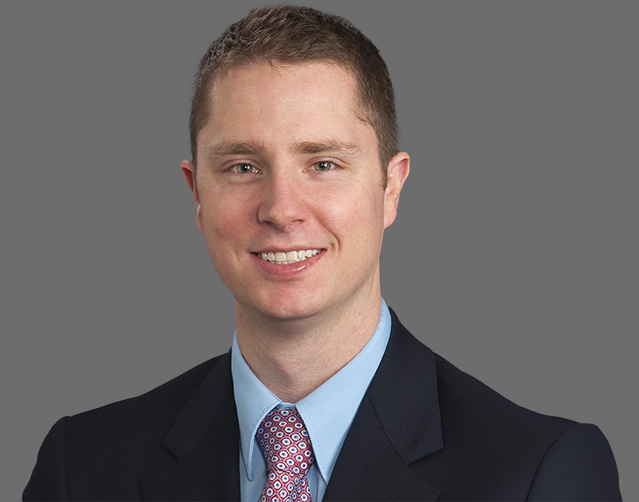
Daryl Steven Henshaw
MD, MBA
Professor, Anesthesiology
Vice-Chair of Clinical Operations
Section: Regional Anesthesia and Acute Pain Medicine
Wake Forest School of Medicine, Winston-Salem, USA

E. Aysu Salviz
MD, ESRA - DRA
Aysu Salviz, MD, ESRA-DRA
Assistant Professor
Associate Fellowship Director, Regional Anesthesia & Acute Pain
Regional Anesthesia & Acute Pain, Fellow and Resident Education Director
Department of Anesthesiology
Washington University in St. Louis, School of Medicine, USA
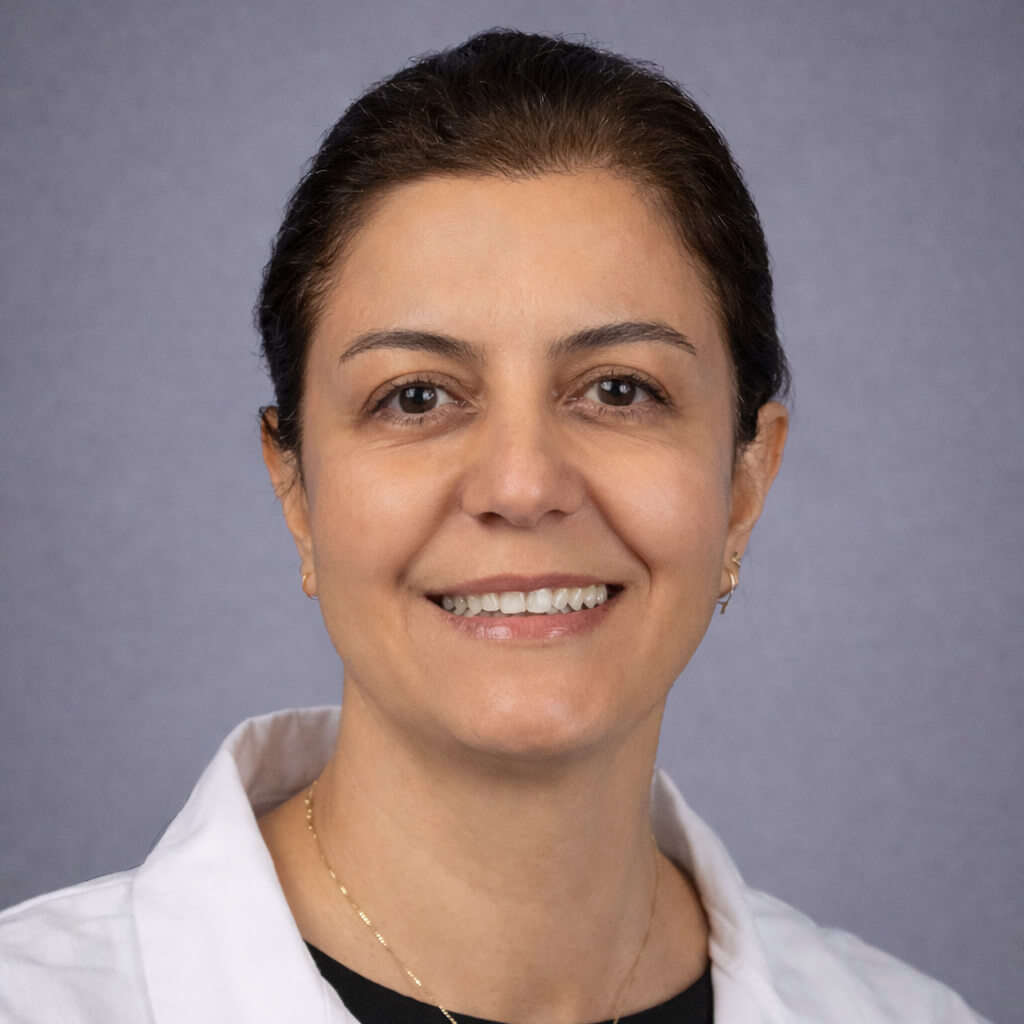
Oya Cok
MD, ESRA - DRA
Associate Professor
Penn State University, School of Medicine,
Department of Anaesthesiology and Perioperative Medicine, PA, USA

Kris Abbas
MD
Assistant professor
McMaster University
Department of Anesthesia
St. Joseph’s Healthcare
50 Charlton St. E.
Hamilton, ON. L8N 4A6
Canada

Naina Singh
MD
MS. Regional Anesthesiology and Acute Pain Medicine Fellow, Mayo Clinic, FL, USA
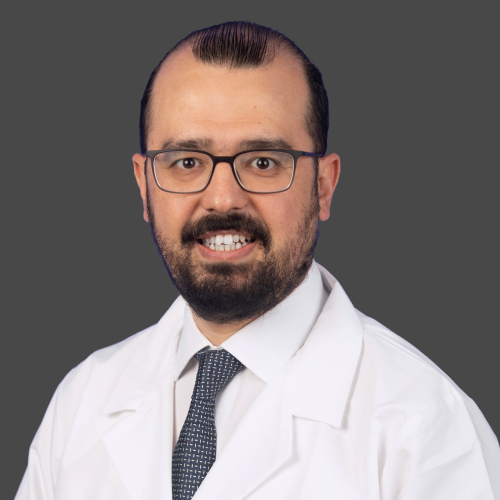
Ilker Ince
MD
Associate Professor
Department of Anesthesiology and Perioperative Medicine.
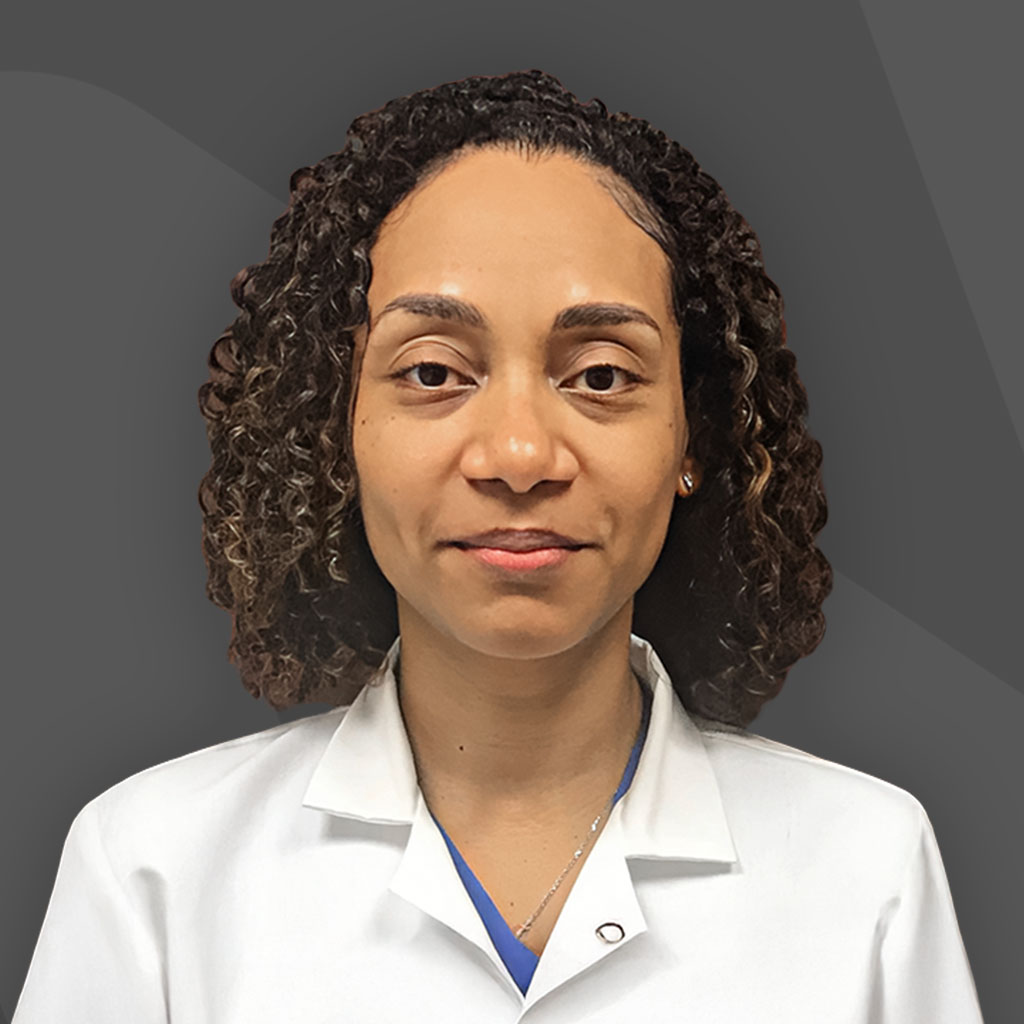
Malikah Latmore
MD
Assistant Professor of Clinical Anesthesiology
Director of Regional Anesthesia and Trauma
Program Director of Fellowship in Regional Anesthesia
Icahn School of Medicine at Mount Sinai
Mount Sinai West and Morningside Hospitals

Yunus Oktay Atalay
MD
Diplomate of the European Society of Anaesthesiology and Intensive Care (DESAIC)
Istanbul Medipol University, International School of Medicine,
Department of Anesthesiology and Reanimation
TEM Avrupa Otoyolu Goztepe Cıkısı, Bagcılar, Istanbul, Turkey
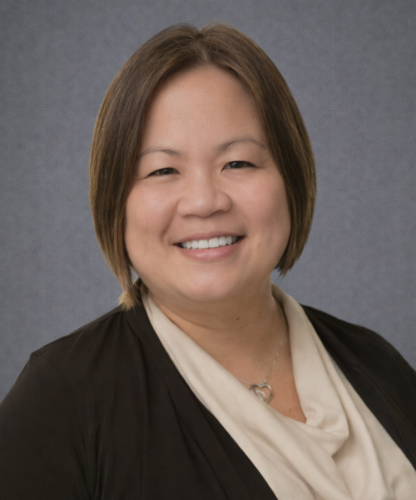
Kim Wong
MD, BSc.P.T., M.D., FRCPC
Anesthesiologist, Acute Pain Service Physician Lead -St Joseph’s Healthcare Hamilton. Assistant Professor McMaster University

Jinlei Li
MD, PhD, FASA
Associate Professor
System Chief of Regional Pain Service, Yale New Haven Health
Program Director of Regional Anesthesia /Acute Pain Medicine Fellowship
Director of Clinical Scientist Track Program of Anesthesiology Residency
Department of Anesthesiology Yale University School of Medicine, USA

Christopher J. Edwards, MD
Associate Professor, Atrium Health Wake Forest Baptist, Department of Anesthesiology
Section of Regional Anesthesia and Acute Pain Management, Medical Director – Regional Anesthesia and Acute Pain Management, Medical Center Boulevard,Winston-Salem, NC, USA

Dillon Horth
Assistant Professor McMaster University
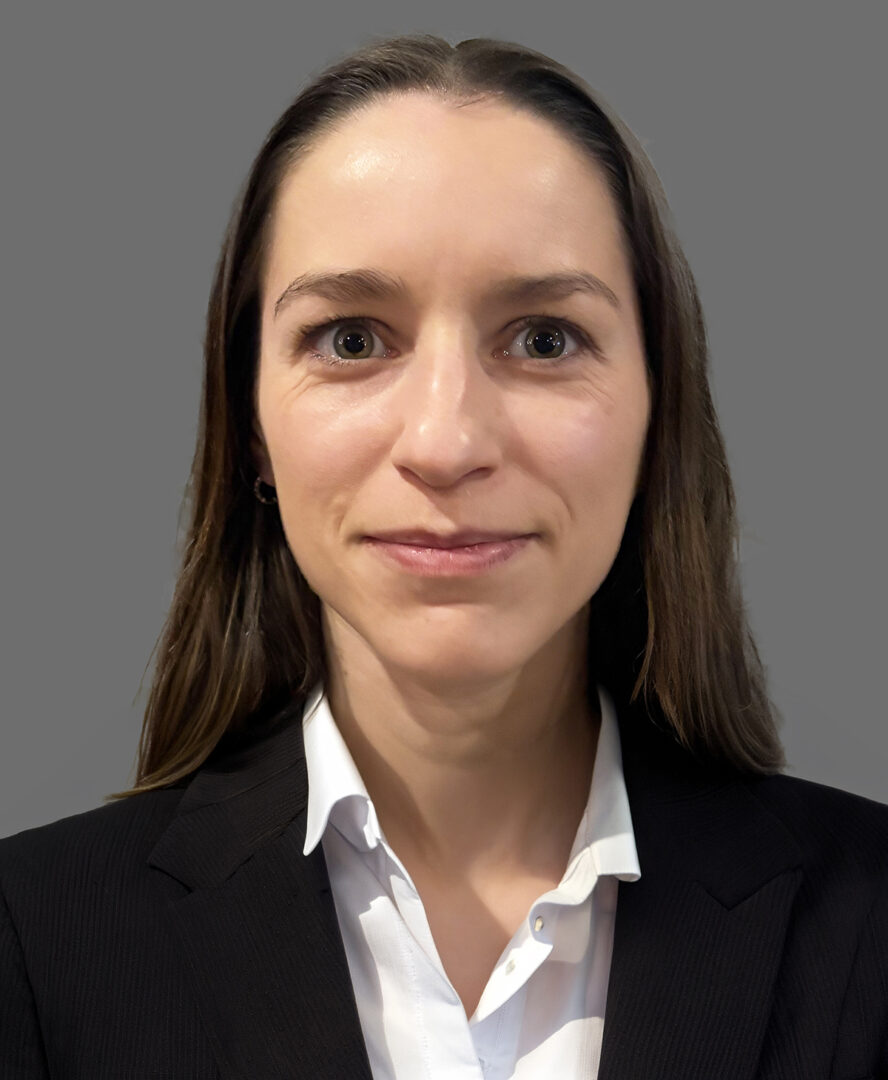
Justine Denomme
MD, FRCPC
Assistant Professor, Department of Anesthesiology, McMaster University, St Joseph’s Healthcare, ON, Canada

Your registration includes complimentary 3-month access to the NYSORA Nerve Blocks and Anesthesia Assistant App, both available on Google Play and Apple Store.
Designed for fast, focused learning and regularly updated to reflect current clinical practice, making it an essential resource for every pain and anesthesia professional.



Ultrasound-Guided Regional Anesthesia Boutique Workshop
 Leuven, Belgium
  Sep 05
Ultrasound-Guided Regional Anesthesia Boutique Workshop
New York, USA
Sep 12 
Ultrasound-Guided Regional Anesthesia Boutique Workshop
New York, USA
Oct 03 
Pediatric Regional Anesthesia Boutique Workshop
Leuven, Belgium
Oct 10 
Ultrasound-Guided Regional Anesthesia Boutique Workshop
Istanbul, Turkey
Oct 24 
Ultrasound-Guided Regional Anesthesia Boutique Workshop
New York, USA
Oct 31 
Ultrasound-Guided Regional Anesthesia Boutique Workshop
Toronto, Canada
Nov 14 
Ultrasound-Guided Regional Anesthesia Boutique Workshop
New York, USA
Nov 21 
Ultrasound-Guided Regional Anesthesia Boutique Workshop
Leuven, Belgium
Nov 28 
Point Of Care Ultrasound (POCUS) Workshop
New York, USA
Dec 05 
Ultrasound in Interventional Pain Medicine Comprehensive Workshop (Plus CIPS Exam preparation Instructions)
Leuven, Belgium
Dec 12 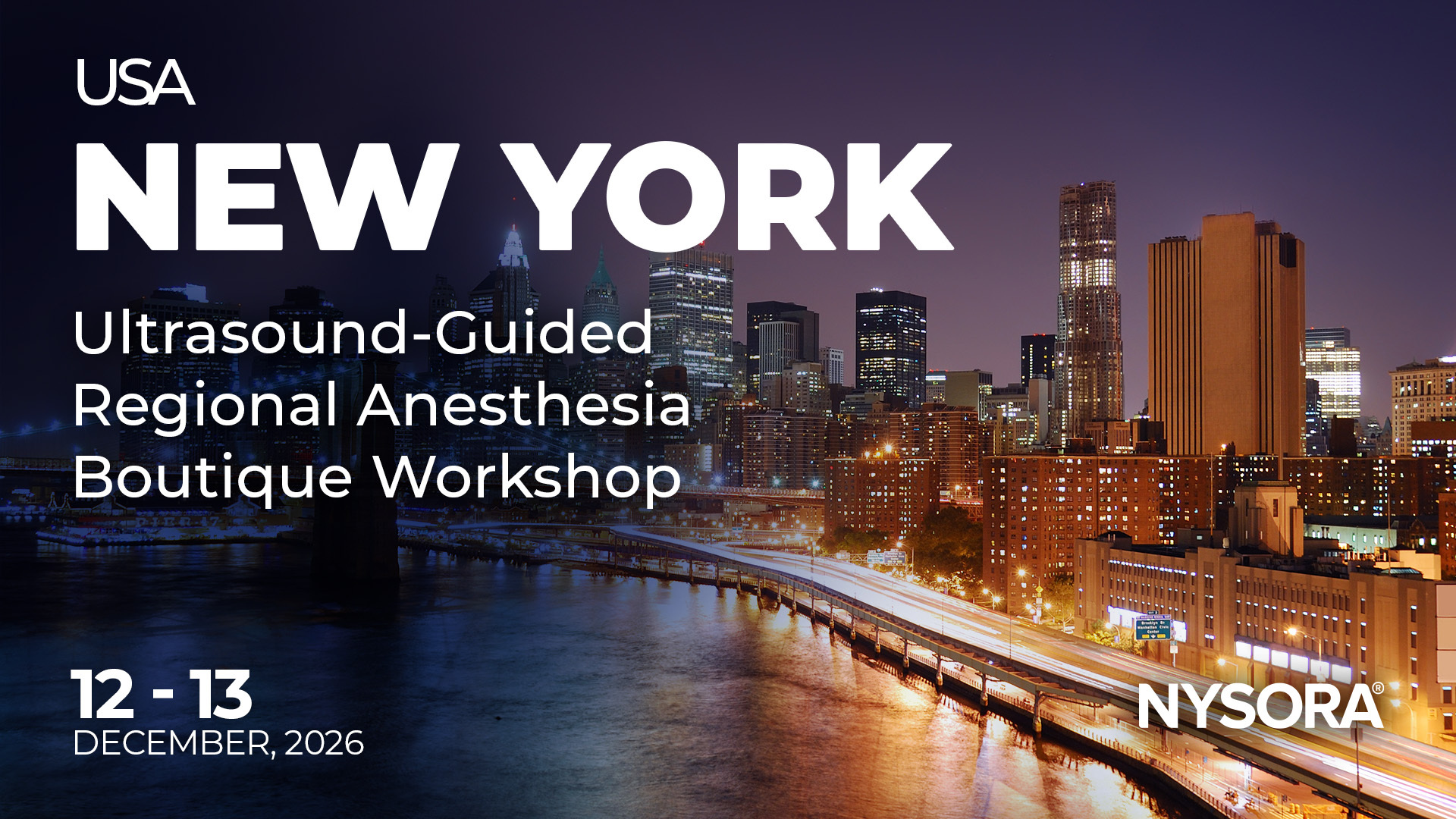
Ultrasound-Guided Regional Anesthesia Boutique Workshop
New York, USA
Dec 12 
Ultrasound-Guided Regional Anesthesia Boutique Workshop
New York, USA
Jan 30 Orthobiologics Workshop for MSK and Spine
Leuven, Belgium
Feb 20 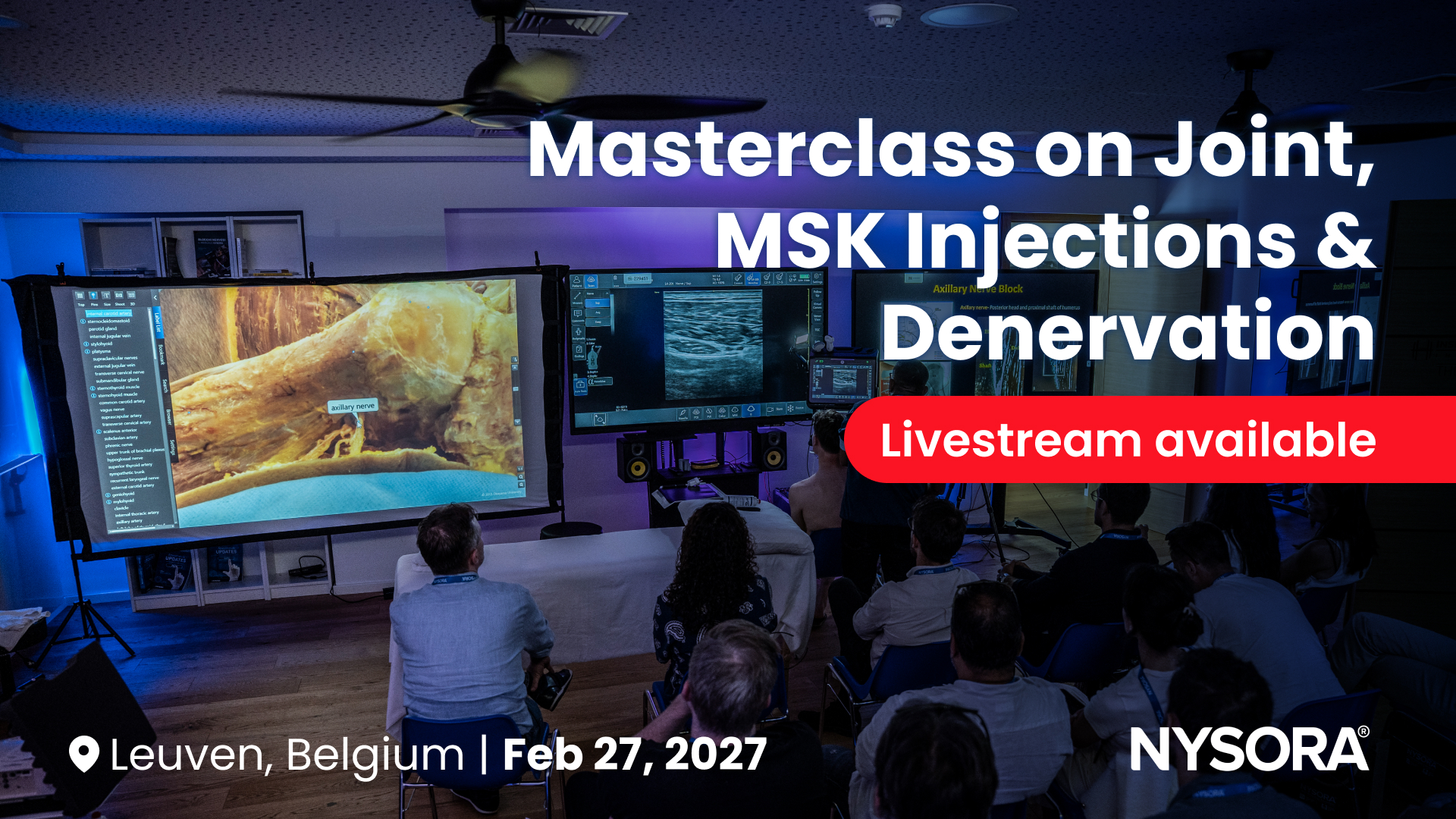
Masterclass: Ultrasound-Guided Joint Interventions & Denervation
Leuven, Belgium
Feb 27
Ultrasound-Guided Regional Anesthesia Boutique Workshop
New York, USA
Feb 27 
Ultrasound-Guided Regional Anesthesia Boutique Workshop
Leuven, Belgium
Mar 06
Ultrasound-Guided Regional Anesthesia Boutique Workshop
New York, USA
Mar 20  Nerve Blocks App
 Anesthesia Assistant App
 Ultrasound Pain App
 Pain Medicine Assistant App
 POCUS App
 IV Access App
 MSK Knee App
 Nerve Block Manual
 Regional Anesthesia Updates
 Anesthesiology Manual
 Anesthesiology Review
 Anesthesia Updates 2025
 Anesthesia Updates 2026
 Pediatric Anesthesia Updates
 Airway Management Updates
 US Interventional Pain Manual
 Pain Medicine Updates
 Mastering Difficult IV Access
 PACU Nursing Manual
 RA Veterinary Manual
 Books
Books About
About