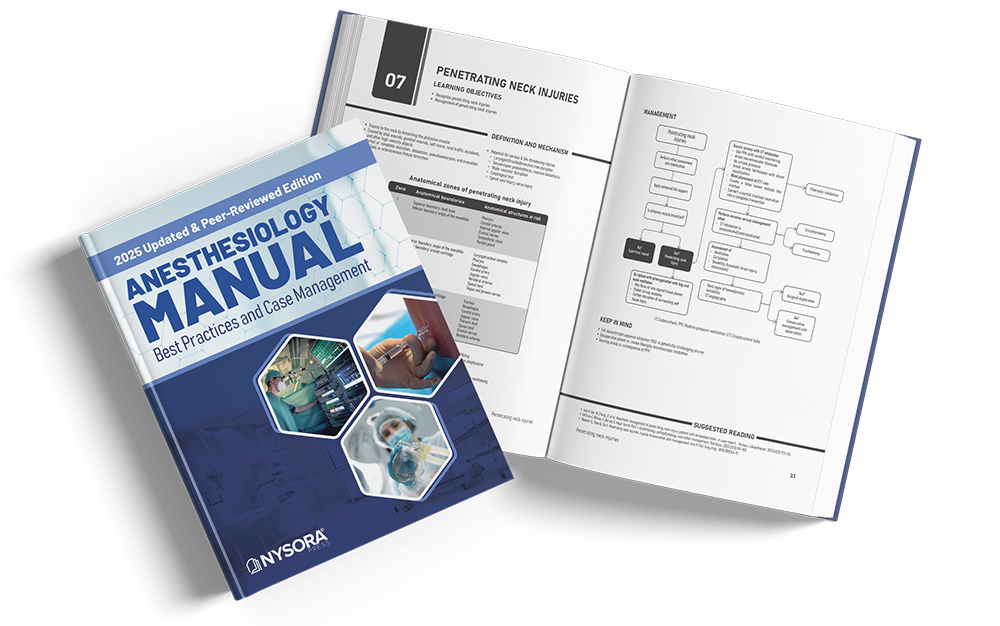
Anesthesiology Manual - NYSORA

Explore NYSORA knowledge base for free:

NYSORA Books

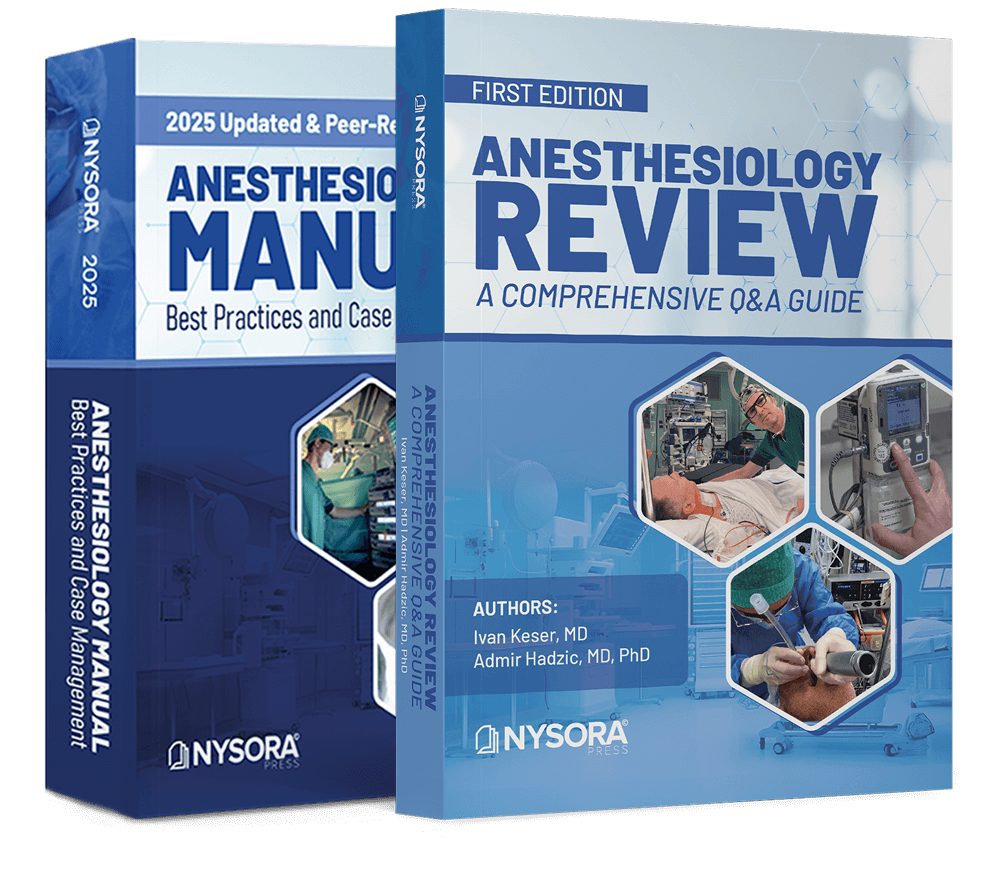
Anesthesiology Manual:
Best Practices and Case Management

This manual is the most up-to-date resource on best clinical practices and practical case management in anesthesiology. It is an essential guide for students, residents, and experienced practitioners to confidently manage complex clinical scenarios.


Overview

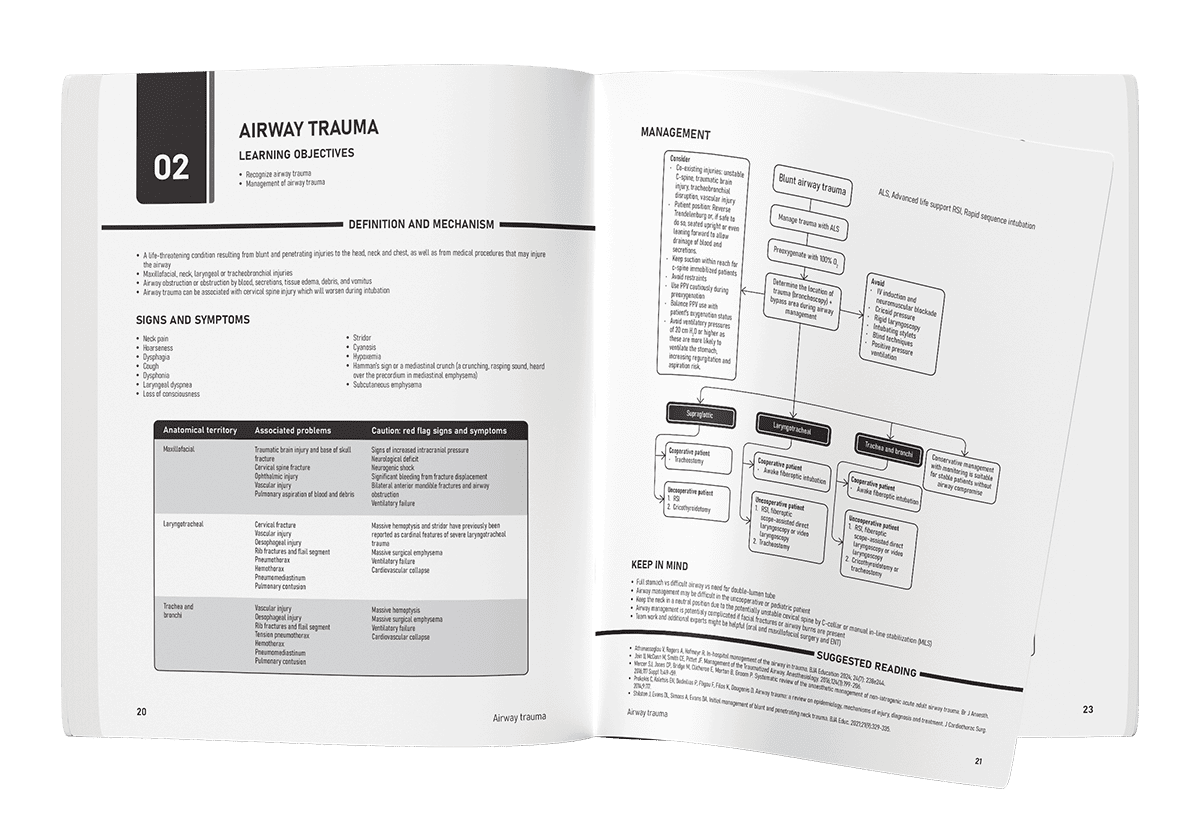
Each chapter provides practical insights and actionable protocols, ensuring this book becomes your indispensable reference for daily clinical use. The content is meticulously crafted to support both clinical practice and the continuous education of anesthesiology professionals.
01
Over 300 topics spanning all of the anesthesiology practice.
02
Combines detailed knowledge with step-by-step clinical guidance.
03
Tailored for oral and written board exam success.
01
Over 300 topics spanning all of the anesthesiology practice.
02
Combines detailed knowledge with step-by-step clinical guidance.
03
Tailored for oral and written board exam success.

Discover the Anesthesiology Manual

Everything you need to learn or teach about case management in anesthesiology

Key Features

This manual is a culmination of the collective expertise of the dedicated team at NYSORA, contributors in the field worldwide, and an educational board composed of key opinion leaders in anesthesiology, pain medicine, musculoskeletal (MSK) medicine, and point-of-care ultrasound (POCUS).
A Collection of more than 300 Topics 
Practical Insights
Step-by-Step Protocols
Up-to-date Information for Daily Use
Evidence-Based References
Expert-Curated Content

Comprehensive coverage

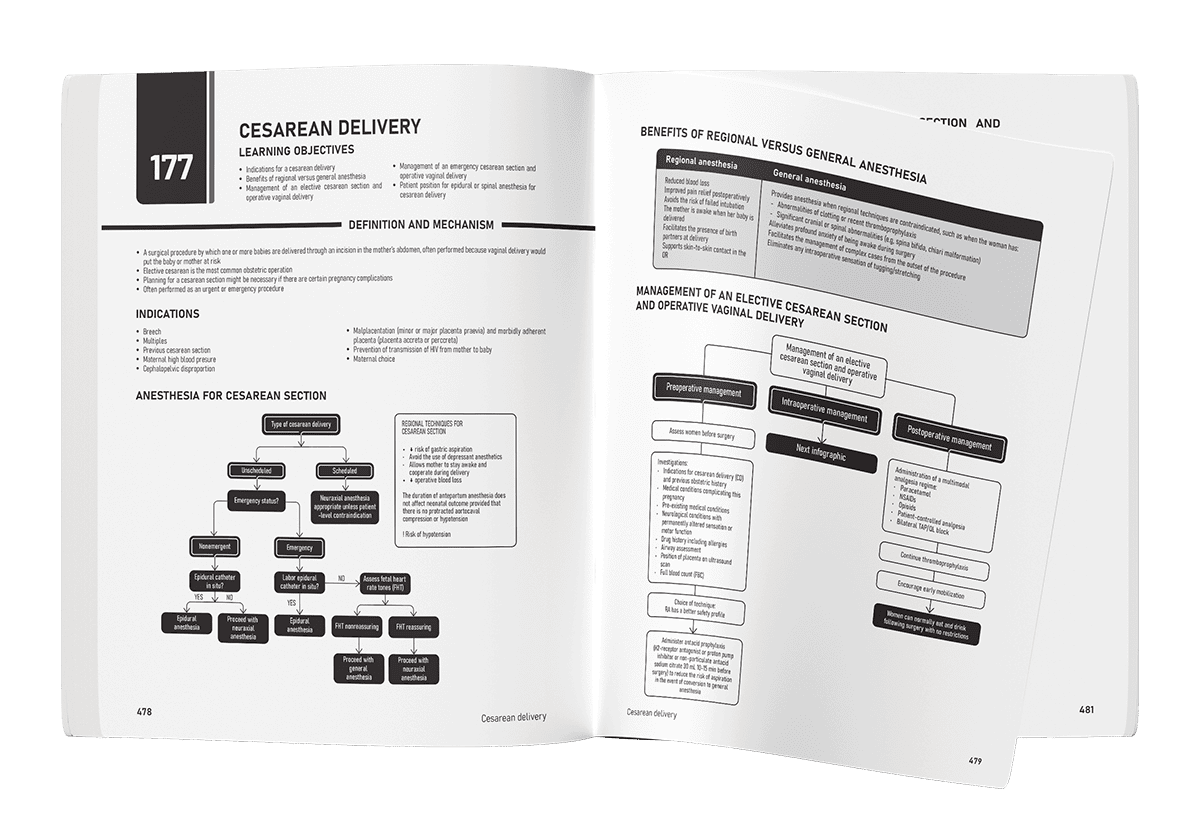
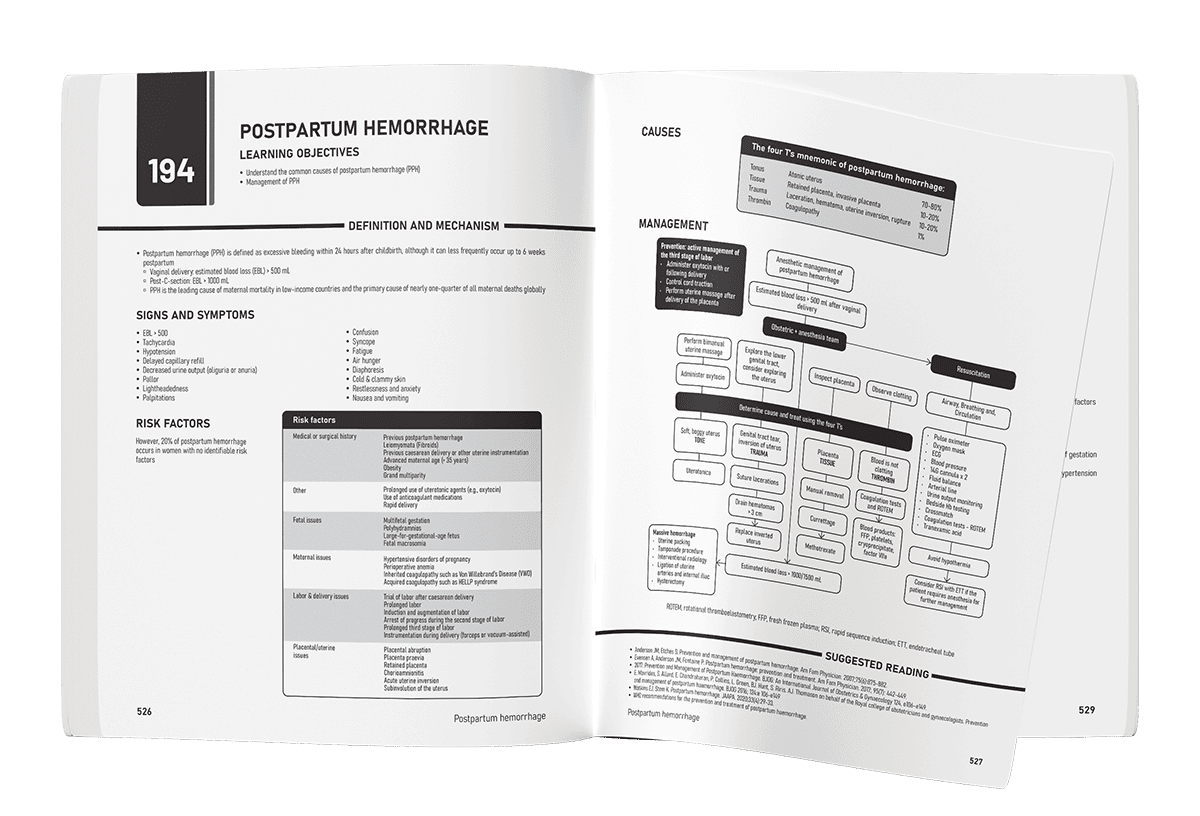
Explore over 300 expertly curated anesthesia topics, delivering up-to-date knowledge, practical insights, and clinical guidance, and designed to support decision-making in complex cases.

An in-depth yet practical manual

The manual is thoughtfully structured to deliver in-depth knowledge alongside practical, step-by-step clinical guidance.

Board examination preparation

Tailored forindividuals preparing for oral and written board exams.

Up-to-date information

Adherence to the latest published information to ensure that readers are equipped with the most current standards and practices in anesthesiology.

The Anesthesiology Review:
A Comprehensive Q&A Guide

Complements the Anesthesiology Manual as it features over 1,800 meticulously crafted questions covering all 300+ topics. These two books ensure that anesthesiologists are equipped with the knowledge and skills to excel in their practice and pass their board exams.

Newest Updates

Newest Updates

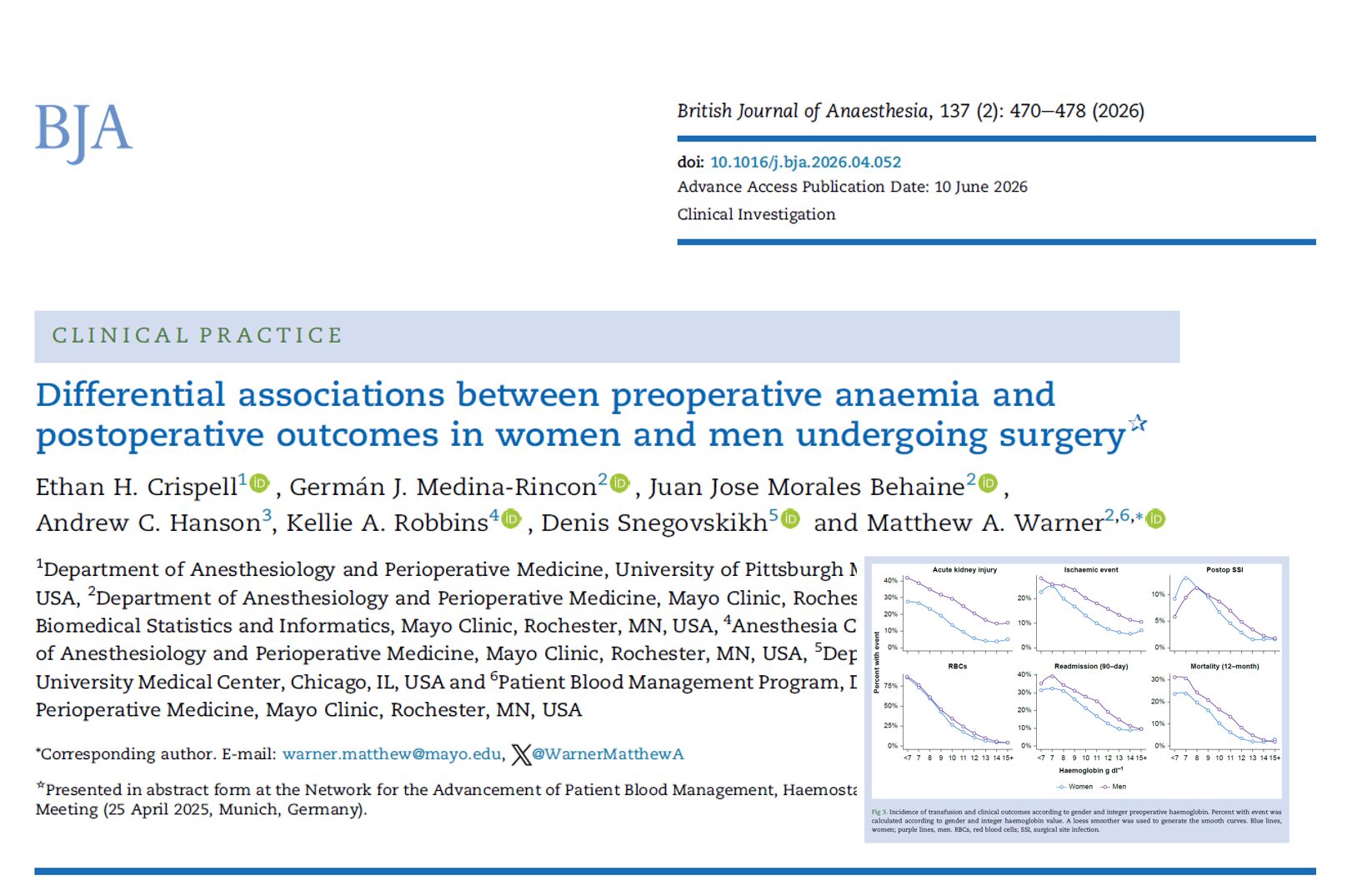
Maternal cardiac arrest during anesthesia

Maternal cardiac arrest (MCA) during the peripartum period remains one of the most critical emergencies in obstetric medicine. A newly published multicenter cohort study in Anesthesiology (2026) provides one of the most comprehensive analyses to date, offering detailed insights into incidence, etiology, risk factors, and management during anesthetic care. Overview of the study This large retrospective cohort study analyzed 778,102 deliveries across 60 U.S. institutions between 2015 and 2022. The investigation focused specifically on cardiac arrest occurring during or within 7 days of anesthetic care. Key findings Incidence: 11.2 per 100,000 deliveries (~1 in 9,000) Total cases identified: 87 confirmed maternal cardiac arrests Survival outcomes: Return of spontaneous circulation (ROSC): 77% 30-day survival: 67.8% Primary causes: Hemorrhage: 40.2% Amniotic fluid embolism (AFE): 31.0% Anesthesia-related arrests: 11.5% of cases  What is maternal cardiac arrest? Maternal cardiac arrest refers to the cessation of effective cardiac output during pregnancy or postpartum, resulting in loss of perfusion to vital organs. Clinical definition Absence of pulse or cardiac activity Requires Advanced Cardiac Life Support (ACLS) interventions Occurs during pregnancy or within 42 days postpartum (in broader definitions) Incidence and timing When do cardiac arrests occur? The study revealed important timing patterns: 62.1% occurred after delivery 20.7% occurred before delivery 85% occurred within 12 hours postpartum Median onset: 26 minutes after delivery Location of arrest Operating room: 81.6% Labor ward: 10.3% Post-anesthesia care unit: 4.6% Major causes of maternal cardiac arrest Obstetric hemorrhage The leading cause of MCA: Accounts for 40.2% of cases Often associated with: Placenta accreta spectrum (PAS) Placental abruption Surgical complications Clinical significance: Despite lower ROSC rates compared to AFE, patients who achieved ROSC after hemorrhagic arrest had excellent survival outcomes. Amniotic fluid embolism (AFE) Second most common cause: Represents 31% of cases Rapid onset, often within minutes of delivery Characterized by: Cardiovascular […]

Read more

Mode of anesthesia for placenta accreta spectrum

Placenta accreta spectrum (PAS) remains one of the most challenging and high-risk conditions in modern obstetrics. A newly published multicenter study by Padilla et al. (Anesthesiology, 2026) provides critical insights into anesthetic management patterns during cesarean hysterectomy, offering valuable guidance for clinicians navigating this complex scenario. What is placenta accreta spectrum? Placenta accreta spectrum refers to abnormal placental adherence or invasion into the uterine wall. It is categorized into three subtypes based on depth of invasion: Placenta accreta – superficial adherence to the myometrium Placenta increta – invasion into the myometrium Placenta percreta – penetration through the uterus, possibly involving adjacent organs Why it matters PAS is associated with massive obstetric hemorrhage Frequently requires cesarean hysterectomy Carries significant maternal morbidity and mortality The incidence has risen dramatically, from approximately 1 in 10,000 deliveries in the 1960s to 3.11 per 1,000 deliveries today, largely due to rising cesarean delivery rates. Study overview: large multicenter analysis This landmark study analyzed: 1,257 patients 43 U.S. hospitals Timeframe: 2015–2021 The goal was to evaluate real-world anesthesia practices in PAS patients undergoing cesarean hysterectomy. Key anesthetic modalities studied General anesthesia (GA) Neuraxial anesthesia (spinal, epidural, combined spinal-epidural) Neuraxial anesthesia with conversion to general anesthesia Major findings: how anesthesia is actually practiced Distribution of anesthesia techniques 40.3% – neuraxial anesthesia with conversion to general anesthesia 33.3% – general anesthesia alone 26.5% – neuraxial anesthesia alone The most common approach was combined neuraxial + general anesthesia, typically involving planned or unplanned conversion. Why does anesthetic choice vary? Severity of placental invasion Patients with more severe disease were more likely to receive general anesthesia: Placenta increta → OR 2.04 Placenta percreta → OR 2.14 Clinical reasoning: Increased risk of hemorrhage Longer surgical duration Need for rapid airway control and hemodynamic stability Scheduled vs. emergency surgery Unscheduled cases had […]

Read more

Maternal cardiac arrest during anesthesia

Maternal cardiac arrest (MCA) during the peripartum period remains one of the most critical emergencies in obstetric medicine. A newly published multicenter cohort study in Anesthesiology (2026) provides one of the most comprehensive analyses to date, offering detailed insights into incidence, etiology, risk factors, and management during anesthetic care. Overview of the study This large retrospective cohort study analyzed 778,102 deliveries across 60 U.S. institutions between 2015 and 2022. The investigation focused specifically on cardiac arrest occurring during or within 7 days of anesthetic care. Key findings Incidence: 11.2 per 100,000 deliveries (~1 in 9,000) Total cases identified: 87 confirmed maternal cardiac arrests Survival outcomes: Return of spontaneous circulation (ROSC): 77% 30-day survival: 67.8% Primary causes: Hemorrhage: 40.2% Amniotic fluid embolism (AFE): 31.0% Anesthesia-related arrests: 11.5% of cases  What is maternal cardiac arrest? Maternal cardiac arrest refers to the cessation of effective cardiac output during pregnancy or postpartum, resulting in loss of perfusion to vital organs. Clinical definition Absence of pulse or cardiac activity Requires Advanced Cardiac Life Support (ACLS) interventions Occurs during pregnancy or within 42 days postpartum (in broader definitions) Incidence and timing When do cardiac arrests occur? The study revealed important timing patterns: 62.1% occurred after delivery 20.7% occurred before delivery 85% occurred within 12 hours postpartum Median onset: 26 minutes after delivery Location of arrest Operating room: 81.6% Labor ward: 10.3% Post-anesthesia care unit: 4.6% Major causes of maternal cardiac arrest Obstetric hemorrhage The leading cause of MCA: Accounts for 40.2% of cases Often associated with: Placenta accreta spectrum (PAS) Placental abruption Surgical complications Clinical significance: Despite lower ROSC rates compared to AFE, patients who achieved ROSC after hemorrhagic arrest had excellent survival outcomes. Amniotic fluid embolism (AFE) Second most common cause: Represents 31% of cases Rapid onset, often within minutes of delivery Characterized by: Cardiovascular […]

Read more

Mode of anesthesia for placenta accreta spectrum

Placenta accreta spectrum (PAS) remains one of the most challenging and high-risk conditions in modern obstetrics. A newly published multicenter study by Padilla et al. (Anesthesiology, 2026) provides critical insights into anesthetic management patterns during cesarean hysterectomy, offering valuable guidance for clinicians navigating this complex scenario. What is placenta accreta spectrum? Placenta accreta spectrum refers to abnormal placental adherence or invasion into the uterine wall. It is categorized into three subtypes based on depth of invasion: Placenta accreta – superficial adherence to the myometrium Placenta increta – invasion into the myometrium Placenta percreta – penetration through the uterus, possibly involving adjacent organs Why it matters PAS is associated with massive obstetric hemorrhage Frequently requires cesarean hysterectomy Carries significant maternal morbidity and mortality The incidence has risen dramatically, from approximately 1 in 10,000 deliveries in the 1960s to 3.11 per 1,000 deliveries today, largely due to rising cesarean delivery rates. Study overview: large multicenter analysis This landmark study analyzed: 1,257 patients 43 U.S. hospitals Timeframe: 2015–2021 The goal was to evaluate real-world anesthesia practices in PAS patients undergoing cesarean hysterectomy. Key anesthetic modalities studied General anesthesia (GA) Neuraxial anesthesia (spinal, epidural, combined spinal-epidural) Neuraxial anesthesia with conversion to general anesthesia Major findings: how anesthesia is actually practiced Distribution of anesthesia techniques 40.3% – neuraxial anesthesia with conversion to general anesthesia 33.3% – general anesthesia alone 26.5% – neuraxial anesthesia alone The most common approach was combined neuraxial + general anesthesia, typically involving planned or unplanned conversion. Why does anesthetic choice vary? Severity of placental invasion Patients with more severe disease were more likely to receive general anesthesia: Placenta increta → OR 2.04 Placenta percreta → OR 2.14 Clinical reasoning: Increased risk of hemorrhage Longer surgical duration Need for rapid airway control and hemodynamic stability Scheduled vs. emergency surgery Unscheduled cases had […]

Read more

Anesthesiology Manual in Numbers

Pages 0
Illustrations 0
Topics 0 +
Reviewed by NYSORA's
International Educational Board

A Commitment to Excellence

At NYSORA, our mission is to advance anesthesiology through education. The "Anesthesiology Manual: Best Practices and Case Management" is more than just a book; it is a pivotal educational tool written and reviewed by NYSORA’s team of top experts, guaranteeing an unmatched level of precision and expertise.
Get Your Copy

Anesthesiology Manual:
Best Practices and Case Management

The Anesthesiology Manual is offers over 300 topics to guide clinicians through perioperative anesthetic management of diverse patients.