Learning objectives
- Describe the perioperative complications associated with smoking
- Manage smoking patients scheduled for anesthesia
Background
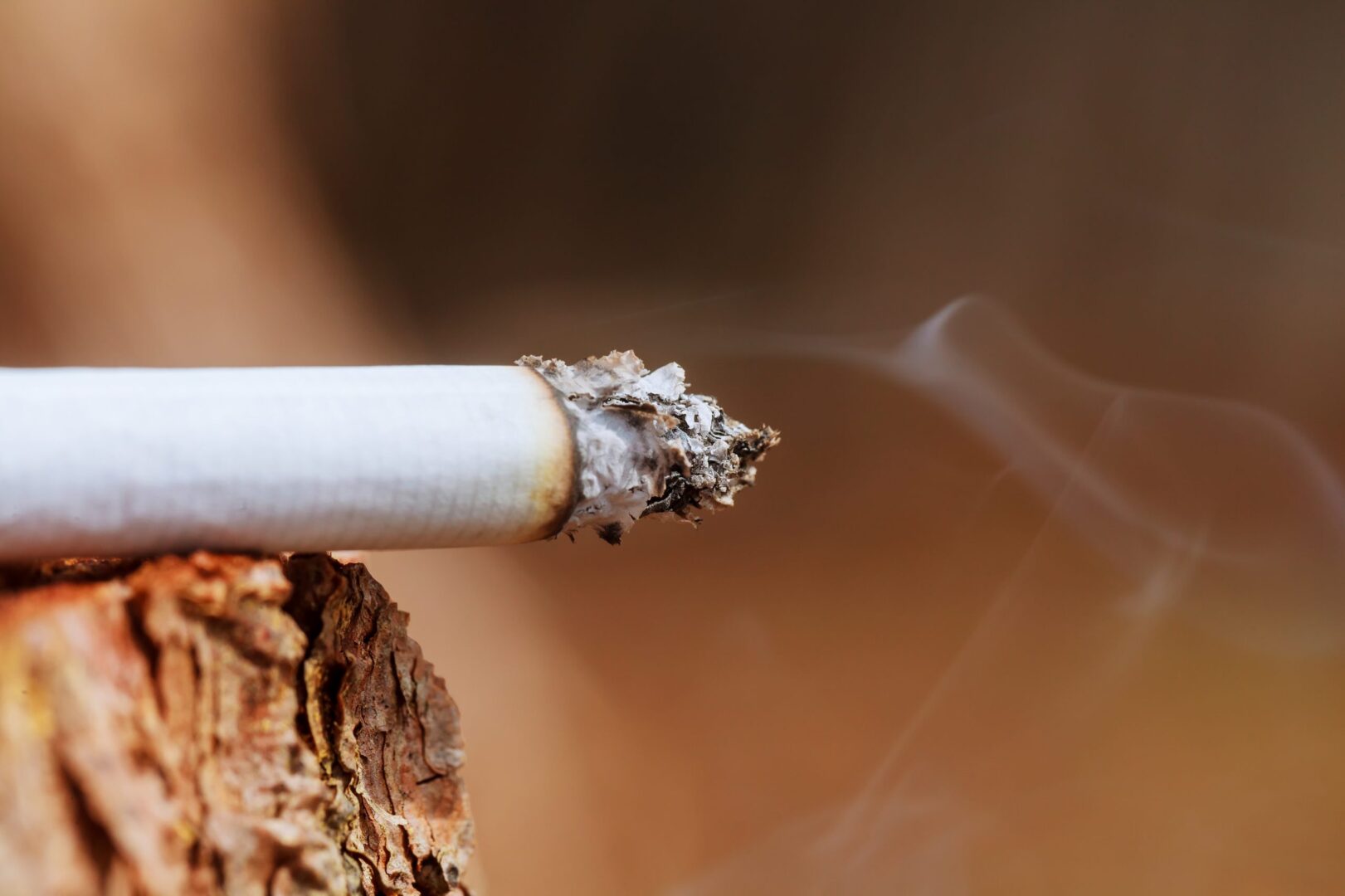
- Cigarette smoking is one of the primary causes of preventable illness and premature death
- Quitting smoking before surgery leads to a reduced incidence of postoperative complications
- The longer the period of cessation before surgery, the greater the benefit
Perioperative complications associated with smoking
- There is a clear dose-response relationship between the amount smoked and perioperative morbidity
- Possible complications:
| Intraoperative | Reintubation after planned extubation |
| Laryngospasm | |
| Bronchospasm | |
| Aspiration | |
| Hypoventilation and hypoxemia | |
| Pulmonary edema |
|
| Postoperative | Increased mortality |
| Pneumonia |
|
| Unplanned intubation | |
| Mechanical ventilation | |
| Cardiac arrest | |
| Myocardial infarction | |
| Stroke | |
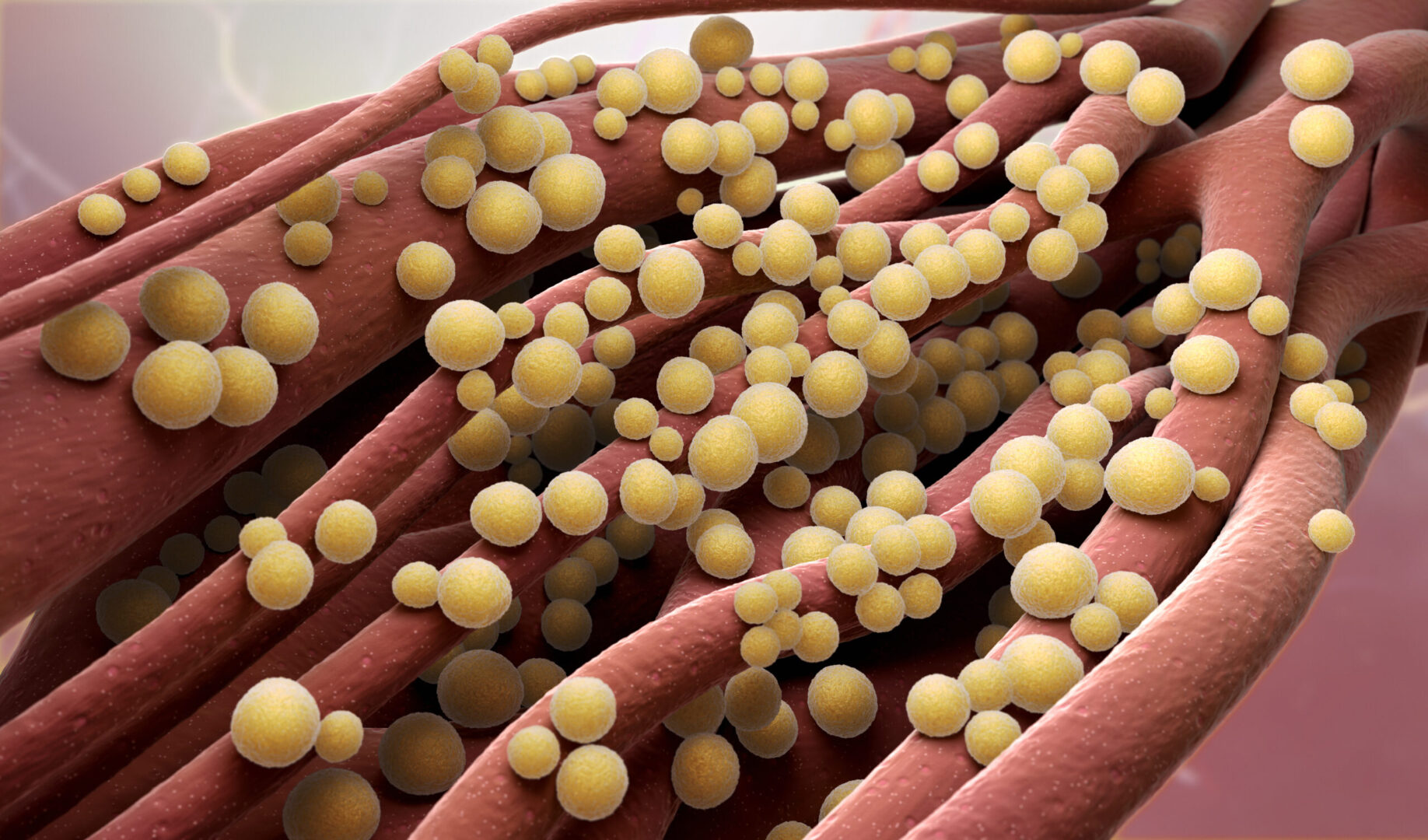
| Superficial wound infection | |
| Deep wound infection | |
| Organ space infection | |
| Septic shock |
Management
- Education regarding the benefits of pre-operative smoking cessation when possible
- Ideally, smoking is stopped 8 weeks before surgery
- Stop smoking 24h before surgery to negate the effects of nicotine and COHb
- Effects of smoking cessation:
- Symptoms of cough and wheeze decrease within weeks
- Mucociliary clearance starts to improve after a week
- Lung inflammation takes much longer to subside
- Goblet cell hyperplasia regresses and alveolar macrophages decrease
- Decrease in all-cause mortality in patients with coronary artery disease by approximately 33%
- Risk of coronary heart disease and cerebrovascular disease approaches the risk of never-smokers within 10-15 years
- Guidance
- Patients who smoke are more likely to quit if they are offered a combination of interventions
- Ask and record smoking history (pack-years)
- Advise that the most effective way to quit is with a combination of medication and specialist support
- Pharmacological aid
- Nicotine replacement therapy (patches, lozenges, chewing gum, or nasal sprays.)
- Oral bupropion
- Oral varenicline
Suggested reading
- Carrick MA, Robson JM, Thomas C. Smoking and anaesthesia. BJA Educ. 2019;19(1):1-6.
Clinical updates
Piland et al. (Anesthesia & Analgesia, 2025) report that 25–47% of ICU patients are active smokers and that nicotine withdrawal is frequently under-recognized, contributing to ICU agitation, delirium, ventilator dyssynchrony, and prolonged length of stay. Their narrative review highlights that proactive management of nicotine withdrawal may reduce sedation requirements, improve respiratory outcomes (including ARDS risk), and decrease complications in critically ill patients, reinforcing smoking as a major modifiable risk factor in perioperative and critical care pathways.
- Read more about this study HERE.