Learning objectives
- Optimize blood hemoglobin levels to avoid or minimize transfusion necessity during surgery
Definition
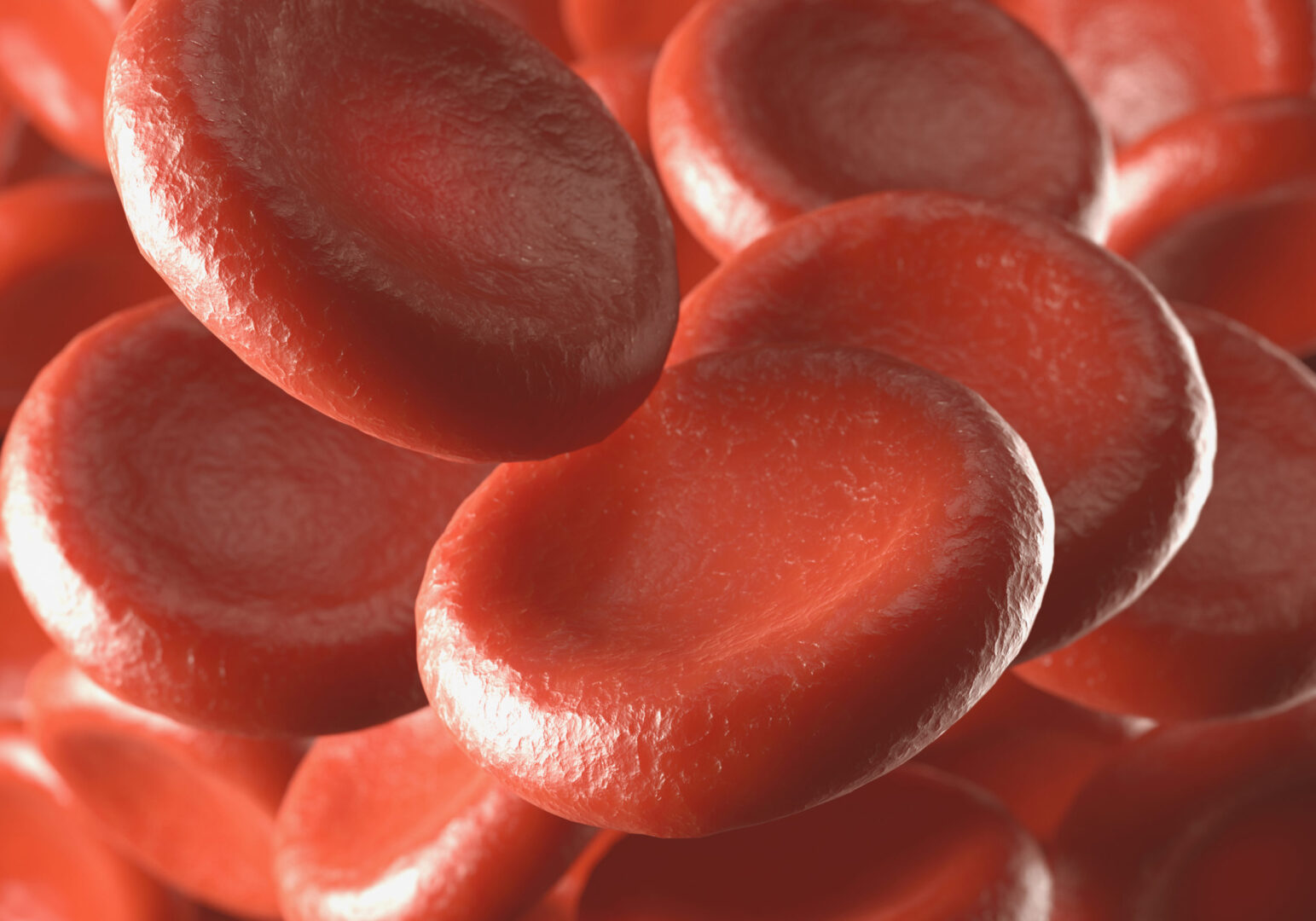
- Anemia is a condition in which the number of red blood cells or the hemoglobin concentration within them is lower than normal
- Hemoglobin is a protein in red blood cells (RBCs) and is responsible for transporting oxygen from the lungs to tissues and organs
- Normal blood hemoglobin levels range from:
- 13.8 – 17.2 g/dL in men
- 12.1 – 15.1 g/dL in women
Signs and symptoms
- Fatigue
- Shortness of breath
- Paleness
- Resting tachycardia
Note that these symptoms are unreliable as people with long-existing anemia might be asymptomatic
Causes and classification
- Anemia is classified depending on the size of the RBCs
| Microcytic (MCV <80 fL) | Normocytic | Macrocytic MCV >100 fL | |
|---|---|---|---|
| Causes | Iron deficiency Thalassemia Anemia of inflammation Sideroblastic anemia | Acute bleeding Renal disease Acute inflammation | Vitamin B12 deficiency Folate deficiency Myelodysplastic syndrome Chemotherapy Aplastic anemia Liver and renal disease Hypothyroidism Reticulocytosis |
Management

Suggested reading
- Hare GMT, Mazer CD. Anemia: Perioperative Risk and Treatment Opportunity. Anesthesiology. 2021;135(3):520-530.
- Cascio MJ, DeLoughery TG. Anemia: Evaluation and Diagnostic Tests. Med Clin North Am. 2017;101(2):263-284.
- Chernecky CC et al. Laboratory Tests and Diagnostic Procedures. 6th ed. Philadelphia, PA: Elsevier; 2013:621-623.
Clinical updates
Kumar et al. (Anesthesiology, 2024) report that perioperative anemia affects nearly one-third of surgical patients and is independently associated with increased mortality, cardiovascular complications, longer hospital stays, and higher readmission rates. The review recommends universal preoperative CBC screening, routine evaluation for iron deficiency, and early treatment to reduce transfusion exposure. The authors emphasize that proactive anemia management within preoperative clinics can improve outcomes and decrease reliance on allogeneic blood transfusion.
- Read more about this study HERE.
McCormack et al. (British Journal of Anaesthesia, 2025) analyzed 429,310 children undergoing noncardiac surgery and found that preoperative anemia and perioperative transfusion were each independently associated with higher 30-day mortality and major complications, with the highest risk seen in children who were both anemic and transfused. Despite a decade of patient blood management advocacy, anemia and transfusion rates remained unchanged from 2012 to 2023. These findings reinforce early screening and treatment of pediatric anemia and support restrictive, physiology-guided transfusion strategies to improve perioperative outcomes.
Greenberg et al. (Current Opinion in Anaesthesiology, 2025) emphasize that perioperative bleeding in pediatric surgery frequently leads to transfusion exposure, which is independently associated with worse outcomes, underscoring the importance of proactively preventing and managing anemia. The review supports pediatric patient blood management strategies, including early anemia screening, restrictive transfusion thresholds, use of tranexamic acid, fibrinogen replacement when < 150 mg/dL, and viscoelastic testing to guide targeted therapy. These advances aim to minimize unnecessary transfusions and reduce anemia-related morbidity in children undergoing major surgery.
- Read more about this study HERE.
Garcia-Casanovas et al. (Anesthesiology, 2025) demonstrated in 30,926 patients undergoing elective hip and knee arthroplasty that higher adherence to patient blood management (PBM) recommendations, particularly preoperative anemia screening and treatment, antifibrinolytic use, and restrictive transfusion thresholds, was associated with 57% fewer 30-day complications, 65% lower odds of major adverse cardiac events, and 89% lower transfusion rates. Notably, surgery performed without preoperative anemia showed one of the strongest associations with improved outcomes.
- Read more about this study HERE.