Back to News
 6 min read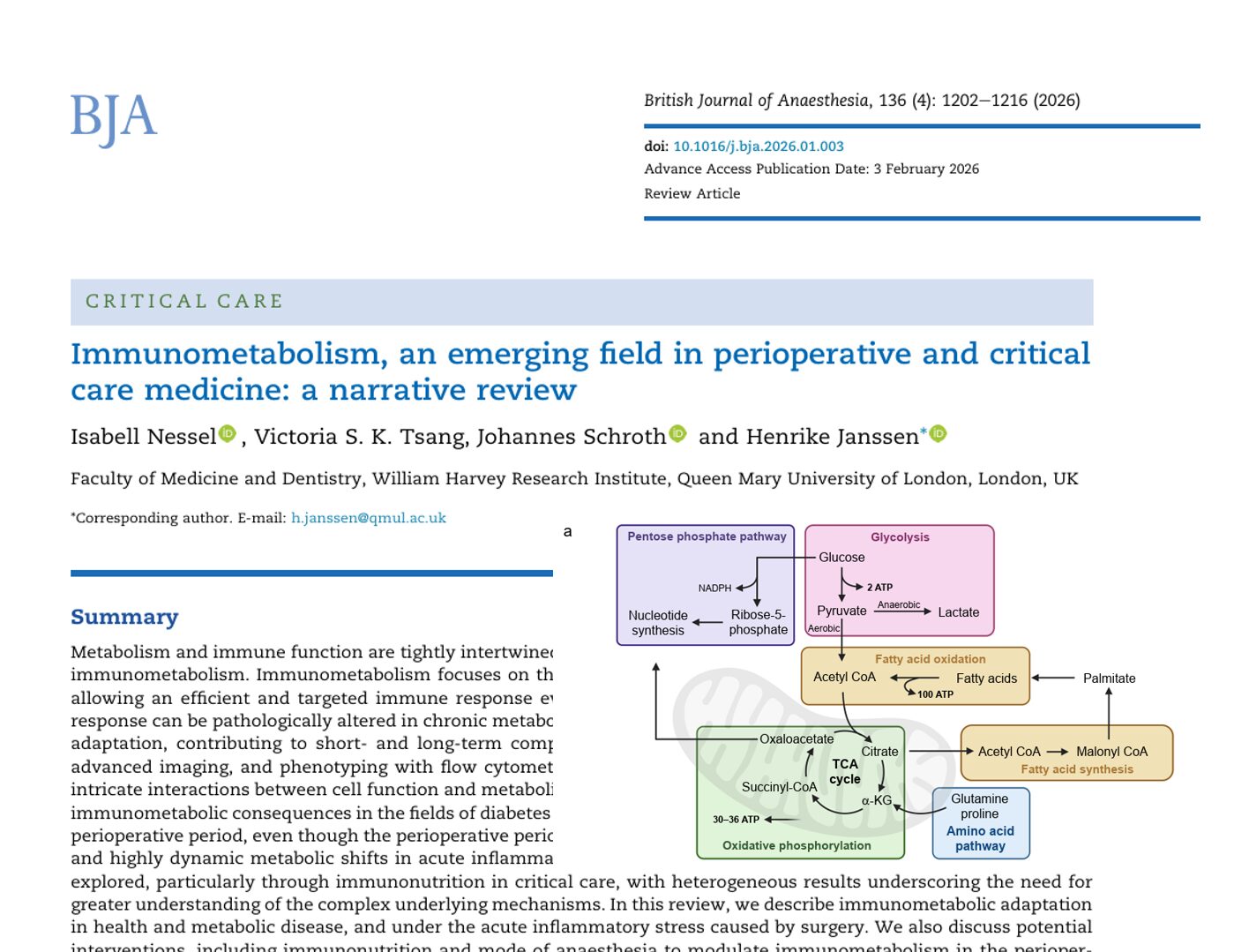
Videolaryngoscopy (VL) has emerged as one of the most transformative innovations in modern airway management. By integrating high-resolution video imaging into laryngoscopic devices, clinicians can visualize the laryngeal structures indirectly on a monitor, significantly improving intubation success rates and procedural safety.
A recent international guideline developed by the Spanish Society of Anaesthesiology, Resuscitation and Pain Therapy (SEDAR), the Spanish Society of Emergency Medicine (SEMES), the Latin American Federation of Emergency Medicine (FLAME), and an international panel of airway experts proposes strategies to achieve universal implementation of videolaryngoscopy across clinical settings.
The recommendations aim to close the gap between evidence and clinical practice, ensuring that videolaryngoscopy becomes the standard device for tracheal intubation in both planned and emergency scenarios.
Understanding videolaryngoscopy in airway management
Videolaryngoscopy is an advanced airway management technique that uses a miniature camera embedded in the laryngoscope blade to provide a real-time video view of the larynx.
Compared with conventional direct laryngoscopy, videolaryngoscopy offers enhanced visualization of glottic structures, facilitating safer and more efficient tracheal intubation.
Key features of videolaryngoscopy
- Indirect visualization of the vocal cords through a video monitor
- Improved alignment of airway anatomy without requiring direct line-of-sight
- Enhanced ability to manage anticipated and unanticipated difficult airways
- Shared visualization allowing team supervision during intubation
This technology is increasingly recommended in operating rooms, emergency departments, intensive care units, and prehospital environments.
Why videolaryngoscopy is replacing direct laryngoscopy
Improved first-attempt intubation success
One of the most critical goals in airway management is first-pass success during tracheal intubation.
Multiple intubation attempts significantly increase the risk of complications such as:
- Hypoxemia
- Airway trauma
- Oesophageal intubation
- Cardiovascular instability
- “cannot intubate, cannot oxygenate” emergencies
Evidence demonstrates that videolaryngoscopy improves first-attempt success rates compared with direct laryngoscopy and reduces complications related to failed intubation attempts.
Clinical advantages
- Improved glottic visualization
- Fewer failed intubations
- Reduced airway trauma
- Shorter intubation time in emergency settings
These benefits are particularly relevant in critically ill patients and emergency airway management.
Major barriers to universal adoption
Despite the clear clinical benefits, several challenges continue to limit the widespread implementation of videolaryngoscopy.
Economic barriers
- high initial acquisition costs
- maintenance and equipment replacement expenses
- variation in device pricing between manufacturers
However, studies suggest these costs may be offset by reduced complications and shorter hospital stays.
Training and learning curve
Healthcare professionals accustomed to direct laryngoscopy must adapt to new techniques.
Key training challenges include:
- blade positioning
- endotracheal tube guidance
- interpretation of the video image
Simulation-based training has been shown to shorten the learning curve and improve competence.
Resistance to change
Some clinicians may prefer traditional techniques due to familiarity and long-term experience with direct laryngoscopy.
Educational initiatives and awareness campaigns are therefore essential to promote adoption.
Six domains for universal implementation
The guideline defines six strategic domains necessary for the successful universal implementation of videolaryngoscopy.
1. Clinical benefits
Routine use of videolaryngoscopy as the primary device for tracheal intubation is strongly recommended due to its superior efficacy and safety.
Key outcomes include:
- higher first-pass success
- improved glottic visualization
- fewer airway complications
- better patient safety outcomes
2. Infrastructure and accessibility
For universal implementation to succeed, videolaryngoscopes must be available in all clinical areas where airway management occurs.
Recommended locations
- operating rooms
- emergency departments
- intensive care units
- prehospital emergency services
Hospitals are encouraged to standardize devices to reduce variability and simplify training.
3. Clinical guidelines and protocols
Evidence-based guidelines help standardize airway management practices.
Recommended measures include:
- national airway management guidelines
- institutional protocols integrating videolaryngoscopy
- cognitive aids and airway algorithms
These tools reduce variability in practice and support rapid decision-making in emergencies.
Standardized videolaryngoscopy assessment scale
The guideline introduces the VIA score, a standardized method for evaluating intubation using videolaryngoscopy.
Components of the VIA score
- V – videolaryngoscope blade type
- I – intubation attempts
- A – adjunct devices used
This scoring system helps clinicians:
- document procedural difficulty
- improve communication among teams
- standardize research and clinical audits
Teaching and training strategies
Simulation-based training
High-fidelity simulation plays a crucial role in videolaryngoscopy training.
Benefits include:
- safe practice environment
- improved team communication
- enhanced emergency preparedness
Simulation also helps develop non-technical skills such as crisis resource management.
Recommended training model
- theoretical education on airway anatomy and devices
- simulation-based practice with mannequins
- supervised clinical intubations
- competency assessment and certification
- periodic refresher training sessions
Continuous practice is essential to maintain proficiency.
Promoting awareness and education
Educational campaigns are necessary to overcome resistance to change.
Recommended strategies
- workshops and airway management courses
- interdisciplinary training programs
- online educational platforms
- collaboration with industry partners
These initiatives increase clinician confidence and improve acceptance of videolaryngoscopy.
Innovation and sustainability in videolaryngoscopy
Technological innovation continues to expand the capabilities of videolaryngoscopes.
Emerging trends
- portable videolaryngoscopes compatible with mobile devices
- low-cost devices for resource-limited settings
- 3D-printed videolaryngoscope prototypes
- improved ergonomic designs
Sustainability is also becoming a priority.
Manufacturers are developing:
- recyclable components
- reusable blades
- environmentally responsible materials
These advances support long-term adoption worldwide.
The role of research in implementation
Although evidence strongly supports videolaryngoscopy, further research is required.
Future research priorities
- national airway registries
- long-term outcome studies
- evaluation in special populations (obstetric, pediatric, difficult airway)
- cost-effectiveness analyses
- environmental impact studies
Research will guide best practices and improve implementation strategies.
Key recommendations for universal adoption
The expert consensus identified 12 strategic recommendations, including:
- routine use of videolaryngoscopy as the primary intubation device
- universal device availability in all airway management areas
- integration into national clinical guidelines
- use of airway algorithms and cognitive aids
- standardized scoring systems such as the VIA scale
- simulation-based training programs
- awareness campaigns for clinicians
- innovation and sustainability initiatives
- continued research and monitoring of implementation outcomes
Conclusion
Videolaryngoscopy represents a major advancement in airway management. By improving visualization, increasing first-pass success, and reducing complications, it offers significant benefits for both patients and healthcare professionals.
The new international guideline outlines a comprehensive roadmap for universal implementation, emphasizing training, infrastructure, clinical protocols, and ongoing research.
Adopting videolaryngoscopy as the standard of care will help modern healthcare systems align with high-reliability industries that prioritize rapid integration of safety-enhancing technologies.
Reference: Gómez-Ríos MÁ, Van Zundert AAJ, McNarry AF, et al. Guidelines on strategies for the universal implementation of videolaryngoscopy. Eur J Anaesthesiol. 2025;42(10):872-888.
Read more about videolaryngoscopy in the Anesthesia Assistant App. Try out our NYSORA chatbot, MAIA, your medical AI assistant for clinical support, when seconds count.