 Nerve Blocks App
 Anesthesia Assistant App
 US Pain Management App
 Pain Medicine Assistant App
 POCUS App
 IV Access App
 MSK Knee App
 VetRA App
 Nerve Block Manual
 Regional Anesthesia Updates
 Anesthesiology Manual
 Anesthesiology Review
 Anesthesia Updates 2025
 Anesthesia Updates 2026
 Pediatric Anesthesia Updates
 Airway Management Updates
 US Interventional Pain Manual
 Pain Medicine Updates
 Mastering Difficult IV Access
 PACU Nursing Manual
 RA Veterinary Manual
 Books
Books About
About
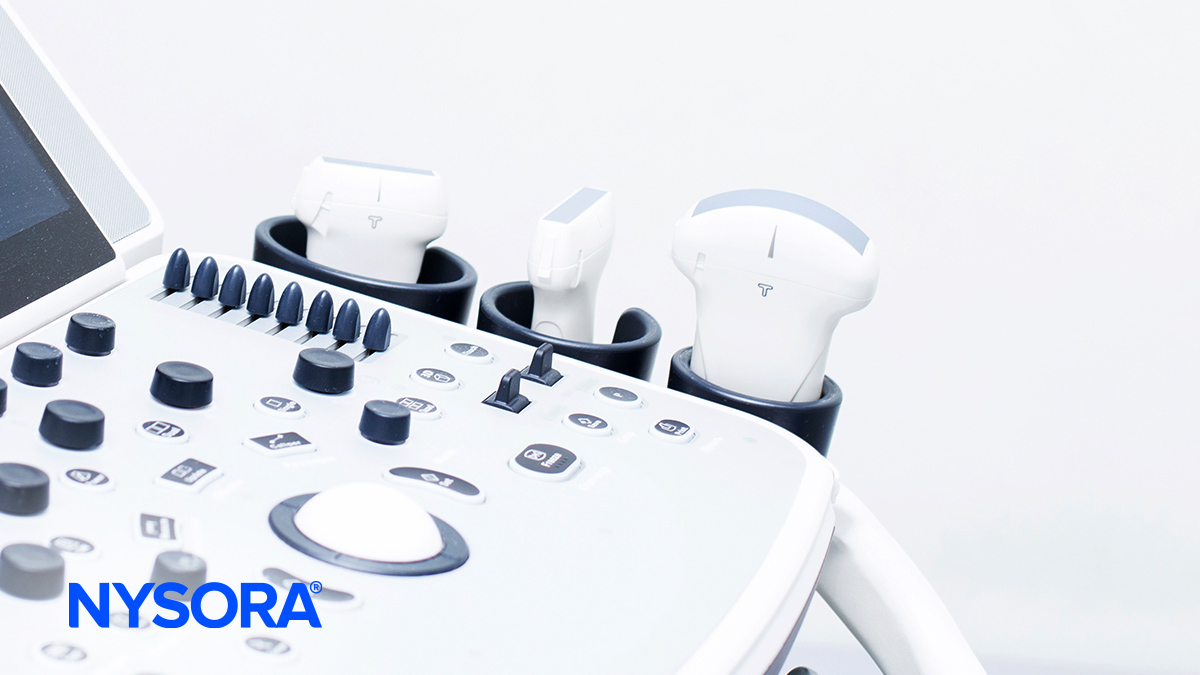
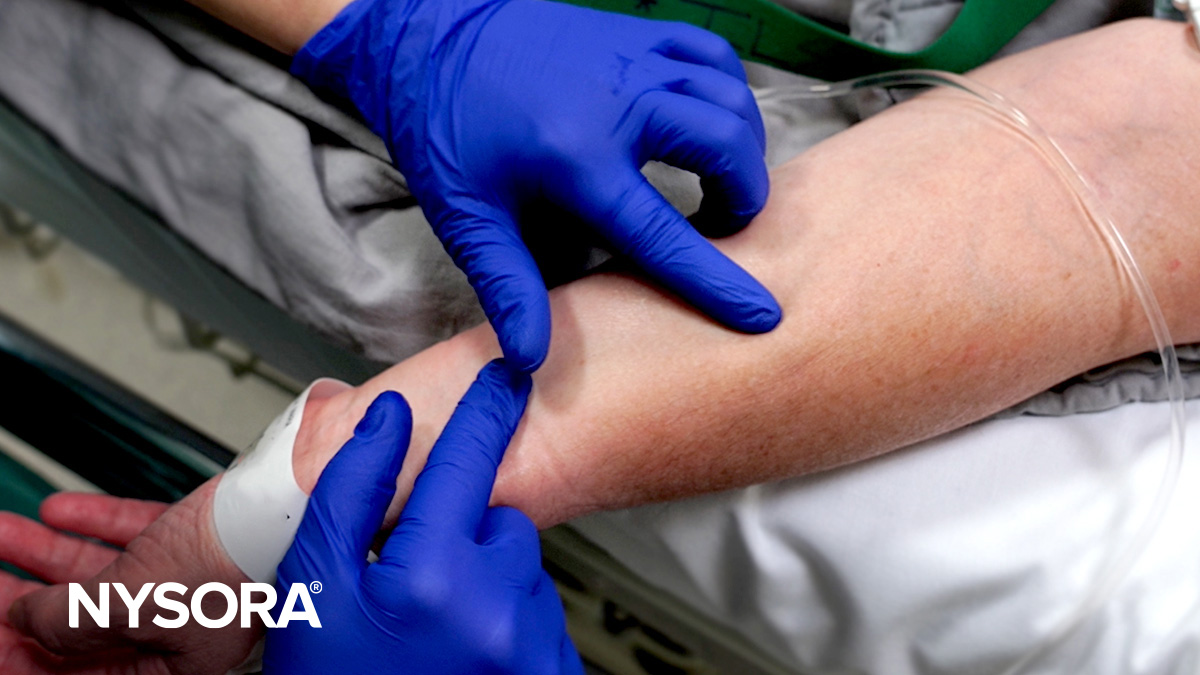
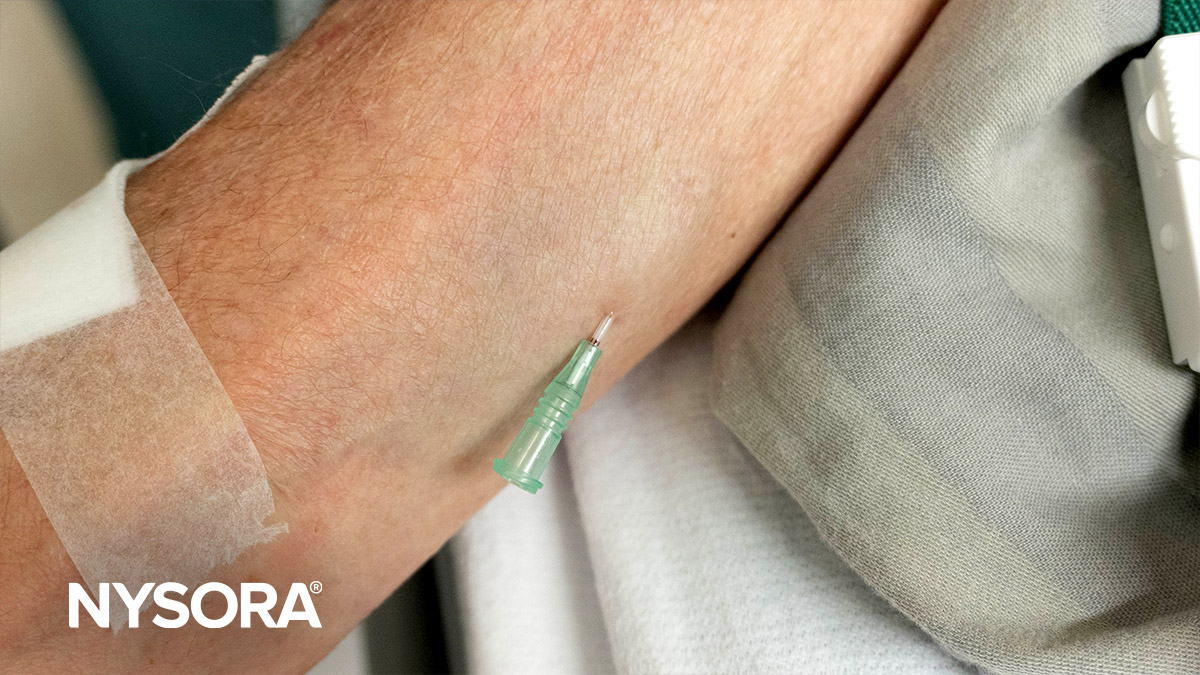
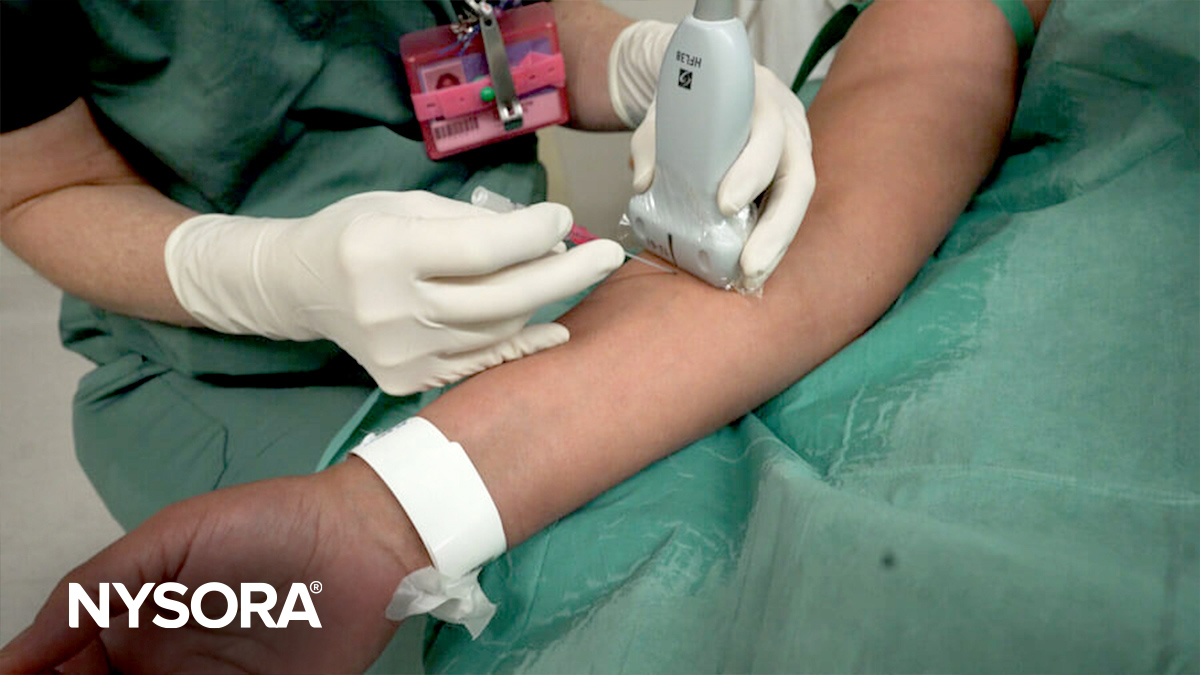
In IV therapy, ultrasound-guided peripheral IV cannulation has emerged as an important technique, enhancing the success rates of venous access, especially in patients with difficult venous anatomy. Ultrasound guidance for peripheral IV cannulation represents a significant advancement in venous access. It provides real-time visualization of veins, surrounding tissues, and the needle path. It is particularly beneficial for patients with difficult access due to obesity, chronic illness, or depleted venous reserves. This technique enhances the accuracy of needle insertion, minimizes the number of attempts required for successful cannulation, and increases patient comfort and satisfaction.
Ultrasound guidance is commonly used for peripheral IV cannulation in these scenarios:
- Difficult venous access: Patients with multiple failed IV attempts by traditional methods or those with a known history of difficult access.
- Obesity: Increased subcutaneous fat causes impaired vein visibility and palpation, which can make traditional landmark-based methods challenging.
- Chronic illness or therapy: Patients with chronic diseases like end-stage renal disease or those on chemotherapy often have exhausted peripheral veins.
- Pediatric patients: Their smaller vein size can make traditional IV cannulations challenging.
- Elderly patients: Aging skin and fragile veins can make traditional IV placement more difficult, resulting in multiple attempts.
- Burn victims: Burned skin or tissue may obscure or damage veins, making the ultrasound technique a safer and more effective alternative.
- Edematous skin: Fluid accumulation in the extremities can obscure veins. When the tissue around the veins is swollen, it can exert pressure on the veins, potentially leading to temporary compression or collapse.
- History of IV drug abuse: These patients often have damaged or sclerosed veins.
- Severe dehydration: Dehydration can lead to decreased blood volume, causing peripheral veins to collapse and become less palpable and visible to the naked eye.
- Hypercoagulable states: Patients at high risk for DVT might benefit from visualization of the deep veins during peripheral IV cannulation.
Ultrasound-guided IV access is becoming increasingly prevalent for difficult IV situations. For a more comprehensive understanding and detailed information on ultrasound-guided IV access, readers are encouraged to consult additional resources provided by NYSORA and other authorities elsewhere.

A patient with multiple failed IV attempts by traditional methods can benefit from ultrasound-guided cannulation.