 Nerve Blocks App
 Anesthesia Assistant App
 Ultrasound Pain App
 Pain Medicine Assistant App
 POCUS App
 IV Access App
 MSK Knee App
 VetRA App
 Nerve Block Manual
 Regional Anesthesia Updates
 Anesthesiology Manual
 Anesthesiology Review
 Anesthesia Updates 2025
 Anesthesia Updates 2026
 Pediatric Anesthesia Updates
 Airway Management Updates
 US Interventional Pain Manual
 Pain Medicine Updates
 Mastering Difficult IV Access
 PACU Nursing Manual
 RA Veterinary Manual
 Books
Books About
About
 Back to News
 5 min read

Elective cesarean section remains one of the most frequently performed surgical procedures worldwide. Although it is a routine operation, postoperative pain can be substantial and may significantly affect maternal recovery, infant care, breastfeeding success, mobilisation, sleep quality and overall wellbeing. Poorly controlled postoperative pain has also been linked to an increased risk of chronic postsurgical pain and postpartum depression.
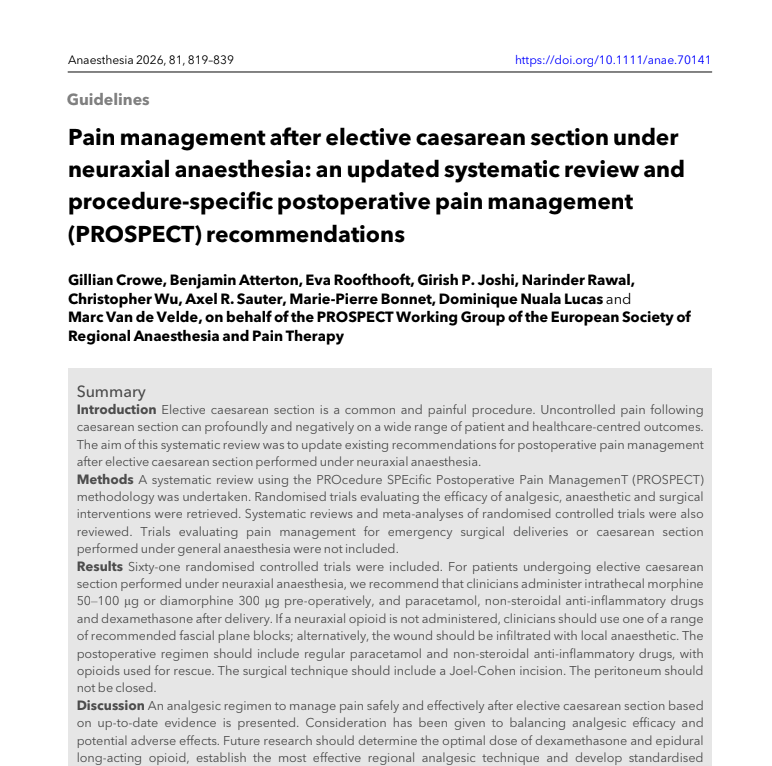
In 2026, the PROcedure SPEcific Postoperative Pain ManagemenT (PROSPECT) Working Group published an updated systematic review and evidence-based guideline for pain management after elective cesarean section performed under neuraxial anesthesia. The review evaluated 61 randomized controlled trials and numerous systematic reviews and meta-analyses to determine the safest and most effective analgesic strategies.
Why effective pain management matters
Post-cesarean pain is more than a comfort issue. Effective analgesia is essential for:
- Early maternal mobilisation
- Improved respiratory function
- Enhanced mother-infant bonding
- Successful breastfeeding
- Reduced opioid consumption
- Faster recovery
- Improved patient satisfaction
- Reduced risk of chronic pain development
- Lower likelihood of postpartum depression
Researchers highlighted that uncontrolled pain can negatively affect both patient-centred and healthcare-centred outcomes, making evidence-based pain management a critical component of obstetric care.
Key recommendations at a glance
The updated PROSPECT guideline recommends a multimodal analgesic strategy.
Core recommendations
- Administer paracetamol unless contraindicated.
- Administer a non-steroidal anti-inflammatory drug (NSAID) unless contraindicated.
- Give intravenous dexamethasone 8–10 mg after delivery.
- Use intrathecal morphine 50–100 micrograms or intrathecal diamorphine 300 micrograms.
- Continue regular paracetamol and NSAIDs postoperatively.
- Reserve opioids primarily as rescue medication.
- Consider regional analgesia techniques if neuraxial opioids are not used.
- Use surgical approaches associated with lower postoperative pain.
The role of neuraxial opioids
Intrathecal morphine remains the gold standard
The guideline strongly supports intrathecal morphine at doses between 50 and 100 micrograms.
Investigators found that higher doses did not significantly improve pain control but increased adverse effects such as:
- Pruritus
- Nausea
- Vomiting
Recommended neuraxial opioid options
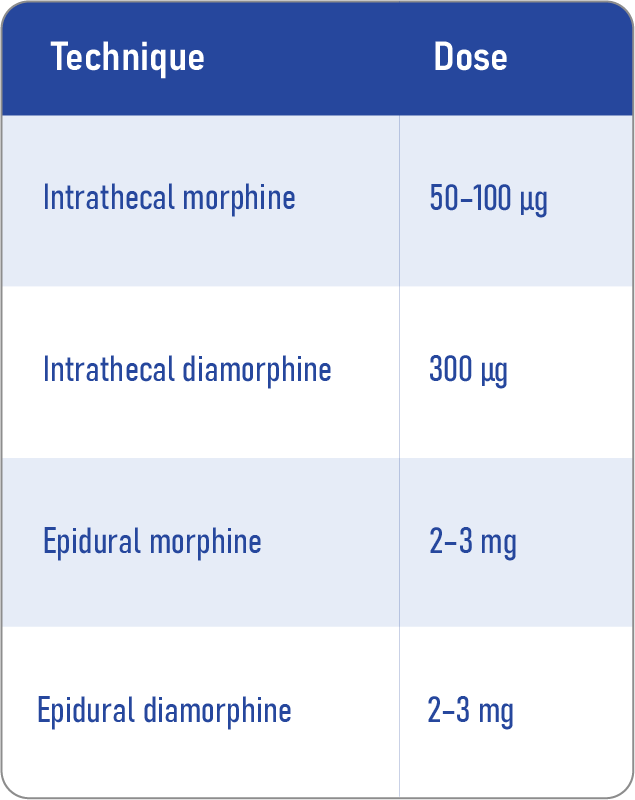
These medications continue to provide the most reliable postoperative analgesia following elective cesarean delivery.
Dexamethasone becomes a key component of multimodal analgesia
One of the most important messages from the update is the continued support for dexamethasone.
Benefits of dexamethasone
Evidence suggests dexamethasone:
- Reduces postoperative opioid requirements
- Improves recovery quality
- Decreases postoperative nausea and vomiting
- Extends time to first analgesic request
- Enhances overall postoperative comfort
The guideline recommends:
Intravenous dexamethasone 8–10 mg after delivery.
Researchers noted that current evidence does not demonstrate significant safety concerns with a single perioperative dose in appropriately selected patients.
Regional anesthesia techniques when neuraxial opioids are unavailable
When intrathecal morphine or diamorphine cannot be used, regional anesthetic techniques become particularly important.
Recommended options
The guideline supports several fascial plane and nerve blocks:
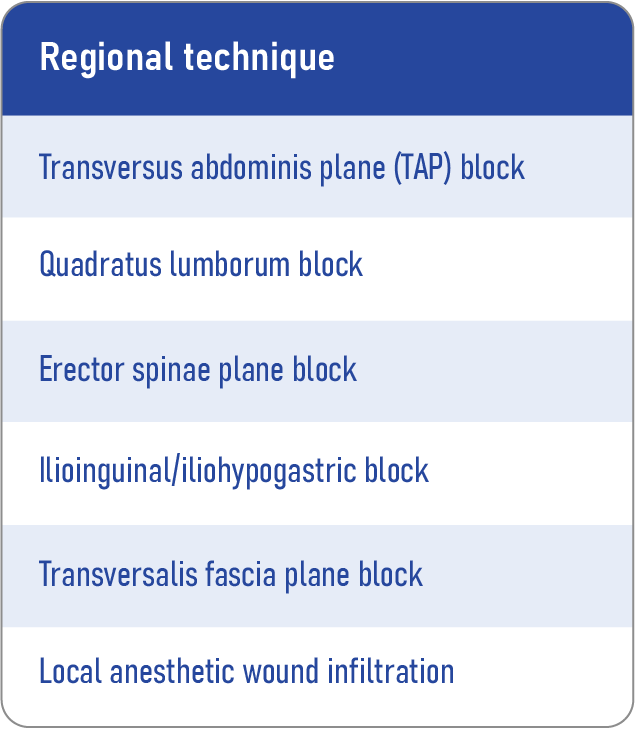
Importantly, no single regional technique demonstrated consistent superiority over the others.
The choice should therefore depend on:
- Clinician expertise
- Available equipment
- Institutional protocols
- Patient-specific factors
Understanding the major regional blocks
Transversus abdominis plane block
The TAP block remains one of the most commonly used techniques.
Benefits include:
- Reduced opioid consumption
- Improved postoperative comfort
- Simplicity of performance
- Good safety profile
However, studies showed intrathecal morphine generally provides superior analgesia when available.
Quadratus lumborum block
Quadratus lumborum blocks demonstrated:
- Improved pain control compared with no block
- Reduced opioid requirements
- Prolonged analgesia in selected studies
Nevertheless, benefits diminish when combined with intrathecal morphine.
Erector spinae plane block
The erector spinae plane block continues to gain popularity.
Reported benefits include:
- Lower postoperative pain scores
- Longer time to first analgesic request
- Reduced opioid consumption
Ilioinguinal/iliohypogastric block
This technique received increased attention in the updated review.
Potential advantages include:
- Reduced opioid use
- Lower pain scores
- Delayed need for rescue analgesia
- Possible reduction in chronic postoperative pain
Wound infiltration remains a valuable option
The guideline continues to support local anesthetic wound infiltration.
Why it matters
Advantages include:
- Technical simplicity
- Low risk profile
- Minimal resource requirements
- Ability to be performed by the surgical team
When advanced regional blocks are unavailable, wound infiltration offers an effective alternative for postoperative pain management.
Surgical techniques that reduce pain
The updated guideline emphasizes that surgical technique influences postoperative pain outcomes.
Recommended surgical strategies
Joel-Cohen incision
This incision is associated with:
- Reduced tissue trauma
- Lower postoperative pain
- Faster recovery
Non-closure of the peritoneum
Evidence supports avoiding routine peritoneal closure due to:
- Reduced pain
- Improved postoperative recovery
Abdominal binders
Abdominal binders may:
- Improve comfort
- Reduce distress
- Support mobilisation after surgery
Treatments not recommended
The guideline also identifies interventions that should not be routinely used.
Not recommended due to insufficient evidence or adverse effects
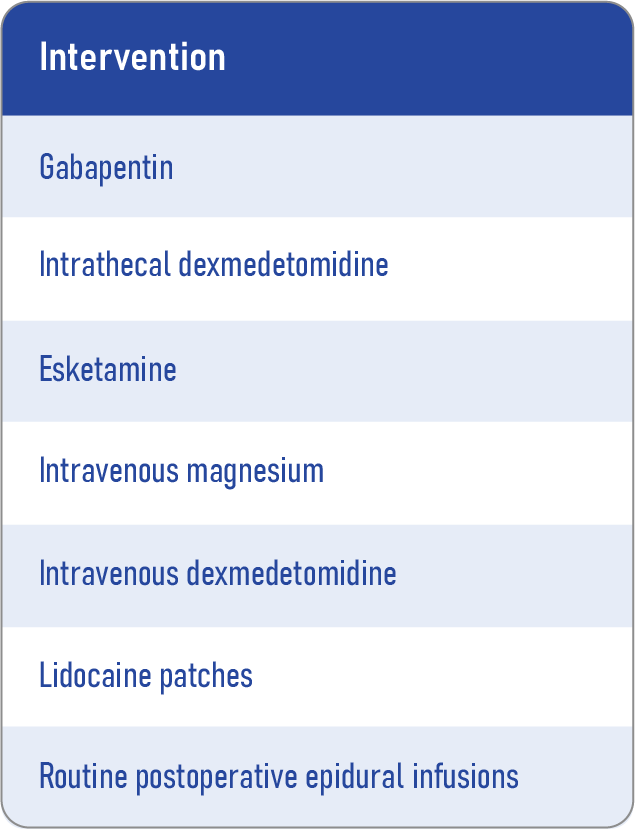
Why esketamine was not recommended
Although several studies examined esketamine, investigators found:
- Minimal pain improvement
- Increased neuropsychiatric adverse effects
- Inconsistent analgesic benefits
As a result, routine use was not supported.
Breastfeeding considerations
A major concern after cesarean delivery is medication safety during breastfeeding.
The guideline notes that most recommended treatments have favorable breastfeeding profiles.
Generally considered compatible with breastfeeding
- Paracetamol
- NSAIDs
- Local anesthetics
- Neuraxial opioids
- Single-dose dexamethasone
Healthcare professionals should still individualize treatment decisions and discuss risks and benefits with patients.
Conclusion
The 2026 PROSPECT update reinforces a multimodal, opioid-sparing approach to postoperative pain management after elective cesarean section under neuraxial anesthesia. The cornerstone of therapy remains intrathecal morphine combined with regular paracetamol, NSAIDs and intravenous dexamethasone. When neuraxial opioids cannot be used, regional anesthesia techniques and wound infiltration provide valuable alternatives.
By combining evidence-based pharmacological strategies, appropriate regional anesthesia and optimized surgical techniques, clinicians can improve maternal recovery, enhance breastfeeding success, reduce opioid exposure and deliver safer, more effective postoperative care for mothers undergoing elective cesarean delivery.
Reference: Crowe G et al. Pain management after elective caesarean section under neuraxial anaesthesia: an updated systematic review and procedure-specific postoperative pain management (PROSPECT) recommendations. Anaesthesia. 2026;81:819-839.
Read more about cesarean delivery and pain management in NYSORA’s Anesthesiology Manual.