
- Learn
-
Apps
View all apps
Veterinary
 VetRA App

- Books
- Events
- News
- Partners
- About
- For Clinicians
 VetRA App

Structured reference for chronic pain procedures, standardized techniques, literature updates, and AI-powered support - right at your fingertips.


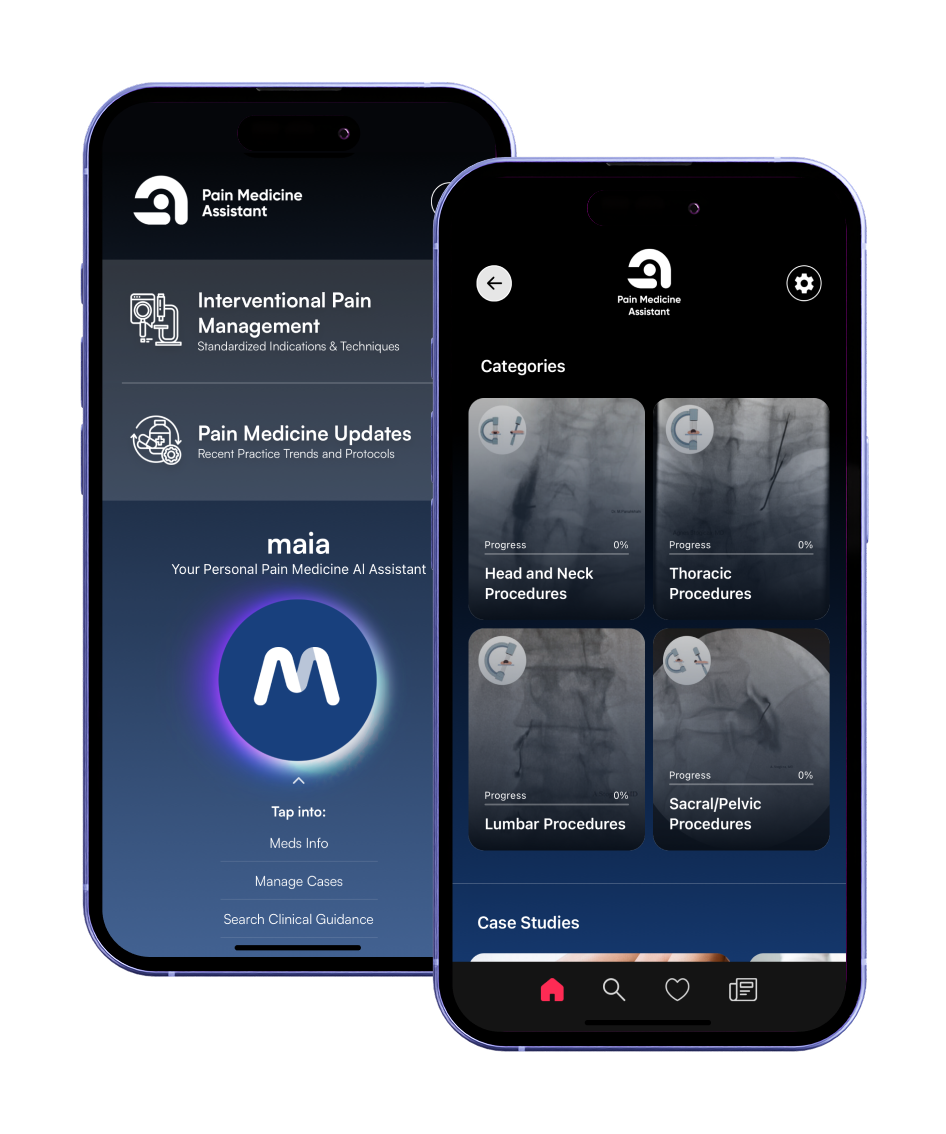
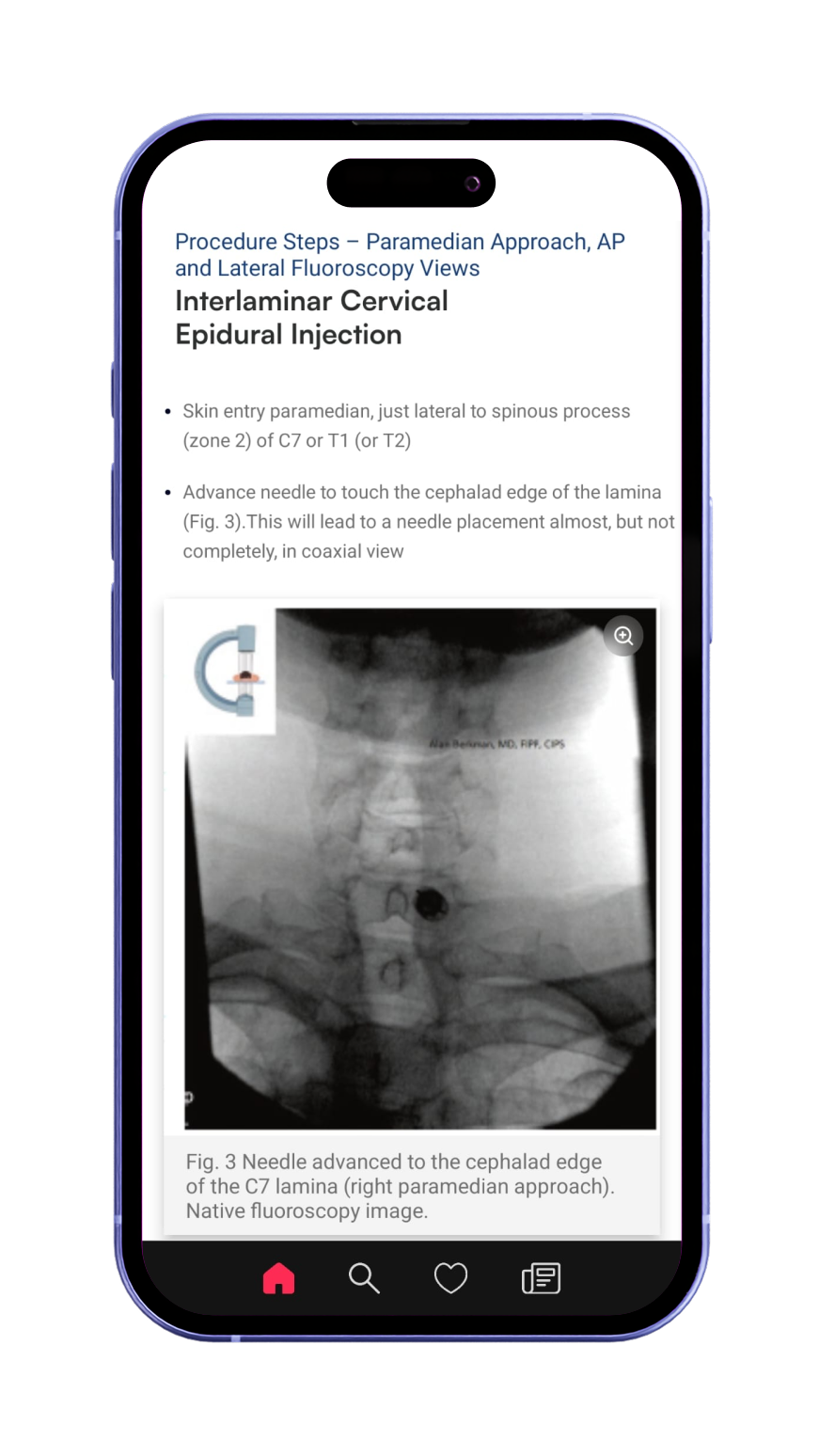
From patient positioning to injection.
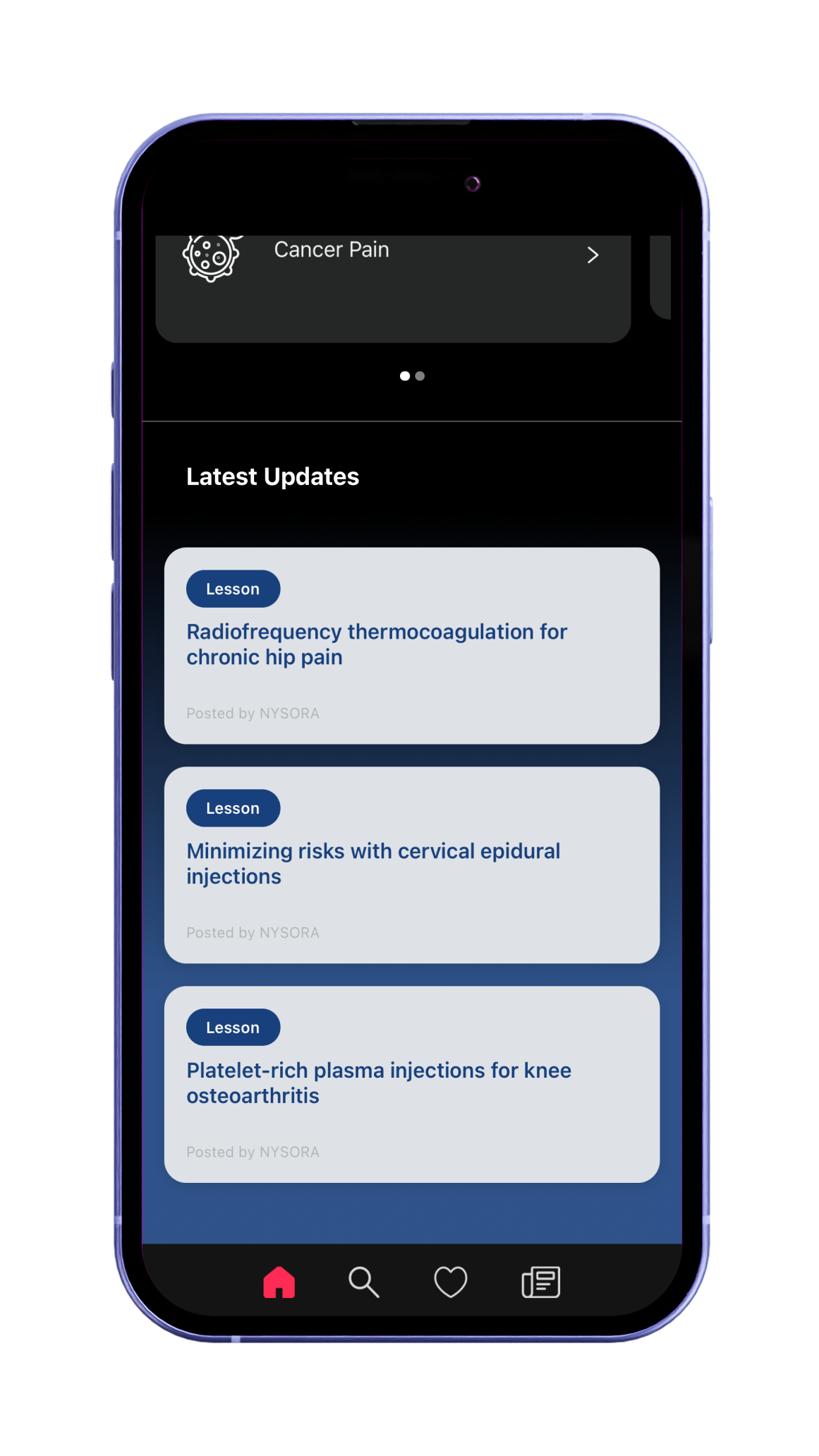
With Pain Medicine Updates.
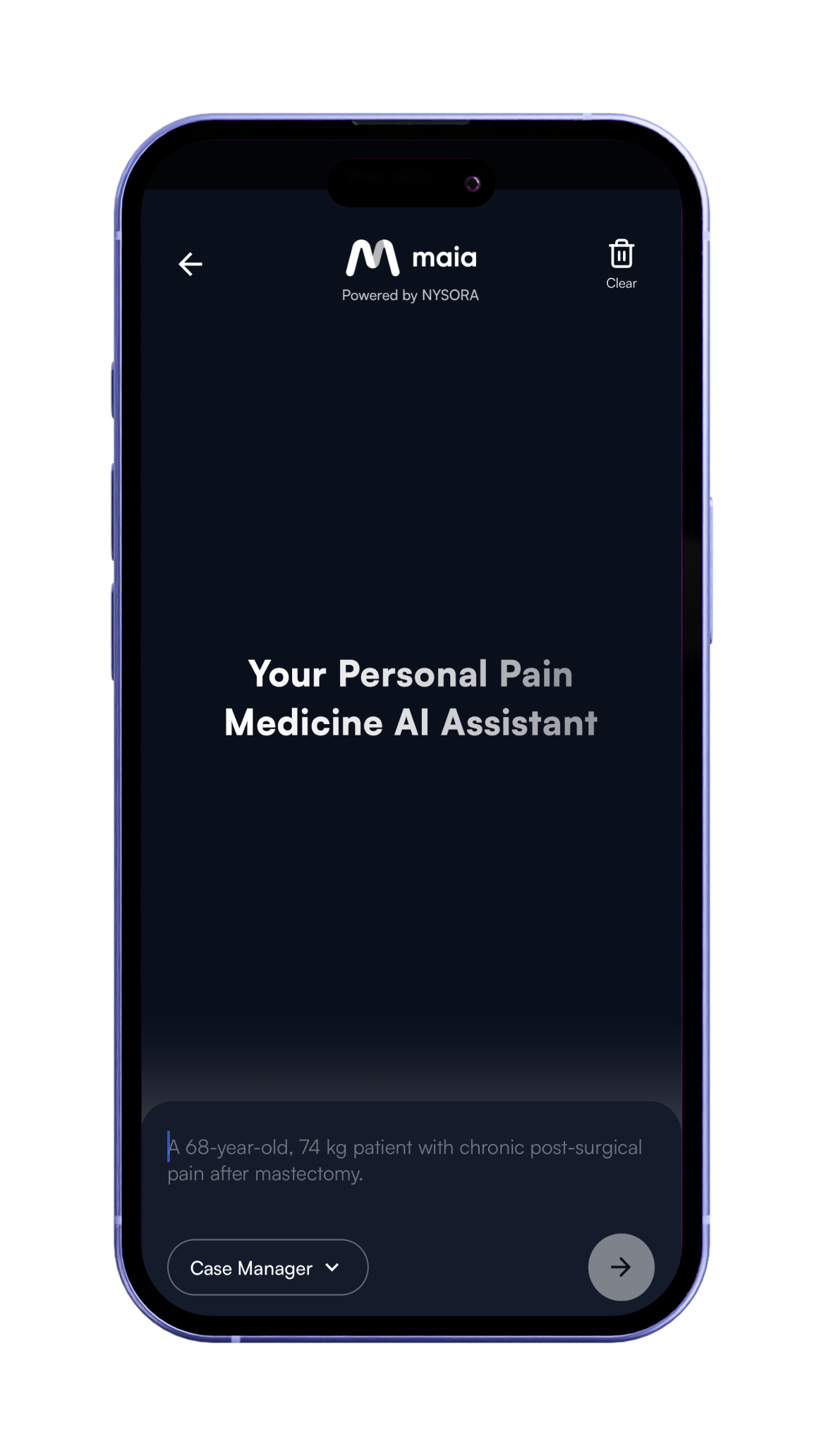
MAIA supports clinical decision-making.
From patient positioning to injection.
With Pain Medicine Updates.
MAIA supports clinical decision-making.
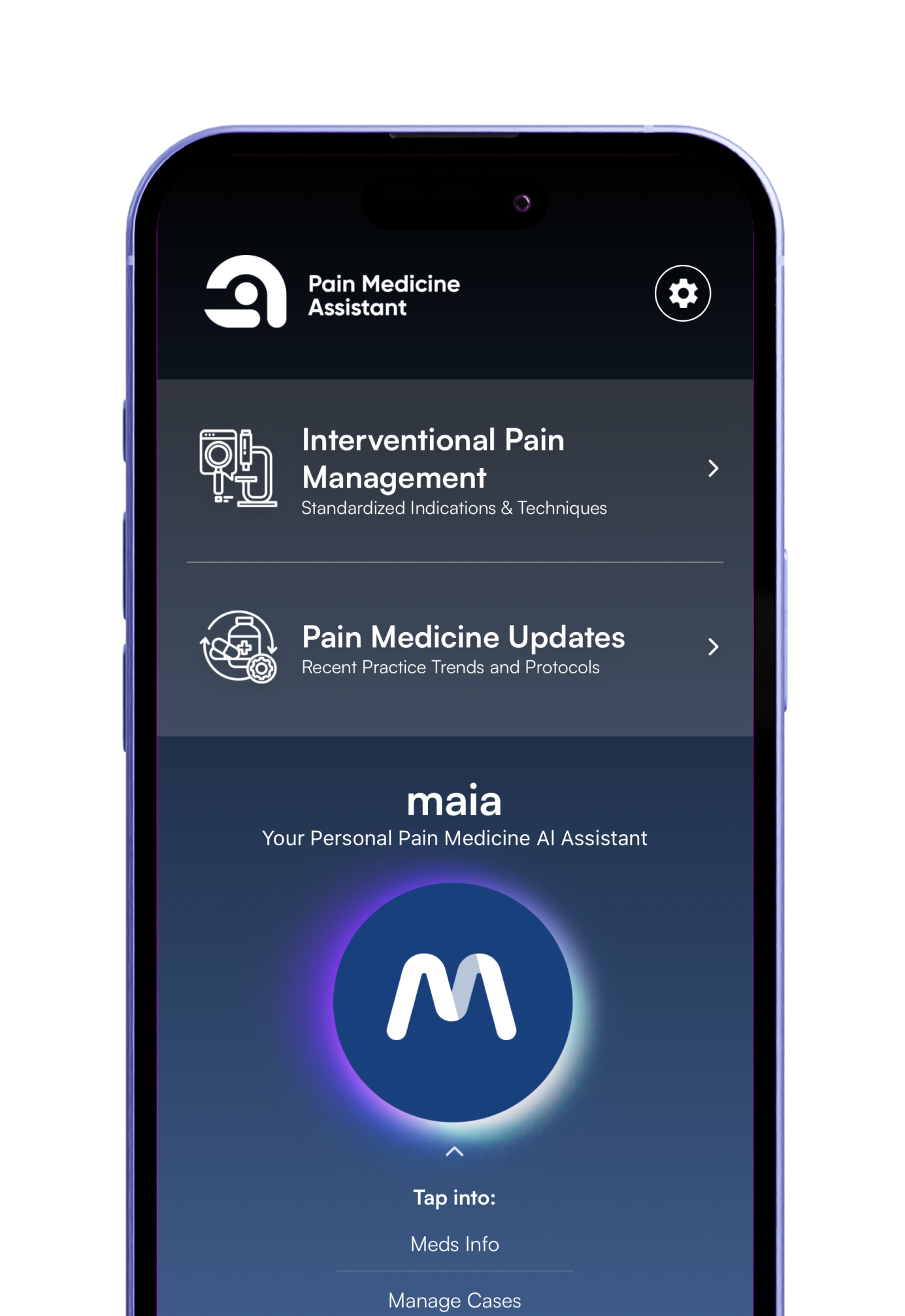
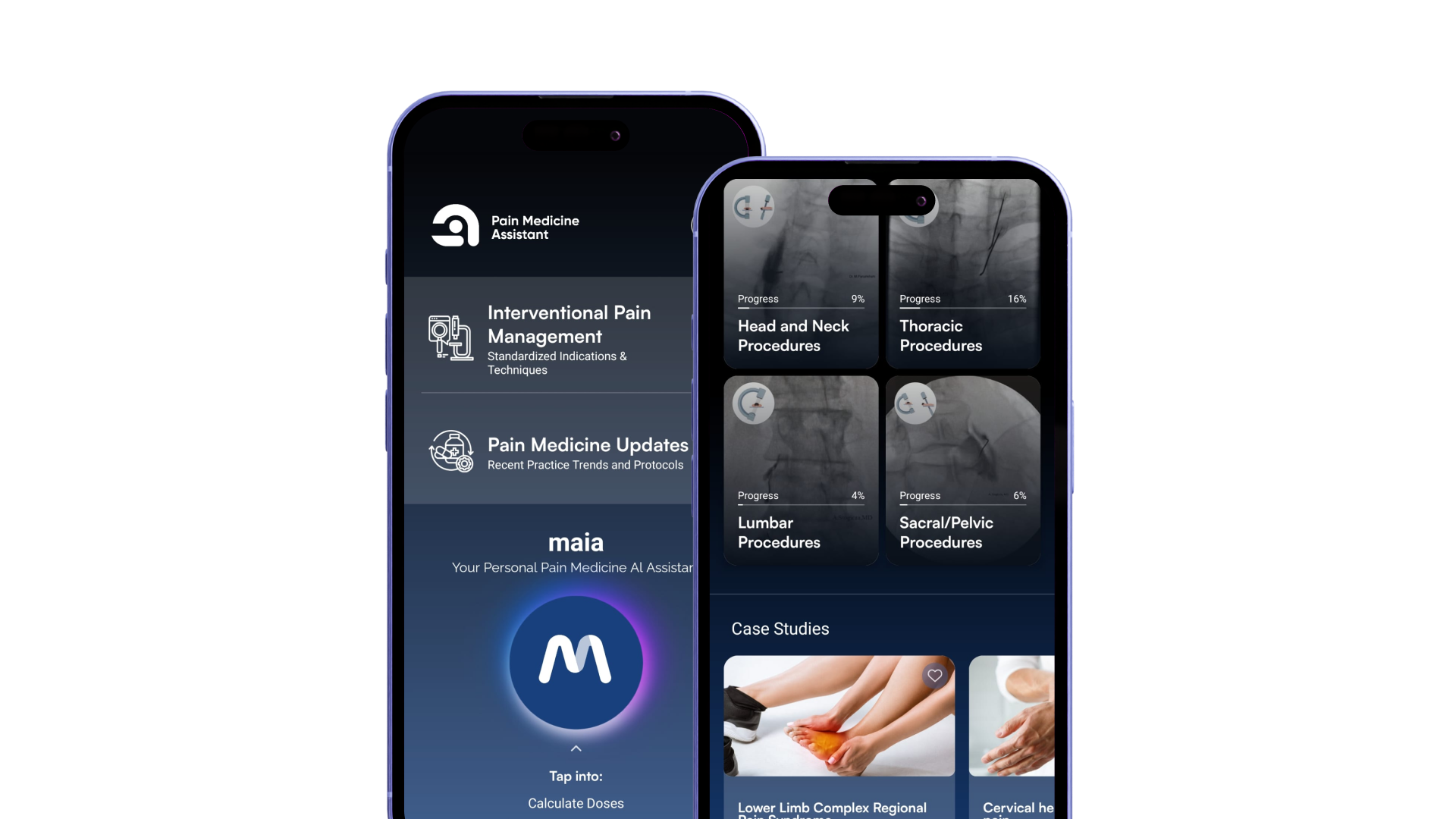
The first mobile AI-supported guide for pain medicine. Trusted by pain physicians and students worldwide.


When the August Daily Question rankings closed in the NYSORA Nerve Blocks App, one name was sitting at the top: Dr. Christophe Pericard. Naturally, we wanted to know more about the clinician behind the score. Christophe is an anesthesiologist at a university hospital in Strasbourg, France, working primarily in digestive surgery. During night shifts, however, his cases can take him across many different surgical specialties. And here is what made his result particularly interesting: regional anesthesia is not something he performs every day. For Christophe, that makes having a reliable way to revisit less familiar techniques particularly useful. Sometimes he opens the app simply to refresh his knowledge. Other times, there is a patient in front of him and a block he has not performed recently. When a familiar block becomes less familiar Christophe first discovered NYSORA several years ago while looking online for regional anesthesia information. “I discovered the NYSORA Nerve Blocks App a few years ago while searching online for information on regional anesthesia, which I don’t perform every day. I came across the NYSORA website, which naturally led me to the app.” Since then, the app has become a reference he returns to when he wants to review a topic or quickly refresh the details of a technique. “When I have to perform a block I’m less familiar with, it helps me quickly find information to fill in gaps in my memory.” It is a situation many clinicians will recognize. You know the block. You have learned anatomy. You may even have performed it before. But it has been a while, and before picking up the probe and needle, there are a few details you want fresh in your mind. For Christophe, that might mean revisiting the relevant anatomy, checking the ultrasound landmarks, or reviewing the technique […]
Brachial plexus blocks have become a cornerstone of multimodal analgesia for upper limb surgery, offering excellent postoperative pain control while reducing opioid requirements and facilitating earlier recovery. However, one persistent limitation remains: the duration of analgesia. Even with long-acting local anesthetics and commonly used adjuncts such as dexamethasone, the analgesic effect of a single-shot brachial plexus block rarely extends beyond 24 hours. As the block resolves, many patients experience rebound pain, which can increase opioid consumption and negatively impact recovery. Liposomal bupivacaine was developed to address this challenge. Its extended-release formulation is designed to prolong local anesthetic effects for up to 72 hours, theoretically reducing postoperative pain, minimizing opioid use, and improving patient recovery. Since its introduction, several randomized controlled trials have investigated its use in brachial plexus blocks, yet their findings have been inconsistent. While some studies reported improved analgesia, others found little or no meaningful clinical benefit, raising ongoing questions about whether its substantially higher cost is justified. To provide a clearer answer, Shing and colleagues conducted the first systematic review and meta-analysis focused exclusively on liposomal bupivacaine administered via brachial plexus blocks. By pooling data from 21 randomized controlled trials involving nearly 1,500 patients, the authors evaluated whether the statistical benefits reported in individual studies translate into clinically meaningful improvements in postoperative recovery. Their findings offer valuable insights for clinicians considering the routine use of liposomal bupivacaine in upper limb surgery. Study methods Literature search The investigators searched: PubMed EMBASE Web of Science Cochrane Library ClinicalTrials.gov Randomized controlled trials published up to June 2024 were eligible. Included studies The final analysis included: 21 randomized controlled trials 23 treatment comparisons 1,478 patients Most studies evaluated patients undergoing shoulder surgery using ultrasound-guided interscalene brachial plexus blocks. Liposomal bupivacaine was compared with conventional long-acting local anesthetics, primarily plain bupivacaine or […]


The first mobile AI-supported guide for pain medicine. Trusted by pain physicians and students worldwide.
The app includes:
The NYSORA Pain Medicine Assistant App provides on-the-go access to expertly-curated techniques, helping you:
The app covers:
The app can be used in multiple ways:
It’s a mobile-friendly reference tool offering:
 Nerve Blocks App
 Anesthesia Assistant App
 Ultrasound Pain App
 Pain Medicine Assistant App
 POCUS App
 IV Access App
 MSK Knee App
 Nerve Block Manual
 Regional Anesthesia Updates
 Anesthesiology Manual
 Anesthesiology Review
 Anesthesia Updates 2025
 Anesthesia Updates 2026
 Pediatric Anesthesia Updates
 Airway Management Updates
 US Interventional Pain Manual
 Pain Medicine Updates
 Mastering Difficult IV Access
 PACU Nursing Manual
 RA Veterinary Manual
 Books
Books About
About