 Nerve Blocks App
 Anesthesia Assistant App
 Ultrasound Pain App
 Pain Medicine Assistant App
 POCUS App
 IV Access App
 MSK Knee App
 VetRA App
 Nerve Block Manual
 Regional Anesthesia Updates
 Anesthesiology Manual
 Anesthesiology Review
 Anesthesia Updates 2025
 Anesthesia Updates 2026
 Pediatric Anesthesia Updates
 Airway Management Updates
 US Interventional Pain Manual
 Pain Medicine Updates
 Mastering Difficult IV Access
 PACU Nursing Manual
 RA Veterinary Manual
 Books
Books About
About
 Back to News
 3 min read

New study highlights protective cardiovascular effects of regional anesthesia
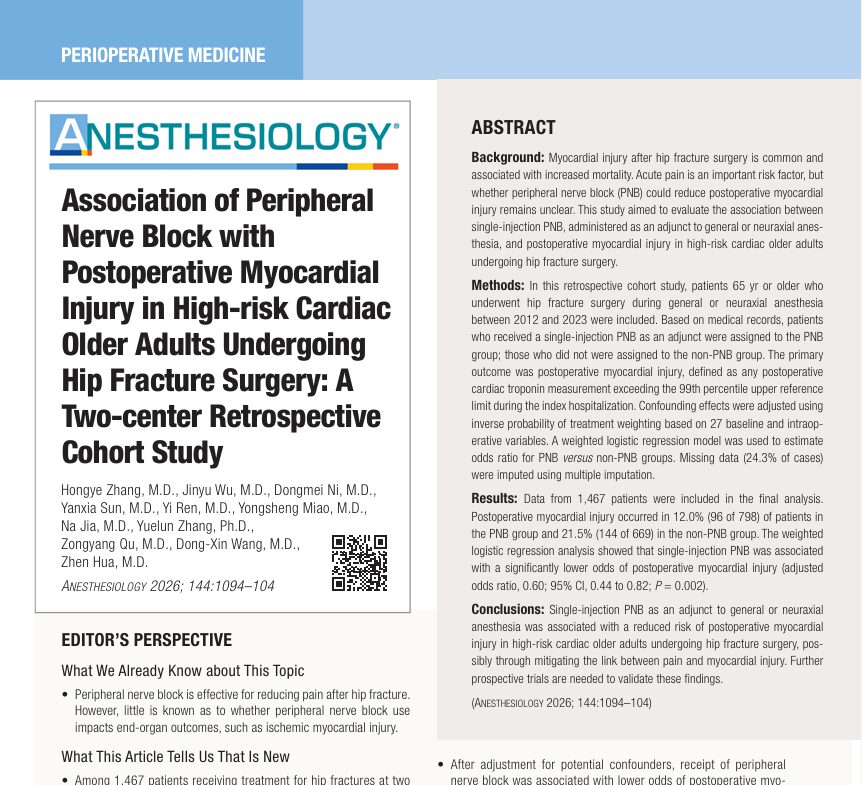
A major new study published in Anesthesiology (2026) has revealed that peripheral nerve blocks (PNBs) may significantly reduce the risk of postoperative myocardial injury in older adults undergoing hip fracture surgery.
This finding is particularly important because myocardial injury after noncardiac surgery (MINS) is a common and life-threatening complication, especially in elderly patients with pre-existing cardiovascular disease.
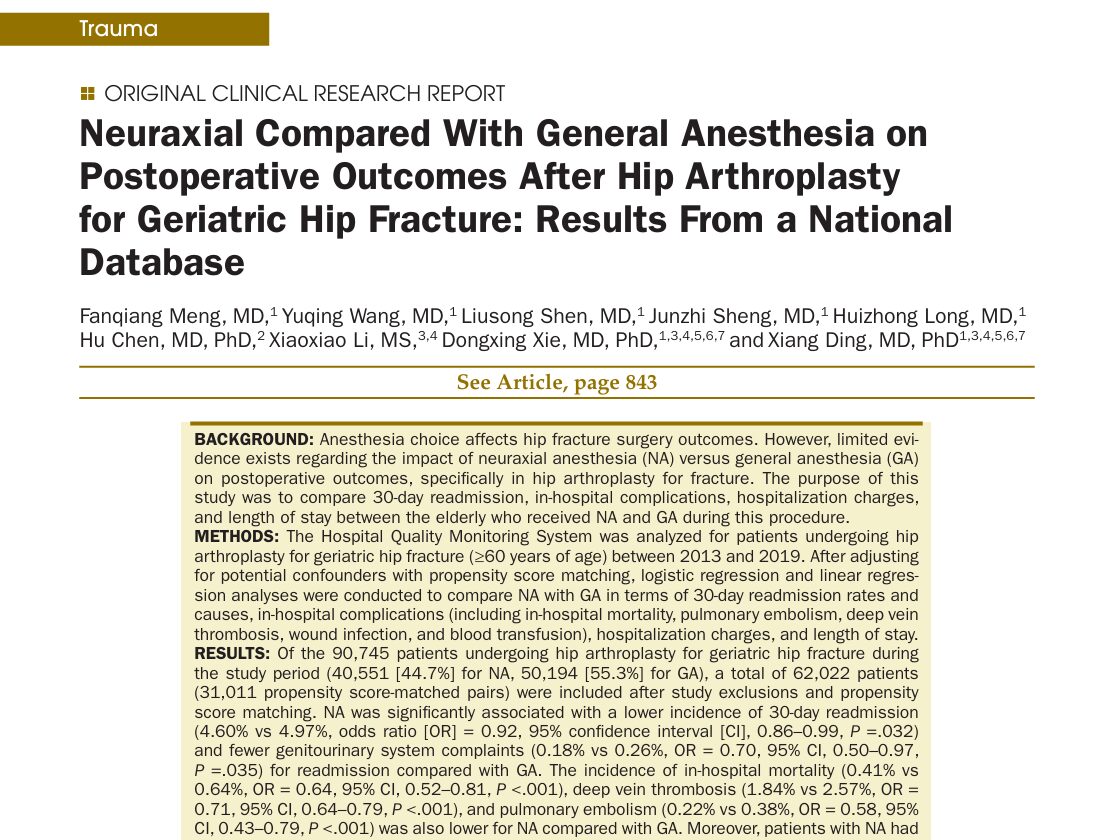
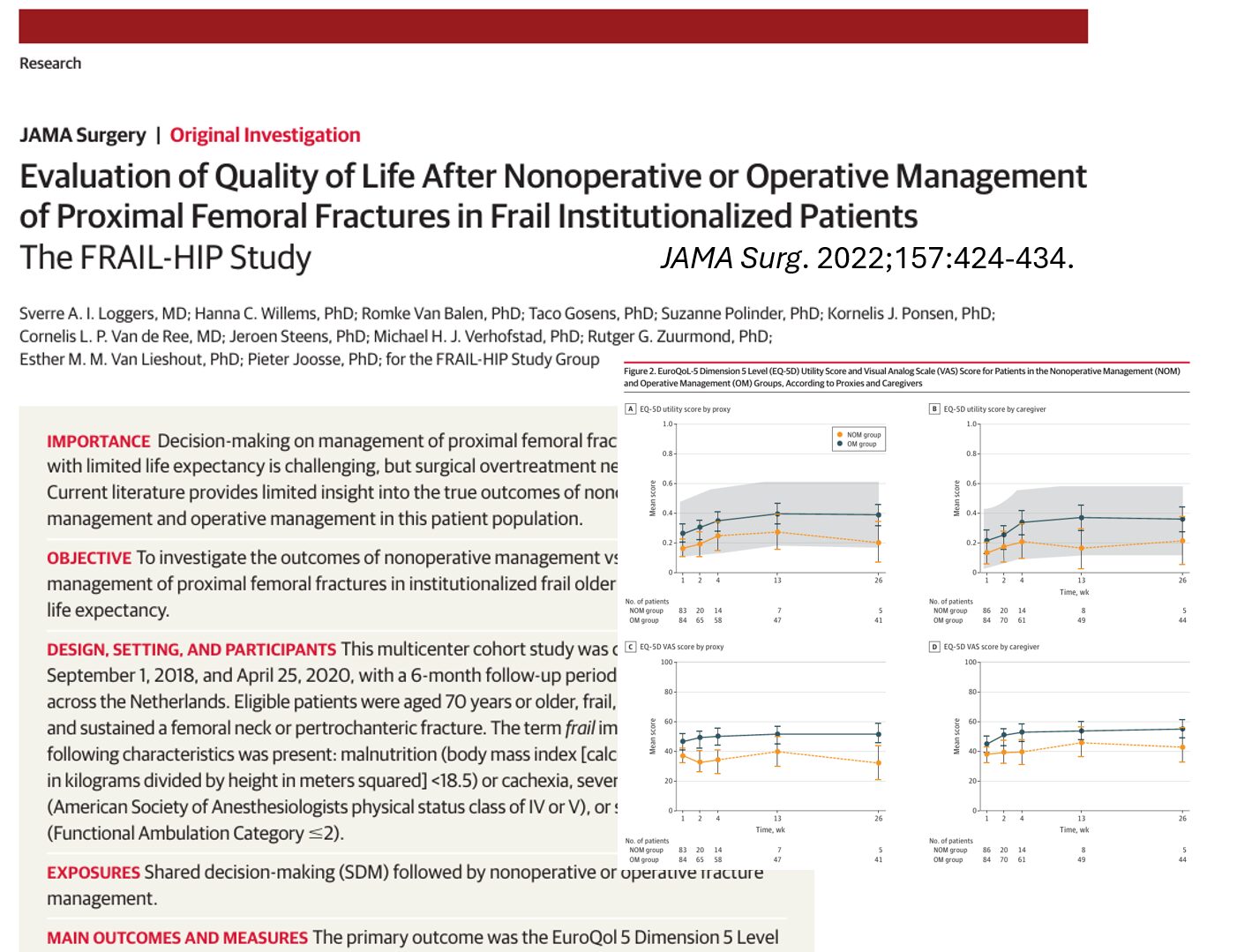
The study analyzed 1,467 patients and provides strong evidence that optimizing perioperative analgesia may have cardioprotective effects beyond pain control.
Understanding myocardial injury after hip fracture surgery
What is myocardial injury?
Myocardial injury refers to damage to cardiac muscle cells, typically identified by elevated cardiac troponin (cTn) levels above the 99th percentile upper reference limit.
- Indicates myocardial cell necrosis
- May occur with or without classic ischemic symptoms
- Strongly associated with increased mortality
Why is it important?
- Occurs in 15–86% of hip fracture patients depending on population and monitoring
- Linked to:
- Increased 30-day mortality
- Higher 1-year mortality rates
- Prolonged hospitalization
Hip fracture patients are especially vulnerable due to:
- Advanced age
- High prevalence of cardiovascular comorbidities
- Physiological stress from trauma and surgery
Study overview: design and patient population
Study design
- Two-center retrospective cohort study
- Conducted in Beijing, China
- Study period: 2012–2023
Participants
- 1,467 patients aged ≥ 65 years
- All underwent hip fracture surgery under:
- General anesthesia
- Neuraxial anesthesia
Grouping
Patients were divided into:
- PNB group (798 patients)
- Non-PNB group (669 patients)
Nerve block techniques used
- Fascia iliaca compartment block (~70%)
- Femoral nerve block
- Lumbar plexus block
- Less common:
Key findings: reduced risk of myocardial injury
Primary outcome results
- Myocardial injury incidence:
- 12.0% with PNB
- 21.5% without PNB
This represents a substantial reduction.
Statistical analysis
- Adjusted odds ratio (OR): 0.60
- 95% confidence interval: 0.44–0.82
- P = 0.002 (statistically significant)
Interpretation
Patients receiving PNB had:
- 40% lower odds of postoperative myocardial injury
Why do peripheral nerve blocks help?
Physiological mechanisms
PNB likely reduces myocardial injury through several pathways:
- Pain reduction
- Decreases sympathetic nervous system activation
- Hemodynamic stability
- Reduces tachycardia and hypertension
- Lower myocardial oxygen demand
- Reduced stress hormone release
Pain–heart connection
Acute postoperative pain has been directly linked to:
- Increased catecholamine release
- Elevated cardiac workload
- Higher risk of ischemic injury
Additional benefits observed
Improved postoperative outcomes
Patients receiving PNB also demonstrated:
- Earlier hospital discharge
- Shorter ICU stays
- Reduced ICU admission rates
- Lower need for blood transfusion
Secondary outcomes
- ICU admission reduced (OR 0.39)
- Transfusion risk reduced (OR 0.33)
- Faster recovery trajectory
Clinical implications
Shift in perioperative care
This study suggests that:
- Focus should expand beyond anesthesia type
- Greater emphasis on multimodal analgesia strategies
Guideline relevance
Current guidelines already recommend PNB for:
- Pain control in hip fractures
This study adds:
- Potential cardioprotective indication
Expert perspective
The findings reinforce a growing concept in perioperative medicine:
Effective pain control is not just about comfort, it directly impacts organ function and survival.
By reducing physiological stress, PNB may act as a systemic protective intervention, particularly in frail, high-risk populations.
Conclusion
Peripheral nerve blocks represent a promising strategy to reduce postoperative myocardial injury in older adults undergoing hip fracture surgery.
Reference: Zhang H et al. Association of Peripheral Nerve Block with Postoperative Myocardial Injury in High-risk Cardiac Older Adults Undergoing Hip Fracture Surgery: A Two-center Retrospective Cohort Study. Anesthesiology. 2026;144:1094-1104.
Download the Nerve Blocks App HERE for step-by-step guidance on fascial plane block techniques. Prefer a physical copy? The bestselling NYSORA Nerve Blocks App is available in book format — an essential resource for mastering nerve blocks! And for a digital learning experience, check out the Nerve Blocks Module on NYSORA360!