 Nerve Blocks App
 Anesthesia Assistant App
 Ultrasound Pain App
 Pain Medicine Assistant App
 POCUS App
 IV Access App
 MSK Knee App
 VetRA App
 Nerve Block Manual
 Regional Anesthesia Updates
 Anesthesiology Manual
 Anesthesiology Review
 Anesthesia Updates 2025
 Anesthesia Updates 2026
 Pediatric Anesthesia Updates
 Airway Management Updates
 US Interventional Pain Manual
 Pain Medicine Updates
 Mastering Difficult IV Access
 PACU Nursing Manual
 RA Veterinary Manual
 Books
Books About
About
 Back to News
 5 min read

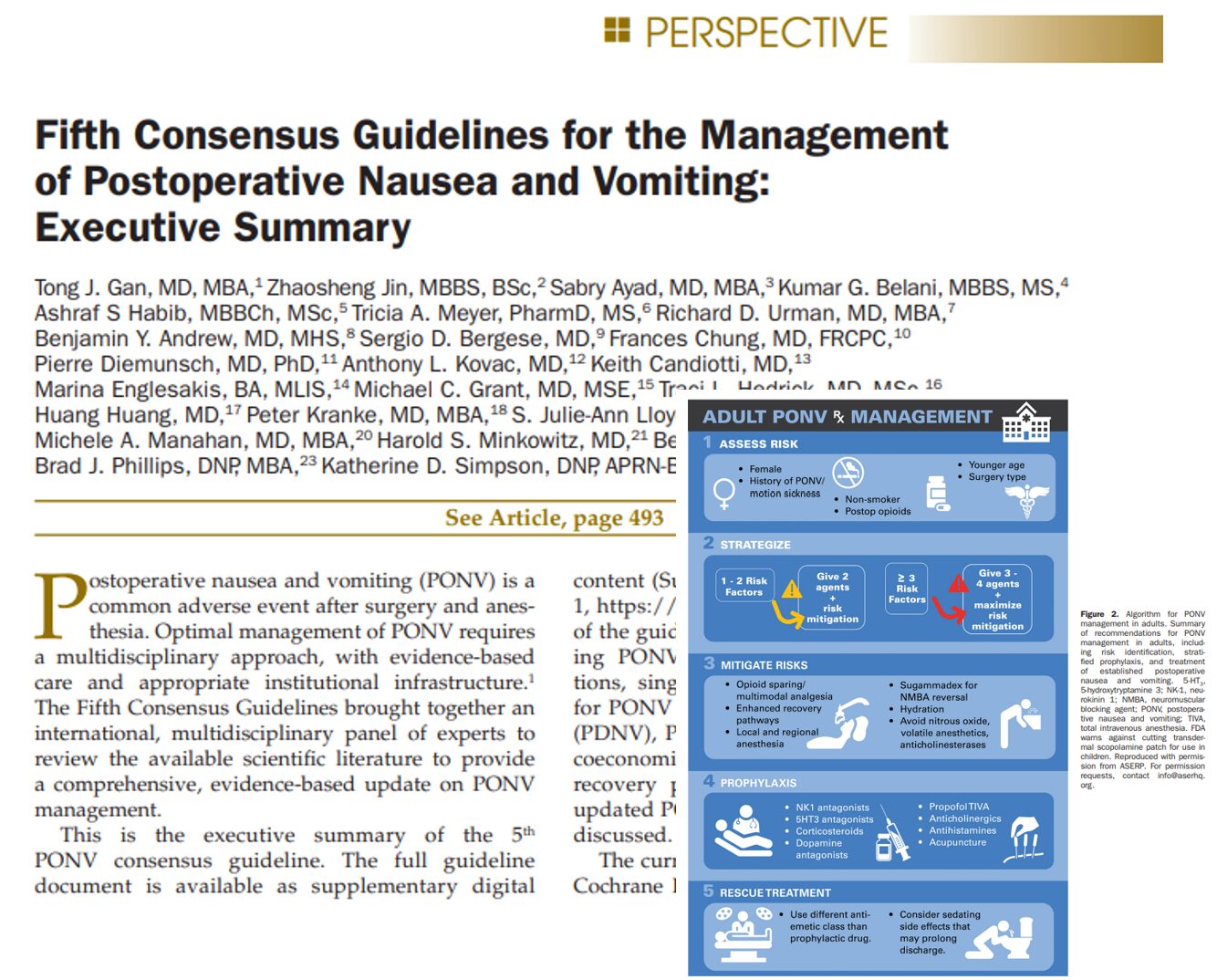
A newly published systematic review and meta-analysis in the British Journal of Anaesthesia has shed significant light on the long-debated relationship between chronic pain (CP) and hypertension (HTN). According to this extensive review, adults with chronic pain are 66% more likely to have a diagnosis of hypertension compared to those without chronic pain.
The findings stem from the analysis of over 1.5 million individuals across 23 studies worldwide and provide compelling evidence that persistent pain can no longer be viewed merely as a quality-of-life issue but as a critical component in the broader landscape of cardiovascular health.
What is chronic pain?
Chronic pain is defined by the International Classification of Diseases (ICD-11) as pain that lasts or recurs for more than three months, often causing significant emotional distress and functional impairment. It may be:
- Primary: No clear cause, such as fibromyalgia
- Secondary: Linked to underlying conditions like arthritis or nerve damage
Globally, chronic pain affects between 10% and 50% of adults, with higher prevalence in older individuals and women.
What is hypertension?
Hypertension is diagnosed when clinic blood pressure readings are ≥140/90 mmHg, or ambulatory/home readings are ≥135/85 mmHg. It is a leading risk factor for cardiovascular diseases, including:
- Stroke
- Myocardial infarction
- Heart failure
- Kidney disease
Despite its silent progression, hypertension is a modifiable condition, making early identification crucial.
Why does this association matter?
Both chronic pain and hypertension are global health burdens. The co-occurrence of these two conditions can significantly elevate an individual’s risk for:
- Cardiovascular disease
- All-cause mortality
- Treatment complications
- Reduced quality of life
Understanding this association may help clinicians adopt early intervention strategies to alleviate pain and reduce long-term cardiovascular risk.
In-depth analysis of findings
-
Overall risk
- The combined data from 20 studies showed a 66% increased odds of hypertension in adults with chronic pain. The researchers used a random-effects model to account for heterogeneity (I² = 99.8%), reflecting diverse study designs and populations.
-
Chronic widespread pain (CWP)
- Six studies included
- CWP includes fibromyalgia and similar diffuse pain syndromes
- Pooled OR: 1.38 (95% CI: 1.20–1.58)
- Evidence supports prior findings linking fibromyalgia to increased cardiovascular mortality
-
Chronic headache
- Three studies analyzed
- Pooled OR: 1.56 (95% CI: 1.37–1.79)
- Indicates that individuals with chronic migraines or tension-type headaches are significantly more likely to have high blood pressure
- Suggests potential bidirectional causality, as headaches may also be a symptom of uncontrolled hypertension
-
Musculoskeletal pain
- Included chronic back, joint, and knee pain
- Pooled OR: 1.19 (95% CI: 0.98–1.44) — not statistically significant
- This conflicts with previous studies that suggested MSK pain contributes to cardiovascular risk
-
Gender differences
- No significant difference was found between men and women with chronic pain in developing hypertension:
- Women: OR 1.17 (95% CI: 0.96–1.43)
- Men: OR 0.83 (95% CI: 0.61–1.11)
- Suggests that biological sex may not significantly alter the CP-HTN association
Step-by-step: How clinicians should manage this comorbidity
-
Screen all chronic pain patients for hypertension
-
- Use clinic BP, home BP, or ambulatory BP monitoring
-
Identify high-risk pain types
- Prioritize screening in patients with:
- Fibromyalgia
- Chronic widespread pain
- Chronic headaches
-
Review medication regimens
-
- Adjust pain management to minimize hypertensive side effects
- Avoid unnecessary use of NSAIDs and certain antidepressants
-
Promote lifestyle modifications
-
- Encourage physical therapy and low-impact exercise
- Address sleep hygiene and stress management
- Recommend dietary changes, smoking cessation, and reduced alcohol intake
-
Coordinate interdisciplinary care
- Involve:
- Pain specialists
- Primary care providers
- Cardiologists
- Mental health professionals
-
Monitor and re-evaluate regularly
-
- Pain intensity
- BP control
- Adherence to lifestyle and pharmacologic interventions
What this means for public health
The findings have far-reaching implications for healthcare systems globally:
- Integrated care models: Pain clinics and hypertension management programs should not operate in silos.
- Health education campaigns: Raise awareness among patients about the risk of high BP with chronic pain.
- Resource allocation: Prioritize funding for interdisciplinary programs focused on pain and cardiovascular health.
Future research needs
While this study provides robust evidence of an association, causality remains unproven. The authors call for:
- Prospective cohort studies: To confirm the directionality of the relationship
- Clinical trials: Assess whether effective pain management can reduce BP and cardiovascular risk
- Studies in low-income populations: Most current data are from high-income countries
- Better medication tracking: Particularly on the impact of antihypertensive and analgesic interactions
Conclusion
This major meta-analysis significantly advances our understanding of the complex interplay between chronic pain and high blood pressure. With 1 in 5 adults experiencing chronic pain and 1 in 4 living with hypertension, this connection could affect hundreds of millions worldwide.
Chronic pain is not just a sensory or psychological burden; it may also be a cardiovascular risk factor. Healthcare providers must take a holistic view, incorporating pain management and hypertension screening into routine care.
Further studies are needed to determine whether treating one condition can improve the other, and whether new clinical guidelines should be developed to manage this emerging health nexus.
For more information, refer to the full article in BJA.
Taylor HE, Salf JC, Roper-Marchand CR, et al. Are adults with chronic pain more likely to develop hypertension than adults without chronic pain? A systematic review and meta-analysis. Br J Anaesth. 2025;135(3):685-696.
For step-by-step guidance on treating chronic pain, read NYSORA’s Ultrasound-Guided Interventional Pain Manual