 Nerve Blocks App
 Anesthesia Assistant App
 Ultrasound Pain App
 Pain Medicine Assistant App
 POCUS App
 IV Access App
 MSK Knee App
 VetRA App
 Nerve Block Manual
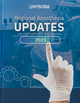 Regional Anesthesia Updates
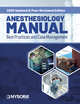 Anesthesiology Manual
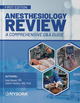 Anesthesiology Review
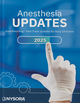 Anesthesia Updates 2025
 Anesthesia Updates 2026
 Pediatric Anesthesia Updates
 Airway Management Updates
 US Interventional Pain Manual
 Pain Medicine Updates
 Mastering Difficult IV Access
 PACU Nursing Manual
 RA Veterinary Manual
 Books
Books About
About

Learning objectives
- Signs and symptoms of Duchenne muscular dystrophy
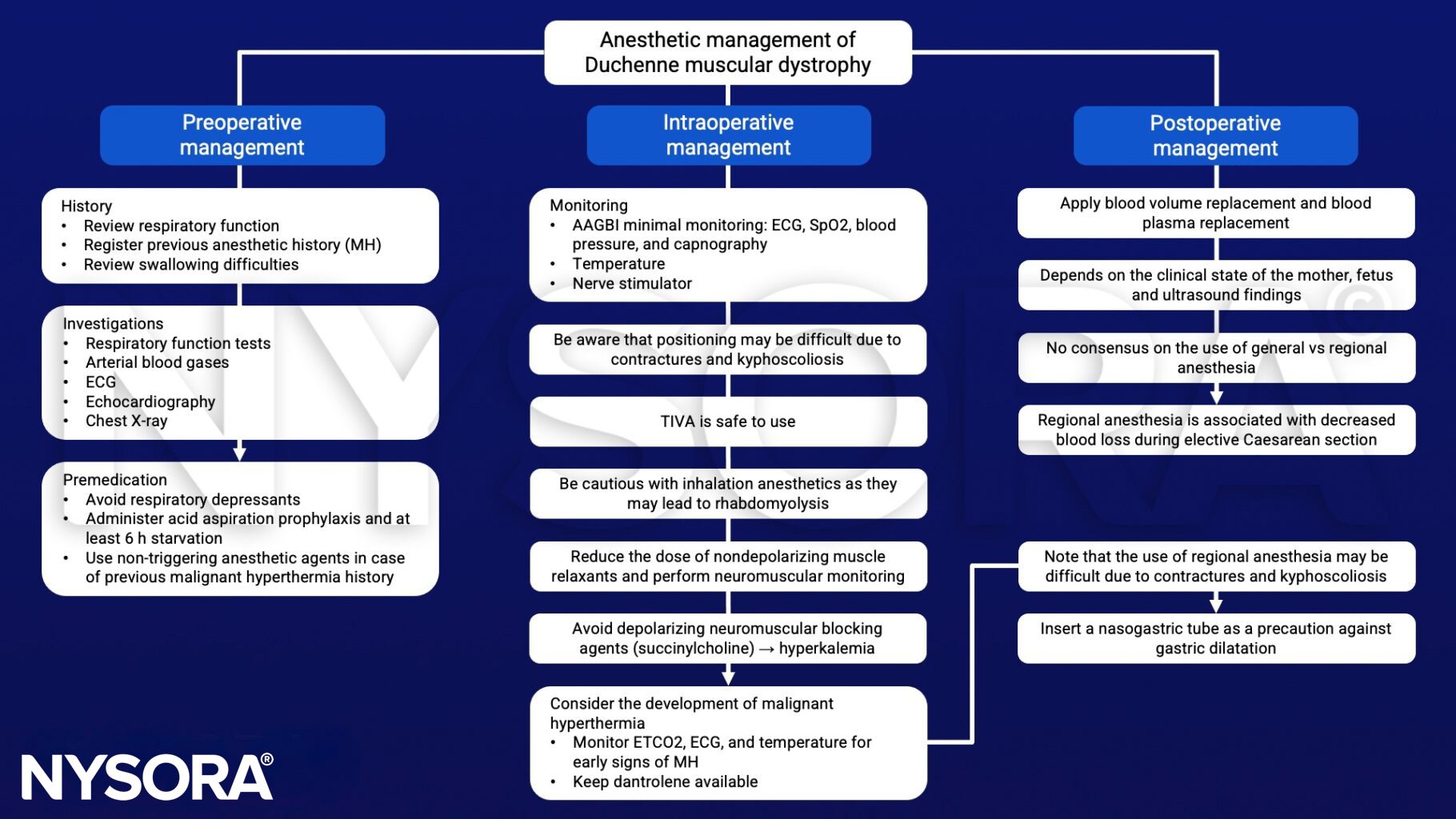
- Anesthetic management of Duchenne muscular dystrophy
Definition and mechanisms
- Duchenne is an x-linked genetic disorder characterized by progressive muscle weakness and atrophy
- It is a multi-systemic condition and affects striated, smooth, and cardiac muscles
- Duchenne muscular dystrophy is the most common and severe form of muscular dystrophies, a group of genetically determined primary degenerative myopathies
- Duchenne is caused by a mutation in the gene that encodes for dystrophin, a protein that is essential to the proper functioning of our muscles
- Without dystrophin, muscles are not able to function or repair themselves properly
- Duchenne symptom onset is in early childhood (around the age of 4 years) and affects primarily males
- The prevalence is approximately 6 per 100,000 individuals
- Affected males are often wheelchair-bound before their teens and suffer from contractures, marked scoliosis, restrictive lung function, and cardiomyopathies
- The disease progresses differently for every person and the average life expectancy is 26-30 years
- Duchenne becomes eventually fatal due to respiratory or cardiac failure in the second or third decade
Signs and symptoms
- Muscle weakness
- Developmental delay
- Delayed speech and language development
- Enlargement of the calves
- Fatigue
- Difficulty climbing stairs
- Toe walking
- Frequent falls
- Lumbard lordosis
- Cardiomyopathy
- Shortness of breath
- Cognitive impairement
- Particular ECG pattern: Q-waves in the lateral leads, increased ST-segments, poor R-wave progression, resting tachycardia, and conduction defects
- Respiratory failure
Treatment
- No cure available
- Manage symptoms with supportive therapy:
- Corticosteroids
- ACE inhibitors and/or beta-blockers to slow the progression of cardiomyopathy
- Physical therapy
- Braces
- Surgery to treat scoliosis and contractures
- Exercise
- Tracheostomy and assisted ventilation for respiratory failure
- Anticonvulsants to control seizures
- Immunosuppressants to delay muscle damage
Management
Suggested reading
- Duan, D., Goemans, N., Takeda, S. et al. Duchenne muscular dystrophy. Nat Rev Dis Primers 7, 13 (2021).
- Pollard BJ, Kitchen, G. Handbook of Clinical Anaesthesia. Fourth Edition. CRC Press. 2018. 978-1-4987-6289-2.
- Marsh, S., Pittard, A., 2011. Neuromuscular disorders and anaesthesia. Part 2: specific neuromuscular disorders. Continuing Education in Anaesthesia Critical Care & Pain 11, 119–123.
- Lerman, J., 2011. Perioperative management of the paediatric patient with coexisting neuromuscular disease. British Journal of Anaesthesia 107, i79–i89.
- Ragoonanan, V., Russell, W., 2010. Anaesthesia for children with neuromuscular disease. Continuing Education in Anaesthesia Critical Care & Pain 10, 143–147.