Back to News
 4 min read
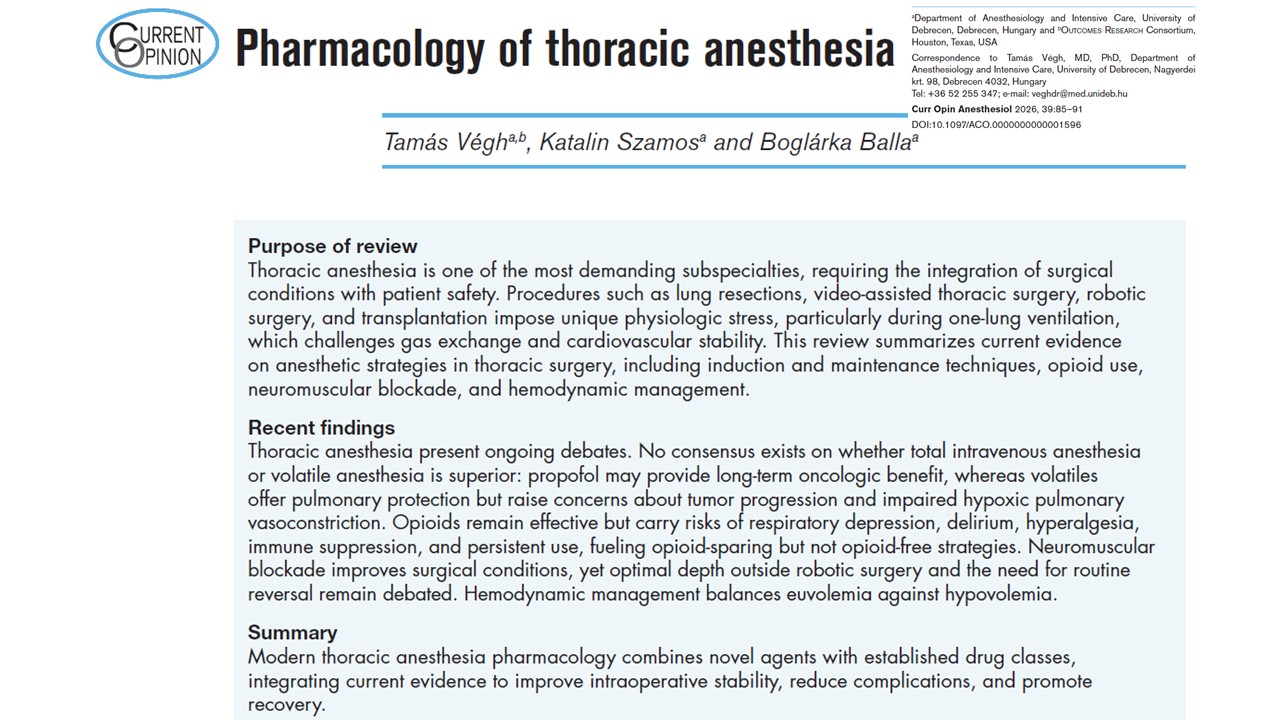
Thoracic anesthesia stands as one of the most demanding fields in anesthetic practice, where clinical excellence must balance patient safety with the physiologic challenges of major chest surgeries. From lung resections and robotic-assisted thoracic surgery (RATS) to transplantations and video-assisted thoracic surgery (VATS), anesthesiologists play a pivotal role in optimizing outcomes during one-lung ventilation (OLV), a critical component in thoracic procedures.
In a recent review by Végh et al., published in Current Opinion in Anesthesiology 2026, a comprehensive update on the pharmacologic strategies in thoracic anesthesia was presented, highlighting advancements in anesthetic induction, maintenance, opioid use, neuromuscular blockade, and hemodynamic management.
Tailored induction: one size does not fit all
Induction of anesthesia for thoracic surgery is tailored according to the patient’s physiology, comorbidities, and airway complexities.
- Total intravenous anesthesia (TIVA) with propofol is ideal for elderly and cardiovascularly fragile patients due to its rapid onset, predictable depth, and minimal postoperative nausea.
- Inhalational induction with sevoflurane is valuable when maintaining spontaneous ventilation is essential—such as in pediatrics, patients with mediastinal masses, or difficult airways.
- Both methods can be integrated within a patient-centered framework, balancing the benefits of each based on case complexity.
Anesthesia maintenance: balancing protection and precision
One of the most debated aspects of thoracic anesthesia is the optimal maintenance technique: volatile versus intravenous anesthesia.
- Volatile agents (e.g., sevoflurane, desflurane):
- Demonstrated anti-inflammatory effects in alveolar and systemic responses.
- May reduce postoperative pulmonary complications.
- However, they impair hypoxic pulmonary vasoconstriction (HPV), possibly leading to intraoperative hypoxemia.
- Propofol-based TIVA:
- Offers better preservation of HPV and higher PaO₂ during early OLV.
- Initially believed to suppress tumor-promoting pathways, although no large trials confirmed long-term oncologic superiority.
Key insight: Despite biological differences, three major randomized trials across lung, breast, and abdominal cancers showed no significant differences in cancer recurrence or survival between volatile and intravenous maintenance techniques.
Opioid strategies: from central role to supportive function
Once the cornerstone of intraoperative pain control, opioids are now integrated into opioid-sparing, multimodal analgesia protocols to reduce complications and support recovery.
Concerns with opioid use:
- Respiratory depression
- Postoperative nausea
- Immune suppression and potential impact on tumor surveillance
- Opioid-induced hyperalgesia
Preferred practice:
- Remifentanil is often used intraoperatively for its titratability and quick recovery profile.
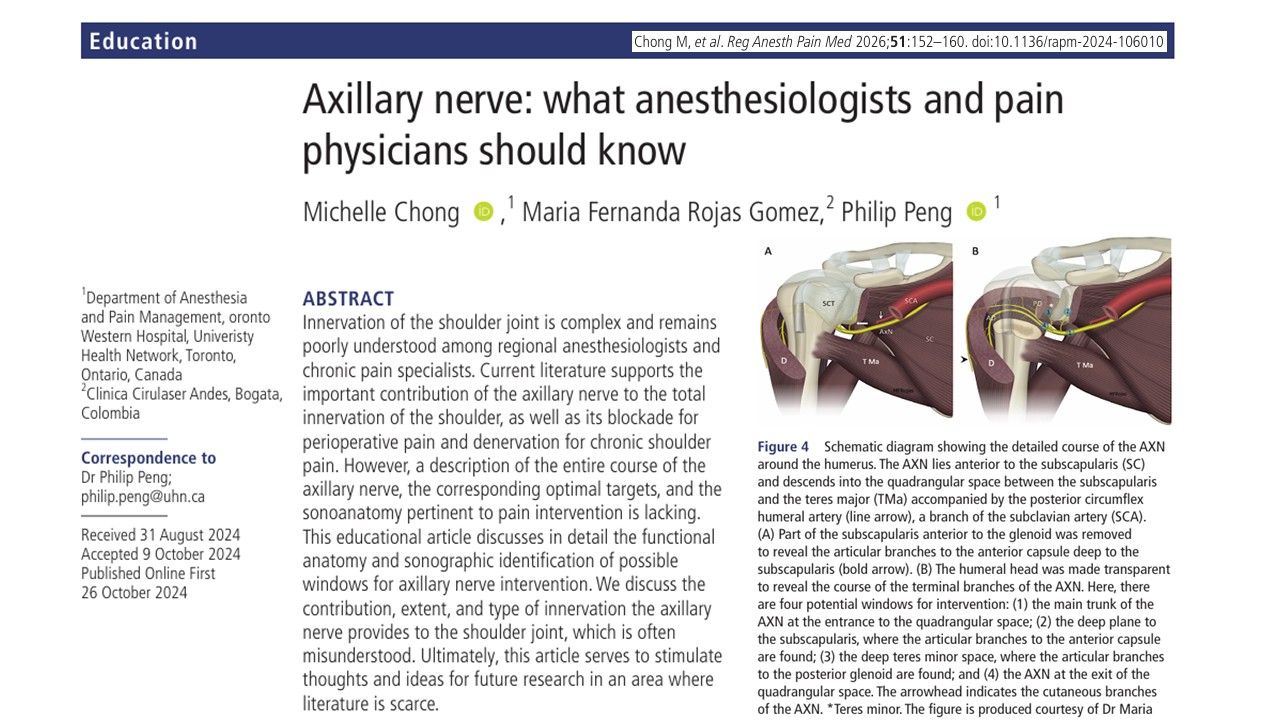
- Regional techniques, such as thoracic epidural and paravertebral blocks, are used to limit systemic opioid needs.
- Adjuncts: dexmedetomidine, ketamine, magnesium, NSAIDs, and lidocaine are increasingly employed.
Importantly, the emerging concept of “precision oncoanalgesia” aims to match analgesic regimens to individual tumor biology, potentially improving cancer outcomes while managing pain.
Neuromuscular blockade: going deep but not blindly
Effective muscle relaxation is essential in thoracic surgery, particularly during VATS and robotic procedures, where motion must be minimized.
- Rocuronium is preferred due to its compatibility with sugammadex, which allows rapid, complete reversal even from deep blockade.
- Deep blockade enhances surgical conditions but requires:
- Continuous quantitative neuromuscular monitoring (TOF ratio > 0.9 before extubation).
- Avoidance of residual paralysis through guided reversal.
Neostigmine is discouraged in thoracic anesthesia due to increased airway secretions and cardiovascular side effects.
Hemodynamic management: achieving balance under pressure
Thoracic surgeries frequently challenge cardiovascular stability due to:
- Surgical manipulation
- One-lung ventilation
- Comorbid pulmonary hypertension or heart failure
Management goals:
- Physiology-guided fluid therapy to achieve euvolemia.
- Avoiding hypovolemia (risk of hypotension) and fluid overload (risk of pulmonary edema).
- Inotropes (dobutamine, milrinone) and vasopressors (norepinephrine, vasopressin) are used as needed, depending on ventricular function and vascular tone.
Advanced tools:
- Transesophageal echocardiography (TEE)
- Point-of-care ultrasound
- Dynamic preload indices
In OLV-related desaturation, adjuncts like inhaled nitric oxide, prostacyclin, or sildenafil may be used selectively.
Looking ahead: individualized, evidence-based thoracic anesthesia
Modern thoracic anesthesia is evolving toward a patient-specific, evidence-based discipline. Rather than pursuing a one-size-fits-all model, clinicians are now:
- Integrating volatile and intravenous agents based on intraoperative goals.
- Prioritizing opioid-sparing approaches tailored to each patient’s pain profile and potential oncologic impact.
- Utilizing deep neuromuscular block judiciously, with emphasis on proper monitoring and reversal.
- Implementing dynamic hemodynamic management strategies guided by real-time data.
Conclusion
Thoracic anesthesia today represents the convergence of pharmacologic precision, technological advancement, and individualized care. While debates continue over the ideal anesthetic technique, the overarching principle remains clear: optimize for safety, preserve lung function, and support long-term recovery.
As ongoing trials such as the GAS-TIVA study await publication, the field is poised to further refine its understanding. For now, the emphasis is not on choosing one technique over another, but rather on thoughtful integration of all available tools to meet the specific demands of thoracic surgery.
For more information, refer to the full article in Current Opinion in Anesthesiology.
Végh T, Szamos K, Balla B. Pharmacology of thoracic anesthesia. Curr Opin Anaesthesiol. 2026 Feb 1;39(1):85-91.
Read more about thoracic anesthesia in our Regional Anesthesiology Module on NYSORA 360 on NYSORA360 – an essential learning resource for residents with practical, up-to-date guidance.