 Nerve Blocks App
 Anesthesia Assistant App
 US Pain Management App
 Pain Medicine Assistant App
 POCUS App
 IV Access App
 MSK Knee App
 VetRA App
 Nerve Block Manual
 Regional Anesthesia Updates
 Anesthesiology Manual
 Anesthesiology Review
 Anesthesia Updates 2025
 Anesthesia Updates 2026
 Pediatric Anesthesia Updates
 Airway Management Updates
 US Interventional Pain Manual
 Pain Medicine Updates
 Mastering Difficult IV Access
 PACU Nursing Manual
 RA Veterinary Manual
 Books
Books About
About
 Back to News

 1 min read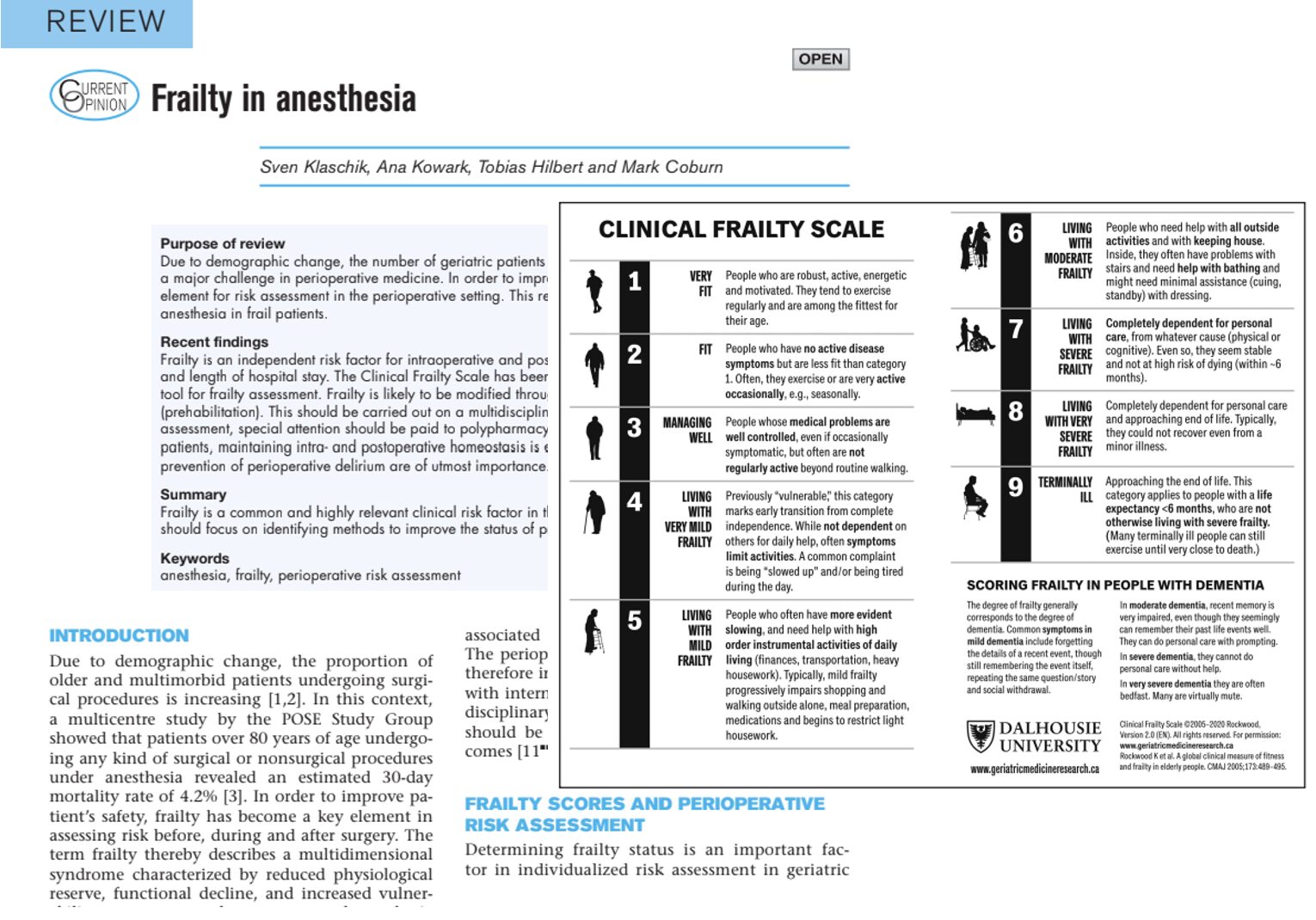
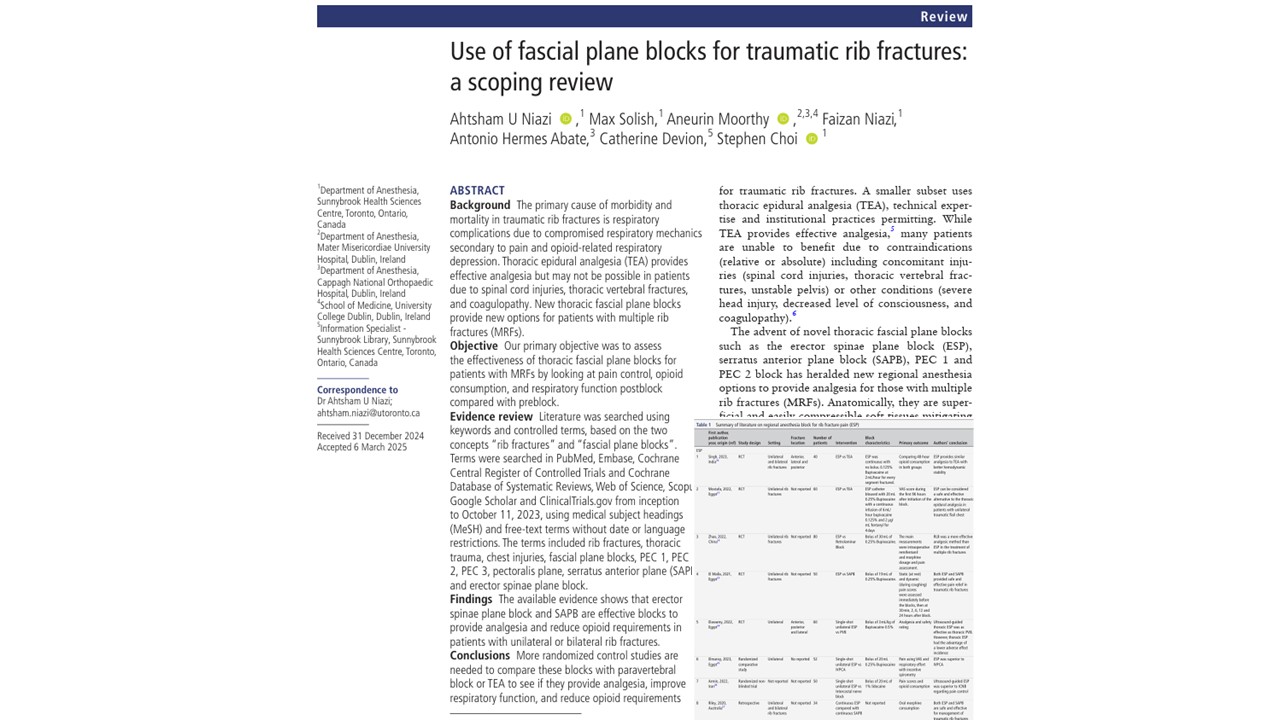
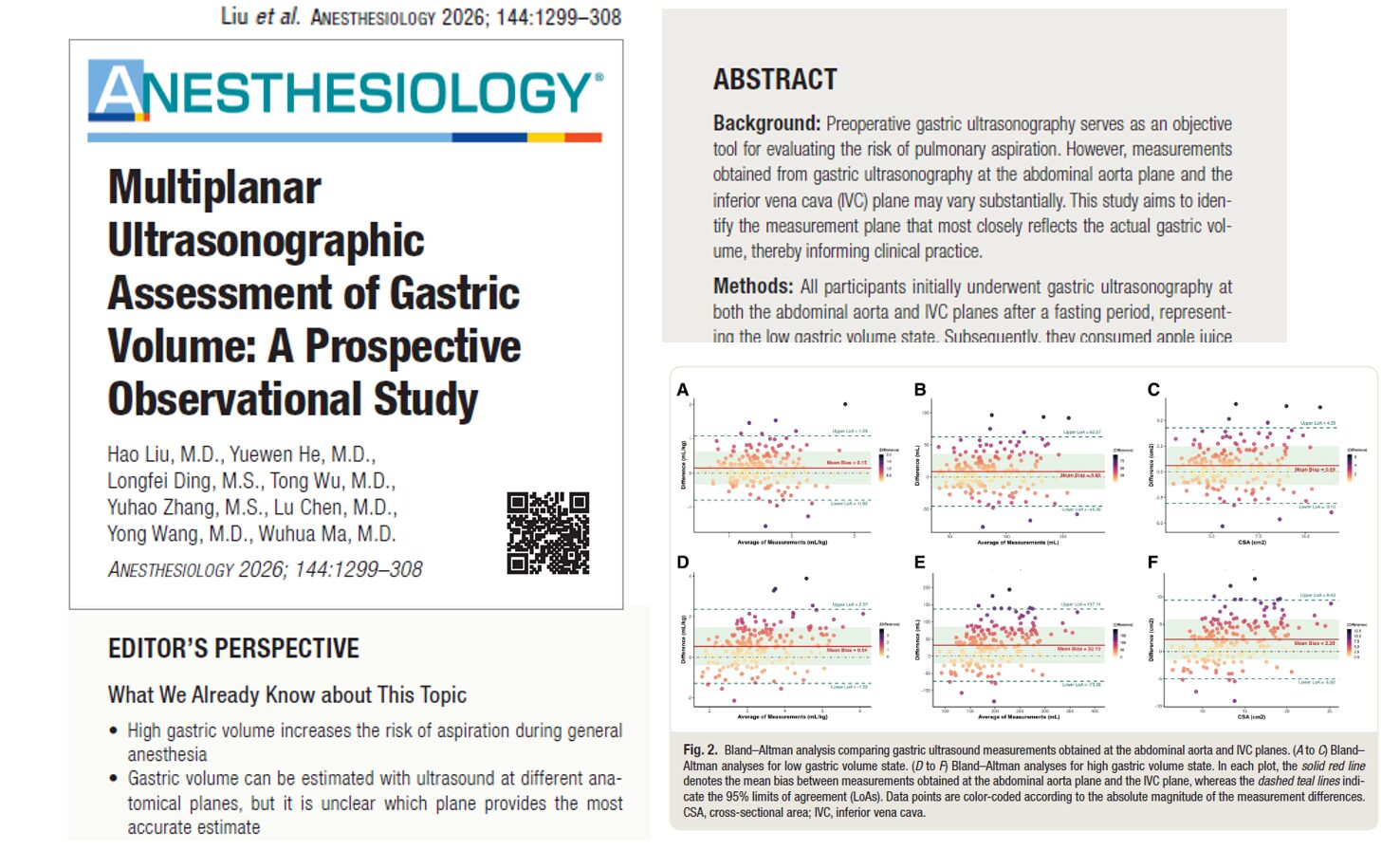
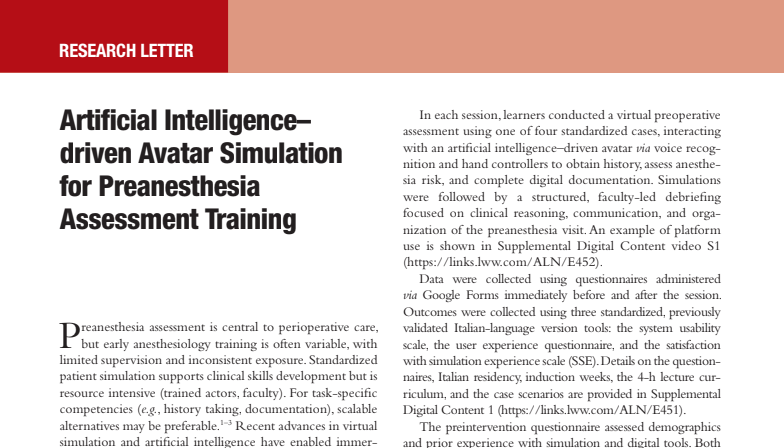
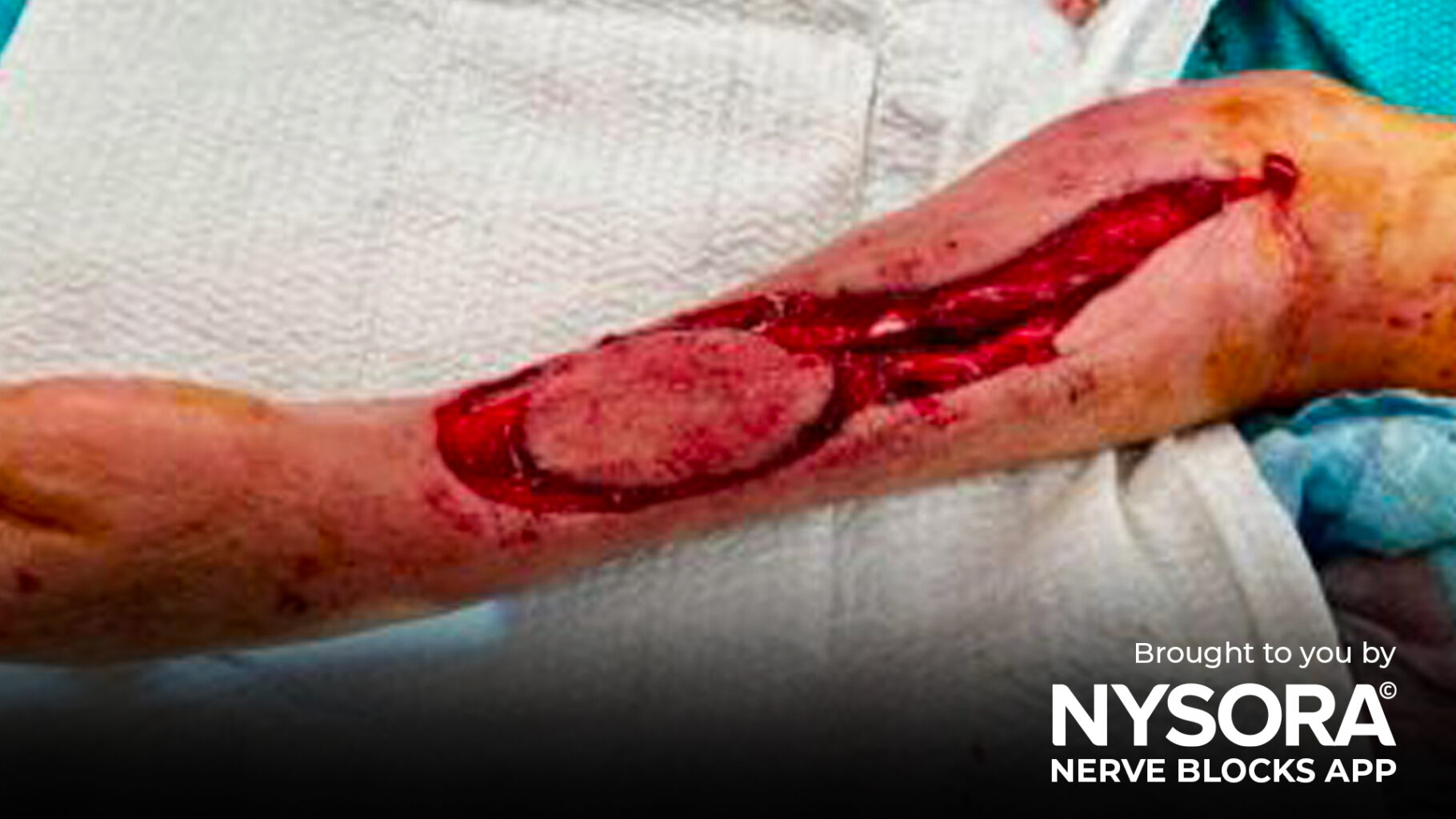
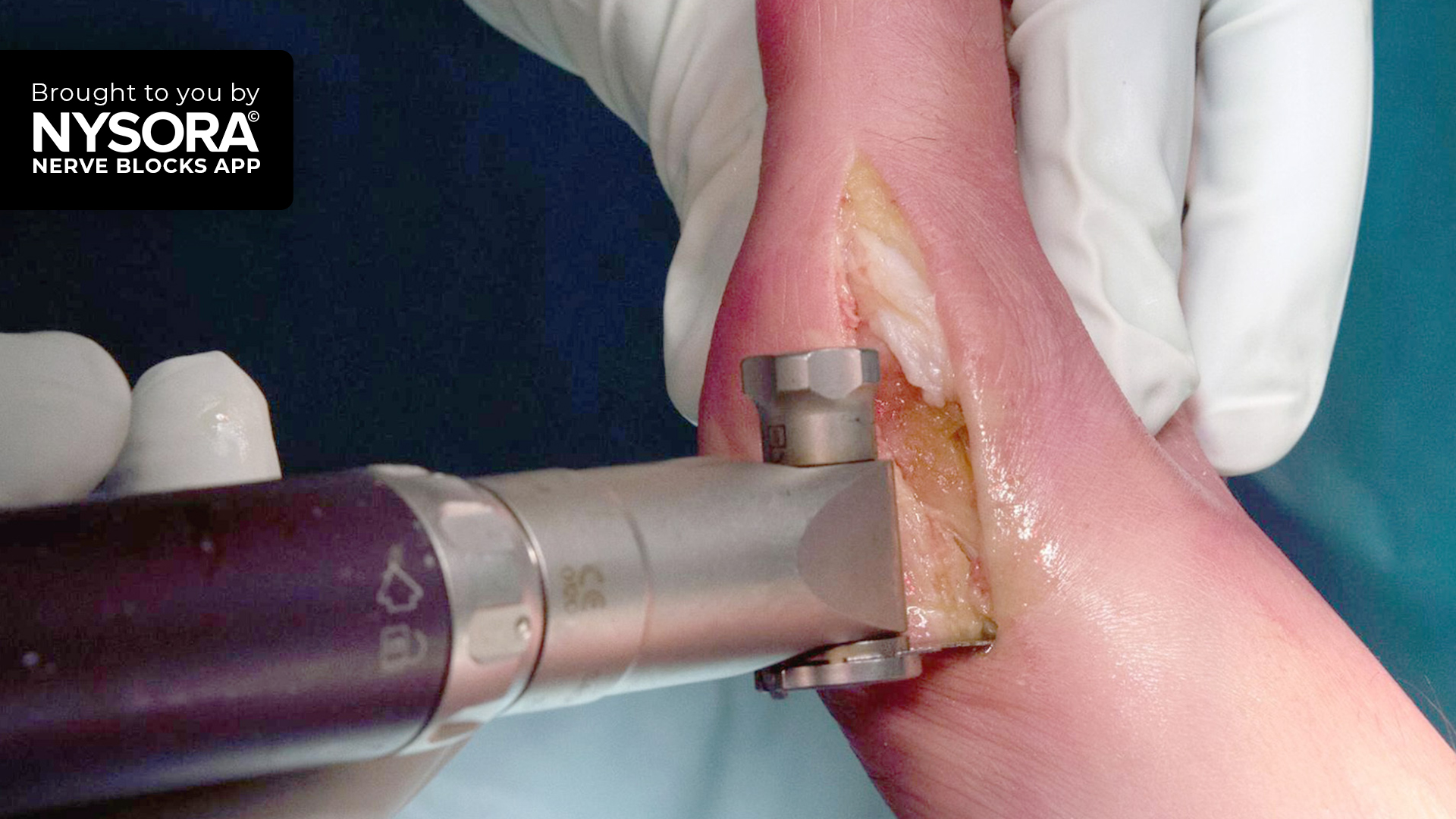
An 80-year-old patient with critical aortic stenosis, DNR, walking on a thin line, in and out of congestive heart failure presents for free-flap surgery of the ipsilateral forearm due to an open wound over the elbow, with a skin graft from the anterolateral thigh. Here’s how we used regional anesthesia to ensure the safest outcome for the patient.
Anesthesia consisted of
- Costoclavicular brachial plexus block with 15 mL of 0.5% ropivacaine, followed by an infusion through the catheter for better perfusion-longevity of the graft postoperatively.
- Lateral femoral cutaneous nerve and femoral nerve blocks, with 5 mL of 0.25% bupivacaine for each nerve, for anesthesia of the skin graft.
The surgery proceeded uneventfully and was successful. No other anesthetic agents were administered.
For the complete guide to the 60 most frequently used nerve blocks, download the Nerve Blocks App HERE.