Back to News

 2 min read

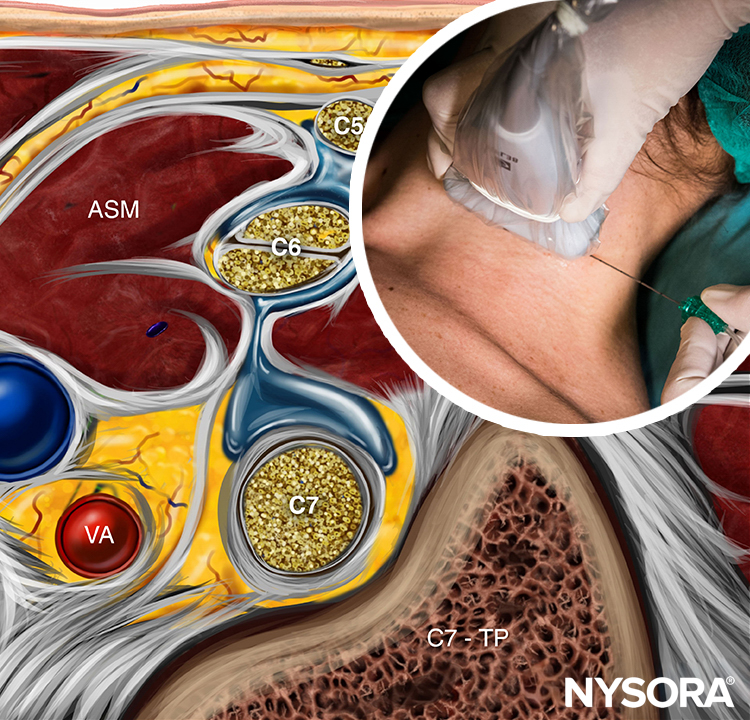
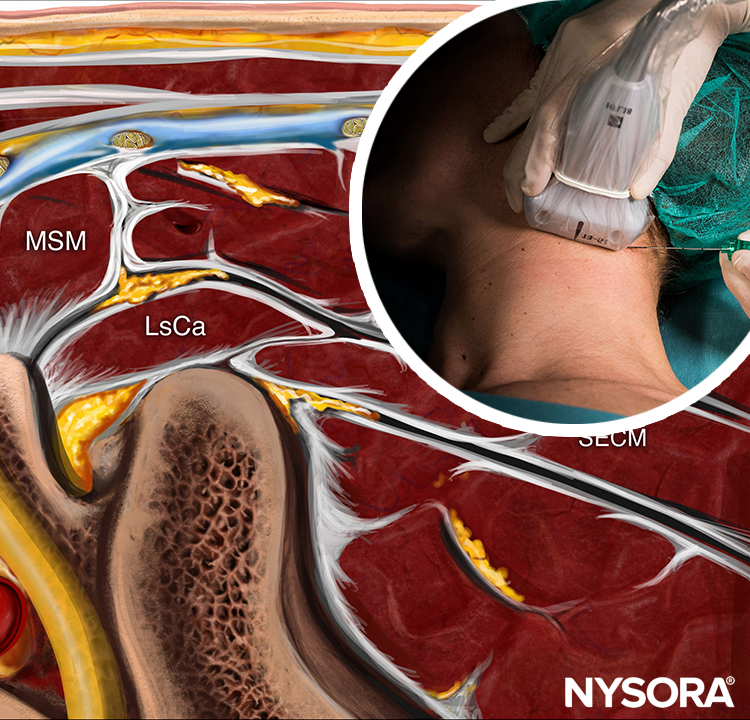
Fascial “clicks” and “pops” are common during nerve block procedures, and sometimes can be useful for determining needle location. However, one must be careful when passing the needle through the fasciae. This is because the fasciae are typically tougher than the tissues in front or behind. Consequently, penetration of the fascia to place the needle close to the nerves or plexi requires some force. As the needle penetrates the fascia, the needle tends to advance uncontrollably after the fascia gives in. During the uncontrolled advancement, the needle may mechanically injure the nerves underneath the fascia.
In this video, Dr. Hadzic explains the role of fascia in nerve block-related injuries using NYSORA’s amazing Reverse Ultrasound Anatomy Animation of the interscalene brachial plexus and suggests methods to decrease the risk.
Subscribe to NYSORA’s YouTube channel and never miss out on our new weekly updates!
Clinical updates
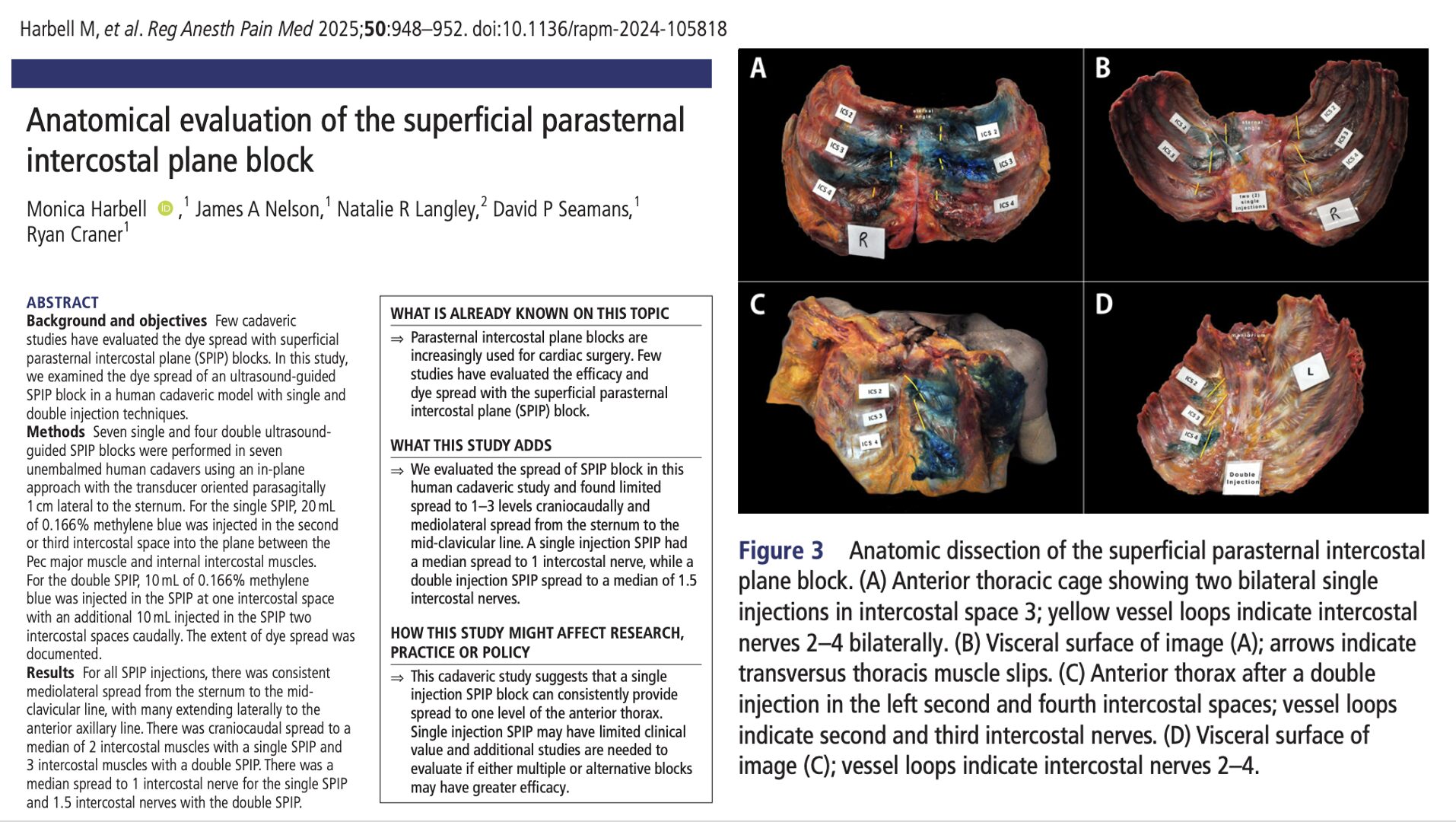
Fascial Plane Blocks: Microanatomy Explains Variability and Clinical Performance — The review of Pirri et al. (Current Opinion in Anesthesiology, 2024) clarifies that the effectiveness of fascial plane blocks depends less on simple “spread between layers” and more on the microanatomy of fascia, including collagen fiber orientation, interfascial connective tissue density, and embedded neural and vascular structures. The fascia is a dynamic, innervated tissue, not an inert compartment, which helps account for the variable onset, spread, and duration observed with blocks such as ESP, TAP, and QLB.
The review highlights that local anesthetic spread occurs through a combination of hydrodissection, diffusion along collagen networks, and uptake by nociceptive and sympathetic fibers within fascia, rather than predictable bathing of named nerves. Clinically, this framework supports ultrasound-guided precision, lower injection pressures, and tailored volumes, while reinforcing why some fascial plane blocks provide analgesia rather than dense anesthesia. Overall, fascial plane blocks are biologically active regional techniques that guide more realistic expectations and safer, more consistent application in perioperative pain management.
- Read more about the study HERE.