 Nerve Blocks App
 Anesthesia Assistant App
 Ultrasound Pain App
 Pain Medicine Assistant App
 POCUS App
 IV Access App
 MSK Knee App
 VetRA App
 Nerve Block Manual
 Regional Anesthesia Updates
 Anesthesiology Manual
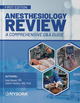 Anesthesiology Review
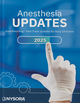 Anesthesia Updates 2025
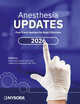 Anesthesia Updates 2026
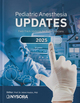 Pediatric Anesthesia Updates
 Airway Management Updates
 US Interventional Pain Manual
 Pain Medicine Updates
 Mastering Difficult IV Access
 PACU Nursing Manual
 RA Veterinary Manual
 Books
Books About
About
Learning objectives
- Define multiple endocrine neoplasia syndromes
- Describe the differences between MEN type 1 and MEN type 2
- Anesthetic management of patients with multiple endocrine neoplasia syndromes
Definition and mechanisms
- Multiple endocrine neoplasia (MEN) syndromes are characterized by hyperplasia of or a tumor in specific endocrine system glands and tissues
- Caused by a genetic mutation, autosomal dominant inheritance
Classification
MEN type 1
- Genetic condition in which multiple tumors affect different aspects of the endocrine system
- Most common affected areas: Parathyroid glands, gastroenteropancreatic tract, and anterior pituitary gland
- Less common types of tumors: Neuroendocrine tumors of the thymus and bronchi, adrenocortical tumors, lipomas, visceral leiomyomas, truncal and facial collagenomas, facial angiofibromas, breast cancer, meningioma, ependymomas
- Most tumors are benign
- Tumors are due to the inactivation of the MEN 1 oncosuppressor gene located on chromosome 11q13
MEN type 2
- Genetic polyglandular cancer syndrome
- All patients develop medullary thyroid carcinoma and have an increased risk of developing other tumors affecting other endocrine glands
- Patients with MEN type 2 also develop one or both of the following conditions
- Tumors result from oncogenic point mutations of the c-Ret proto-oncogene located on chromosome 10cen-10q11.2
Signs and symptoms
- Symptoms vary depending on which glands are affected by the hyperplasia or tumor
- Hyperplasia or tumors cause the affected glands to produce and release more hormones than normal
- Symptoms vary from person to person
MEN type 1
| Tumor/condition | Incidence | Associated hormone | Symptoms |
|---|---|---|---|
| Hyperparathyroidism | 90% | Parathyroid hormone | Related to hypercalcemia Mild: Joint pain, muscle weakness, fatigue, depression, trouble concentrating, loss of appetite Severe: Nausea and vomiting, confusion and forgetfulness, increased thirst and frequent urination, constipation, bone pain |
| Gastrinomas | 40% | Gastrin | Abdominal pain, diarrhea, gastroesophageal reflux (acid reflux), peptic ulcers |
| Insulinomas | 10% | Insuline | Related to hypoglycemia Confusion, shakiness, sweating, hunger, anxiety, heart palpitations, temporary vision changes |
| Prolactinomas | 25% | Prolactin | Women: Changes in menstruation unrelated to menopause (i.e., irregular menstruation or amenorrhea), infertility, milky discharge from the nipples when not pregnant or breastfeeding (galactorrhea), decreased libido Men: Decreased libido, erectile dysfunction, infertility Large tumor: Nausea and vomiting, vision changes (i.e., double vision or decreased peripheral vision) |
MEN type 2
| Tumor/condition | Incidence | Associated hormone | Symptoms |
|---|---|---|---|
| Medullary thyroid carcinoma | 100% | Lump and pain in front of the neck, voice changes (e.g., hoarseness), coughing, trouble swallowing, dyspnea | |
| Pheochromocytomas | 50% | Epinephrine and norepinephrine | Hypertension, headache, excessive sweating, tachycardia, arrhythmia, feeling shaky |
| Hyperparathyroidism | 20% | Parathyroid hormone | Related to hypercalcemia Mild: Joint pain, muscle weakness, fatigue, depression, trouble concentrating, loss of appetite Severe: Nausea and vomiting, confusion and forgetfulness, increased thirst and frequent urination, constipation, bone pain |
Diagnosis
| MEN type 1 | MEN type 2 | |
|---|---|---|
| Diagnosis | At least two of the three endocrine tumors associated with the condition One of the associated tumors and a family history | Medullary thyroid carcinoma and pheochromocytoma and/or parathyroid enlargement (hyperplasia) or tumor (adenoma) |
| Tests | Blood tests to detect elevated levels of certain hormones - Hyperparathyroidism: Parathyroid hormone + hypercalcemia - Gastrinomas: Gastrin - Insulinomas: Insulin - Prolactinomas: Prolactine CT and MRI scans Genetic testing of MEN 1 gene | Blood tests to detect elevated levels of certain hormones - Medullary thyroid carcinoma: Calcitonin - Pheochromocytoma: Catecholamines - Hyperparathyroidism: Parathyroid hormone + hypercalcemia CT and MRI scans Genetic testing of RET gene |
Treatment
Dependent on what endocrine glands and organs are affected, treatment may include
- Medications to treat symptoms and counteract the side effects of excess hormones
- Surgery to remove tumors or entire affected glands (e.g., thyroidectomy, parathyroidectomy)
- Replacement hormones if an endocrine gland is surgically removed
- Cancer treatment (e.g., chemotherapy and radiation) in case of metastasis
Management

Anesthetic challenges per tumor
- Parathyroid tumors: Hypercalcemia
- Maintain hydration and urinary output
- Main risk: Potential for cardiac dysrhythmias
- Unpredictable responses to muscle relaxants
- Careful positioning due to the possible presence of osteoporosis and the potential for pathologic fractures
- Gastrinomas
- Correct hypovolemia and electrolyte imbalance (hypokalemia and metabolic alkalosis)
- Large gastric fluid volumes from gastric hypersecretion → vulnerable to aspiration during anesthetic induction
- Gastroesophageal reflux is common → rapid sequence induction with maintenance of cricoid pressure
- Insulinomas: Hypoglycemia
- Maintain normal blood glucose concentrations to prevent cerebral damage
- Place an intra-arterial catheter to measure glucose levels regularly
- Administer IV glucose
- Anesthetic technique should focus on agents that decrease the cerebral metabolic rate for oxygen (avoid ketamine)
- Maintain normocarbia during controlled ventilation
- Patients might be obese → pay attention to the airway and address respiratory and cardiac issues
- Maintain normal blood glucose concentrations to prevent cerebral damage
- Prolactinoma
- No specific anesthetic considerations
- Medullary thyroid carcinoma
- Enlarged thyroid causing airway compromise
- Intraoperative damage to the recurrent laryngeal nerve → may cause hoarseness, stridor, and complete airway obstruction upon extubation of the trachea or in the PACU
- Airway may also become compromised by hematoma formation compressing the trachea
- Pheochromocytoma: Hypertension
- Prevent hypertension and tachycardia → smooth anesthesia induction and endotracheal intubation
- Avoid catecholamine release induced by anesthetic or surgical maneuvers
- Correct hypovolemia and electrolyte imbalances
See also hyperparathyroidism considerations
See also pheochromocytoma considerations
Keep in mind
- The anesthetic course may range from routine with no special requirements to severe and life-threatening depending on the tumor
- Some syndromes demand specific management techniques, but a carefully and thoughtfully administered anesthetic is the key to a successful outcome in patients with MEN
Suggested reading
- Multiple Endocrine Neoplasia (MEN). In: Bissonnette B, Luginbuehl I, Marciniak B, Dalens BJ. eds. Syndromes: Rapid Recognition and Perioperative Implications. McGraw Hill; 2006. Accessed March 07, 2023. https://accessanesthesiology.mhmedical.com/content.aspx?bookid=852§ionid=49517985
- Grant F. Anesthetic considerations in the multiple endocrine neoplasia syndromes. Curr Opin Anaesthesiol. 2005;18(3):345-352.