 Nerve Blocks App
 Anesthesia Assistant App
 Ultrasound Pain App
 Pain Medicine Assistant App
 POCUS App
 IV Access App
 MSK Knee App
 VetRA App
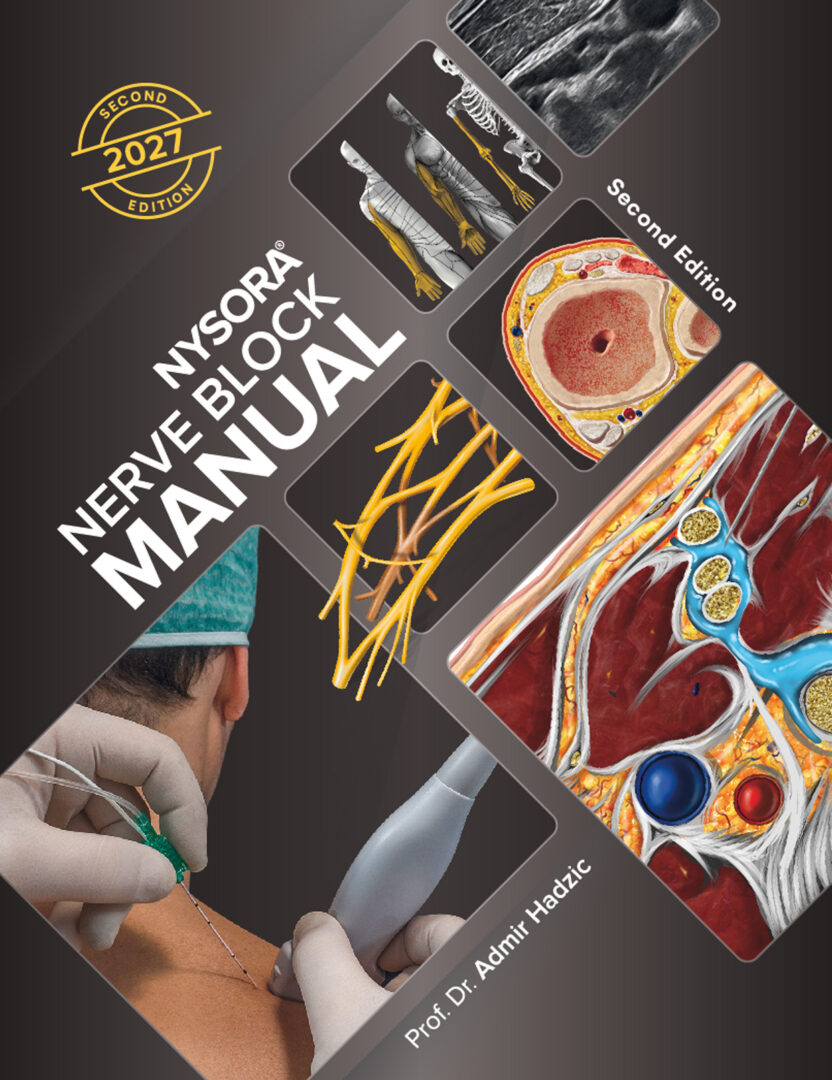 Nerve Block Manual 2027
 Nerve Block Manual
 Regional Anesthesia Updates
 Anesthesiology Manual
 Anesthesiology Review
 Anesthesia Updates 2025
 Anesthesia Updates 2026
 Pediatric Anesthesia Updates
 Airway Management Updates
 US Interventional Pain Manual
 Pain Medicine Updates
 Mastering Difficult IV Access
 PACU Nursing Manual
 RA Veterinary Manual
 Books
Books About
About
Learning objectives
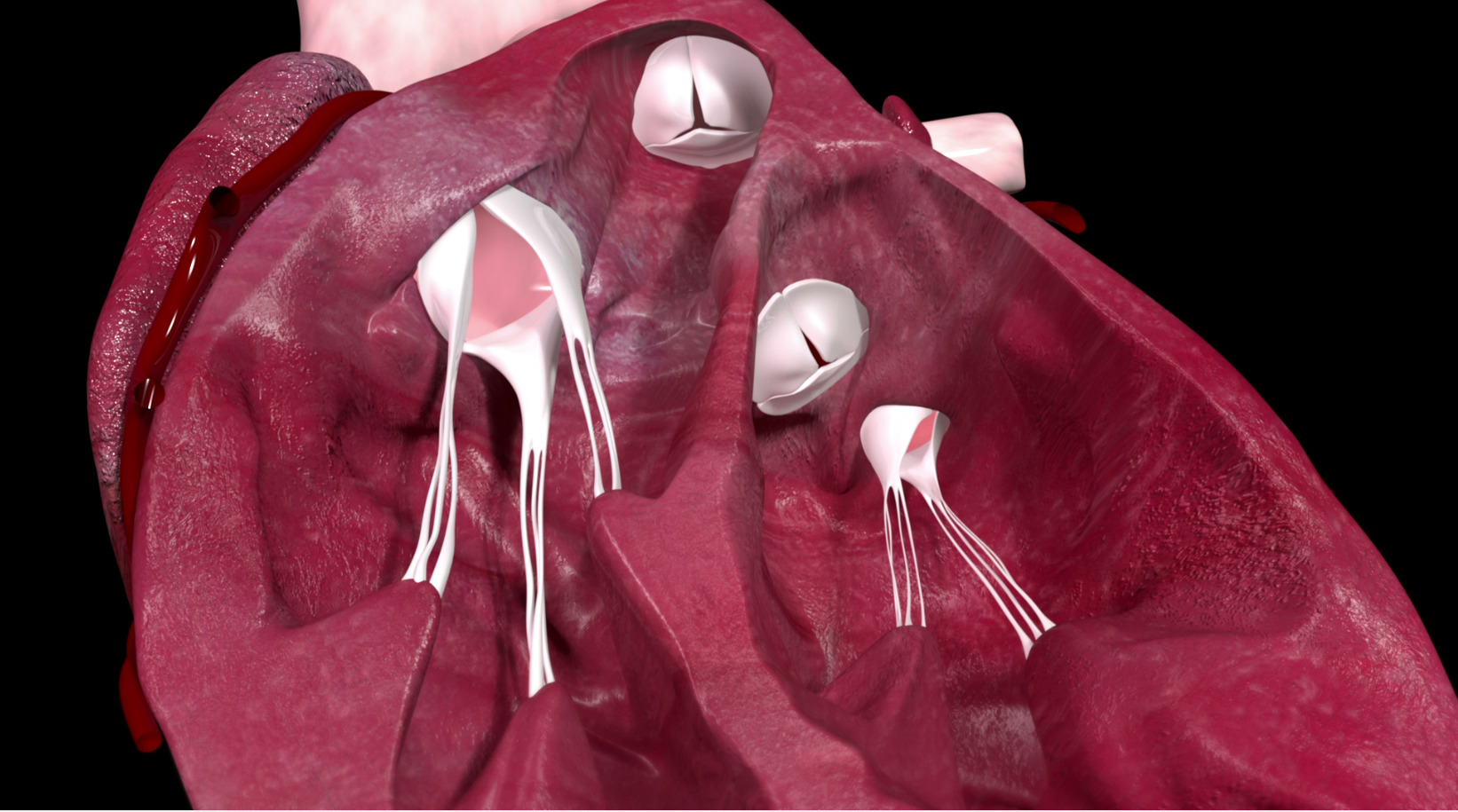
- Describe the causes and subsequent pathophysiology of mitral stenosis
- Classify the severity of mitral stenosis
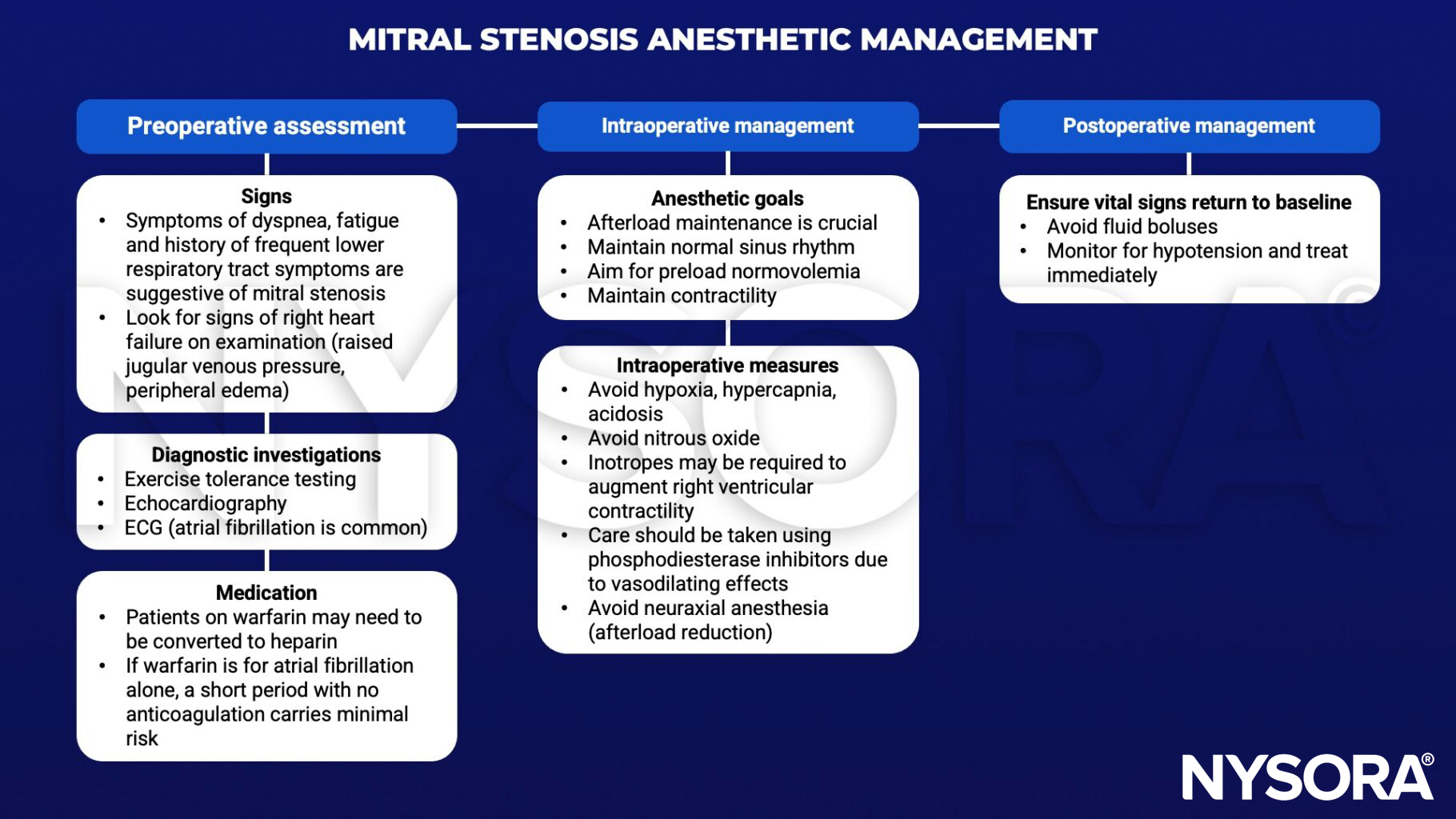
- Anesthetic management of mitral stenosis
Definition & mechanisms
- Mitral stenosis occurs when the mitral valve is narrowed and blood cannot flow normally
- Causes:
| Common | Rheumatic fever |
| Degenerative calcification | |
| Endocarditis | |
| Uncommon | Infiltrating diseases |
| Congenital deformities |
|
| Diseases that affect multiple systems (e.g., sarcoidosis) |
Signs & symptoms
- Patients will remain asymptomatic for many years (compensation due to the compliant left atrium dilating and keeping pulmonary venous pressures stable)
- As the disease progresses, compensation is overcome and pulmonary hypertension develops
- Pulmonary edema and dyspnea
- Fatigue
- More frequent lower respiratory tract infections
- Atrial fibrillation will rapidly progress the pathophysiology
Severity assessment
| Mild | Moderate | Severe | |
|---|---|---|---|
| Mean pressure decrease | <5 mm Hg | 6–10 mm Hg | >10 mm Hg |
| Pressure half-time | <139 ms | 140–219 ms | ≥220 ms |
| Valve area | 1.6–2.0 cm2 | 1.5–1.0 cm2 | <1.0 cm2 |
Management
Suggested reading
- Holmes K, Gibbison B, Vohra HA. Mitral valve and mitral valve disease. BJA Education. 2017;17(1):1-9.
- Nishimura RA, Otto CM, Bonow RO, et al. 2014 AHA/ACC guideline for the management of patients with valvular heart disease: a report of the American College of Cardiology/American Heart Association Task Force on Practice Guidelines. J Am Coll Cardiol 2014; 63:e57.