Back to News
 2 min read
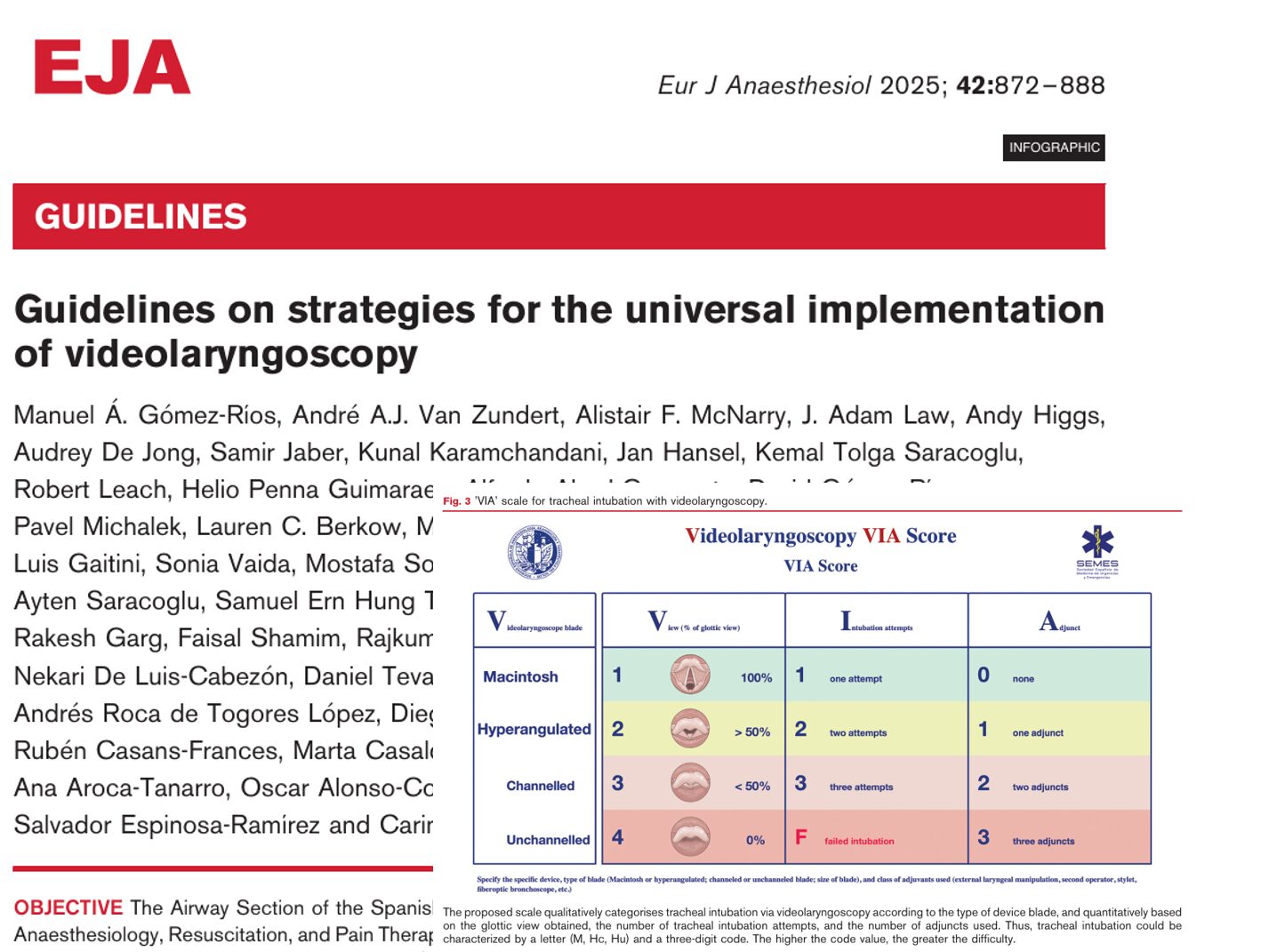
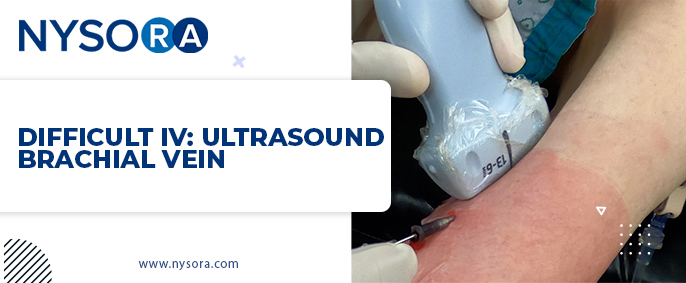
While ultrasound may not be the best tool for cannulating superficial veins, it is indispensable for larger, deeper veins. This video describes an out-of-plane technique of inserting a 16-gauge catheter into a brachial vein in a patient with difficult IV access.
A few important pointers are:
- With ultrasound-guided one must use longer catheters to assure that the catheter is sufficiently deeply placed inside the lumen of the vein to prevent dislodgement.
- Sterile technique, sterile gloves, and full-size sterile probe cover are recommended.
- Use 2-3 mL of lidocaine for skin and SQ tissues to decrease patient discomfort and facilitate the procedure.
- Either in-plane or out-of-plane techniques are acceptable. Often, the in-plane is used to confirm the catheter position inside the vein.
- When using the out-of-the-plane technique, a creep-up technique is used. With this technique, the ultrasound probe is simultaneously moved as the needle-catheter is advanced to continue to image the advancing needle tip.
Take your IV access skills further with the definitive guide — Mastering Difficult IV Access: A Practical Manual by NYSORA. Whether dealing with deep veins, tricky anatomy, or challenging emergencies, this manual offers all the techniques, illustrated guidance, and clinical videos you need. Complement your learning with the NYSORA IV Access App, featuring interactive 3D anatomy, ultrasound guidance, and troubleshooting tips—designed for quick reference at the bedside.