 Nerve Blocks App
 Anesthesia Assistant App
 Ultrasound Pain App
 Pain Medicine Assistant App
 POCUS App
 IV Access App
 MSK Knee App
 VetRA App
 Nerve Block Manual
 Regional Anesthesia Updates
 Anesthesiology Manual
 Anesthesiology Review
 Anesthesia Updates 2025
 Anesthesia Updates 2026
 Pediatric Anesthesia Updates
 Airway Management Updates
 US Interventional Pain Manual
 Pain Medicine Updates
 Mastering Difficult IV Access
 PACU Nursing Manual
 RA Veterinary Manual
 Books
Books About
About
 Back to News
 6 min read
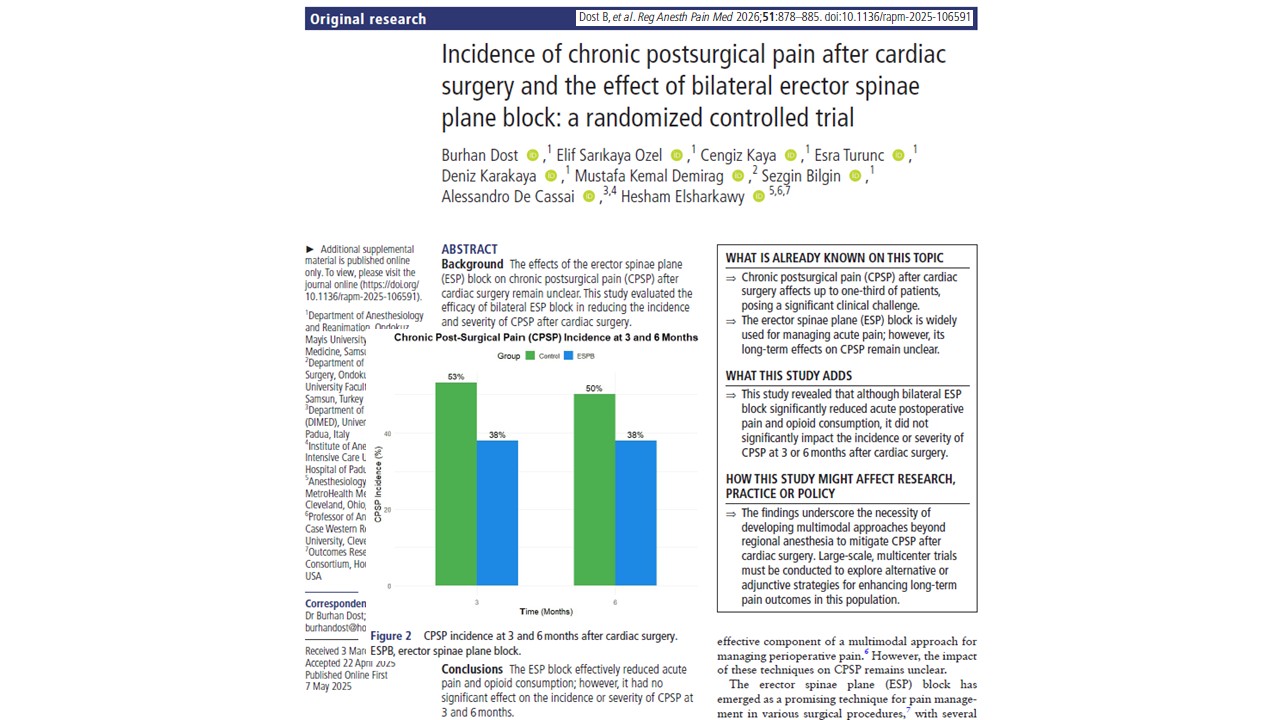
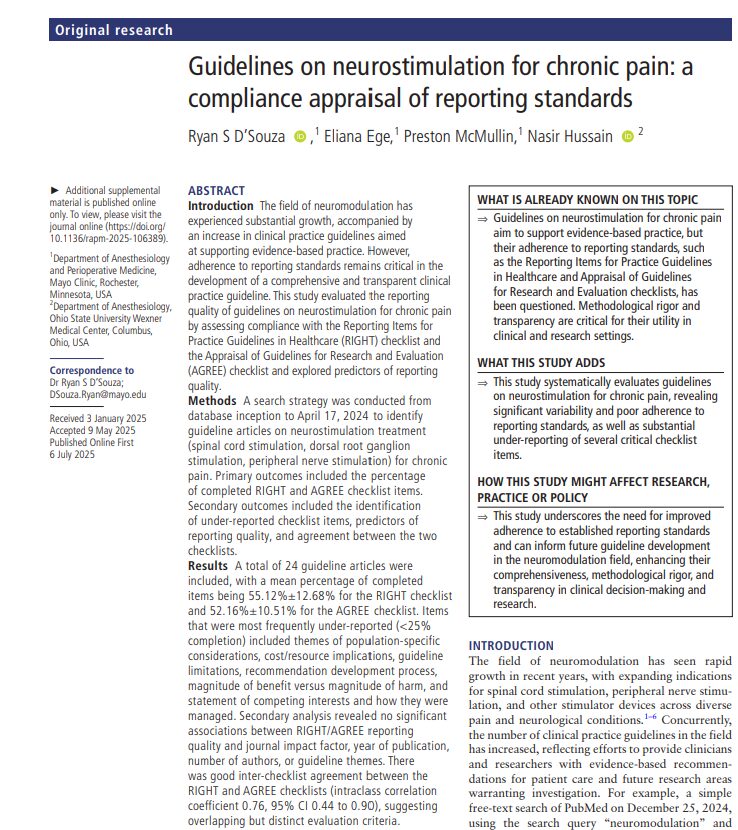
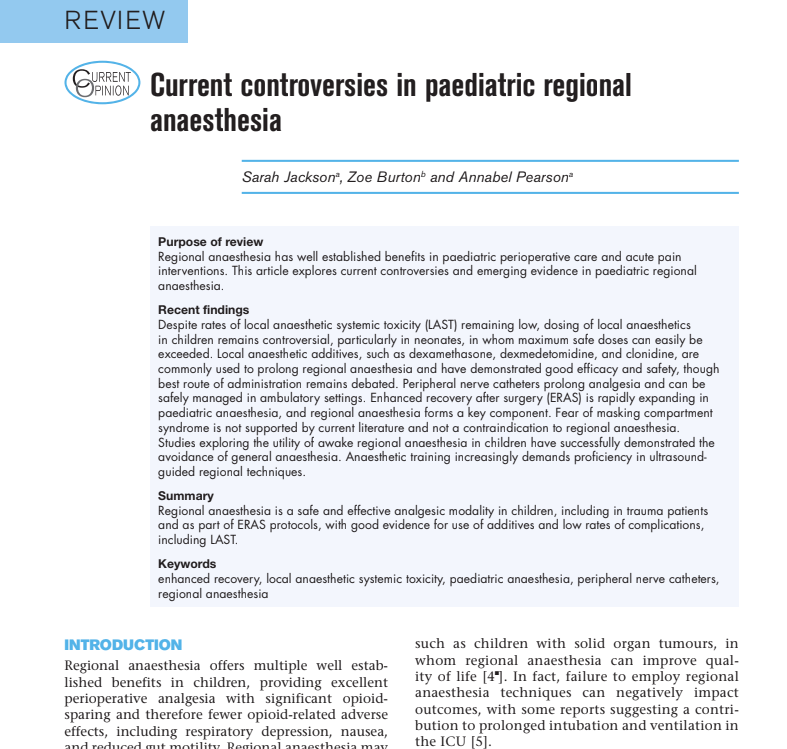
Regional anesthesia continues to transform pediatric perioperative care, offering effective analgesia, reduced opioid exposure, and improved recovery outcomes. A new review published in 2026 examines several ongoing controversies, including local anesthetic dosing, toxicity risks, nerve catheter safety, enhanced recovery pathways, compartment syndrome concerns, and the growing role of awake regional anesthesia in children.
Controversy #1: local anesthetic dosing and toxicity
The challenge of finding the optimal dose
One of the most debated topics in pediatric regional anesthesia remains the optimal dosing of local anesthetic agents.
Children differ significantly from adults in several important physiological ways:
- Reduced hepatic metabolism
- Lower plasma protein binding
- Increased free drug concentrations
- Immature blood-brain barrier
- Greater susceptibility to neurological toxicity
- Greater susceptibility to cardiovascular toxicity
These differences are particularly important in neonates and young infants.
Researchers highlight that the therapeutic window between effective analgesia and toxicity can be extremely narrow in these patients.
Understanding local anesthetic systemic toxicity (LAST)
Local anesthetic systemic toxicity (LAST) remains a rare but potentially life-threatening complication.
Symptoms may include:
Neurological manifestations
- Seizures
- Altered consciousness
- Agitation
- Neurological dysfunction
Cardiovascular manifestations
- Arrhythmias
- Bradycardia
- Hypotension
- Cardiovascular collapse
Detection can be particularly difficult because many blocks are performed while children are under general anesthesia or deep sedation.
Key recommendations for prevention
Clinicians are encouraged to:
- Strictly adhere to weight-based dosing.
- Consider local anesthetic concentration carefully.
- Use ultrasound guidance whenever possible.
- Inject slowly and at low pressure.
- Aspirate frequently to avoid intravascular injection.
- Maintain vigilance throughout the perioperative period.
Controversy #2: Should additives be used routinely?
The role of adjuvant medications
Many clinicians use additives alongside local anesthetic agents to prolong analgesia without increasing local anesthetic dose.
Commonly used additives include:
- Dexamethasone
- Clonidine
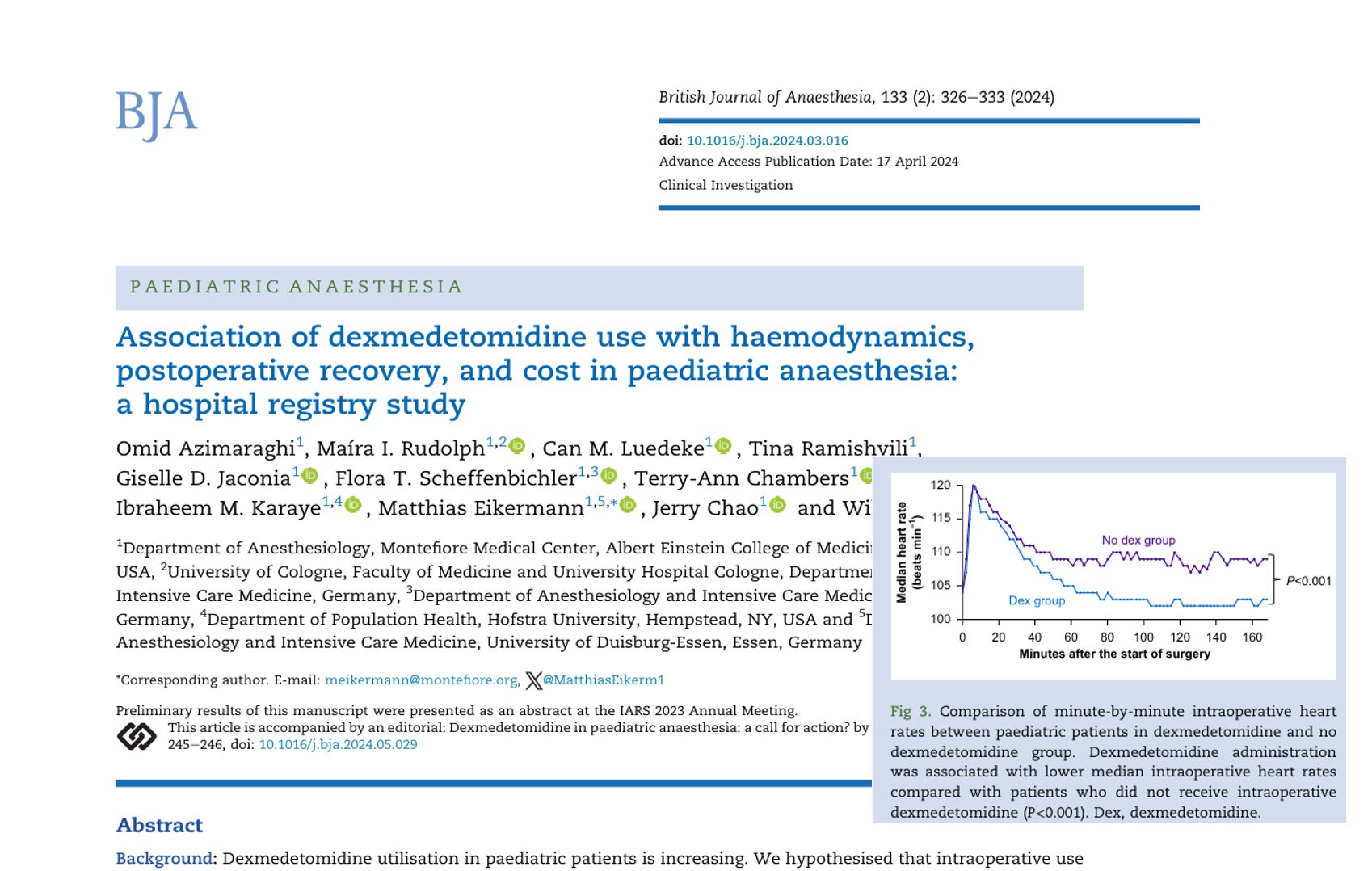
- Dexmedetomidine
However, questions remain regarding:
- Optimal dosing
- Route of administration
- Comparative effectiveness
- Long-term safety
Dexamethasone: intravenous or perineural?
Adult studies have consistently shown that dexamethasone prolongs nerve block duration.
In children, findings have been more mixed.
Recent evidence suggests:
- Intravenous dexamethasone may prolong some blocks.
- Benefits vary depending on procedure and patient age.
- Higher doses may increase blood glucose concentrations.
- Intravenous administration may reduce rebound pain.
Because perineural dexamethasone remains an off-label application, many experts favour intravenous administration when possible.
Alpha-2 agonists show promise
Clonidine and dexmedetomidine continue to attract interest because they:
- Extend analgesic duration
- Improve block quality
- Reduce postoperative pain scores
- Demonstrate favourable safety profiles
Potential adverse effects include:
- Bradycardia
- Hypotension
- Sympatholytic effects
Careful monitoring remains essential.
Controversy #3: Are peripheral nerve catheters safe?
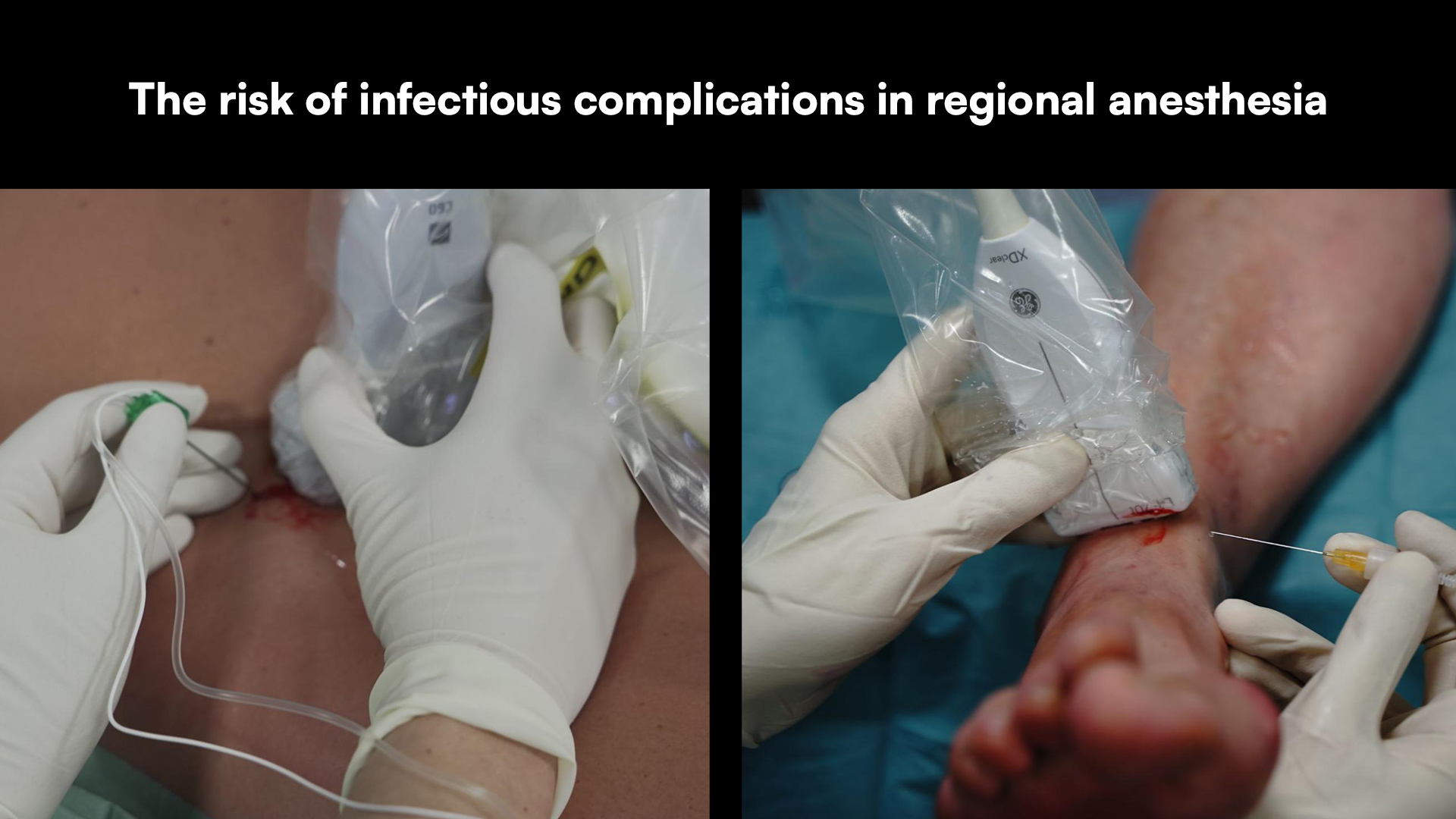
Peripheral nerve catheters allow continuous delivery of local anesthetic over several days.
Benefits include:
- Longer-lasting analgesia
- Reduced opioid consumption
- Earlier mobilisation
- Improved participation in physiotherapy
- Potential reduction in hospital stay
Home management becomes more common
One of the most significant developments is the increasing use of ambulatory peripheral nerve catheters.
Recent studies suggest children can safely return home with catheters when appropriate monitoring systems are in place.
Successful programmes typically include:
- Family education.
- Remote clinical supervision.
- Clear emergency instructions.
- Scheduled follow-up assessments.
Researchers report high satisfaction rates and favourable safety outcomes.
Controversy #4: the transition to NRFit connectors
Medication administration errors remain a major patient safety concern.
To reduce wrong-route injections, NHS England introduced a national initiative promoting NRFit connectors for:
- Intrathecal procedures
- Epidural procedures
- Regional blocks
The transition aims to standardise equipment and reduce catastrophic medication errors.
Although implementation challenges remain, pediatric anesthesia organisations strongly support the initiative.
Controversy #5: Do fascial plane blocks really work?
Understanding fascial plane blocks
Fascial plane blocks have become increasingly popular because they are technically easier and often perceived as safer than deeper nerve blocks.
Common examples include:
Ongoing debate
Researchers continue to debate their primary mechanism of action.
Two competing theories exist:
Theory 1: neural blockade
Local anesthetic spreads to nearby nerves and blocks pain transmission.
Theory 2: systemic absorption
Analgesia results primarily from systemic absorption of local anesthetic into the bloodstream.
Current evidence suggests both mechanisms may contribute.
New guideline support
The 2026 American Society of Anesthesiologists guidelines strongly support fascial plane blocks for selected pediatric procedures, particularly thoracic and cardiac surgery.
Controversy #6: regional anesthesia and enhanced recovery after surgery
Enhanced recovery after surgery (ERAS) programmes aim to optimise perioperative care and accelerate recovery.
Core principles include:
- Early mobilisation
- Opioid minimisation
- Optimised nutrition
- Early extubation
- Multimodal analgesia
Regional anesthesia plays a central role in achieving these objectives.
Benefits observed in children
Recent pediatric studies have demonstrated:
- Reduced postoperative complications
- Lower opioid consumption
- Earlier discharge
- Improved recovery metrics
Cardiac surgery centres have been among the earliest adopters of ERAS principles.
Controversy #7: Does regional anesthesia mask compartment syndrome?
A longstanding concern
Compartment syndrome is a surgical emergency characterised by increased pressure within a closed fascial compartment.
The hallmark symptom is severe, escalating pain.
Historically, some clinicians worried that nerve blocks might hide symptoms and delay diagnosis.
New evidence challenges this belief
Recent large-scale pediatric studies suggest these fears may be overstated.
Key findings include:
- Compartment syndrome remains rare.
- Escalating pain typically persists despite regional blocks.
- Early warning signs remain detectable.
- Delayed diagnosis has not been clearly linked to appropriately managed regional anesthesia.
Experts now emphasise monitoring rather than avoidance.
Recommended monitoring strategy
- Assess pain frequently.
- Evaluate pain on passive stretch.
- Monitor neurovascular status.
- Maintain low thresholds for investigation.
- Measure compartment pressures when indicated.
Controversy #8: expanding use in emergency medicine
Regional anesthesia is increasingly being used outside operating theatres.
Applications include:
- Femoral fractures
- Forearm fracture reduction
- Trauma care
- Sickle cell vaso-occlusive crises
Benefits in emergency departments
Studies have demonstrated:
- Rapid pain relief
- Reduced sedation requirements
- Lower opioid exposure
- Improved patient comfort
These findings support broader integration of ultrasound-guided regional techniques into pediatric emergency medicine.
Controversy #9: awake versus asleep regional anesthesia
Traditional practice
Most pediatric regional blocks are performed while the child is:
- Under general anesthesia
- Deeply sedated
This approach reduces movement and anxiety.
Emerging evidence
Recent research has shown that awake regional anesthesia may be feasible in selected children aged 6–12 years.
Success factors include:
- Topical anesthesia
- Child-friendly communication
- Distraction techniques
- Ultrasound guidance
Virtual reality enters the conversation
Virtual reality (VR) technology has shown promise as a distraction tool during procedures.
Potential benefits include:
- Reduced anxiety
- Improved cooperation
- Better procedural experience
However, ethical and psychological considerations remain important.
Many experts argue that the child’s preferences should play a major role in decision-making.
The future of pediatric regional anesthesia
The field of pediatric regional anesthesia continues to evolve rapidly.
Future priorities include:
- Defining optimal local anesthetic dosing
- Improving toxicity prevention strategies
- Refining additive selection
- Expanding ERAS pathways
- Improving ultrasound-guided techniques
- Evaluating long-term outcomes
- Developing safer equipment standards
As technology advances and evidence continues to grow, regional anesthesia is expected to play an even larger role in pediatric perioperative and acute pain management. Current data strongly support its position as a safe, effective, and increasingly indispensable component of modern pediatric care.
Reference: Jackson S et al. Current controversies in paediatric regional anaesthesia. Curr Opin Anaesthesiol. 2026;39:288-295.
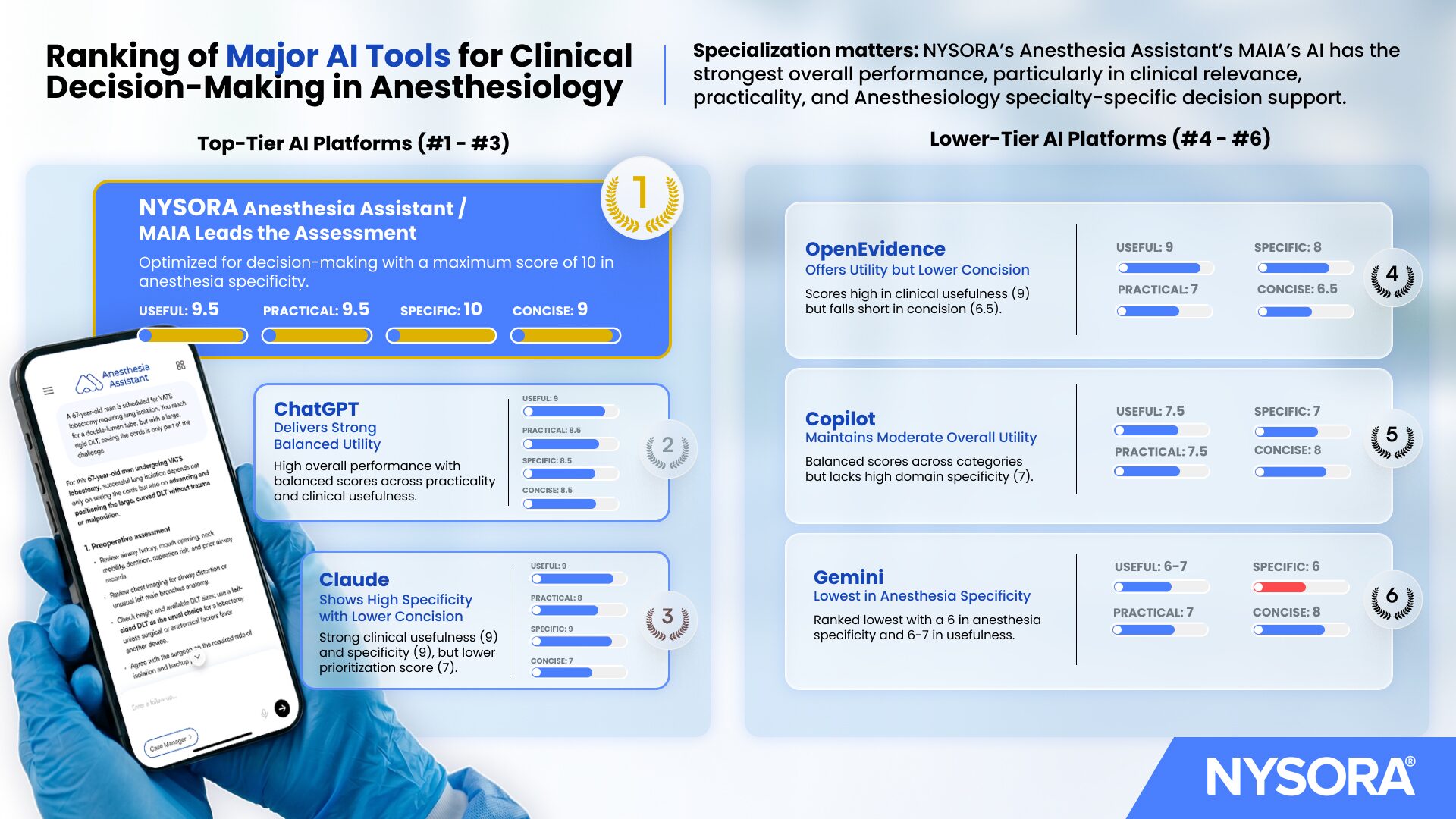
Simulate your cases and access essential anesthesia knowledge, drug information, and perioperative guidance with the Anesthesia Assistant App.