[NEW] Events Main Page - NYSORA

Explore NYSORA knowledge base for free:

NYSORA Educational Events

Your Next Anesthesia Event
Starts Here

Learn from industry leaders, exchange ideas, and unlock new opportunities.

300+

Events

100+

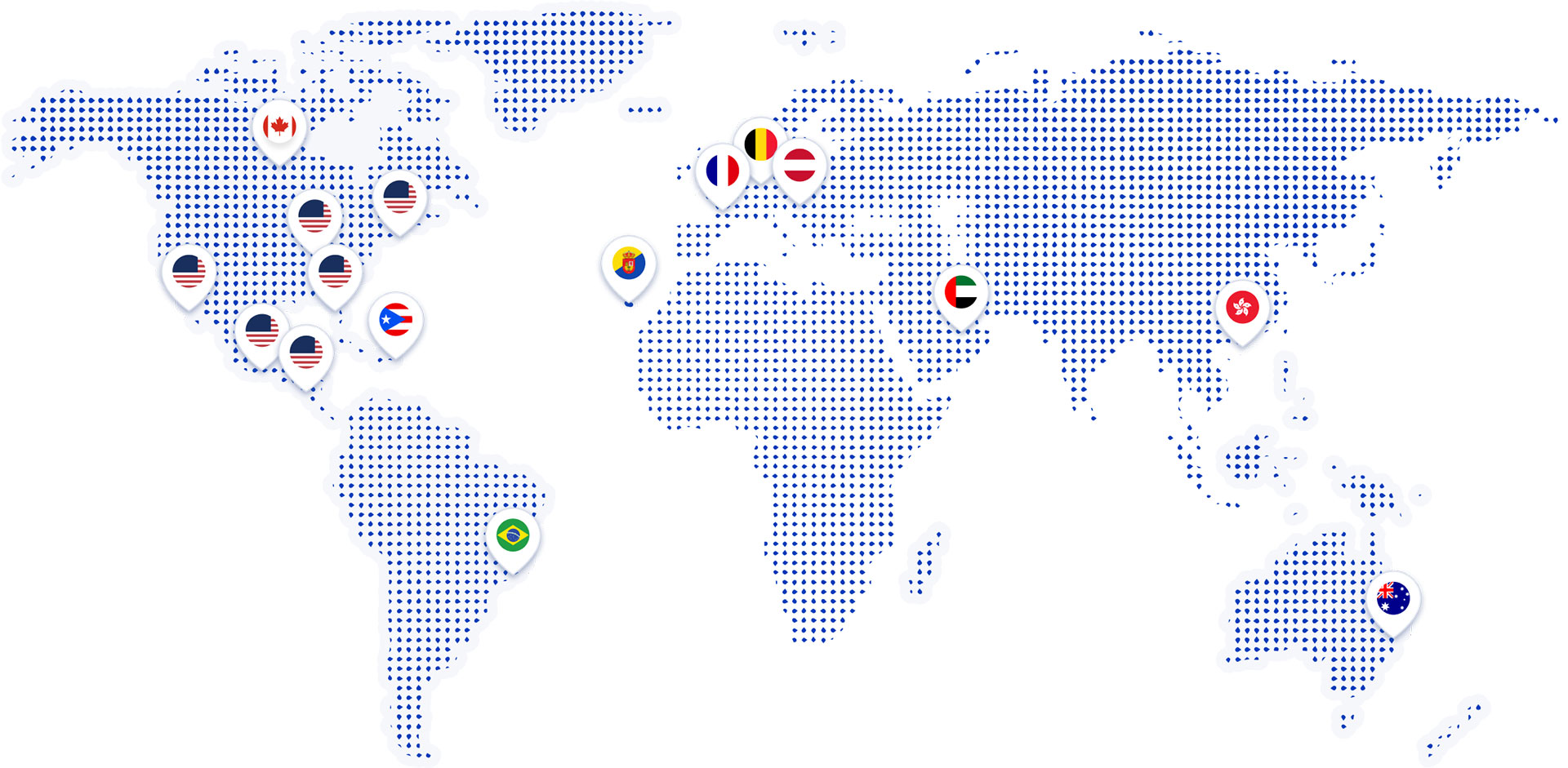
Countries

350+

Speakers
Upcoming Events

Ready to join your peers? Browse our upcoming events, find your perfect fit, and secure your place among leading experts.

View All Upcoming Events

Explore our Anesthesia and Pain Medicine Events

Find medical programs that support the ongoing growth of healthcare professionals. From intensive boot camps to dynamic conferences and hands-on workshops, there’s something here for every stage of your professional journey.

Conferences

Explore the latest in anesthesia and pain medicine at NYSORA Conferences - global expert meetings or small-group CME review retreats in inspiring, vacation-style locations.

Explore Conferences
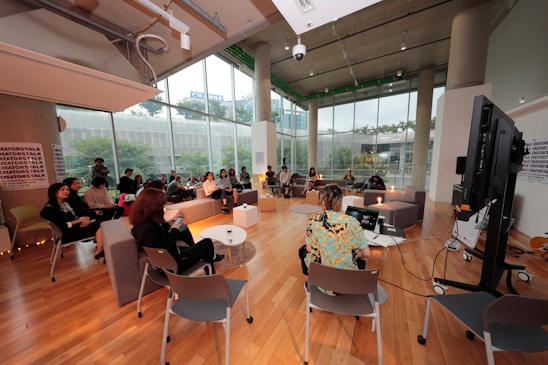
Workshops

Train in small-group NYSORA workshops across Europe and the US, with hands-on ultrasound learning or join our clinical Boot Camps featuring live regional block observation.

Explore Workshops

NYSORA All Events Schedule

Complete schedule of all conferences, symposiums, workshops, and bootcamps.

Filters & Sort Events

2026

Workshops
Ultrasound-Guided Regional Anesthesia Boutique Workshop
Register

Toronto, Canada, Mar 07

Schedule
Day 1

Morning Session

  • All modules include demonstrations and scanning practice on live models

Morning Session (07:30 - 08:00)

  • Registration & Light Breakfast

Morning Session (08:00 - 08:45)

  • Introduction: How to Make the Most of This Course
  • What We Will Teach
  • Practice On Simulators During Breaks
  • How To Transpose Techniques Into Your Daily Practice: High Yield/Periop Management

Morning Session (08:45 - 10:00)

  • MODULE 1: Shoulder & Proximal Humerus
  • Interscalene Block: When And How
  • Patient Selection Pearls (OSA, COPD, Outpatient Shoulder Surgery)
  • Diaphragm-Sparing Strategies To Reduce Phrenic Nerve Involvement:
  • Selective Shoulder Strategies
  • Superior Trunk Block: Current Trends In Shoulder Analgesia
  • Suprascapular And Axillary Nerve Blocks

Morning Session (10:00 - 10:15)

  • Coffee Break & Simulation Training

Morning Session (10:15 - 11:15)

  • MODULE 2: Clavicle & Upper Arm
  • Understanding “Clavicle Coverage” Concepts
  • Cervical Plexus Block And PEC I (Interpectoral) Block For Clavicle Analgesia
  • Clavipectoral Fascial Plane Block
  • Supraclavicular Block
  • Infraclavicular Block
  • Decision-Making: Supraclavicular Vs Infraclavicular—When And Why

Morning Session (11:15 - 12:15)

  • MODULE 3: Upper Extremity (Elbow, Forearm & Hand)
  • Axillary Brachial Plexus Block: A High-Yield Workhorse
  • Three Essential Distal Forearm Blocks (Median, Ulnar, Radial)
  • When: Clinical Indications
  • Where: Optimal Forearm Block Levels

Morning Session (12:15 - 13:00)

  • Lunch Break & Simulation Scanning (Hand–Eye Coordination Practice)

Afternoon Session (13:00 - 14:00)

  • MODULE 4: Truncal Fascial Plane Blocks - Core Set Every Clinician Should Know
  • PECS Blocks (Interpectoral And Pecto-Serratus)
  • Serratus Anterior Plane (SAP) Block
  • TAP Block: Lateral Vs Subcostal Vs Posterior Approaches
  • Quadratus Lumborum (QL) Block – Type I

Afternoon Session (14:00 - 14:45)

  • LECTURE
  • Preventing Complications Of Nerve Blocks
  • Adjuvants: Controversies And Practical Tips
  • Infectious Precautions: Sterility And Probe Covers

Afternoon Session (14:45 - 15:30)

  • Q&A Panel Discussion

Afternoon Session (15:30 - 16:00)

  • Scanning Practice: Consolidation and Repetition
  • Recap: What We Have Learned And Take-Home Messages
  • What We Will Learn Tomorrow (Program For The Next Day)
Day 2

Morning Session

  • All modules include demonstrations and scanning practice on live models

Morning Session (07:30 - 08:00)

  • Registration & Light Breakfast (Simulation Training)

Morning Session (08:00 - 08:30)

  • Review of Day 1: What We Learned – TIPS & Q&A

Morning Session (08:30 - 09:30)

  • MODULE 5: Lumbar Paraspinal & Posterior Wall Blocks
  • Neuraxial Ultrasound Scanning: Landmarks And Why It Matters
  • Four Critical Ultrasound Findings:
  • Midline Identification
  • Spinal Level Determination
  • Estimated Depth To Epidural/Intrathecal Space
  • Best Interspace For Access

Morning Session (09:30 - 09:45)

  • Coffee Break & Simulation Training

Morning Session (09:45 - 10:30)

  • LECTURE
  • Perioperative Management Of Nerve Blocks For Success: Premeds/Intraop/Multimodal
  • When Not To Perform Nerve Blocks
  • Prevention And Management Of Local Anesthetic Systemic Toxicity (LAST)

Morning Session (10:30 - 12:00)

  • MODULE 6: Lower Extremity — Hip & Knee Pathways
  • Femoral Nerve Block
  • Fascia Iliaca Block: Infrainguinal Vs Suprainguinal
  • PENG Block: When, Why, And How
  • When And Why: Femoral Vs Fascia Iliaca Vs PENG Blocks For Hip

Morning Session (12:00 - 12:30)

  • Lunch Break & Simulation Training

Afternoon Session (12:30 - 13:15)

  • Lower Extremity: Knee, Foot & Ankle
  • Femoral Triangle Vs Adductor Canal Block: The Truth Is In The Middle
  • IPACK And Genicular Nerve Concepts For Knee Analgesia
  • Ankle Block:
  • Tibial
  • Deep And Superficial Peroneal
  • Saphenous
  • Sural Nerves

Afternoon Session (13:15 - 14:30)

  • MODULE 7 REVIEW: More Scanning Top-Down

Afternoon Session (14:30 - 14:45)

  • Final Review & Q&A
  • What We Have Learned
  • Key Take-Home Messages
  • Must-Have Equipment, Documentation, And Sterility Principles
  • How To Safely Implement And Continue Developing These Techniques In Your Practice
Learning objectives
  • Interpret various sonographic artifacts and outline a plan for troubleshooting these using various transducer maneuvers and ultrasound machine setting adjustments;
  • Demonstrate the correct sonographic technique for identification of the brachial plexus and individual nerves of the lower extremity, and associated vascular and musculoskeletal structures;
  • Demonstrate the correct sonographic technique for performance of truncal blocks including transversus abdominis plane block, rectus sheath block, and paravertebral and neuraxial block;
  • Develop a framework for the establishment of a regional anesthesia service using strategies to increase surgical, anesthetic and hospital buy-in;
  • Discuss the rational choice of local anesthetics and adjuvants for various peripheral nerve blocks.
Faculty
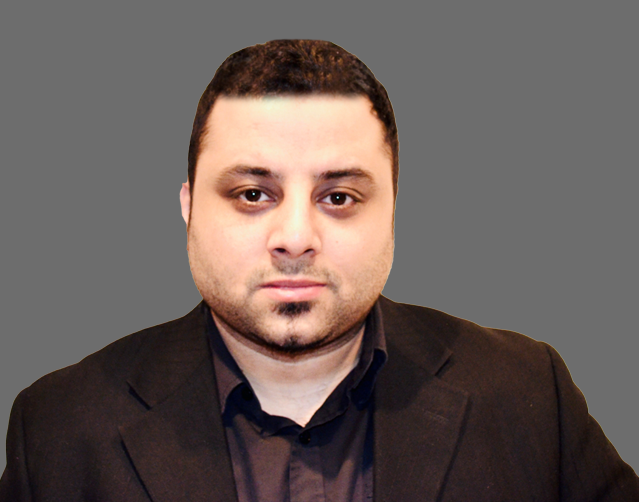
Dr. Kris Abbas
Dr. Kris Abbas
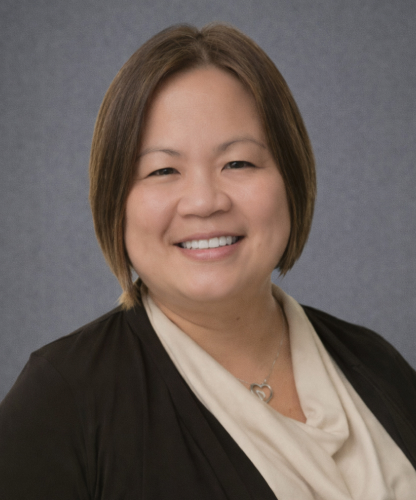
Dr. Kim Wong
Dr. Kim Wong

BSc.P.T., M.D., FRCPC

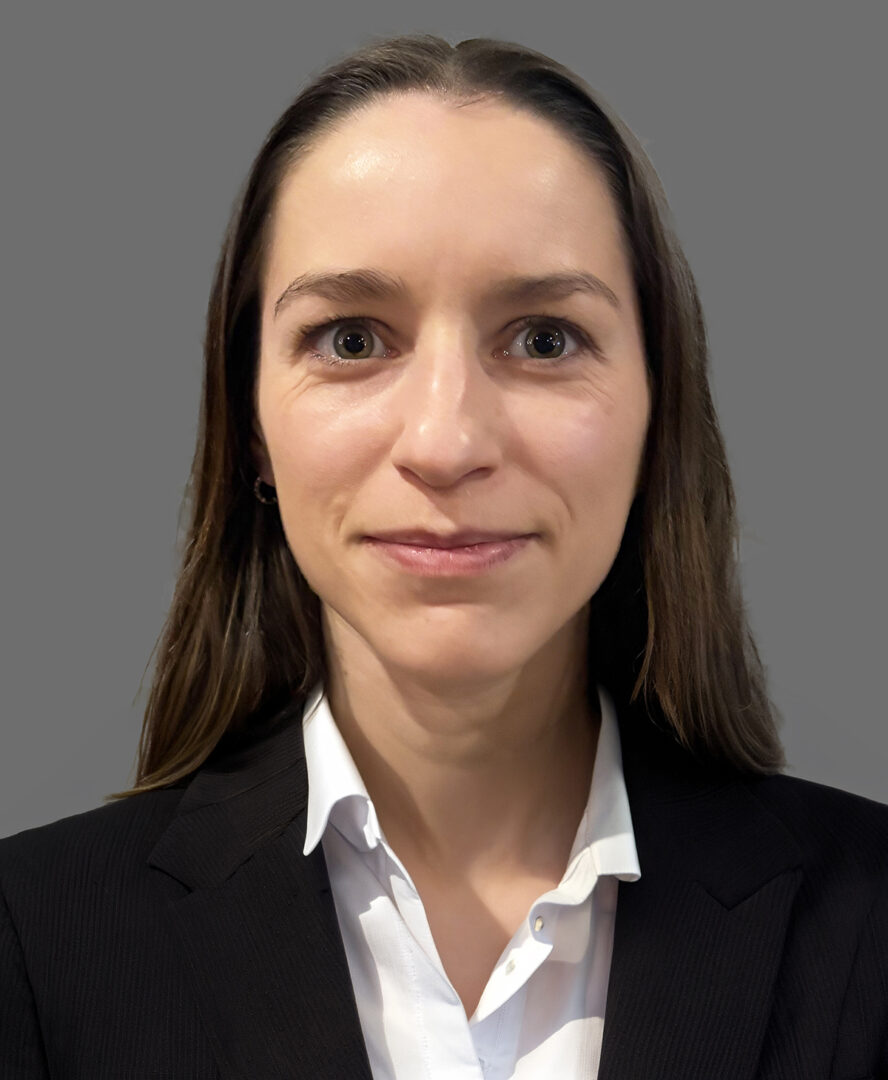
Justine Denomme
Justine Denomme

MD, FRCPC

Workshops
Ultrasound-Guided Regional Anesthesia Boutique Workshop – Fully Booked
Register

New York, USA, Mar 14

Schedule
Day 1

Morning Session

  • All modules include demonstrations and scanning practice on live models

Morning Session (07:30 - 08:00)

  • Registration & Light Breakfast

Morning Session (08:00 - 08:45)

  • Introduction: How to Make the Most of This Course
  • What We Will Teach
  • Practice On Simulators During Breaks
  • How To Transpose Techniques Into Your Daily Practice: High Yield/Periop Management

Morning Session (08:45 - 10:00)

  • MODULE 1: Shoulder & Proximal Humerus
  • Interscalene Block: When And How
  • Patient Selection Pearls (OSA, COPD, Outpatient Shoulder Surgery)
  • Diaphragm-Sparing Strategies To Reduce Phrenic Nerve Involvement:
  • Selective Shoulder Strategies
  • Superior Trunk Block: Current Trends In Shoulder Analgesia
  • Suprascapular And Axillary Nerve Blocks

Morning Session (10:00 - 10:15)

  • Coffee Break & Simulation Training

Morning Session (10:15 - 11:15)

  • MODULE 2: Clavicle & Upper Arm
  • Understanding “Clavicle Coverage” Concepts
  • Cervical Plexus Block And PEC I (Interpectoral) Block For Clavicle Analgesia
  • Clavipectoral Fascial Plane Block
  • Supraclavicular Block
  • Infraclavicular Block
  • Decision-Making: Supraclavicular Vs Infraclavicular—When And Why

Morning Session (11:15 - 12:15)

  • MODULE 3: Upper Extremity (Elbow, Forearm & Hand)
  • Axillary Brachial Plexus Block: A High-Yield Workhorse
  • Three Essential Distal Forearm Blocks (Median, Ulnar, Radial)
  • When: Clinical Indications
  • Where: Optimal Forearm Block Levels

Morning Session (12:15 - 13:00)

  • Lunch Break & Simulation Scanning (Hand–Eye Coordination Practice)

Afternoon Session (13:00 - 14:00)

  • MODULE 4: Truncal Fascial Plane Blocks - Core Set Every Clinician Should Know
  • PECS Blocks (Interpectoral And Pecto-Serratus)
  • Serratus Anterior Plane (SAP) Block
  • TAP Block: Lateral Vs Subcostal Vs Posterior Approaches
  • Quadratus Lumborum (QL) Block – Type I

Afternoon Session (14:00 - 14:45)

  • LECTURE
  • Preventing Complications Of Nerve Blocks
  • Adjuvants: Controversies And Practical Tips
  • Infectious Precautions: Sterility And Probe Covers

Afternoon Session (14:45 - 15:30)

  • Q&A Panel Discussion

Afternoon Session (15:30 - 16:00)

  • Scanning Practice: Consolidation and Repetition
  • Recap: What We Have Learned And Take-Home Messages
  • What We Will Learn Tomorrow (Program For The Next Day)
Day 2

Morning Session

  • All modules include demonstrations and scanning practice on live models

Morning Session (07:30 - 08:00)

  • Registration & Light Breakfast (Simulation Training)

Morning Session (08:00 - 08:30)

  • Review of Day 1: What We Learned – TIPS & Q&A

Morning Session (08:30 - 09:30)

  • MODULE 5: Lumbar Paraspinal & Posterior Wall Blocks
  • Neuraxial Ultrasound Scanning: Landmarks And Why It Matters
  • Four Critical Ultrasound Findings:
  • Midline Identification
  • Spinal Level Determination
  • Estimated Depth To Epidural/Intrathecal Space
  • Best Interspace For Access

Morning Session (09:30 - 09:45)

  • Coffee Break & Simulation Training

Morning Session (09:45 - 10:30)

  • LECTURE
  • Perioperative Management Of Nerve Blocks For Success: Premeds/Intraop/Multimodal
  • When Not To Perform Nerve Blocks
  • Prevention And Management Of Local Anesthetic Systemic Toxicity (LAST)

Morning Session (10:30 - 12:00)

  • MODULE 6: Lower Extremity — Hip & Knee Pathways
  • Femoral Nerve Block
  • Fascia Iliaca Block: Infrainguinal Vs Suprainguinal
  • PENG Block: When, Why, And How
  • When And Why: Femoral Vs Fascia Iliaca Vs PENG Blocks For Hip

Morning Session (12:00 - 12:30)

  • Lunch Break & Simulation Training

Afternoon Session (12:45 - 13:15)

  • Lower Extremity: Knee, Foot & Ankle
  • Femoral Triangle Vs Adductor Canal Block: The Truth Is In The Middle
  • IPACK And Genicular Nerve Concepts For Knee Analgesia
  • Ankle Block:
  • Tibial
  • Deep And Superficial Peroneal
  • Saphenous
  • Sural Nerves

Afternoon Session (13:15 - 14:30)

  • MODULE 7 REVIEW: More Scanning Top-Down

Afternoon Session (14:30 - 14:45)

  • Final Review & Q&A
  • What We Have Learned
  • Key Take-Home Messages
  • Must-Have Equipment, Documentation, And Sterility Principles
  • How To Safely Implement And Continue Developing These Techniques In Your Practice
Learning objectives
  • Interpret various sonographic artifacts and outline a plan for troubleshooting these using various transducer maneuvers and ultrasound machine setting adjustments;
  • Demonstrate the correct sonographic technique for identification of the brachial plexus and individual nerves of the lower extremity, and associated vascular and musculoskeletal structures;
  • Demonstrate the correct sonographic technique for performance of truncal blocks including transversus abdominis plane block, rectus sheath block, and paravertebral and neuraxial block;
  • Develop a framework for the establishment of a regional anesthesia service using strategies to increase surgical, anesthetic and hospital buy-in;
  • Discuss the rational choice of local anesthetics and adjuvants for various peripheral nerve blocks.
Faculty
Coming soon.
Boot Camps
Regional Anesthesia Boot Camp
Register

Genk, Belgium, Mar 19

Schedule
Day 1
  • Meet in the main lobby of Ziekenhuis Oost-Limburg (ZOL) with one of the NYSORA team - Upon arrival, please use the visitor parking lot and enter the hospital’s main entrance through the revolving glass doors to the main lobby
  • Changing in the dressing room into surgical scrubs, hats and masks
  • Staff meeting and planning for the day at the Orthopedic Anesthesia Operating Room Wing (N-Block)
  • Patient care, performance of ultrasound guided regional anesthesia procedures, scanning on patients and models, phantom practice in between patient care, discussions on protocoled patient care, participation in the intraoperative and perioperative management, performance of ultrasound guided peripheral nerve blocks in patients. Each nerve block procedure will be followed by discussion of principles of safe and successful practice
  • De-briefing, questions and answers, and planning for the second day
  • Adjourn
Day 2
  • Meet in the main lobby of Ziekenhuis Oost-Limburg (ZOL) with one of the NYSORA team
  • Changing in the dressing room into surgical scrubs, hats and masks
  • Staff meeting and planning for the day at the Orthopedic Anesthesia Operating Room Wing (N-Block)
  • Patient care, performance of ultrasound guided regional anesthesia procedures, scanning on patients and models, phantom practice in between patient care, discussions on protocoled patient care, participation in the intraoperative and perioperative management, performance of ultrasound guided peripheral nerve blocks in patients. Each nerve block procedure will be followed by discussion of principles of safe and successful practice
  • De-briefing, questions and answers
  • Adjourn
Learning objectives
  • What makes these workshops unique is the dynamic, changing environment. Real-life cases and instructors on the go during patient care.
  • Between patients, NYSORA’s experts engage in case discussions, practice on simulators and short, targeted presentations for understanding of the principles of LRA clinical decision-making.
  • During the boot camps experience, our team makes sure that every second is filled with a learning experience.
  • NYSORA’s Boot Camps were devised by leading regional anesthesia professionals, for medical professionals.
  • Boot Camps focus on personalized training for each participant in small groups, with top-pros right by your side.
Faculty
Coming soon.
Workshops
Ultrasound in Interventional Pain Medicine Comprehensive Workshop (Plus CIPS Exam preparation Instructions)
Register

Leuven, Belgium, Mar 21

Schedule
Day 1

Morning Session (08:30 - 09:00)

  • Registration and Light Breakfast

Morning Session (09:00 - 10:00)

  • Upper Limb MSK Pain Procedures and Peripheral Nerve Entrapments
  • Shoulder- Bicep Tendon, AC Joint, SASD Bursa, Gleno-humeral Joint, Suprascapular Nerve
  • Elbow- Medial and Lateral Elbow, Ulnar Nerve & Cubital Tunnel
  • Wrist- Carpal Tunnel & Median Nerve, Guyon’s Canal & MCP Joint
  • Upper Limb Nerve Entrapments

Morning Session (10:00 - 10:15)

  • Coffee Break

Morning Session (10:15 - 11:15)

  • Lower Limb MSK Pain Procedures and Peripheral Nerve Entrapments
  • Hip- Hip Joint, Trochanteric Complex, Ilio-tibial Band & Lateral Femoral Cutaneous Nerve
  • Knee- Knee Joint and Saphenous Nerve
  • Ankle- Tibio-tarsal Joint, MTP Joint, Tarsal Tunnel & Tibial Nerve
  • Lower Limb Nerve Entrapments

Morning Session (11:15 - 11:30)

  • Coffee Break

Morning Session (11:30 - 12:30)

  • Cervical Spine Procedures/ Procedures for Neck Pain Management Sonography Demonstration
  • Cervical Facet and Cervical Medial Branches, TON
  • Cervical Nerve Roots
  • Cervical Sympathetic Chain
  • Greater Occipital Nerve
  • Trigger Points & Myofascial Pain

Morning Session (12:30 - 13:00)

  • Thoracic Spine Procedures/ Procedures for Thoracic Spine and Chest Wall Pain Management
  • Thoracic Facets, Costotransverse Joint
  • Thoracic Paravertebral
  • Intercostal Nerve
  • Erector Spinae Plane Block
  • Parasternal Plane Block

Morning Session (13:00 - 14:00)

  • Lunch Break

Afternoon Session (14:00 - 15:00)

  • Lumbar Spine & Sacrum Procedures/ Low Back and Buttock Pain Management
  • Caudal Epidural
  • Sacro-iliac Joint & Ligaments
  • Piriformis Muscle Injection
  • Lumbar Facet Joint & Medial Branches

Afternoon Session (15:00 - 16:00)

  • Abdomen & Pelvic Procedures/ Abdominal Myofascial Pain Syndromes, Pelvic Pain Management
  • Ilio-inguinal & Ilio-hypogastric Nerve Block
  • Rectus Sheath, TAP Plane
  • Quadratus Lumborum Block
  • Genitofemoral Nerve Block
  • Pudendal Nerve Block

Afternoon Session (16:00 - 16:15)

  • Coffee Break

Afternoon Session (16:15 - 17:00)

  • Headache & Facial Pain Management
  • Supra & Infra-orbital Nerve Block
  • Maxillary Division of Trigeminal Nerve Block in Pterygo-palatine Fossa/ Sphenopalatine Block
  • Mental Nerve Block

Afternoon Session (17:00 - 17:30)

  • How to Prepare for the Ultrasound Certification Examinations
  • Exam Structure
  • Communication, Knowledge & Skills
  • Exam Techniques
  • Clinical Exam Videos

Afternoon Session (17:30 - 17:45)

  • Q & A with the Instructors and Instructions for Day 2
Day 2

Morning Session (07:45 - 08:00)

  • Registration and Light Breakfast

Morning Session (08:00 - 09:00)

  • Head, Neck, Cervical Spine
  • Cervical Medial Branch, Cervical Nerve Roots, GON, Cervical Sympathetic Chain, Maxillary Nerve, Supra-orbital, Infra-orbital, Mental Nerve

Morning Session (09:00 - 10:00)

  • Lumbar Area, Pelvis, Abdomen
  • Lumbar Facet Joint, Medial Branches, Caudal, Sacro-iliac Joint, Piriformis, Pudendal Nerve, Ilio-inguinal, Iliohypogastric and Genitofemoral, ACNES, QLB, Rectus Sheath, TAP

Morning Session (10:00 - 11:00)

  • Thoracic Region
  • Thoracic Facet, Costo-transverse Joint, Intercostal Nerve, Paravertebral Space and Erector Spinae Plane (ESP)

Morning Session (11:00 - 11:15)

  • Coffee Break

Morning Session (11:15 - 12:15)

  • Shoulder
  • Shoulder Joint, AC Joint, Long Head of Biceps, SASD Bursa, Supra-scapular Nerve, Axillary Nerve, Articular Branches to Shoulder Joint

Morning Session (12:15 - 13:15)

  • Elbow, Forearm & Wrist
  • Medial and Lateral Elbow, Ulnar Nerve, Cubital Tunnel, Carpal Tunnel, MCP Joint, Peripheral Nerves

Morning Session (13:15 - 14:00)

  • Lunch Break

Afternoon Session (14:00 - 15:00)

  • Hip
  • Hip Joint, Greater Trochanter Complex, Iliopsoas Bursa and Tendon, IT Band, Lateral Femoral Cutaneous Nerve, Articular Branches of Femoral, Obturator and Accessory Obturator Nerve

Afternoon Session (15:00 - 16:00)

  • Knee and Ankle
  • Knee Joint, Genicular Nerves, Saphenous Nerve, Ankle Joint, Tarsal Tunnel, Tibial and Peroneal Nerves

Afternoon Session (16:00 - 16:30)

  • Block of your Choice- Ask the Expert

Afternoon Session (16:30 - 16:45)

  • Q & A and Course Review
Learning objectives
  • Develop a step wise approach to various pain management procedures using ultrasound guidance
  • Understand curriculum based procedures as per the CIPS examination curriculum
  • Learn how to prepare and to pass the CIPS examination
  • Learn how to perform in clinical case scenarios, approach and assessment
  • Interpret various sonographic artifacts and outline a plan for troubleshooting these using various transducer manoeuvres and ultrasound machine setting adjustments
Faculty
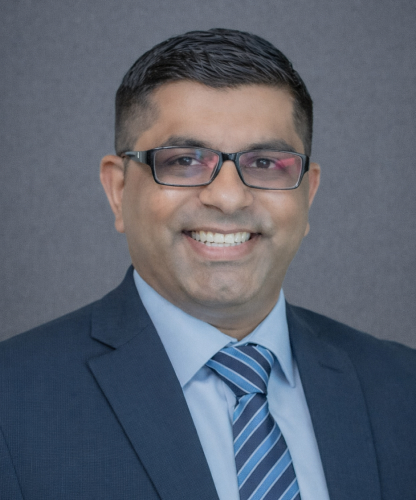
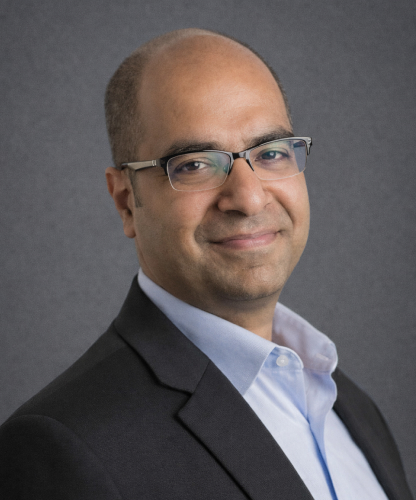
Sadiq Bhayani
Sadiq Bhayani

FRCA, MD, MBBS

Rahul Bhansali
Rahul Bhansali

MD

Queenayda Kroon
Queenayda Kroon

MD

Jose Pereira
Jose Pereira

MD

Kevin Lathouwers
Kevin Lathouwers

MD

Conferences
Regional Anesthesia Conference: State of the Art 2026
Register

Sydney, Australia, Mar 27

Schedule
Day 1

Afternoon Session (14:00 - 17:30)

  • Welcome to Sydney
  • Five Steps to Become a Nerve Block Pro - NYSORA Educational Principles
  • Upper Extremity Blocks: Technique Updates
  • New Regional Anesthesia Blocks: What Really Works—and How?
  • Interactive Q&A
  • Coffee Break
  • Essential Ultrasound Anatomy: Upper Extremity (Neck to Wrist)
  • Ultrasound-Guided Upper Extremity Blocks - Live Technique Demonstration
  • Interactive Q&A
Day 2

Morning Session (09:00 - 13:00)

  • Spinal vs General Anesthesia for Total Joint Replacement - NYSORA Protocols for TKA, THA, Same-Day Hips
  • Five Most Useful Blocks in Private Practice
  • Minimizing Hypotension After Spinal Anesthesia
  • Lower Extremity Block Techniques: Key Updates
  • Perioperative Anticoagulation Management
  • Interactive Q&A
  • Coffee Break
  • Truncal Blocks: Updates & NYSORA Protocols
  • Ultrasound-Guided Truncal Blocks - Live Technique Demonstration
  • Interactive Q&A

Afternoon Session (13:00 - 17:10)

  • Lunch Break
  • Latest Trends in Interventional Pain Medicine
  • Epidural Advances: Ultrasound and New Equipment
  • Catheters No Nonsense Tips for success and Safety
  • Regional Anesthesia for Chest Trauma
  • Interactive Q&A
  • Coffee Break
  • Intrathecal Morphine: Doses, Safety, and Monitoring Protocols
  • Who Needs Probe Covers? New ASRA/ESRA Sterility Recommendations
  • Nerve Blocks: Avoid These Common Mistakes
  • Interactive Q&A
Day 3

Morning Session (09:00 - 12:45)

  • GLP-1 Medications & Anesthesia Challenges
  • Perioperative Analgesia in Orthopedics
  • Regional Anesthesia for Hip Surgery
  • Optimizing Anesthesia After Same-Day THA
  • Interactive Q&A
  • Coffee Break
  • Hip Fracture Analgesia in Inoperable Patients
  • Ultrasound Anatomy: Lower Extremity Nerves
  • Live 3D Anatomy Special Course - Virtual Cadaver Dissection
  • Interactive Q&A & Conference Wrap-Up
Learning objectives
  • Master Modern Regional Anesthesia Techniques
    Stay ahead with the latest block techniques, updated protocols, and proven clinical strategies you can immediately apply to improve patient outcomes and procedural efficiency.
  • Watch Experts Perform Live Ultrasound-Guided Blocks
    Learn directly from world-renowned faculty as they demonstrate real-time ultrasound-guided nerve blocks, sharing practical tips, decision-making strategies, and technique refinements you won’t find in textbooks.
  • Enhance Your Skills with Advanced Ultrasound & 3D Anatomy
    Build confidence in anatomical recognition through high-yield ultrasound anatomy sessions and immersive 3D virtual cadaver dissection, designed to improve accuracy and block success.
  • Apply Proven Protocols for Orthopedic & Ambulatory Surgery
    Discover optimized anesthesia pathways for joint replacement, trauma, and same-day surgery, including strategies to improve recovery, minimize complications, and streamline workflow.
  • Gain Practical Solutions to Everyday Clinical Challenges
    Learn how to avoid common mistakes, manage complex patients, and implement the latest safety recommendations through case-based teaching and interactive discussions with global experts.


Faculty
Admir Hadzic
Admir Hadzic

MD, PhD.

Catherine Vandepitte

MD, PhD.

Hawn Trinh
Hawn Trinh

MBBS GradCertClinEd FANZCA

Jerry Jones
Jerry Jones

MD

Peter Siu
Peter Siu

MD

Neil Vanza
Neil Vanza

MBBS, FANZCA

Brigid Brown
Brigid Brown

FANZCA

Andrew Lansdown
Andrew Lansdown

BSc(Med) MBBS FANZCA

Workshops
Vesalius Regional Anesthesia Cadaver Workshop
Register

Leuven, Belgium, Apr 10

Schedule
Day 1

Morning Session (07:45 - 12:45)

  • Registration
  • Welcome
  • Lectures
  • Break
  • Rotation across different stations: Sono-anatomy, hands-on scanning, phantom needling.
  • Break

Afternoon Session (12:45 - 20:00)

  • Rotation across different stations: Sono-anatomy, hands-on scanning, phantom needling.
  • Break
  • 3D Anatomy @ NYSORA HQ - Leuven
Day 2

Morning Session (07:30 - 12:30)

  • Registration & Light Breakfast (Simulation Training)
  • Review of Day 1: What We Learned – TIPS & Q&A
  • Neuraxial Ultrasound Scanning: Landmarks And Why It Matters
  • Four Critical Ultrasound Findings:
  • Midline Identification
  • Spinal Level Determination
  • Estimated Depth To Epidural/Intrathecal Space
  • Best Interspace For Access
  • Coffee Break & Simulation Training
  • LECTURE
  • Perioperative Management Of Nerve Blocks For Success: Premeds/Intraop/Multimodal
  • When Not To Perform Nerve Blocks
  • Prevention And Management Of Local Anesthetic Systemic Toxicity (LAST)
  • MODULE 6: Lower Extremity — Hip & Knee Pathways
  • Femoral Nerve Block
  • Fascia Iliaca Block: Infrainguinal Vs Suprainguinal
  • PENG Block: When, Why, And How
  • When And Why: Femoral Vs Fascia Iliaca Vs PENG Blocks For Hip
  • Lunch Break & Simulation Training

Afternoon Session (12:30 - 14:45)

  • Lower Extremity: Knee, Foot & Ankle
  • Femoral Triangle Vs Adductor Canal Block: The Truth Is In The Middle
  • IPACK And Genicular Nerve Concepts For Knee Analgesia
  • Ankle Block:
  • Tibial
  • Deep And Superficial Peroneal
  • Saphenous
  • Sural Nerves
  • MODULE 7 REVIEW: More Scanning Top-Down
  • Final Review & Q&A
  • What We Have Learned
  • Key Take-Home Messages
  • Must-Have Equipment, Documentation, And Sterility Principles
  • How To Safely Implement And Continue Developing These Techniques In Your Practice
Learning objectives

Clinical Goals:

  • To solidify three-dimensional anatomical understanding of clinically relevant regional anesthesia targets, using high-fidelity cadaver dissection integrated with ultrasound imaging, ensuring participants can reliably translate sono-anatomy into real patient care.

  • To improve the safety, precision, and consistency of needling techniques for both common and advanced regional anesthesia blocks by practicing on cadaveric models that accurately replicate tissue planes, depth relationships, and anatomical variability.

  • To bridge expert knowledge and bedside decision-making, enabling participants to move beyond “how to perform a block” toward understanding why, when, and when not to perform specific techniques in complex perioperative scenarios.

  • To enhance procedural confidence and efficiency in daily clinical practice, through deliberate hands-on repetition, expert faculty feedback, and focused small-group instruction—directly targeting common sources of uncertainty and error.

  • To strengthen clinical judgment in regional anesthesia, including block selection, risk assessment, and complication avoidance, with the ultimate goal of improving patient outcomes and perioperative care quality.
Faculty
Admir Hadzic
Admir Hadzic

MD, PhD.

Catherine Vandepitte

MD, PhD.

Imré Van Herreweghe
Imré Van Herreweghe

MD

Peter Merjavy
Peter Merjavy

MD, EDRA Board Member

Steve Coppens
Steve Coppens

MD, PhD

Danny Feike Hoogma
Danny Feike Hoogma

MD, PhD

Matthias Desmet
Matthias Desmet

MD

Sari Casaer
Sari Casaer

MD

Morné Wolmarans
Morné Wolmarans

MD

Hanne-Rose Honis
Hanne-Rose Honis

MD

Boot Camps
Regional Anesthesia Boot Camp
Register

Genk, Belgium, Apr 23

Schedule
Day 1
  • Meet in the main lobby of Ziekenhuis Oost-Limburg (ZOL) with one of the NYSORA team - Upon arrival, please use the visitor parking lot and enter the hospital’s main entrance through the revolving glass doors to the main lobby
  • Changing in the dressing room into surgical scrubs, hats and masks
  • Staff meeting and planning for the day at the Orthopedic Anesthesia Operating Room Wing (N-Block)
  • Patient care, performance of ultrasound guided regional anesthesia procedures, scanning on patients and models, phantom practice in between patient care, discussions on protocoled patient care, participation in the intraoperative and perioperative management, performance of ultrasound guided peripheral nerve blocks in patients. Each nerve block procedure will be followed by discussion of principles of safe and successful practice
  • De-briefing, questions and answers, and planning for the second day
  • Adjourn
Day 2
  • Meet in the main lobby of Ziekenhuis Oost-Limburg (ZOL) with one of the NYSORA team
  • Changing in the dressing room into surgical scrubs, hats and masks
  • Staff meeting and planning for the day at the Orthopedic Anesthesia Operating Room Wing (N-Block)
  • Patient care, performance of ultrasound guided regional anesthesia procedures, scanning on patients and models, phantom practice in between patient care, discussions on protocoled patient care, participation in the intraoperative and perioperative management, performance of ultrasound guided peripheral nerve blocks in patients. Each nerve block procedure will be followed by discussion of principles of safe and successful practice
  • De-briefing, questions and answers
  • Adjourn
Learning objectives
  • What makes these workshops unique is the dynamic, changing environment. Real-life cases and instructors on the go during patient care.
  • Between patients, NYSORA’s experts engage in case discussions, practice on simulators and short, targeted presentations for understanding of the principles of LRA clinical decision-making.
  • During the boot camps experience, our team makes sure that every second is filled with a learning experience.
  • NYSORA’s Boot Camps were devised by leading regional anesthesia professionals, for medical professionals.
  • Boot Camps focus on personalized training for each participant in small groups, with top-pros right by your side.
Faculty
Coming soon.
Workshops
Ultrasound-Guided Regional Anesthesia Boutique Workshop
Register

New York, USA, Apr 25

Schedule
Day 1

Morning Session

  • All modules include demonstrations and scanning practice on live models

Morning Session (07:30 - 08:00)

  • Registration & Light Breakfast

Morning Session (08:00 - 08:45)

  • Introduction: How to Make the Most of This Course
  • What We Will Teach
  • Practice On Simulators During Breaks
  • How To Transpose Techniques Into Your Daily Practice: High Yield/Periop Management

Morning Session (08:45 - 10:00)

  • MODULE 1: Shoulder & Proximal Humerus
  • Interscalene Block: When And How
  • Patient Selection Pearls (OSA, COPD, Outpatient Shoulder Surgery)
  • Diaphragm-Sparing Strategies To Reduce Phrenic Nerve Involvement:
  • Selective Shoulder Strategies
  • Superior Trunk Block: Current Trends In Shoulder Analgesia
  • Suprascapular And Axillary Nerve Blocks

Morning Session (10:00 - 10:15)

  • Coffee Break & Simulation Training

Morning Session (10:15 - 11:15)

  • MODULE 2: Clavicle & Upper Arm
  • Understanding “Clavicle Coverage” Concepts
  • Cervical Plexus Block And PEC I (Interpectoral) Block For Clavicle Analgesia
  • Clavipectoral Fascial Plane Block
  • Supraclavicular Block
  • Infraclavicular Block
  • Decision-Making: Supraclavicular Vs Infraclavicular—When And Why

Morning Session (11:15 - 12:15)

  • MODULE 3: Upper Extremity (Elbow, Forearm & Hand)
  • Axillary Brachial Plexus Block: A High-Yield Workhorse
  • Three Essential Distal Forearm Blocks (Median, Ulnar, Radial)
  • When: Clinical Indications
  • Where: Optimal Forearm Block Levels

Morning Session (12:15 - 13:00)

  • Lunch Break & Simulation Scanning (Hand–Eye Coordination Practice)

Afternoon Session (13:00 - 14:00)

  • MODULE 4: Truncal Fascial Plane Blocks - Core Set Every Clinician Should Know
  • PECS Blocks (Interpectoral And Pecto-Serratus)
  • Serratus Anterior Plane (SAP) Block
  • TAP Block: Lateral Vs Subcostal Vs Posterior Approaches
  • Quadratus Lumborum (QL) Block – Type I

Afternoon Session (14:00 - 14:45)

  • LECTURE
  • Preventing Complications Of Nerve Blocks
  • Adjuvants: Controversies And Practical Tips
  • Infectious Precautions: Sterility And Probe Covers

Afternoon Session (14:45 - 15:30)

  • Q&A Panel Discussion

Afternoon Session (15:30 - 16:30)

  • Scanning Practice: Consolidation and Repetition
  • Recap: What We Have Learned And Take-Home Messages
  • What We Will Learn Tomorrow (Program For The Next Day)
Day 2

Morning Session

  • All modules include demonstrations and scanning practice on live models

Morning Session (07:30 - 08:00)

  • Registration & Light Breakfast (Simulation Training)

Morning Session (08:00 - 08:30)

  • Review of Day 1: What We Learned – TIPS & Q&A

Morning Session (08:30 - 09:30)

  • MODULE 5: Lumbar Paraspinal & Posterior Wall Blocks
  • Neuraxial Ultrasound Scanning: Landmarks And Why It Matters
  • Four Critical Ultrasound Findings:
  • Midline Identification
  • Spinal Level Determination
  • Estimated Depth To Epidural/Intrathecal Space
  • Best Interspace For Access

Morning Session (09:30 - 09:45)

  • Coffee Break & Simulation Training

Morning Session (09:45 - 10:30)

  • LECTURE
  • Perioperative Management Of Nerve Blocks For Success: Premeds/Intraop/Multimodal
  • When Not To Perform Nerve Blocks
  • Prevention And Management Of Local Anesthetic Systemic Toxicity (LAST)

Morning Session (10:30 - 12:00)

  • MODULE 6: Lower Extremity — Hip & Knee Pathways
  • Femoral Nerve Block
  • Fascia Iliaca Block: Infrainguinal Vs Suprainguinal
  • PENG Block: When, Why, And How
  • When And Why: Femoral Vs Fascia Iliaca Vs PENG Blocks For Hip

Morning Session (12:00 - 12:30)

  • Lunch Break & Simulation Training

Afternoon Session (12:30 - 13:15)

  • Lower Extremity: Knee, Foot & Ankle
  • Femoral Triangle Vs Adductor Canal Block: The Truth Is In The Middle
  • IPACK And Genicular Nerve Concepts For Knee Analgesia
  • Ankle Block:
  • Tibial
  • Deep And Superficial Peroneal
  • Saphenous
  • Sural Nerves

Afternoon Session (13:15 - 14:30)

  • MODULE 7 REVIEW: More Scanning Top-Down

Afternoon Session (14:30 - 14:45)

  • Final Review & Q&A
  • What We Have Learned
  • Key Take-Home Messages
  • Must-Have Equipment, Documentation, And Sterility Principles
  • How To Safely Implement And Continue Developing These Techniques In Your Practice
Learning objectives
  • Interpret various sonographic artifacts and outline a plan for troubleshooting these using various transducer maneuvers and ultrasound machine setting adjustments;
  • Demonstrate the correct sonographic technique for identification of the brachial plexus and individual nerves of the lower extremity, and associated vascular and musculoskeletal structures;
  • Demonstrate the correct sonographic technique for performance of truncal blocks including transversus abdominis plane block, rectus sheath block, and paravertebral and neuraxial block;
  • Develop a framework for the establishment of a regional anesthesia service using strategies to increase surgical, anesthetic and hospital buy-in;
  • Discuss the rational choice of local anesthetics and adjuvants for various peripheral nerve blocks.
Faculty
Coming soon.
Conferences
Ultrasound-Guided Pain & MSK Interventions – From Fundamentals to Advanced Joint Interventions with Live Demonstrations
Register

Kowloon, Hong Kong, May 08

Schedule
Day 1

Afternoon Session (13:00 - 17:00)

  • Registration
  • Basics of Ultrasound (Equipment, Setup, Sonographic Appearance of MSK Structures)
  • Optimizing Image Quality and Needle Visualisation, Trouble Shooting
  • Ultrasound-Guided Injections: Principles and Techniques
  • Live Demonstration: Machine Setup, Probe Orientation, Image Optimization
  • Q&A
  • Coffee Break
  • Anatomy: Long Head of Biceps, Rotator Cuff, GH Joint, AC Joint, Suprascapular Nerve, Axillary Nerve
  • Relevant Pathologies and Injection Techniques
  • Evaluation of Shoulder Pain in Sports Injuries
  • Live Demonstration: Anatomy, Subacromial, GH Joint, AC Joint, Suprascapular & Axillary Nerve Injection Techniques
  • Q&A
Day 2

Morning Session (09:00 - 12:15)

  • Anatomy: Anterior and Posterior Elbow Joint, Radio-capitellar Joint, Common Extensor Tendons, Common Flexor Tendons, Nerves
  • Relevant Pathologies and Injection Techniques
  • Evaluation of Elbow Pain in Sports Injuries
  • Live Demonstration: Anatomy, Tennis Elbow, Cubital Tunnel Injection Techniques
  • Q&A
  • Coffee Break
  • Anatomy: Extensor Compartments I to VI, Proximal and Distal Intersection, Distal Radio-ulnar Joint, Radiocarpal Joint, A1 Pulley
  • Relevant Pathologies and Injection Techniques
  • Evaluation of Wrist Pain in Sports Injuries
  • Live Demonstration: Anatomy, Dequervain, Carpal Tunnel, A1 Pulley (Trigger Finger) Injection Techniques
  • Q&A

Afternoon Session (12:15 - 17:00)

  • Lunch Break
  • Anatomy: Hip Joint, Iliopsoas, Gluteal Tendons, Femoral Nerve, LFCN, SIJ, Piriformis, Pudendal Nerve
  • Relevant Pathologies and Injection Techniques
  • Evaluation of Hip Pain in Sports Injuries
  • Live Demonstration: Anatomy, Hip Joint, Iliopsoas, LFCN, Gluteal Tendons, SIJ, Piriformis Injection Techniques
  • Q&A
  • Coffee Break
  • Anatomy: Knee Recesses, Tendons, Ligaments (MCL, LCL, ITB), Pes Anserinus, Hamstrings, Tibial & Peroneal Nerves
  • Relevant Pathologies and Injection Techniques
  • Evaluation of Knee Pain in Sports Injuries
  • Live Demonstration: Anatomy, Knee Joint, Pes Anserinus, Distal ITB Injection Techniques
  • Q&A
Day 3

Morning Session (09:00 - 13:00)

  • Thoracic Region (Thoracic Facet, Costotransverse, PECS, Serratus, ESP, Paravertebral, Intercostal Blocks)
  • Abdominal Region (Rectus Sheath, TAP, QL Blocks)
  • Live Demonstration
  • Q&A
  • Coffee Break
  • Lumbar Region (Lumbar Facet, Medial Branch, Lumbar Nerve Root Blocks)
  • Live Demonstration
  • Q&A
  • Shoulder Joint Denervation
  • Hip Joint Denervation
  • Knee Joint Denervation
  • Live Demonstration: Selected Articular Branch Ablation Technique
  • Q&A
  • Program Concludes
Learning objectives
  • Master Ultrasound-Guided MSK & Pain Interventions with Confidence
    Build practical expertise in ultrasound-guided injections across the shoulder, elbow, wrist, hip, knee, and spine. Learn how to accurately identify anatomy, avoid complications, and deliver precise, effective pain treatments in your daily clinical practice.

  • Learn Through Live Scanning & Real-Time Expert Demonstrations
    Watch expert faculty perform live ultrasound scanning and guided injection techniques, demonstrating probe positioning, needle visualization, and workflow optimization. Gain practical insights you can immediately apply to improve procedural success.

  • Develop Precision Through Advanced Ultrasound Skills Training
    Strengthen your core ultrasound skills, including machine setup, image optimization, and troubleshooting. Learn how to consistently achieve clear images and maintain needle visibility—even in technically challenging patients.

  • Expand Your Expertise in Advanced Pain Procedures & Joint Denervation
    Discover advanced techniques including truncal blocks, lumbar interventions, and ultrasound-guided joint denervation for chronic pain. Learn how to target articular branches safely and effectively to improve long-term patient outcomes.

  • Apply Practical, Case-Based Strategies for Real-World Clinical Success
    Enhance your clinical decision-making through interactive discussions focused on sports injuries, degenerative conditions, and complex pain syndromes. Gain practical, evidence-based techniques you can implement immediately in your practice.

Faculty
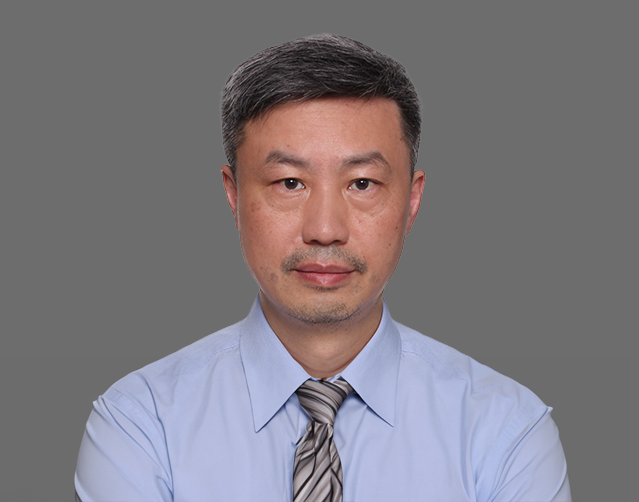
Wing Sang Chan
Wing Sang Chan

MD

Sang Hoon Lee
Sang Hoon Lee

MD, PhD.

Sunny Lee
Sunny Lee

MD

Tony Ng
Tony Ng

MD

Peter Siu
Peter Siu

MD

Workshops
Ultrasound-Guided Regional Anesthesia Boutique Workshop
Register

New York, USA, May 16

Schedule
Day 1

Morning Session

  • All modules include demonstrations and scanning practice on live models

Morning Session (07:30 - 08:00)

  • Registration & Light Breakfast

Morning Session (08:00 - 08:45)

  • Introduction: How to Make the Most of This Course
  • What We Will Teach
  • Practice On Simulators During Breaks
  • How To Transpose Techniques Into Your Daily Practice: High Yield/Periop Management

Morning Session (08:45 - 10:00)

  • MODULE 1: Shoulder & Proximal Humerus
  • Interscalene Block: When And How
  • Patient Selection Pearls (OSA, COPD, Outpatient Shoulder Surgery)
  • Diaphragm-Sparing Strategies To Reduce Phrenic Nerve Involvement:
  • Selective Shoulder Strategies
  • Superior Trunk Block: Current Trends In Shoulder Analgesia
  • Suprascapular And Axillary Nerve Blocks

Morning Session (10:00 - 10:15)

  • Coffee Break & Simulation Training

Morning Session (10:15 - 11:15)

  • MODULE 2: Clavicle & Upper Arm
  • Understanding “Clavicle Coverage” Concepts
  • Cervical Plexus Block And PEC I (Interpectoral) Block For Clavicle Analgesia
  • Clavipectoral Fascial Plane Block
  • Supraclavicular Block
  • Infraclavicular Block
  • Decision-Making: Supraclavicular Vs Infraclavicular—When And Why

Morning Session (11:15 - 12:15)

  • MODULE 3: Upper Extremity (Elbow, Forearm & Hand)
  • Axillary Brachial Plexus Block: A High-Yield Workhorse
  • Three Essential Distal Forearm Blocks (Median, Ulnar, Radial)
  • When: Clinical Indications
  • Where: Optimal Forearm Block Levels

Morning Session (12:15 - 13:00)

  • Lunch Break & Simulation Scanning (Hand–Eye Coordination Practice)

Afternoon Session (13:00 - 14:00)

  • MODULE 4: Truncal Fascial Plane Blocks - Core Set Every Clinician Should Know
  • PECS Blocks (Interpectoral And Pecto-Serratus)
  • Serratus Anterior Plane (SAP) Block
  • TAP Block: Lateral Vs Subcostal Vs Posterior Approaches
  • Quadratus Lumborum (QL) Block – Type I

Afternoon Session (14:00 - 14:45)

  • LECTURE
  • Preventing Complications Of Nerve Blocks
  • Adjuvants: Controversies And Practical Tips
  • Infectious Precautions: Sterility And Probe Covers

Afternoon Session (14:45 - 15:30)

  • Q&A Panel Discussion

Afternoon Session (15:30 - 16:00)

  • Scanning Practice: Consolidation and Repetition
  • Recap: What We Have Learned And Take-Home Messages
  • What We Will Learn Tomorrow (Program For The Next Day)
Day 2

Morning Session

  • All modules include demonstrations and scanning practice on live models

Morning Session (07:30 - 08:00)

  • Registration & Light Breakfast (Simulation Training)

Morning Session (08:00 - 08:30)

  • Review of Day 1: What We Learned – TIPS & Q&A

Morning Session (08:30 - 09:30)

  • MODULE 5: Lumbar Paraspinal & Posterior Wall Blocks
  • Neuraxial Ultrasound Scanning: Landmarks And Why It Matters
  • Four Critical Ultrasound Findings:
  • Midline Identification
  • Spinal Level Determination
  • Estimated Depth To Epidural/Intrathecal Space
  • Best Interspace For Access

Morning Session (09:30 - 09:45)

  • Coffee Break & Simulation Training

Morning Session (09:45 - 10:30)

  • LECTURE
  • Perioperative Management Of Nerve Blocks For Success: Premeds/Intraop/Multimodal
  • When Not To Perform Nerve
  • Prevention And Management Of Local Anesthetic Systemic Toxicity (LAST)

Morning Session (10:30 - 12:00)

  • MODULE 6: Lower Extremity — Hip & Knee Pathways
  • Femoral Nerve Block
  • Fascia Iliaca Block: Infrainguinal Vs Suprainguinal
  • PENG Block: When, Why, And How
  • When And Why: Femoral Vs Fascia Iliaca Vs PENG Blocks For Hip

Morning Session (12:00 - 12:30)

  • Lunch Break & Simulation Training

Afternoon Session (12:30 - 13:15)

  • Lower Extremity: Knee, Foot & Ankle
  • Femoral Triangle Vs Adductor Canal Block: The Truth Is In The Middle
  • IPACK And Genicular Nerve Concepts For Knee Analgesia
  • Ankle Block:
  • Tibial
  • Deep And Superficial Peroneal
  • Saphenous
  • Sural Nerves

Afternoon Session (13:15 - 14:30)

  • MODULE 7 REVIEW: More Scanning Top-Down

Afternoon Session (14:30 - 14:45)

  • Final Review & Q&A
  • What We Have Learned
  • Key Take-Home Messages
  • Must-Have Equipment, Documentation, And Sterility Principles
  • How To Safely Implement And Continue Developing These Techniques In Your Practice
Learning objectives
  • Interpret various sonographic artifacts and outline a plan for troubleshooting these using various transducer maneuvers and ultrasound machine setting adjustments;
  • Demonstrate the correct sonographic technique for identification of the brachial plexus and individual nerves of the lower extremity, and associated vascular and musculoskeletal structures;
  • Demonstrate the correct sonographic technique for performance of truncal blocks including transversus abdominis plane block, rectus sheath block, and paravertebral and neuraxial block;
  • Develop a framework for the establishment of a regional anesthesia service using strategies to increase surgical, anesthetic and hospital buy-in;
  • Discuss the rational choice of local anesthetics and adjuvants for various peripheral nerve blocks.
Faculty
Coming soon.
Boot Camps
Regional Anesthesia Boot Camp
Register

Genk, Belgium, May 21

Schedule
Day 1
  • Meet in the main lobby of Ziekenhuis Oost-Limburg (ZOL) with one of the NYSORA team - Upon arrival, please use the visitor parking lot and enter the hospital’s main entrance through the revolving glass doors to the main lobby
  • Changing in the dressing room into surgical scrubs, hats and masks
  • Staff meeting and planning for the day at the Orthopedic Anesthesia Operating Room Wing (N-Block)
  • Patient care, performance of ultrasound guided regional anesthesia procedures, scanning on patients and models, phantom practice in between patient care, discussions on protocoled patient care, participation in the intraoperative and perioperative management, performance of ultrasound guided peripheral nerve blocks in patients. Each nerve block procedure will be followed by discussion of principles of safe and successful practice
  • De-briefing, questions and answers, and planning for the second day
  • Adjourn
Day 2
  • Meet in the main lobby of Ziekenhuis Oost-Limburg (ZOL) with one of the NYSORA team
  • Changing in the dressing room into surgical scrubs, hats and masks
  • Staff meeting and planning for the day at the Orthopedic Anesthesia Operating Room Wing (N-Block)
  • Patient care, performance of ultrasound guided regional anesthesia procedures, scanning on patients and models, phantom practice in between patient care, discussions on protocoled patient care, participation in the intraoperative and perioperative management, performance of ultrasound guided peripheral nerve blocks in patients. Each nerve block procedure will be followed by discussion of principles of safe and successful practice
  • De-briefing, questions and answers
  • Adjourn
Learning objectives
  • What makes these workshops unique is the dynamic, changing environment. Real-life cases and instructors on the go during patient care.
  • Between patients, NYSORA’s experts engage in case discussions, practice on simulators and short, targeted presentations for understanding of the principles of LRA clinical decision-making.
  • During the boot camps experience, our team makes sure that every second is filled with a learning experience.
  • NYSORA’s Boot Camps were devised by leading regional anesthesia professionals, for medical professionals.
  • Boot Camps focus on personalized training for each participant in small groups, with top-pros right by your side.
Faculty
Coming soon.
Conferences
Regional Anesthesia Summit 2026
Register

Leuven, Belgium, Jun 13

Schedule
Day 1

Morning Session (08:30 - 12:00)

  • Mechanism of ESP Blocks: New Insights
  • Spinal vs General Anesthesia for Hip Replacement Surgery
  • GLP-1 Medications and Challenges to Anesthesia Practice: The Role of Gastric Ultrasound
  • What and How: Choose Local Anesthetics and Additives
  • Interactive Discussion & Q&A
  • Coffee Break
  • Upper Extremity Blocks: Technique Updates
  • How to Lean on AI to Facilitate Everything
  • What do Pilots and Anesthesiologists Have in Common?

Afternoon Session (12:00 - 17:00)

  • Interactive Discussion & Q&A
  • Lunch Break
  • Demonstration: 3D Anatomy - Virtual Cadaver Dissection To Increase Spatial Awareness And Block Accuracy
  • Sedation in Major Open and Laparoscopic Surgery under Neuraxial Anesthesia and Spontaneous Breathing.
  • Truncal Blocks: Updates for Chest Wall and Abdominal Surgery
  • Coffee Break
  • Challenging RA Cases Discussion
  • Neuraxial Anesthesia in Severely Ill Patients: 5 Cases. (Typical Cases of Critical Heart and Lung patients, and Patients Refusing General Anesthesia).
  • Interactive Discussion & Q&A
  • Summary and Closing Remarks
Day 2

Morning Session (08:30 - 11:30)

  • GLP-1 Medications and Challenges to Anesthesia Practice: The Role of Gastric Ultrasound
  • Hip Fracture Analgesia in Inoperable Patients
  • Thoracic Spinal Anesthesia: Technique and Pharmacology. (Relative Safety and Risks of Thoracic Spinal Anesthesia. Use of Low-Concentration Anesthetics with Different Baricities. Adjuvants
  • Ultrasound-Guided Regional Anesthesia Techniques – Updates
  • Interactive Discussion & Q&A
  • Coffee Break
  • Ultrasound-Guided Regional Anesthesia Techniques – Demonstration - Live Scanning

Afternoon Session (11:30 - 13:00)

  • Upper Extremity Blocks - Interactive Demonstration
  • Lower Extremity Blocks - Interactive Demonstration
  • Fascial Plane Blocks - Interactive Demonstration
  • Summary and Closing Remarks
Learning objectives

Stay at the Forefront of Clinical PracticeExplore the latest advances in regional and perioperative anesthesia and understand how emerging evidence translates directly into safer decision-making, improved workflows, and better patient outcomes.
Contemporary ERAS Implementation
Move beyond theory and learn how to operationalize ERAS protocols effectively — standardizing perioperative care, reducing complications, and accelerating functional recovery.
Fast-Track Arthroplasty Pathways
Gain a structured, practical framework for designing and implementing fast-track pathways for hip and knee replacement surgery, enabling earlier mobilization, shorter length of stay, and optimized patient satisfaction.
POCUS in Everyday Practice
Understand how to identify appropriate candidates for Point-of-Care Ultrasound and integrate POCUS confidently into routine anesthesia workflows to enhance diagnostic precision and perioperative safety.
3D Anatomy & Virtual Cadaver Dissection
Experience advanced 3D anatomical visualization and virtual cadaver dissection sessions designed to deepen your understanding of major nerve and fascial plane blocks. This immersive approach bridges anatomy and clinical application, strengthening spatial awareness and block accuracy.
Applied, Case-Driven Learning
Engage in real-world case discussions, challenging scenarios, and interactive faculty dialogue that connects evidence, anatomy, and clinical judgment.

This program is built for anesthesiologists who want more than updates — it delivers clarity, precision, and practical advancement.

Faculty
Admir Hadzic
Admir Hadzic

MD, PhD.

Catherine Vandepitte

MD, PhD.

Jerry Jones
Jerry Jones

MD

Roberto Starnari
Roberto Starnari

MD

Kenny Morand
Kenny Morand

MD

Anthony Deman
Anthony Deman

MD

Imré Van Herreweghe
Imré Van Herreweghe

MD

Arnaud Weynants
Arnaud Weynants

MD

Jona Houthuys
Jona Houthuys

MD

Boot Camps
Regional Anesthesia Boot Camp
Register

Genk, Belgium, Jun 25

Schedule
Day 1
  • Meet in the main lobby of Ziekenhuis Oost-Limburg (ZOL) with one of the NYSORA team - Upon arrival, please use the visitor parking lot and enter the hospital’s main entrance through the revolving glass doors to the main lobby
  • Changing in the dressing room into surgical scrubs, hats and masks
  • Staff meeting and planning for the day at the Orthopedic Anesthesia Operating Room Wing (N-Block)
  • Patient care, performance of ultrasound guided regional anesthesia procedures, scanning on patients and models, phantom practice in between patient care, discussions on protocoled patient care, participation in the intraoperative and perioperative management, performance of ultrasound guided peripheral nerve blocks in patients. Each nerve block procedure will be followed by discussion of principles of safe and successful practice
  • De-briefing, questions and answers, and planning for the second day
  • Adjourn
Day 2
  • Meet in the main lobby of Ziekenhuis Oost-Limburg (ZOL) with one of the NYSORA team
  • Changing in the dressing room into surgical scrubs, hats and masks
  • Staff meeting and planning for the day at the Orthopedic Anesthesia Operating Room Wing (N-Block)
  • Patient care, performance of ultrasound guided regional anesthesia procedures, scanning on patients and models, phantom practice in between patient care, discussions on protocoled patient care, participation in the intraoperative and perioperative management, performance of ultrasound guided peripheral nerve blocks in patients. Each nerve block procedure will be followed by discussion of principles of safe and successful practice
  • De-briefing, questions and answers
  • Adjourn
Learning objectives
  • What makes these workshops unique is the dynamic, changing environment. Real-life cases and instructors on the go during patient care.
  • Between patients, NYSORA’s experts engage in case discussions, practice on simulators and short, targeted presentations for understanding of the principles of LRA clinical decision-making.
  • During the boot camps experience, our team makes sure that every second is filled with a learning experience.
  • NYSORA’s Boot Camps were devised by leading regional anesthesia professionals, for medical professionals.
  • Boot Camps focus on personalized training for each participant in small groups, with top-pros right by your side.
Faculty
Coming soon.
Workshops
Ultrasound-Guided Regional Anesthesia Boutique Workshop
Register

Leuven, Belgium, Jun 27

Schedule
Day 1

Morning Session

  • All modules include demonstrations and scanning practice on live models

Morning Session (07:30 - 08:00)

  • Registration & Light Breakfast

Morning Session (08:00 - 08:45)

  • LECTURE: Practical techniques to make you an ultrasound star
  • What We Will Teach
  • Practice On Simulators During Breaks
  • How To Transpose Techniques Into Your Daily Practice: High Yield/Periop Management

Morning Session (08:45 - 10:00)

  • MODULE 1: Shoulder & Proximal Humerus
  • Interscalene Block: When And How
  • Patient Selection Pearls (OSA, COPD, Outpatient Shoulder Surgery)
  • Diaphragm-Sparing Strategies To Reduce Phrenic Nerve Involvement:
  • Selective Shoulder Strategies
  • Superior Trunk Block: Current Trends In Shoulder Analgesia
  • Suprascapular And Axillary Nerve Blocks

Morning Session (10:00 - 10:15)

  • Coffee Break & Simulation Training

Morning Session (10:15 - 11:15)

  • MODULE 2: Clavicle & Upper Arm
  • Understanding “Clavicle Coverage” Concepts
  • Cervical Plexus Block And PEC I (Interpectoral) Block For Clavicle Analgesia
  • Clavipectoral Fascial Plane Block
  • Supraclavicular Block
  • Infraclavicular Block
  • Decision-Making: Supraclavicular Vs Infraclavicular—When And Why

Morning Session (11:15 - 12:15)

  • MODULE 3: Upper Extremity (Elbow, Forearm & Hand)
  • Three Essential Distal Forearm Blocks (Median, Ulnar, Radial)
  • When: Clinical Indications
  • Where: Optimal Forearm Block Levels

Morning Session (12:15 - 13:00)

  • Lunch Break & Simulation Scanning (Hand–Eye Coordination Practice)

Afternoon Session (13:00 - 14:00)

  • MODULE 4: Truncal Fascial Plane Blocks - Core Set Every Clinician Should Know
  • PECS Blocks (Interpectoral And Pecto-Serratus)
  • Serratus Anterior Plane (SAP) Block
  • TAP Block: Lateral Vs Subcostal Vs Posterior Approaches
  • Quadratus Lumborum (QL) Block – Type I

Afternoon Session (14:00 - 14:45)

  • LECTURE
  • Preventing Complications Of Nerve Blocks
  • Adjuvants: Controversies And Practical Tips
  • Infectious Precautions: Sterility And Probe Covers

Afternoon Session (14:45 - 15:15)

  • Q&A Panel Discussion

Afternoon Session (15:15 - 15:30)

  • Coffee Break & Simulation Training

Afternoon Session (15:30 - 16:00)

  • Scanning Practice: Consolidation and Repetition
  • Recap: What We Have Learned And Take-Home Messages
  • What We Will Learn Tomorrow (Program For The Next Day)
Day 2

Morning Session

  • All modules include demonstrations and scanning practice on live models

Morning Session (07:30 - 08:00)

  • Registration & Light Breakfast (Simulation Training)

Morning Session (08:00 - 08:30)

  • Review of Day 1: What We Learned – TIPS & Q&A

Morning Session (08:30 - 09:30)

  • Neuraxial Ultrasound Scanning: Landmarks And Why It Matters
  • Four Critical Ultrasound Findings:
  • Midline Identification
  • Spinal Level Determination
  • Estimated Depth To Epidural/Intrathecal Space
  • Best Interspace For Access

Morning Session (09:30 - 09:45)

  • Coffee Break & Simulation Training

Morning Session (09:45 - 10:30)

  • LECTURE
  • Perioperative Management Of Nerve Blocks For Success: Premeds/Intraop/Multimodal
  • When Not To Perform Nerve Blocks
  • Prevention And Management Of Local Anesthetic Systemic Toxicity (LAST)

Morning Session (10:30 - 12:00)

  • MODULE 6: Lower Extremity — Hip & Knee Pathways
  • Femoral Nerve Block
  • Fascia Iliaca Block: Infrainguinal Vs Suprainguinal
  • PENG Block: When, Why, And How
  • When And Why: Femoral Vs Fascia Iliaca Vs PENG Blocks For Hip

Morning Session (12:00 - 12:30)

  • Lunch Break & Simulation Training

Afternoon Session (12:30 - 13:15)

  • Lower Extremity: Knee, Foot & Ankle
  • Femoral Triangle Vs Adductor Canal Block: The Truth Is In The Middle
  • IPACK And Genicular Nerve Concepts For Knee Analgesia
  • Ankle Block:
  • Tibial
  • Deep And Superficial Peroneal
  • Saphenous
  • Sural Nerves

Afternoon Session (13:15 - 14:30)

  • MODULE 7 REVIEW: More Scanning Top-Down

Afternoon Session (14:30 - 14:45)

  • Final Review & Q&A
  • What We Have Learned
  • Key Take-Home Messages
  • Must-Have Equipment, Documentation, And Sterility Principles
  • How To Safely Implement And Continue Developing These Techniques In Your Practice
Learning objectives
  • Interpret various sonographic artifacts and outline a plan for troubleshooting these using various transducer maneuvers and ultrasound machine setting adjustments;
  • Demonstrate the correct sonographic technique for identification of the brachial plexus and individual nerves of the lower extremity, and associated vascular and musculoskeletal structures;
  • Demonstrate the correct sonographic technique for performance of truncal blocks including transversus abdominis plane block, rectus sheath block, and paravertebral and neuraxial block;
  • Develop a framework for the establishment of a regional anesthesia service using strategies to increase surgical, anesthetic and hospital buy-in;
  • Discuss the rational choice of local anesthetics and adjuvants for various peripheral nerve blocks.
Faculty
Coming soon.
Workshops
Point Of Care Ultrasound (POCUS) Workshop
Register

Toronto, Canada, Jul 11

Schedule
Day 1
  • SESSION 1: Introduction into POCUS and essentials
  • COFFEE BREAK
  • SESSION 2: Vascular Access: peripheral, arterial and central lines / Deep vein thrombosis
  • LUNCH BREAK
  • SESSION 3: Lung ultrasound
  • COFFEE BREAK
  • SESSION 4:Abdominal ultrasound: trauma (eFAST)
Day 2
  • SESSION 1: Abdominal ultrasound: gastric content
  • COFFEE BREAK
  • SESSION 2: Cardiac ultrasound: essential knowledge
  • LUNCH BREAK
  • SESSION 3: Cardiac ultrasound: interpretation
  • COFFEE BREAK
  • SESSION 4: How to process this POCUS knowledge?
Learning objectives
  • Understand the essentials of ultrasound as well as the value of ultrasound artifacts and how they can affect POCUS.
  • Develop a systematic strategy to assess different organ systems, such as the lungs, abdomen and heart
  • Learn how to differentiate pathologies from normal findings and gain a deep understanding of the scope and limitations of POCUS
  • Acquire optimal ultrasound images and learn how to troubleshoot
  • Master vascular access techniques, training on simulators, and deep venous thrombosis scans of the lower extremities
Faculty
Dr. Kris Abbas
Dr. Kris Abbas
Boot Camps
Regional Anesthesia Boot Camp
Register

Genk, Belgium, Jul 23

Schedule
Day 1
  • Meet in the main lobby of Ziekenhuis Oost-Limburg (ZOL) with one of the NYSORA team - Upon arrival, please use the visitor parking lot and enter the hospital’s main entrance through the revolving glass doors to the main lobby
  • Changing in the dressing room into surgical scrubs, hats and masks
  • Staff meeting and planning for the day at the Orthopedic Anesthesia Operating Room Wing (N-Block)
  • Patient care, performance of ultrasound guided regional anesthesia procedures, scanning on patients and models, phantom practice in between patient care, discussions on protocoled patient care, participation in the intraoperative and perioperative management, performance of ultrasound guided peripheral nerve blocks in patients. Each nerve block procedure will be followed by discussion of principles of safe and successful practice
  • De-briefing, questions and answers, and planning for the second day
  • Adjourn
Day 2
  • Meet in the main lobby of Ziekenhuis Oost-Limburg (ZOL) with one of the NYSORA team
  • Changing in the dressing room into surgical scrubs, hats and masks
  • Staff meeting and planning for the day at the Orthopedic Anesthesia Operating Room Wing (N-Block)
  • Patient care, performance of ultrasound guided regional anesthesia procedures, scanning on patients and models, phantom practice in between patient care, discussions on protocoled patient care, participation in the intraoperative and perioperative management, performance of ultrasound guided peripheral nerve blocks in patients. Each nerve block procedure will be followed by discussion of principles of safe and successful practice
  • De-briefing, questions and answers
  • Adjourn
Learning objectives
  • What makes these workshops unique is the dynamic, changing environment. Real-life cases and instructors on the go during patient care.
  • Between patients, NYSORA’s experts engage in case discussions, practice on simulators and short, targeted presentations for understanding of the principles of LRA clinical decision-making.
  • During the boot camps experience, our team makes sure that every second is filled with a learning experience.
  • NYSORA’s Boot Camps were devised by leading regional anesthesia professionals, for medical professionals.
  • Boot Camps focus on personalized training for each participant in small groups, with top-pros right by your side.
Faculty
Coming soon.
Workshops
Ultrasound-Guided Regional Anesthesia Boutique Workshop
Register

New York, USA, Jul 25

Schedule
Day 1

Morning Session

  • All modules include demonstrations and scanning practice on live models

Morning Session (07:30 - 08:00)

  • Registration & Light Breakfast

Morning Session (08:00 - 08:45)

  • Introduction: How to Make the Most of This Course
  • What We Will Teach
  • Practice On Simulators During Breaks
  • How To Transpose Techniques Into Your Daily Practice: High Yield/Periop Management

Morning Session (08:45 - 10:00)

  • MODULE 1: Shoulder & Proximal Humerus
  • Interscalene Block: When And How
  • Patient Selection Pearls (OSA, COPD, Outpatient Shoulder Surgery)
  • Diaphragm-Sparing Strategies To Reduce Phrenic Nerve Involvement:
  • Selective Shoulder Strategies
  • Superior Trunk Block: Current Trends In Shoulder Analgesia
  • Suprascapular And Axillary Nerve Blocks

Morning Session (10:00 - 10:15)

  • Coffee Break & Simulation Training

Morning Session (10:15 - 11:15)

  • MODULE 2: Clavicle & Upper Arm
  • Understanding “Clavicle Coverage” Concepts
  • Cervical Plexus Block And PEC I (Interpectoral) Block For Clavicle Analgesia
  • Clavipectoral Fascial Plane Block
  • Supraclavicular Block
  • Infraclavicular Block
  • Decision-Making: Supraclavicular Vs Infraclavicular—When And Why

Morning Session (11:15 - 12:15)

  • MODULE 3: Upper Extremity (Elbow, Forearm & Hand)
  • Axillary Brachial Plexus Block: A High-Yield Workhorse
  • Three Essential Distal Forearm Blocks (Median, Ulnar, Radial)
  • When: Clinical Indications
  • Where: Optimal Forearm Block Levels

Morning Session (12:15 - 13:00)

  • Lunch Break & Simulation Scanning (Hand–Eye Coordination Practice)

Afternoon Session (13:00 - 14:00)

  • MODULE 4: Truncal Fascial Plane Blocks - Core Set Every Clinician Should Know
  • PECS Blocks (Interpectoral And Pecto-Serratus)
  • Serratus Anterior Plane (SAP) Block
  • TAP Block: Lateral Vs Subcostal Vs Posterior Approaches
  • Quadratus Lumborum (QL) Block – Type I

Afternoon Session (14:00 - 14:45)

  • LECTURE
  • Preventing Complications Of Nerve Blocks
  • Adjuvants: Controversies And Practical Tips
  • Infectious Precautions: Sterility And Probe Covers

Afternoon Session (14:45 - 15:30)

  • Q&A Panel Discussion

Afternoon Session (15:30 - 16:00)

  • Scanning Practice: Consolidation and Repetition
  • Recap: What We Have Learned And Take-Home Messages
  • What We Will Learn Tomorrow (Program For The Next Day)
Day 2

Morning Session

  • All modules include demonstrations and scanning practice on live models

Morning Session (07:30 - 08:00)

  • Registration & Light Breakfast (Simulation Training)

Morning Session (08:00 - 08:30)

  • Review of Day 1: What We Learned – TIPS & Q&A

Morning Session (08:30 - 09:30)

  • MODULE 5: Lumbar Paraspinal & Posterior Wall Blocks
  • Neuraxial Ultrasound Scanning: Landmarks And Why It Matters
  • Four Critical Ultrasound Findings:
  • Midline Identification
  • Spinal Level Determination
  • Estimated Depth To Epidural/Intrathecal Space
  • Best Interspace For Access

Morning Session (09:30 - 09:45)

  • Coffee Break & Simulation Training

Morning Session (09:45 - 10:30)

  • LECTURE
  • Perioperative Management Of Nerve Blocks For Success: Premeds/Intraop/Multimodal
  • When Not To Perform Nerve Blocks
  • Prevention And Management Of Local Anesthetic Systemic Toxicity (LAST)

Morning Session (10:30 - 12:00)

  • MODULE 6: Lower Extremity — Hip & Knee Pathways
  • Femoral Nerve Block
  • Fascia Iliaca Block: Infrainguinal Vs Suprainguinal
  • PENG Block: When, Why, And How
  • When And Why: Femoral Vs Fascia Iliaca Vs PENG Blocks For Hip

Morning Session (12:00 - 12:30)

  • Lunch Break & Simulation Training

Afternoon Session (12:30 - 13:15)

  • Lower Extremity: Knee, Foot & Ankle
  • Femoral Triangle Vs Adductor Canal Block: The Truth Is In The Middle
  • IPACK And Genicular Nerve Concepts For Knee Analgesia
  • Ankle Block:
  • Tibial
  • Deep And Superficial Peroneal
  • Saphenous
  • Sural Nerves

Afternoon Session (13:15 - 14:30)

  • MODULE 7 REVIEW: More Scanning Top-Down

Afternoon Session (14:30 - 14:45)

  • Final Review & Q&A
  • What We Have Learned
  • Key Take-Home Messages
  • Must-Have Equipment, Documentation, And Sterility Principles
  • How To Safely Implement And Continue Developing These Techniques In Your Practice
Learning objectives
  • Interpret various sonographic artifacts and outline a plan for troubleshooting these using various transducer maneuvers and ultrasound machine setting adjustments;
  • Demonstrate the correct sonographic technique for identification of the brachial plexus and individual nerves of the lower extremity, and associated vascular and musculoskeletal structures;
  • Demonstrate the correct sonographic technique for performance of truncal blocks including transversus abdominis plane block, rectus sheath block, and paravertebral and neuraxial block;
  • Develop a framework for the establishment of a regional anesthesia service using strategies to increase surgical, anesthetic and hospital buy-in;
  • Discuss the rational choice of local anesthetics and adjuvants for various peripheral nerve blocks.
Faculty
Coming soon.
Workshops
Ultrasound-Guided Regional Anesthesia Boutique Workshop
Register

New York, USA, Aug 22

Schedule
Day 1

Morning Session

  • All modules include demonstrations and scanning practice on live models

Morning Session (07:30 - 08:00)

  • Registration & Light Breakfast

Morning Session (08:00 - 08:45)

  • Introduction: How to Make the Most of This Course
  • What We Will Teach
  • Practice On Simulators During Breaks
  • How To Transpose Techniques Into Your Daily Practice: High Yield/Periop Management

Morning Session (08:45 - 10:00)

  • MODULE 1: Shoulder & Proximal Humerus
  • Interscalene Block: When And How
  • Patient Selection Pearls (OSA, COPD, Outpatient Shoulder Surgery)
  • Diaphragm-Sparing Strategies To Reduce Phrenic Nerve Involvement:
  • Selective Shoulder Strategies
  • Superior Trunk Block: Current Trends In Shoulder Analgesia
  • Suprascapular And Axillary Nerve Blocks

Morning Session (10:00 - 10:15)

  • Coffee Break & Simulation Training

Morning Session (10:15 - 11:15)

  • MODULE 2: Clavicle & Upper Arm
  • Understanding “Clavicle Coverage” Concepts
  • Cervical Plexus Block And PEC I (Interpectoral) Block For Clavicle Analgesia
  • Clavipectoral Fascial Plane Block
  • Supraclavicular Block
  • Infraclavicular Block
  • Decision-Making: Supraclavicular Vs Infraclavicular—When And Why

Morning Session (11:15 - 12:15)

  • MODULE 3: Upper Extremity (Elbow, Forearm & Hand)
  • Axillary Brachial Plexus Block: A High-Yield Workhorse
  • Three Essential Distal Forearm Blocks (Median, Ulnar, Radial)
  • When: Clinical Indications
  • Where: Optimal Forearm Block Levels

Morning Session (12:15 - 13:00)

  • Lunch Break & Simulation Scanning (Hand–Eye Coordination Practice)

Afternoon Session (13:00 - 14:00)

  • MODULE 4: Truncal Fascial Plane Blocks - Core Set Every Clinician Should Know
  • PECS Blocks (Interpectoral And Pecto-Serratus)
  • Serratus Anterior Plane (SAP) Block
  • TAP Block: Lateral Vs Subcostal Vs Posterior Approaches
  • Quadratus Lumborum (QL) Block – Type I

Afternoon Session (14:00 - 14:45)

  • LECTURE
  • Preventing Complications Of Nerve Blocks
  • Adjuvants: Controversies And Practical Tips
  • Infectious Precautions: Sterility And Probe Covers

Afternoon Session (14:45 - 15:30)

  • Q&A Panel Discussion

Afternoon Session (15:30 - 16:00)

  • Scanning Practice: Consolidation and Repetition
  • Recap: What We Have Learned And Take-Home Messages
  • What We Will Learn Tomorrow (Program For The Next Day)
Day 2

Morning Session

  • All modules include demonstrations and scanning practice on live models

Morning Session (07:30 - 08:00)

  • Registration & Light Breakfast (Simulation Training)

Morning Session (08:00 - 08:30)

  • Review of Day 1: What We Learned – TIPS & Q&A

Morning Session (08:30 - 09:30)

  • MODULE 5: Lumbar Paraspinal & Posterior Wall Blocks
  • Neuraxial Ultrasound Scanning: Landmarks And Why It Matters
  • Four Critical Ultrasound Findings:
  • Midline Identification
  • Spinal Level Determination
  • Estimated Depth To Epidural/Intrathecal Space
  • Best Interspace For Access

Morning Session (09:30 - 09:45)

  • Coffee Break & Simulation Training

Morning Session (09:45 - 10:30)

  • LECTURE
  • Perioperative Management Of Nerve Blocks For Success: Premeds/Intraop/Multimodal
  • When Not To Perform Nerve Blocks
  • Prevention And Management Of Local Anesthetic Systemic Toxicity (LAST)

Morning Session (10:30 - 12:00)

  • MODULE 6: Lower Extremity — Hip & Knee Pathways
  • Femoral Nerve Block
  • Fascia Iliaca Block: Infrainguinal Vs Suprainguinal
  • PENG Block: When, Why, And How
  • When And Why: Femoral Vs Fascia Iliaca Vs PENG Blocks For Hip

Morning Session (12:00 - 12:30)

  • Lunch Break & Simulation Training

Afternoon Session (12:30 - 13:15)

  • Lower Extremity: Knee, Foot & Ankle
  • Femoral Triangle Vs Adductor Canal Block: The Truth Is In The Middle
  • IPACK And Genicular Nerve Concepts For Knee Analgesia
  • Ankle Block:
  • Tibial
  • Deep And Superficial Peroneal
  • Saphenous
  • Sural Nerves

Afternoon Session (13:15 - 14:30)

  • MODULE 7 REVIEW: More Scanning Top-Down

Afternoon Session (14:30 - 14:45)

  • Final Review & Q&A
  • What We Have Learned
  • Key Take-Home Messages
  • Must-Have Equipment, Documentation, And Sterility Principles
  • How To Safely Implement And Continue Developing These Techniques In Your Practice
Learning objectives
  • Interpret various sonographic artifacts and outline a plan for troubleshooting these using various transducer maneuvers and ultrasound machine setting adjustments;
  • Demonstrate the correct sonographic technique for identification of the brachial plexus and individual nerves of the lower extremity, and associated vascular and musculoskeletal structures;
  • Demonstrate the correct sonographic technique for performance of truncal blocks including transversus abdominis plane block, rectus sheath block, and paravertebral and neuraxial block;
  • Develop a framework for the establishment of a regional anesthesia service using strategies to increase surgical, anesthetic and hospital buy-in;
  • Discuss the rational choice of local anesthetics and adjuvants for various peripheral nerve blocks.
Faculty
Coming soon.
Workshops
Ultrasound-Guided Regional Anesthesia Boutique Workshop
Register

Leuven, Belgium, Sep 05

Schedule
Day 1

Morning Session

  • All modules include demonstrations and scanning practice on live models

Morning Session (07:30 - 08:00)

  • Registration & Light Breakfast

Morning Session (08:00 - 08:45)

  • LECTURE: Practical techniques to make you an ultrasound star
  • What We Will Teach
  • Practice On Simulators During Breaks
  • How To Transpose Techniques Into Your Daily Practice: High Yield/Periop Management

Morning Session (08:45 - 10:00)

  • Module 1: Blocks For The Upper Extremity
  • Interscalene
  • Supraclavicular

Morning Session (10:00 - 10:15)

  • Coffee Break & Simulation Training

Morning Session (10:15 - 11:15)

  • MODULE 2: Clavicle & Upper Arm
  • Understanding “Clavicle Coverage” Concepts
  • Cervical Plexus Block And PEC I (Interpectoral) Block For Clavicle Analgesia
  • Clavipectoral Fascial Plane Block
  • Supraclavicular Block
  • Infraclavicular Block
  • Decision-Making: Supraclavicular Vs Infraclavicular—When And Why

Morning Session (11:15 - 12:15)

  • MODULE 3: Upper Extremity (Elbow, Forearm & Hand)
  • Three Essential Distal Forearm Blocks (Median, Ulnar, Radial)
  • When: Clinical Indications
  • Where: Optimal Forearm Block Levels

Morning Session (12:15 - 13:00)

  • Lunch Break & Simulation Scanning (Hand–Eye Coordination Practice)

Afternoon Session (13:00 - 14:00)

  • MODULE 4: Truncal Fascial Plane Blocks - Core Set Every Clinician Should Know
  • PECS Blocks (Interpectoral And Pecto-Serratus)
  • Serratus Anterior Plane (SAP) Block
  • TAP Block: Lateral Vs Subcostal Vs Posterior Approaches
  • Quadratus Lumborum (QL) Block – Type I

Afternoon Session (14:00 - 14:45)

  • LECTURE
  • Preventing Complications Of Nerve Blocks
  • Adjuvants: Controversies And Practical Tips
  • Infectious Precautions: Sterility And Probe Covers

Afternoon Session (14:45 - 15:15)

  • Q&A Panel Discussion

Afternoon Session (15:15 - 15:30)

  • Coffee Break & Simulation Training

Afternoon Session (15:30 - 16:00)

  • Scanning Practice: Consolidation and Repetition
  • Recap: What We Have Learned And Take-Home Messages
  • What We Will Learn Tomorrow (Program For The Next Day)
Day 2

Morning Session

  • All modules include demonstrations and scanning practice on live models

Morning Session (07:30 - 08:00)

  • Registration & Light Breakfast (Simulation Training)

Morning Session (08:00 - 08:30)

  • Review of Day 1: What We Learned – TIPS & Q&A

Morning Session (08:30 - 09:30)

  • Neuraxial Ultrasound Scanning: Landmarks And Why It Matters
  • Four Critical Ultrasound Findings:
  • Midline Identification
  • Spinal Level Determination
  • Estimated Depth To Epidural/Intrathecal Space
  • Best Interspace For Access

Morning Session (09:30 - 09:45)

  • Coffee Break & Simulation Training

Morning Session (09:45 - 10:30)

  • LECTURE
  • Perioperative Management Of Nerve Blocks For Success: Premeds/Intraop/Multimodal
  • When Not To Perform Nerve Blocks
  • Prevention And Management Of Local Anesthetic Systemic Toxicity (LAST)

Morning Session (10:30 - 12:00)

  • MODULE 6: Lower Extremity — Hip & Knee Pathways
  • Femoral Nerve Block
  • Fascia Iliaca Block: Infrainguinal Vs Suprainguinal
  • PENG Block: When, Why, And How
  • When And Why: Femoral Vs Fascia Iliaca Vs PENG Blocks For Hip

Morning Session (12:00 - 12:30)

  • Lunch Break & Simulation Training

Afternoon Session (12:30 - 13:15)

  • Lower Extremity: Knee, Foot & Ankle
  • Femoral Triangle Vs Adductor Canal Block: The Truth Is In The Middle
  • IPACK And Genicular Nerve Concepts For Knee Analgesia
  • Ankle Block:
  • Tibial
  • Deep And Superficial Peroneal
  • Saphenous
  • Sural Nerves

Afternoon Session (13:15 - 14:30)

  • MODULE 7 REVIEW: More Scanning Top-Down

Afternoon Session (14:30 - 14:45)

  • Final Review & Q&A
  • What We Have Learned
  • Key Take-Home Messages
  • Must-Have Equipment, Documentation, And Sterility Principles
  • How To Safely Implement And Continue Developing These Techniques In Your Practice
Learning objectives
  • Interpret various sonographic artifacts and outline a plan for troubleshooting these using various transducer maneuvers and ultrasound machine setting adjustments;
  • Demonstrate the correct sonographic technique for identification of the brachial plexus and individual nerves of the lower extremity, and associated vascular and musculoskeletal structures;
  • Demonstrate the correct sonographic technique for performance of truncal blocks including transversus abdominis plane block, rectus sheath block, and paravertebral and neuraxial block;
  • Develop a framework for the establishment of a regional anesthesia service using strategies to increase surgical, anesthetic and hospital buy-in;
  • Discuss the rational choice of local anesthetics and adjuvants for various peripheral nerve blocks.
Faculty
Coming soon.
Workshops
Ultrasound-Guided Regional Anesthesia Boutique Workshop
Register

New York, USA, Sep 12

Schedule
Day 1

Morning Session

  • All modules include demonstrations and scanning practice on live models

Morning Session (07:30 - 08:00)

  • Registration & Light Breakfast

Morning Session (08:00 - 08:45)

  • Introduction: How to Make the Most of This Course
  • What We Will Teach
  • Practice On Simulators During Breaks
  • How To Transpose Techniques Into Your Daily Practice: High Yield/Periop Management

Morning Session (08:45 - 10:00)

  • MODULE 1: Shoulder & Proximal Humerus
  • Interscalene Block: When And How
  • Patient Selection Pearls (OSA, COPD, Outpatient Shoulder Surgery)
  • Diaphragm-Sparing Strategies To Reduce Phrenic Nerve Involvement:
  • Selective Shoulder Strategies
  • Superior Trunk Block: Current Trends In Shoulder Analgesia
  • Suprascapular And Axillary Nerve Blocks

Morning Session (10:00 - 10:15)

  • Coffee Break & Simulation Training

Morning Session (10:15 - 11:15)

  • MODULE 2: Clavicle & Upper Arm
  • Understanding “Clavicle Coverage” Concepts
  • Cervical Plexus Block And PEC I (Interpectoral) Block For Clavicle Analgesia
  • Clavipectoral Fascial Plane Block
  • Supraclavicular Block
  • Infraclavicular Block
  • Decision-Making: Supraclavicular Vs Infraclavicular—When And Why

Morning Session (11:15 - 12:15)

  • MODULE 3: Upper Extremity (Elbow, Forearm & Hand)
  • Axillary Brachial Plexus Block: A High-Yield Workhorse
  • Three Essential Distal Forearm Blocks (Median, Ulnar, Radial)
  • When: Clinical Indications
  • Where: Optimal Forearm Block Levels

Morning Session (12:15 - 13:00)

  • Lunch Break & Simulation Scanning (Hand–Eye Coordination Practice)

Afternoon Session (13:00 - 14:00)

  • MODULE 4: Truncal Fascial Plane Blocks - Core Set Every Clinician Should Know
  • PECS blocks (aka Interpectoral & Pectoserratus blocks)
  • Serratus Anterior Plane (SAP) Block
  • TAP Block: Lateral Vs Subcostal Vs Posterior Approaches
  • Quadratus Lumborum (QL) Block – Type I

Afternoon Session (14:00 - 14:45)

  • LECTURE
  • Preventing Complications Of Nerve Blocks
  • Adjuvants: Controversies And Practical Tips
  • Infectious Precautions: Sterility And Probe Covers

Afternoon Session (14:45 - 15:30)

  • Q&A Panel Discussion

Afternoon Session (15:30 - 16:00)

  • Scanning Practice: Consolidation and Repetition
  • Recap: What We Have Learned And Take-Home Messages
  • What We Will Learn Tomorrow (Program For The Next Day)
Day 2

Morning Session

  • All modules include demonstrations and scanning practice on live models

Morning Session (07:30 - 08:00)

  • Registration & Light Breakfast (Simulation Training)

Morning Session (08:00 - 08:30)

  • Review of Day 1: What We Learned – TIPS & Q&A

Morning Session (08:30 - 09:30)

  • MODULE 5: Lumbar Paraspinal & Posterior Wall Blocks
  • Neuraxial Ultrasound Scanning: Landmarks And Why It Matters
  • Four Critical Ultrasound Findings:
  • Midline Identification
  • Spinal Level Determination
  • Estimated Depth To Epidural/Intrathecal Space
  • Best Interspace For Access

Morning Session (09:30 - 09:45)

  • Coffee Break & Simulation Training

Morning Session (09:45 - 10:30)

  • LECTURE
  • Perioperative Management Of Nerve Blocks For Success: Premeds/Intraop/Multimodal
  • When Not To Perform Nerve Blocks
  • Prevention And Management Of Local Anesthetic Systemic Toxicity (LAST)

Morning Session (10:30 - 12:00)

  • MODULE 6: Lower Extremity — Hip & Knee Pathways
  • Femoral Nerve Block
  • Fascia Iliaca Block: Infrainguinal Vs Suprainguinal
  • PENG Block: When, Why, And How
  • When And Why: Femoral Vs Fascia Iliaca Vs PENG Blocks For Hip

Morning Session (12:00 - 12:30)

  • Lunch Break & Simulation Training

Afternoon Session (12:30 - 13:15)

  • Lower Extremity: Knee, Foot & Ankle
  • Femoral Triangle Vs Adductor Canal Block: The Truth Is In The Middle
  • IPACK And Genicular Nerve Concepts For Knee Analgesia
  • Ankle Block:
  • Tibial
  • Deep And Superficial Peroneal
  • Saphenous
  • Sural Nerves

Afternoon Session (13:15 - 14:30)

  • MODULE 7 REVIEW: More Scanning Top-Down

Afternoon Session (14:30 - 14:45)

  • Final Review & Q&A
  • What We Have Learned
  • Key Take-Home Messages
  • Must-Have Equipment, Documentation, And Sterility Principles
  • How To Safely Implement And Continue Developing These Techniques In Your Practice
Learning objectives
  • Interpret various sonographic artifacts and outline a plan for troubleshooting these using various transducer maneuvers and ultrasound machine setting adjustments;
  • Demonstrate the correct sonographic technique for identification of the brachial plexus and individual nerves of the lower extremity, and associated vascular and musculoskeletal structures;
  • Demonstrate the correct sonographic technique for performance of truncal blocks including transversus abdominis plane block, rectus sheath block, and paravertebral and neuraxial block;
  • Develop a framework for the establishment of a regional anesthesia service using strategies to increase surgical, anesthetic and hospital buy-in;
  • Discuss the rational choice of local anesthetics and adjuvants for various peripheral nerve blocks.
Faculty
Coming soon.
Boot Camps
Regional Anesthesia Boot Camp
Register

Genk, Belgium, Oct 01

Schedule
Day 1
  • Meet in the main lobby of Ziekenhuis Oost-Limburg (ZOL) with one of the NYSORA team - Upon arrival, please use the visitor parking lot and enter the hospital’s main entrance through the revolving glass doors to the main lobby
  • Changing in the dressing room into surgical scrubs, hats and masks
  • Staff meeting and planning for the day at the Orthopedic Anesthesia Operating Room Wing (N-Block)
  • Patient care, performance of ultrasound guided regional anesthesia procedures, scanning on patients and models, phantom practice in between patient care, discussions on protocoled patient care, participation in the intraoperative and perioperative management, performance of ultrasound guided peripheral nerve blocks in patients. Each nerve block procedure will be followed by discussion of principles of safe and successful practice
  • De-briefing, questions and answers, and planning for the second day
  • Adjourn
Day 2
  • Meet in the main lobby of Ziekenhuis Oost-Limburg (ZOL) with one of the NYSORA team
  • Changing in the dressing room into surgical scrubs, hats and masks
  • Staff meeting and planning for the day at the Orthopedic Anesthesia Operating Room Wing (N-Block)
  • Patient care, performance of ultrasound guided regional anesthesia procedures, scanning on patients and models, phantom practice in between patient care, discussions on protocoled patient care, participation in the intraoperative and perioperative management, performance of ultrasound guided peripheral nerve blocks in patients. Each nerve block procedure will be followed by discussion of principles of safe and successful practice
  • De-briefing, questions and answers
  • Adjourn
Learning objectives
  • What makes these workshops unique is the dynamic, changing environment. Real-life cases and instructors on the go during patient care.
  • Between patients, NYSORA’s experts engage in case discussions, practice on simulators and short, targeted presentations for understanding of the principles of LRA clinical decision-making.
  • During the boot camps experience, our team makes sure that every second is filled with a learning experience.
  • NYSORA’s Boot Camps were devised by leading regional anesthesia professionals, for medical professionals.
  • Boot Camps focus on personalized training for each participant in small groups, with top-pros right by your side.
Faculty
Coming soon.
Workshops
Ultrasound-Guided Regional Anesthesia Boutique Workshop
Register

New York, USA, Oct 03

Schedule
Day 1

Morning Session

  • All modules include demonstrations and scanning practice on live models

Morning Session (07:30 - 08:00)

  • Registration & Light Breakfast

Morning Session (08:00 - 08:45)

  • Introduction: How to Make the Most of This Course
  • What We Will Teach
  • Practice On Simulators During Breaks
  • How To Transpose Techniques Into Your Daily Practice: High Yield/Periop Management

Morning Session (08:45 - 10:00)

  • MODULE 1: Shoulder & Proximal Humerus
  • Interscalene Block: When And How
  • Patient Selection Pearls (OSA, COPD, Outpatient Shoulder Surgery)
  • Diaphragm-Sparing Strategies To Reduce Phrenic Nerve Involvement:
  • Selective Shoulder Strategies
  • Superior Trunk Block: Current Trends In Shoulder Analgesia
  • Suprascapular And Axillary Nerve Blocks

Morning Session (10:00 - 10:15)

  • Coffee Break & Simulation Training

Morning Session (10:15 - 11:15)

  • MODULE 2: Clavicle & Upper Arm
  • Understanding “Clavicle Coverage” Concepts
  • Cervical Plexus Block And PEC I (Interpectoral) Block For Clavicle Analgesia
  • Clavipectoral Fascial Plane Block
  • Supraclavicular Block
  • Infraclavicular Block
  • Decision-Making: Supraclavicular Vs Infraclavicular—When And Why

Morning Session (11:15 - 12:15)

  • MODULE 3: Upper Extremity (Elbow, Forearm & Hand)
  • Axillary Brachial Plexus Block: A High-Yield Workhorse
  • Three Essential Distal Forearm Blocks (Median, Ulnar, Radial)
  • When: Clinical Indications
  • Where: Optimal Forearm Block Levels

Morning Session (12:15 - 13:00)

  • Lunch Break & Simulation Scanning (Hand–Eye Coordination Practice)

Afternoon Session

  • All modules include demonstrations and scanning practice on live models

Afternoon Session (13:00 - 14:00)

  • MODULE 4: Truncal Fascial Plane Blocks - Core Set Every Clinician Should Know
  • PECS Blocks (Interpectoral And Pecto-Serratus)
  • Serratus Anterior Plane (SAP) Block
  • TAP Block: Lateral Vs Subcostal Vs Posterior Approaches
  • Quadratus Lumborum (QL) Block – Type I

Afternoon Session (14:00 - 14:45)

  • LECTURE
  • Preventing Complications Of Nerve Blocks
  • Adjuvants: Controversies And Practical Tips
  • Infectious Precautions: Sterility And Probe Covers

Afternoon Session (14:45 - 15:30)

  • Q&A Panel Discussion

Afternoon Session (15:30 - 16:00)

  • Scanning Practice: Consolidation and Repetition
  • Recap: What We Have Learned And Take-Home Messages
  • What We Will Learn Tomorrow (Program For The Next Day)
Day 2

Morning Session

  • All modules include demonstrations and scanning practice on live models

Morning Session (07:30 - 08:00)

  • Registration & Light Breakfast (Simulation Training)

Morning Session (08:00 - 08:30)

  • Review of Day 1: What We Learned – TIPS & Q&A

Morning Session (08:30 - 09:30)

  • MODULE 5: Lumbar Paraspinal & Posterior Wall Blocks
  • Neuraxial Ultrasound Scanning: Landmarks And Why It Matters
  • Four Critical Ultrasound Findings:
  • Midline Identification
  • Spinal Level Determination
  • Estimated Depth To Epidural/Intrathecal Space
  • Best Interspace For Access

Morning Session (09:30 - 09:45)

  • Coffee Break & Simulation Training

Morning Session (09:45 - 10:30)

  • Perioperative Management Of Nerve Blocks For Success: Premeds/Intraop/Multimodal
  • When Not To Perform Nerve Blocks
  • Prevention And Management Of Local Anesthetic Systemic Toxicity (LAST)

Morning Session (10:30 - 12:00)

  • MODULE 6: Lower Extremity — Hip & Knee Pathways
  • Femoral Nerve Block
  • Fascia Iliaca Block: Infrainguinal Vs Suprainguinal
  • PENG Block: When, Why, And How
  • When And Why: Femoral Vs Fascia Iliaca Vs PENG Blocks For Hip

Morning Session (12:00 - 12:45)

  • Lunch Break & Simulation Training

Afternoon Session (12:45 - 13:15)

  • Lower Extremity: Knee, Foot & Ankle
  • Femoral Triangle Vs Adductor Canal Block: The Truth Is In The Middle
  • IPACK And Genicular Nerve Concepts For Knee Analgesia
  • Ankle Block:
  • Tibial
  • Deep And Superficial Peroneal
  • Saphenous
  • Sural Nerves

Afternoon Session (13:15 - 14:30)

  • MODULE 7 REVIEW: More Scanning Top-Down

Afternoon Session (14:30 - 14:45)

  • Final Review & Q&A
  • What We Have Learned
  • Key Take-Home Messages
  • Must-Have Equipment, Documentation, And Sterility Principles
  • How To Safely Implement And Continue Developing These Techniques In Your Practice
Learning objectives
  • Interpret various sonographic artifacts and outline a plan for troubleshooting these using various transducer maneuvers and ultrasound machine setting adjustments;
  • Demonstrate the correct sonographic technique for identification of the brachial plexus and individual nerves of the lower extremity, and associated vascular and musculoskeletal structures;
  • Demonstrate the correct sonographic technique for performance of truncal blocks including transversus abdominis plane block, rectus sheath block, and paravertebral and neuraxial block;
  • Develop a framework for the establishment of a regional anesthesia service using strategies to increase surgical, anesthetic and hospital buy-in;
  • Discuss the rational choice of local anesthetics and adjuvants for various peripheral nerve blocks.
Faculty
Coming soon.
Workshops
Pediatric Regional Anesthesia Boutique Workshop
Register

Leuven, Belgium, Oct 10

Schedule
Day 1

Morning Session (08:30 - 09:00)

  • Registration & Light Breakfast

Morning Session (09:00 - 09:15)

  • Welcome, Introduction & Overview

Morning Session (09:15 - 09:45)

  • Local Anesthetic Dosing in Pediatrics: Dose, Volume, Concentration

Morning Session (09:45 - 10:30)

  • Upper Limb Blocks for Elbow, Forearm & Shoulder Surgery • Interscalene, Supraclavicular, Infraclavicular, Axillary

Morning Session (10:30 - 11:15)

  • Hands-on Scanning: Upper Limb Blocks

Morning Session (11:15 - 11:30)

  • Coffee Break

Morning Session (11:30 - 00:15)

  • Lower Limb Blocks for Clubfoot & Hip Pathology • Suprainguinal FICB, PENG, LFCN, Adductor Canal, Popliteal

Afternoon Session (12:15 - 13:00)

  • Hands-on Scanning: Lower Limb Blocks

Afternoon Session (13:00 - 14:00)

  • Lunch Break

Afternoon Session (14:00 - 14:30)

  • Case-Based Discussion: Choosing the Right Block for Pediatric Orthopedic Surgery

Afternoon Session (14:30 - 16:00)

  • Comprehensive Hands-on Practice & Live Scanning Demonstrations
Day 2

Morning Session (09:00 - 09:15)

  • Principles of Neonatal & Infant Regional Anesthesia

Morning Session (09:15 - 09:45)

  • Thoracic Blocks for VATS and Chest Surgery • ESP, PVB, Serratus, PECS 1/2

Morning Session (09:45 - 10:30)

  • Hands-on Scanning: Thoracic & PECS Blocks

Morning Session (10:30 - 10:45)

  • Coffee Break

Morning Session (10:45 - 11:15)

  • Abdominal Wall Blocks for Laparoscopic & Inguinal Surgery • TAP, QLB, Rectus Sheath, Ilioinguinal/Iliohypogastric

Morning Session (11:15 - 11:45)

  • Hands-on Scanning: Abdominal Wall Blocks

Morning Session (11:45 - 12:15)

  • Neuraxial & Perineal Blocks in Pediatrics • Caudal, Spinal, Pudendal, Penile

Afternoon Session (12:15 - 13:00)

  • Hands-on Scanning: Caudal, Spinal & Penile Blocks + Case Review
Learning objectives
  • Identify the relevant basic anatomy and techniques for performing selected peripheral nerve blocks in children
  • Recognize the key differences in the ultrasound presentation of relevant structures between adults and children
  • Evaluate the correct dose and volume of LA for all age groups
  • Adapt and perfect regional anesthesia techniques to accommodate the more compliant tissues of children
  • Demonstrate use of regional anesthesia equipment tailored for different age groups
Faculty
Emil Bosinci
Emil Bosinci

MD

Peter Kenderessy
Peter Kenderessy

MD

Workshops
Ultrasound-Guided Regional Anesthesia Boutique Workshop
Register

Istanbul, Turkey, Oct 24

Schedule
Day 1

Morning Session

  • All modules include demonstrations and scanning practice on live models

Morning Session (07:30 - 08:00)

  • Registration & Light Breakfast

Morning Session (08:00 - 08:45)

  • LECTURE: Practical techniques to make you an ultrasound star
  • What We Will Teach
  • Practice On Simulators During Breaks
  • How To Transpose Techniques Into Your Daily Practice: High Yield/Periop Management

Morning Session (08:45 - 10:00)

  • Module 1: Blocks For The Upper Extremity
  • Interscalene
  • Supraclavicular

Morning Session (10:00 - 10:15)

  • Coffee Break & Simulation Training

Morning Session (10:15 - 11:15)

  • MODULE 2: Clavicle & Upper Arm
  • Understanding “Clavicle Coverage” Concepts
  • Cervical Plexus Block And PEC I (Interpectoral) Block For Clavicle Analgesia
  • Clavipectoral Fascial Plane Block
  • Supraclavicular Block
  • Infraclavicular Block
  • Decision-Making: Supraclavicular Vs Infraclavicular—When And Why

Morning Session (11:15 - 12:15)

  • MODULE 3: Upper Extremity (Elbow, Forearm & Hand)
  • Three Essential Distal Forearm Blocks (Median, Ulnar, Radial)
  • When: Clinical Indications
  • Where: Optimal Forearm Block Levels

Morning Session (12:15 - 13:00)

  • Lunch Break & Simulation Scanning (Hand–Eye Coordination Practice)

Afternoon Session (13:00 - 14:00)

  • MODULE 4: Truncal Fascial Plane Blocks - Core Set Every Clinician Should Know
  • PECS Blocks (Interpectoral And Pecto-Serratus)
  • Serratus Anterior Plane (SAP) Block
  • TAP Block: Lateral Vs Subcostal Vs Posterior Approaches
  • Quadratus Lumborum (QL) Block – Type I

Afternoon Session (14:00 - 14:45)

  • LECTURE
  • Preventing Complications Of Nerve Blocks
  • Adjuvants: Controversies And Practical Tips
  • Infectious Precautions: Sterility And Probe Covers

Afternoon Session (14:45 - 15:15)

  • Q&A Panel Discussion

Afternoon Session (15:15 - 15:30)

  • Coffee Break & Simulation Training

Afternoon Session (15:30 - 16:00)

  • Scanning Practice: Consolidation and Repetition
  • Recap: What We Have Learned And Take-Home Messages
  • What We Will Learn Tomorrow (Program For The Next Day)
Day 2

Morning Session

  • All modules include demonstrations and scanning practice on live models

Morning Session (07:30 - 08:00)

  • Registration & Light Breakfast (Simulation Training)

Morning Session (08:00 - 08:30)

  • Review of Day 1: What We Learned – TIPS & Q&A

Morning Session (08:30 - 09:30)

  • Neuraxial Ultrasound Scanning: Landmarks And Why It Matters
  • Four Critical Ultrasound Findings:
  • Midline Identification
  • Spinal Level Determination
  • Estimated Depth To Epidural/Intrathecal Space
  • Best Interspace For Access

Morning Session (09:30 - 09:45)

  • Coffee Break & Simulation Training

Morning Session (09:45 - 10:30)

  • LECTURE
  • Perioperative Management Of Nerve Blocks For Success: Premeds/Intraop/Multimodal
  • When Not To Perform Nerve Blocks
  • Prevention And Management Of Local Anesthetic Systemic Toxicity (LAST)

Morning Session (10:30 - 12:00)

  • MODULE 6: Lower Extremity — Hip & Knee Pathways
  • Femoral Nerve Block
  • Fascia Iliaca Block: Infrainguinal Vs Suprainguinal
  • PENG Block: When, Why, And How
  • When And Why: Femoral Vs Fascia Iliaca Vs PENG Blocks For Hip

Morning Session (12:00 - 12:30)

  • Lunch Break & Simulation Training

Afternoon Session (12:30 - 13:15)

  • Lower Extremity: Knee, Foot & Ankle
  • Femoral Triangle Vs Adductor Canal Block: The Truth Is In The Middle
  • IPACK And Genicular Nerve Concepts For Knee Analgesia
  • Ankle Block:
  • Tibial
  • Deep And Superficial Peroneal
  • Saphenous
  • Sural Nerves

Afternoon Session (13:15 - 14:30)

  • MODULE 7 REVIEW: More Scanning Top-Down

Afternoon Session (14:30 - 14:45)

  • Final Review & Q&A
  • What We Have Learned
  • Key Take-Home Messages
  • Must-Have Equipment, Documentation, And Sterility Principles
  • How To Safely Implement And Continue Developing These Techniques In Your Practice
Learning objectives
  • Interpret various sonographic artifacts and outline a plan for troubleshooting these using various transducer maneuvers and ultrasound machine setting adjustments;
  • Demonstrate the correct sonographic technique for identification of the brachial plexus and individual nerves of the lower extremity, and associated vascular and musculoskeletal structures;
  • Demonstrate the correct sonographic technique for performance of truncal blocks including transversus abdominis plane block, rectus sheath block, and paravertebral and neuraxial block;
  • Develop a framework for the establishment of a regional anesthesia service using strategies to increase surgical, anesthetic and hospital buy-in;
  • Discuss the rational choice of local anesthetics and adjuvants for various peripheral nerve blocks.
Faculty
Coming soon.
Workshops
Ultrasound-Guided Regional Anesthesia Boutique Workshop
Register

New York, USA, Oct 31

Schedule
Day 1

Morning Session

  • All modules include demonstrations and scanning practice on live models

Morning Session (07:30 - 08:00)

  • Registration & Light Breakfast

Morning Session (08:00 - 08:45)

  • Introduction: How to Make the Most of This Course
  • What We Will Teach
  • Practice On Simulators During Breaks
  • How To Transpose Techniques Into Your Daily Practice: High Yield/Periop Management

Morning Session (08:45 - 10:00)

  • MODULE 1: Shoulder & Proximal Humerus
  • Interscalene Block: When And How
  • Patient Selection Pearls (OSA, COPD, Outpatient Shoulder Surgery)
  • Diaphragm-Sparing Strategies To Reduce Phrenic Nerve Involvement:
  • Selective Shoulder Strategies
  • Superior Trunk Block: Current Trends In Shoulder Analgesia
  • Suprascapular And Axillary Nerve Blocks

Morning Session (10:00 - 10:15)

  • Coffee Break & Simulation Training

Morning Session (10:15 - 11:15)

  • MODULE 2: Clavicle & Upper Arm
  • Understanding “Clavicle Coverage” Concepts
  • Cervical Plexus Block And PEC I (Interpectoral) Block For Clavicle Analgesia
  • Clavipectoral Fascial Plane Block
  • Supraclavicular Block
  • Infraclavicular Block
  • Decision-Making: Supraclavicular Vs Infraclavicular—When And Why

Morning Session (11:15 - 12:15)

  • MODULE 3: Upper Extremity (Elbow, Forearm & Hand)
  • Axillary Brachial Plexus Block: A High-Yield Workhorse
  • Three Essential Distal Forearm Blocks (Median, Ulnar, Radial)
  • When: Clinical Indications
  • Where: Optimal Forearm Block Levels

Morning Session (12:15 - 13:00)

  • Lunch Break & Simulation Scanning (Hand–Eye Coordination Practice)

Afternoon Session (13:00 - 14:00)

  • MODULE 4: Truncal Fascial Plane Blocks - Core Set Every Clinician Should Know
  • PECS Blocks (Interpectoral And Pecto-Serratus)
  • Serratus Anterior Plane (SAP) Block
  • TAP Block: Lateral Vs Subcostal Vs Posterior Approaches
  • Quadratus Lumborum (QL) Block – Type I

Afternoon Session (14:00 - 14:45)

  • LECTURE
  • Preventing Complications Of Nerve Blocks
  • Adjuvants: Controversies And Practical Tips
  • Infectious Precautions: Sterility And Probe Covers

Afternoon Session (14:45 - 15:30)

  • Q&A Panel Discussion

Afternoon Session (15:30 - 16:00)

  • Scanning Practice: Consolidation and Repetition
  • Recap: What We Have Learned And Take-Home Messages
  • What We Will Learn Tomorrow (Program For The Next Day)
Day 2

Morning Session

  • All modules include demonstrations and scanning practice on live models

Morning Session (07:30 - 08:00)

  • Registration & Light Breakfast (Simulation Training)

Morning Session (08:00 - 08:30)

  • Review of Day 1: What We Learned – TIPS & Q&A

Morning Session (08:30 - 09:30)

  • MODULE 5: Lumbar Paraspinal & Posterior Wall Blocks
  • Neuraxial Ultrasound Scanning: Landmarks And Why It Matters
  • Four Critical Ultrasound Findings:
  • Midline Identification
  • Spinal Level Determination
  • Estimated Depth To Epidural/Intrathecal Space
  • Best Interspace For Access

Morning Session (09:30 - 09:45)

  • Coffee Break & Simulation Training

Morning Session (09:45 - 10:30)

  • LECTURE
  • Perioperative Management Of Nerve Blocks For Success: Premeds/Intraop/Multimodal
  • When Not To Perform Nerve Blocks
  • Prevention And Management Of Local Anesthetic Systemic Toxicity (LAST)

Morning Session (10:30 - 12:00)

  • MODULE 6: Lower Extremity — Hip & Knee Pathways
  • Femoral Nerve Block
  • Fascia Iliaca Block: Infrainguinal Vs Suprainguinal
  • PENG Block: When, Why, And How
  • When And Why: Femoral Vs Fascia Iliaca Vs PENG Blocks For Hip

Morning Session (12:00 - 12:30)

  • Lunch Break & Simulation Training

Afternoon Session (12:30 - 13:15)

  • Lower Extremity: Knee, Foot & Ankle
  • Femoral Triangle Vs Adductor Canal Block: The Truth Is In The Middle
  • IPACK And Genicular Nerve Concepts For Knee Analgesia
  • Ankle Block:
  • Tibial
  • Deep And Superficial Peroneal
  • Saphenous
  • Sural Nerves

Afternoon Session (13:15 - 14:30)

  • MODULE 7 REVIEW: More Scanning Top-Down

Afternoon Session (14:30 - 14:45)

  • Final Review & Q&A
  • What We Have Learned
  • Key Take-Home Messages
  • Must-Have Equipment, Documentation, And Sterility Principles
  • How To Safely Implement And Continue Developing These Techniques In Your Practice
Learning objectives
  • Interpret various sonographic artifacts and outline a plan for troubleshooting these using various transducer maneuvers and ultrasound machine setting adjustments;
  • Demonstrate the correct sonographic technique for identification of the brachial plexus and individual nerves of the lower extremity, and associated vascular and musculoskeletal structures;
  • Demonstrate the correct sonographic technique for performance of truncal blocks including transversus abdominis plane block, rectus sheath block, and paravertebral and neuraxial block;
  • Develop a framework for the establishment of a regional anesthesia service using strategies to increase surgical, anesthetic and hospital buy-in;
  • Discuss the rational choice of local anesthetics and adjuvants for various peripheral nerve blocks.
Faculty
Coming soon.
Conferences
11th NYSORA International Symposium – Save the date!
Save the date

Dubai, UAE, Nov 06

Schedule

Coming soon.

Learning objectives

Program coming soon.

Faculty
Admir Hadzic
Admir Hadzic

MD, PhD.

Dr. Amar Salti
Dr. Amar Salti
Catherine Vandepitte

MD, PhD.

Boot Camps
Regional Anesthesia Boot Camp
Register

Genk, Belgium, Nov 12

Schedule
Day 1
  • Meet in the main lobby of Ziekenhuis Oost-Limburg (ZOL) with one of the NYSORA team - Upon arrival, please use the visitor parking lot and enter the hospital’s main entrance through the revolving glass doors to the main lobby
  • Changing in the dressing room into surgical scrubs, hats and masks
  • Staff meeting and planning for the day at the Orthopedic Anesthesia Operating Room Wing (N-Block)
  • Patient care, performance of ultrasound guided regional anesthesia procedures, scanning on patients and models, phantom practice in between patient care, discussions on protocoled patient care, participation in the intraoperative and perioperative management, performance of ultrasound guided peripheral nerve blocks in patients. Each nerve block procedure will be followed by discussion of principles of safe and successful practice
  • De-briefing, questions and answers, and planning for the second day
  • Adjourn
Day 2
  • Meet in the main lobby of Ziekenhuis Oost-Limburg (ZOL) with one of the NYSORA team
  • Changing in the dressing room into surgical scrubs, hats and masks
  • Staff meeting and planning for the day at the Orthopedic Anesthesia Operating Room Wing (N-Block)
  • Patient care, performance of ultrasound guided regional anesthesia procedures, scanning on patients and models, phantom practice in between patient care, discussions on protocoled patient care, participation in the intraoperative and perioperative management, performance of ultrasound guided peripheral nerve blocks in patients. Each nerve block procedure will be followed by discussion of principles of safe and successful practice
  • De-briefing, questions and answers
  • Adjourn
Learning objectives
  • What makes these workshops unique is the dynamic, changing environment. Real-life cases and instructors on the go during patient care.
  • Between patients, NYSORA’s experts engage in case discussions, practice on simulators and short, targeted presentations for understanding of the principles of LRA clinical decision-making.
  • During the boot camps experience, our team makes sure that every second is filled with a learning experience.
  • NYSORA’s Boot Camps were devised by leading regional anesthesia professionals, for medical professionals.
  • Boot Camps focus on personalized training for each participant in small groups, with top-pros right by your side.
Faculty
Coming soon.
Workshops
Ultrasound-Guided Regional Anesthesia Boutique Workshop
Register

Toronto, Canada, Nov 14

Schedule
Day 1

Morning Session

  • All modules include demonstrations and scanning practice on live models

Morning Session (07:30 - 08:00)

  • Registration & Light Breakfast

Morning Session (08:00 - 08:45)

  • Introduction: How to Make the Most of This Course
  • What We Will Teach
  • Practice On Simulators During Breaks
  • How To Transpose Techniques Into Your Daily Practice: High Yield/Periop Management

Morning Session (08:45 - 10:00)

  • MODULE 1: Shoulder & Proximal Humerus
  • Interscalene Block: When And How
  • Patient Selection Pearls (OSA, COPD, Outpatient Shoulder Surgery)
  • Diaphragm-Sparing Strategies To Reduce Phrenic Nerve Involvement:
  • Selective Shoulder Strategies
  • Superior Trunk Block: Current Trends In Shoulder Analgesia
  • Suprascapular And Axillary Nerve Blocks

Morning Session (10:00 - 10:15)

  • Coffee Break & Simulation Training

Morning Session (10:15 - 11:15)

  • MODULE 2: Clavicle & Upper Arm
  • Understanding “Clavicle Coverage” Concepts
  • Cervical Plexus Block And PEC I (Interpectoral) Block For Clavicle Analgesia
  • Clavipectoral Fascial Plane Block
  • Supraclavicular Block
  • Infraclavicular Block
  • Decision-Making: Supraclavicular Vs Infraclavicular—When And Why

Morning Session (11:15 - 12:15)

  • MODULE 3: Upper Extremity (Elbow, Forearm & Hand)
  • Axillary Brachial Plexus Block: A High-Yield Workhorse
  • Three Essential Distal Forearm Blocks (Median, Ulnar, Radial)
  • When: Clinical Indications
  • Where: Optimal Forearm Block Levels

Morning Session (12:15 - 13:00)

  • Lunch Break & Simulation Scanning (Hand–Eye Coordination Practice)

Afternoon Session (13:00 - 14:00)

  • Truncal Fascial Plane Blocks - Core Set Every Clinician Should Know
  • PECS Blocks (Interpectoral And Pecto-Serratus)
  • Serratus Anterior Plane (SAP) Block
  • TAP Block: Lateral Vs Subcostal Vs Posterior Approaches
  • Quadratus Lumborum (QL) Block – Type I

Afternoon Session (14:00 - 14:45)

  • LECTURE
  • Preventing Complications Of Nerve Blocks
  • Adjuvants: Controversies And Practical Tips
  • Infectious Precautions: Sterility And Probe Covers

Afternoon Session (14:45 - 15:30)

  • Q&A Panel Discussion

Afternoon Session (15:30 - 16:00)

  • Scanning Practice: Consolidation and Repetition
  • Recap: What We Have Learned And Take-Home Messages
  • What We Will Learn Tomorrow (Program For The Next Day)
Day 2

Morning Session

  • All modules include demonstrations and scanning practice on live models

Morning Session (07:30 - 08:00)

  • Registration & Light Breakfast (Simulation Training)

Morning Session (08:00 - 08:30)

  • Review of Day 1: What We Learned – TIPS & Q&A

Morning Session (08:30 - 09:30)

  • MODULE 5: Lumbar Paraspinal & Posterior Wall Blocks
  • Neuraxial Ultrasound Scanning: Landmarks And Why It Matters
  • Four Critical Ultrasound Findings:
  • Midline Identification
  • Spinal Level Determination
  • Estimated Depth To Epidural/Intrathecal Space
  • Best Interspace For Access

Morning Session (09:30 - 09:45)

  • Coffee Break & Simulation Training

Morning Session (09:45 - 10:30)

  • LECTURE
  • Perioperative Management Of Nerve Blocks For Success: Premeds/Intraop/Multimodal
  • When Not To Perform Nerve Blocks
  • Prevention And Management Of Local Anesthetic Systemic Toxicity (LAST)

Morning Session (10:30 - 12:00)

  • MODULE 6: Lower Extremity — Hip & Knee Pathways
  • Femoral Nerve Block
  • Fascia Iliaca Block: Infrainguinal Vs Suprainguinal
  • PENG Block: When, Why, And How
  • When And Why: Femoral Vs Fascia Iliaca Vs PENG Blocks For Hip

Morning Session (12:00 - 12:30)

  • Lunch Break & Simulation Training

Afternoon Session (12:30 - 13:15)

  • Lower Extremity: Knee, Foot & Ankle
  • Femoral Triangle Vs Adductor Canal Block: The Truth Is In The Middle
  • IPACK And Genicular Nerve Concepts For Knee Analgesia
  • Ankle Block:
  • Tibial
  • Deep And Superficial Peroneal
  • Saphenous
  • Sural Nerves

Afternoon Session (13:15 - 14:30)

  • MODULE 7 REVIEW: More Scanning Top-Down

Afternoon Session (14:30 - 14:45)

  • Final Review & Q&A
  • What We Have Learned
  • Key Take-Home Messages
  • Must-Have Equipment, Documentation, And Sterility Principles
  • How To Safely Implement And Continue Developing These Techniques In Your Practice
Learning objectives
  • Interpret various sonographic artifacts and outline a plan for troubleshooting these using various transducer maneuvers and ultrasound machine setting adjustments;
  • Demonstrate the correct sonographic technique for identification of the brachial plexus and individual nerves of the lower extremity, and associated vascular and musculoskeletal structures;
  • Demonstrate the correct sonographic technique for performance of truncal blocks including transversus abdominis plane block, rectus sheath block, and paravertebral and neuraxial block;
  • Develop a framework for the establishment of a regional anesthesia service using strategies to increase surgical, anesthetic and hospital buy-in;
  • Discuss the rational choice of local anesthetics and adjuvants for various peripheral nerve blocks.
Faculty
Dr. Kris Abbas
Dr. Kris Abbas
Workshops
Ultrasound-Guided Regional Anesthesia Boutique Workshop
Register

New York, USA, Nov 21

Schedule
Day 1

Morning Session

  • All modules include demonstrations and scanning practice on live models

Morning Session (07:30 - 08:00)

  • Registration & Light Breakfast

Morning Session (08:00 - 08:45)

  • Introduction: How to Make the Most of This Course
  • What We Will Teach
  • Practice On Simulators During Breaks
  • How To Transpose Techniques Into Your Daily Practice: High Yield/Periop Management

Morning Session (08:45 - 10:00)

  • MODULE 1: Shoulder & Proximal Humerus
  • Interscalene Block: When And How
  • Patient Selection Pearls (OSA, COPD, Outpatient Shoulder Surgery)
  • Diaphragm-Sparing Strategies To Reduce Phrenic Nerve Involvement:
  • Selective Shoulder Strategies
  • Superior Trunk Block: Current Trends In Shoulder Analgesia
  • Suprascapular And Axillary Nerve Blocks

Morning Session (10:00 - 10:15)

  • Coffee Break & Simulation Training

Morning Session (10:15 - 11:15)

  • MODULE 2: Clavicle & Upper Arm
  • Understanding “Clavicle Coverage” Concepts
  • Cervical Plexus Block And PEC I (Interpectoral) Block For Clavicle Analgesia
  • Clavipectoral Fascial Plane Block
  • Supraclavicular Block
  • Infraclavicular Block
  • Decision-Making: Supraclavicular Vs Infraclavicular—When And Why

Morning Session (11:15 - 12:15)

  • MODULE 3: Upper Extremity (Elbow, Forearm & Hand)
  • Axillary Brachial Plexus Block: A High-Yield Workhorse
  • Three Essential Distal Forearm Blocks (Median, Ulnar, Radial)
  • When: Clinical Indications
  • Where: Optimal Forearm Block Levels

Morning Session (12:15 - 13:00)

  • Lunch Break & Simulation Scanning (Hand–Eye Coordination Practice)

Afternoon Session (13:00 - 14:00)

  • MODULE 4: Truncal Fascial Plane Blocks - Core Set Every Clinician Should Know
  • PECS Blocks (Interpectoral And Pecto-Serratus)
  • Serratus Anterior Plane (SAP) Block
  • TAP Block: Lateral Vs Subcostal Vs Posterior Approaches
  • Quadratus Lumborum (QL) Block – Type I

Afternoon Session (14:00 - 14:45)

  • LECTURE
  • Preventing Complications Of Nerve Blocks
  • Adjuvants: Controversies And Practical Tips
  • Infectious Precautions: Sterility And Probe Covers

Afternoon Session (14:45 - 15:30)

  • Q&A Panel Discussion

Afternoon Session (15:30 - 16:00)

  • Scanning Practice: Consolidation and Repetition
  • Recap: What We Have Learned And Take-Home Messages
  • What We Will Learn Tomorrow (Program For The Next Day)
Day 2

Morning Session

  • All modules include demonstrations and scanning practice on live models

Morning Session (07:30 - 08:00)

  • Registration & Light Breakfast (Simulation Training)

Morning Session (08:00 - 08:30)

  • Review of Day 1: What We Learned – TIPS & Q&A

Morning Session (08:30 - 09:30)

  • MODULE 5: Lumbar Paraspinal & Posterior Wall Blocks
  • Neuraxial Ultrasound Scanning: Landmarks And Why It Matters
  • Four Critical Ultrasound Findings:
  • Midline Identification
  • Spinal Level Determination
  • Estimated Depth To Epidural/Intrathecal Space
  • Best Interspace For Access

Morning Session (09:30 - 09:45)

  • Coffee Break & Simulation Training

Morning Session (09:45 - 10:30)

  • LECTURE
  • Perioperative Management Of Nerve Blocks For Success: Premeds/Intraop/Multimodal
  • When Not To Perform Nerve Blocks
  • Prevention And Management Of Local Anesthetic Systemic Toxicity (LAST)

Morning Session (10:30 - 12:00)

  • MODULE 6: Lower Extremity — Hip & Knee Pathways
  • Femoral Nerve Block
  • Fascia Iliaca Block: Infrainguinal Vs Suprainguinal
  • PENG Block: When, Why, And How
  • When And Why: Femoral Vs Fascia Iliaca Vs PENG Blocks For Hip

Morning Session (12:00 - 12:30)

  • Lunch Break & Simulation Training

Afternoon Session (12:30 - 13:15)

  • Lower Extremity: Knee, Foot & Ankle
  • Femoral Triangle Vs Adductor Canal Block: The Truth Is In The Middle
  • IPACK And Genicular Nerve Concepts For Knee Analgesia
  • Ankle Block:
  • Tibial
  • Deep And Superficial Peroneal
  • Saphenous
  • Sural Nerves

Afternoon Session (13:15 - 14:30)

  • MODULE 7 REVIEW: More Scanning Top-Down

Afternoon Session (14:30 - 14:45)

  • Final Review & Q&A
  • What We Have Learned
  • Key Take-Home Messages
  • Must-Have Equipment, Documentation, And Sterility Principles
  • How To Safely Implement And Continue Developing These Techniques In Your Practice
Learning objectives
  • Interpret various sonographic artifacts and outline a plan for troubleshooting these using various transducer maneuvers and ultrasound machine setting adjustments;
  • Demonstrate the correct sonographic technique for identification of the brachial plexus and individual nerves of the lower extremity, and associated vascular and musculoskeletal structures;
  • Demonstrate the correct sonographic technique for performance of truncal blocks including transversus abdominis plane block, rectus sheath block, and paravertebral and neuraxial block;
  • Develop a framework for the establishment of a regional anesthesia service using strategies to increase surgical, anesthetic and hospital buy-in;
  • Discuss the rational choice of local anesthetics and adjuvants for various peripheral nerve blocks.
Faculty
Coming soon.
Workshops
Ultrasound-Guided Regional Anesthesia Boutique Workshop
Register

Leuven, Belgium, Nov 28

Schedule
Day 1

Morning Session

  • All modules include demonstrations and scanning practice on live models

Morning Session (07:30 - 08:00)

  • Registration & Light Breakfast

Morning Session (08:00 - 08:45)

  • LECTURE: Practical techniques to make you an ultrasound star
  • What We Will Teach
  • Practice On Simulators During Breaks
  • How To Transpose Techniques Into Your Daily Practice: High Yield/Periop Management

Morning Session (08:45 - 10:00)

  • Module 1: Blocks For The Upper Extremity
  • Interscalene
  • Supraclavicular

Morning Session (10:00 - 10:15)

  • Coffee Break & Simulation Training

Morning Session (10:15 - 11:15)

  • MODULE 2: Clavicle & Upper Arm
  • Understanding “Clavicle Coverage” Concepts
  • Cervical Plexus Block And PEC I (Interpectoral) Block For Clavicle Analgesia
  • Clavipectoral Fascial Plane Block
  • Supraclavicular Block
  • Infraclavicular Block
  • Decision-Making: Supraclavicular Vs Infraclavicular—When And Why

Morning Session (11:15 - 12:15)

  • MODULE 3: Upper Extremity (Elbow, Forearm & Hand)
  • Three Essential Distal Forearm Blocks (Median, Ulnar, Radial)
  • When: Clinical Indications
  • Where: Optimal Forearm Block Levels

Morning Session (12:15 - 13:00)

  • Lunch Break & Simulation Scanning (Hand–Eye Coordination Practice)

Afternoon Session (13:00 - 14:00)

  • MODULE 4: Truncal Fascial Plane Blocks - Core Set Every Clinician Should Know
  • PECS Blocks (Interpectoral And Pecto-Serratus)
  • Serratus Anterior Plane (SAP) Block
  • TAP Block: Lateral Vs Subcostal Vs Posterior Approaches
  • Quadratus Lumborum (QL) Block – Type I

Afternoon Session (14:00 - 14:45)

  • LECTURE
  • Preventing Complications Of Nerve Blocks
  • Adjuvants: Controversies And Practical Tips
  • Infectious Precautions: Sterility And Probe Covers

Afternoon Session (14:45 - 15:15)

  • Q&A Panel Discussion

Afternoon Session (15:15 - 15:30)

  • Coffee Break & Simulation Training

Afternoon Session (15:30 - 16:00)

  • Scanning Practice: Consolidation and Repetition
  • Recap: What We Have Learned And Take-Home Messages
  • What We Will Learn Tomorrow (Program For The Next Day)
Day 2

Morning Session

  • All modules include demonstrations and scanning practice on live models

Morning Session (07:30 - 08:00)

  • Registration & Light Breakfast (Simulation Training)

Morning Session (08:00 - 08:30)

  • Review of Day 1: What We Learned – TIPS & Q&A

Morning Session (08:30 - 09:30)

  • Neuraxial Ultrasound Scanning: Landmarks And Why It Matters
  • Four Critical Ultrasound Findings:
  • Midline Identification
  • Spinal Level Determination
  • Estimated Depth To Epidural/Intrathecal Space
  • Best Interspace For Access

Morning Session (09:30 - 09:45)

  • Coffee Break & Simulation Training

Morning Session (09:45 - 10:30)

  • LECTURE
  • Perioperative Management Of Nerve Blocks For Success: Premeds/Intraop/Multimodal
  • When Not To Perform Nerve Blocks
  • Prevention And Management Of Local Anesthetic Systemic Toxicity (LAST)

Morning Session (10:30 - 12:00)

  • MODULE 6: Lower Extremity — Hip & Knee Pathways
  • Femoral Nerve Block
  • Fascia Iliaca Block: Infrainguinal Vs Suprainguinal
  • PENG Block: When, Why, And How
  • When And Why: Femoral Vs Fascia Iliaca Vs PENG Blocks For Hip

Morning Session (12:00 - 12:30)

  • Lunch Break & Simulation Training

Afternoon Session (12:30 - 13:15)

  • Lower Extremity: Knee, Foot & Ankle
  • Femoral Triangle Vs Adductor Canal Block: The Truth Is In The Middle
  • IPACK And Genicular Nerve Concepts For Knee Analgesia
  • Ankle Block:
  • Tibial
  • Deep And Superficial Peroneal
  • Saphenous
  • Sural Nerves

Afternoon Session (13:15 - 14:30)

  • MODULE 7 REVIEW: More Scanning Top-Down

Afternoon Session (14:30 - 14:45)

  • Final Review & Q&A
  • What We Have Learned
  • Key Take-Home Messages
  • Must-Have Equipment, Documentation, And Sterility Principles
  • How To Safely Implement And Continue Developing These Techniques In Your Practice
Learning objectives
  • Interpret various sonographic artifacts and outline a plan for troubleshooting these using various transducer maneuvers and ultrasound machine setting adjustments;
  • Demonstrate the correct sonographic technique for identification of the brachial plexus and individual nerves of the lower extremity, and associated vascular and musculoskeletal structures;
  • Demonstrate the correct sonographic technique for performance of truncal blocks including transversus abdominis plane block, rectus sheath block, and paravertebral and neuraxial block;
  • Develop a framework for the establishment of a regional anesthesia service using strategies to increase surgical, anesthetic and hospital buy-in;
  • Discuss the rational choice of local anesthetics and adjuvants for various peripheral nerve blocks.
Faculty
Coming soon.
Boot Camps
Regional Anesthesia Boot Camp
Register

Genk, Belgium, Dec 10

Schedule
Day 1
  • Meet in the main lobby of Ziekenhuis Oost-Limburg (ZOL) with one of the NYSORA team - Upon arrival, please use the visitor parking lot and enter the hospital’s main entrance through the revolving glass doors to the main lobby
  • Changing in the dressing room into surgical scrubs, hats and masks
  • Staff meeting and planning for the day at the Orthopedic Anesthesia Operating Room Wing (N-Block)
  • Patient care, performance of ultrasound guided regional anesthesia procedures, scanning on patients and models, phantom practice in between patient care, discussions on protocoled patient care, participation in the intraoperative and perioperative management, performance of ultrasound guided peripheral nerve blocks in patients. Each nerve block procedure will be followed by discussion of principles of safe and successful practice
  • De-briefing, questions and answers, and planning for the second day
  • Adjourn
Day 2
  • Meet in the main lobby of Ziekenhuis Oost-Limburg (ZOL) with one of the NYSORA team
  • Changing in the dressing room into surgical scrubs, hats and masks
  • Staff meeting and planning for the day at the Orthopedic Anesthesia Operating Room Wing (N-Block)
  • Patient care, performance of ultrasound guided regional anesthesia procedures, scanning on patients and models, phantom practice in between patient care, discussions on protocoled patient care, participation in the intraoperative and perioperative management, performance of ultrasound guided peripheral nerve blocks in patients. Each nerve block procedure will be followed by discussion of principles of safe and successful practice
  • De-briefing, questions and answers
  • Adjourn
Learning objectives
  • What makes these workshops unique is the dynamic, changing environment. Real-life cases and instructors on the go during patient care.
  • Between patients, NYSORA’s experts engage in case discussions, practice on simulators and short, targeted presentations for understanding of the principles of LRA clinical decision-making.
  • During the boot camps experience, our team makes sure that every second is filled with a learning experience.
  • NYSORA’s Boot Camps were devised by leading regional anesthesia professionals, for medical professionals.
  • Boot Camps focus on personalized training for each participant in small groups, with top-pros right by your side.
Faculty
Coming soon.
Conferences
Pain Conference 2026 with Optional Hands-on Workshop
Register

Leuven, Belgium, Dec 11

Schedule

Coming soon.

Learning objectives

Program coming soon.

Faculty
Coming soon.
Workshops
Ultrasound-Guided Regional Anesthesia Boutique Workshop
Register

New York, USA, Dec 12

Schedule
Day 1

Morning Session

  • All modules include demonstrations and scanning practice on live models

Morning Session (07:30 - 08:00)

  • Registration & Light Breakfast

Morning Session (08:00 - 08:45)

  • Introduction: How to Make the Most of This Course
  • What We Will Teach
  • Practice On Simulators During Breaks
  • How To Transpose Techniques Into Your Daily Practice: High Yield/Periop Management

Morning Session (08:45 - 10:00)

  • MODULE 1: Shoulder & Proximal Humerus
  • Interscalene Block: When And How
  • Patient Selection Pearls (OSA, COPD, Outpatient Shoulder Surgery)
  • Diaphragm-Sparing Strategies To Reduce Phrenic Nerve Involvement:
  • Selective Shoulder Strategies
  • Superior Trunk Block: Current Trends In Shoulder Analgesia
  • Suprascapular And Axillary Nerve Blocks

Morning Session (10:00 - 10:15)

  • Coffee Break & Simulation Training

Morning Session (10:15 - 11:15)

  • MODULE 2: Clavicle & Upper Arm
  • Understanding “Clavicle Coverage” Concepts
  • Cervical Plexus Block And PEC I (Interpectoral) Block For Clavicle Analgesia
  • Clavipectoral Fascial Plane Block
  • Supraclavicular Block
  • Infraclavicular Block
  • Decision-Making: Supraclavicular Vs Infraclavicular—When And Why

Morning Session (11:15 - 12:15)

  • MODULE 3: Upper Extremity (Elbow, Forearm & Hand)
  • Axillary Brachial Plexus Block: A High-Yield Workhorse
  • Three Essential Distal Forearm Blocks (Median, Ulnar, Radial)
  • When: Clinical Indications
  • Where: Optimal Forearm Block Levels

Morning Session (12:15 - 13:00)

  • Lunch Break & Simulation Scanning (Hand–Eye Coordination Practice)

Afternoon Session (13:00 - 14:00)

  • MODULE 4: Truncal Fascial Plane Blocks - Core Set Every Clinician Should Know
  • PECS Blocks (Interpectoral And Pecto-Serratus)
  • Serratus Anterior Plane (SAP) Block
  • TAP Block: Lateral Vs Subcostal Vs Posterior Approaches
  • Quadratus Lumborum (QL) Block – Type I

Afternoon Session (14:00 - 14:45)

  • LECTURE
  • Preventing Complications Of Nerve Blocks
  • Adjuvants: Controversies And Practical Tips
  • Infectious Precautions: Sterility And Probe Covers

Afternoon Session (14:45 - 15:30)

  • Q&A Panel Discussion

Afternoon Session (15:30 - 16:00)

  • Scanning Practice: Consolidation and Repetition
  • Recap: What We Have Learned And Take-Home Messages
  • What We Will Learn Tomorrow (Program For The Next Day)
Day 2

Morning Session

  • All modules include demonstrations and scanning practice on live models

Morning Session (07:30 - 08:00)

  • Registration & Light Breakfast (Simulation Training)

Morning Session (08:00 - 08:30)

  • Review of Day 1: What We Learned – TIPS & Q&A

Morning Session (08:30 - 09:30)

  • MODULE 5: Lumbar Paraspinal & Posterior Wall Blocks
  • Neuraxial Ultrasound Scanning: Landmarks And Why It Matters
  • Four Critical Ultrasound Findings:
  • Midline Identification
  • Spinal Level Determination
  • Estimated Depth To Epidural/Intrathecal Space
  • Best Interspace For Access

Morning Session (09:30 - 09:45)

  • Coffee Break & Simulation Training

Morning Session (09:45 - 10:30)

  • LECTURE
  • Perioperative Management Of Nerve Blocks For Success: Premeds/Intraop/Multimodal
  • When Not To Perform Nerve Blocks
  • Prevention And Management Of Local Anesthetic Systemic Toxicity (LAST)

Morning Session (10:30 - 12:00)

  • MODULE 6: Lower Extremity — Hip & Knee Pathways
  • Femoral Nerve Block
  • Fascia Iliaca Block: Infrainguinal Vs Suprainguinal
  • PENG Block: When, Why, And How
  • When And Why: Femoral Vs Fascia Iliaca Vs PENG Blocks For Hip

Morning Session (12:00 - 12:30)

  • Lunch Break & Simulation Training

Afternoon Session (12:30 - 13:15)

  • Lower Extremity: Knee, Foot & Ankle
  • Femoral Triangle Vs Adductor Canal Block: The Truth Is In The Middle
  • IPACK And Genicular Nerve Concepts For Knee Analgesia
  • Ankle Block:
  • Tibial
  • Deep And Superficial Peroneal
  • Saphenous
  • Sural Nerves

Afternoon Session (13:15 - 14:30)

  • MODULE 7 REVIEW: More Scanning Top-Down

Afternoon Session (14:30 - 14:45)

  • Final Review & Q&A
  • What We Have Learned
  • Key Take-Home Messages
  • Must-Have Equipment, Documentation, And Sterility Principles
  • How To Safely Implement And Continue Developing These Techniques In Your Practice
Learning objectives
  • Interpret various sonographic artifacts and outline a plan for troubleshooting these using various transducer maneuvers and ultrasound machine setting adjustments;
  • Demonstrate the correct sonographic technique for identification of the brachial plexus and individual nerves of the lower extremity, and associated vascular and musculoskeletal structures;
  • Demonstrate the correct sonographic technique for performance of truncal blocks including transversus abdominis plane block, rectus sheath block, and paravertebral and neuraxial block;
  • Develop a framework for the establishment of a regional anesthesia service using strategies to increase surgical, anesthetic and hospital buy-in;
  • Discuss the rational choice of local anesthetics and adjuvants for various peripheral nerve blocks.
Faculty
Coming soon.

2027

Conferences
Anesthesia Review Conference – Includes Interactive Live Demonstrations
Save the date

Val D’Isere, France, Feb 08

Schedule

Coming soon.

Learning objectives
Coming soon.
Faculty
Admir Hadzic
Admir Hadzic

MD, PhD.

Catherine Vandepitte

MD, PhD.

Date Event Location Type

2026

Mar 07 Toronto, Canada Workshops Register
Schedule
Day 1

Morning Session

  • All modules include demonstrations and scanning practice on live models

Morning Session (07:30 - 08:00)

  • Registration & Light Breakfast

Morning Session (08:00 - 08:45)

  • Introduction: How to Make the Most of This Course
  • What We Will Teach
  • Practice On Simulators During Breaks
  • How To Transpose Techniques Into Your Daily Practice: High Yield/Periop Management

Morning Session (08:45 - 10:00)

  • MODULE 1: Shoulder & Proximal Humerus
  • Interscalene Block: When And How
  • Patient Selection Pearls (OSA, COPD, Outpatient Shoulder Surgery)
  • Diaphragm-Sparing Strategies To Reduce Phrenic Nerve Involvement:
  • Selective Shoulder Strategies
  • Superior Trunk Block: Current Trends In Shoulder Analgesia
  • Suprascapular And Axillary Nerve Blocks

Morning Session (10:00 - 10:15)

  • Coffee Break & Simulation Training

Morning Session (10:15 - 11:15)

  • MODULE 2: Clavicle & Upper Arm
  • Understanding “Clavicle Coverage” Concepts
  • Cervical Plexus Block And PEC I (Interpectoral) Block For Clavicle Analgesia
  • Clavipectoral Fascial Plane Block
  • Supraclavicular Block
  • Infraclavicular Block
  • Decision-Making: Supraclavicular Vs Infraclavicular—When And Why

Morning Session (11:15 - 12:15)

  • MODULE 3: Upper Extremity (Elbow, Forearm & Hand)
  • Axillary Brachial Plexus Block: A High-Yield Workhorse
  • Three Essential Distal Forearm Blocks (Median, Ulnar, Radial)
  • When: Clinical Indications
  • Where: Optimal Forearm Block Levels

Morning Session (12:15 - 13:00)

  • Lunch Break & Simulation Scanning (Hand–Eye Coordination Practice)

Afternoon Session (13:00 - 14:00)

  • MODULE 4: Truncal Fascial Plane Blocks - Core Set Every Clinician Should Know
  • PECS Blocks (Interpectoral And Pecto-Serratus)
  • Serratus Anterior Plane (SAP) Block
  • TAP Block: Lateral Vs Subcostal Vs Posterior Approaches
  • Quadratus Lumborum (QL) Block – Type I

Afternoon Session (14:00 - 14:45)

  • LECTURE
  • Preventing Complications Of Nerve Blocks
  • Adjuvants: Controversies And Practical Tips
  • Infectious Precautions: Sterility And Probe Covers

Afternoon Session (14:45 - 15:30)

  • Q&A Panel Discussion

Afternoon Session (15:30 - 16:00)

  • Scanning Practice: Consolidation and Repetition
  • Recap: What We Have Learned And Take-Home Messages
  • What We Will Learn Tomorrow (Program For The Next Day)
Day 2

Morning Session

  • All modules include demonstrations and scanning practice on live models

Morning Session (07:30 - 08:00)

  • Registration & Light Breakfast (Simulation Training)

Morning Session (08:00 - 08:30)

  • Review of Day 1: What We Learned – TIPS & Q&A

Morning Session (08:30 - 09:30)

  • MODULE 5: Lumbar Paraspinal & Posterior Wall Blocks
  • Neuraxial Ultrasound Scanning: Landmarks And Why It Matters
  • Four Critical Ultrasound Findings:
  • Midline Identification
  • Spinal Level Determination
  • Estimated Depth To Epidural/Intrathecal Space
  • Best Interspace For Access

Morning Session (09:30 - 09:45)

  • Coffee Break & Simulation Training

Morning Session (09:45 - 10:30)

  • LECTURE
  • Perioperative Management Of Nerve Blocks For Success: Premeds/Intraop/Multimodal
  • When Not To Perform Nerve Blocks
  • Prevention And Management Of Local Anesthetic Systemic Toxicity (LAST)

Morning Session (10:30 - 12:00)

  • MODULE 6: Lower Extremity — Hip & Knee Pathways
  • Femoral Nerve Block
  • Fascia Iliaca Block: Infrainguinal Vs Suprainguinal
  • PENG Block: When, Why, And How
  • When And Why: Femoral Vs Fascia Iliaca Vs PENG Blocks For Hip

Morning Session (12:00 - 12:30)

  • Lunch Break & Simulation Training

Afternoon Session (12:30 - 13:15)

  • Lower Extremity: Knee, Foot & Ankle
  • Femoral Triangle Vs Adductor Canal Block: The Truth Is In The Middle
  • IPACK And Genicular Nerve Concepts For Knee Analgesia
  • Ankle Block:
  • Tibial
  • Deep And Superficial Peroneal
  • Saphenous
  • Sural Nerves

Afternoon Session (13:15 - 14:30)

  • MODULE 7 REVIEW: More Scanning Top-Down

Afternoon Session (14:30 - 14:45)

  • Final Review & Q&A
  • What We Have Learned
  • Key Take-Home Messages
  • Must-Have Equipment, Documentation, And Sterility Principles
  • How To Safely Implement And Continue Developing These Techniques In Your Practice
Learning objectives
  • Interpret various sonographic artifacts and outline a plan for troubleshooting these using various transducer maneuvers and ultrasound machine setting adjustments;
  • Demonstrate the correct sonographic technique for identification of the brachial plexus and individual nerves of the lower extremity, and associated vascular and musculoskeletal structures;
  • Demonstrate the correct sonographic technique for performance of truncal blocks including transversus abdominis plane block, rectus sheath block, and paravertebral and neuraxial block;
  • Develop a framework for the establishment of a regional anesthesia service using strategies to increase surgical, anesthetic and hospital buy-in;
  • Discuss the rational choice of local anesthetics and adjuvants for various peripheral nerve blocks.
Faculty
Dr. Kris Abbas
Dr. Kris Abbas
Dr. Kim Wong
Dr. Kim Wong

BSc.P.T., M.D., FRCPC

Justine Denomme
Justine Denomme

MD, FRCPC

Mar 14 New York, USA Workshops Register
Schedule
Day 1

Morning Session

  • All modules include demonstrations and scanning practice on live models

Morning Session (07:30 - 08:00)

  • Registration & Light Breakfast

Morning Session (08:00 - 08:45)

  • Introduction: How to Make the Most of This Course
  • What We Will Teach
  • Practice On Simulators During Breaks
  • How To Transpose Techniques Into Your Daily Practice: High Yield/Periop Management

Morning Session (08:45 - 10:00)

  • MODULE 1: Shoulder & Proximal Humerus
  • Interscalene Block: When And How
  • Patient Selection Pearls (OSA, COPD, Outpatient Shoulder Surgery)
  • Diaphragm-Sparing Strategies To Reduce Phrenic Nerve Involvement:
  • Selective Shoulder Strategies
  • Superior Trunk Block: Current Trends In Shoulder Analgesia
  • Suprascapular And Axillary Nerve Blocks

Morning Session (10:00 - 10:15)

  • Coffee Break & Simulation Training

Morning Session (10:15 - 11:15)

  • MODULE 2: Clavicle & Upper Arm
  • Understanding “Clavicle Coverage” Concepts
  • Cervical Plexus Block And PEC I (Interpectoral) Block For Clavicle Analgesia
  • Clavipectoral Fascial Plane Block
  • Supraclavicular Block
  • Infraclavicular Block
  • Decision-Making: Supraclavicular Vs Infraclavicular—When And Why

Morning Session (11:15 - 12:15)

  • MODULE 3: Upper Extremity (Elbow, Forearm & Hand)
  • Axillary Brachial Plexus Block: A High-Yield Workhorse
  • Three Essential Distal Forearm Blocks (Median, Ulnar, Radial)
  • When: Clinical Indications
  • Where: Optimal Forearm Block Levels

Morning Session (12:15 - 13:00)

  • Lunch Break & Simulation Scanning (Hand–Eye Coordination Practice)

Afternoon Session (13:00 - 14:00)

  • MODULE 4: Truncal Fascial Plane Blocks - Core Set Every Clinician Should Know
  • PECS Blocks (Interpectoral And Pecto-Serratus)
  • Serratus Anterior Plane (SAP) Block
  • TAP Block: Lateral Vs Subcostal Vs Posterior Approaches
  • Quadratus Lumborum (QL) Block – Type I

Afternoon Session (14:00 - 14:45)

  • LECTURE
  • Preventing Complications Of Nerve Blocks
  • Adjuvants: Controversies And Practical Tips
  • Infectious Precautions: Sterility And Probe Covers

Afternoon Session (14:45 - 15:30)

  • Q&A Panel Discussion

Afternoon Session (15:30 - 16:00)

  • Scanning Practice: Consolidation and Repetition
  • Recap: What We Have Learned And Take-Home Messages
  • What We Will Learn Tomorrow (Program For The Next Day)
Day 2

Morning Session

  • All modules include demonstrations and scanning practice on live models

Morning Session (07:30 - 08:00)

  • Registration & Light Breakfast (Simulation Training)

Morning Session (08:00 - 08:30)

  • Review of Day 1: What We Learned – TIPS & Q&A

Morning Session (08:30 - 09:30)

  • MODULE 5: Lumbar Paraspinal & Posterior Wall Blocks
  • Neuraxial Ultrasound Scanning: Landmarks And Why It Matters
  • Four Critical Ultrasound Findings:
  • Midline Identification
  • Spinal Level Determination
  • Estimated Depth To Epidural/Intrathecal Space
  • Best Interspace For Access

Morning Session (09:30 - 09:45)

  • Coffee Break & Simulation Training

Morning Session (09:45 - 10:30)

  • LECTURE
  • Perioperative Management Of Nerve Blocks For Success: Premeds/Intraop/Multimodal
  • When Not To Perform Nerve Blocks
  • Prevention And Management Of Local Anesthetic Systemic Toxicity (LAST)

Morning Session (10:30 - 12:00)

  • MODULE 6: Lower Extremity — Hip & Knee Pathways
  • Femoral Nerve Block
  • Fascia Iliaca Block: Infrainguinal Vs Suprainguinal
  • PENG Block: When, Why, And How
  • When And Why: Femoral Vs Fascia Iliaca Vs PENG Blocks For Hip

Morning Session (12:00 - 12:30)

  • Lunch Break & Simulation Training

Afternoon Session (12:45 - 13:15)

  • Lower Extremity: Knee, Foot & Ankle
  • Femoral Triangle Vs Adductor Canal Block: The Truth Is In The Middle
  • IPACK And Genicular Nerve Concepts For Knee Analgesia
  • Ankle Block:
  • Tibial
  • Deep And Superficial Peroneal
  • Saphenous
  • Sural Nerves

Afternoon Session (13:15 - 14:30)

  • MODULE 7 REVIEW: More Scanning Top-Down

Afternoon Session (14:30 - 14:45)

  • Final Review & Q&A
  • What We Have Learned
  • Key Take-Home Messages
  • Must-Have Equipment, Documentation, And Sterility Principles
  • How To Safely Implement And Continue Developing These Techniques In Your Practice
Learning objectives
  • Interpret various sonographic artifacts and outline a plan for troubleshooting these using various transducer maneuvers and ultrasound machine setting adjustments;
  • Demonstrate the correct sonographic technique for identification of the brachial plexus and individual nerves of the lower extremity, and associated vascular and musculoskeletal structures;
  • Demonstrate the correct sonographic technique for performance of truncal blocks including transversus abdominis plane block, rectus sheath block, and paravertebral and neuraxial block;
  • Develop a framework for the establishment of a regional anesthesia service using strategies to increase surgical, anesthetic and hospital buy-in;
  • Discuss the rational choice of local anesthetics and adjuvants for various peripheral nerve blocks.
Faculty
Coming soon.
Mar 19 Genk, Belgium Boot Camps Register
Schedule
Day 1
  • Meet in the main lobby of Ziekenhuis Oost-Limburg (ZOL) with one of the NYSORA team - Upon arrival, please use the visitor parking lot and enter the hospital’s main entrance through the revolving glass doors to the main lobby
  • Changing in the dressing room into surgical scrubs, hats and masks
  • Staff meeting and planning for the day at the Orthopedic Anesthesia Operating Room Wing (N-Block)
  • Patient care, performance of ultrasound guided regional anesthesia procedures, scanning on patients and models, phantom practice in between patient care, discussions on protocoled patient care, participation in the intraoperative and perioperative management, performance of ultrasound guided peripheral nerve blocks in patients. Each nerve block procedure will be followed by discussion of principles of safe and successful practice
  • De-briefing, questions and answers, and planning for the second day
  • Adjourn
Day 2
  • Meet in the main lobby of Ziekenhuis Oost-Limburg (ZOL) with one of the NYSORA team
  • Changing in the dressing room into surgical scrubs, hats and masks
  • Staff meeting and planning for the day at the Orthopedic Anesthesia Operating Room Wing (N-Block)
  • Patient care, performance of ultrasound guided regional anesthesia procedures, scanning on patients and models, phantom practice in between patient care, discussions on protocoled patient care, participation in the intraoperative and perioperative management, performance of ultrasound guided peripheral nerve blocks in patients. Each nerve block procedure will be followed by discussion of principles of safe and successful practice
  • De-briefing, questions and answers
  • Adjourn
Learning objectives
  • What makes these workshops unique is the dynamic, changing environment. Real-life cases and instructors on the go during patient care.
  • Between patients, NYSORA’s experts engage in case discussions, practice on simulators and short, targeted presentations for understanding of the principles of LRA clinical decision-making.
  • During the boot camps experience, our team makes sure that every second is filled with a learning experience.
  • NYSORA’s Boot Camps were devised by leading regional anesthesia professionals, for medical professionals.
  • Boot Camps focus on personalized training for each participant in small groups, with top-pros right by your side.
Faculty
Coming soon.
Mar 21 Leuven, Belgium Workshops Register
Schedule
Day 1

Morning Session (08:30 - 09:00)

  • Registration and Light Breakfast

Morning Session (09:00 - 10:00)

  • Upper Limb MSK Pain Procedures and Peripheral Nerve Entrapments
  • Shoulder- Bicep Tendon, AC Joint, SASD Bursa, Gleno-humeral Joint, Suprascapular Nerve
  • Elbow- Medial and Lateral Elbow, Ulnar Nerve & Cubital Tunnel
  • Wrist- Carpal Tunnel & Median Nerve, Guyon’s Canal & MCP Joint
  • Upper Limb Nerve Entrapments

Morning Session (10:00 - 10:15)

  • Coffee Break

Morning Session (10:15 - 11:15)

  • Lower Limb MSK Pain Procedures and Peripheral Nerve Entrapments
  • Hip- Hip Joint, Trochanteric Complex, Ilio-tibial Band & Lateral Femoral Cutaneous Nerve
  • Knee- Knee Joint and Saphenous Nerve
  • Ankle- Tibio-tarsal Joint, MTP Joint, Tarsal Tunnel & Tibial Nerve
  • Lower Limb Nerve Entrapments

Morning Session (11:15 - 11:30)

  • Coffee Break

Morning Session (11:30 - 12:30)

  • Cervical Spine Procedures/ Procedures for Neck Pain Management Sonography Demonstration
  • Cervical Facet and Cervical Medial Branches, TON
  • Cervical Nerve Roots
  • Cervical Sympathetic Chain
  • Greater Occipital Nerve
  • Trigger Points & Myofascial Pain

Morning Session (12:30 - 13:00)

  • Thoracic Spine Procedures/ Procedures for Thoracic Spine and Chest Wall Pain Management
  • Thoracic Facets, Costotransverse Joint
  • Thoracic Paravertebral
  • Intercostal Nerve
  • Erector Spinae Plane Block
  • Parasternal Plane Block

Morning Session (13:00 - 14:00)

  • Lunch Break

Afternoon Session (14:00 - 15:00)

  • Lumbar Spine & Sacrum Procedures/ Low Back and Buttock Pain Management
  • Caudal Epidural
  • Sacro-iliac Joint & Ligaments
  • Piriformis Muscle Injection
  • Lumbar Facet Joint & Medial Branches

Afternoon Session (15:00 - 16:00)

  • Abdomen & Pelvic Procedures/ Abdominal Myofascial Pain Syndromes, Pelvic Pain Management
  • Ilio-inguinal & Ilio-hypogastric Nerve Block
  • Rectus Sheath, TAP Plane
  • Quadratus Lumborum Block
  • Genitofemoral Nerve Block
  • Pudendal Nerve Block

Afternoon Session (16:00 - 16:15)

  • Coffee Break

Afternoon Session (16:15 - 17:00)

  • Headache & Facial Pain Management
  • Supra & Infra-orbital Nerve Block
  • Maxillary Division of Trigeminal Nerve Block in Pterygo-palatine Fossa/ Sphenopalatine Block
  • Mental Nerve Block

Afternoon Session (17:00 - 17:30)

  • How to Prepare for the Ultrasound Certification Examinations
  • Exam Structure
  • Communication, Knowledge & Skills
  • Exam Techniques
  • Clinical Exam Videos

Afternoon Session (17:30 - 17:45)

  • Q & A with the Instructors and Instructions for Day 2
Day 2

Morning Session (07:45 - 08:00)

  • Registration and Light Breakfast

Morning Session (08:00 - 09:00)

  • Head, Neck, Cervical Spine
  • Cervical Medial Branch, Cervical Nerve Roots, GON, Cervical Sympathetic Chain, Maxillary Nerve, Supra-orbital, Infra-orbital, Mental Nerve

Morning Session (09:00 - 10:00)

  • Lumbar Area, Pelvis, Abdomen
  • Lumbar Facet Joint, Medial Branches, Caudal, Sacro-iliac Joint, Piriformis, Pudendal Nerve, Ilio-inguinal, Iliohypogastric and Genitofemoral, ACNES, QLB, Rectus Sheath, TAP

Morning Session (10:00 - 11:00)

  • Thoracic Region
  • Thoracic Facet, Costo-transverse Joint, Intercostal Nerve, Paravertebral Space and Erector Spinae Plane (ESP)

Morning Session (11:00 - 11:15)

  • Coffee Break

Morning Session (11:15 - 12:15)

  • Shoulder
  • Shoulder Joint, AC Joint, Long Head of Biceps, SASD Bursa, Supra-scapular Nerve, Axillary Nerve, Articular Branches to Shoulder Joint

Morning Session (12:15 - 13:15)

  • Elbow, Forearm & Wrist
  • Medial and Lateral Elbow, Ulnar Nerve, Cubital Tunnel, Carpal Tunnel, MCP Joint, Peripheral Nerves

Morning Session (13:15 - 14:00)

  • Lunch Break

Afternoon Session (14:00 - 15:00)

  • Hip
  • Hip Joint, Greater Trochanter Complex, Iliopsoas Bursa and Tendon, IT Band, Lateral Femoral Cutaneous Nerve, Articular Branches of Femoral, Obturator and Accessory Obturator Nerve

Afternoon Session (15:00 - 16:00)

  • Knee and Ankle
  • Knee Joint, Genicular Nerves, Saphenous Nerve, Ankle Joint, Tarsal Tunnel, Tibial and Peroneal Nerves

Afternoon Session (16:00 - 16:30)

  • Block of your Choice- Ask the Expert

Afternoon Session (16:30 - 16:45)

  • Q & A and Course Review
Learning objectives
  • Develop a step wise approach to various pain management procedures using ultrasound guidance
  • Understand curriculum based procedures as per the CIPS examination curriculum
  • Learn how to prepare and to pass the CIPS examination
  • Learn how to perform in clinical case scenarios, approach and assessment
  • Interpret various sonographic artifacts and outline a plan for troubleshooting these using various transducer manoeuvres and ultrasound machine setting adjustments
Faculty
Sadiq Bhayani
Sadiq Bhayani

FRCA, MD, MBBS

Rahul Bhansali
Rahul Bhansali

MD

Queenayda Kroon
Queenayda Kroon

MD

Jose Pereira
Jose Pereira

MD

Kevin Lathouwers
Kevin Lathouwers

MD

Mar 27 Sydney, Australia Conferences Register
Schedule
Day 1

Afternoon Session (14:00 - 17:30)

  • Welcome to Sydney
  • Five Steps to Become a Nerve Block Pro - NYSORA Educational Principles
  • Upper Extremity Blocks: Technique Updates
  • New Regional Anesthesia Blocks: What Really Works—and How?
  • Interactive Q&A
  • Coffee Break
  • Essential Ultrasound Anatomy: Upper Extremity (Neck to Wrist)
  • Ultrasound-Guided Upper Extremity Blocks - Live Technique Demonstration
  • Interactive Q&A
Day 2

Morning Session (09:00 - 13:00)

  • Spinal vs General Anesthesia for Total Joint Replacement - NYSORA Protocols for TKA, THA, Same-Day Hips
  • Five Most Useful Blocks in Private Practice
  • Minimizing Hypotension After Spinal Anesthesia
  • Lower Extremity Block Techniques: Key Updates
  • Perioperative Anticoagulation Management
  • Interactive Q&A
  • Coffee Break
  • Truncal Blocks: Updates & NYSORA Protocols
  • Ultrasound-Guided Truncal Blocks - Live Technique Demonstration
  • Interactive Q&A

Afternoon Session (13:00 - 17:10)

  • Lunch Break
  • Latest Trends in Interventional Pain Medicine
  • Epidural Advances: Ultrasound and New Equipment
  • Catheters No Nonsense Tips for success and Safety
  • Regional Anesthesia for Chest Trauma
  • Interactive Q&A
  • Coffee Break
  • Intrathecal Morphine: Doses, Safety, and Monitoring Protocols
  • Who Needs Probe Covers? New ASRA/ESRA Sterility Recommendations
  • Nerve Blocks: Avoid These Common Mistakes
  • Interactive Q&A
Day 3

Morning Session (09:00 - 12:45)

  • GLP-1 Medications & Anesthesia Challenges
  • Perioperative Analgesia in Orthopedics
  • Regional Anesthesia for Hip Surgery
  • Optimizing Anesthesia After Same-Day THA
  • Interactive Q&A
  • Coffee Break
  • Hip Fracture Analgesia in Inoperable Patients
  • Ultrasound Anatomy: Lower Extremity Nerves
  • Live 3D Anatomy Special Course - Virtual Cadaver Dissection
  • Interactive Q&A & Conference Wrap-Up
Learning objectives
  • Master Modern Regional Anesthesia Techniques
    Stay ahead with the latest block techniques, updated protocols, and proven clinical strategies you can immediately apply to improve patient outcomes and procedural efficiency.
  • Watch Experts Perform Live Ultrasound-Guided Blocks
    Learn directly from world-renowned faculty as they demonstrate real-time ultrasound-guided nerve blocks, sharing practical tips, decision-making strategies, and technique refinements you won’t find in textbooks.
  • Enhance Your Skills with Advanced Ultrasound & 3D Anatomy
    Build confidence in anatomical recognition through high-yield ultrasound anatomy sessions and immersive 3D virtual cadaver dissection, designed to improve accuracy and block success.
  • Apply Proven Protocols for Orthopedic & Ambulatory Surgery
    Discover optimized anesthesia pathways for joint replacement, trauma, and same-day surgery, including strategies to improve recovery, minimize complications, and streamline workflow.
  • Gain Practical Solutions to Everyday Clinical Challenges
    Learn how to avoid common mistakes, manage complex patients, and implement the latest safety recommendations through case-based teaching and interactive discussions with global experts.


Faculty
Admir Hadzic
Admir Hadzic

MD, PhD.

Catherine Vandepitte

MD, PhD.

Hawn Trinh
Hawn Trinh

MBBS GradCertClinEd FANZCA

Jerry Jones
Jerry Jones

MD

Peter Siu
Peter Siu

MD

Neil Vanza
Neil Vanza

MBBS, FANZCA

Brigid Brown
Brigid Brown

FANZCA

Andrew Lansdown
Andrew Lansdown

BSc(Med) MBBS FANZCA

Apr 10 Leuven, Belgium Workshops Register
Schedule
Day 1

Morning Session (07:45 - 12:45)

  • Registration
  • Welcome
  • Lectures
  • Break
  • Rotation across different stations: Sono-anatomy, hands-on scanning, phantom needling.
  • Break

Afternoon Session (12:45 - 20:00)

  • Rotation across different stations: Sono-anatomy, hands-on scanning, phantom needling.
  • Break
  • 3D Anatomy @ NYSORA HQ - Leuven
Day 2

Morning Session (07:30 - 12:30)

  • Registration & Light Breakfast (Simulation Training)
  • Review of Day 1: What We Learned – TIPS & Q&A
  • Neuraxial Ultrasound Scanning: Landmarks And Why It Matters
  • Four Critical Ultrasound Findings:
  • Midline Identification
  • Spinal Level Determination
  • Estimated Depth To Epidural/Intrathecal Space
  • Best Interspace For Access
  • Coffee Break & Simulation Training
  • LECTURE
  • Perioperative Management Of Nerve Blocks For Success: Premeds/Intraop/Multimodal
  • When Not To Perform Nerve Blocks
  • Prevention And Management Of Local Anesthetic Systemic Toxicity (LAST)
  • MODULE 6: Lower Extremity — Hip & Knee Pathways
  • Femoral Nerve Block
  • Fascia Iliaca Block: Infrainguinal Vs Suprainguinal
  • PENG Block: When, Why, And How
  • When And Why: Femoral Vs Fascia Iliaca Vs PENG Blocks For Hip
  • Lunch Break & Simulation Training

Afternoon Session (12:30 - 14:45)

  • Lower Extremity: Knee, Foot & Ankle
  • Femoral Triangle Vs Adductor Canal Block: The Truth Is In The Middle
  • IPACK And Genicular Nerve Concepts For Knee Analgesia
  • Ankle Block:
  • Tibial
  • Deep And Superficial Peroneal
  • Saphenous
  • Sural Nerves
  • MODULE 7 REVIEW: More Scanning Top-Down
  • Final Review & Q&A
  • What We Have Learned
  • Key Take-Home Messages
  • Must-Have Equipment, Documentation, And Sterility Principles
  • How To Safely Implement And Continue Developing These Techniques In Your Practice
Learning objectives

Clinical Goals:

  • To solidify three-dimensional anatomical understanding of clinically relevant regional anesthesia targets, using high-fidelity cadaver dissection integrated with ultrasound imaging, ensuring participants can reliably translate sono-anatomy into real patient care.

  • To improve the safety, precision, and consistency of needling techniques for both common and advanced regional anesthesia blocks by practicing on cadaveric models that accurately replicate tissue planes, depth relationships, and anatomical variability.

  • To bridge expert knowledge and bedside decision-making, enabling participants to move beyond “how to perform a block” toward understanding why, when, and when not to perform specific techniques in complex perioperative scenarios.

  • To enhance procedural confidence and efficiency in daily clinical practice, through deliberate hands-on repetition, expert faculty feedback, and focused small-group instruction—directly targeting common sources of uncertainty and error.

  • To strengthen clinical judgment in regional anesthesia, including block selection, risk assessment, and complication avoidance, with the ultimate goal of improving patient outcomes and perioperative care quality.
Faculty
Admir Hadzic
Admir Hadzic

MD, PhD.

Catherine Vandepitte

MD, PhD.

Imré Van Herreweghe
Imré Van Herreweghe

MD

Peter Merjavy
Peter Merjavy

MD, EDRA Board Member

Steve Coppens
Steve Coppens

MD, PhD

Danny Feike Hoogma
Danny Feike Hoogma

MD, PhD

Matthias Desmet
Matthias Desmet

MD

Sari Casaer
Sari Casaer

MD

Morné Wolmarans
Morné Wolmarans

MD

Hanne-Rose Honis
Hanne-Rose Honis

MD

Apr 23 Genk, Belgium Boot Camps Register
Schedule
Day 1
  • Meet in the main lobby of Ziekenhuis Oost-Limburg (ZOL) with one of the NYSORA team - Upon arrival, please use the visitor parking lot and enter the hospital’s main entrance through the revolving glass doors to the main lobby
  • Changing in the dressing room into surgical scrubs, hats and masks
  • Staff meeting and planning for the day at the Orthopedic Anesthesia Operating Room Wing (N-Block)
  • Patient care, performance of ultrasound guided regional anesthesia procedures, scanning on patients and models, phantom practice in between patient care, discussions on protocoled patient care, participation in the intraoperative and perioperative management, performance of ultrasound guided peripheral nerve blocks in patients. Each nerve block procedure will be followed by discussion of principles of safe and successful practice
  • De-briefing, questions and answers, and planning for the second day
  • Adjourn
Day 2
  • Meet in the main lobby of Ziekenhuis Oost-Limburg (ZOL) with one of the NYSORA team
  • Changing in the dressing room into surgical scrubs, hats and masks
  • Staff meeting and planning for the day at the Orthopedic Anesthesia Operating Room Wing (N-Block)
  • Patient care, performance of ultrasound guided regional anesthesia procedures, scanning on patients and models, phantom practice in between patient care, discussions on protocoled patient care, participation in the intraoperative and perioperative management, performance of ultrasound guided peripheral nerve blocks in patients. Each nerve block procedure will be followed by discussion of principles of safe and successful practice
  • De-briefing, questions and answers
  • Adjourn
Learning objectives
  • What makes these workshops unique is the dynamic, changing environment. Real-life cases and instructors on the go during patient care.
  • Between patients, NYSORA’s experts engage in case discussions, practice on simulators and short, targeted presentations for understanding of the principles of LRA clinical decision-making.
  • During the boot camps experience, our team makes sure that every second is filled with a learning experience.
  • NYSORA’s Boot Camps were devised by leading regional anesthesia professionals, for medical professionals.
  • Boot Camps focus on personalized training for each participant in small groups, with top-pros right by your side.
Faculty
Coming soon.
Apr 25 New York, USA Workshops Register
Schedule
Day 1

Morning Session

  • All modules include demonstrations and scanning practice on live models

Morning Session (07:30 - 08:00)

  • Registration & Light Breakfast

Morning Session (08:00 - 08:45)

  • Introduction: How to Make the Most of This Course
  • What We Will Teach
  • Practice On Simulators During Breaks
  • How To Transpose Techniques Into Your Daily Practice: High Yield/Periop Management

Morning Session (08:45 - 10:00)

  • MODULE 1: Shoulder & Proximal Humerus
  • Interscalene Block: When And How
  • Patient Selection Pearls (OSA, COPD, Outpatient Shoulder Surgery)
  • Diaphragm-Sparing Strategies To Reduce Phrenic Nerve Involvement:
  • Selective Shoulder Strategies
  • Superior Trunk Block: Current Trends In Shoulder Analgesia
  • Suprascapular And Axillary Nerve Blocks

Morning Session (10:00 - 10:15)

  • Coffee Break & Simulation Training

Morning Session (10:15 - 11:15)

  • MODULE 2: Clavicle & Upper Arm
  • Understanding “Clavicle Coverage” Concepts
  • Cervical Plexus Block And PEC I (Interpectoral) Block For Clavicle Analgesia
  • Clavipectoral Fascial Plane Block
  • Supraclavicular Block
  • Infraclavicular Block
  • Decision-Making: Supraclavicular Vs Infraclavicular—When And Why

Morning Session (11:15 - 12:15)

  • MODULE 3: Upper Extremity (Elbow, Forearm & Hand)
  • Axillary Brachial Plexus Block: A High-Yield Workhorse
  • Three Essential Distal Forearm Blocks (Median, Ulnar, Radial)
  • When: Clinical Indications
  • Where: Optimal Forearm Block Levels

Morning Session (12:15 - 13:00)

  • Lunch Break & Simulation Scanning (Hand–Eye Coordination Practice)

Afternoon Session (13:00 - 14:00)

  • MODULE 4: Truncal Fascial Plane Blocks - Core Set Every Clinician Should Know
  • PECS Blocks (Interpectoral And Pecto-Serratus)
  • Serratus Anterior Plane (SAP) Block
  • TAP Block: Lateral Vs Subcostal Vs Posterior Approaches
  • Quadratus Lumborum (QL) Block – Type I

Afternoon Session (14:00 - 14:45)

  • LECTURE
  • Preventing Complications Of Nerve Blocks
  • Adjuvants: Controversies And Practical Tips
  • Infectious Precautions: Sterility And Probe Covers

Afternoon Session (14:45 - 15:30)

  • Q&A Panel Discussion

Afternoon Session (15:30 - 16:30)

  • Scanning Practice: Consolidation and Repetition
  • Recap: What We Have Learned And Take-Home Messages
  • What We Will Learn Tomorrow (Program For The Next Day)
Day 2

Morning Session

  • All modules include demonstrations and scanning practice on live models

Morning Session (07:30 - 08:00)

  • Registration & Light Breakfast (Simulation Training)

Morning Session (08:00 - 08:30)

  • Review of Day 1: What We Learned – TIPS & Q&A

Morning Session (08:30 - 09:30)

  • MODULE 5: Lumbar Paraspinal & Posterior Wall Blocks
  • Neuraxial Ultrasound Scanning: Landmarks And Why It Matters
  • Four Critical Ultrasound Findings:
  • Midline Identification
  • Spinal Level Determination
  • Estimated Depth To Epidural/Intrathecal Space
  • Best Interspace For Access

Morning Session (09:30 - 09:45)

  • Coffee Break & Simulation Training

Morning Session (09:45 - 10:30)

  • LECTURE
  • Perioperative Management Of Nerve Blocks For Success: Premeds/Intraop/Multimodal
  • When Not To Perform Nerve Blocks
  • Prevention And Management Of Local Anesthetic Systemic Toxicity (LAST)

Morning Session (10:30 - 12:00)

  • MODULE 6: Lower Extremity — Hip & Knee Pathways
  • Femoral Nerve Block
  • Fascia Iliaca Block: Infrainguinal Vs Suprainguinal
  • PENG Block: When, Why, And How
  • When And Why: Femoral Vs Fascia Iliaca Vs PENG Blocks For Hip

Morning Session (12:00 - 12:30)

  • Lunch Break & Simulation Training

Afternoon Session (12:30 - 13:15)

  • Lower Extremity: Knee, Foot & Ankle
  • Femoral Triangle Vs Adductor Canal Block: The Truth Is In The Middle
  • IPACK And Genicular Nerve Concepts For Knee Analgesia
  • Ankle Block:
  • Tibial
  • Deep And Superficial Peroneal
  • Saphenous
  • Sural Nerves

Afternoon Session (13:15 - 14:30)

  • MODULE 7 REVIEW: More Scanning Top-Down

Afternoon Session (14:30 - 14:45)

  • Final Review & Q&A
  • What We Have Learned
  • Key Take-Home Messages
  • Must-Have Equipment, Documentation, And Sterility Principles
  • How To Safely Implement And Continue Developing These Techniques In Your Practice
Learning objectives
  • Interpret various sonographic artifacts and outline a plan for troubleshooting these using various transducer maneuvers and ultrasound machine setting adjustments;
  • Demonstrate the correct sonographic technique for identification of the brachial plexus and individual nerves of the lower extremity, and associated vascular and musculoskeletal structures;
  • Demonstrate the correct sonographic technique for performance of truncal blocks including transversus abdominis plane block, rectus sheath block, and paravertebral and neuraxial block;
  • Develop a framework for the establishment of a regional anesthesia service using strategies to increase surgical, anesthetic and hospital buy-in;
  • Discuss the rational choice of local anesthetics and adjuvants for various peripheral nerve blocks.
Faculty
Coming soon.
May 08 Kowloon, Hong Kong Conferences Register
Schedule
Day 1

Afternoon Session (13:00 - 17:00)

  • Registration
  • Basics of Ultrasound (Equipment, Setup, Sonographic Appearance of MSK Structures)
  • Optimizing Image Quality and Needle Visualisation, Trouble Shooting
  • Ultrasound-Guided Injections: Principles and Techniques
  • Live Demonstration: Machine Setup, Probe Orientation, Image Optimization
  • Q&A
  • Coffee Break
  • Anatomy: Long Head of Biceps, Rotator Cuff, GH Joint, AC Joint, Suprascapular Nerve, Axillary Nerve
  • Relevant Pathologies and Injection Techniques
  • Evaluation of Shoulder Pain in Sports Injuries
  • Live Demonstration: Anatomy, Subacromial, GH Joint, AC Joint, Suprascapular & Axillary Nerve Injection Techniques
  • Q&A
Day 2

Morning Session (09:00 - 12:15)

  • Anatomy: Anterior and Posterior Elbow Joint, Radio-capitellar Joint, Common Extensor Tendons, Common Flexor Tendons, Nerves
  • Relevant Pathologies and Injection Techniques
  • Evaluation of Elbow Pain in Sports Injuries
  • Live Demonstration: Anatomy, Tennis Elbow, Cubital Tunnel Injection Techniques
  • Q&A
  • Coffee Break
  • Anatomy: Extensor Compartments I to VI, Proximal and Distal Intersection, Distal Radio-ulnar Joint, Radiocarpal Joint, A1 Pulley
  • Relevant Pathologies and Injection Techniques
  • Evaluation of Wrist Pain in Sports Injuries
  • Live Demonstration: Anatomy, Dequervain, Carpal Tunnel, A1 Pulley (Trigger Finger) Injection Techniques
  • Q&A

Afternoon Session (12:15 - 17:00)

  • Lunch Break
  • Anatomy: Hip Joint, Iliopsoas, Gluteal Tendons, Femoral Nerve, LFCN, SIJ, Piriformis, Pudendal Nerve
  • Relevant Pathologies and Injection Techniques
  • Evaluation of Hip Pain in Sports Injuries
  • Live Demonstration: Anatomy, Hip Joint, Iliopsoas, LFCN, Gluteal Tendons, SIJ, Piriformis Injection Techniques
  • Q&A
  • Coffee Break
  • Anatomy: Knee Recesses, Tendons, Ligaments (MCL, LCL, ITB), Pes Anserinus, Hamstrings, Tibial & Peroneal Nerves
  • Relevant Pathologies and Injection Techniques
  • Evaluation of Knee Pain in Sports Injuries
  • Live Demonstration: Anatomy, Knee Joint, Pes Anserinus, Distal ITB Injection Techniques
  • Q&A
Day 3

Morning Session (09:00 - 13:00)

  • Thoracic Region (Thoracic Facet, Costotransverse, PECS, Serratus, ESP, Paravertebral, Intercostal Blocks)
  • Abdominal Region (Rectus Sheath, TAP, QL Blocks)
  • Live Demonstration
  • Q&A
  • Coffee Break
  • Lumbar Region (Lumbar Facet, Medial Branch, Lumbar Nerve Root Blocks)
  • Live Demonstration
  • Q&A
  • Shoulder Joint Denervation
  • Hip Joint Denervation
  • Knee Joint Denervation
  • Live Demonstration: Selected Articular Branch Ablation Technique
  • Q&A
  • Program Concludes
Learning objectives
  • Master Ultrasound-Guided MSK & Pain Interventions with Confidence
    Build practical expertise in ultrasound-guided injections across the shoulder, elbow, wrist, hip, knee, and spine. Learn how to accurately identify anatomy, avoid complications, and deliver precise, effective pain treatments in your daily clinical practice.

  • Learn Through Live Scanning & Real-Time Expert Demonstrations
    Watch expert faculty perform live ultrasound scanning and guided injection techniques, demonstrating probe positioning, needle visualization, and workflow optimization. Gain practical insights you can immediately apply to improve procedural success.

  • Develop Precision Through Advanced Ultrasound Skills Training
    Strengthen your core ultrasound skills, including machine setup, image optimization, and troubleshooting. Learn how to consistently achieve clear images and maintain needle visibility—even in technically challenging patients.

  • Expand Your Expertise in Advanced Pain Procedures & Joint Denervation
    Discover advanced techniques including truncal blocks, lumbar interventions, and ultrasound-guided joint denervation for chronic pain. Learn how to target articular branches safely and effectively to improve long-term patient outcomes.

  • Apply Practical, Case-Based Strategies for Real-World Clinical Success
    Enhance your clinical decision-making through interactive discussions focused on sports injuries, degenerative conditions, and complex pain syndromes. Gain practical, evidence-based techniques you can implement immediately in your practice.

Faculty
Wing Sang Chan
Wing Sang Chan

MD

Sang Hoon Lee
Sang Hoon Lee

MD, PhD.

Sunny Lee
Sunny Lee

MD

Tony Ng
Tony Ng

MD

Peter Siu
Peter Siu

MD

May 16 New York, USA Workshops Register
Schedule
Day 1

Morning Session

  • All modules include demonstrations and scanning practice on live models

Morning Session (07:30 - 08:00)

  • Registration & Light Breakfast

Morning Session (08:00 - 08:45)

  • Introduction: How to Make the Most of This Course
  • What We Will Teach
  • Practice On Simulators During Breaks
  • How To Transpose Techniques Into Your Daily Practice: High Yield/Periop Management

Morning Session (08:45 - 10:00)

  • MODULE 1: Shoulder & Proximal Humerus
  • Interscalene Block: When And How
  • Patient Selection Pearls (OSA, COPD, Outpatient Shoulder Surgery)
  • Diaphragm-Sparing Strategies To Reduce Phrenic Nerve Involvement:
  • Selective Shoulder Strategies
  • Superior Trunk Block: Current Trends In Shoulder Analgesia
  • Suprascapular And Axillary Nerve Blocks

Morning Session (10:00 - 10:15)

  • Coffee Break & Simulation Training

Morning Session (10:15 - 11:15)

  • MODULE 2: Clavicle & Upper Arm
  • Understanding “Clavicle Coverage” Concepts
  • Cervical Plexus Block And PEC I (Interpectoral) Block For Clavicle Analgesia
  • Clavipectoral Fascial Plane Block
  • Supraclavicular Block
  • Infraclavicular Block
  • Decision-Making: Supraclavicular Vs Infraclavicular—When And Why

Morning Session (11:15 - 12:15)

  • MODULE 3: Upper Extremity (Elbow, Forearm & Hand)
  • Axillary Brachial Plexus Block: A High-Yield Workhorse
  • Three Essential Distal Forearm Blocks (Median, Ulnar, Radial)
  • When: Clinical Indications
  • Where: Optimal Forearm Block Levels

Morning Session (12:15 - 13:00)

  • Lunch Break & Simulation Scanning (Hand–Eye Coordination Practice)

Afternoon Session (13:00 - 14:00)

  • MODULE 4: Truncal Fascial Plane Blocks - Core Set Every Clinician Should Know
  • PECS Blocks (Interpectoral And Pecto-Serratus)
  • Serratus Anterior Plane (SAP) Block
  • TAP Block: Lateral Vs Subcostal Vs Posterior Approaches
  • Quadratus Lumborum (QL) Block – Type I

Afternoon Session (14:00 - 14:45)

  • LECTURE
  • Preventing Complications Of Nerve Blocks
  • Adjuvants: Controversies And Practical Tips
  • Infectious Precautions: Sterility And Probe Covers

Afternoon Session (14:45 - 15:30)

  • Q&A Panel Discussion

Afternoon Session (15:30 - 16:00)

  • Scanning Practice: Consolidation and Repetition
  • Recap: What We Have Learned And Take-Home Messages
  • What We Will Learn Tomorrow (Program For The Next Day)
Day 2

Morning Session

  • All modules include demonstrations and scanning practice on live models

Morning Session (07:30 - 08:00)

  • Registration & Light Breakfast (Simulation Training)

Morning Session (08:00 - 08:30)

  • Review of Day 1: What We Learned – TIPS & Q&A

Morning Session (08:30 - 09:30)

  • MODULE 5: Lumbar Paraspinal & Posterior Wall Blocks
  • Neuraxial Ultrasound Scanning: Landmarks And Why It Matters
  • Four Critical Ultrasound Findings:
  • Midline Identification
  • Spinal Level Determination
  • Estimated Depth To Epidural/Intrathecal Space
  • Best Interspace For Access

Morning Session (09:30 - 09:45)

  • Coffee Break & Simulation Training

Morning Session (09:45 - 10:30)

  • LECTURE
  • Perioperative Management Of Nerve Blocks For Success: Premeds/Intraop/Multimodal
  • When Not To Perform Nerve
  • Prevention And Management Of Local Anesthetic Systemic Toxicity (LAST)

Morning Session (10:30 - 12:00)

  • MODULE 6: Lower Extremity — Hip & Knee Pathways
  • Femoral Nerve Block
  • Fascia Iliaca Block: Infrainguinal Vs Suprainguinal
  • PENG Block: When, Why, And How
  • When And Why: Femoral Vs Fascia Iliaca Vs PENG Blocks For Hip

Morning Session (12:00 - 12:30)

  • Lunch Break & Simulation Training

Afternoon Session (12:30 - 13:15)

  • Lower Extremity: Knee, Foot & Ankle
  • Femoral Triangle Vs Adductor Canal Block: The Truth Is In The Middle
  • IPACK And Genicular Nerve Concepts For Knee Analgesia
  • Ankle Block:
  • Tibial
  • Deep And Superficial Peroneal
  • Saphenous
  • Sural Nerves

Afternoon Session (13:15 - 14:30)

  • MODULE 7 REVIEW: More Scanning Top-Down

Afternoon Session (14:30 - 14:45)

  • Final Review & Q&A
  • What We Have Learned
  • Key Take-Home Messages
  • Must-Have Equipment, Documentation, And Sterility Principles
  • How To Safely Implement And Continue Developing These Techniques In Your Practice
Learning objectives
  • Interpret various sonographic artifacts and outline a plan for troubleshooting these using various transducer maneuvers and ultrasound machine setting adjustments;
  • Demonstrate the correct sonographic technique for identification of the brachial plexus and individual nerves of the lower extremity, and associated vascular and musculoskeletal structures;
  • Demonstrate the correct sonographic technique for performance of truncal blocks including transversus abdominis plane block, rectus sheath block, and paravertebral and neuraxial block;
  • Develop a framework for the establishment of a regional anesthesia service using strategies to increase surgical, anesthetic and hospital buy-in;
  • Discuss the rational choice of local anesthetics and adjuvants for various peripheral nerve blocks.
Faculty
Coming soon.
May 21 Genk, Belgium Boot Camps Register
Schedule
Day 1
  • Meet in the main lobby of Ziekenhuis Oost-Limburg (ZOL) with one of the NYSORA team - Upon arrival, please use the visitor parking lot and enter the hospital’s main entrance through the revolving glass doors to the main lobby
  • Changing in the dressing room into surgical scrubs, hats and masks
  • Staff meeting and planning for the day at the Orthopedic Anesthesia Operating Room Wing (N-Block)
  • Patient care, performance of ultrasound guided regional anesthesia procedures, scanning on patients and models, phantom practice in between patient care, discussions on protocoled patient care, participation in the intraoperative and perioperative management, performance of ultrasound guided peripheral nerve blocks in patients. Each nerve block procedure will be followed by discussion of principles of safe and successful practice
  • De-briefing, questions and answers, and planning for the second day
  • Adjourn
Day 2
  • Meet in the main lobby of Ziekenhuis Oost-Limburg (ZOL) with one of the NYSORA team
  • Changing in the dressing room into surgical scrubs, hats and masks
  • Staff meeting and planning for the day at the Orthopedic Anesthesia Operating Room Wing (N-Block)
  • Patient care, performance of ultrasound guided regional anesthesia procedures, scanning on patients and models, phantom practice in between patient care, discussions on protocoled patient care, participation in the intraoperative and perioperative management, performance of ultrasound guided peripheral nerve blocks in patients. Each nerve block procedure will be followed by discussion of principles of safe and successful practice
  • De-briefing, questions and answers
  • Adjourn
Learning objectives
  • What makes these workshops unique is the dynamic, changing environment. Real-life cases and instructors on the go during patient care.
  • Between patients, NYSORA’s experts engage in case discussions, practice on simulators and short, targeted presentations for understanding of the principles of LRA clinical decision-making.
  • During the boot camps experience, our team makes sure that every second is filled with a learning experience.
  • NYSORA’s Boot Camps were devised by leading regional anesthesia professionals, for medical professionals.
  • Boot Camps focus on personalized training for each participant in small groups, with top-pros right by your side.
Faculty
Coming soon.
Jun 13 Leuven, Belgium Conferences Register
Schedule
Day 1

Morning Session (08:30 - 12:00)

  • Mechanism of ESP Blocks: New Insights
  • Spinal vs General Anesthesia for Hip Replacement Surgery
  • GLP-1 Medications and Challenges to Anesthesia Practice: The Role of Gastric Ultrasound
  • What and How: Choose Local Anesthetics and Additives
  • Interactive Discussion & Q&A
  • Coffee Break
  • Upper Extremity Blocks: Technique Updates
  • How to Lean on AI to Facilitate Everything
  • What do Pilots and Anesthesiologists Have in Common?

Afternoon Session (12:00 - 17:00)

  • Interactive Discussion & Q&A
  • Lunch Break
  • Demonstration: 3D Anatomy - Virtual Cadaver Dissection To Increase Spatial Awareness And Block Accuracy
  • Sedation in Major Open and Laparoscopic Surgery under Neuraxial Anesthesia and Spontaneous Breathing.
  • Truncal Blocks: Updates for Chest Wall and Abdominal Surgery
  • Coffee Break
  • Challenging RA Cases Discussion
  • Neuraxial Anesthesia in Severely Ill Patients: 5 Cases. (Typical Cases of Critical Heart and Lung patients, and Patients Refusing General Anesthesia).
  • Interactive Discussion & Q&A
  • Summary and Closing Remarks
Day 2

Morning Session (08:30 - 11:30)

  • GLP-1 Medications and Challenges to Anesthesia Practice: The Role of Gastric Ultrasound
  • Hip Fracture Analgesia in Inoperable Patients
  • Thoracic Spinal Anesthesia: Technique and Pharmacology. (Relative Safety and Risks of Thoracic Spinal Anesthesia. Use of Low-Concentration Anesthetics with Different Baricities. Adjuvants
  • Ultrasound-Guided Regional Anesthesia Techniques – Updates
  • Interactive Discussion & Q&A
  • Coffee Break
  • Ultrasound-Guided Regional Anesthesia Techniques – Demonstration - Live Scanning

Afternoon Session (11:30 - 13:00)

  • Upper Extremity Blocks - Interactive Demonstration
  • Lower Extremity Blocks - Interactive Demonstration
  • Fascial Plane Blocks - Interactive Demonstration
  • Summary and Closing Remarks
Learning objectives

Stay at the Forefront of Clinical PracticeExplore the latest advances in regional and perioperative anesthesia and understand how emerging evidence translates directly into safer decision-making, improved workflows, and better patient outcomes.
Contemporary ERAS Implementation
Move beyond theory and learn how to operationalize ERAS protocols effectively — standardizing perioperative care, reducing complications, and accelerating functional recovery.
Fast-Track Arthroplasty Pathways
Gain a structured, practical framework for designing and implementing fast-track pathways for hip and knee replacement surgery, enabling earlier mobilization, shorter length of stay, and optimized patient satisfaction.
POCUS in Everyday Practice
Understand how to identify appropriate candidates for Point-of-Care Ultrasound and integrate POCUS confidently into routine anesthesia workflows to enhance diagnostic precision and perioperative safety.
3D Anatomy & Virtual Cadaver Dissection
Experience advanced 3D anatomical visualization and virtual cadaver dissection sessions designed to deepen your understanding of major nerve and fascial plane blocks. This immersive approach bridges anatomy and clinical application, strengthening spatial awareness and block accuracy.
Applied, Case-Driven Learning
Engage in real-world case discussions, challenging scenarios, and interactive faculty dialogue that connects evidence, anatomy, and clinical judgment.

This program is built for anesthesiologists who want more than updates — it delivers clarity, precision, and practical advancement.

Faculty
Admir Hadzic
Admir Hadzic

MD, PhD.

Catherine Vandepitte

MD, PhD.

Jerry Jones
Jerry Jones

MD

Roberto Starnari
Roberto Starnari

MD

Kenny Morand
Kenny Morand

MD

Anthony Deman
Anthony Deman

MD

Imré Van Herreweghe
Imré Van Herreweghe

MD

Arnaud Weynants
Arnaud Weynants

MD

Jona Houthuys
Jona Houthuys

MD

Jun 25 Genk, Belgium Boot Camps Register
Schedule
Day 1
  • Meet in the main lobby of Ziekenhuis Oost-Limburg (ZOL) with one of the NYSORA team - Upon arrival, please use the visitor parking lot and enter the hospital’s main entrance through the revolving glass doors to the main lobby
  • Changing in the dressing room into surgical scrubs, hats and masks
  • Staff meeting and planning for the day at the Orthopedic Anesthesia Operating Room Wing (N-Block)
  • Patient care, performance of ultrasound guided regional anesthesia procedures, scanning on patients and models, phantom practice in between patient care, discussions on protocoled patient care, participation in the intraoperative and perioperative management, performance of ultrasound guided peripheral nerve blocks in patients. Each nerve block procedure will be followed by discussion of principles of safe and successful practice
  • De-briefing, questions and answers, and planning for the second day
  • Adjourn
Day 2
  • Meet in the main lobby of Ziekenhuis Oost-Limburg (ZOL) with one of the NYSORA team
  • Changing in the dressing room into surgical scrubs, hats and masks
  • Staff meeting and planning for the day at the Orthopedic Anesthesia Operating Room Wing (N-Block)
  • Patient care, performance of ultrasound guided regional anesthesia procedures, scanning on patients and models, phantom practice in between patient care, discussions on protocoled patient care, participation in the intraoperative and perioperative management, performance of ultrasound guided peripheral nerve blocks in patients. Each nerve block procedure will be followed by discussion of principles of safe and successful practice
  • De-briefing, questions and answers
  • Adjourn
Learning objectives
  • What makes these workshops unique is the dynamic, changing environment. Real-life cases and instructors on the go during patient care.
  • Between patients, NYSORA’s experts engage in case discussions, practice on simulators and short, targeted presentations for understanding of the principles of LRA clinical decision-making.
  • During the boot camps experience, our team makes sure that every second is filled with a learning experience.
  • NYSORA’s Boot Camps were devised by leading regional anesthesia professionals, for medical professionals.
  • Boot Camps focus on personalized training for each participant in small groups, with top-pros right by your side.
Faculty
Coming soon.
Jun 27 Leuven, Belgium Workshops Register
Schedule
Day 1

Morning Session

  • All modules include demonstrations and scanning practice on live models

Morning Session (07:30 - 08:00)

  • Registration & Light Breakfast

Morning Session (08:00 - 08:45)

  • LECTURE: Practical techniques to make you an ultrasound star
  • What We Will Teach
  • Practice On Simulators During Breaks
  • How To Transpose Techniques Into Your Daily Practice: High Yield/Periop Management

Morning Session (08:45 - 10:00)

  • MODULE 1: Shoulder & Proximal Humerus
  • Interscalene Block: When And How
  • Patient Selection Pearls (OSA, COPD, Outpatient Shoulder Surgery)
  • Diaphragm-Sparing Strategies To Reduce Phrenic Nerve Involvement:
  • Selective Shoulder Strategies
  • Superior Trunk Block: Current Trends In Shoulder Analgesia
  • Suprascapular And Axillary Nerve Blocks

Morning Session (10:00 - 10:15)

  • Coffee Break & Simulation Training

Morning Session (10:15 - 11:15)

  • MODULE 2: Clavicle & Upper Arm
  • Understanding “Clavicle Coverage” Concepts
  • Cervical Plexus Block And PEC I (Interpectoral) Block For Clavicle Analgesia
  • Clavipectoral Fascial Plane Block
  • Supraclavicular Block
  • Infraclavicular Block
  • Decision-Making: Supraclavicular Vs Infraclavicular—When And Why

Morning Session (11:15 - 12:15)

  • MODULE 3: Upper Extremity (Elbow, Forearm & Hand)
  • Three Essential Distal Forearm Blocks (Median, Ulnar, Radial)
  • When: Clinical Indications
  • Where: Optimal Forearm Block Levels

Morning Session (12:15 - 13:00)

  • Lunch Break & Simulation Scanning (Hand–Eye Coordination Practice)

Afternoon Session (13:00 - 14:00)

  • MODULE 4: Truncal Fascial Plane Blocks - Core Set Every Clinician Should Know
  • PECS Blocks (Interpectoral And Pecto-Serratus)
  • Serratus Anterior Plane (SAP) Block
  • TAP Block: Lateral Vs Subcostal Vs Posterior Approaches
  • Quadratus Lumborum (QL) Block – Type I

Afternoon Session (14:00 - 14:45)

  • LECTURE
  • Preventing Complications Of Nerve Blocks
  • Adjuvants: Controversies And Practical Tips
  • Infectious Precautions: Sterility And Probe Covers

Afternoon Session (14:45 - 15:15)

  • Q&A Panel Discussion

Afternoon Session (15:15 - 15:30)

  • Coffee Break & Simulation Training

Afternoon Session (15:30 - 16:00)

  • Scanning Practice: Consolidation and Repetition
  • Recap: What We Have Learned And Take-Home Messages
  • What We Will Learn Tomorrow (Program For The Next Day)
Day 2

Morning Session

  • All modules include demonstrations and scanning practice on live models

Morning Session (07:30 - 08:00)

  • Registration & Light Breakfast (Simulation Training)

Morning Session (08:00 - 08:30)

  • Review of Day 1: What We Learned – TIPS & Q&A

Morning Session (08:30 - 09:30)

  • Neuraxial Ultrasound Scanning: Landmarks And Why It Matters
  • Four Critical Ultrasound Findings:
  • Midline Identification
  • Spinal Level Determination
  • Estimated Depth To Epidural/Intrathecal Space
  • Best Interspace For Access

Morning Session (09:30 - 09:45)

  • Coffee Break & Simulation Training

Morning Session (09:45 - 10:30)

  • LECTURE
  • Perioperative Management Of Nerve Blocks For Success: Premeds/Intraop/Multimodal
  • When Not To Perform Nerve Blocks
  • Prevention And Management Of Local Anesthetic Systemic Toxicity (LAST)

Morning Session (10:30 - 12:00)

  • MODULE 6: Lower Extremity — Hip & Knee Pathways
  • Femoral Nerve Block
  • Fascia Iliaca Block: Infrainguinal Vs Suprainguinal
  • PENG Block: When, Why, And How
  • When And Why: Femoral Vs Fascia Iliaca Vs PENG Blocks For Hip

Morning Session (12:00 - 12:30)

  • Lunch Break & Simulation Training

Afternoon Session (12:30 - 13:15)

  • Lower Extremity: Knee, Foot & Ankle
  • Femoral Triangle Vs Adductor Canal Block: The Truth Is In The Middle
  • IPACK And Genicular Nerve Concepts For Knee Analgesia
  • Ankle Block:
  • Tibial
  • Deep And Superficial Peroneal
  • Saphenous
  • Sural Nerves

Afternoon Session (13:15 - 14:30)

  • MODULE 7 REVIEW: More Scanning Top-Down

Afternoon Session (14:30 - 14:45)

  • Final Review & Q&A
  • What We Have Learned
  • Key Take-Home Messages
  • Must-Have Equipment, Documentation, And Sterility Principles
  • How To Safely Implement And Continue Developing These Techniques In Your Practice
Learning objectives
  • Interpret various sonographic artifacts and outline a plan for troubleshooting these using various transducer maneuvers and ultrasound machine setting adjustments;
  • Demonstrate the correct sonographic technique for identification of the brachial plexus and individual nerves of the lower extremity, and associated vascular and musculoskeletal structures;
  • Demonstrate the correct sonographic technique for performance of truncal blocks including transversus abdominis plane block, rectus sheath block, and paravertebral and neuraxial block;
  • Develop a framework for the establishment of a regional anesthesia service using strategies to increase surgical, anesthetic and hospital buy-in;
  • Discuss the rational choice of local anesthetics and adjuvants for various peripheral nerve blocks.
Faculty
Coming soon.
Jul 11 Toronto, Canada Workshops Register
Schedule
Day 1
  • SESSION 1: Introduction into POCUS and essentials
  • COFFEE BREAK
  • SESSION 2: Vascular Access: peripheral, arterial and central lines / Deep vein thrombosis
  • LUNCH BREAK
  • SESSION 3: Lung ultrasound
  • COFFEE BREAK
  • SESSION 4:Abdominal ultrasound: trauma (eFAST)
Day 2
  • SESSION 1: Abdominal ultrasound: gastric content
  • COFFEE BREAK
  • SESSION 2: Cardiac ultrasound: essential knowledge
  • LUNCH BREAK
  • SESSION 3: Cardiac ultrasound: interpretation
  • COFFEE BREAK
  • SESSION 4: How to process this POCUS knowledge?
Learning objectives
  • Understand the essentials of ultrasound as well as the value of ultrasound artifacts and how they can affect POCUS.
  • Develop a systematic strategy to assess different organ systems, such as the lungs, abdomen and heart
  • Learn how to differentiate pathologies from normal findings and gain a deep understanding of the scope and limitations of POCUS
  • Acquire optimal ultrasound images and learn how to troubleshoot
  • Master vascular access techniques, training on simulators, and deep venous thrombosis scans of the lower extremities
Faculty
Dr. Kris Abbas
Dr. Kris Abbas
Jul 23 Genk, Belgium Boot Camps Register
Schedule
Day 1
  • Meet in the main lobby of Ziekenhuis Oost-Limburg (ZOL) with one of the NYSORA team - Upon arrival, please use the visitor parking lot and enter the hospital’s main entrance through the revolving glass doors to the main lobby
  • Changing in the dressing room into surgical scrubs, hats and masks
  • Staff meeting and planning for the day at the Orthopedic Anesthesia Operating Room Wing (N-Block)
  • Patient care, performance of ultrasound guided regional anesthesia procedures, scanning on patients and models, phantom practice in between patient care, discussions on protocoled patient care, participation in the intraoperative and perioperative management, performance of ultrasound guided peripheral nerve blocks in patients. Each nerve block procedure will be followed by discussion of principles of safe and successful practice
  • De-briefing, questions and answers, and planning for the second day
  • Adjourn
Day 2
  • Meet in the main lobby of Ziekenhuis Oost-Limburg (ZOL) with one of the NYSORA team
  • Changing in the dressing room into surgical scrubs, hats and masks
  • Staff meeting and planning for the day at the Orthopedic Anesthesia Operating Room Wing (N-Block)
  • Patient care, performance of ultrasound guided regional anesthesia procedures, scanning on patients and models, phantom practice in between patient care, discussions on protocoled patient care, participation in the intraoperative and perioperative management, performance of ultrasound guided peripheral nerve blocks in patients. Each nerve block procedure will be followed by discussion of principles of safe and successful practice
  • De-briefing, questions and answers
  • Adjourn
Learning objectives
  • What makes these workshops unique is the dynamic, changing environment. Real-life cases and instructors on the go during patient care.
  • Between patients, NYSORA’s experts engage in case discussions, practice on simulators and short, targeted presentations for understanding of the principles of LRA clinical decision-making.
  • During the boot camps experience, our team makes sure that every second is filled with a learning experience.
  • NYSORA’s Boot Camps were devised by leading regional anesthesia professionals, for medical professionals.
  • Boot Camps focus on personalized training for each participant in small groups, with top-pros right by your side.
Faculty
Coming soon.
Jul 25 New York, USA Workshops Register
Schedule
Day 1

Morning Session

  • All modules include demonstrations and scanning practice on live models

Morning Session (07:30 - 08:00)

  • Registration & Light Breakfast

Morning Session (08:00 - 08:45)

  • Introduction: How to Make the Most of This Course
  • What We Will Teach
  • Practice On Simulators During Breaks
  • How To Transpose Techniques Into Your Daily Practice: High Yield/Periop Management

Morning Session (08:45 - 10:00)

  • MODULE 1: Shoulder & Proximal Humerus
  • Interscalene Block: When And How
  • Patient Selection Pearls (OSA, COPD, Outpatient Shoulder Surgery)
  • Diaphragm-Sparing Strategies To Reduce Phrenic Nerve Involvement:
  • Selective Shoulder Strategies
  • Superior Trunk Block: Current Trends In Shoulder Analgesia
  • Suprascapular And Axillary Nerve Blocks

Morning Session (10:00 - 10:15)

  • Coffee Break & Simulation Training

Morning Session (10:15 - 11:15)

  • MODULE 2: Clavicle & Upper Arm
  • Understanding “Clavicle Coverage” Concepts
  • Cervical Plexus Block And PEC I (Interpectoral) Block For Clavicle Analgesia
  • Clavipectoral Fascial Plane Block
  • Supraclavicular Block
  • Infraclavicular Block
  • Decision-Making: Supraclavicular Vs Infraclavicular—When And Why

Morning Session (11:15 - 12:15)

  • MODULE 3: Upper Extremity (Elbow, Forearm & Hand)
  • Axillary Brachial Plexus Block: A High-Yield Workhorse
  • Three Essential Distal Forearm Blocks (Median, Ulnar, Radial)
  • When: Clinical Indications
  • Where: Optimal Forearm Block Levels

Morning Session (12:15 - 13:00)

  • Lunch Break & Simulation Scanning (Hand–Eye Coordination Practice)

Afternoon Session (13:00 - 14:00)

  • MODULE 4: Truncal Fascial Plane Blocks - Core Set Every Clinician Should Know
  • PECS Blocks (Interpectoral And Pecto-Serratus)
  • Serratus Anterior Plane (SAP) Block
  • TAP Block: Lateral Vs Subcostal Vs Posterior Approaches
  • Quadratus Lumborum (QL) Block – Type I

Afternoon Session (14:00 - 14:45)

  • LECTURE
  • Preventing Complications Of Nerve Blocks
  • Adjuvants: Controversies And Practical Tips
  • Infectious Precautions: Sterility And Probe Covers

Afternoon Session (14:45 - 15:30)

  • Q&A Panel Discussion

Afternoon Session (15:30 - 16:00)

  • Scanning Practice: Consolidation and Repetition
  • Recap: What We Have Learned And Take-Home Messages
  • What We Will Learn Tomorrow (Program For The Next Day)
Day 2

Morning Session

  • All modules include demonstrations and scanning practice on live models

Morning Session (07:30 - 08:00)

  • Registration & Light Breakfast (Simulation Training)

Morning Session (08:00 - 08:30)

  • Review of Day 1: What We Learned – TIPS & Q&A

Morning Session (08:30 - 09:30)

  • MODULE 5: Lumbar Paraspinal & Posterior Wall Blocks
  • Neuraxial Ultrasound Scanning: Landmarks And Why It Matters
  • Four Critical Ultrasound Findings:
  • Midline Identification
  • Spinal Level Determination
  • Estimated Depth To Epidural/Intrathecal Space
  • Best Interspace For Access

Morning Session (09:30 - 09:45)

  • Coffee Break & Simulation Training

Morning Session (09:45 - 10:30)

  • LECTURE
  • Perioperative Management Of Nerve Blocks For Success: Premeds/Intraop/Multimodal
  • When Not To Perform Nerve Blocks
  • Prevention And Management Of Local Anesthetic Systemic Toxicity (LAST)

Morning Session (10:30 - 12:00)

  • MODULE 6: Lower Extremity — Hip & Knee Pathways
  • Femoral Nerve Block
  • Fascia Iliaca Block: Infrainguinal Vs Suprainguinal
  • PENG Block: When, Why, And How
  • When And Why: Femoral Vs Fascia Iliaca Vs PENG Blocks For Hip

Morning Session (12:00 - 12:30)

  • Lunch Break & Simulation Training

Afternoon Session (12:30 - 13:15)

  • Lower Extremity: Knee, Foot & Ankle
  • Femoral Triangle Vs Adductor Canal Block: The Truth Is In The Middle
  • IPACK And Genicular Nerve Concepts For Knee Analgesia
  • Ankle Block:
  • Tibial
  • Deep And Superficial Peroneal
  • Saphenous
  • Sural Nerves

Afternoon Session (13:15 - 14:30)

  • MODULE 7 REVIEW: More Scanning Top-Down

Afternoon Session (14:30 - 14:45)

  • Final Review & Q&A
  • What We Have Learned
  • Key Take-Home Messages
  • Must-Have Equipment, Documentation, And Sterility Principles
  • How To Safely Implement And Continue Developing These Techniques In Your Practice
Learning objectives
  • Interpret various sonographic artifacts and outline a plan for troubleshooting these using various transducer maneuvers and ultrasound machine setting adjustments;
  • Demonstrate the correct sonographic technique for identification of the brachial plexus and individual nerves of the lower extremity, and associated vascular and musculoskeletal structures;
  • Demonstrate the correct sonographic technique for performance of truncal blocks including transversus abdominis plane block, rectus sheath block, and paravertebral and neuraxial block;
  • Develop a framework for the establishment of a regional anesthesia service using strategies to increase surgical, anesthetic and hospital buy-in;
  • Discuss the rational choice of local anesthetics and adjuvants for various peripheral nerve blocks.
Faculty
Coming soon.
Aug 22 New York, USA Workshops Register
Schedule
Day 1

Morning Session

  • All modules include demonstrations and scanning practice on live models

Morning Session (07:30 - 08:00)

  • Registration & Light Breakfast

Morning Session (08:00 - 08:45)

  • Introduction: How to Make the Most of This Course
  • What We Will Teach
  • Practice On Simulators During Breaks
  • How To Transpose Techniques Into Your Daily Practice: High Yield/Periop Management

Morning Session (08:45 - 10:00)

  • MODULE 1: Shoulder & Proximal Humerus
  • Interscalene Block: When And How
  • Patient Selection Pearls (OSA, COPD, Outpatient Shoulder Surgery)
  • Diaphragm-Sparing Strategies To Reduce Phrenic Nerve Involvement:
  • Selective Shoulder Strategies
  • Superior Trunk Block: Current Trends In Shoulder Analgesia
  • Suprascapular And Axillary Nerve Blocks

Morning Session (10:00 - 10:15)

  • Coffee Break & Simulation Training

Morning Session (10:15 - 11:15)

  • MODULE 2: Clavicle & Upper Arm
  • Understanding “Clavicle Coverage” Concepts
  • Cervical Plexus Block And PEC I (Interpectoral) Block For Clavicle Analgesia
  • Clavipectoral Fascial Plane Block
  • Supraclavicular Block
  • Infraclavicular Block
  • Decision-Making: Supraclavicular Vs Infraclavicular—When And Why

Morning Session (11:15 - 12:15)

  • MODULE 3: Upper Extremity (Elbow, Forearm & Hand)
  • Axillary Brachial Plexus Block: A High-Yield Workhorse
  • Three Essential Distal Forearm Blocks (Median, Ulnar, Radial)
  • When: Clinical Indications
  • Where: Optimal Forearm Block Levels

Morning Session (12:15 - 13:00)

  • Lunch Break & Simulation Scanning (Hand–Eye Coordination Practice)

Afternoon Session (13:00 - 14:00)

  • MODULE 4: Truncal Fascial Plane Blocks - Core Set Every Clinician Should Know
  • PECS Blocks (Interpectoral And Pecto-Serratus)
  • Serratus Anterior Plane (SAP) Block
  • TAP Block: Lateral Vs Subcostal Vs Posterior Approaches
  • Quadratus Lumborum (QL) Block – Type I

Afternoon Session (14:00 - 14:45)

  • LECTURE
  • Preventing Complications Of Nerve Blocks
  • Adjuvants: Controversies And Practical Tips
  • Infectious Precautions: Sterility And Probe Covers

Afternoon Session (14:45 - 15:30)

  • Q&A Panel Discussion

Afternoon Session (15:30 - 16:00)

  • Scanning Practice: Consolidation and Repetition
  • Recap: What We Have Learned And Take-Home Messages
  • What We Will Learn Tomorrow (Program For The Next Day)
Day 2

Morning Session

  • All modules include demonstrations and scanning practice on live models

Morning Session (07:30 - 08:00)

  • Registration & Light Breakfast (Simulation Training)

Morning Session (08:00 - 08:30)

  • Review of Day 1: What We Learned – TIPS & Q&A

Morning Session (08:30 - 09:30)

  • MODULE 5: Lumbar Paraspinal & Posterior Wall Blocks
  • Neuraxial Ultrasound Scanning: Landmarks And Why It Matters
  • Four Critical Ultrasound Findings:
  • Midline Identification
  • Spinal Level Determination
  • Estimated Depth To Epidural/Intrathecal Space
  • Best Interspace For Access

Morning Session (09:30 - 09:45)

  • Coffee Break & Simulation Training

Morning Session (09:45 - 10:30)

  • LECTURE
  • Perioperative Management Of Nerve Blocks For Success: Premeds/Intraop/Multimodal
  • When Not To Perform Nerve Blocks
  • Prevention And Management Of Local Anesthetic Systemic Toxicity (LAST)

Morning Session (10:30 - 12:00)

  • MODULE 6: Lower Extremity — Hip & Knee Pathways
  • Femoral Nerve Block
  • Fascia Iliaca Block: Infrainguinal Vs Suprainguinal
  • PENG Block: When, Why, And How
  • When And Why: Femoral Vs Fascia Iliaca Vs PENG Blocks For Hip

Morning Session (12:00 - 12:30)

  • Lunch Break & Simulation Training

Afternoon Session (12:30 - 13:15)

  • Lower Extremity: Knee, Foot & Ankle
  • Femoral Triangle Vs Adductor Canal Block: The Truth Is In The Middle
  • IPACK And Genicular Nerve Concepts For Knee Analgesia
  • Ankle Block:
  • Tibial
  • Deep And Superficial Peroneal
  • Saphenous
  • Sural Nerves

Afternoon Session (13:15 - 14:30)

  • MODULE 7 REVIEW: More Scanning Top-Down

Afternoon Session (14:30 - 14:45)

  • Final Review & Q&A
  • What We Have Learned
  • Key Take-Home Messages
  • Must-Have Equipment, Documentation, And Sterility Principles
  • How To Safely Implement And Continue Developing These Techniques In Your Practice
Learning objectives
  • Interpret various sonographic artifacts and outline a plan for troubleshooting these using various transducer maneuvers and ultrasound machine setting adjustments;
  • Demonstrate the correct sonographic technique for identification of the brachial plexus and individual nerves of the lower extremity, and associated vascular and musculoskeletal structures;
  • Demonstrate the correct sonographic technique for performance of truncal blocks including transversus abdominis plane block, rectus sheath block, and paravertebral and neuraxial block;
  • Develop a framework for the establishment of a regional anesthesia service using strategies to increase surgical, anesthetic and hospital buy-in;
  • Discuss the rational choice of local anesthetics and adjuvants for various peripheral nerve blocks.
Faculty
Coming soon.
Sep 05 Leuven, Belgium Workshops Register
Schedule
Day 1

Morning Session

  • All modules include demonstrations and scanning practice on live models

Morning Session (07:30 - 08:00)

  • Registration & Light Breakfast

Morning Session (08:00 - 08:45)

  • LECTURE: Practical techniques to make you an ultrasound star
  • What We Will Teach
  • Practice On Simulators During Breaks
  • How To Transpose Techniques Into Your Daily Practice: High Yield/Periop Management

Morning Session (08:45 - 10:00)

  • Module 1: Blocks For The Upper Extremity
  • Interscalene
  • Supraclavicular

Morning Session (10:00 - 10:15)

  • Coffee Break & Simulation Training

Morning Session (10:15 - 11:15)

  • MODULE 2: Clavicle & Upper Arm
  • Understanding “Clavicle Coverage” Concepts
  • Cervical Plexus Block And PEC I (Interpectoral) Block For Clavicle Analgesia
  • Clavipectoral Fascial Plane Block
  • Supraclavicular Block
  • Infraclavicular Block
  • Decision-Making: Supraclavicular Vs Infraclavicular—When And Why

Morning Session (11:15 - 12:15)

  • MODULE 3: Upper Extremity (Elbow, Forearm & Hand)
  • Three Essential Distal Forearm Blocks (Median, Ulnar, Radial)
  • When: Clinical Indications
  • Where: Optimal Forearm Block Levels

Morning Session (12:15 - 13:00)

  • Lunch Break & Simulation Scanning (Hand–Eye Coordination Practice)

Afternoon Session (13:00 - 14:00)

  • MODULE 4: Truncal Fascial Plane Blocks - Core Set Every Clinician Should Know
  • PECS Blocks (Interpectoral And Pecto-Serratus)
  • Serratus Anterior Plane (SAP) Block
  • TAP Block: Lateral Vs Subcostal Vs Posterior Approaches
  • Quadratus Lumborum (QL) Block – Type I

Afternoon Session (14:00 - 14:45)

  • LECTURE
  • Preventing Complications Of Nerve Blocks
  • Adjuvants: Controversies And Practical Tips
  • Infectious Precautions: Sterility And Probe Covers

Afternoon Session (14:45 - 15:15)

  • Q&A Panel Discussion

Afternoon Session (15:15 - 15:30)

  • Coffee Break & Simulation Training

Afternoon Session (15:30 - 16:00)

  • Scanning Practice: Consolidation and Repetition
  • Recap: What We Have Learned And Take-Home Messages
  • What We Will Learn Tomorrow (Program For The Next Day)
Day 2

Morning Session

  • All modules include demonstrations and scanning practice on live models

Morning Session (07:30 - 08:00)

  • Registration & Light Breakfast (Simulation Training)

Morning Session (08:00 - 08:30)

  • Review of Day 1: What We Learned – TIPS & Q&A

Morning Session (08:30 - 09:30)

  • Neuraxial Ultrasound Scanning: Landmarks And Why It Matters
  • Four Critical Ultrasound Findings:
  • Midline Identification
  • Spinal Level Determination
  • Estimated Depth To Epidural/Intrathecal Space
  • Best Interspace For Access

Morning Session (09:30 - 09:45)

  • Coffee Break & Simulation Training

Morning Session (09:45 - 10:30)

  • LECTURE
  • Perioperative Management Of Nerve Blocks For Success: Premeds/Intraop/Multimodal
  • When Not To Perform Nerve Blocks
  • Prevention And Management Of Local Anesthetic Systemic Toxicity (LAST)

Morning Session (10:30 - 12:00)

  • MODULE 6: Lower Extremity — Hip & Knee Pathways
  • Femoral Nerve Block
  • Fascia Iliaca Block: Infrainguinal Vs Suprainguinal
  • PENG Block: When, Why, And How
  • When And Why: Femoral Vs Fascia Iliaca Vs PENG Blocks For Hip

Morning Session (12:00 - 12:30)

  • Lunch Break & Simulation Training

Afternoon Session (12:30 - 13:15)

  • Lower Extremity: Knee, Foot & Ankle
  • Femoral Triangle Vs Adductor Canal Block: The Truth Is In The Middle
  • IPACK And Genicular Nerve Concepts For Knee Analgesia
  • Ankle Block:
  • Tibial
  • Deep And Superficial Peroneal
  • Saphenous
  • Sural Nerves

Afternoon Session (13:15 - 14:30)

  • MODULE 7 REVIEW: More Scanning Top-Down

Afternoon Session (14:30 - 14:45)

  • Final Review & Q&A
  • What We Have Learned
  • Key Take-Home Messages
  • Must-Have Equipment, Documentation, And Sterility Principles
  • How To Safely Implement And Continue Developing These Techniques In Your Practice
Learning objectives
  • Interpret various sonographic artifacts and outline a plan for troubleshooting these using various transducer maneuvers and ultrasound machine setting adjustments;
  • Demonstrate the correct sonographic technique for identification of the brachial plexus and individual nerves of the lower extremity, and associated vascular and musculoskeletal structures;
  • Demonstrate the correct sonographic technique for performance of truncal blocks including transversus abdominis plane block, rectus sheath block, and paravertebral and neuraxial block;
  • Develop a framework for the establishment of a regional anesthesia service using strategies to increase surgical, anesthetic and hospital buy-in;
  • Discuss the rational choice of local anesthetics and adjuvants for various peripheral nerve blocks.
Faculty
Coming soon.
Sep 12 New York, USA Workshops Register
Schedule
Day 1

Morning Session

  • All modules include demonstrations and scanning practice on live models

Morning Session (07:30 - 08:00)

  • Registration & Light Breakfast

Morning Session (08:00 - 08:45)

  • Introduction: How to Make the Most of This Course
  • What We Will Teach
  • Practice On Simulators During Breaks
  • How To Transpose Techniques Into Your Daily Practice: High Yield/Periop Management

Morning Session (08:45 - 10:00)

  • MODULE 1: Shoulder & Proximal Humerus
  • Interscalene Block: When And How
  • Patient Selection Pearls (OSA, COPD, Outpatient Shoulder Surgery)
  • Diaphragm-Sparing Strategies To Reduce Phrenic Nerve Involvement:
  • Selective Shoulder Strategies
  • Superior Trunk Block: Current Trends In Shoulder Analgesia
  • Suprascapular And Axillary Nerve Blocks

Morning Session (10:00 - 10:15)

  • Coffee Break & Simulation Training

Morning Session (10:15 - 11:15)

  • MODULE 2: Clavicle & Upper Arm
  • Understanding “Clavicle Coverage” Concepts
  • Cervical Plexus Block And PEC I (Interpectoral) Block For Clavicle Analgesia
  • Clavipectoral Fascial Plane Block
  • Supraclavicular Block
  • Infraclavicular Block
  • Decision-Making: Supraclavicular Vs Infraclavicular—When And Why

Morning Session (11:15 - 12:15)

  • MODULE 3: Upper Extremity (Elbow, Forearm & Hand)
  • Axillary Brachial Plexus Block: A High-Yield Workhorse
  • Three Essential Distal Forearm Blocks (Median, Ulnar, Radial)
  • When: Clinical Indications
  • Where: Optimal Forearm Block Levels

Morning Session (12:15 - 13:00)

  • Lunch Break & Simulation Scanning (Hand–Eye Coordination Practice)

Afternoon Session (13:00 - 14:00)

  • MODULE 4: Truncal Fascial Plane Blocks - Core Set Every Clinician Should Know
  • PECS blocks (aka Interpectoral & Pectoserratus blocks)
  • Serratus Anterior Plane (SAP) Block
  • TAP Block: Lateral Vs Subcostal Vs Posterior Approaches
  • Quadratus Lumborum (QL) Block – Type I

Afternoon Session (14:00 - 14:45)

  • LECTURE
  • Preventing Complications Of Nerve Blocks
  • Adjuvants: Controversies And Practical Tips
  • Infectious Precautions: Sterility And Probe Covers

Afternoon Session (14:45 - 15:30)

  • Q&A Panel Discussion

Afternoon Session (15:30 - 16:00)

  • Scanning Practice: Consolidation and Repetition
  • Recap: What We Have Learned And Take-Home Messages
  • What We Will Learn Tomorrow (Program For The Next Day)
Day 2

Morning Session

  • All modules include demonstrations and scanning practice on live models

Morning Session (07:30 - 08:00)

  • Registration & Light Breakfast (Simulation Training)

Morning Session (08:00 - 08:30)

  • Review of Day 1: What We Learned – TIPS & Q&A

Morning Session (08:30 - 09:30)

  • MODULE 5: Lumbar Paraspinal & Posterior Wall Blocks
  • Neuraxial Ultrasound Scanning: Landmarks And Why It Matters
  • Four Critical Ultrasound Findings:
  • Midline Identification
  • Spinal Level Determination
  • Estimated Depth To Epidural/Intrathecal Space
  • Best Interspace For Access

Morning Session (09:30 - 09:45)

  • Coffee Break & Simulation Training

Morning Session (09:45 - 10:30)

  • LECTURE
  • Perioperative Management Of Nerve Blocks For Success: Premeds/Intraop/Multimodal
  • When Not To Perform Nerve Blocks
  • Prevention And Management Of Local Anesthetic Systemic Toxicity (LAST)

Morning Session (10:30 - 12:00)

  • MODULE 6: Lower Extremity — Hip & Knee Pathways
  • Femoral Nerve Block
  • Fascia Iliaca Block: Infrainguinal Vs Suprainguinal
  • PENG Block: When, Why, And How
  • When And Why: Femoral Vs Fascia Iliaca Vs PENG Blocks For Hip

Morning Session (12:00 - 12:30)

  • Lunch Break & Simulation Training

Afternoon Session (12:30 - 13:15)

  • Lower Extremity: Knee, Foot & Ankle
  • Femoral Triangle Vs Adductor Canal Block: The Truth Is In The Middle
  • IPACK And Genicular Nerve Concepts For Knee Analgesia
  • Ankle Block:
  • Tibial
  • Deep And Superficial Peroneal
  • Saphenous
  • Sural Nerves

Afternoon Session (13:15 - 14:30)

  • MODULE 7 REVIEW: More Scanning Top-Down

Afternoon Session (14:30 - 14:45)

  • Final Review & Q&A
  • What We Have Learned
  • Key Take-Home Messages
  • Must-Have Equipment, Documentation, And Sterility Principles
  • How To Safely Implement And Continue Developing These Techniques In Your Practice
Learning objectives
  • Interpret various sonographic artifacts and outline a plan for troubleshooting these using various transducer maneuvers and ultrasound machine setting adjustments;
  • Demonstrate the correct sonographic technique for identification of the brachial plexus and individual nerves of the lower extremity, and associated vascular and musculoskeletal structures;
  • Demonstrate the correct sonographic technique for performance of truncal blocks including transversus abdominis plane block, rectus sheath block, and paravertebral and neuraxial block;
  • Develop a framework for the establishment of a regional anesthesia service using strategies to increase surgical, anesthetic and hospital buy-in;
  • Discuss the rational choice of local anesthetics and adjuvants for various peripheral nerve blocks.
Faculty
Coming soon.
Oct 01 Genk, Belgium Boot Camps Register
Schedule
Day 1
  • Meet in the main lobby of Ziekenhuis Oost-Limburg (ZOL) with one of the NYSORA team - Upon arrival, please use the visitor parking lot and enter the hospital’s main entrance through the revolving glass doors to the main lobby
  • Changing in the dressing room into surgical scrubs, hats and masks
  • Staff meeting and planning for the day at the Orthopedic Anesthesia Operating Room Wing (N-Block)
  • Patient care, performance of ultrasound guided regional anesthesia procedures, scanning on patients and models, phantom practice in between patient care, discussions on protocoled patient care, participation in the intraoperative and perioperative management, performance of ultrasound guided peripheral nerve blocks in patients. Each nerve block procedure will be followed by discussion of principles of safe and successful practice
  • De-briefing, questions and answers, and planning for the second day
  • Adjourn
Day 2
  • Meet in the main lobby of Ziekenhuis Oost-Limburg (ZOL) with one of the NYSORA team
  • Changing in the dressing room into surgical scrubs, hats and masks
  • Staff meeting and planning for the day at the Orthopedic Anesthesia Operating Room Wing (N-Block)
  • Patient care, performance of ultrasound guided regional anesthesia procedures, scanning on patients and models, phantom practice in between patient care, discussions on protocoled patient care, participation in the intraoperative and perioperative management, performance of ultrasound guided peripheral nerve blocks in patients. Each nerve block procedure will be followed by discussion of principles of safe and successful practice
  • De-briefing, questions and answers
  • Adjourn
Learning objectives
  • What makes these workshops unique is the dynamic, changing environment. Real-life cases and instructors on the go during patient care.
  • Between patients, NYSORA’s experts engage in case discussions, practice on simulators and short, targeted presentations for understanding of the principles of LRA clinical decision-making.
  • During the boot camps experience, our team makes sure that every second is filled with a learning experience.
  • NYSORA’s Boot Camps were devised by leading regional anesthesia professionals, for medical professionals.
  • Boot Camps focus on personalized training for each participant in small groups, with top-pros right by your side.
Faculty
Coming soon.
Oct 03 New York, USA Workshops Register
Schedule
Day 1

Morning Session

  • All modules include demonstrations and scanning practice on live models

Morning Session (07:30 - 08:00)

  • Registration & Light Breakfast

Morning Session (08:00 - 08:45)

  • Introduction: How to Make the Most of This Course
  • What We Will Teach
  • Practice On Simulators During Breaks
  • How To Transpose Techniques Into Your Daily Practice: High Yield/Periop Management

Morning Session (08:45 - 10:00)

  • MODULE 1: Shoulder & Proximal Humerus
  • Interscalene Block: When And How
  • Patient Selection Pearls (OSA, COPD, Outpatient Shoulder Surgery)
  • Diaphragm-Sparing Strategies To Reduce Phrenic Nerve Involvement:
  • Selective Shoulder Strategies
  • Superior Trunk Block: Current Trends In Shoulder Analgesia
  • Suprascapular And Axillary Nerve Blocks

Morning Session (10:00 - 10:15)

  • Coffee Break & Simulation Training

Morning Session (10:15 - 11:15)

  • MODULE 2: Clavicle & Upper Arm
  • Understanding “Clavicle Coverage” Concepts
  • Cervical Plexus Block And PEC I (Interpectoral) Block For Clavicle Analgesia
  • Clavipectoral Fascial Plane Block
  • Supraclavicular Block
  • Infraclavicular Block
  • Decision-Making: Supraclavicular Vs Infraclavicular—When And Why

Morning Session (11:15 - 12:15)

  • MODULE 3: Upper Extremity (Elbow, Forearm & Hand)
  • Axillary Brachial Plexus Block: A High-Yield Workhorse
  • Three Essential Distal Forearm Blocks (Median, Ulnar, Radial)
  • When: Clinical Indications
  • Where: Optimal Forearm Block Levels

Morning Session (12:15 - 13:00)

  • Lunch Break & Simulation Scanning (Hand–Eye Coordination Practice)

Afternoon Session

  • All modules include demonstrations and scanning practice on live models

Afternoon Session (13:00 - 14:00)

  • MODULE 4: Truncal Fascial Plane Blocks - Core Set Every Clinician Should Know
  • PECS Blocks (Interpectoral And Pecto-Serratus)
  • Serratus Anterior Plane (SAP) Block
  • TAP Block: Lateral Vs Subcostal Vs Posterior Approaches
  • Quadratus Lumborum (QL) Block – Type I

Afternoon Session (14:00 - 14:45)

  • LECTURE
  • Preventing Complications Of Nerve Blocks
  • Adjuvants: Controversies And Practical Tips
  • Infectious Precautions: Sterility And Probe Covers

Afternoon Session (14:45 - 15:30)

  • Q&A Panel Discussion

Afternoon Session (15:30 - 16:00)

  • Scanning Practice: Consolidation and Repetition
  • Recap: What We Have Learned And Take-Home Messages
  • What We Will Learn Tomorrow (Program For The Next Day)
Day 2

Morning Session

  • All modules include demonstrations and scanning practice on live models

Morning Session (07:30 - 08:00)

  • Registration & Light Breakfast (Simulation Training)

Morning Session (08:00 - 08:30)

  • Review of Day 1: What We Learned – TIPS & Q&A

Morning Session (08:30 - 09:30)

  • MODULE 5: Lumbar Paraspinal & Posterior Wall Blocks
  • Neuraxial Ultrasound Scanning: Landmarks And Why It Matters
  • Four Critical Ultrasound Findings:
  • Midline Identification
  • Spinal Level Determination
  • Estimated Depth To Epidural/Intrathecal Space
  • Best Interspace For Access

Morning Session (09:30 - 09:45)

  • Coffee Break & Simulation Training

Morning Session (09:45 - 10:30)

  • Perioperative Management Of Nerve Blocks For Success: Premeds/Intraop/Multimodal
  • When Not To Perform Nerve Blocks
  • Prevention And Management Of Local Anesthetic Systemic Toxicity (LAST)

Morning Session (10:30 - 12:00)

  • MODULE 6: Lower Extremity — Hip & Knee Pathways
  • Femoral Nerve Block
  • Fascia Iliaca Block: Infrainguinal Vs Suprainguinal
  • PENG Block: When, Why, And How
  • When And Why: Femoral Vs Fascia Iliaca Vs PENG Blocks For Hip

Morning Session (12:00 - 12:45)

  • Lunch Break & Simulation Training

Afternoon Session (12:45 - 13:15)

  • Lower Extremity: Knee, Foot & Ankle
  • Femoral Triangle Vs Adductor Canal Block: The Truth Is In The Middle
  • IPACK And Genicular Nerve Concepts For Knee Analgesia
  • Ankle Block:
  • Tibial
  • Deep And Superficial Peroneal
  • Saphenous
  • Sural Nerves

Afternoon Session (13:15 - 14:30)

  • MODULE 7 REVIEW: More Scanning Top-Down

Afternoon Session (14:30 - 14:45)

  • Final Review & Q&A
  • What We Have Learned
  • Key Take-Home Messages
  • Must-Have Equipment, Documentation, And Sterility Principles
  • How To Safely Implement And Continue Developing These Techniques In Your Practice
Learning objectives
  • Interpret various sonographic artifacts and outline a plan for troubleshooting these using various transducer maneuvers and ultrasound machine setting adjustments;
  • Demonstrate the correct sonographic technique for identification of the brachial plexus and individual nerves of the lower extremity, and associated vascular and musculoskeletal structures;
  • Demonstrate the correct sonographic technique for performance of truncal blocks including transversus abdominis plane block, rectus sheath block, and paravertebral and neuraxial block;
  • Develop a framework for the establishment of a regional anesthesia service using strategies to increase surgical, anesthetic and hospital buy-in;
  • Discuss the rational choice of local anesthetics and adjuvants for various peripheral nerve blocks.
Faculty
Coming soon.
Oct 10 Leuven, Belgium Workshops Register
Schedule
Day 1

Morning Session (08:30 - 09:00)

  • Registration & Light Breakfast

Morning Session (09:00 - 09:15)

  • Welcome, Introduction & Overview

Morning Session (09:15 - 09:45)

  • Local Anesthetic Dosing in Pediatrics: Dose, Volume, Concentration

Morning Session (09:45 - 10:30)

  • Upper Limb Blocks for Elbow, Forearm & Shoulder Surgery • Interscalene, Supraclavicular, Infraclavicular, Axillary

Morning Session (10:30 - 11:15)

  • Hands-on Scanning: Upper Limb Blocks

Morning Session (11:15 - 11:30)

  • Coffee Break

Morning Session (11:30 - 00:15)

  • Lower Limb Blocks for Clubfoot & Hip Pathology • Suprainguinal FICB, PENG, LFCN, Adductor Canal, Popliteal

Afternoon Session (12:15 - 13:00)

  • Hands-on Scanning: Lower Limb Blocks

Afternoon Session (13:00 - 14:00)

  • Lunch Break

Afternoon Session (14:00 - 14:30)

  • Case-Based Discussion: Choosing the Right Block for Pediatric Orthopedic Surgery

Afternoon Session (14:30 - 16:00)

  • Comprehensive Hands-on Practice & Live Scanning Demonstrations
Day 2

Morning Session (09:00 - 09:15)

  • Principles of Neonatal & Infant Regional Anesthesia

Morning Session (09:15 - 09:45)

  • Thoracic Blocks for VATS and Chest Surgery • ESP, PVB, Serratus, PECS 1/2

Morning Session (09:45 - 10:30)

  • Hands-on Scanning: Thoracic & PECS Blocks

Morning Session (10:30 - 10:45)

  • Coffee Break

Morning Session (10:45 - 11:15)

  • Abdominal Wall Blocks for Laparoscopic & Inguinal Surgery • TAP, QLB, Rectus Sheath, Ilioinguinal/Iliohypogastric

Morning Session (11:15 - 11:45)

  • Hands-on Scanning: Abdominal Wall Blocks

Morning Session (11:45 - 12:15)

  • Neuraxial & Perineal Blocks in Pediatrics • Caudal, Spinal, Pudendal, Penile

Afternoon Session (12:15 - 13:00)

  • Hands-on Scanning: Caudal, Spinal & Penile Blocks + Case Review
Learning objectives
  • Identify the relevant basic anatomy and techniques for performing selected peripheral nerve blocks in children
  • Recognize the key differences in the ultrasound presentation of relevant structures between adults and children
  • Evaluate the correct dose and volume of LA for all age groups
  • Adapt and perfect regional anesthesia techniques to accommodate the more compliant tissues of children
  • Demonstrate use of regional anesthesia equipment tailored for different age groups
Faculty
Emil Bosinci
Emil Bosinci

MD

Peter Kenderessy
Peter Kenderessy

MD

Oct 24 Istanbul, Turkey Workshops Register
Schedule
Day 1

Morning Session

  • All modules include demonstrations and scanning practice on live models

Morning Session (07:30 - 08:00)

  • Registration & Light Breakfast

Morning Session (08:00 - 08:45)

  • LECTURE: Practical techniques to make you an ultrasound star
  • What We Will Teach
  • Practice On Simulators During Breaks
  • How To Transpose Techniques Into Your Daily Practice: High Yield/Periop Management

Morning Session (08:45 - 10:00)

  • Module 1: Blocks For The Upper Extremity
  • Interscalene
  • Supraclavicular

Morning Session (10:00 - 10:15)

  • Coffee Break & Simulation Training

Morning Session (10:15 - 11:15)

  • MODULE 2: Clavicle & Upper Arm
  • Understanding “Clavicle Coverage” Concepts
  • Cervical Plexus Block And PEC I (Interpectoral) Block For Clavicle Analgesia
  • Clavipectoral Fascial Plane Block
  • Supraclavicular Block
  • Infraclavicular Block
  • Decision-Making: Supraclavicular Vs Infraclavicular—When And Why

Morning Session (11:15 - 12:15)

  • MODULE 3: Upper Extremity (Elbow, Forearm & Hand)
  • Three Essential Distal Forearm Blocks (Median, Ulnar, Radial)
  • When: Clinical Indications
  • Where: Optimal Forearm Block Levels

Morning Session (12:15 - 13:00)

  • Lunch Break & Simulation Scanning (Hand–Eye Coordination Practice)

Afternoon Session (13:00 - 14:00)

  • MODULE 4: Truncal Fascial Plane Blocks - Core Set Every Clinician Should Know
  • PECS Blocks (Interpectoral And Pecto-Serratus)
  • Serratus Anterior Plane (SAP) Block
  • TAP Block: Lateral Vs Subcostal Vs Posterior Approaches
  • Quadratus Lumborum (QL) Block – Type I

Afternoon Session (14:00 - 14:45)

  • LECTURE
  • Preventing Complications Of Nerve Blocks
  • Adjuvants: Controversies And Practical Tips
  • Infectious Precautions: Sterility And Probe Covers

Afternoon Session (14:45 - 15:15)

  • Q&A Panel Discussion

Afternoon Session (15:15 - 15:30)

  • Coffee Break & Simulation Training

Afternoon Session (15:30 - 16:00)

  • Scanning Practice: Consolidation and Repetition
  • Recap: What We Have Learned And Take-Home Messages
  • What We Will Learn Tomorrow (Program For The Next Day)
Day 2

Morning Session

  • All modules include demonstrations and scanning practice on live models

Morning Session (07:30 - 08:00)

  • Registration & Light Breakfast (Simulation Training)

Morning Session (08:00 - 08:30)

  • Review of Day 1: What We Learned – TIPS & Q&A

Morning Session (08:30 - 09:30)

  • Neuraxial Ultrasound Scanning: Landmarks And Why It Matters
  • Four Critical Ultrasound Findings:
  • Midline Identification
  • Spinal Level Determination
  • Estimated Depth To Epidural/Intrathecal Space
  • Best Interspace For Access

Morning Session (09:30 - 09:45)

  • Coffee Break & Simulation Training

Morning Session (09:45 - 10:30)

  • LECTURE
  • Perioperative Management Of Nerve Blocks For Success: Premeds/Intraop/Multimodal
  • When Not To Perform Nerve Blocks
  • Prevention And Management Of Local Anesthetic Systemic Toxicity (LAST)

Morning Session (10:30 - 12:00)

  • MODULE 6: Lower Extremity — Hip & Knee Pathways
  • Femoral Nerve Block
  • Fascia Iliaca Block: Infrainguinal Vs Suprainguinal
  • PENG Block: When, Why, And How
  • When And Why: Femoral Vs Fascia Iliaca Vs PENG Blocks For Hip

Morning Session (12:00 - 12:30)

  • Lunch Break & Simulation Training

Afternoon Session (12:30 - 13:15)

  • Lower Extremity: Knee, Foot & Ankle
  • Femoral Triangle Vs Adductor Canal Block: The Truth Is In The Middle
  • IPACK And Genicular Nerve Concepts For Knee Analgesia
  • Ankle Block:
  • Tibial
  • Deep And Superficial Peroneal
  • Saphenous
  • Sural Nerves

Afternoon Session (13:15 - 14:30)

  • MODULE 7 REVIEW: More Scanning Top-Down

Afternoon Session (14:30 - 14:45)

  • Final Review & Q&A
  • What We Have Learned
  • Key Take-Home Messages
  • Must-Have Equipment, Documentation, And Sterility Principles
  • How To Safely Implement And Continue Developing These Techniques In Your Practice
Learning objectives
  • Interpret various sonographic artifacts and outline a plan for troubleshooting these using various transducer maneuvers and ultrasound machine setting adjustments;
  • Demonstrate the correct sonographic technique for identification of the brachial plexus and individual nerves of the lower extremity, and associated vascular and musculoskeletal structures;
  • Demonstrate the correct sonographic technique for performance of truncal blocks including transversus abdominis plane block, rectus sheath block, and paravertebral and neuraxial block;
  • Develop a framework for the establishment of a regional anesthesia service using strategies to increase surgical, anesthetic and hospital buy-in;
  • Discuss the rational choice of local anesthetics and adjuvants for various peripheral nerve blocks.
Faculty
Coming soon.
Oct 31 New York, USA Workshops Register
Schedule
Day 1

Morning Session

  • All modules include demonstrations and scanning practice on live models

Morning Session (07:30 - 08:00)

  • Registration & Light Breakfast

Morning Session (08:00 - 08:45)

  • Introduction: How to Make the Most of This Course
  • What We Will Teach
  • Practice On Simulators During Breaks
  • How To Transpose Techniques Into Your Daily Practice: High Yield/Periop Management

Morning Session (08:45 - 10:00)

  • MODULE 1: Shoulder & Proximal Humerus
  • Interscalene Block: When And How
  • Patient Selection Pearls (OSA, COPD, Outpatient Shoulder Surgery)
  • Diaphragm-Sparing Strategies To Reduce Phrenic Nerve Involvement:
  • Selective Shoulder Strategies
  • Superior Trunk Block: Current Trends In Shoulder Analgesia
  • Suprascapular And Axillary Nerve Blocks

Morning Session (10:00 - 10:15)

  • Coffee Break & Simulation Training

Morning Session (10:15 - 11:15)

  • MODULE 2: Clavicle & Upper Arm
  • Understanding “Clavicle Coverage” Concepts
  • Cervical Plexus Block And PEC I (Interpectoral) Block For Clavicle Analgesia
  • Clavipectoral Fascial Plane Block
  • Supraclavicular Block
  • Infraclavicular Block
  • Decision-Making: Supraclavicular Vs Infraclavicular—When And Why

Morning Session (11:15 - 12:15)

  • MODULE 3: Upper Extremity (Elbow, Forearm & Hand)
  • Axillary Brachial Plexus Block: A High-Yield Workhorse
  • Three Essential Distal Forearm Blocks (Median, Ulnar, Radial)
  • When: Clinical Indications
  • Where: Optimal Forearm Block Levels

Morning Session (12:15 - 13:00)

  • Lunch Break & Simulation Scanning (Hand–Eye Coordination Practice)

Afternoon Session (13:00 - 14:00)

  • MODULE 4: Truncal Fascial Plane Blocks - Core Set Every Clinician Should Know
  • PECS Blocks (Interpectoral And Pecto-Serratus)
  • Serratus Anterior Plane (SAP) Block
  • TAP Block: Lateral Vs Subcostal Vs Posterior Approaches
  • Quadratus Lumborum (QL) Block – Type I

Afternoon Session (14:00 - 14:45)

  • LECTURE
  • Preventing Complications Of Nerve Blocks
  • Adjuvants: Controversies And Practical Tips
  • Infectious Precautions: Sterility And Probe Covers

Afternoon Session (14:45 - 15:30)

  • Q&A Panel Discussion

Afternoon Session (15:30 - 16:00)

  • Scanning Practice: Consolidation and Repetition
  • Recap: What We Have Learned And Take-Home Messages
  • What We Will Learn Tomorrow (Program For The Next Day)
Day 2

Morning Session

  • All modules include demonstrations and scanning practice on live models

Morning Session (07:30 - 08:00)

  • Registration & Light Breakfast (Simulation Training)

Morning Session (08:00 - 08:30)

  • Review of Day 1: What We Learned – TIPS & Q&A

Morning Session (08:30 - 09:30)

  • MODULE 5: Lumbar Paraspinal & Posterior Wall Blocks
  • Neuraxial Ultrasound Scanning: Landmarks And Why It Matters
  • Four Critical Ultrasound Findings:
  • Midline Identification
  • Spinal Level Determination
  • Estimated Depth To Epidural/Intrathecal Space
  • Best Interspace For Access

Morning Session (09:30 - 09:45)

  • Coffee Break & Simulation Training

Morning Session (09:45 - 10:30)

  • LECTURE
  • Perioperative Management Of Nerve Blocks For Success: Premeds/Intraop/Multimodal
  • When Not To Perform Nerve Blocks
  • Prevention And Management Of Local Anesthetic Systemic Toxicity (LAST)

Morning Session (10:30 - 12:00)

  • MODULE 6: Lower Extremity — Hip & Knee Pathways
  • Femoral Nerve Block
  • Fascia Iliaca Block: Infrainguinal Vs Suprainguinal
  • PENG Block: When, Why, And How
  • When And Why: Femoral Vs Fascia Iliaca Vs PENG Blocks For Hip

Morning Session (12:00 - 12:30)

  • Lunch Break & Simulation Training

Afternoon Session (12:30 - 13:15)

  • Lower Extremity: Knee, Foot & Ankle
  • Femoral Triangle Vs Adductor Canal Block: The Truth Is In The Middle
  • IPACK And Genicular Nerve Concepts For Knee Analgesia
  • Ankle Block:
  • Tibial
  • Deep And Superficial Peroneal
  • Saphenous
  • Sural Nerves

Afternoon Session (13:15 - 14:30)

  • MODULE 7 REVIEW: More Scanning Top-Down

Afternoon Session (14:30 - 14:45)

  • Final Review & Q&A
  • What We Have Learned
  • Key Take-Home Messages
  • Must-Have Equipment, Documentation, And Sterility Principles
  • How To Safely Implement And Continue Developing These Techniques In Your Practice
Learning objectives
  • Interpret various sonographic artifacts and outline a plan for troubleshooting these using various transducer maneuvers and ultrasound machine setting adjustments;
  • Demonstrate the correct sonographic technique for identification of the brachial plexus and individual nerves of the lower extremity, and associated vascular and musculoskeletal structures;
  • Demonstrate the correct sonographic technique for performance of truncal blocks including transversus abdominis plane block, rectus sheath block, and paravertebral and neuraxial block;
  • Develop a framework for the establishment of a regional anesthesia service using strategies to increase surgical, anesthetic and hospital buy-in;
  • Discuss the rational choice of local anesthetics and adjuvants for various peripheral nerve blocks.
Faculty
Coming soon.
Nov 06 Dubai, UAE Conferences Save the date
Schedule

Coming soon.

Learning objectives

Program coming soon.

Faculty
Admir Hadzic
Admir Hadzic

MD, PhD.

Dr. Amar Salti
Dr. Amar Salti
Catherine Vandepitte

MD, PhD.

Nov 12 Genk, Belgium Boot Camps Register
Schedule
Day 1
  • Meet in the main lobby of Ziekenhuis Oost-Limburg (ZOL) with one of the NYSORA team - Upon arrival, please use the visitor parking lot and enter the hospital’s main entrance through the revolving glass doors to the main lobby
  • Changing in the dressing room into surgical scrubs, hats and masks
  • Staff meeting and planning for the day at the Orthopedic Anesthesia Operating Room Wing (N-Block)
  • Patient care, performance of ultrasound guided regional anesthesia procedures, scanning on patients and models, phantom practice in between patient care, discussions on protocoled patient care, participation in the intraoperative and perioperative management, performance of ultrasound guided peripheral nerve blocks in patients. Each nerve block procedure will be followed by discussion of principles of safe and successful practice
  • De-briefing, questions and answers, and planning for the second day
  • Adjourn
Day 2
  • Meet in the main lobby of Ziekenhuis Oost-Limburg (ZOL) with one of the NYSORA team
  • Changing in the dressing room into surgical scrubs, hats and masks
  • Staff meeting and planning for the day at the Orthopedic Anesthesia Operating Room Wing (N-Block)
  • Patient care, performance of ultrasound guided regional anesthesia procedures, scanning on patients and models, phantom practice in between patient care, discussions on protocoled patient care, participation in the intraoperative and perioperative management, performance of ultrasound guided peripheral nerve blocks in patients. Each nerve block procedure will be followed by discussion of principles of safe and successful practice
  • De-briefing, questions and answers
  • Adjourn
Learning objectives
  • What makes these workshops unique is the dynamic, changing environment. Real-life cases and instructors on the go during patient care.
  • Between patients, NYSORA’s experts engage in case discussions, practice on simulators and short, targeted presentations for understanding of the principles of LRA clinical decision-making.
  • During the boot camps experience, our team makes sure that every second is filled with a learning experience.
  • NYSORA’s Boot Camps were devised by leading regional anesthesia professionals, for medical professionals.
  • Boot Camps focus on personalized training for each participant in small groups, with top-pros right by your side.
Faculty
Coming soon.
Nov 14 Toronto, Canada Workshops Register
Schedule
Day 1

Morning Session

  • All modules include demonstrations and scanning practice on live models

Morning Session (07:30 - 08:00)

  • Registration & Light Breakfast

Morning Session (08:00 - 08:45)

  • Introduction: How to Make the Most of This Course
  • What We Will Teach
  • Practice On Simulators During Breaks
  • How To Transpose Techniques Into Your Daily Practice: High Yield/Periop Management

Morning Session (08:45 - 10:00)

  • MODULE 1: Shoulder & Proximal Humerus
  • Interscalene Block: When And How
  • Patient Selection Pearls (OSA, COPD, Outpatient Shoulder Surgery)
  • Diaphragm-Sparing Strategies To Reduce Phrenic Nerve Involvement:
  • Selective Shoulder Strategies
  • Superior Trunk Block: Current Trends In Shoulder Analgesia
  • Suprascapular And Axillary Nerve Blocks

Morning Session (10:00 - 10:15)

  • Coffee Break & Simulation Training

Morning Session (10:15 - 11:15)

  • MODULE 2: Clavicle & Upper Arm
  • Understanding “Clavicle Coverage” Concepts
  • Cervical Plexus Block And PEC I (Interpectoral) Block For Clavicle Analgesia
  • Clavipectoral Fascial Plane Block
  • Supraclavicular Block
  • Infraclavicular Block
  • Decision-Making: Supraclavicular Vs Infraclavicular—When And Why

Morning Session (11:15 - 12:15)

  • MODULE 3: Upper Extremity (Elbow, Forearm & Hand)
  • Axillary Brachial Plexus Block: A High-Yield Workhorse
  • Three Essential Distal Forearm Blocks (Median, Ulnar, Radial)
  • When: Clinical Indications
  • Where: Optimal Forearm Block Levels

Morning Session (12:15 - 13:00)

  • Lunch Break & Simulation Scanning (Hand–Eye Coordination Practice)

Afternoon Session (13:00 - 14:00)

  • Truncal Fascial Plane Blocks - Core Set Every Clinician Should Know
  • PECS Blocks (Interpectoral And Pecto-Serratus)
  • Serratus Anterior Plane (SAP) Block
  • TAP Block: Lateral Vs Subcostal Vs Posterior Approaches
  • Quadratus Lumborum (QL) Block – Type I

Afternoon Session (14:00 - 14:45)

  • LECTURE
  • Preventing Complications Of Nerve Blocks
  • Adjuvants: Controversies And Practical Tips
  • Infectious Precautions: Sterility And Probe Covers

Afternoon Session (14:45 - 15:30)

  • Q&A Panel Discussion

Afternoon Session (15:30 - 16:00)

  • Scanning Practice: Consolidation and Repetition
  • Recap: What We Have Learned And Take-Home Messages
  • What We Will Learn Tomorrow (Program For The Next Day)
Day 2

Morning Session

  • All modules include demonstrations and scanning practice on live models

Morning Session (07:30 - 08:00)

  • Registration & Light Breakfast (Simulation Training)

Morning Session (08:00 - 08:30)

  • Review of Day 1: What We Learned – TIPS & Q&A

Morning Session (08:30 - 09:30)

  • MODULE 5: Lumbar Paraspinal & Posterior Wall Blocks
  • Neuraxial Ultrasound Scanning: Landmarks And Why It Matters
  • Four Critical Ultrasound Findings:
  • Midline Identification
  • Spinal Level Determination
  • Estimated Depth To Epidural/Intrathecal Space
  • Best Interspace For Access

Morning Session (09:30 - 09:45)

  • Coffee Break & Simulation Training

Morning Session (09:45 - 10:30)

  • LECTURE
  • Perioperative Management Of Nerve Blocks For Success: Premeds/Intraop/Multimodal
  • When Not To Perform Nerve Blocks
  • Prevention And Management Of Local Anesthetic Systemic Toxicity (LAST)

Morning Session (10:30 - 12:00)

  • MODULE 6: Lower Extremity — Hip & Knee Pathways
  • Femoral Nerve Block
  • Fascia Iliaca Block: Infrainguinal Vs Suprainguinal
  • PENG Block: When, Why, And How
  • When And Why: Femoral Vs Fascia Iliaca Vs PENG Blocks For Hip

Morning Session (12:00 - 12:30)

  • Lunch Break & Simulation Training

Afternoon Session (12:30 - 13:15)

  • Lower Extremity: Knee, Foot & Ankle
  • Femoral Triangle Vs Adductor Canal Block: The Truth Is In The Middle
  • IPACK And Genicular Nerve Concepts For Knee Analgesia
  • Ankle Block:
  • Tibial
  • Deep And Superficial Peroneal
  • Saphenous
  • Sural Nerves

Afternoon Session (13:15 - 14:30)

  • MODULE 7 REVIEW: More Scanning Top-Down

Afternoon Session (14:30 - 14:45)

  • Final Review & Q&A
  • What We Have Learned
  • Key Take-Home Messages
  • Must-Have Equipment, Documentation, And Sterility Principles
  • How To Safely Implement And Continue Developing These Techniques In Your Practice
Learning objectives
  • Interpret various sonographic artifacts and outline a plan for troubleshooting these using various transducer maneuvers and ultrasound machine setting adjustments;
  • Demonstrate the correct sonographic technique for identification of the brachial plexus and individual nerves of the lower extremity, and associated vascular and musculoskeletal structures;
  • Demonstrate the correct sonographic technique for performance of truncal blocks including transversus abdominis plane block, rectus sheath block, and paravertebral and neuraxial block;
  • Develop a framework for the establishment of a regional anesthesia service using strategies to increase surgical, anesthetic and hospital buy-in;
  • Discuss the rational choice of local anesthetics and adjuvants for various peripheral nerve blocks.
Faculty
Dr. Kris Abbas
Dr. Kris Abbas
Nov 21 New York, USA Workshops Register
Schedule
Day 1

Morning Session

  • All modules include demonstrations and scanning practice on live models

Morning Session (07:30 - 08:00)

  • Registration & Light Breakfast

Morning Session (08:00 - 08:45)

  • Introduction: How to Make the Most of This Course
  • What We Will Teach
  • Practice On Simulators During Breaks
  • How To Transpose Techniques Into Your Daily Practice: High Yield/Periop Management

Morning Session (08:45 - 10:00)

  • MODULE 1: Shoulder & Proximal Humerus
  • Interscalene Block: When And How
  • Patient Selection Pearls (OSA, COPD, Outpatient Shoulder Surgery)
  • Diaphragm-Sparing Strategies To Reduce Phrenic Nerve Involvement:
  • Selective Shoulder Strategies
  • Superior Trunk Block: Current Trends In Shoulder Analgesia
  • Suprascapular And Axillary Nerve Blocks

Morning Session (10:00 - 10:15)

  • Coffee Break & Simulation Training

Morning Session (10:15 - 11:15)

  • MODULE 2: Clavicle & Upper Arm
  • Understanding “Clavicle Coverage” Concepts
  • Cervical Plexus Block And PEC I (Interpectoral) Block For Clavicle Analgesia
  • Clavipectoral Fascial Plane Block
  • Supraclavicular Block
  • Infraclavicular Block
  • Decision-Making: Supraclavicular Vs Infraclavicular—When And Why

Morning Session (11:15 - 12:15)

  • MODULE 3: Upper Extremity (Elbow, Forearm & Hand)
  • Axillary Brachial Plexus Block: A High-Yield Workhorse
  • Three Essential Distal Forearm Blocks (Median, Ulnar, Radial)
  • When: Clinical Indications
  • Where: Optimal Forearm Block Levels

Morning Session (12:15 - 13:00)

  • Lunch Break & Simulation Scanning (Hand–Eye Coordination Practice)

Afternoon Session (13:00 - 14:00)

  • MODULE 4: Truncal Fascial Plane Blocks - Core Set Every Clinician Should Know
  • PECS Blocks (Interpectoral And Pecto-Serratus)
  • Serratus Anterior Plane (SAP) Block
  • TAP Block: Lateral Vs Subcostal Vs Posterior Approaches
  • Quadratus Lumborum (QL) Block – Type I

Afternoon Session (14:00 - 14:45)

  • LECTURE
  • Preventing Complications Of Nerve Blocks
  • Adjuvants: Controversies And Practical Tips
  • Infectious Precautions: Sterility And Probe Covers

Afternoon Session (14:45 - 15:30)

  • Q&A Panel Discussion

Afternoon Session (15:30 - 16:00)

  • Scanning Practice: Consolidation and Repetition
  • Recap: What We Have Learned And Take-Home Messages
  • What We Will Learn Tomorrow (Program For The Next Day)
Day 2

Morning Session

  • All modules include demonstrations and scanning practice on live models

Morning Session (07:30 - 08:00)

  • Registration & Light Breakfast (Simulation Training)

Morning Session (08:00 - 08:30)

  • Review of Day 1: What We Learned – TIPS & Q&A

Morning Session (08:30 - 09:30)

  • MODULE 5: Lumbar Paraspinal & Posterior Wall Blocks
  • Neuraxial Ultrasound Scanning: Landmarks And Why It Matters
  • Four Critical Ultrasound Findings:
  • Midline Identification
  • Spinal Level Determination
  • Estimated Depth To Epidural/Intrathecal Space
  • Best Interspace For Access

Morning Session (09:30 - 09:45)

  • Coffee Break & Simulation Training

Morning Session (09:45 - 10:30)

  • LECTURE
  • Perioperative Management Of Nerve Blocks For Success: Premeds/Intraop/Multimodal
  • When Not To Perform Nerve Blocks
  • Prevention And Management Of Local Anesthetic Systemic Toxicity (LAST)

Morning Session (10:30 - 12:00)

  • MODULE 6: Lower Extremity — Hip & Knee Pathways
  • Femoral Nerve Block
  • Fascia Iliaca Block: Infrainguinal Vs Suprainguinal
  • PENG Block: When, Why, And How
  • When And Why: Femoral Vs Fascia Iliaca Vs PENG Blocks For Hip

Morning Session (12:00 - 12:30)

  • Lunch Break & Simulation Training

Afternoon Session (12:30 - 13:15)

  • Lower Extremity: Knee, Foot & Ankle
  • Femoral Triangle Vs Adductor Canal Block: The Truth Is In The Middle
  • IPACK And Genicular Nerve Concepts For Knee Analgesia
  • Ankle Block:
  • Tibial
  • Deep And Superficial Peroneal
  • Saphenous
  • Sural Nerves

Afternoon Session (13:15 - 14:30)

  • MODULE 7 REVIEW: More Scanning Top-Down

Afternoon Session (14:30 - 14:45)

  • Final Review & Q&A
  • What We Have Learned
  • Key Take-Home Messages
  • Must-Have Equipment, Documentation, And Sterility Principles
  • How To Safely Implement And Continue Developing These Techniques In Your Practice
Learning objectives
  • Interpret various sonographic artifacts and outline a plan for troubleshooting these using various transducer maneuvers and ultrasound machine setting adjustments;
  • Demonstrate the correct sonographic technique for identification of the brachial plexus and individual nerves of the lower extremity, and associated vascular and musculoskeletal structures;
  • Demonstrate the correct sonographic technique for performance of truncal blocks including transversus abdominis plane block, rectus sheath block, and paravertebral and neuraxial block;
  • Develop a framework for the establishment of a regional anesthesia service using strategies to increase surgical, anesthetic and hospital buy-in;
  • Discuss the rational choice of local anesthetics and adjuvants for various peripheral nerve blocks.
Faculty
Coming soon.
Nov 28 Leuven, Belgium Workshops Register
Schedule
Day 1

Morning Session

  • All modules include demonstrations and scanning practice on live models

Morning Session (07:30 - 08:00)

  • Registration & Light Breakfast

Morning Session (08:00 - 08:45)

  • LECTURE: Practical techniques to make you an ultrasound star
  • What We Will Teach
  • Practice On Simulators During Breaks
  • How To Transpose Techniques Into Your Daily Practice: High Yield/Periop Management

Morning Session (08:45 - 10:00)

  • Module 1: Blocks For The Upper Extremity
  • Interscalene
  • Supraclavicular

Morning Session (10:00 - 10:15)

  • Coffee Break & Simulation Training

Morning Session (10:15 - 11:15)

  • MODULE 2: Clavicle & Upper Arm
  • Understanding “Clavicle Coverage” Concepts
  • Cervical Plexus Block And PEC I (Interpectoral) Block For Clavicle Analgesia
  • Clavipectoral Fascial Plane Block
  • Supraclavicular Block
  • Infraclavicular Block
  • Decision-Making: Supraclavicular Vs Infraclavicular—When And Why

Morning Session (11:15 - 12:15)

  • MODULE 3: Upper Extremity (Elbow, Forearm & Hand)
  • Three Essential Distal Forearm Blocks (Median, Ulnar, Radial)
  • When: Clinical Indications
  • Where: Optimal Forearm Block Levels

Morning Session (12:15 - 13:00)

  • Lunch Break & Simulation Scanning (Hand–Eye Coordination Practice)

Afternoon Session (13:00 - 14:00)

  • MODULE 4: Truncal Fascial Plane Blocks - Core Set Every Clinician Should Know
  • PECS Blocks (Interpectoral And Pecto-Serratus)
  • Serratus Anterior Plane (SAP) Block
  • TAP Block: Lateral Vs Subcostal Vs Posterior Approaches
  • Quadratus Lumborum (QL) Block – Type I

Afternoon Session (14:00 - 14:45)

  • LECTURE
  • Preventing Complications Of Nerve Blocks
  • Adjuvants: Controversies And Practical Tips
  • Infectious Precautions: Sterility And Probe Covers

Afternoon Session (14:45 - 15:15)

  • Q&A Panel Discussion

Afternoon Session (15:15 - 15:30)

  • Coffee Break & Simulation Training

Afternoon Session (15:30 - 16:00)

  • Scanning Practice: Consolidation and Repetition
  • Recap: What We Have Learned And Take-Home Messages
  • What We Will Learn Tomorrow (Program For The Next Day)
Day 2

Morning Session

  • All modules include demonstrations and scanning practice on live models

Morning Session (07:30 - 08:00)

  • Registration & Light Breakfast (Simulation Training)

Morning Session (08:00 - 08:30)

  • Review of Day 1: What We Learned – TIPS & Q&A

Morning Session (08:30 - 09:30)

  • Neuraxial Ultrasound Scanning: Landmarks And Why It Matters
  • Four Critical Ultrasound Findings:
  • Midline Identification
  • Spinal Level Determination
  • Estimated Depth To Epidural/Intrathecal Space
  • Best Interspace For Access

Morning Session (09:30 - 09:45)

  • Coffee Break & Simulation Training

Morning Session (09:45 - 10:30)

  • LECTURE
  • Perioperative Management Of Nerve Blocks For Success: Premeds/Intraop/Multimodal
  • When Not To Perform Nerve Blocks
  • Prevention And Management Of Local Anesthetic Systemic Toxicity (LAST)

Morning Session (10:30 - 12:00)

  • MODULE 6: Lower Extremity — Hip & Knee Pathways
  • Femoral Nerve Block
  • Fascia Iliaca Block: Infrainguinal Vs Suprainguinal
  • PENG Block: When, Why, And How
  • When And Why: Femoral Vs Fascia Iliaca Vs PENG Blocks For Hip

Morning Session (12:00 - 12:30)

  • Lunch Break & Simulation Training

Afternoon Session (12:30 - 13:15)

  • Lower Extremity: Knee, Foot & Ankle
  • Femoral Triangle Vs Adductor Canal Block: The Truth Is In The Middle
  • IPACK And Genicular Nerve Concepts For Knee Analgesia
  • Ankle Block:
  • Tibial
  • Deep And Superficial Peroneal
  • Saphenous
  • Sural Nerves

Afternoon Session (13:15 - 14:30)

  • MODULE 7 REVIEW: More Scanning Top-Down

Afternoon Session (14:30 - 14:45)

  • Final Review & Q&A
  • What We Have Learned
  • Key Take-Home Messages
  • Must-Have Equipment, Documentation, And Sterility Principles
  • How To Safely Implement And Continue Developing These Techniques In Your Practice
Learning objectives
  • Interpret various sonographic artifacts and outline a plan for troubleshooting these using various transducer maneuvers and ultrasound machine setting adjustments;
  • Demonstrate the correct sonographic technique for identification of the brachial plexus and individual nerves of the lower extremity, and associated vascular and musculoskeletal structures;
  • Demonstrate the correct sonographic technique for performance of truncal blocks including transversus abdominis plane block, rectus sheath block, and paravertebral and neuraxial block;
  • Develop a framework for the establishment of a regional anesthesia service using strategies to increase surgical, anesthetic and hospital buy-in;
  • Discuss the rational choice of local anesthetics and adjuvants for various peripheral nerve blocks.
Faculty
Coming soon.
Dec 10 Genk, Belgium Boot Camps Register
Schedule
Day 1
  • Meet in the main lobby of Ziekenhuis Oost-Limburg (ZOL) with one of the NYSORA team - Upon arrival, please use the visitor parking lot and enter the hospital’s main entrance through the revolving glass doors to the main lobby
  • Changing in the dressing room into surgical scrubs, hats and masks
  • Staff meeting and planning for the day at the Orthopedic Anesthesia Operating Room Wing (N-Block)
  • Patient care, performance of ultrasound guided regional anesthesia procedures, scanning on patients and models, phantom practice in between patient care, discussions on protocoled patient care, participation in the intraoperative and perioperative management, performance of ultrasound guided peripheral nerve blocks in patients. Each nerve block procedure will be followed by discussion of principles of safe and successful practice
  • De-briefing, questions and answers, and planning for the second day
  • Adjourn
Day 2
  • Meet in the main lobby of Ziekenhuis Oost-Limburg (ZOL) with one of the NYSORA team
  • Changing in the dressing room into surgical scrubs, hats and masks
  • Staff meeting and planning for the day at the Orthopedic Anesthesia Operating Room Wing (N-Block)
  • Patient care, performance of ultrasound guided regional anesthesia procedures, scanning on patients and models, phantom practice in between patient care, discussions on protocoled patient care, participation in the intraoperative and perioperative management, performance of ultrasound guided peripheral nerve blocks in patients. Each nerve block procedure will be followed by discussion of principles of safe and successful practice
  • De-briefing, questions and answers
  • Adjourn
Learning objectives
  • What makes these workshops unique is the dynamic, changing environment. Real-life cases and instructors on the go during patient care.
  • Between patients, NYSORA’s experts engage in case discussions, practice on simulators and short, targeted presentations for understanding of the principles of LRA clinical decision-making.
  • During the boot camps experience, our team makes sure that every second is filled with a learning experience.
  • NYSORA’s Boot Camps were devised by leading regional anesthesia professionals, for medical professionals.
  • Boot Camps focus on personalized training for each participant in small groups, with top-pros right by your side.
Faculty
Coming soon.
Dec 11 Leuven, Belgium Conferences Register
Schedule

Coming soon.

Learning objectives

Program coming soon.

Faculty
Coming soon.
Dec 12 New York, USA Workshops Register
Schedule
Day 1

Morning Session

  • All modules include demonstrations and scanning practice on live models

Morning Session (07:30 - 08:00)

  • Registration & Light Breakfast

Morning Session (08:00 - 08:45)

  • Introduction: How to Make the Most of This Course
  • What We Will Teach
  • Practice On Simulators During Breaks
  • How To Transpose Techniques Into Your Daily Practice: High Yield/Periop Management

Morning Session (08:45 - 10:00)

  • MODULE 1: Shoulder & Proximal Humerus
  • Interscalene Block: When And How
  • Patient Selection Pearls (OSA, COPD, Outpatient Shoulder Surgery)
  • Diaphragm-Sparing Strategies To Reduce Phrenic Nerve Involvement:
  • Selective Shoulder Strategies
  • Superior Trunk Block: Current Trends In Shoulder Analgesia
  • Suprascapular And Axillary Nerve Blocks

Morning Session (10:00 - 10:15)

  • Coffee Break & Simulation Training

Morning Session (10:15 - 11:15)

  • MODULE 2: Clavicle & Upper Arm
  • Understanding “Clavicle Coverage” Concepts
  • Cervical Plexus Block And PEC I (Interpectoral) Block For Clavicle Analgesia
  • Clavipectoral Fascial Plane Block
  • Supraclavicular Block
  • Infraclavicular Block
  • Decision-Making: Supraclavicular Vs Infraclavicular—When And Why

Morning Session (11:15 - 12:15)

  • MODULE 3: Upper Extremity (Elbow, Forearm & Hand)
  • Axillary Brachial Plexus Block: A High-Yield Workhorse
  • Three Essential Distal Forearm Blocks (Median, Ulnar, Radial)
  • When: Clinical Indications
  • Where: Optimal Forearm Block Levels

Morning Session (12:15 - 13:00)

  • Lunch Break & Simulation Scanning (Hand–Eye Coordination Practice)

Afternoon Session (13:00 - 14:00)

  • MODULE 4: Truncal Fascial Plane Blocks - Core Set Every Clinician Should Know
  • PECS Blocks (Interpectoral And Pecto-Serratus)
  • Serratus Anterior Plane (SAP) Block
  • TAP Block: Lateral Vs Subcostal Vs Posterior Approaches
  • Quadratus Lumborum (QL) Block – Type I

Afternoon Session (14:00 - 14:45)

  • LECTURE
  • Preventing Complications Of Nerve Blocks
  • Adjuvants: Controversies And Practical Tips
  • Infectious Precautions: Sterility And Probe Covers

Afternoon Session (14:45 - 15:30)

  • Q&A Panel Discussion

Afternoon Session (15:30 - 16:00)

  • Scanning Practice: Consolidation and Repetition
  • Recap: What We Have Learned And Take-Home Messages
  • What We Will Learn Tomorrow (Program For The Next Day)
Day 2

Morning Session

  • All modules include demonstrations and scanning practice on live models

Morning Session (07:30 - 08:00)

  • Registration & Light Breakfast (Simulation Training)

Morning Session (08:00 - 08:30)

  • Review of Day 1: What We Learned – TIPS & Q&A

Morning Session (08:30 - 09:30)

  • MODULE 5: Lumbar Paraspinal & Posterior Wall Blocks
  • Neuraxial Ultrasound Scanning: Landmarks And Why It Matters
  • Four Critical Ultrasound Findings:
  • Midline Identification
  • Spinal Level Determination
  • Estimated Depth To Epidural/Intrathecal Space
  • Best Interspace For Access

Morning Session (09:30 - 09:45)

  • Coffee Break & Simulation Training

Morning Session (09:45 - 10:30)

  • LECTURE
  • Perioperative Management Of Nerve Blocks For Success: Premeds/Intraop/Multimodal
  • When Not To Perform Nerve Blocks
  • Prevention And Management Of Local Anesthetic Systemic Toxicity (LAST)

Morning Session (10:30 - 12:00)

  • MODULE 6: Lower Extremity — Hip & Knee Pathways
  • Femoral Nerve Block
  • Fascia Iliaca Block: Infrainguinal Vs Suprainguinal
  • PENG Block: When, Why, And How
  • When And Why: Femoral Vs Fascia Iliaca Vs PENG Blocks For Hip

Morning Session (12:00 - 12:30)

  • Lunch Break & Simulation Training

Afternoon Session (12:30 - 13:15)

  • Lower Extremity: Knee, Foot & Ankle
  • Femoral Triangle Vs Adductor Canal Block: The Truth Is In The Middle
  • IPACK And Genicular Nerve Concepts For Knee Analgesia
  • Ankle Block:
  • Tibial
  • Deep And Superficial Peroneal
  • Saphenous
  • Sural Nerves

Afternoon Session (13:15 - 14:30)

  • MODULE 7 REVIEW: More Scanning Top-Down

Afternoon Session (14:30 - 14:45)

  • Final Review & Q&A
  • What We Have Learned
  • Key Take-Home Messages
  • Must-Have Equipment, Documentation, And Sterility Principles
  • How To Safely Implement And Continue Developing These Techniques In Your Practice
Learning objectives
  • Interpret various sonographic artifacts and outline a plan for troubleshooting these using various transducer maneuvers and ultrasound machine setting adjustments;
  • Demonstrate the correct sonographic technique for identification of the brachial plexus and individual nerves of the lower extremity, and associated vascular and musculoskeletal structures;
  • Demonstrate the correct sonographic technique for performance of truncal blocks including transversus abdominis plane block, rectus sheath block, and paravertebral and neuraxial block;
  • Develop a framework for the establishment of a regional anesthesia service using strategies to increase surgical, anesthetic and hospital buy-in;
  • Discuss the rational choice of local anesthetics and adjuvants for various peripheral nerve blocks.
Faculty
Coming soon.

2027

Feb 08 Val D’Isere, France Conferences Save the date
Schedule

Coming soon.

Learning objectives
Coming soon.
Faculty
Admir Hadzic
Admir Hadzic

MD, PhD.

Catherine Vandepitte

MD, PhD.

NYSORA’s clinical presence and affiliate instructors worldwide

Frequently Asked Questions

Common questions about our workshop programs

NYSORA offers two main types of educational events: Conferences and Workshops.

Conferences are CME-accredited anesthesia and pain conferences that range from large international meetings to focused Anesthesia & Pain Review programs in destination settings. These events feature expert-led lectures, clinical updates in regional anesthesia and pain management, and structured networking opportunities.

Workshops provide hands-on, small-group ultrasound-guided training in regional anesthesia, pain procedures, and POCUS. This section also includes our exclusive Boot Camps, immersive hospital-based clinical observation experiences. For full agendas, CME details, and registration information, visit the specific event page.

To register, select the event directly from this All Events page. You can browse by choosing either Conferences or Workshops, or use the Agenda filter to search by location, date, or event type.

Once you open the specific event page, you’ll find online registration details, early-bird and standard pricing options, CME accreditation information (when applicable), and a clear breakdown of what’s included in your registration.

Depending on the event, registration may also include access to NYSORA’s digital learning tools such as NYSORA 360, the Regional Anesthesia Manual, or the Ultrasound-Guided Pain App.

For the most accurate and up-to-date information, always refer to the individual event page before completing your registration.

Many NYSORA anesthesia and pain conferences and selected hands-on workshops are CME accredited, allowing participants to earn recognized continuing medical education (CME) credits while advancing their clinical skills.

However, not all events offer CME. In particular, Boot Camps are not CME accredited. They are designed as exclusive, small-group clinical immersion experiences where participants observe live ultrasound-guided regional anesthesia procedures in a real hospital setting.

CME accreditation details - including the number of credits and accrediting body - are always listed on the individual event page. We recommend reviewing the specific event description before registering.

NYSORA hosts anesthesia and pain conferences and workshops in major cities around the world. Events take place across the United States, Europe, the Middle East, and Asia-Pacific, offering both international destinations and accessible regional locations.

Whether you’re looking for a large anesthesia conference or a focused regional anesthesia workshop, you can explore upcoming locations using the Agenda filter on this page, where events can be sorted by city, country, date, or event type.

Because locations vary each year, we recommend checking the event listing for the most current schedule and destination details.

Registration for a NYSORA anesthesia conference or hands-on workshop typically includes full access to the educational program—such as expert lectures, live demonstrations, case discussions, or practical ultrasound training sessions.

Participants also receive course materials, faculty-led instruction, and structured networking opportunities with peers and international experts in anesthesiology and pain management.

Many events include access to NYSORA’s digital learning platforms—such as NYSORA 360, the Regional Anesthesia Manual, or the Ultrasound-Guided Pain App—to extend learning beyond the event.

Specific inclusions (meals, CME credits, digital access, etc.) are listed on each individual event page.

NYSORA Workshops focus on hands-on, small-group ultrasound-guided training in regional anesthesia, pain procedures, and POCUS. Participants spend the majority of their time practicing scanning techniques, refining procedural skills, and receiving direct faculty feedback. Workshops are designed for immediate clinical application.

Conferences, on the other hand, provide broader updates in anesthesiology and pain medicine through expert lectures, clinical reviews, and evidence-based discussions. Many follow a structured daily format that balances education with networking and destination-based experiences and live demonstrations.

In short:
Workshops = skill-building and hands-on ultrasound training
Conferences = clinical updates, CME education, and expert-led discussions.

Yes. Each NYSORA conference and workshop page includes a gallery featuring photos from previous events, highlighting faculty sessions, hands-on training, and participant interaction.

Some event pages also feature short videos that showcase the learning environment and overall experience - whether it’s a hands-on ultrasound workshop or a destination-based anesthesia conference.

These galleries help you preview the format and atmosphere before registering.

For questions about NYSORA anesthesia conferences, workshops, or Boot Camps - including registration details, CME accreditation, program information, or policies - please contact the NYSORA team at [email protected].

Please note that NYSORA cannot assume responsibility for personal injury, travel disruptions, or loss of personal belongings. Participants are strongly encouraged to arrange their own travel and health insurance.

For the most accurate information regarding refund policies, CME credits, and event-specific terms, always review the individual event page.

From Fundamentals to Advanced Joint Interventions with Live Demonstrations Join us at the Hong Kong Pain Conference in May 2026!

X

Spots are limited for NYSORA’s Boutique Workshop in Toronto, join our focused, hands-on training!

X