 Nerve Blocks App
 Anesthesia Assistant App
 Ultrasound Pain App
 Pain Medicine Assistant App
 POCUS App
 IV Access App
 MSK Knee App
 VetRA App
 Nerve Block Manual
 Regional Anesthesia Updates
 Anesthesiology Manual
 Anesthesiology Review
 Anesthesia Updates 2025
 Anesthesia Updates 2026
 Pediatric Anesthesia Updates
 Airway Management Updates
 US Interventional Pain Manual
 Pain Medicine Updates
 Mastering Difficult IV Access
 PACU Nursing Manual
 RA Veterinary Manual
 Books
Books About
About
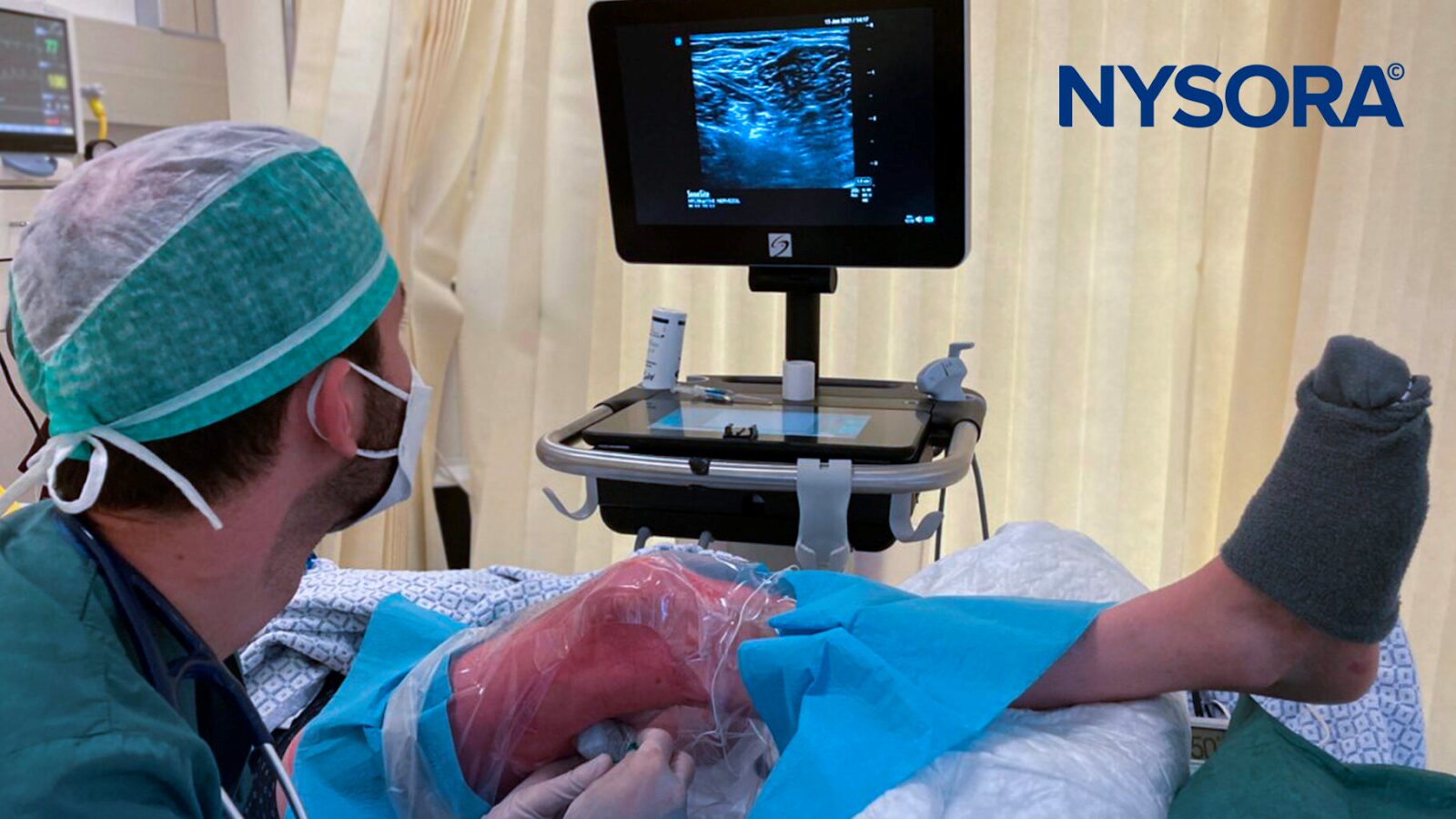
What is a nerve block?
A nerve block is a type of regional anesthesia that involves injecting anesthetic medication near a specific nerve or group of nerves to “block” pain signals from reaching the brain, resulting in numbness in a targeted area of the body. Whether it’s the arm, leg, or face, a nerve block ensures that the designated area remains pain-free during and after surgery. This technique is especially useful for procedures requiring precise pain management, providing relief without impacting the rest of the body.
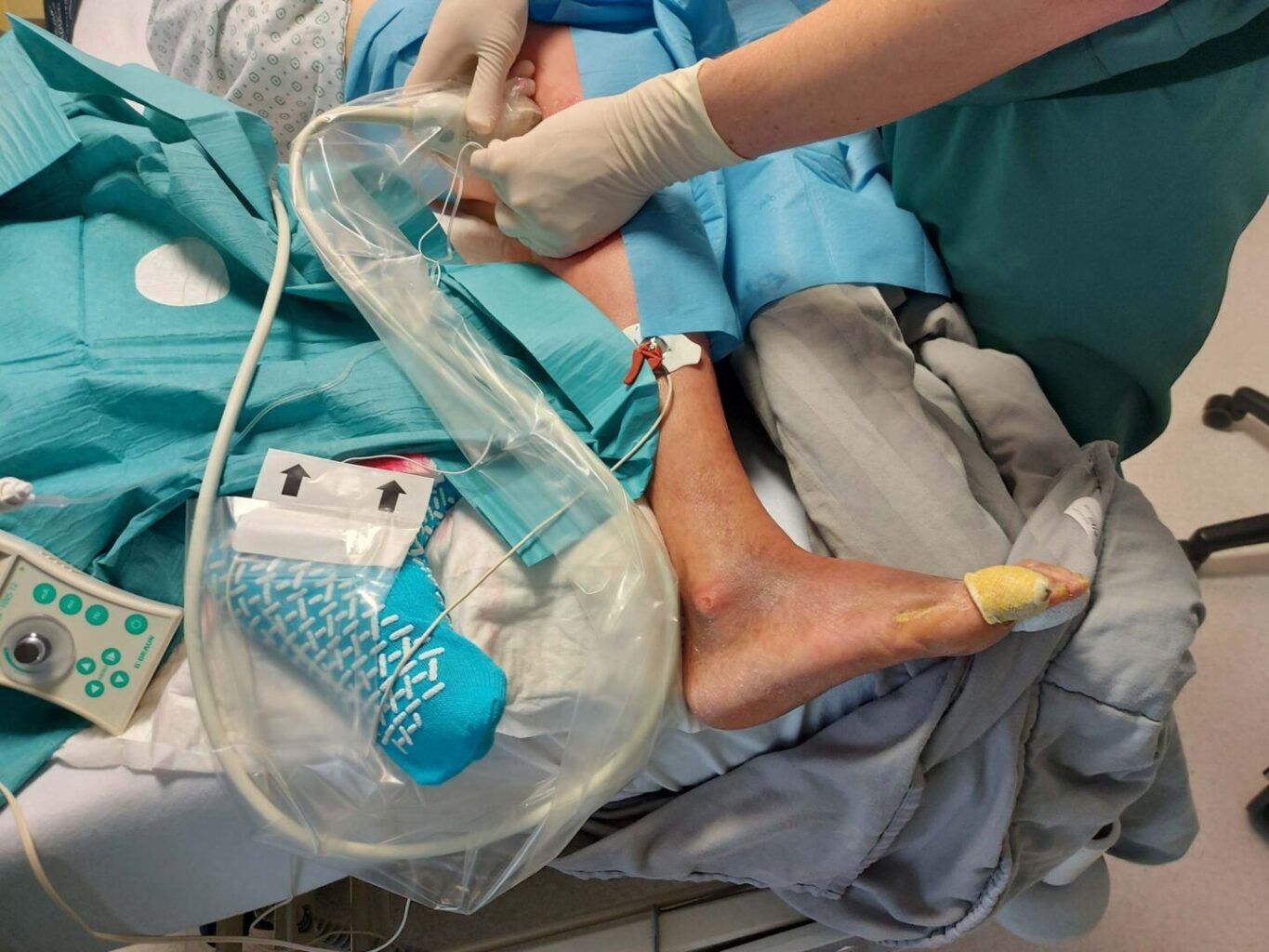
A nerve block is a type of regional anesthesia that numbs a specific area of the body to provide pain relief during and after surgery.
When are nerve blocks administered?
Nerve blocks are typically administered before surgery, often in the preoperative area. An anesthesiologist carefully identifies the nerve or group of nerves related to the surgical site and injects the anesthetic to numb the area completely before the procedure begins. Nerve blocks are commonly used for surgeries involving the limbs, such as hand or knee surgeries, as well as for dental and facial procedures. They are also an effective option for managing post-surgical pain, providing extended pain relief for several days after the procedure.
Are you awake for a nerve block injection?
Yes, most patients are awake when a nerve block is performed. Nerve blocks are usually administered before surgery in a preoperative area, where the anesthesiologist uses ultrasound guidance and other techniques to accurately locate the nerves being targeted.
To make the procedure more comfortable, the skin is first numbed with a small amount of local anesthetic. You may feel a brief sting from the numbing medication, followed by pressure or a mild tingling sensation as the nerve block is performed. Most patients tolerate the procedure well, and it typically takes only a few minutes.
In some cases, you may receive medication to help you relax before or during the nerve block. This light sedation can reduce anxiety and make the experience more comfortable. Depending on the type and amount of sedation used, you may feel drowsy or have little memory of the procedure afterward.
Your anesthesiologist will explain each step and ensure you are as comfortable as possible throughout the process.
How long does a nerve block stay in your system?
The duration of a nerve block can vary depending on the type and amount of anesthetic used. In general, nerve blocks can provide pain relief for several hours and, in some cases, up to a few days after surgery. This makes them especially useful not only during the procedure but also for managing post-operative pain. If longer pain relief is needed, a continuous infusion through a catheter may be used.
What types of surgeries are nerve blocks commonly used for?
Nerve blocks are particularly effective for surgeries involving the extremities, such as hand, arm, shoulder, knee, or foot surgeries. Because nerve blocks provide targeted pain relief, they are ideal for surgeries where only a specific area of the body needs to be numbed, without affecting other regions or requiring general anesthesia.
Are there different types of nerve blocks?
Yes, there are several types of nerve blocks depending on the location of the surgery. For example, a brachial plexus block numbs the nerves of the arm and shoulder, while a femoral nerve block is used for surgeries on the thigh, knee, or hip. A sciatic nerve block is often administered for foot and ankle surgeries. Your anesthesiologist will choose the appropriate nerve block based on the area of your body where the surgery is being performed.
Are there any side effects, risks, or disadvantages associated with nerve blocks?
Nerve blocks are generally safe, but like any medical procedure, they carry some risks. Common side effects may include temporary muscle weakness, numbness, or tingling in the affected area. More serious but rare complications include infection, nerve injury, or bleeding at the injection site. In some cases, patients may experience an allergic reaction to the anesthetic. Your anesthesiologist will monitor you closely during the procedure and take steps to minimize any risks.