Pocus App - NYSORA
Back to All Apps
POCUS App

NYSORA POCUS App

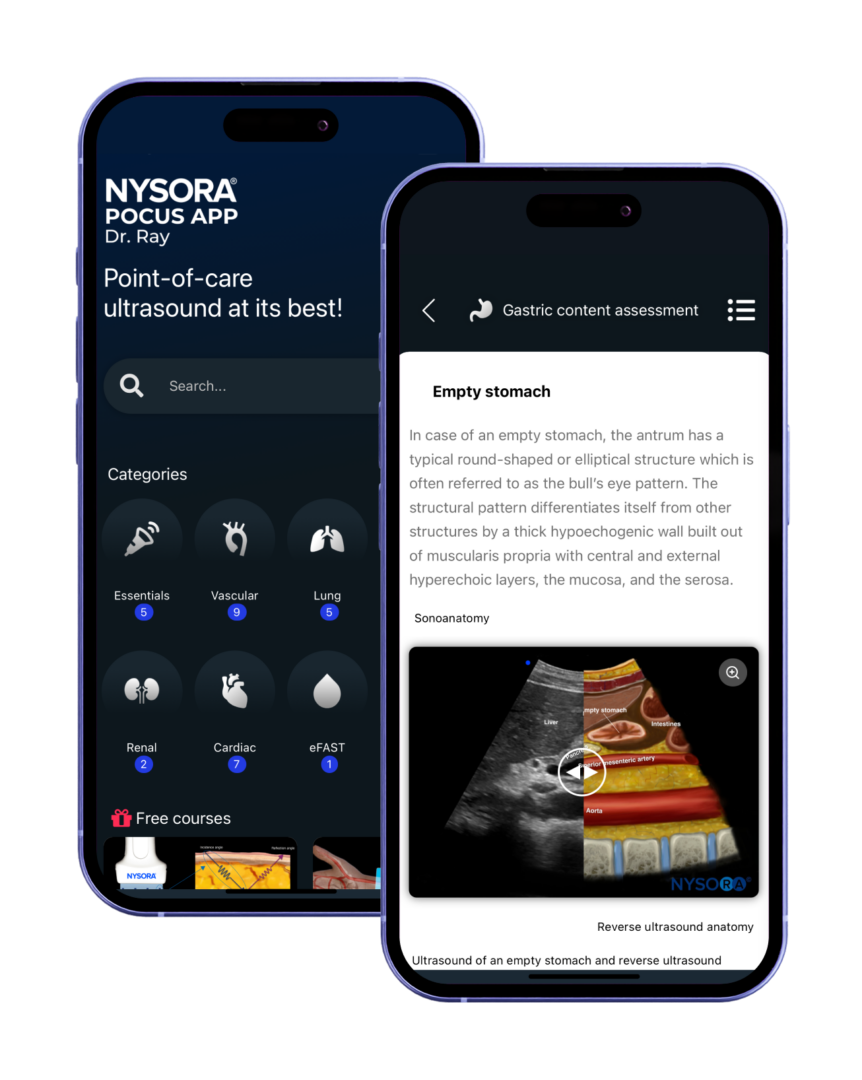
Rapid bedside diagnosis app for the heart, lungs, abdomen, vascular access, and more. Master your emergency diagnostics skills on the go!


Overview

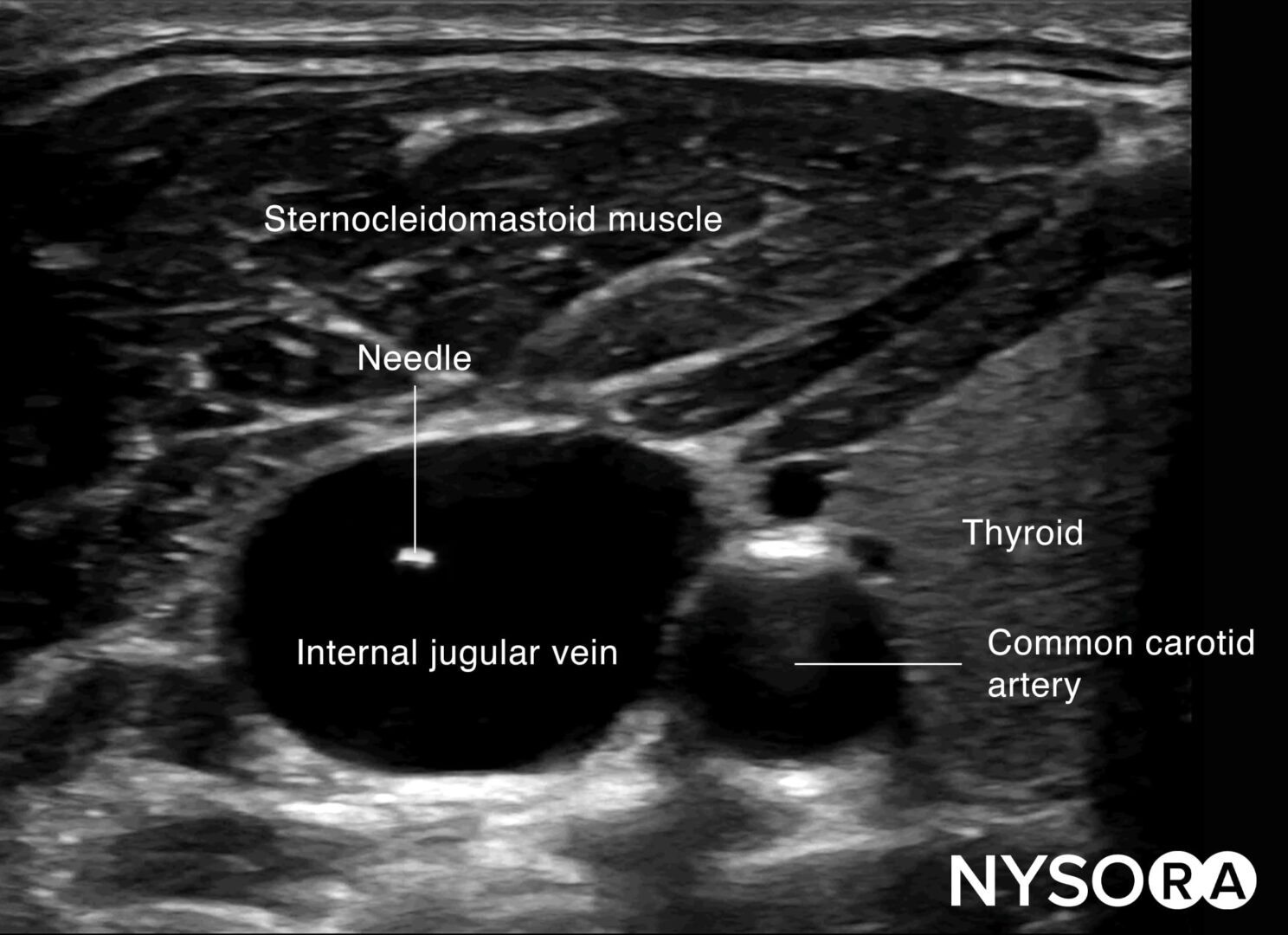
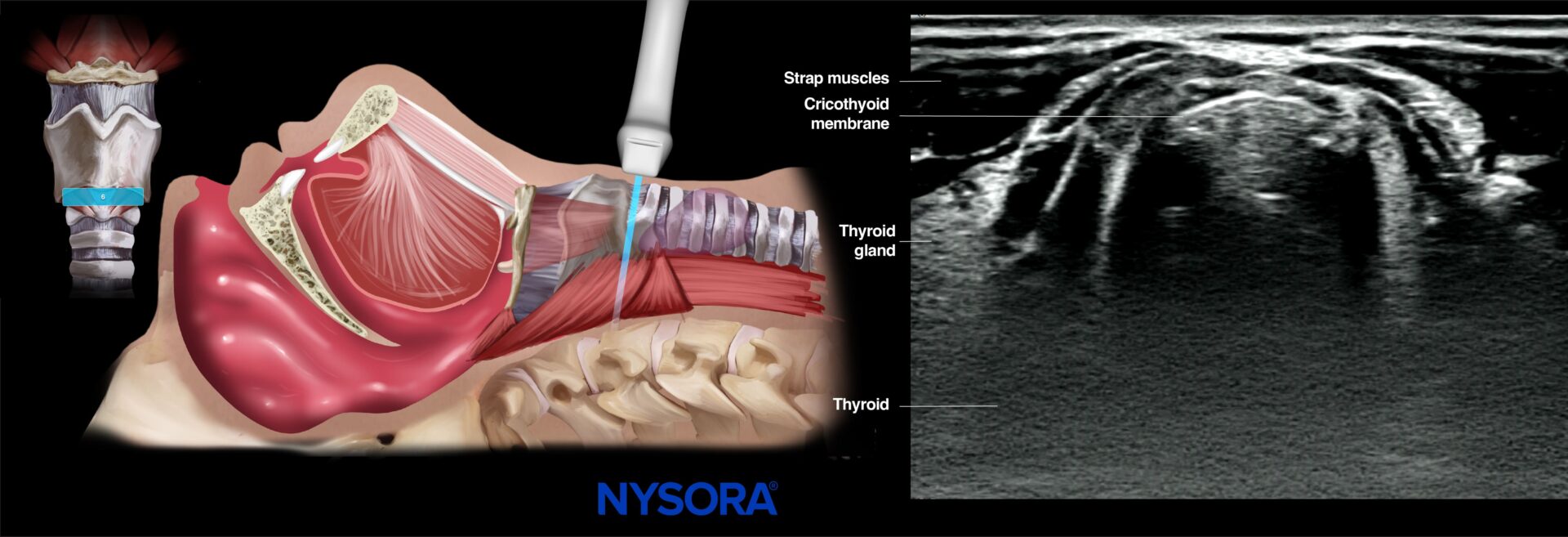
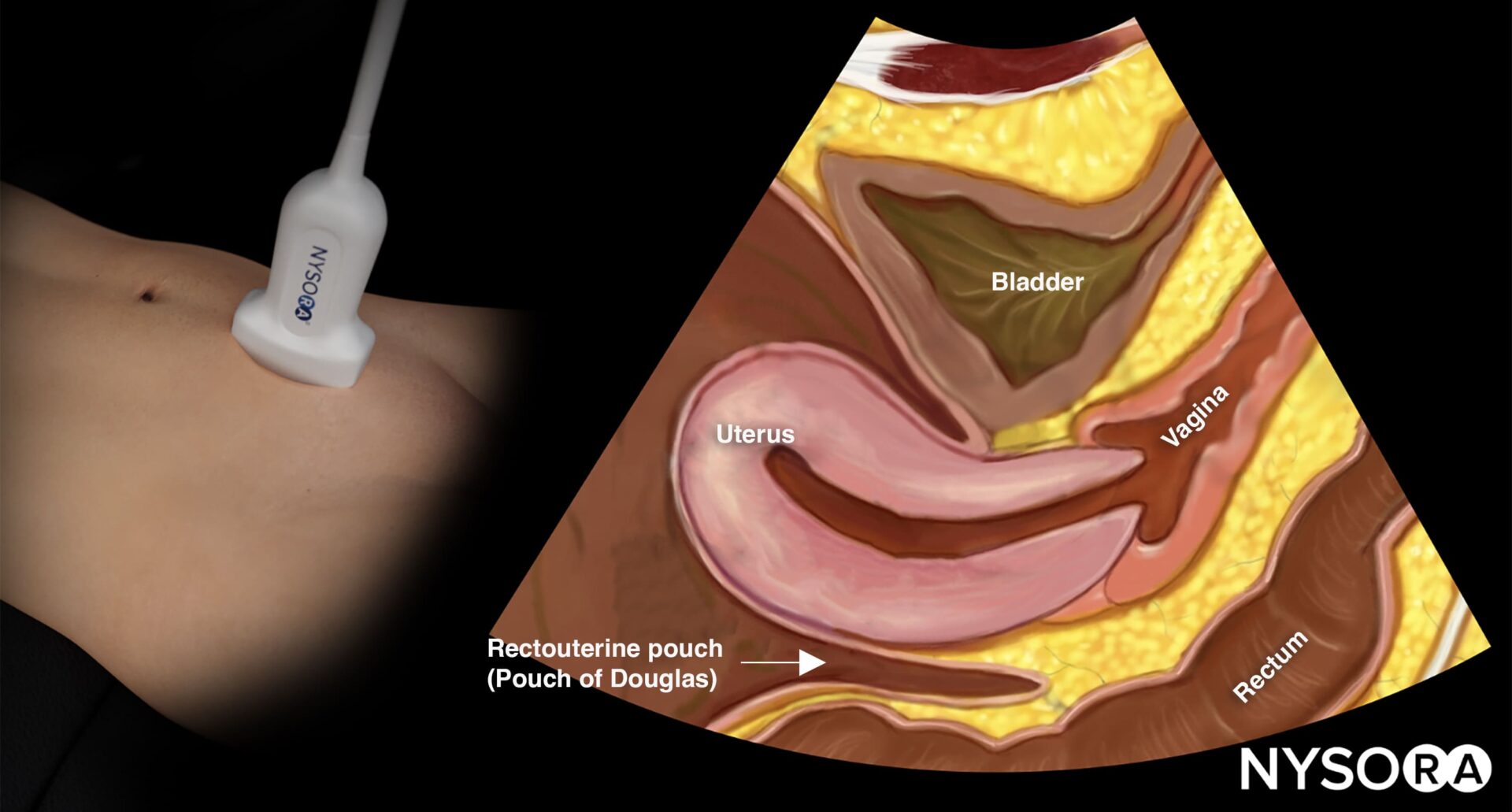
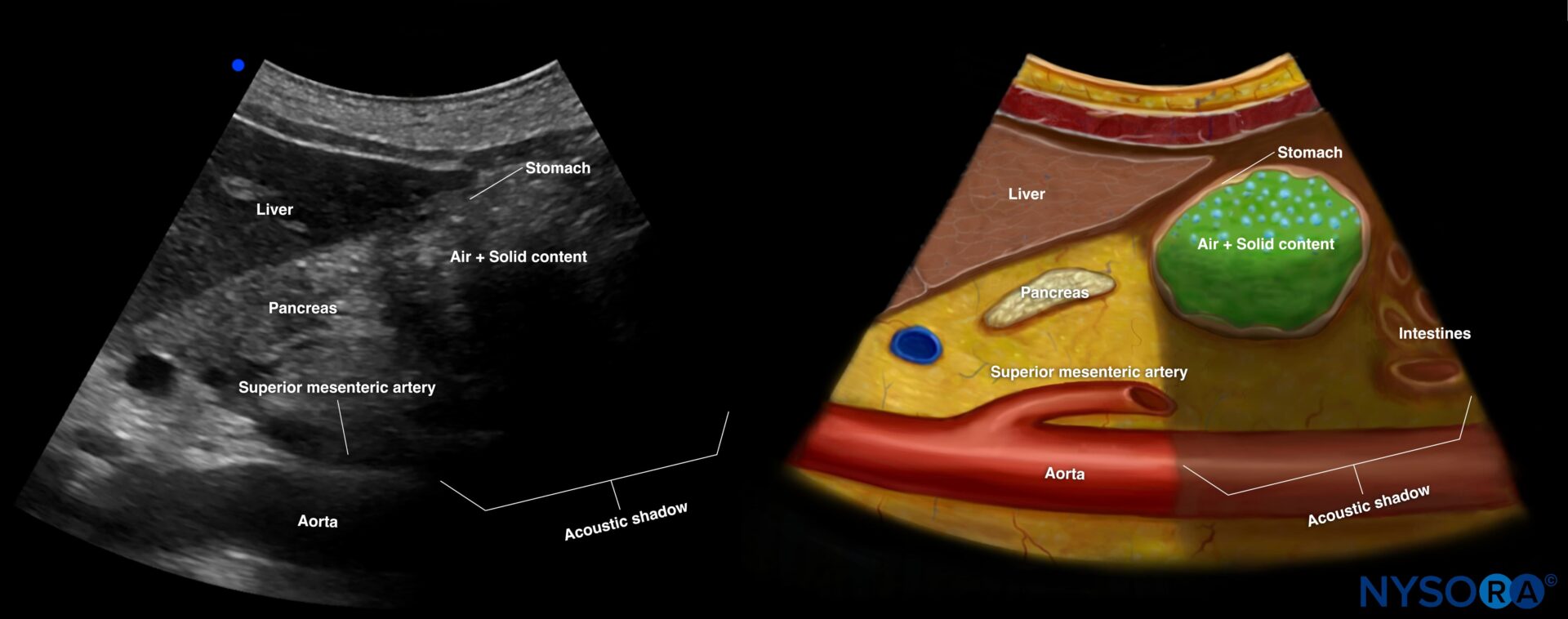
A comprehensive learning tool for anesthesiologists, emergency, and critical care physicians, offering structured modules across eight organ systems, including lung, cardiac, abdominal, renal, and vascular. It integrates step-by-step protocols with high-quality ultrasound images, videos, animations, and NYSORA’s Reverse Ultrasound Anatomy to simplify interpretation of normal and pathological findings.
01
Step-by-step techniques organized by organ system.
02
Detailed anatomical illustrations and ultrasound images.
03
Reverse Ultrasound Anatomy illustrations for intuitive sonoanatomy recognition.
04
Practical recommendations to optimize image acquisition and diagnose pathology.
05
Designed for real-time use in clinical practice.
06
Short quizzes to reinforce key concepts and support ongoing POCUS skill development.
01
Step-by-step techniques organized by organ system.
02
Detailed anatomical illustrations and ultrasound images.
03
Reverse Ultrasound Anatomy illustrations for intuitive sonoanatomy recognition.
04
Practical recommendations to optimize image acquisition and diagnose pathology.
05
Designed for real-time use in clinical practice.
06
Short quizzes to reinforce key concepts and support ongoing POCUS skill development.

Discover the NYSORA POCUS App

Everything you need to learn or teach point-of-care ultrasound

Problems & Solution

Developed by Dr. Imré Van Herreweghe, Anesthesiologist and POCUS expert, the NYSORA POCUS App features over 35 step-by-step techniques.
Problems
Comprehensive, structured resources for POCUS are limited.
Scanning and interpretation recommendations vary widely across available resources.
Ultrasound interpretation often lacks clear anatomical correlation.
Clinicians need reliable, real-time guidance during procedures—not just textbook information.
Solutions
Combines all essential techniques in one intuitive, easy-to-navigate app.
Provides expert guidance on scanning, interpretation, and troubleshooting for consistent outcomes.
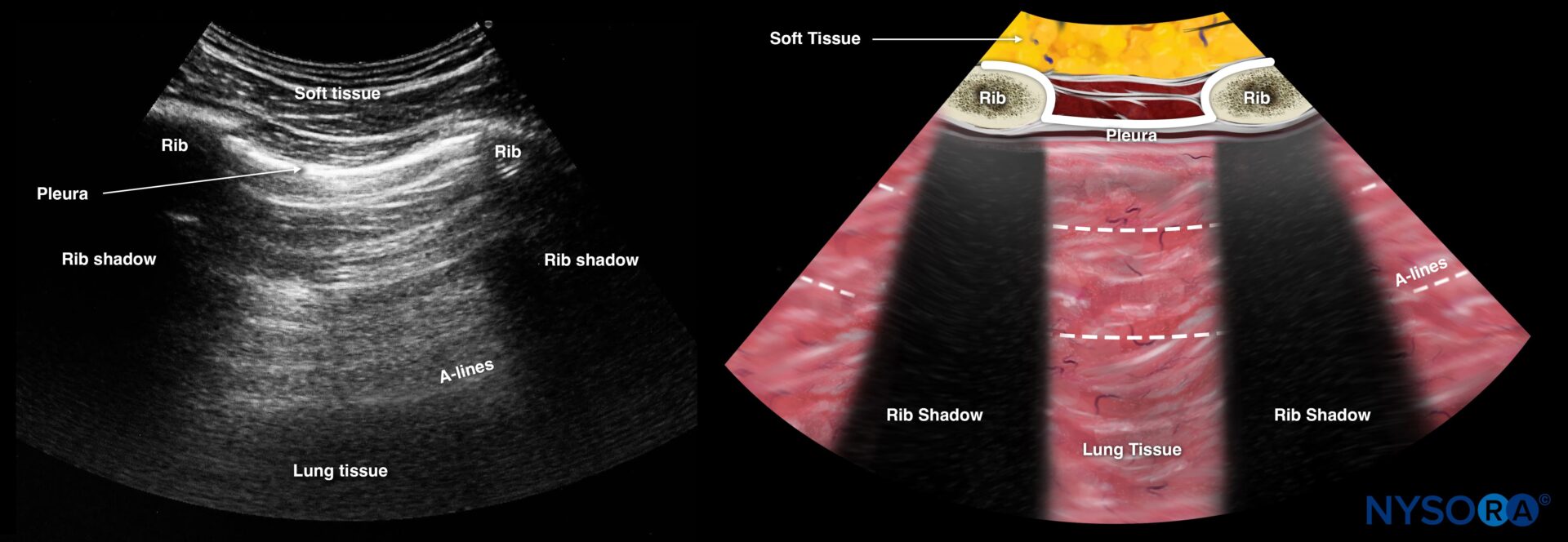
NYSORA’s proprietary Reverse Ultrasound Anatomy simplifies the understanding of sonoanatomy.
Offers a digital, evidence-based companion designed for instant access—anytime, anywhere in clinical practice.

Master proven techniques

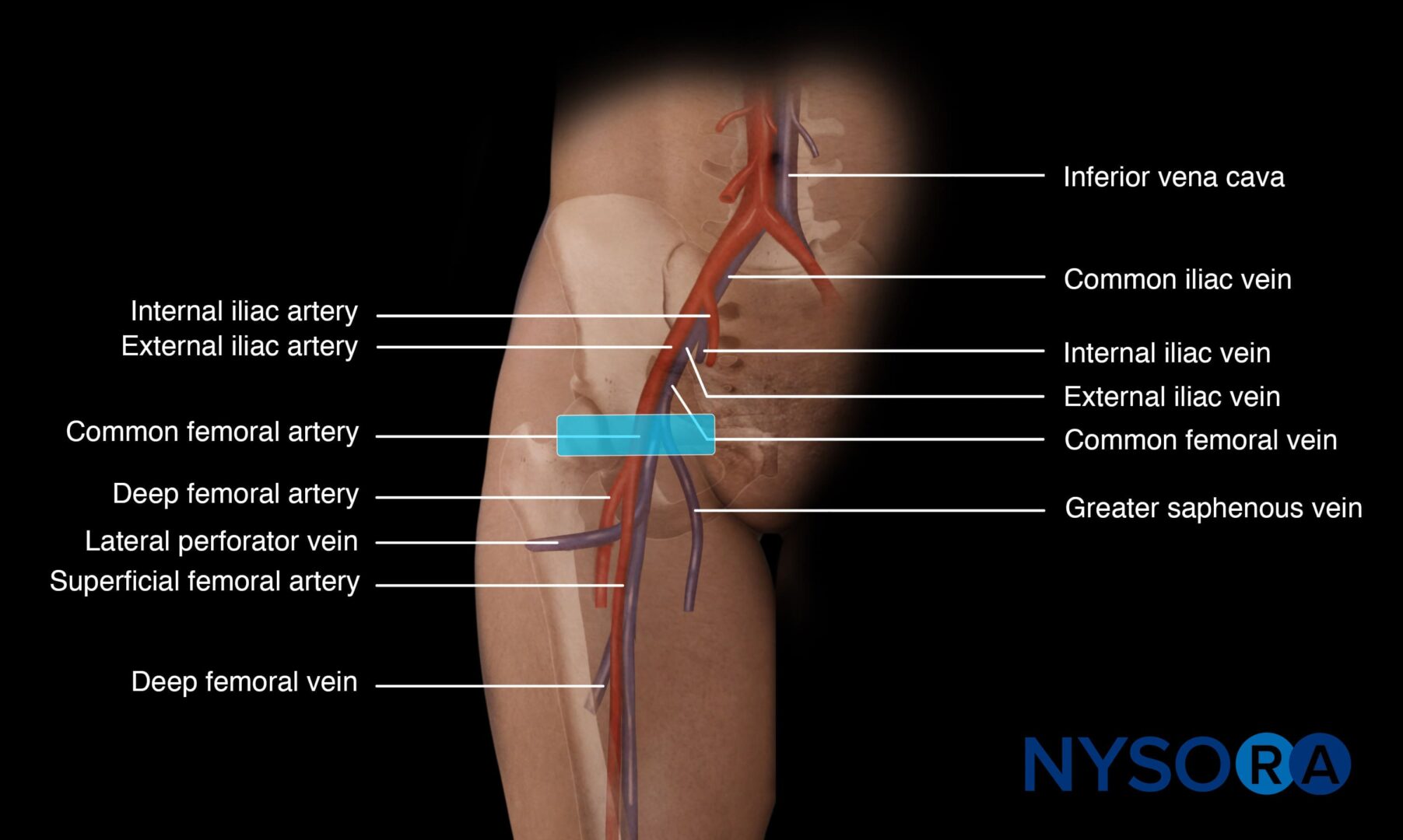
Gastric content assessment, vascular access, free intraperitoneal fluid, and more crucial bedside assessments.

Organized per organ system

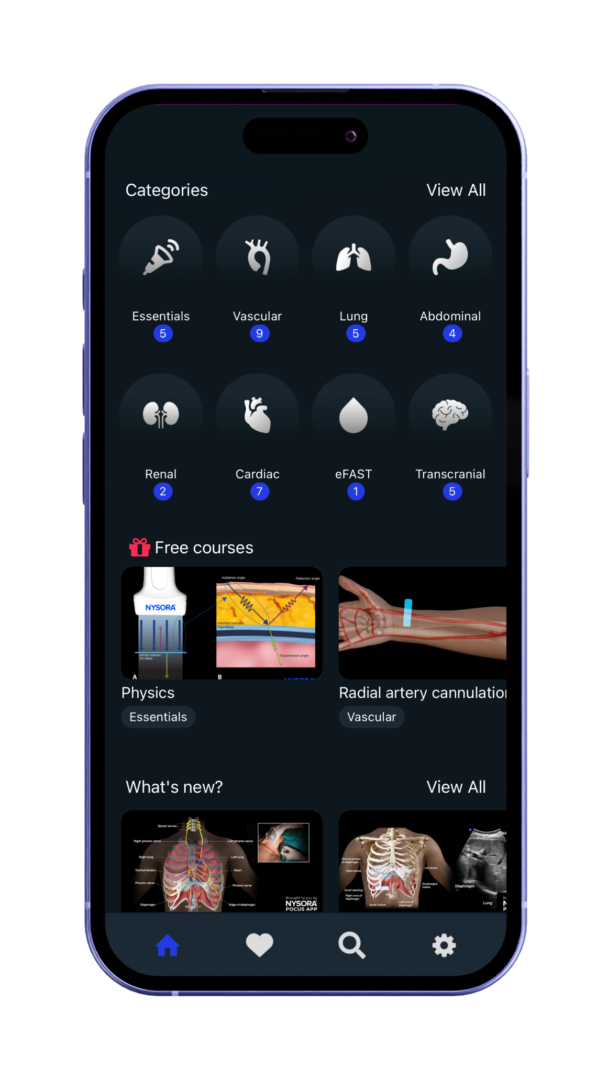
Vascular, lung, abdominal, and more.
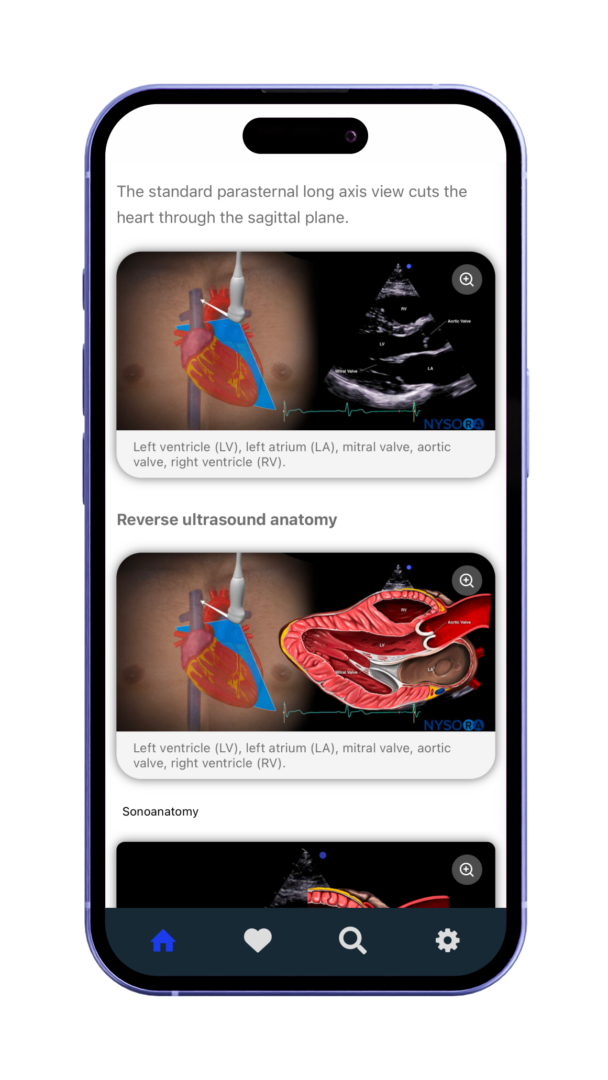
Visual learning made simple

Reverse Ultrasound Anatomy illustrations make sonoanatomy easier to understand and apply. 
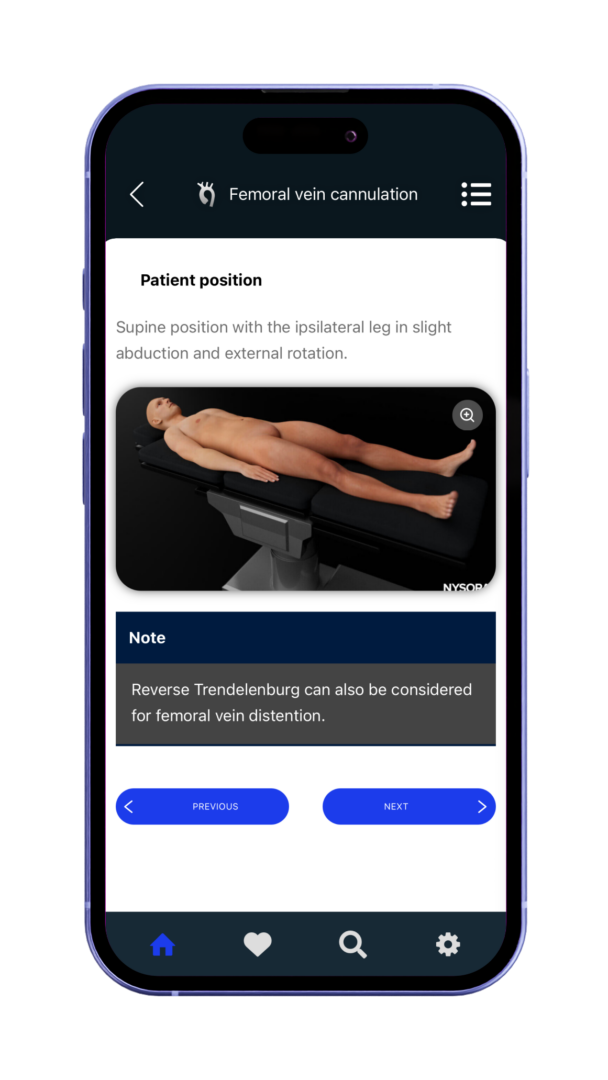
Real-time reference

Optimized for fast, easy access on mobile and tablet devices in clinical practice.
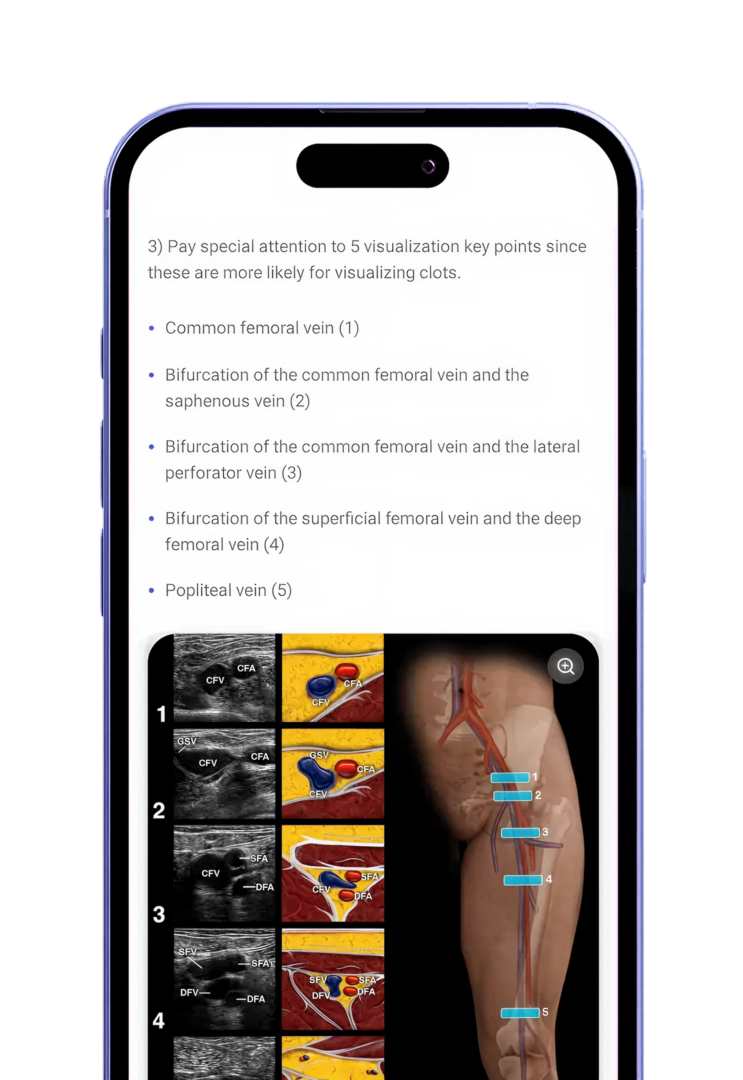
Organized per organ system

Vascular, lung, abdominal, and more.

Visual learning made simple

Reverse Ultrasound Anatomy illustrations make sonoanatomy easier to understand and apply. 

Real-time reference

Optimized for fast, easy access on mobile and tablet devices in clinical practice.
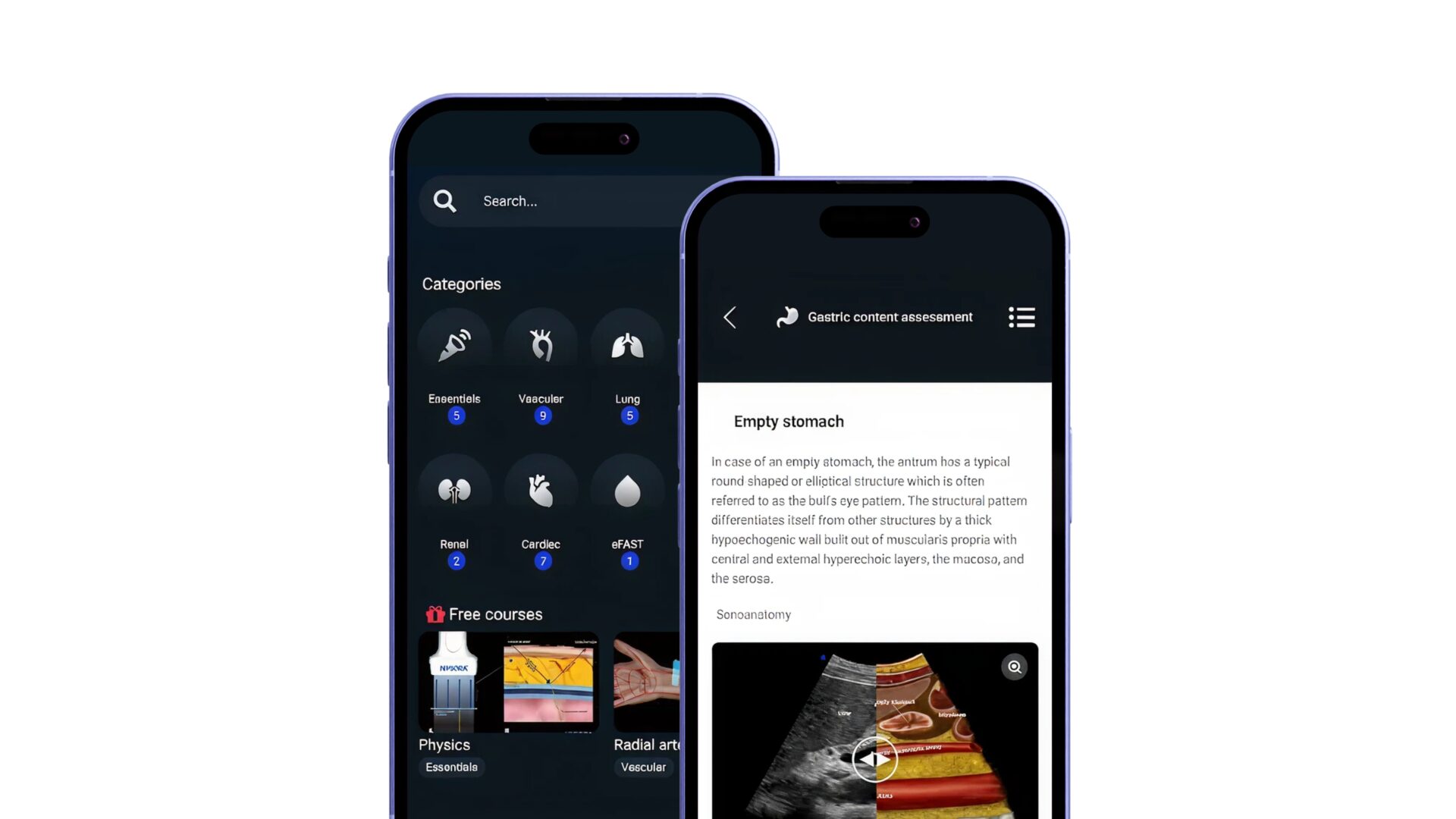
Step-by-step techniques

Easily navigate a well-organized collection of POCUS techniques, grouped by organ system.
Download Now

POCUS App

The best mobile guide for point-of-care-ultrasound. Trusted by physicians worldwide.

Try It out with

Nerve blocks, neuraxial anesthesia, and pain management procedures trusted by veterinarians worldwide.
Sabina Saljic
Insert Title Here
Admir Hadzic
Insert Title Here
Charles Nyugen
Insert Title Here
Sabina Saljic
Insert Title Here
Admir Hadzic
Insert Title Here
Charles Nyugen
Insert Title Here
Sabina Saljic
Insert Title Here
Admir Hadzic
Insert Title Here
Charles Nyugen
Insert Title Here
Hand-Drawn Illustration

Knowledge That Shapes Clinical Practice

From regional anesthesia to IV access, our apps transform complex topics into practical learning. With global reach and top ratings, they guide students, residents, and practicing anesthesiologists alike.

POCUS in Numbers

Downloads 0 K+
Monthly active users 0 K+
Lessons 0 +

Newest Updates

Newest Updates

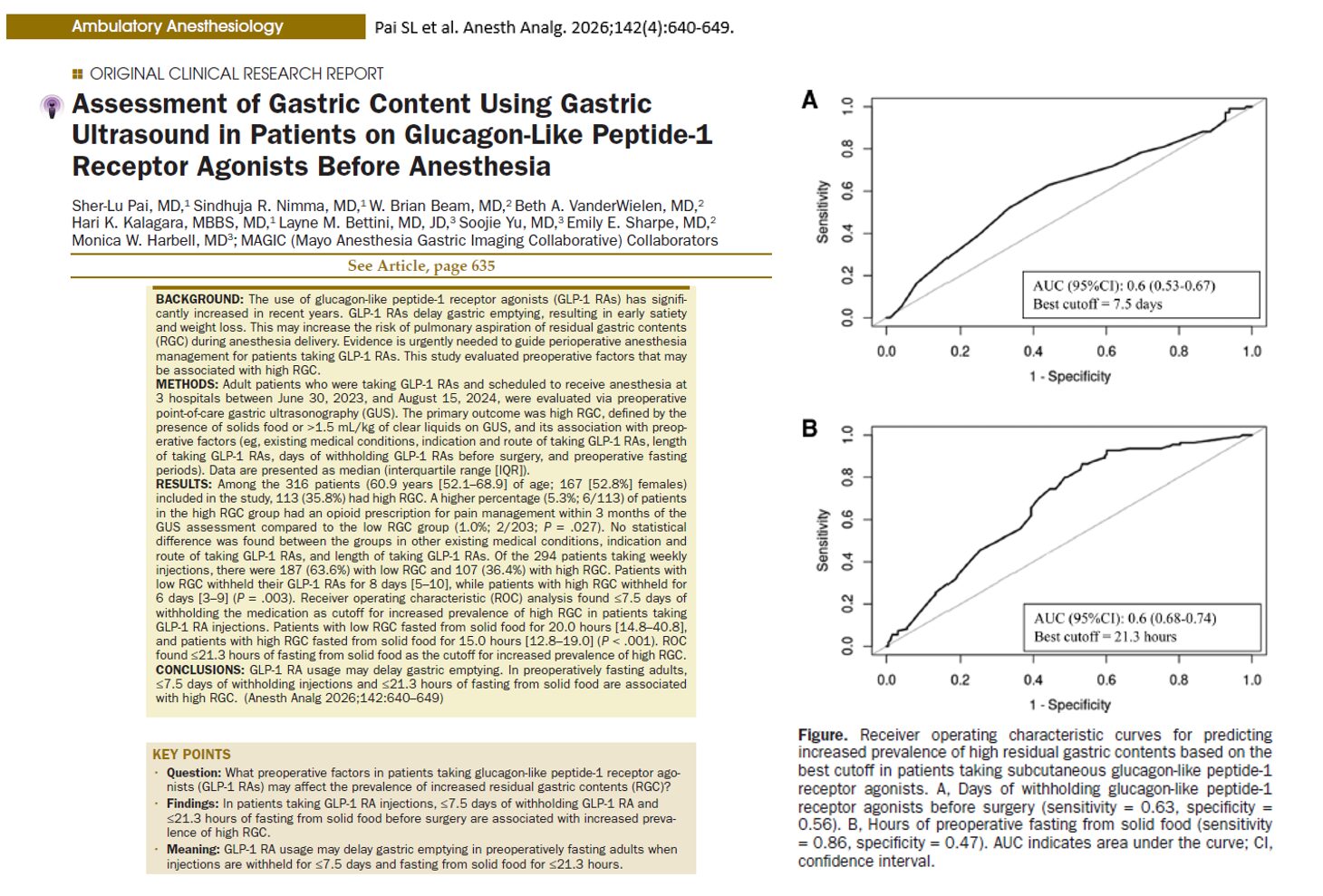
GLP-1 agonists and anesthesia risk: Assessment of gastric content using ultrasound

Introduction The widespread adoption of glucagon-like peptide-1 receptor agonists (GLP-1 RAs), such as semaglutide and tirzepatide, has transformed the management of type 2 diabetes mellitus and obesity. However, emerging evidence is raising important concerns for anesthesiologists and perioperative clinicians. A new clinical study from the Mayo Clinic, published in Anesthesia & Analgesia (2026), provides critical insights into how these medications influence gastric physiology and potentially increase the risk of pulmonary aspiration during anesthesia. What are GLP-1 receptor agonists? GLP-1 receptor agonists are incretin-based therapies that: Enhance glucose-dependent insulin secretion Suppress glucagon release Slow gastric emptying Promote satiety and weight loss Common medications include: Semaglutide Tirzepatide Dulaglutide Liraglutide Their ability to delay gastric emptying is central to both their therapeutic benefits and perioperative risks. Why delayed gastric emptying matters in anesthesia Pulmonary aspiration occurs when gastric contents enter the lungs during anesthesia, potentially leading to: Aspiration pneumonitis Acute respiratory distress syndrome (ARDS) Increased perioperative morbidity and mortality Standard fasting guidelines (e.g., 6–8 hours for solids) aim to minimize this risk. However, GLP-1 RAs may disrupt this safety margin. Study overview Design and population 316 adult patients on GLP-1 RAs Conducted across three Mayo Clinic centers Preoperative evaluation using gastric ultrasound (GUS) Definition of high-risk gastric content Solid food present Or >1.5 mL/kg of gastric fluid volume Key findings High prevalence of residual gastric contents 35.8% of patients had high residual gastric content (RGC) This occurred despite adherence to fasting guidelines Insufficient medication withholding increases risk Patients with high RGC withheld GLP-1 RAs for a shorter duration Critical cutoff: ≤7.5 days before surgery increased risk Fasting duration is crucial Patients with high RGC fasted for shorter periods Critical cutoff: ≤21.3 hours for solid food This is significantly longer than standard fasting recommendations. Opioid use may worsen gastric retention Higher prevalence of recent […]

Read more

The pregnant and postpartum stomach

Introduction Pulmonary aspiration remains one of the most feared complications in obstetric anesthesia. Although rare, it carries significant maternal and neonatal morbidity. A comprehensive 2026 review published in the European Journal of Anaesthesiology provides updated insights into gastric physiology during pregnancy, labor, and the postpartum period, along with the evolving role of gastric ultrasound. Anatomy and physiology of the stomach The stomach is a distensible muscular organ divided into four main regions: Cardia Fundus Body Pylorus Its primary physiological roles include: Temporary storage of food and fluids Mechanical and chemical digestion Regulation of gastric emptying into the duodenum Secretion of intrinsic factor Modulation of appetite and satiety Key physiological insight Basal gastric acid secretion and acidity do not change during pregnancy What causes pulmonary aspiration? For aspiration to occur, three conditions must be met: Presence of sufficient gastric contents Reduced lower oesophageal sphincter (LOS) tone Suppressed airway reflexes Pregnancy-specific changes LOS pressure decreases progressively, reaching a nadir at ~36 weeks Intragastric pressure increases due to the gravid uterus Risk increases significantly under general anesthesia   Gastric emptying during pregnancy First trimester Gastric emptying of liquids is delayed Likely influenced by hormonal changes and early pregnancy physiology Second and third trimesters No significant difference in gastric emptying for: Liquids Solids Clinical takeaway Early pregnancy poses a higher risk of delayed gastric emptying than later stages   Gastric emptying during labor Labor significantly alters gastric physiology. Without analgesia or opioids Gastric emptying is delayed for both liquids and solids With systemic opioids Further slowing of gastric emptying With epidural analgesia Gastric emptying improves However, it does not return to nonpregnant levels Postpartum gastric physiology Gastric emptying returns to nonpregnant baseline levels No significant differences observed within the first 5 days postpartum   Gastric ultrasound: a game-changing tool Gastric ultrasound has become a critical bedside tool […]

Read more

GLP-1 agonists and anesthesia risk: Assessment of gastric content using ultrasound

Introduction The widespread adoption of glucagon-like peptide-1 receptor agonists (GLP-1 RAs), such as semaglutide and tirzepatide, has transformed the management of type 2 diabetes mellitus and obesity. However, emerging evidence is raising important concerns for anesthesiologists and perioperative clinicians. A new clinical study from the Mayo Clinic, published in Anesthesia & Analgesia (2026), provides critical insights into how these medications influence gastric physiology and potentially increase the risk of pulmonary aspiration during anesthesia. What are GLP-1 receptor agonists? GLP-1 receptor agonists are incretin-based therapies that: Enhance glucose-dependent insulin secretion Suppress glucagon release Slow gastric emptying Promote satiety and weight loss Common medications include: Semaglutide Tirzepatide Dulaglutide Liraglutide Their ability to delay gastric emptying is central to both their therapeutic benefits and perioperative risks. Why delayed gastric emptying matters in anesthesia Pulmonary aspiration occurs when gastric contents enter the lungs during anesthesia, potentially leading to: Aspiration pneumonitis Acute respiratory distress syndrome (ARDS) Increased perioperative morbidity and mortality Standard fasting guidelines (e.g., 6–8 hours for solids) aim to minimize this risk. However, GLP-1 RAs may disrupt this safety margin. Study overview Design and population 316 adult patients on GLP-1 RAs Conducted across three Mayo Clinic centers Preoperative evaluation using gastric ultrasound (GUS) Definition of high-risk gastric content Solid food present Or >1.5 mL/kg of gastric fluid volume Key findings High prevalence of residual gastric contents 35.8% of patients had high residual gastric content (RGC) This occurred despite adherence to fasting guidelines Insufficient medication withholding increases risk Patients with high RGC withheld GLP-1 RAs for a shorter duration Critical cutoff: ≤7.5 days before surgery increased risk Fasting duration is crucial Patients with high RGC fasted for shorter periods Critical cutoff: ≤21.3 hours for solid food This is significantly longer than standard fasting recommendations. Opioid use may worsen gastric retention Higher prevalence of recent […]

Read more

The pregnant and postpartum stomach

Introduction Pulmonary aspiration remains one of the most feared complications in obstetric anesthesia. Although rare, it carries significant maternal and neonatal morbidity. A comprehensive 2026 review published in the European Journal of Anaesthesiology provides updated insights into gastric physiology during pregnancy, labor, and the postpartum period, along with the evolving role of gastric ultrasound. Anatomy and physiology of the stomach The stomach is a distensible muscular organ divided into four main regions: Cardia Fundus Body Pylorus Its primary physiological roles include: Temporary storage of food and fluids Mechanical and chemical digestion Regulation of gastric emptying into the duodenum Secretion of intrinsic factor Modulation of appetite and satiety Key physiological insight Basal gastric acid secretion and acidity do not change during pregnancy What causes pulmonary aspiration? For aspiration to occur, three conditions must be met: Presence of sufficient gastric contents Reduced lower oesophageal sphincter (LOS) tone Suppressed airway reflexes Pregnancy-specific changes LOS pressure decreases progressively, reaching a nadir at ~36 weeks Intragastric pressure increases due to the gravid uterus Risk increases significantly under general anesthesia   Gastric emptying during pregnancy First trimester Gastric emptying of liquids is delayed Likely influenced by hormonal changes and early pregnancy physiology Second and third trimesters No significant difference in gastric emptying for: Liquids Solids Clinical takeaway Early pregnancy poses a higher risk of delayed gastric emptying than later stages   Gastric emptying during labor Labor significantly alters gastric physiology. Without analgesia or opioids Gastric emptying is delayed for both liquids and solids With systemic opioids Further slowing of gastric emptying With epidural analgesia Gastric emptying improves However, it does not return to nonpregnant levels Postpartum gastric physiology Gastric emptying returns to nonpregnant baseline levels No significant differences observed within the first 5 days postpartum   Gastric ultrasound: a game-changing tool Gastric ultrasound has become a critical bedside tool […]

Read more

PR Articles

PR Articles

Title Goes Here

Lorem ipsum, dolor sit amet consectetur adipisicing elit. Aliquam, esse quam exercitationem veniam placeat, minima fugiat modi harum laudantium distinctio quos fugit a itaque laboriosam consequatur unde magni, saepe vitae?

Read More

Title Goes Here

Lorem ipsum, dolor sit amet consectetur adipisicing elit. Aliquam, esse quam exercitationem veniam placeat, minima fugiat modi harum laudantium distinctio quos fugit a itaque laboriosam consequatur unde magni, saepe vitae?

Read More

Testimonials

Simon F.
Best app I’ve ever used. I’d give it a 10/10 if I could!
Scott F.
It’s like having a personal assistant with you!
Jenny R.
Twice the knowledge, thrice the fun!
Simon F.
A well-designed app with top-notch educational tools for veterinary anesthesia techniques.
Scott F.
An invaluable resource! The step-by-step approach makes nerve blocks easy to understand and apply in practice.
Jenny R.
Twice the knowledge, thrice the fun!
Download Now

POCUS App

The best mobile guide for point-of-care-ultrasound. Trusted by physicians worldwide.

Frequently Asked Questions

Common questions about our app.

The NYSORA POCUS (Point-of-Care Ultrasound) App is a mobile-friendly, expert-designed resource for healthcare professionals performing bedside ultrasound. It offers step-by-step protocols, high-quality ultrasound images, instructional animations, and clinical tips to optimize diagnostic accuracy and procedural confidence in emergency, critical care, and perioperative settings.

The app is ideal for anesthesiologists, emergency physicians, intensivists, internists, medical residents, and any healthcare professional utilizing POCUS for diagnosis and procedural guidance.

The app includes:

  • High-resolution ultrasound images, illustrations, and animations
  • Step-by-step scanning protocols
  • Interpretation of normal and pathological findings
  • Clinical applications for various medical specialties
  • Tips to improve image acquisition and diagnostic confidence

The NYSORA POCUS App provides quick access to expertly-curated content, helping you:

  • Perform accurate and efficient ultrasound scans.
  • Recognize pathology in real-time bedside assessments.
  • Improve procedural guidance for safer interventions.
  • Reduce dependency on traditional imaging and streamline patient management.

Absolutely. The app is designed as a real-time reference tool, offering concise and structured guidance that can be used directly at the bedside.

NYSORA regularly updates the app to reflect the latest research, best practices, and clinical guidelines. Subscribed users receive these updates automatically, ensuring access to the latest updates and techniques.

Download the NYSORA POCUS App from your preferred app store, create an account, and explore the free content. For extended features, subscribe to unlock the full library and advanced tools.

These are proprietary, revolutionary NYSORA educational tools. They take you from the ultrasound image to an illustrated anatomy view—and back again. This approach reinforces crucial anatomical knowledge and helps you recognize sonoanatomy patterns.

The app covers:

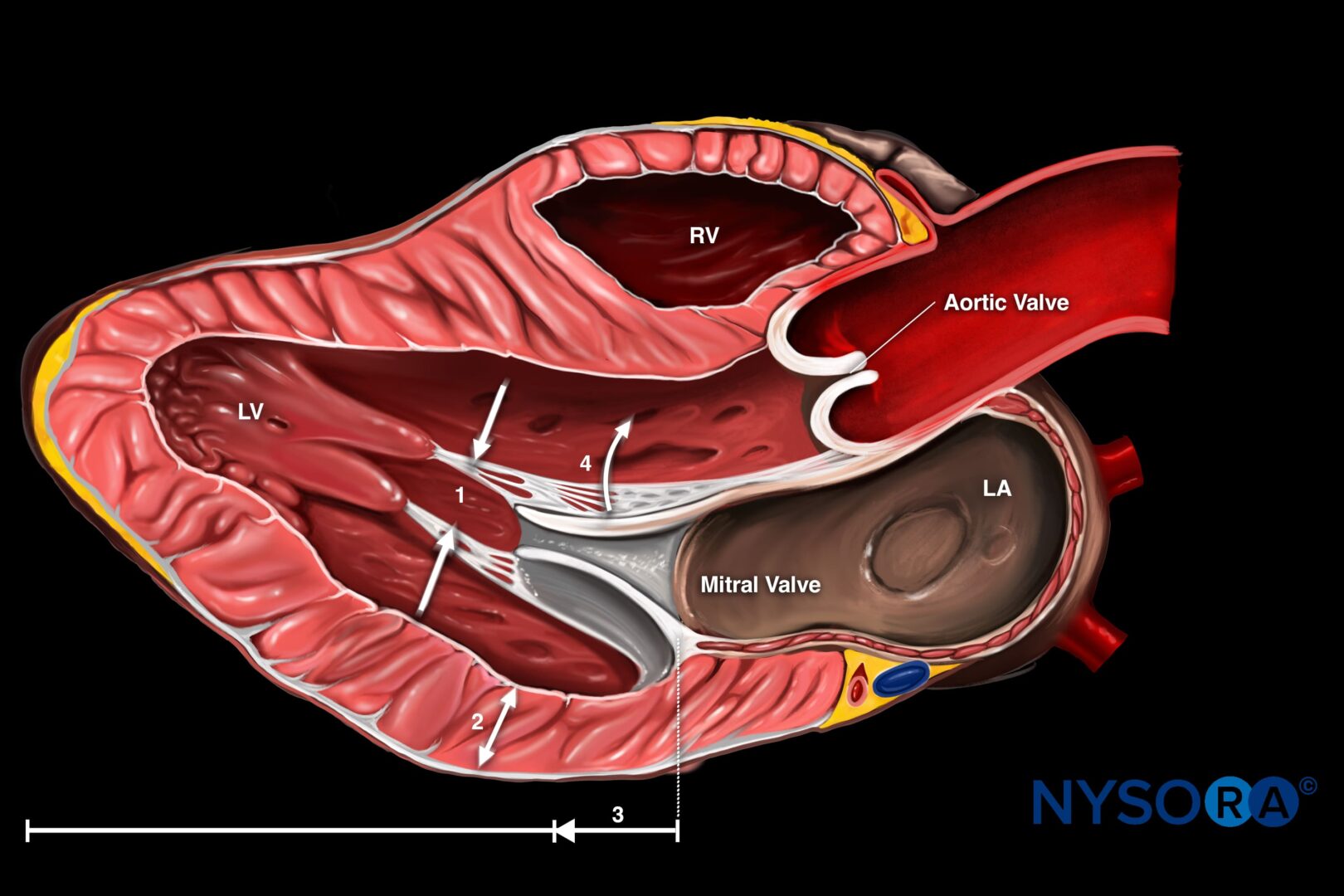
  • Cardiac ultrasound (valve, ventricular function, volume status assessment)
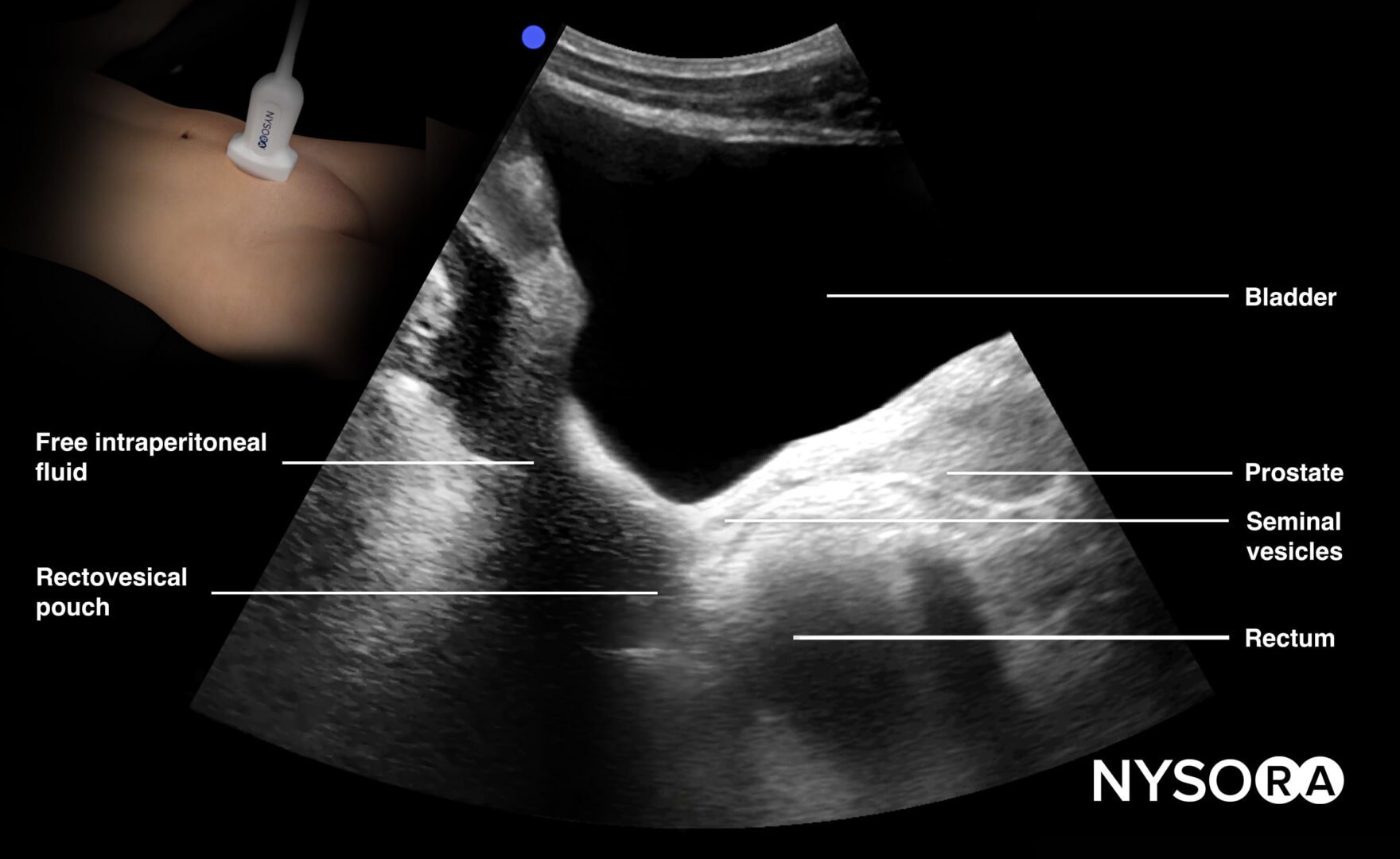
  • Abdominal ultrasound (eFAST, gastric content, bowel assessment)
  • Vascular access guidance (central and peripheral lines)
  • Pulmonary ultrasound for pleural effusions and pneumothorax
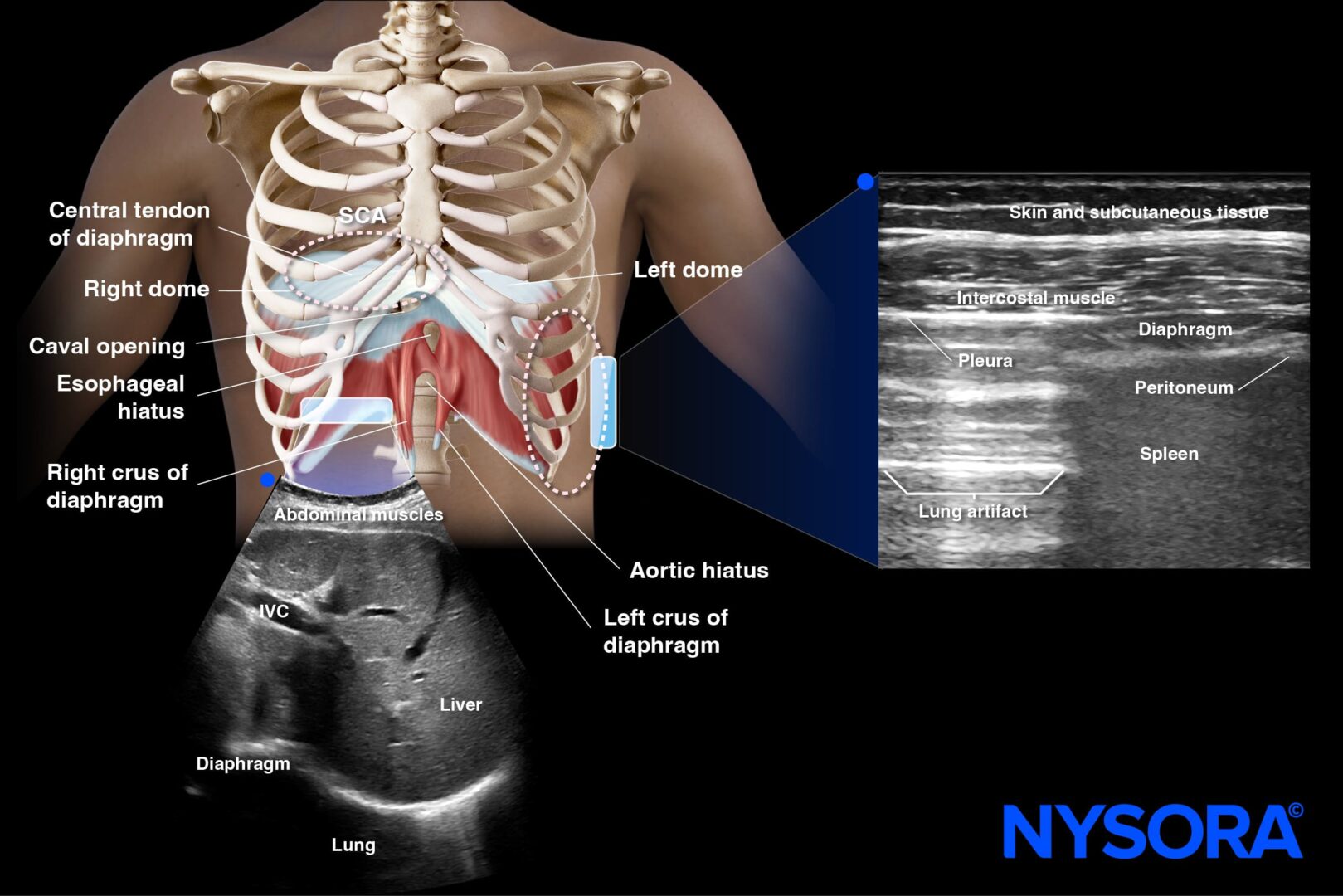
  • Diaphragm and airway ultrasound
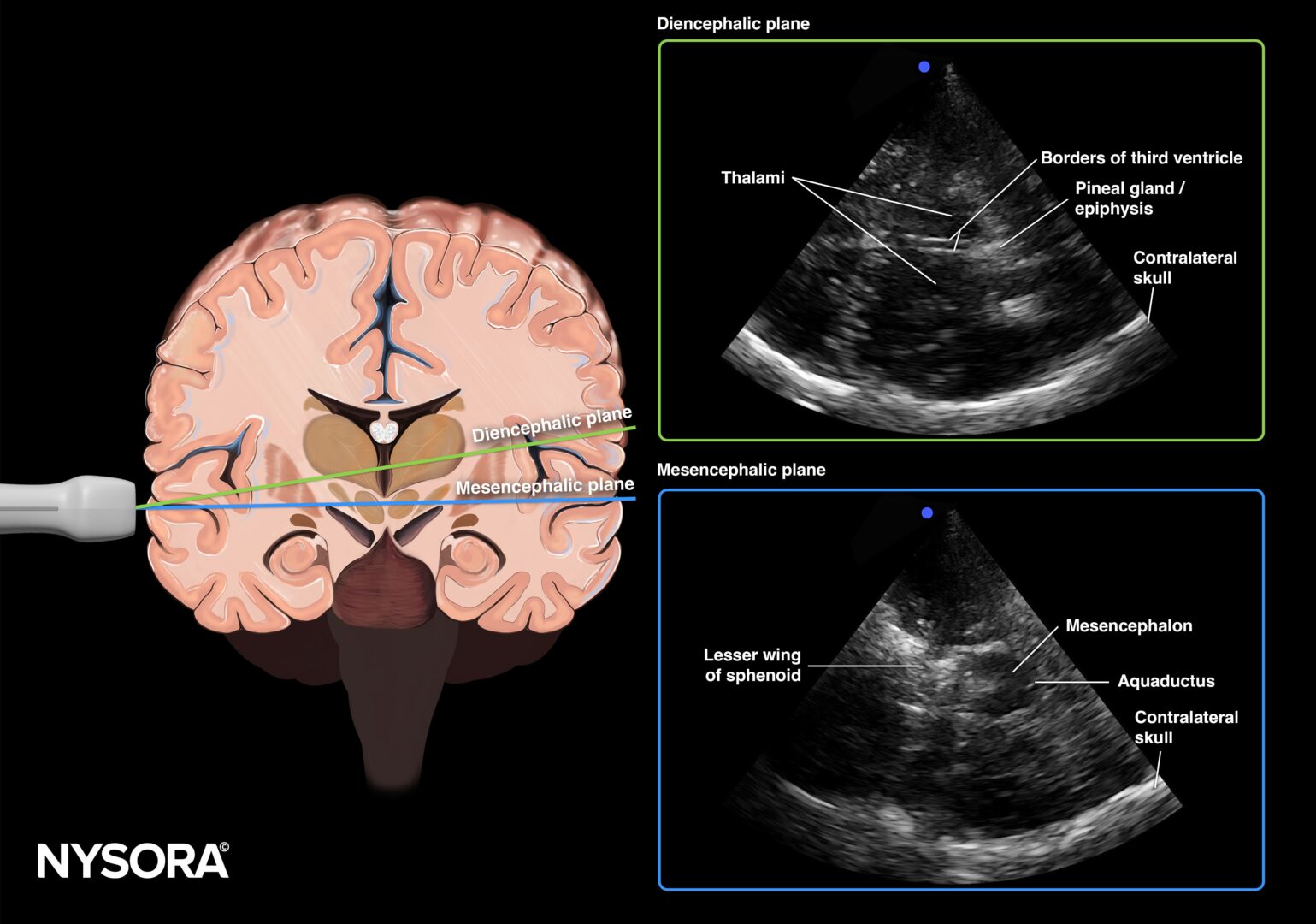
  • Transcranial Doppler
  • Renal and bladder ultrasound
  • And more!

The app can be used in multiple ways:

  1. Pre-scan review – Quickly review scanning protocols before performing an exam.
  2. Live guidance – Follow step-by-step instructions while scanning.
  3. Skill development – Improve diagnostic accuracy with expert insights and pathology recognition tools.

It’s a mobile-friendly reference tool offering:

  • Step-by-step scanning protocols for point-of-care ultrasound
  • High-resolution ultrasound images, illustrations, and animations
  • Pathology identification and real-time scanning techniques
  • Expert clinical and troubleshooting tips

The NYSORA POCUS App is developed by NYSORA’s team of experts. The content is rigorously reviewed and updated to provide evidence-based, clinically relevant information trusted by healthcare professionals worldwide.