
Explore NYSORA knowledge base for free:
Explore NYSORA knowledge base for free:

 Back to Workshops
NYSORA Boutique Workshops
NYSORA Workshops / Leuven
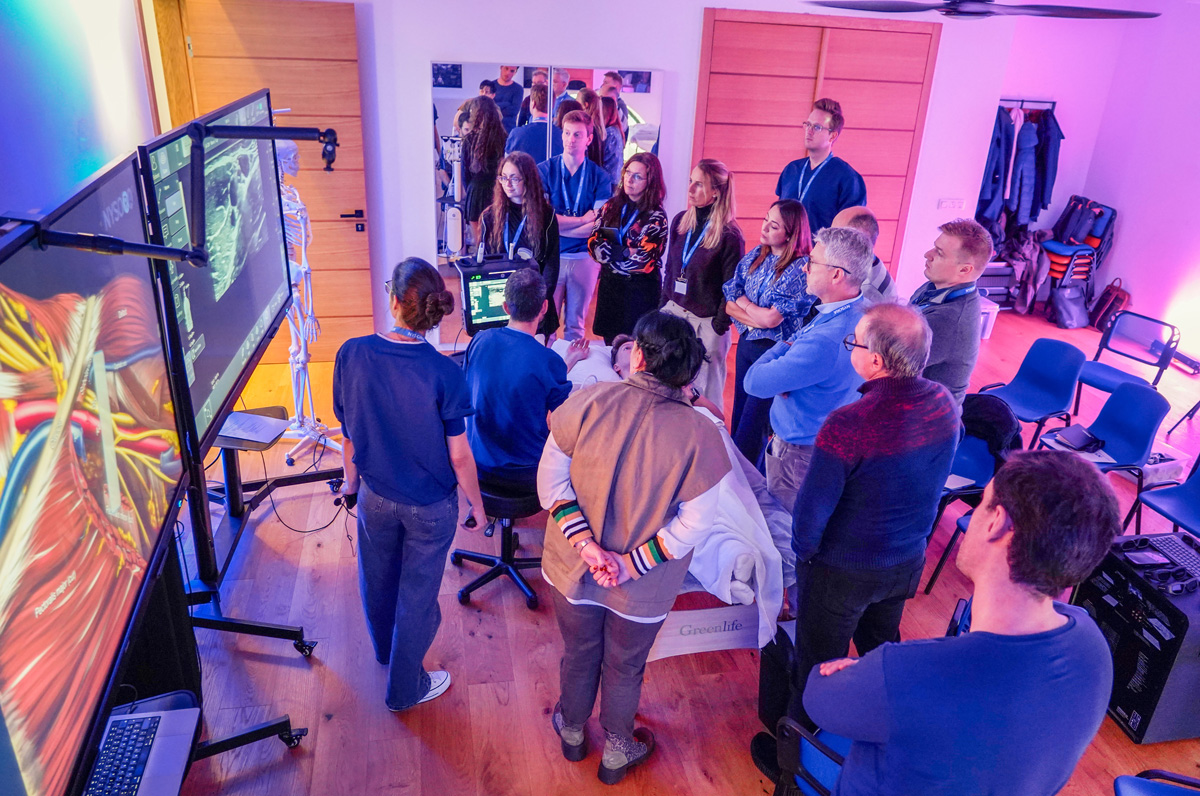
The Leuven NYSORA Boutique Workshop combines standardized techniques, immersive anatomy learning, and hands-on clinical training — delivered in one of Europe’s most respected medical education environments.
 Live Model Scanning
 Simulator Training
 Small Groups
 Global Faculty
Date
Event
Location
Time
Price
Apr
10
 Leuven, Belgium, Apr 10, 2026, 07:30 AM
Leuven, Belgium
07:30 AM
€995
 Schedule
Morning Session (07:45 - 12:45)
Afternoon Session (12:45 - 20:00)
Morning Session (07:30 - 12:30)
Afternoon Session (12:30 - 14:45)
 Course Highlights
Clinical Goals:
To solidify three-dimensional anatomical understanding of clinically relevant regional anesthesia targets, using high-fidelity cadaver dissection integrated with ultrasound imaging, ensuring participants can reliably translate sono-anatomy into real patient care.
To improve the safety, precision, and consistency of needling techniques for both common and advanced regional anesthesia blocks by practicing on cadaveric models that accurately replicate tissue planes, depth relationships, and anatomical variability.
To bridge expert knowledge and bedside decision-making, enabling participants to move beyond “how to perform a block” toward understanding why, when, and when not to perform specific techniques in complex perioperative scenarios.
To enhance procedural confidence and efficiency in daily clinical practice, through deliberate hands-on repetition, expert faculty feedback, and focused small-group instruction—directly targeting common sources of uncertainty and error.
 Faculty
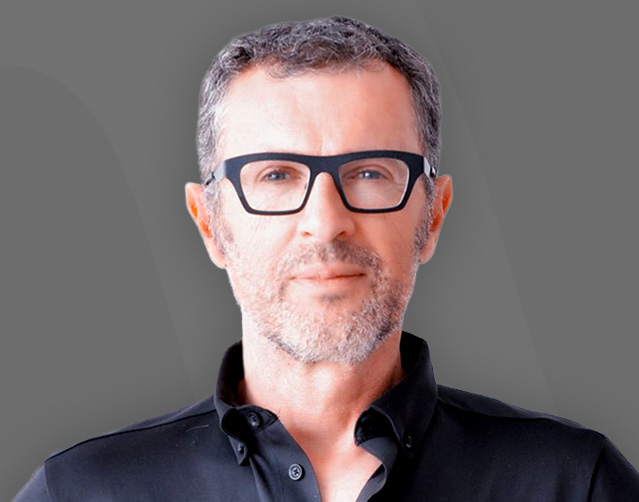
MD, PhD.
Director – NYSORA, Anesthesiologist, Professor of Anesthesiology, Department of Anesthesiology, ZOL, Genk, Belgium
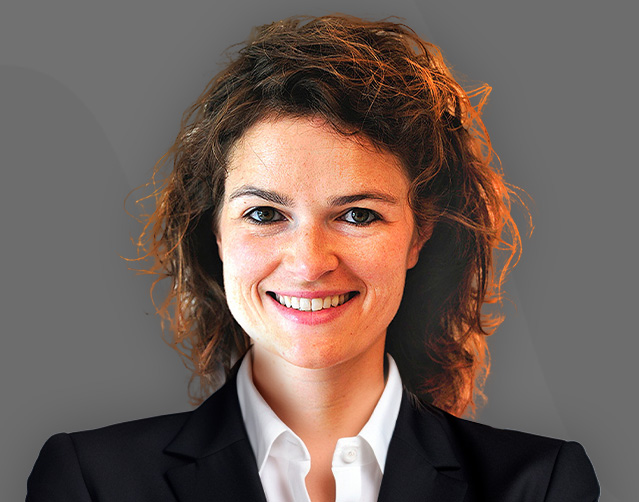
MD, PhD.
Anesthesiologist at Ziekenhuis Oost-Limburg (ZOL), Genk, Belgium
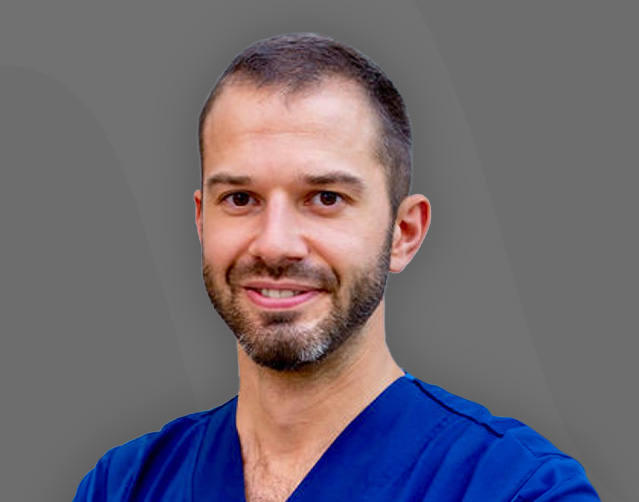
MD
Anesthesiologist at Hospital Oost-Limburg
Genk, Belgium

MD, EDRA Board Member
Consultant Anaesthetist at Craigavon Area Hospital, Southern HSC Trust
Craigavon, Northern Ireland, United Kingdom

MD, PhD
University Hospitals Leuven, Belgium

MD, PhD
University Hospitals Leuven, Belgium
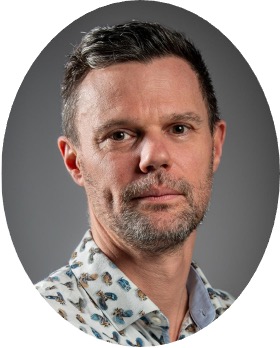
MD
AZ Groeninge, Belgium

MD
Ziekenhuis aan de Stroom, Belgium
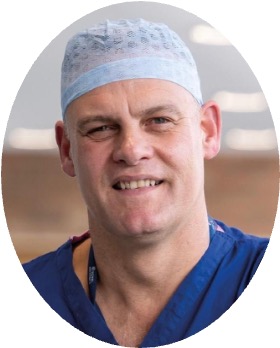
MD
Norfolk & Norwich University Hospitals, UK
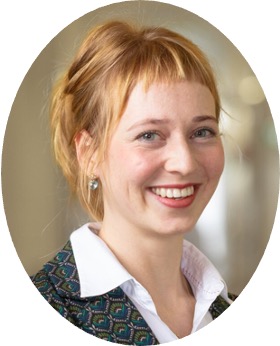
MD
Institute of Clinical and Functional Anatomy Innsbruck, Austria
Jun
27
Leuven, Belgium, Jun 27, 2026, 07:30 AM
Leuven, Belgium
07:30 AM
Early bird
€2,049
Schedule
Morning Session (07:30 - 16:00)
Morning Session (07:30 - 14:45)
Course Highlights
Faculty
Sep
05
Leuven, Belgium, Sep 05, 2026, 07:30 AM
Leuven, Belgium
07:30 AM
Early bird
€2,049
Schedule
Morning Session (07:30 - 16:00)
Morning Session (07:30 - 14:45)
Course Highlights
Faculty
Oct
10
Leuven, Belgium, Oct 10, 2026, 07:30 AM
Leuven, Belgium
07:30 AM
Early bird
€ 2,049
Schedule
Morning Session (09:00 - 16:00)
Morning Session (09:00 - 13:00)
Course Highlights
Faculty

MD
Anesthesiologist at University Children’s Hospital Belgrade
Belgrade, Serbia
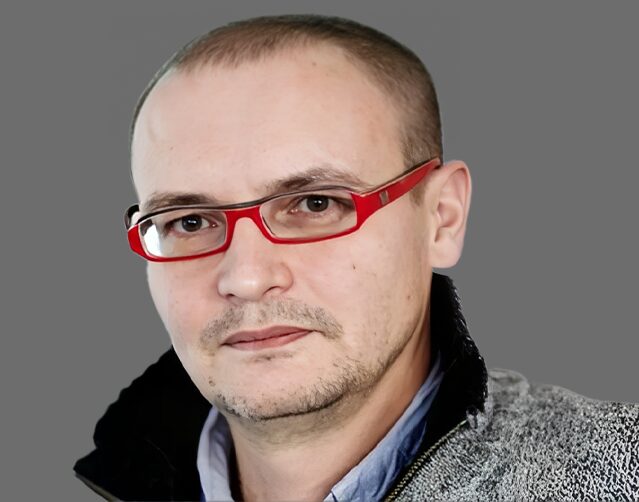
MD
Consultant and Senior Lecturer in Paediatric Anaesthesia and Critical Care at The Portland Hospital for Women and Children
London, United Kingdom
Nov
28
Leuven, Belgium, Nov 28, 2026, 07:30 AM
Leuven, Belgium
07:30 AM
Early bird
€2,049
Schedule
Morning Session (07:30 - 16:00)
Morning Session (07:30 - 14:45)
Course Highlights
Faculty
 Leuven, Belgium
NYSORA Leuven Academy
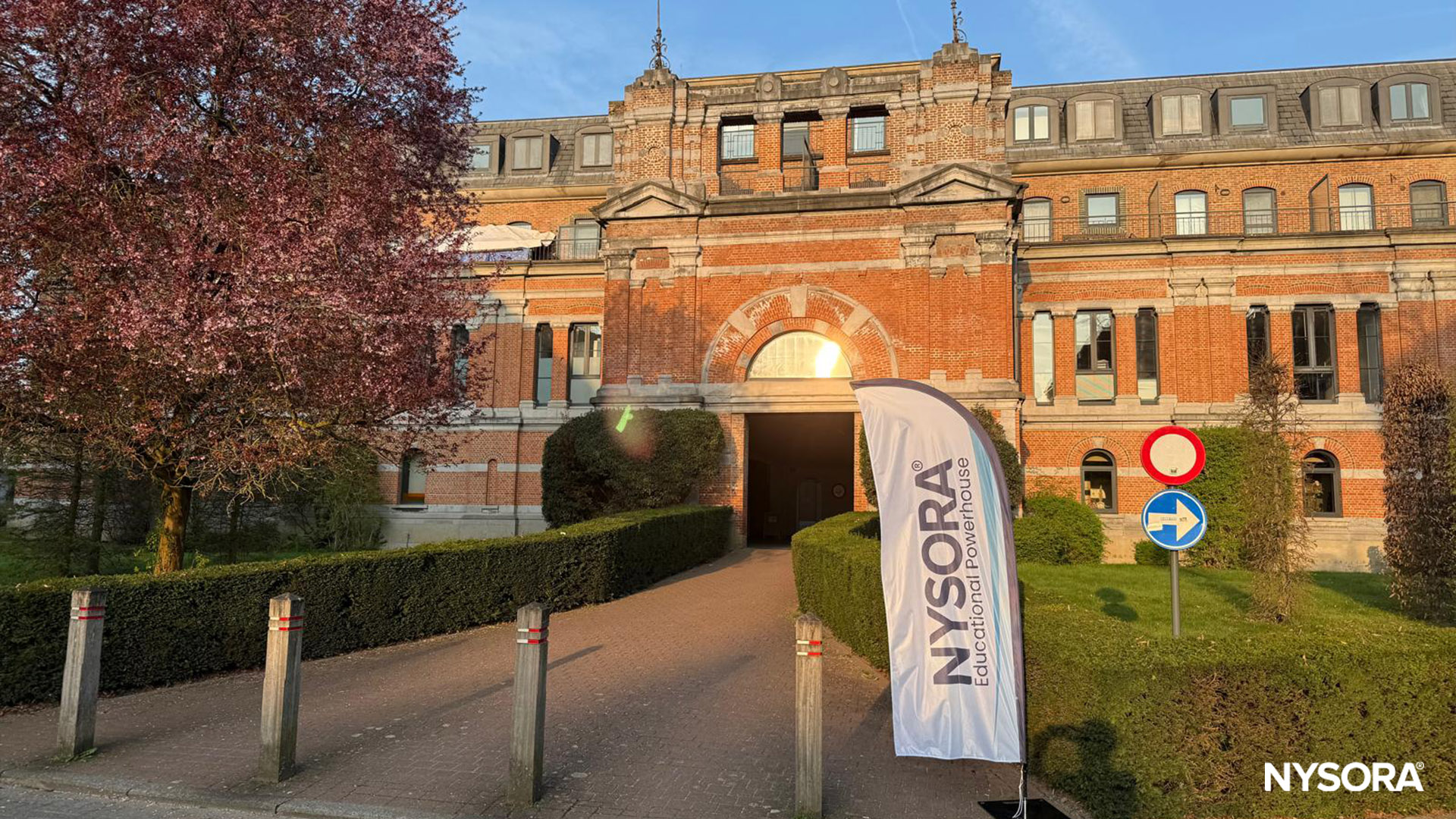
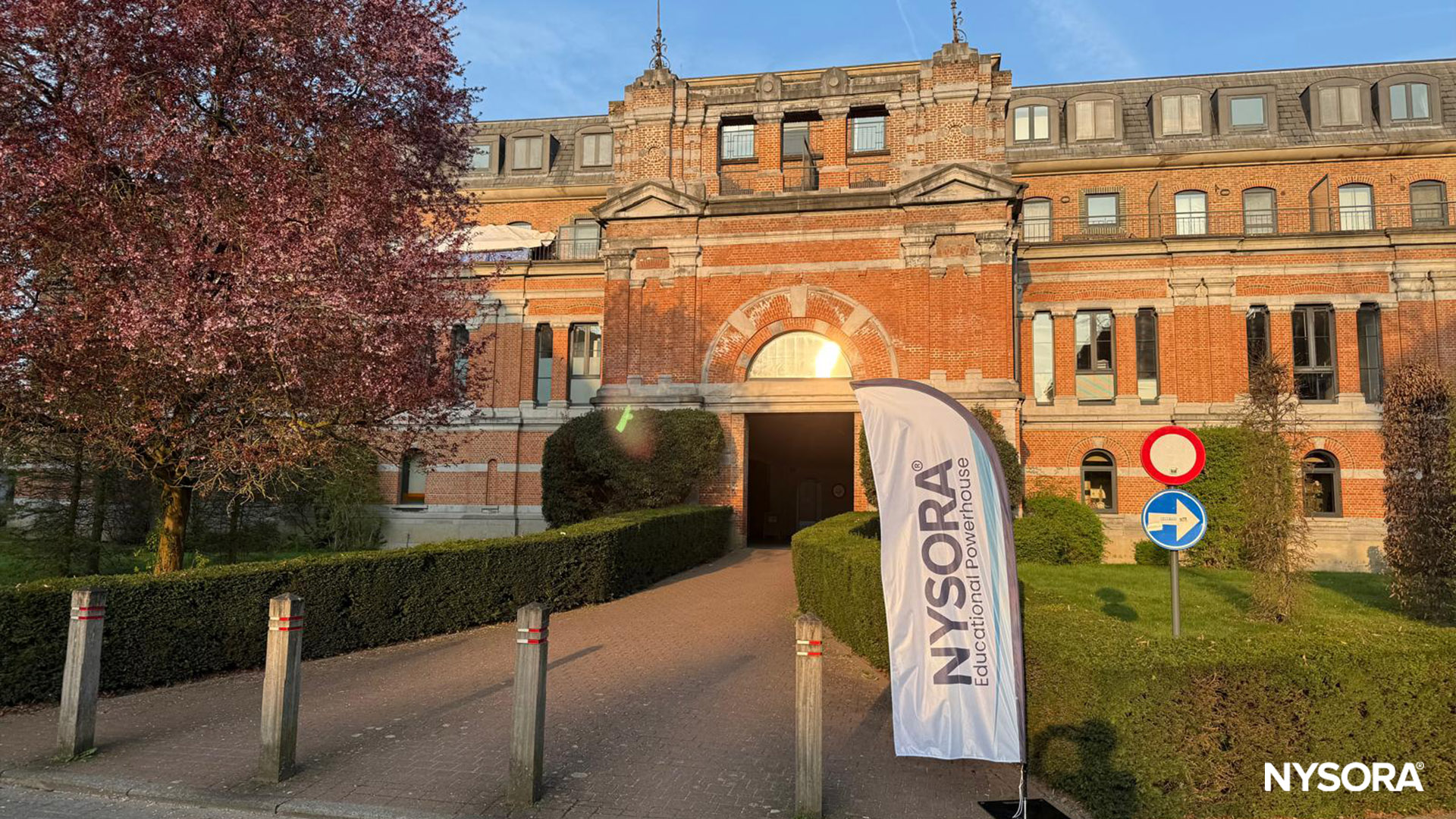
The Arch – NYSORA Academy is located in a historic building in Leuven, close to the Arenberg Campus of KU Leuven University. Our venue address is Slachthuislaan 1, Bus 102, 3000 Leuven. Our venues are carefully selected for their prime location near major transport hubs, proximity to the city and attractions, inspiring views, and top-notch equipment, ensuring the best experience for all attendees.
Arriving by Air:
Arriving by Car:
Public Transport:
Closest Hotel:
Inside NYSORA Workshops
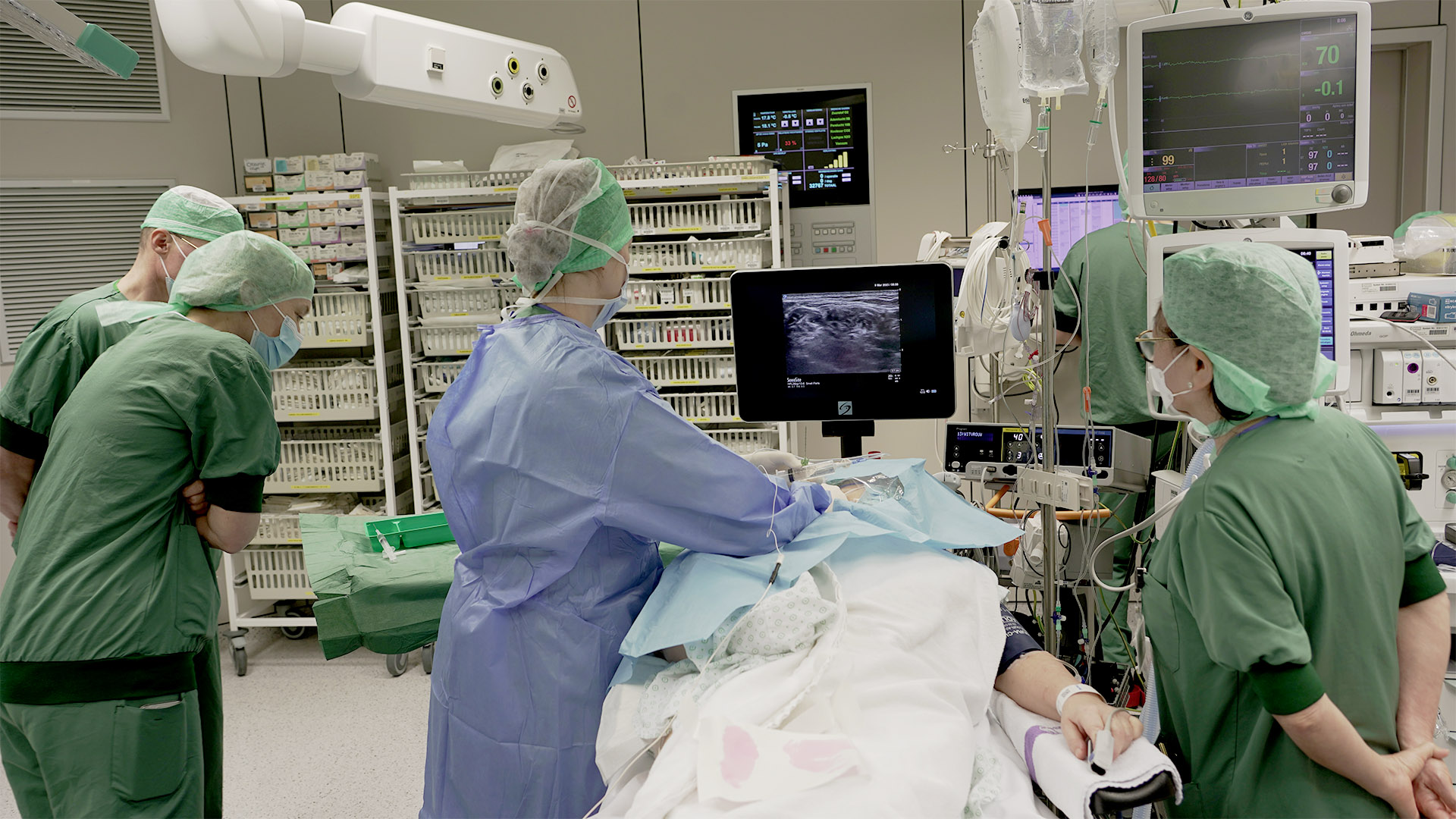
Standardized Techniques
The program is standardized worldwide, ensuring the same structured NYSORA approach in every workshop - from New York to Sydney.
NYSORA Textbooks
NYSORA Applications
NYSORA360 e-learning platform
NYSORA Workshops
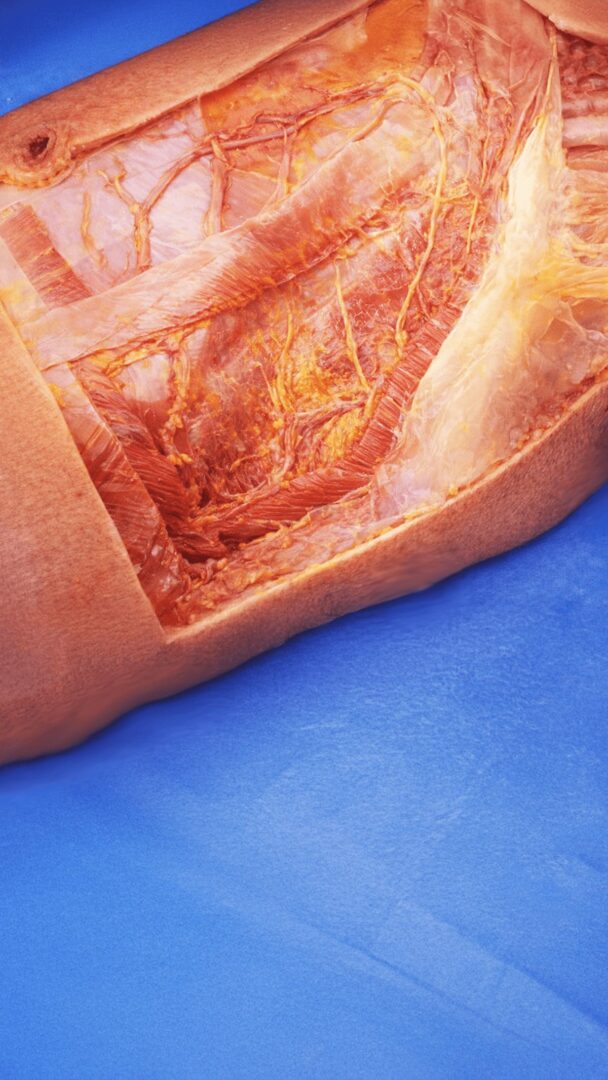
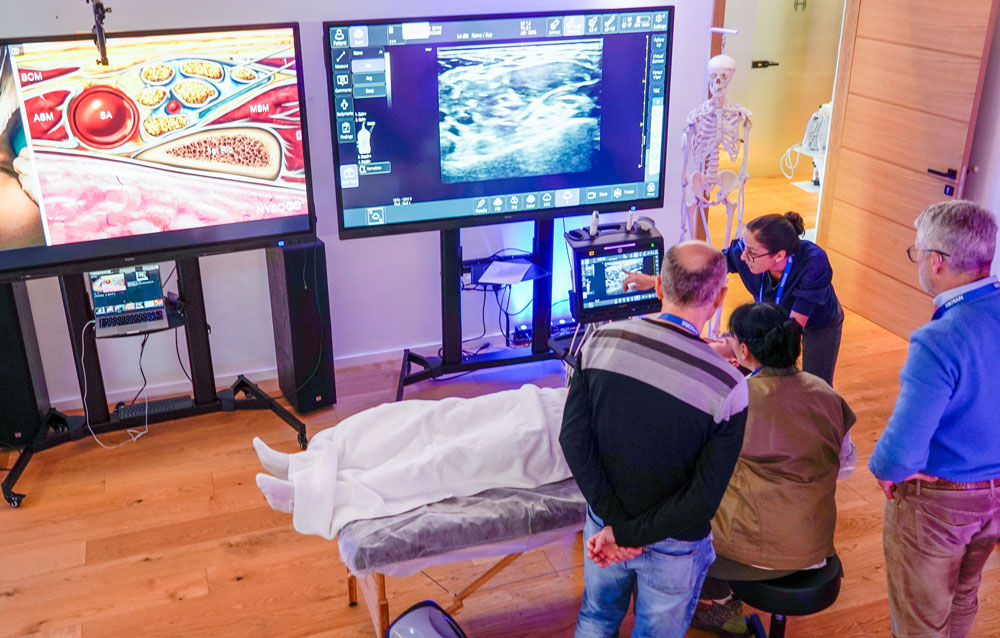
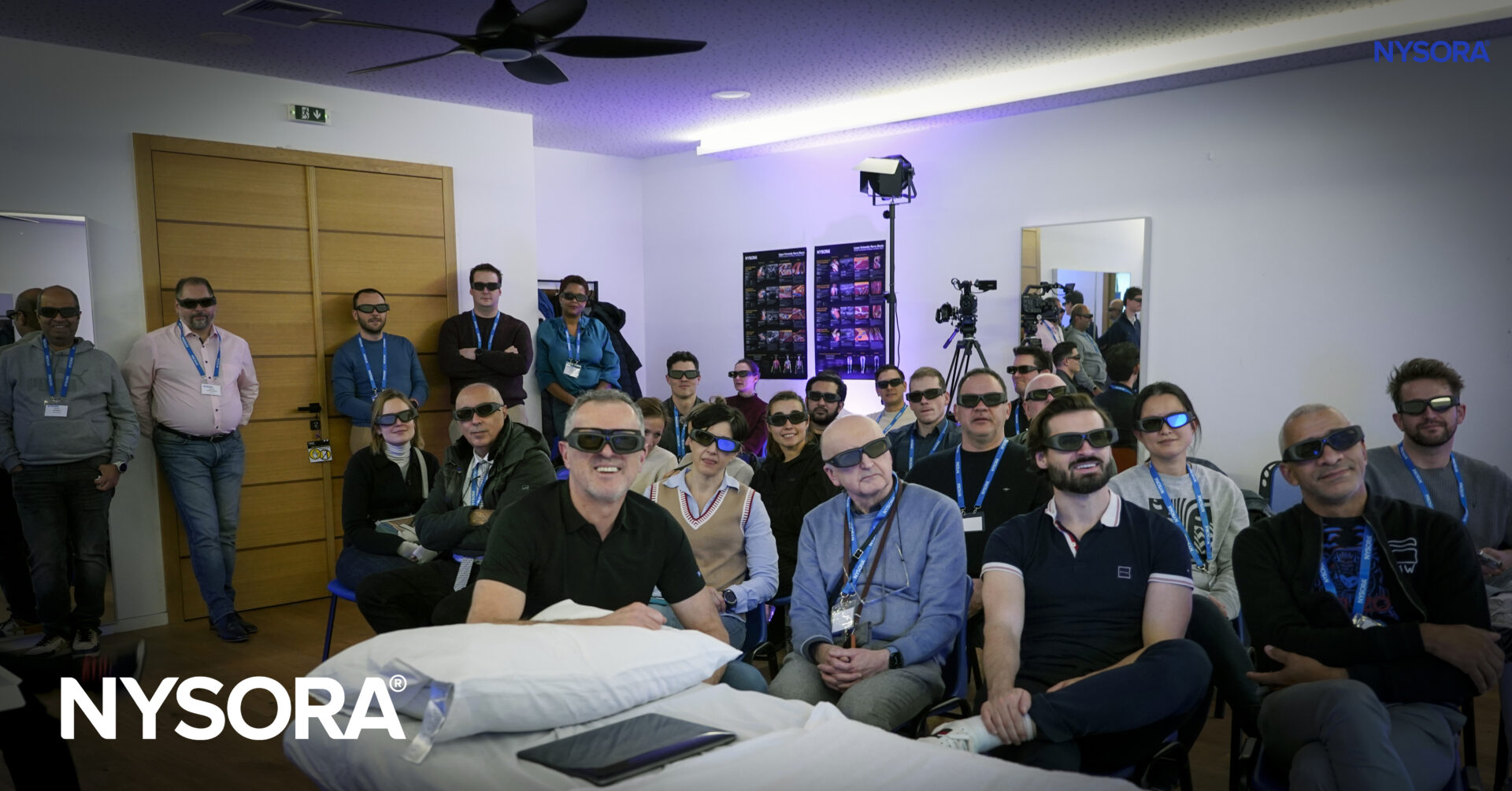
3D Anatomy Understanding
Understanding regional anesthesia requires seeing anatomy in layers.
3D virtual cadaver dissection
Real clinical ultrasound images
Reverse ultrasound animations
NYSORA anatomical illustrations
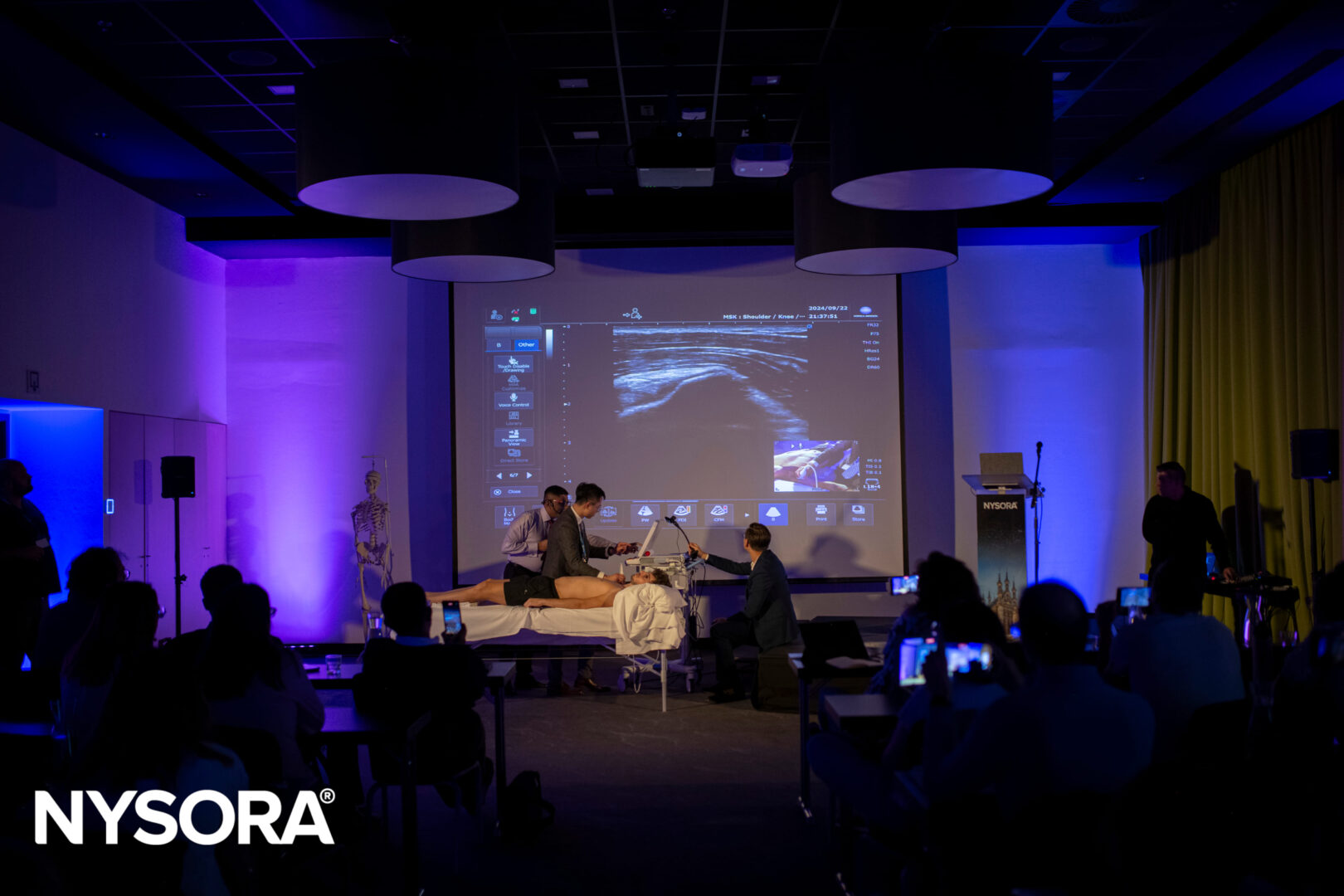
Boutique Learning
Experience
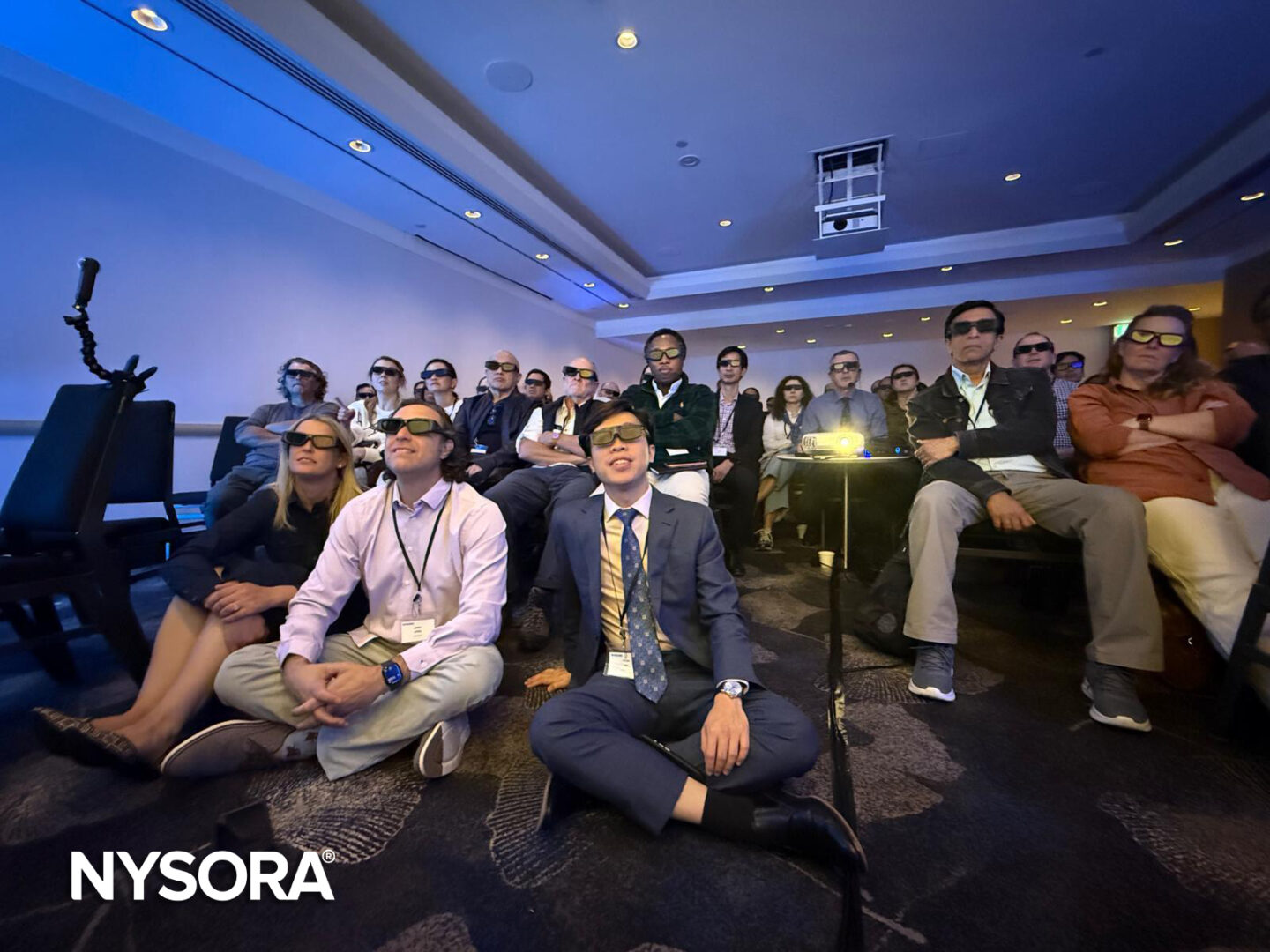
Unlike large conference courses, NYSORA workshops are designed as boutique learning environments.
Small group interaction
Direct faculty access
Intensive scanning practice
Real clinical discussion
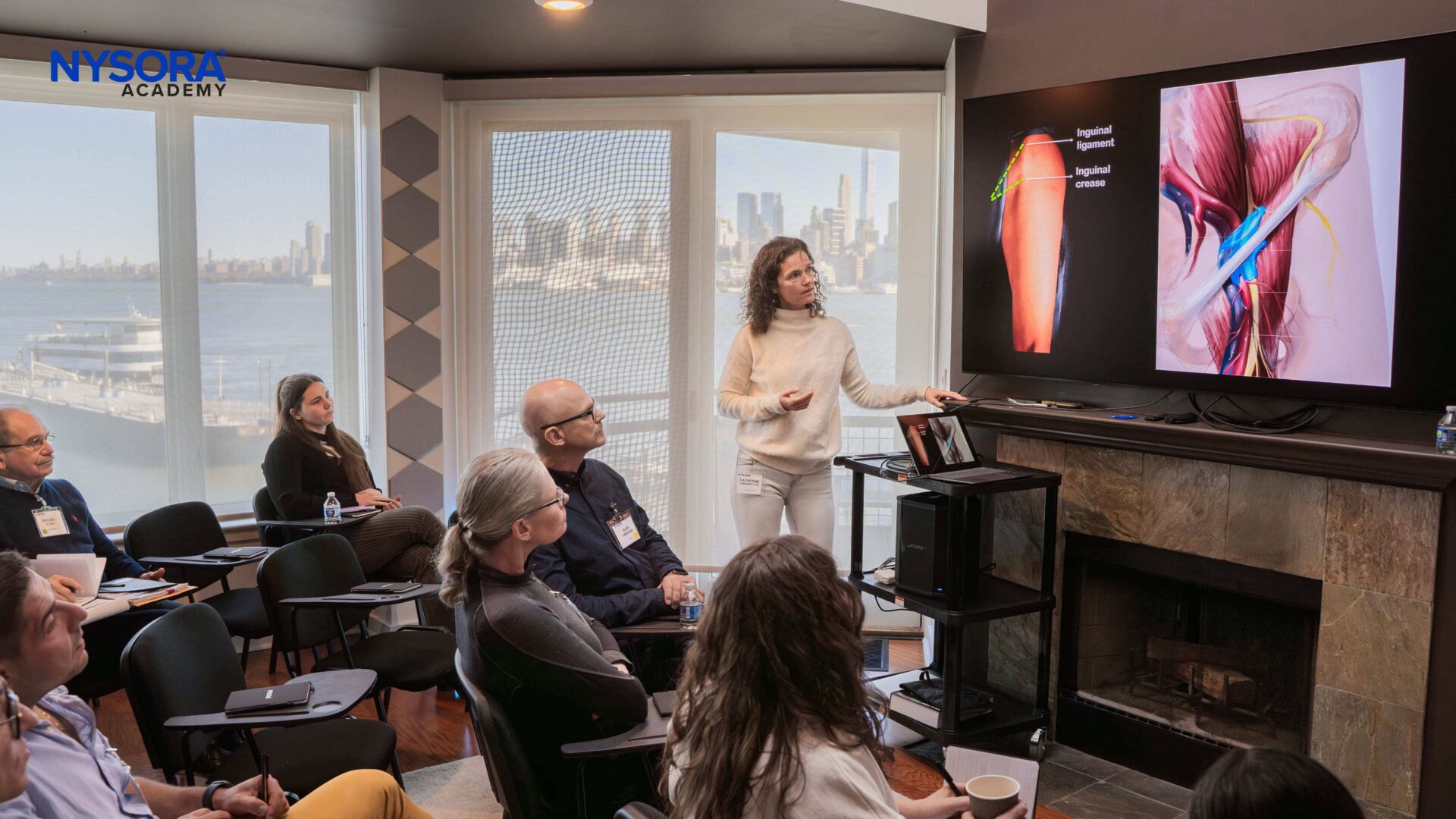
NYSORA Academy
Learning Spaces
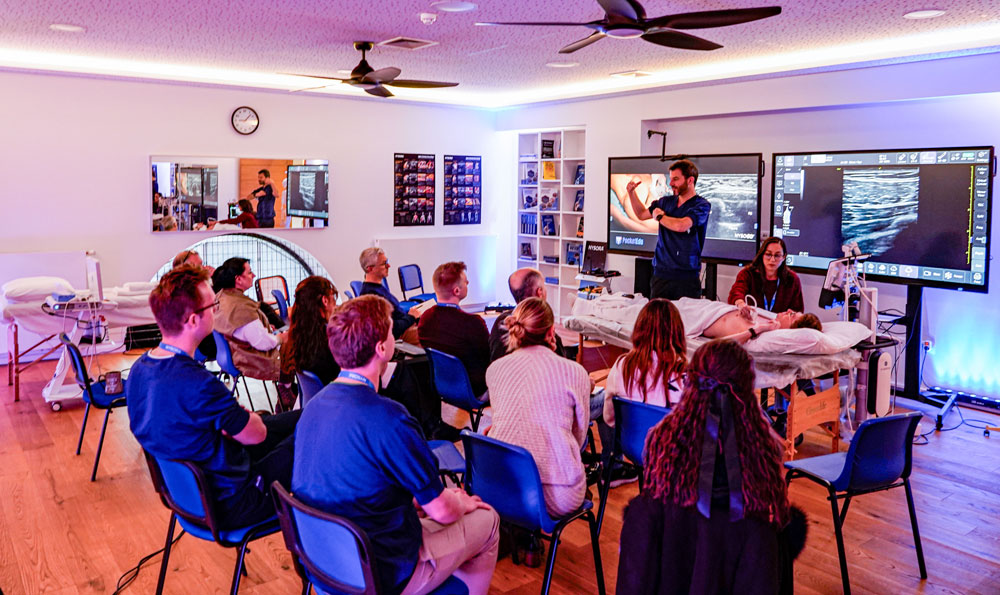
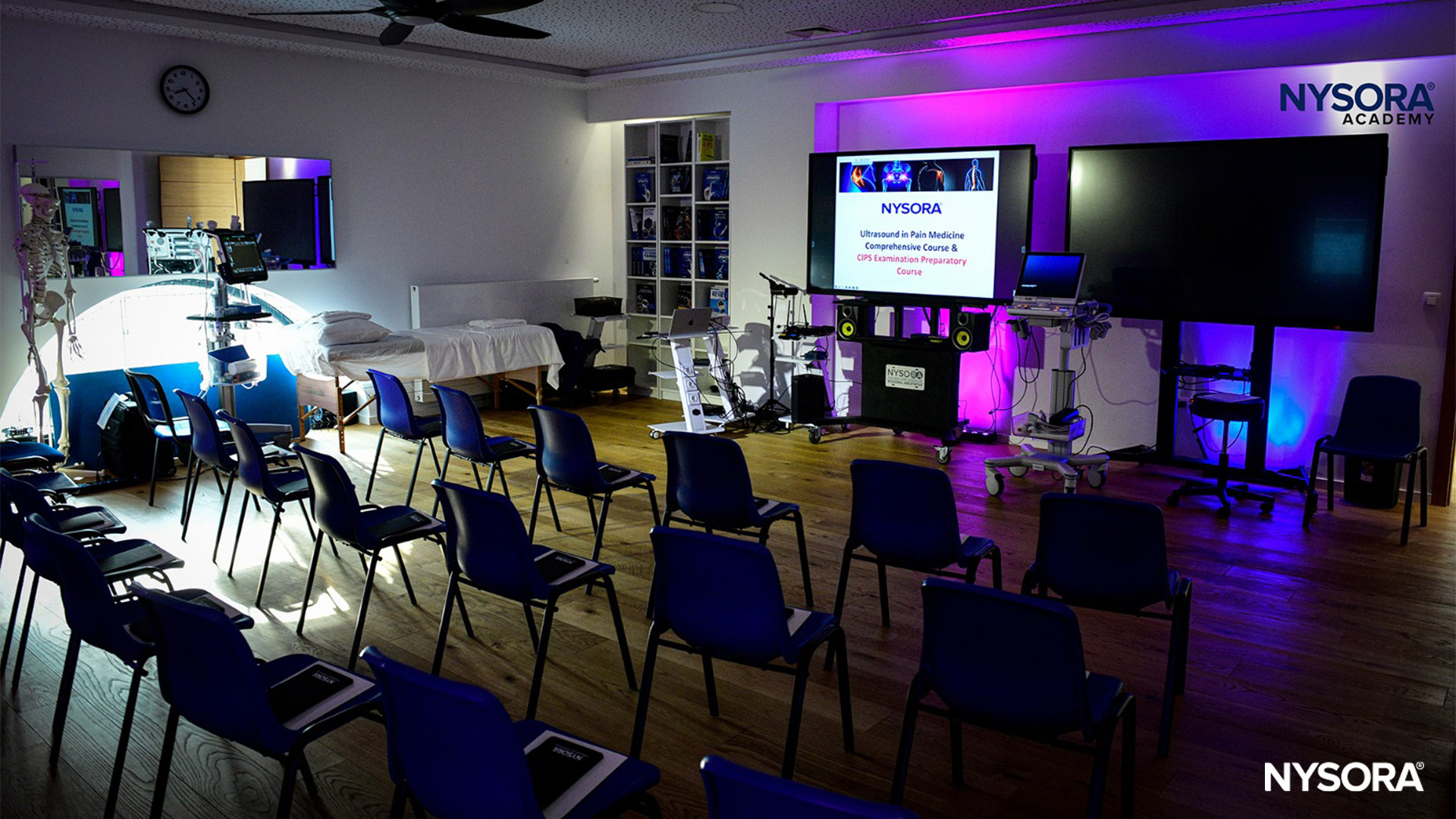
Many workshops take place in custom-built NYSORA Academy facilities designed specifically for regional anesthesia training.
Simulator-based needling stations
Dedicated ultrasound scanning stations
Permanent educational setups
Large visualization screens
Leuven Exclusive
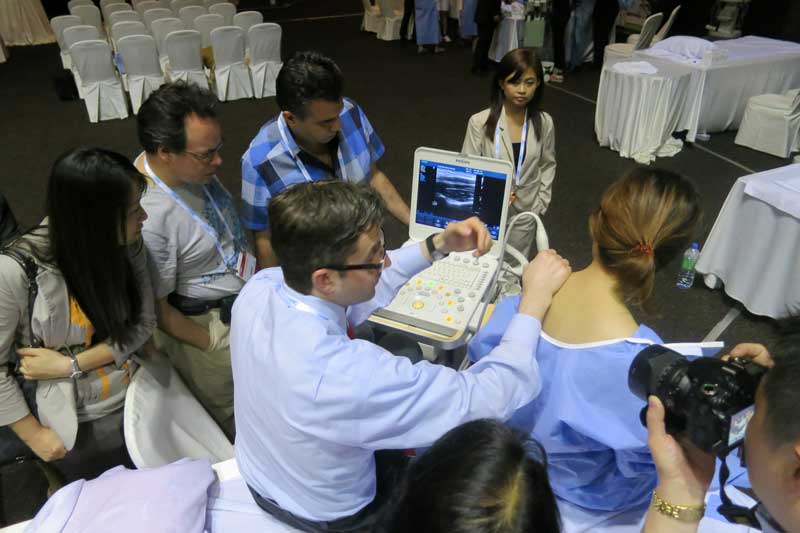
Leuven workshops attract participants from across Europe and beyond, creating a dynamic environment for exchanging regional anesthesia practices and clinical perspectives.
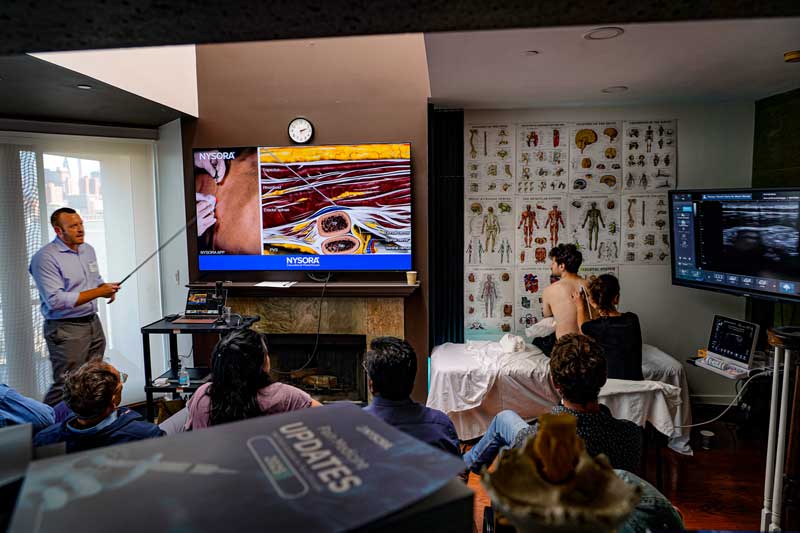
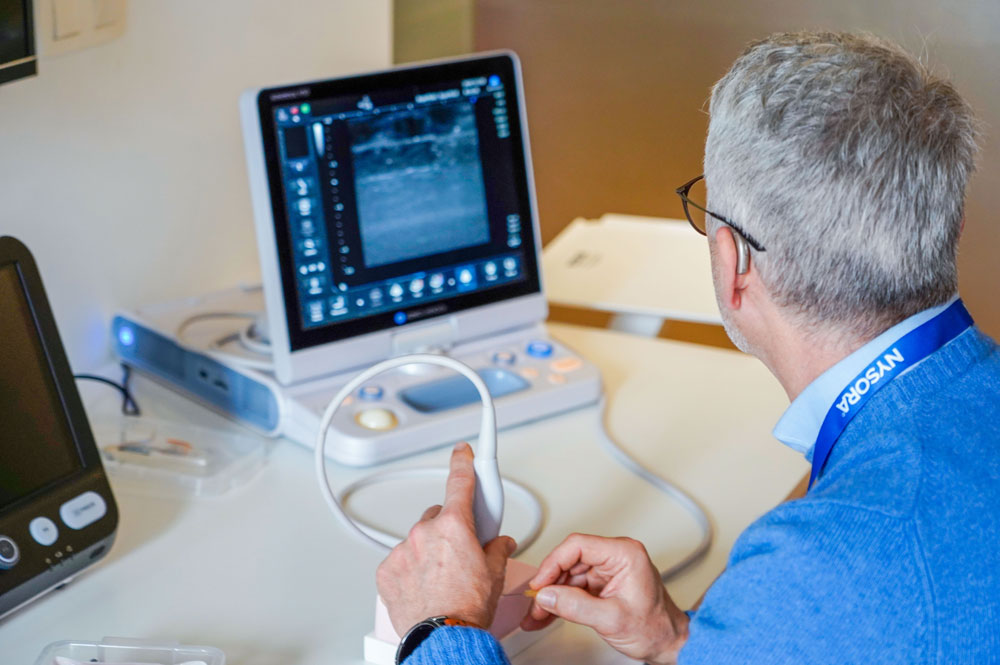
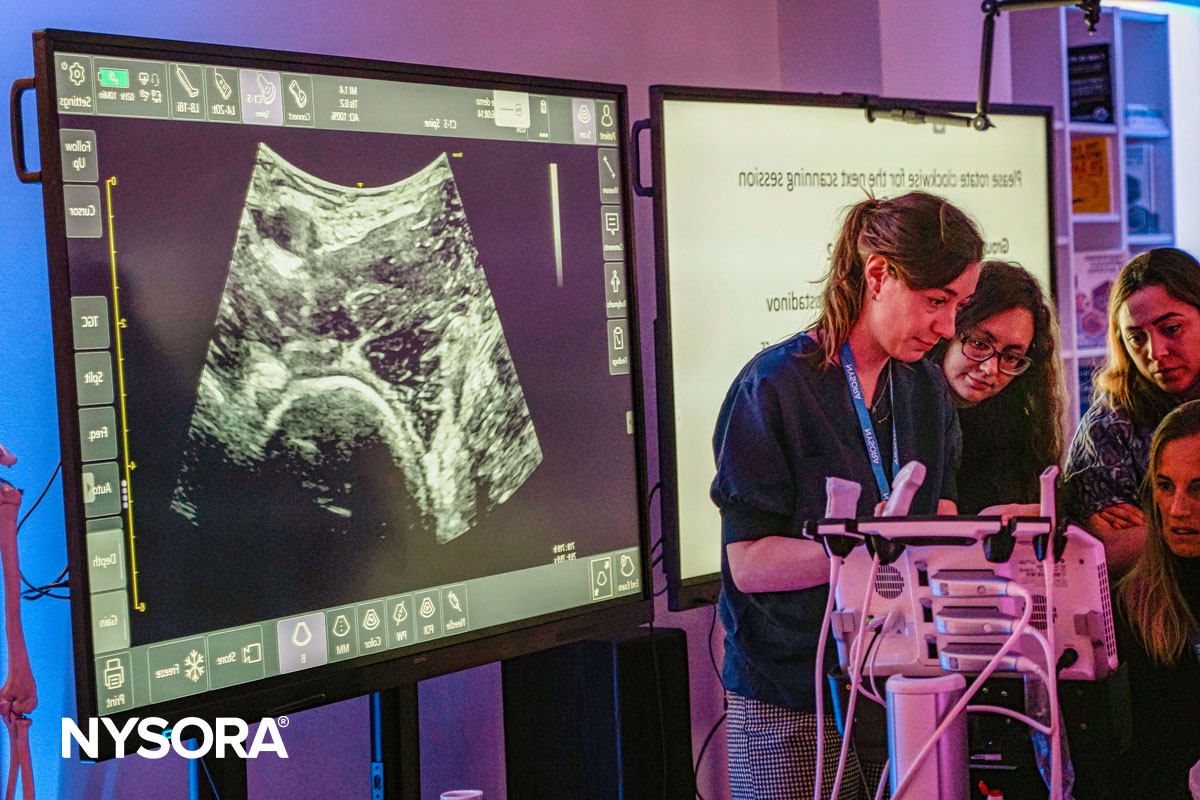
The boutique format allows participants to spend significant time scanning live models, practicing needling techniques, and interacting directly with faculty.
Participants will receive European CME Credits accredited by the EACCME®. These credits are widely recognized across Europe and may also be recognized in the United States and Canada according to national accreditation regulations.
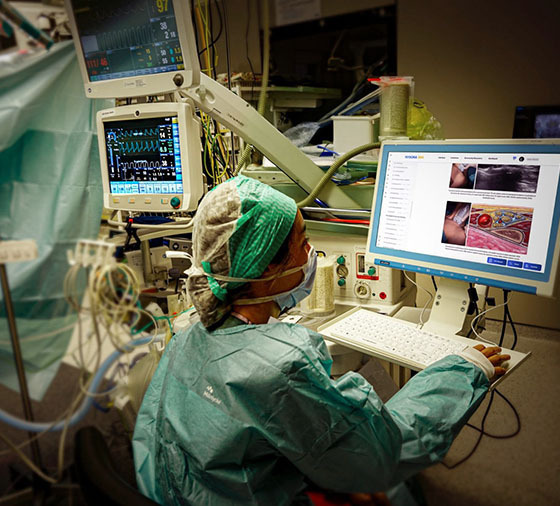
Each workshop includes a $100 NYSORA360 subscription, giving participants continued access to learning modules and educational resources tailored to the course they attend.
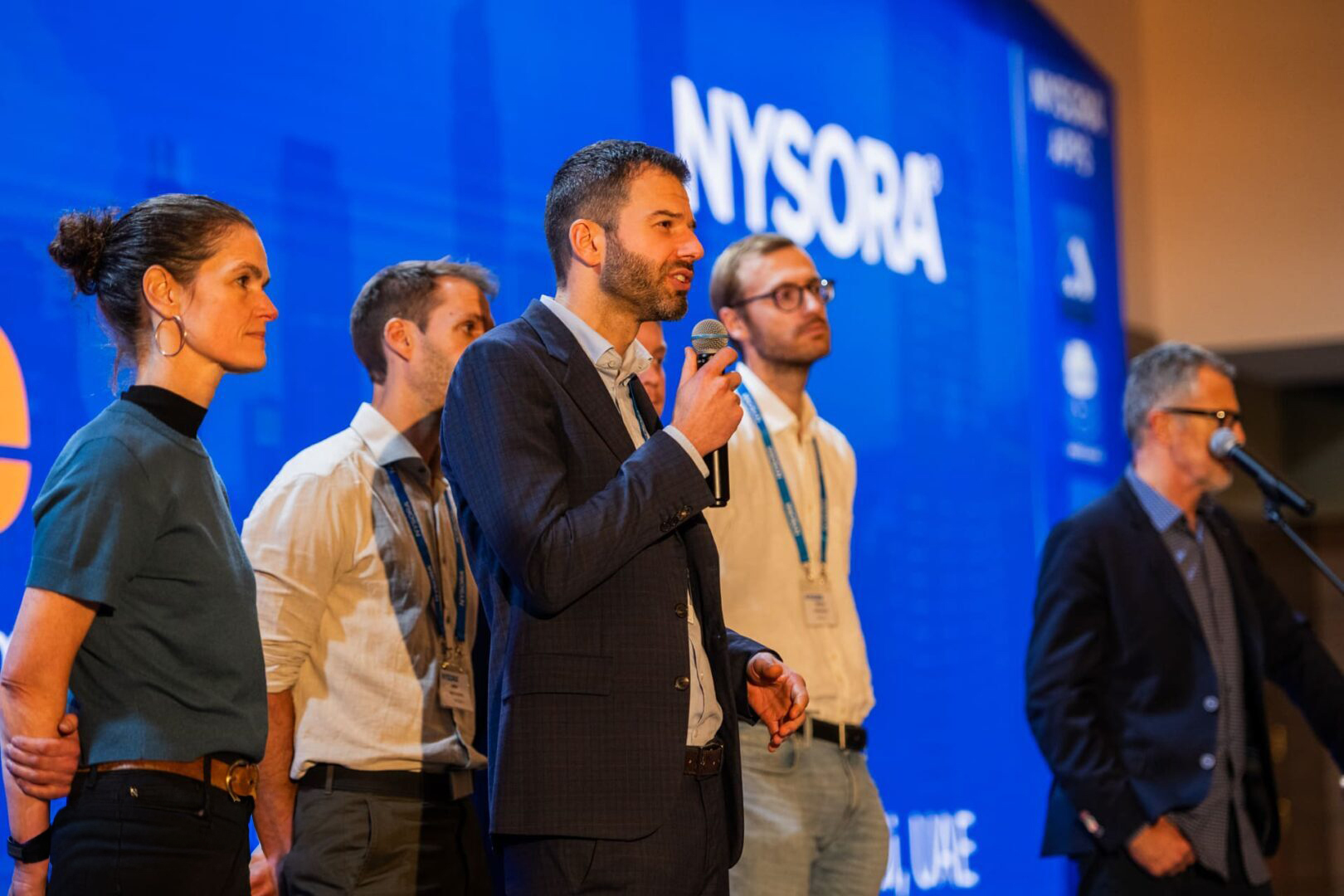
Global Expert Faculty
NYSORA Faculty Philosophy:
Real Clinical Discussions


• Discuss ultrasound imaging pitfalls with expert faculty in real time • Present cases from your own practice for collaborative analysis • Explore anatomical variants and their clinical implications • Learn from the complications and challenges of global colleagues • Develop decision-making frameworks you can apply the next day
In support of improving patient care, this activity has been planned and implemented by the Postgraduate Institute for Medicine and NYSORA. Postgraduate Institute for Medicine is jointly accredited by the Accreditation Council for Continuing Medical Education (ACCME), the Accreditation Council for Pharmacy Education (ACPE), and the American Nurses Credentialing Center (ANCC), to provide continuing education for the healthcare team.
Physician Continuing Medical Education
The Postgraduate Institute for Medicine designates this live activity for a maximum of 13 AMA PRA Category 1 Credit(s)™. Physicians should claim only the credit commensurate with the extent of their participation in the activity.
Continuing Nursing Education
The maximum number of ANCC Nursing credit hours awarded for this Continuing Nursing Education activity is 13 contact hours. Pharmacotherapy contact hours for Advance Practice Registered Nurses will be designated on your certificate.
Disclosure of Conflicts of Interest
Postgraduate Institute for Medicine (PIM) requires faculty, planners, and others in control of educational content to disclose all their financial relationships with ineligible companies. All identified financial relationships are thoroughly vetted and mitigated according to PIM policy. PIM is committed to providing its learners with high quality accredited continuing education activities and related materials that promote improvements or quality in healthcare and not a specific proprietary business interest of an ineligible company.
What is a CME activity? A Continuing Medical Education(CME) activity serves to maintain, develop, or increase the knowledge, skills, and professional performance and relationships that a physician uses to provide services for patients, the public, or the profession.
Why do physicians need continuing medical education (CME) credit? Physicians use CME credit to demonstrate that they have participated in educational activities and obtained CME credit to document meeting the requirements of state medical boards, medical specialty societies, specialty boards, hospital medical staffs, the Joint Commission, insurance groups, and others.
How are CME credits tracked for physicians? There is no centralized tracking of AMA PRA credits. Each accredited CME provider is required to keep records of AMA PRA Category 1 Credits™ claimed by physicians who participate in their activities for six years from the date of completion of the activity. Because credits may be obtained from a variety of accredited CME providers, physicians should maintain a record of their CME credits from all sources.
What documentation does a physician receive for participating in a certified CME activity provided by an accredited CME provider? Accredited CME providers are required to make available documentation of credits claimed by physicians at their request, but there is no requirement for a specific type of documentation to be used. Many accredited CME providers will issue a credit certificate at the completion and evaluation of an activity.
Nurse Practitioners credit? The American Nurses Credentialing Center (ANCC) accept CME from organizations accredited by the ACCME.


Boutique format means limited seats. Secure your place early.
New York
· Leuven
· Genk
· Toronto
· Istanbul

Vesalius Regional Anesthesia Cadaver Workshop – Fully Booked
 Leuven, Belgium
  Apr 10
Ultrasound-Guided Regional Anesthesia Boutique Workshop
New York, USA
Apr 25 
Ultrasound-Guided Regional Anesthesia Boutique Workshop
New York, USA
May 16 
Ultrasound-Guided Regional Anesthesia Boutique Workshop
Leuven, Belgium
Jun 27 
Point Of Care Ultrasound (POCUS) Workshop
Toronto, Canada
Jul 11 
Ultrasound-Guided Regional Anesthesia Boutique Workshop
New York, USA
Jul 25 
Ultrasound-Guided Regional Anesthesia Boutique Workshop
New York, USA
Aug 22 
Ultrasound-Guided Regional Anesthesia Boutique Workshop
Leuven, Belgium
Sep 05 
Ultrasound-Guided Regional Anesthesia Boutique Workshop
New York, USA
Sep 12 
Ultrasound-Guided Regional Anesthesia Boutique Workshop
New York, USA
Oct 03 
Pediatric Regional Anesthesia Boutique Workshop
Leuven, Belgium
Oct 10 
Ultrasound-Guided Regional Anesthesia Boutique Workshop
Istanbul, Turkey
Oct 24 
Ultrasound-Guided Regional Anesthesia Boutique Workshop
New York, USA
Oct 31 
Ultrasound-Guided Regional Anesthesia Boutique Workshop
Toronto, Canada
Nov 14 
Ultrasound-Guided Regional Anesthesia Boutique Workshop
New York, USA
Nov 21 
Ultrasound-Guided Regional Anesthesia Boutique Workshop
Leuven, Belgium
Nov 28 
Point Of Care Ultrasound (POCUS) Workshop
New York, USA
Dec 05 
Ultrasound-Guided Regional Anesthesia Boutique Workshop
New York, USA
Dec 12 NYSORA Workshops are small-group, hands-on training programs focused on ultrasound-guided techniques in regional anesthesia, pain procedures, and POCUS. This section also includes Boot Camps, which are immersive clinical observation experiences in a real hospital setting.
Workshops combine brief teaching with extensive hands-on practice using ultrasound machines, live models, and simulators.
Boot Camps are hospital-based clinical immersions where participants observe real-world ultrasound-guided procedures and decision-making during routine patient care.
NYSORA workshops are highly practical. While short lectures provide clinical context, most of the program is dedicated to hands-on scanning, supervised practice, and real-time feedback from faculty.
Depending on the course, topics may include:
Each workshop page lists the exact procedures and learning objectives.
Workshops are intentionally kept small to maximize ultrasound time and instructor interaction.
Boot Camps are extremely limited-capacity to maintain a close faculty-to-participant ratio in the clinical environment.
Exact group size is shown on each event page.
Workshops are led by experienced clinicians and educators with deep expertise in regional anesthesia, pain medicine, and ultrasound-guided techniques.
Faculty composition varies by course and is listed on each workshop or boot camp page.
No formal prerequisites are required for most workshops. Courses support a range of skill levels—from trainees building fundamentals to experienced clinicians refining ultrasound-guided techniques.
Any course-specific requirements are listed on the event page.
Inclusions vary by event, but typically include:
Travel and accommodation are generally not included. Where available, event pages provide guidance on nearby hotels and transportation.
You typically do not need to bring special equipment—ultrasound machines and training materials are provided.
Bring comfortable attire, a notebook, and optionally a tablet or laptop for accessing digital resources.
Boot Camp–specific instructions (such as hospital dress code) are provided after registration.
Cancellations must be submitted in writing to info@nysora.com.
Rescheduling may be possible depending on availability but is not guaranteed. Always review the specific event page for the most accurate policy.
If you registered for a NYSORA Regional Anesthesia Workshop, your registration includes a complimentary 3-month subscription to NYSORA 360, giving you access to the full Regional Anesthesia course.
To access your subscription:
Once logged in, you’ll gain immediate access to interactive educational content, including clinical videos, illustrations, and practical guidance based on NYSORA’s best-selling textbooks.
If you experience any issues accessing your account, please contact us at info@nysora.com for support.
Join our mailing list and get weekly educational updates delivered straight to your inbox.


