
- Learn
-
Apps
View all apps
Veterinary
 VetRA App

- Books
- Events
- News
- Partners
- About
- For Clinicians
 VetRA App

 February 20–21, 2027
Move from scientific evidence to practical application with focused clinical sessions and hands-on ultrasound training in PRP, BMAC, and emerging biologic therapies for musculoskeletal and spine conditions.
FORMAT
Expert-Led Small-Group Training
FOCUS
MSK and Spine Orthobiologics
INCLUDES
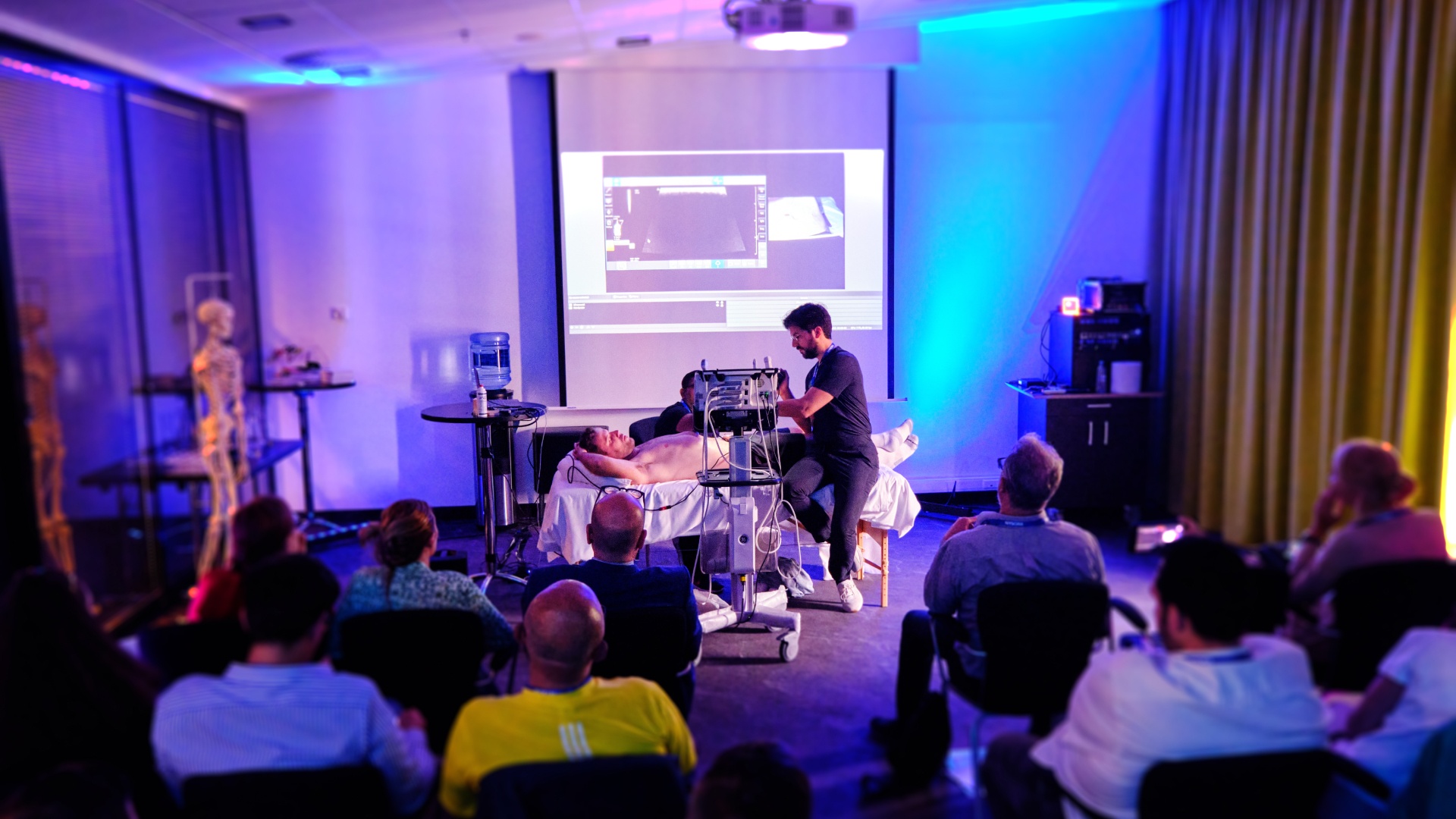
Hands-On Ultrasound Practice
Orthobiologics is evolving rapidly - but translating the science into safe, effective clinical practice requires more than theoretical knowledge.
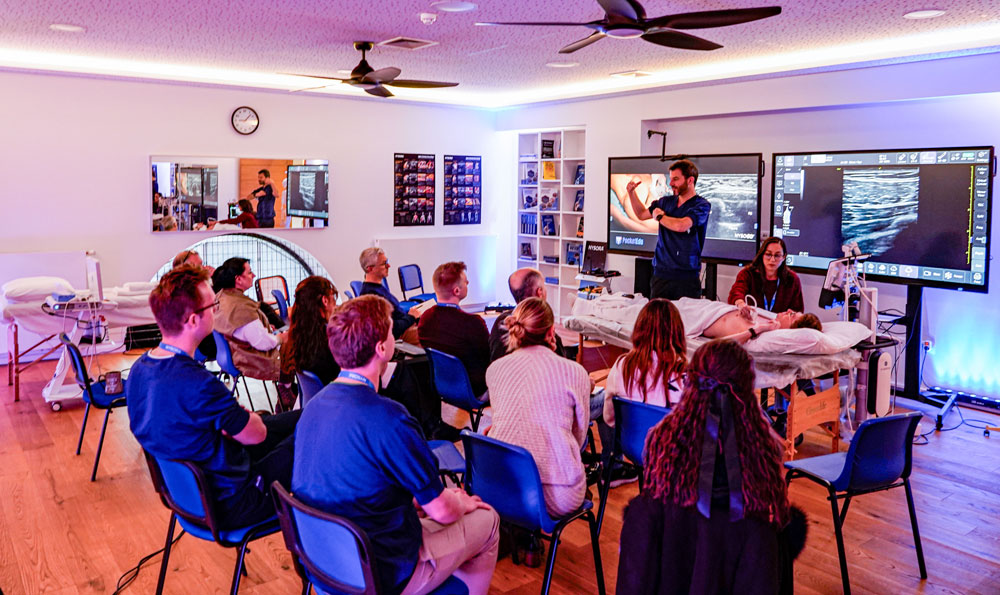
This focused 1.5-day workshop combines evidence-based clinical sessions with hands-on ultrasound training. Explore PRP, BMAC, and emerging biologic injectables for the spine, joints, tendons, muscles, and peripheral nerves, while developing the clinical reasoning and procedural skills needed to use them responsibly.
Learn how to evaluate the evidence, select appropriate patients, plan treatment, optimize ultrasound imaging, and apply intervention-specific approaches under the guidance of experienced faculty.

Evidence Without the Hype
Develop a clear understanding of the evidence, limitations, controversies, and appropriate clinical applications of PRP, BMAC, and emerging biologic therapies.

Smarter Patient Selection
Identify which patients are most likely to benefit and select treatment strategies based on pathology, current evidence, clinical goals, and realistic outcome expectations.

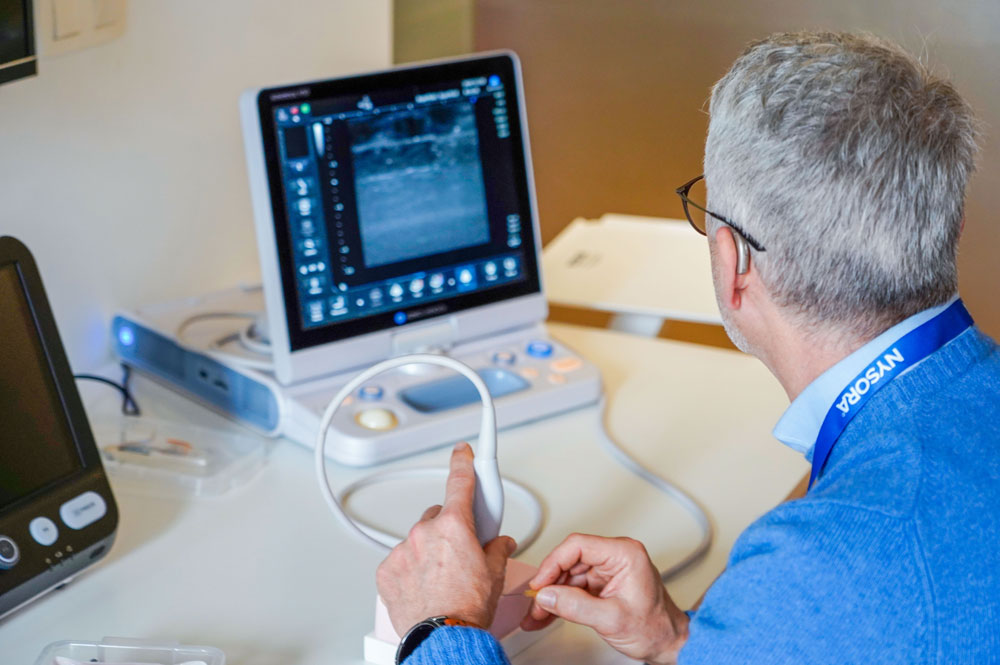
Hands-On Ultrasound Training
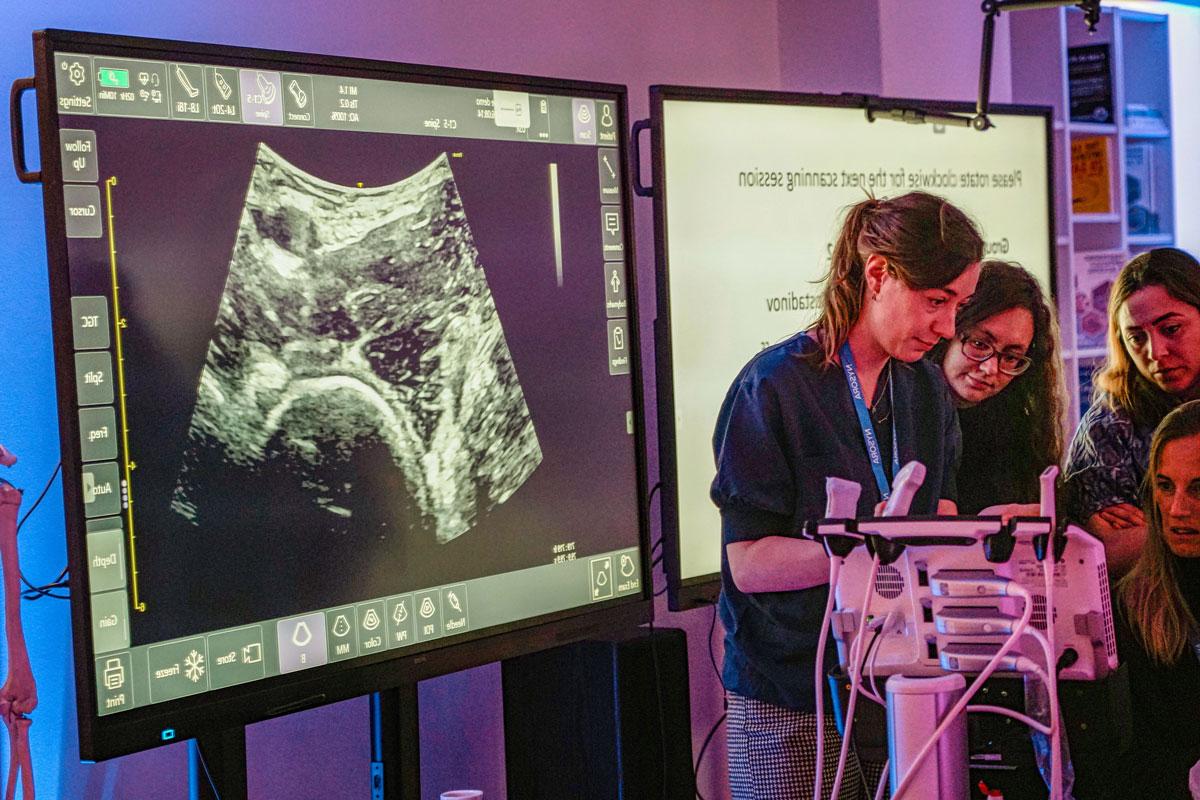
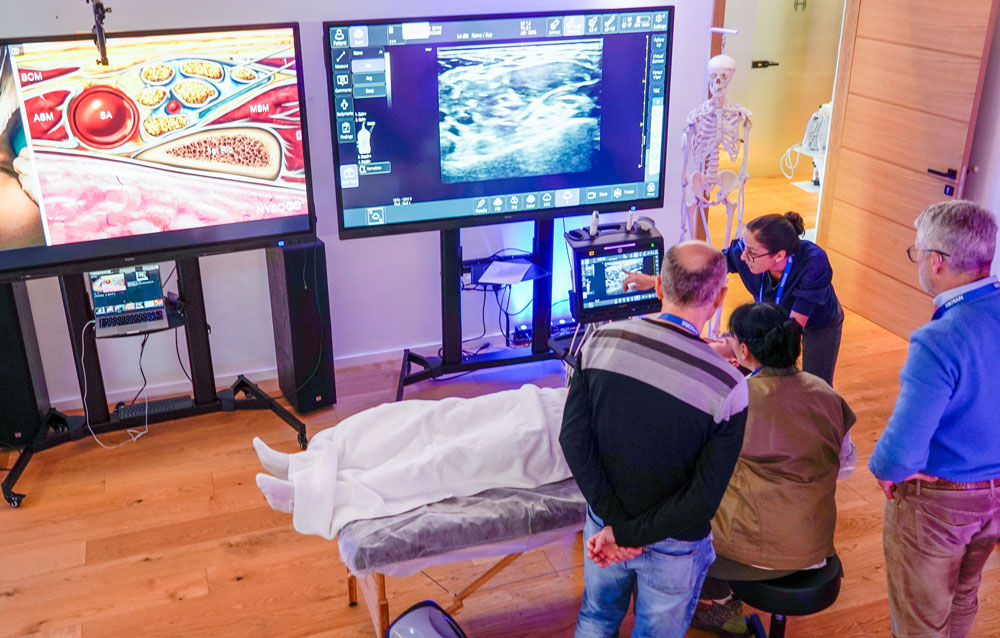
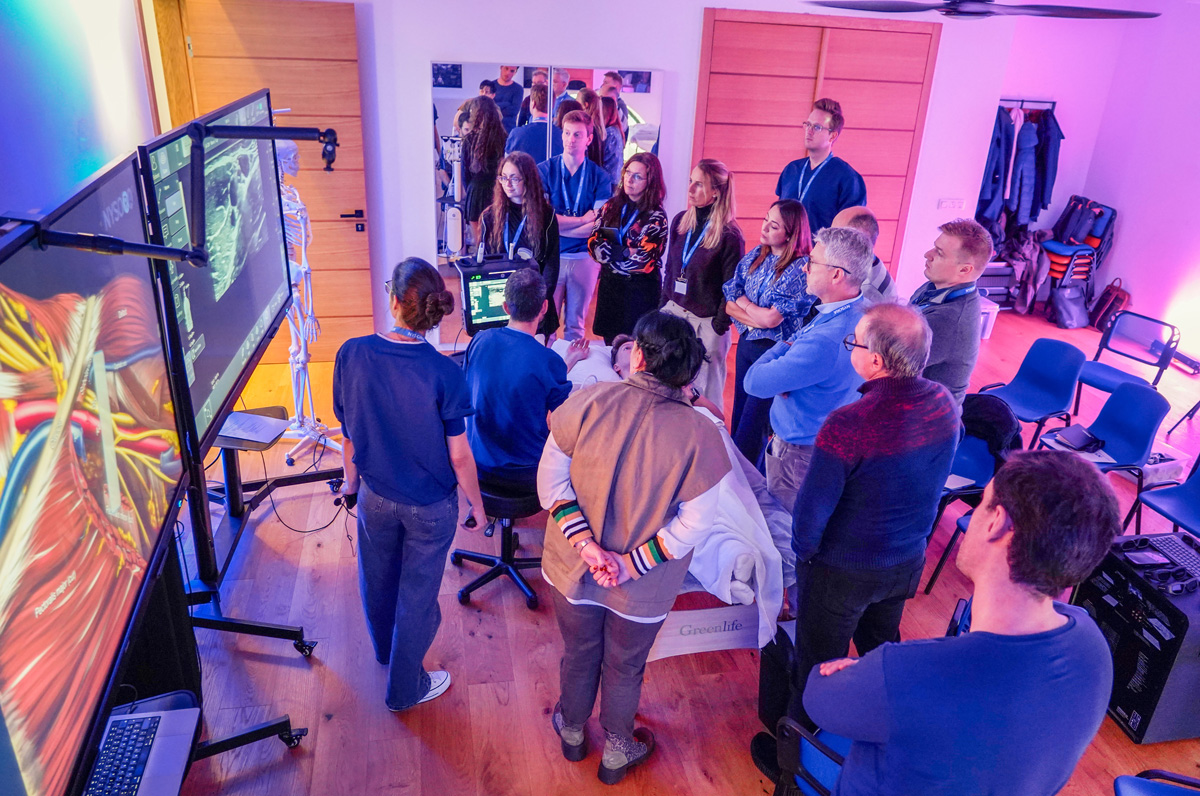
Practice ultrasound imaging and intervention-specific approaches for the spine, shoulder, elbow, wrist, hip, knee, ankle, and foot in focused small-group stations.

Practical Treatment Strategies
Explore protocols, dosing considerations, treatment algorithms, outcome assessment, and return-to-play principles that can inform everyday clinical practice.

Direct Faculty Interaction
Participate in case-based discussions, extensive Q&A sessions, live demonstrations, and hands-on training with direct guidance and feedback from expert faculty.
The program begins with a full day of focused scientific and clinical sessions covering the biological rationale, current evidence, patient selection, procedural considerations, and clinical outcomes associated with orthobiologic therapies.
The second day translates this knowledge into practice through rotating, small-group ultrasound stations. Participants will review relevant anatomy, imaging strategies, procedural landmarks, and ultrasound-guided approaches for the spine and major musculoskeletal regions.
 Agenda
Orthobiologics Scientific & Clinical Sessions
8:30am - 6:30pm
Half-Day Hands-On Ultrasound Workshop
8:30am - 1:00pm
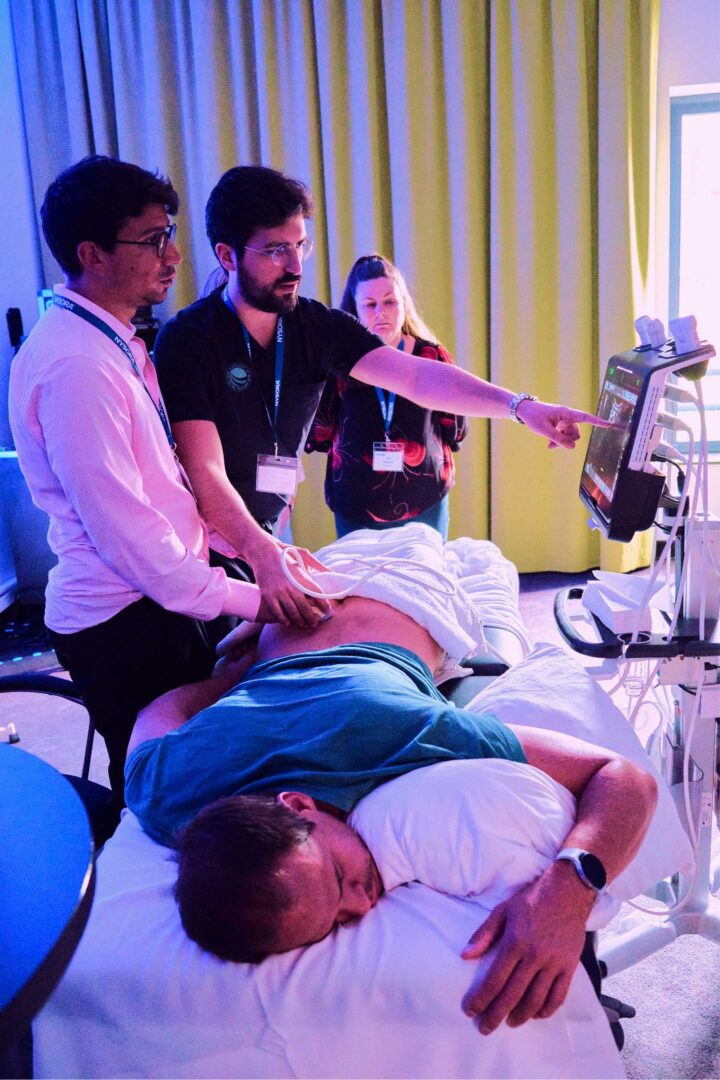
Faculty will share practical insights, clinical approaches, and lessons drawn from real-world experience, with extensive opportunities for questions and direct interaction throughout the workshop.

Guilherme Ferreira Dos Santos,
MD, CIPS
Senior Specialist, Division of Pain Medicine, Department
of Anesthesiology, Reanimation, and Pain Medicine,
Hospital Clínic de Barcelona, University of Barcelona
Medical Director, MIVI Salud Pain Medicine Clinic,
Hospital Universitari Sagrat Cor, Barcelona

Your registration includes complimentary 3-month access to the NYSORA Nerve Blocks and Anesthesia Assistant App, both available on Google Play and Apple Store.
Designed for fast, focused learning and regularly updated to reflect current clinical practice, making it an essential resource for every pain and anesthesia professional.


An application has been made to the UEMS EACCME® for CME accreditation of this event.
What is a CME activity? A Continuing Medical Education(CME) activity serves to maintain, develop, or increase the knowledge, skills, and professional performance and relationships that a physician uses to provide services for patients, the public, or the profession.
Why do physicians need continuing medical education (CME) credit? Physicians use CME credit to demonstrate that they have participated in educational activities and obtained CME credit to document meeting the requirements of state medical boards, medical specialty societies, specialty boards, hospital medical staffs, the Joint Commission, insurance groups, and others.
Who accredits the Course? Accreditation by the EACCME means that the CME/CPD activity provided is of high scientific value, is free of commercial bias and promotes active adult learning. This is of paramount importance to doctors who need to report to their National Accreditation Authority on their CME/CPD activity over a certain period of time, and this even more now that many national systems are (becoming) mandatory and not voluntary. By attending an EACCME accredited event, they will be able to obtain European CME credits (ECMEC) which are recognised not only in a majority of European countries (with which the EACCME has signed agreements), but also in the USA and Canada. By handing in their EACCME certificate to their National Accreditation Authority, their credits will automatically be recognised and converted into national credits.
What documentation does a physician receive for participating in a certified CME activity provided by an accredited CME provider? A CME certificate will be issued and can be used to prove attendance.

What Will I Learn?




 Leuven, Belgium
Leuven, Belgium
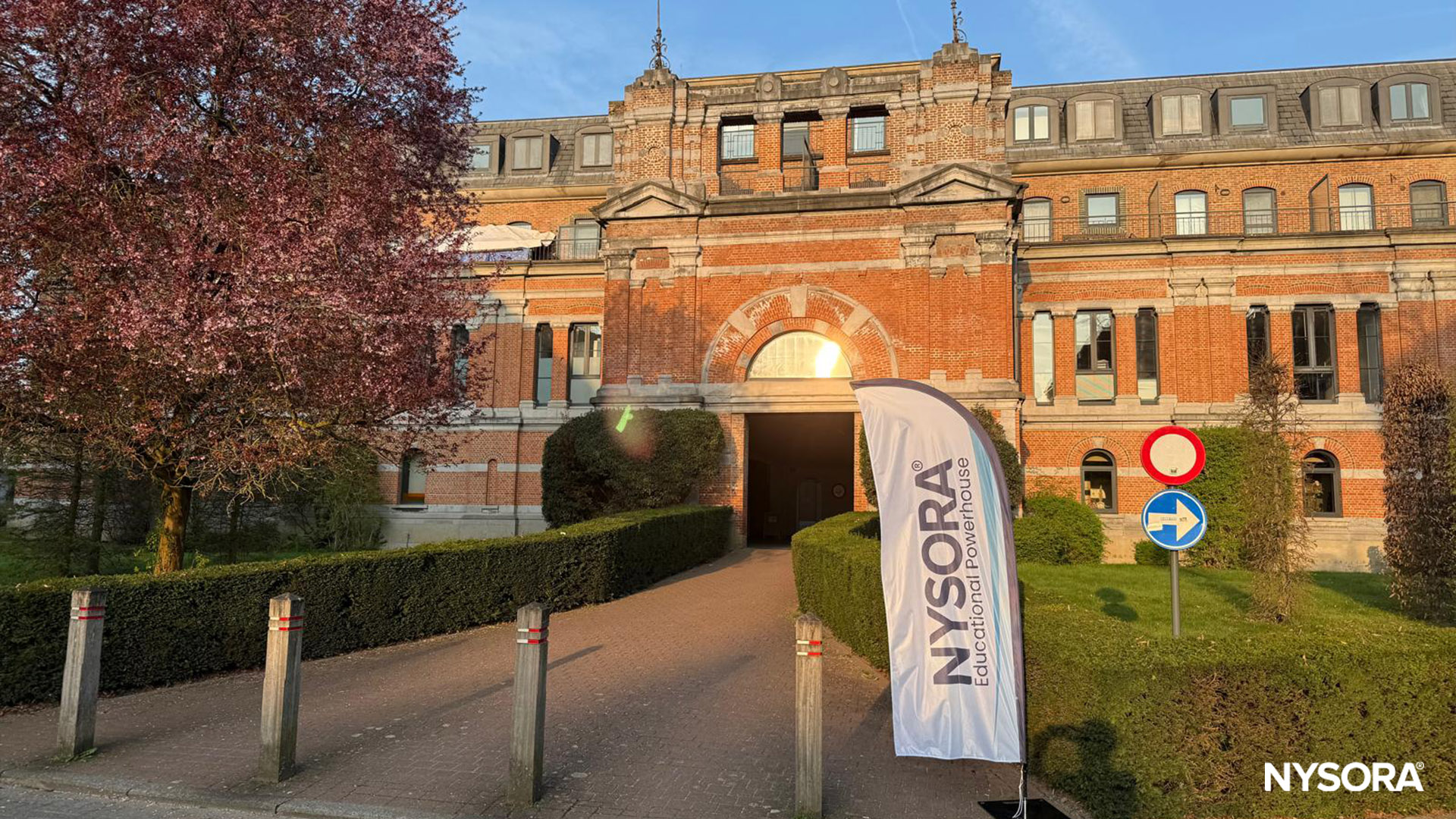
The Arch – NYSORA Academy is located in a historic building in Leuven, close to the Arenberg Campus of KU Leuven University. Our venue address is Slachthuislaan 1, Bus 102, 3000 Leuven.
Our venues are carefully selected for their prime location near major transport hubs, proximity to the city and attractions, inspiring views, and top-notch equipment, ensuring the best experience for all attendees.
Arriving by Air:
Public Transport:
Closest Hotel:
The Shepherd (Option 1) and the Ibis Leuven Centrum (Option 2) are the nearest hotels, both within walking distance of the venue. Check below to make a reservation.
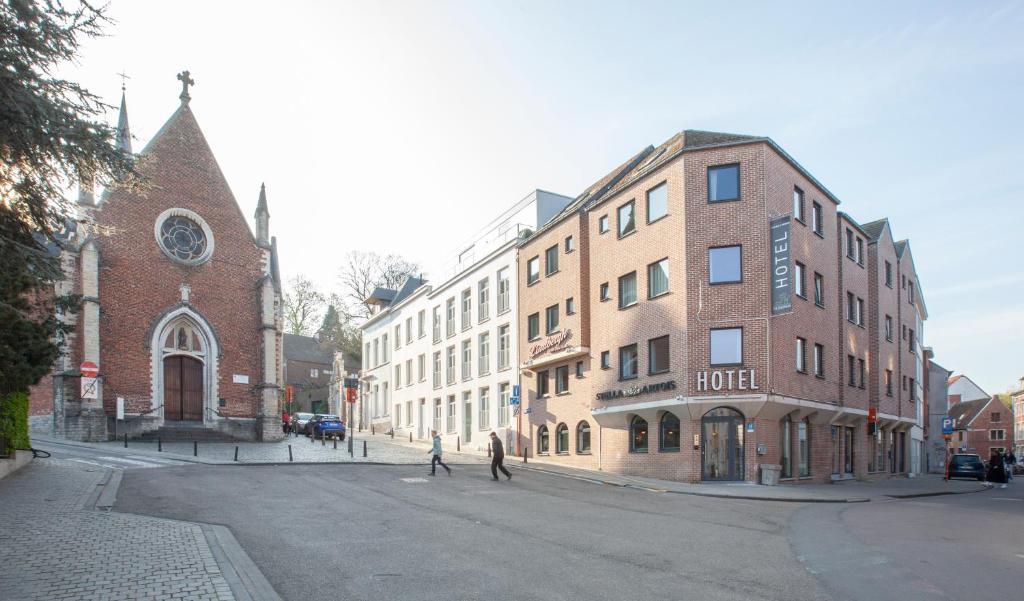
The Shepherd
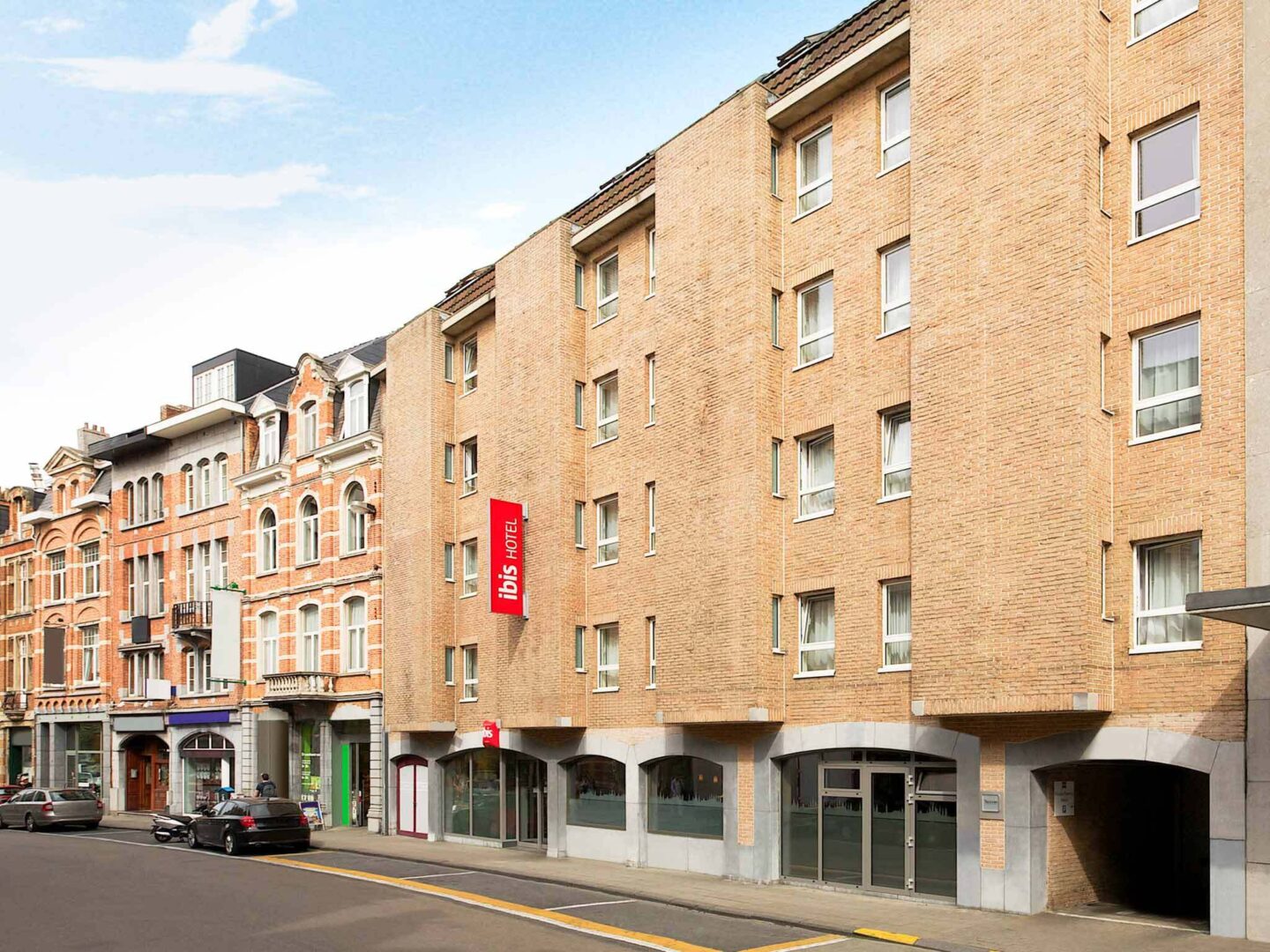
Ibis Leuven Centrum
Places are limited to support focused faculty interaction, small-group learning, and meaningful hands-on ultrasound practice.
Registration Fees
Earlybird discounted rate €995 standard rate within 2 months of course €1,095. Registration includes course materials & light refreshment. Please NOTE that accommodation is not included in the registration price.

Ultrasound-Guided Regional Anesthesia Boutique Workshop
 New York, USA
  Jul 25
Ultrasound-Guided Regional Anesthesia Boutique Workshop
New York, USA
Aug 22 
Ultrasound-Guided Regional Anesthesia Boutique Workshop
Leuven, Belgium
Sep 05 
Ultrasound-Guided Regional Anesthesia Boutique Workshop
New York, USA
Sep 12 
Ultrasound-Guided Regional Anesthesia Boutique Workshop
New York, USA
Oct 03 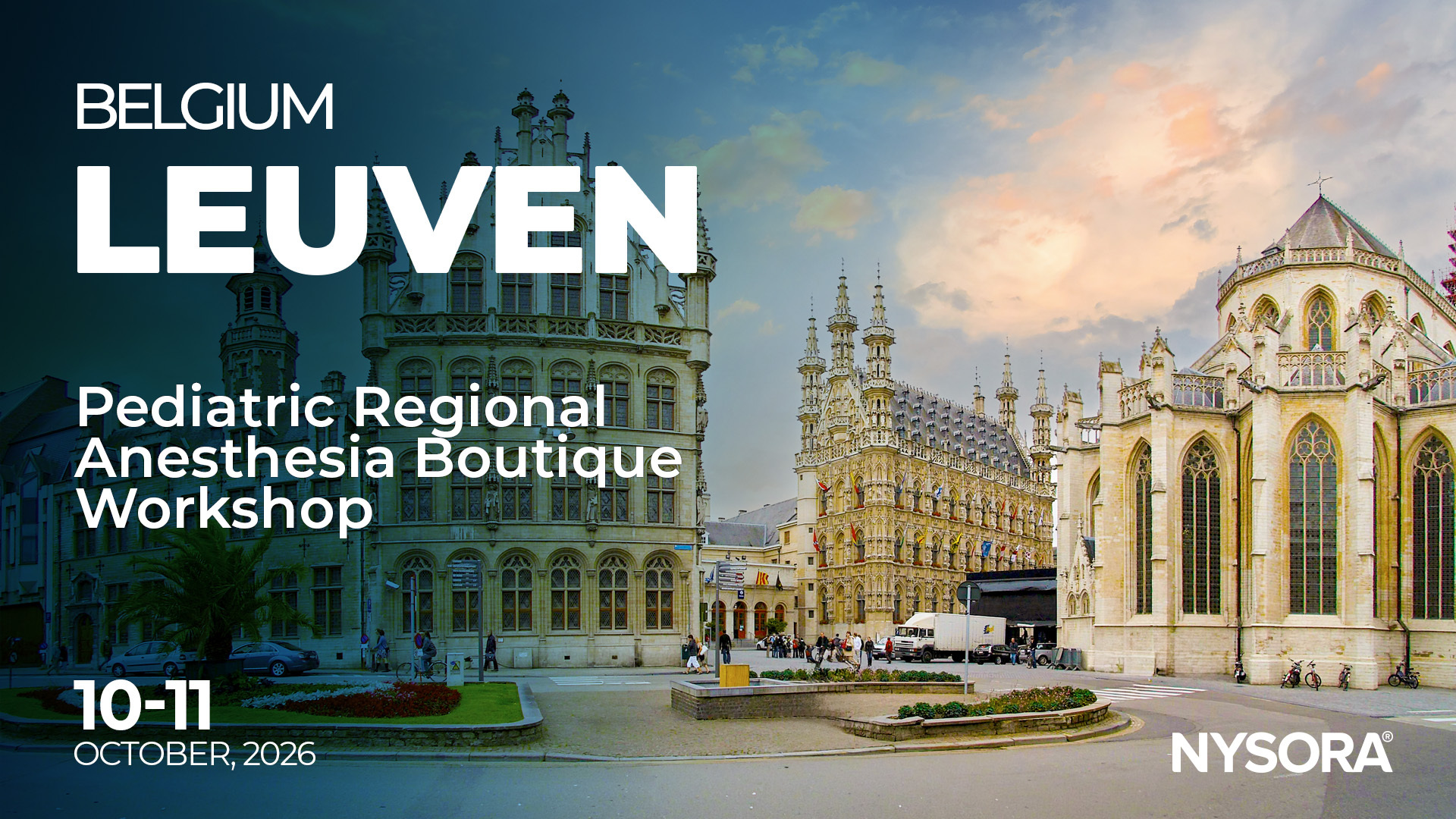
Pediatric Regional Anesthesia Boutique Workshop
Leuven, Belgium
Oct 10 
Ultrasound-Guided Regional Anesthesia Boutique Workshop
Istanbul, Turkey
Oct 24 
Ultrasound-Guided Regional Anesthesia Boutique Workshop
New York, USA
Oct 31 
Ultrasound-Guided Regional Anesthesia Boutique Workshop
Toronto, Canada
Nov 14 
Ultrasound-Guided Regional Anesthesia Boutique Workshop
New York, USA
Nov 21 
Ultrasound-Guided Regional Anesthesia Boutique Workshop
Leuven, Belgium
Nov 28 
Point Of Care Ultrasound (POCUS) Workshop
New York, USA
Dec 05 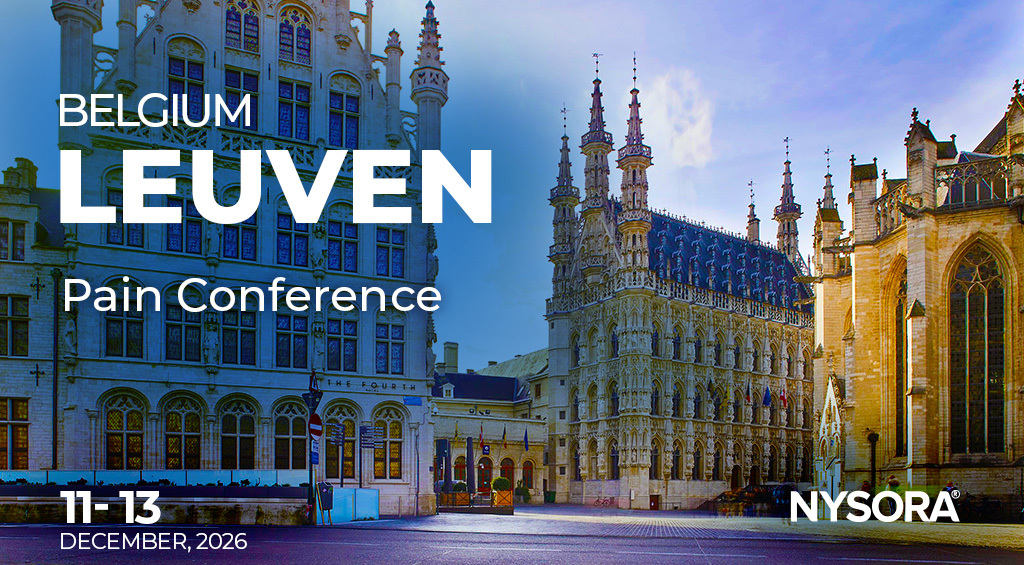
Ultrasound in Interventional Pain Medicine Comprehensive Workshop (Plus CIPS Exam preparation Instructions)
Leuven, Belgium
Dec 12 
Ultrasound-Guided Regional Anesthesia Boutique Workshop
New York, USA
Dec 12 
Ultrasound-Guided Regional Anesthesia Boutique Workshop
New York, USA
Jan 30 Orthobiologics Workshop for MSK and Spine
Leuven, Belgium
Feb 20
Ultrasound-Guided Regional Anesthesia Boutique Workshop
New York, USA
Feb 27 
Ultrasound-Guided Regional Anesthesia Boutique Workshop
Leuven, Belgium
Mar 06  Nerve Blocks App
 Anesthesia Assistant App
 Ultrasound Pain App
 Pain Medicine Assistant App
 POCUS App
 IV Access App
 MSK Knee App
 Nerve Block Manual
 Regional Anesthesia Updates
 Anesthesiology Manual
 Anesthesiology Review
 Anesthesia Updates 2025
 Anesthesia Updates 2026
 Pediatric Anesthesia Updates
 Airway Management Updates
 US Interventional Pain Manual
 Pain Medicine Updates
 Mastering Difficult IV Access
 PACU Nursing Manual
 RA Veterinary Manual
 Books
Books About
About