 Nerve Blocks App
 Anesthesia Assistant App
 Ultrasound Pain App
 Pain Medicine Assistant App
 POCUS App
 IV Access App
 MSK Knee App
 VetRA App
 Nerve Block Manual
 Regional Anesthesia Updates
 Anesthesiology Manual
 Anesthesiology Review
 Anesthesia Updates 2025
 Anesthesia Updates 2026
 Pediatric Anesthesia Updates
 Airway Management Updates
 US Interventional Pain Manual
 Pain Medicine Updates
 Mastering Difficult IV Access
 PACU Nursing Manual
 RA Veterinary Manual
 Books
Books About
About
 Back to News
 3 min read
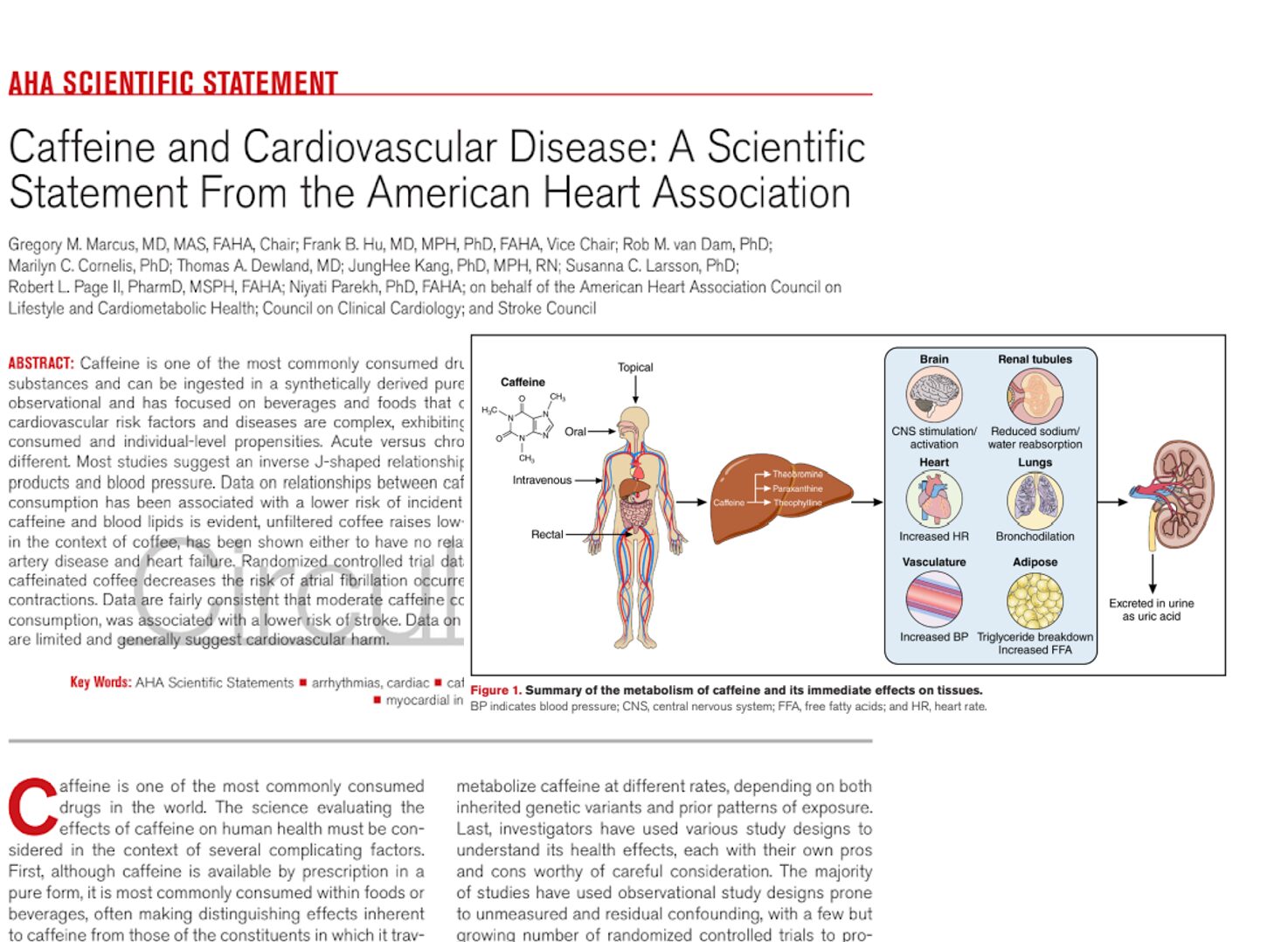
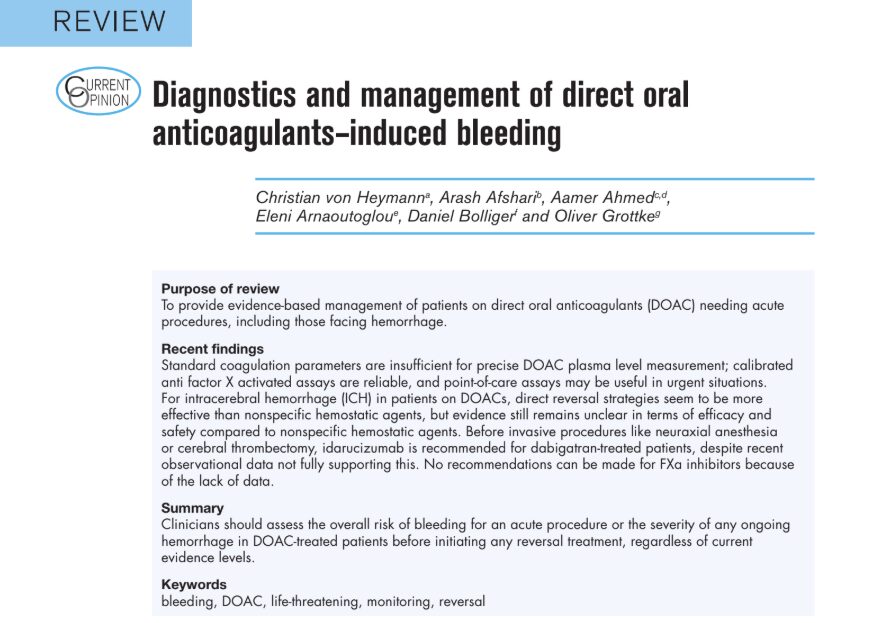
Direct Oral Anticoagulants (DOACs) play a crucial role in managing thromboembolic conditions, offering predictable pharmacokinetics and fewer dietary restrictions compared to vitamin K antagonists. However, bleeding complications remain the most significant risk. A 2025 review by von Heymann et al. sheds light on the latest evidence-based approaches for diagnosing and managing DOAC-induced bleeding, particularly in urgent and life-threatening scenarios.
Understanding DOACs and associated bleeding risks
DOACs fall into two categories:
- Thrombin inhibitors: Dabigatran
- Factor Xa (FXa) inhibitors: Apixaban, Rivaroxaban, Edoxaban
Major concerns:
- Life-threatening bleeding (e.g., intracerebral hemorrhage)
- Challenges in monitoring anticoagulant activity
- Limited clinical trial data supporting antidote use
Laboratory monitoring: what works and what doesn’t
Routine coagulation tests like PT, aPTT, and thrombin time offer only qualitative data and may miss significant DOAC plasma levels.
Preferred diagnostic tools:
- Calibrated anti-FXa assays: Most reliable for FXa inhibitors
- Diluted thrombin time (dTT) and Ecarin clotting time (ECT): Effective for dabigatran
- DOAC dipsticks: Useful for rapid exclusion in emergencies
ClotPro® and viscoelastic tests: Show promise, but need validation
Reversal strategies: antidotes vs nonspecific agents
Key antidotes:
- Idarucizumab: For dabigatran reversal
- Andexanet alfa: For FXa inhibitor reversal
Nonspecific agents:
- Prothrombin complex concentrate (PCC)
- Activated PCC (aPCC)
- Recombinant factor VIIa (rFVIIa) – less preferred due to inconsistent efficacy
Step-by-step: managing DOAC-associated intracerebral hemorrhage (ICH)
- Confirm diagnosis and timing of last DOAC dose
- Determine DOAC type:
- Dabigatran → administer idarucizumab
- FXa inhibitors → consider andexanet alfa or PCC
- Dabigatran → administer idarucizumab
- Monitor for hematoma expansion
- Balance thrombotic risk when using reversal agents
- Consider a neurosurgical consultation if deterioration occurs
Thresholds for reversal: what plasma levels justify intervention?
- < 30 ng/mL: generally safe for surgery
- 30–50 ng/mL: gray zone
- 50 ng/mL: consider reversal, especially if bleeding or urgent high-risk procedure
No robust randomized controlled trial (RCT) evidence supports these thresholds, but they are widely referenced in guidelines.
Severe bleeding under FXa inhibitors: what’s the best option?
- Andexanet alfa: Shown to reduce hematoma expansion and improve hemostasis in trials (e.g., ANNEXA-I)
- PCC: More accessible; similar outcomes in many studies
- aPCC and rFVIIa: Alternative when other agents are unavailable; higher thrombotic risk
Key comparison (ANNEXA-I trial):
- Hemostatic efficacy: 67% (andexanet) vs 53% (PCC)
- 30-day mortality: similar
- Thrombotic events: higher in andexanet group (10.3%)
Managing dabigatran-related major bleeding
First-line: Idarucizumab (5 g IV)
- Stops bleeding within 2.5 hours in 68% of patients
- Reversal success in 90%+ based on coagulation markers
- 30-day mortality: ~13.5%
- Limitations: non-randomized studies, some rebound anticoagulant levels
Alternative: PCC or aPCC
- Reserved for situations where idarucizumab is unavailable
Managing DOAC overdose without bleeding
Not routinely reversed unless at high bleeding risk.
Supportive measures:
- Activated charcoal (early ingestion)
- Hemodialysis (for dabigatran)
- Diuresis or hemadsorption (for FXa inhibitors)
Pre-procedural management: when time is short
For urgent procedures:
- Dabigatran: Use idarucizumab before neuraxial anesthesia or thrombectomy
- FXa inhibitors: No clear consensus; clinical judgment required
NOTE: A “wait and see” strategy may be appropriate if DOAC levels are <50 ng/mL.
Conclusion
The management of DOAC-induced bleeding is evolving. While specific antidotes like idarucizumab and andexanet alfa offer targeted reversal, questions remain about their superiority over PCCs, particularly in ICH. Laboratory monitoring, guideline-based thresholds, and individualized patient assessments remain central to safe and effective care.
Case of The Week with Anesthesia Assistant
Which reversal strategy should you choose for a patient on DOACs with severe bleeding?