Anesthesiology Manual - NYSORA
NYSORA Books

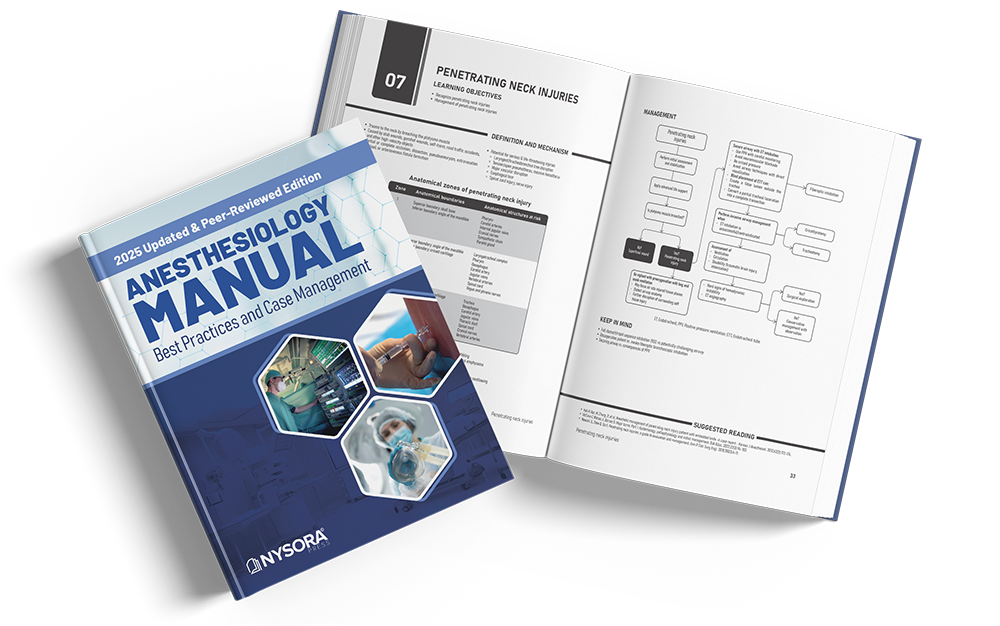
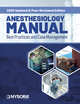
Anesthesiology Manual:
Best Practices and Case Management

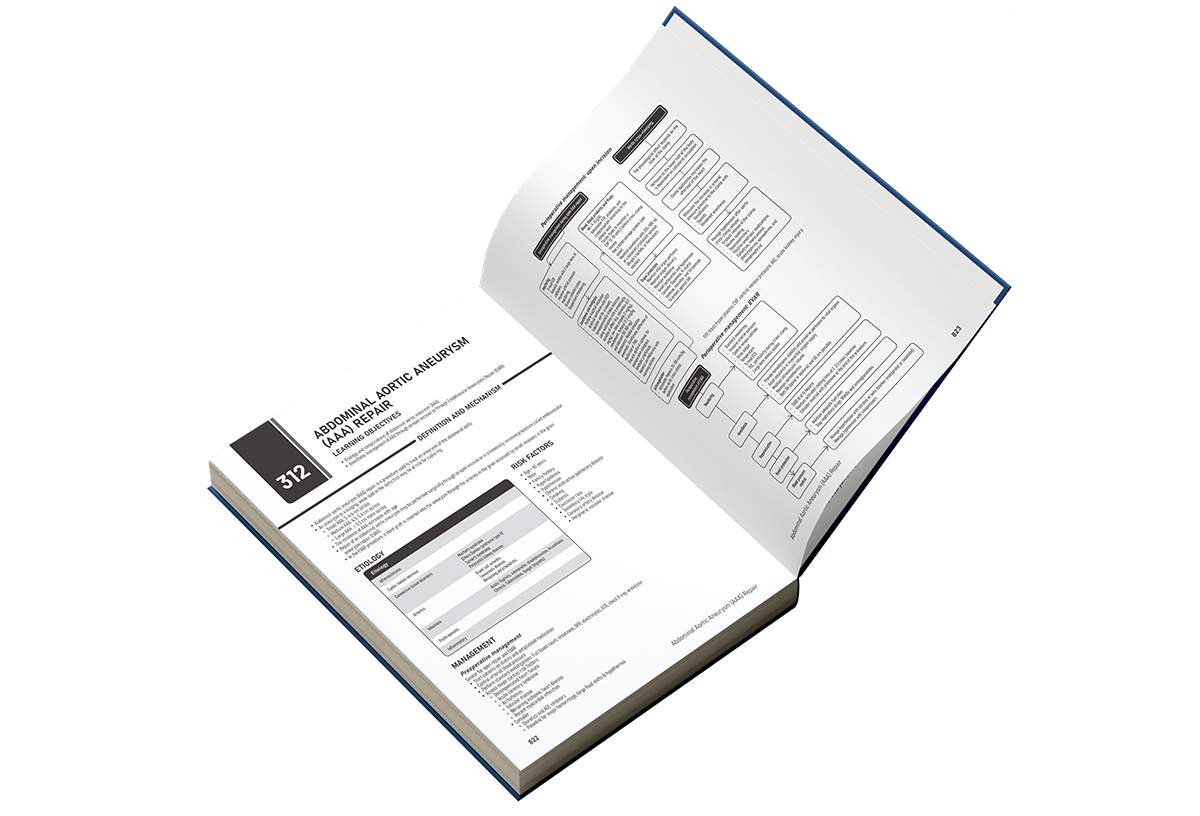
This manual is the most up-to-date resource on best clinical practices and practical case management in anesthesiology. It is an essential guide for students, residents, and experienced practitioners to confidently manage complex clinical scenarios.


Overview

Each chapter provides practical insights and actionable protocols, ensuring this book becomes your indispensable reference for daily clinical use. The content is meticulously crafted to support both clinical practice and the continuous education of anesthesiology professionals.
01
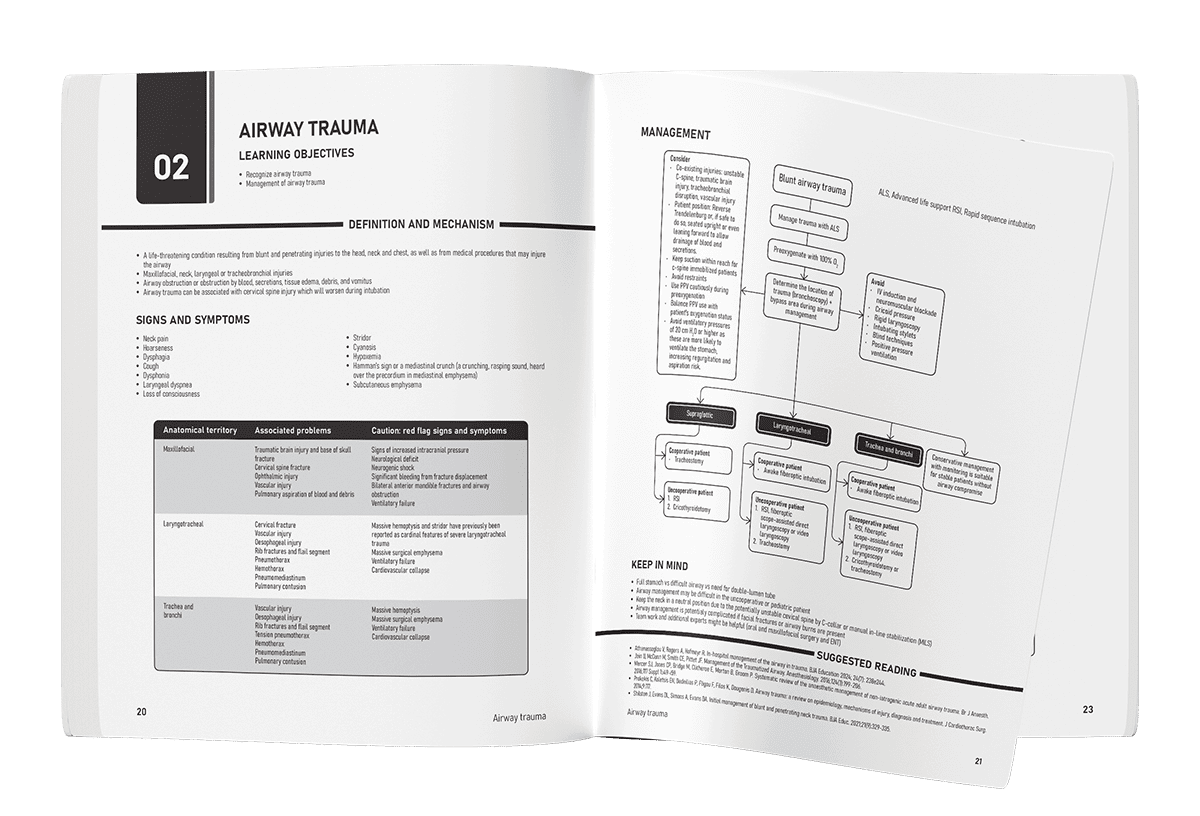
Over 300 topics spanning all of the anesthesiology practice.
02
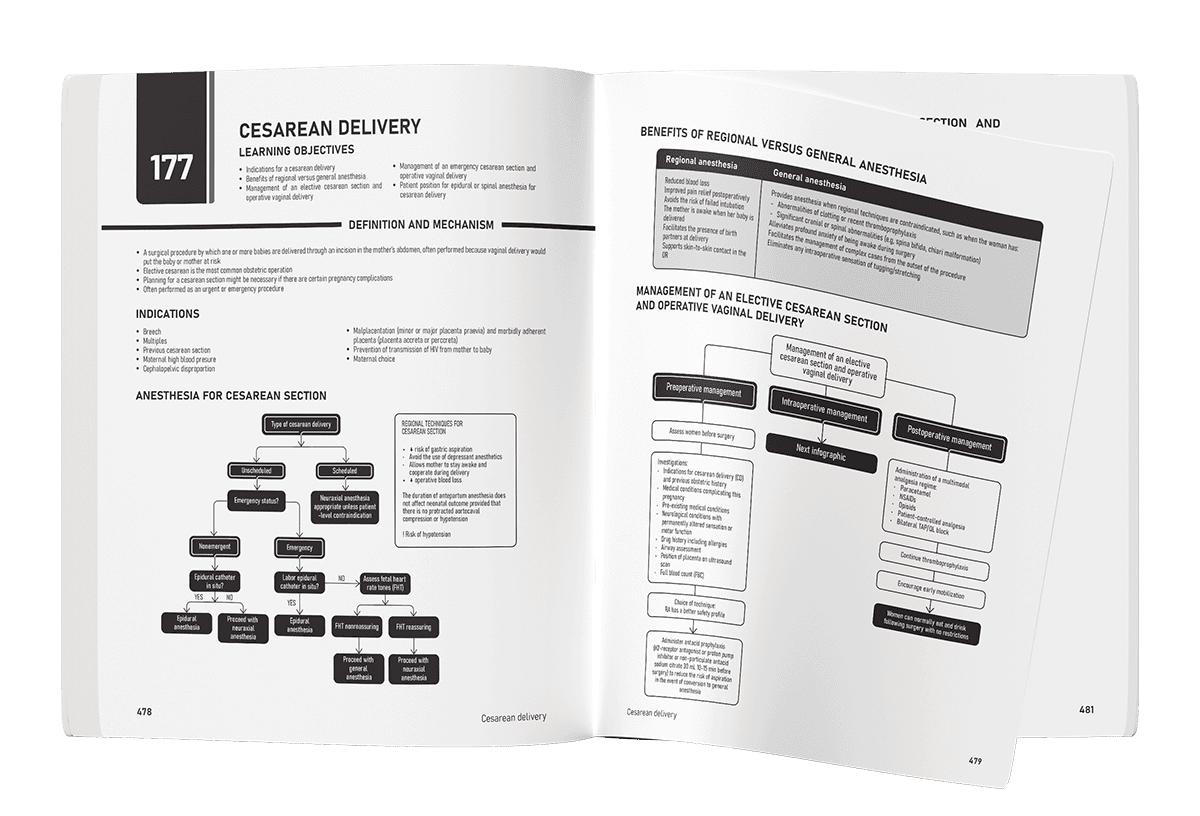
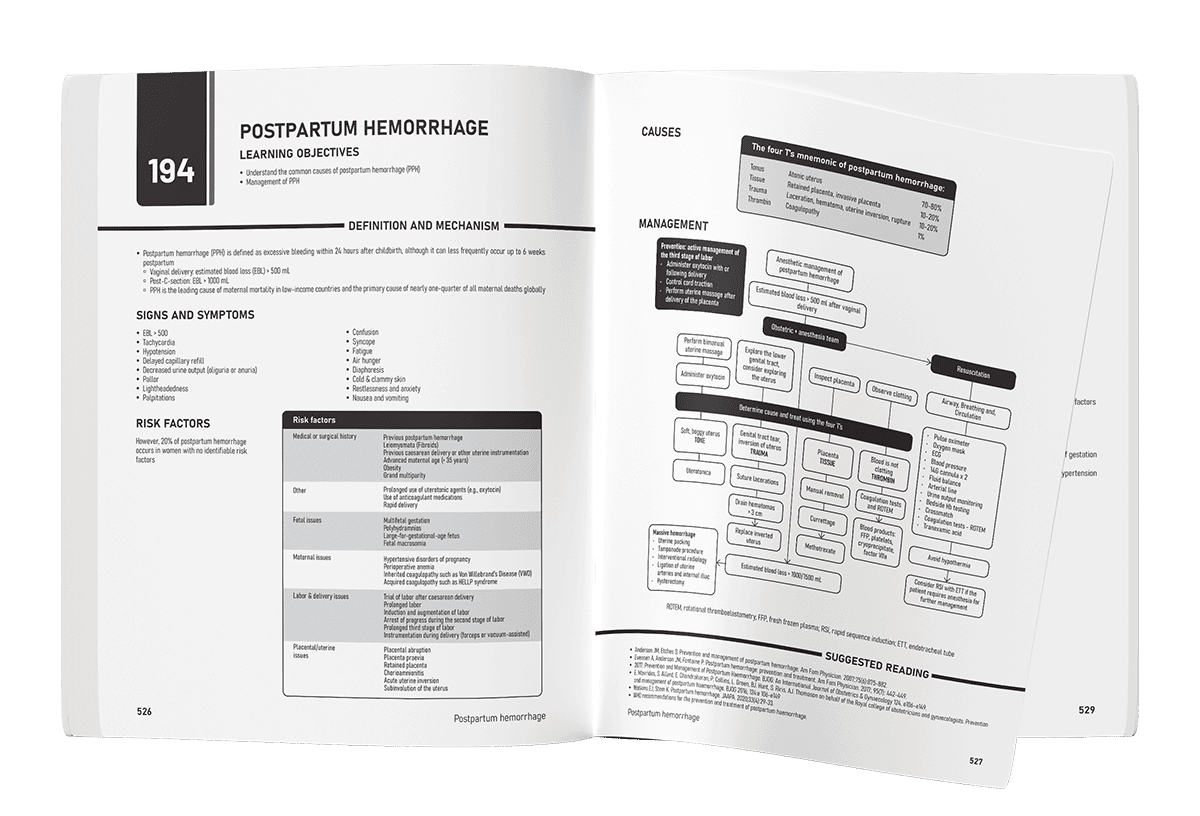
Combines detailed knowledge with step-by-step clinical guidance.
03
Tailored for oral and written board exam success.
01
Over 300 topics spanning all of the anesthesiology practice.
02
Combines detailed knowledge with step-by-step clinical guidance.
03
Tailored for oral and written board exam success.

Discover the Anesthesiology Manual

Everything you need to learn or teach about case management in anesthesiology

Key Features

This manual is a culmination of the collective expertise of the dedicated team at NYSORA, contributors in the field worldwide, and an educational board composed of key opinion leaders in anesthesiology, pain medicine, musculoskeletal (MSK) medicine, and point-of-care ultrasound (POCUS).
A Collection of more than 300 Topics 
Practical Insights
Step-by-Step Protocols
Up-to-date Information for Daily Use
Evidence-Based References
Expert-Curated Content

Comprehensive coverage

Explore over 300 expertly curated anesthesia topics, delivering up-to-date knowledge, practical insights, and clinical guidance, and designed to support decision-making in complex cases.

An in-depth yet practical manual

The manual is thoughtfully structured to deliver in-depth knowledge alongside practical, step-by-step clinical guidance.

Board examination preparation

Tailored forindividuals preparing for oral and written board exams.

Up-to-date information

Adherence to the latest published information to ensure that readers are equipped with the most current standards and practices in anesthesiology.

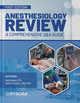
The Anesthesiology Review:
A Comprehensive Q&A Guide

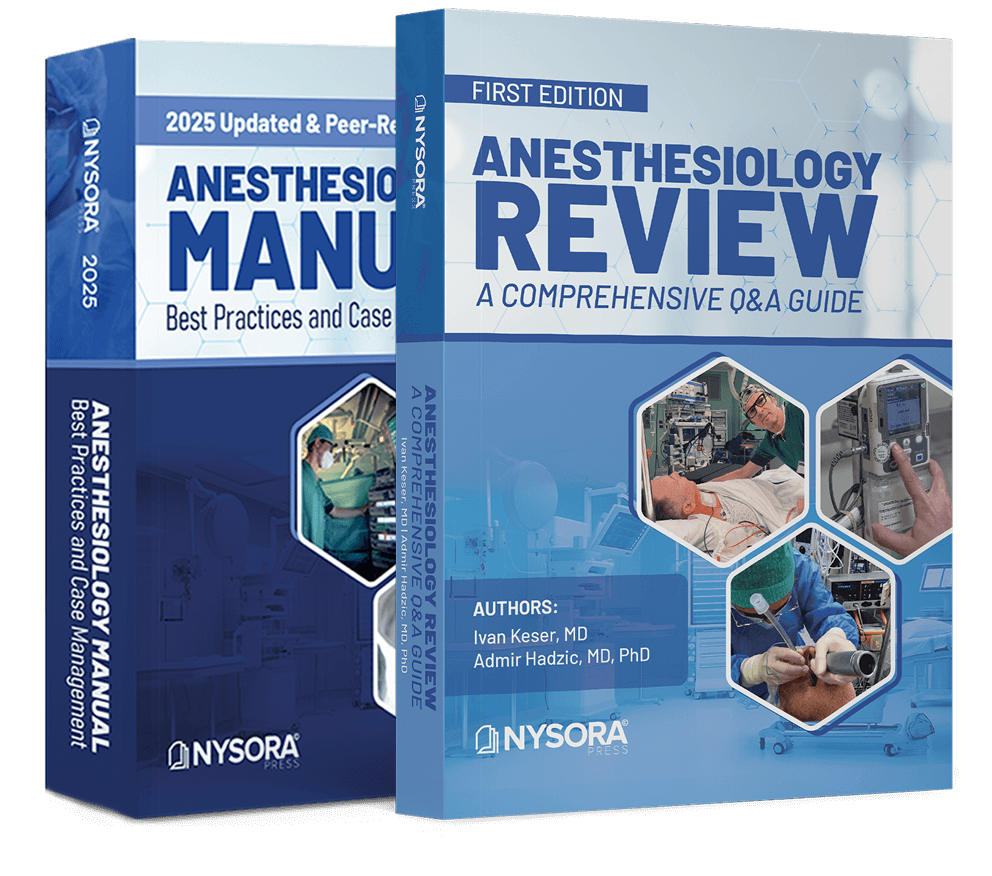
Complements the Anesthesiology Manual as it features over 1,800 meticulously crafted questions covering all 300+ topics. These two books ensure that anesthesiologists are equipped with the knowledge and skills to excel in their practice and pass their board exams.

Newest Updates

Newest Updates

Higher intraoperative blood pressure targets fail to improve major postoperative outcomes

A comprehensive systematic review and meta-analysis published in Anesthesiology challenges the assumption that maintaining higher intraoperative arterial pressures necessarily improves postoperative outcomes. The study, led by Katie Chiou and colleagues, analyzed 15 randomized controlled trials involving 15,603 patients undergoing elective noncardiac surgery under general anesthesia. The findings suggest that targeting higher mean arterial pressure (MAP) values provides no additional protection against major postoperative complications when compared with routine blood pressure management. Importantly, although higher targets consistently reduced intraoperative hypotension, this physiological improvement did not translate into a measurable reduction in acute kidney injury or myocardial injury. Why intraoperative blood pressure management matters Maintaining adequate organ perfusion during general anesthesia is a fundamental component of perioperative care. Numerous observational studies have demonstrated associations between the severity and duration of intraoperative hypotension and postoperative complications, including: Acute kidney injury (AKI) Myocardial injury after noncardiac surgery Cerebrovascular complications Postoperative mortality Postoperative neurocognitive complications These observations have contributed to contemporary recommendations to maintain intraoperative MAP at approximately 60–65 mmHg or higher. However, an important clinical question remains: Does increasing MAP beyond these routinely recommended thresholds provide additional protection against organ injury? Observational associations do not necessarily establish causality. Patients who experience intraoperative hypotension may also have underlying cardiovascular disease, greater surgical complexity, or other factors contributing to postoperative complications. Randomized controlled trials are therefore essential to determine whether actively targeting higher arterial pressures improves patient-centered outcomes. Study design: 15 randomized trials evaluated Chiou and colleagues conducted a systematic review following PRISMA recommendations, searching PubMed, Cochrane CENTRAL, Scopus, and Embase through April 2026. The analysis included adult patients undergoing elective noncardiac surgery under general anesthesia. Researchers compared two strategies: Higher blood pressure targets: Fixed MAP thresholds, commonly between 70 and 100 mmHg, or individualized targets based on preoperative blood pressure. Routine blood pressure management: Standard […]

Read more

Intravenous iron therapy is safer than many clinicians think

Intravenous (IV) iron therapy is an effective and generally safe treatment for iron deficiency and iron-deficiency anemia (IDA). Yet concerns about adverse reactions continue to limit its use, potentially leaving patients with inadequately treated anemia. A new international consensus paper published in the British Journal of Anaesthesia (BJA) in July 2026 aims to address these concerns by translating current evidence into practical recommendations for clinicians. Developed by experts from the Network for the Advancement of Patient Blood Management, Haemostasis and Thrombosis (NATA), the publication provides guidance on selecting IV iron formulations, recognising adverse events, preventing complications and managing reactions safely. The central message is reassuring: serious hypersensitivity reactions are rare, most infusion-related events are manageable, and appropriate monitoring and formulation selection can substantially improve treatment safety. However, the recommendations also highlight an important and sometimes overlooked complication: formulation-dependent hypophosphatemia, particularly following ferric carboxymaltose administration. Key findings at a glance Serious hypersensitivity reactions are uncommon: Severe reactions occur in only a small proportion of patients receiving modern IV iron formulations. Not every infusion reaction is anaphylaxis: Mild, transient reactions can often be managed by temporarily interrupting the infusion. Hypophosphatemia varies substantially between formulations: A meta-analysis reported an incidence of 47% with ferric carboxymaltose versus 4% with ferric derisomaltose. Extravasation can cause permanent skin staining: Careful cannula placement, saline flushing and regular inspection are essential. Infection risk remains uncertain: Most large randomised trials have not demonstrated a clinically important increase in infection risk, although treatment is generally deferred during active, uncontrolled infections. Routine prolonged observation is not always necessary: NATA suggests that mandatory 30-minute postinfusion observation is generally unnecessary, while emphasising close monitoring during administration. Treatment should be individualised: Patient characteristics, cumulative iron exposure, infusion convenience and formulation-specific adverse effects should guide clinical decisions. Why intravenous iron safety matters Iron deficiency and […]

Read more

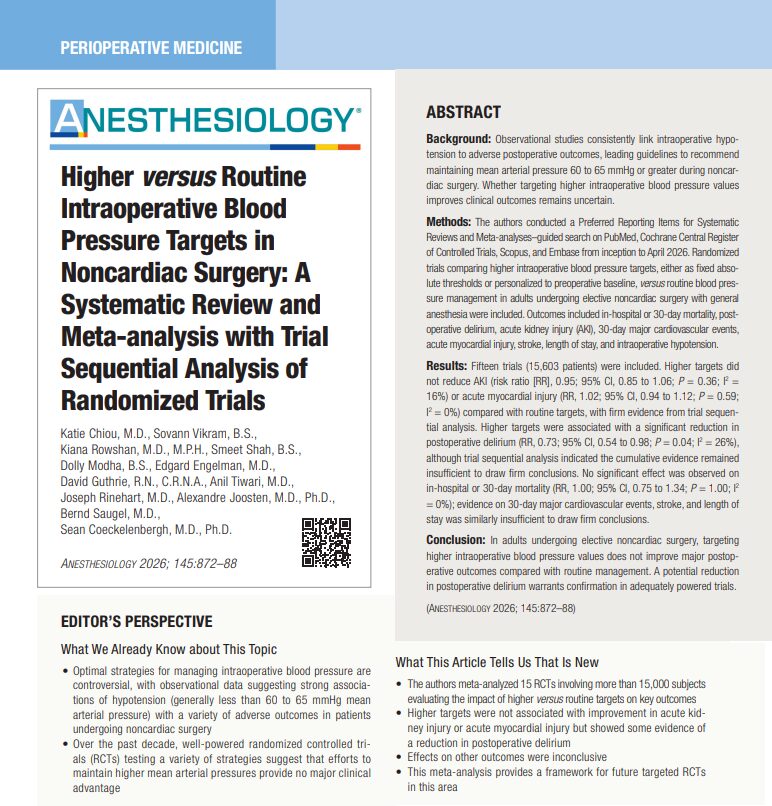
Higher intraoperative blood pressure targets fail to improve major postoperative outcomes

A comprehensive systematic review and meta-analysis published in Anesthesiology challenges the assumption that maintaining higher intraoperative arterial pressures necessarily improves postoperative outcomes. The study, led by Katie Chiou and colleagues, analyzed 15 randomized controlled trials involving 15,603 patients undergoing elective noncardiac surgery under general anesthesia. The findings suggest that targeting higher mean arterial pressure (MAP) values provides no additional protection against major postoperative complications when compared with routine blood pressure management. Importantly, although higher targets consistently reduced intraoperative hypotension, this physiological improvement did not translate into a measurable reduction in acute kidney injury or myocardial injury. Why intraoperative blood pressure management matters Maintaining adequate organ perfusion during general anesthesia is a fundamental component of perioperative care. Numerous observational studies have demonstrated associations between the severity and duration of intraoperative hypotension and postoperative complications, including: Acute kidney injury (AKI) Myocardial injury after noncardiac surgery Cerebrovascular complications Postoperative mortality Postoperative neurocognitive complications These observations have contributed to contemporary recommendations to maintain intraoperative MAP at approximately 60–65 mmHg or higher. However, an important clinical question remains: Does increasing MAP beyond these routinely recommended thresholds provide additional protection against organ injury? Observational associations do not necessarily establish causality. Patients who experience intraoperative hypotension may also have underlying cardiovascular disease, greater surgical complexity, or other factors contributing to postoperative complications. Randomized controlled trials are therefore essential to determine whether actively targeting higher arterial pressures improves patient-centered outcomes. Study design: 15 randomized trials evaluated Chiou and colleagues conducted a systematic review following PRISMA recommendations, searching PubMed, Cochrane CENTRAL, Scopus, and Embase through April 2026. The analysis included adult patients undergoing elective noncardiac surgery under general anesthesia. Researchers compared two strategies: Higher blood pressure targets: Fixed MAP thresholds, commonly between 70 and 100 mmHg, or individualized targets based on preoperative blood pressure. Routine blood pressure management: Standard […]

Read more

Intravenous iron therapy is safer than many clinicians think

Intravenous (IV) iron therapy is an effective and generally safe treatment for iron deficiency and iron-deficiency anemia (IDA). Yet concerns about adverse reactions continue to limit its use, potentially leaving patients with inadequately treated anemia. A new international consensus paper published in the British Journal of Anaesthesia (BJA) in July 2026 aims to address these concerns by translating current evidence into practical recommendations for clinicians. Developed by experts from the Network for the Advancement of Patient Blood Management, Haemostasis and Thrombosis (NATA), the publication provides guidance on selecting IV iron formulations, recognising adverse events, preventing complications and managing reactions safely. The central message is reassuring: serious hypersensitivity reactions are rare, most infusion-related events are manageable, and appropriate monitoring and formulation selection can substantially improve treatment safety. However, the recommendations also highlight an important and sometimes overlooked complication: formulation-dependent hypophosphatemia, particularly following ferric carboxymaltose administration. Key findings at a glance Serious hypersensitivity reactions are uncommon: Severe reactions occur in only a small proportion of patients receiving modern IV iron formulations. Not every infusion reaction is anaphylaxis: Mild, transient reactions can often be managed by temporarily interrupting the infusion. Hypophosphatemia varies substantially between formulations: A meta-analysis reported an incidence of 47% with ferric carboxymaltose versus 4% with ferric derisomaltose. Extravasation can cause permanent skin staining: Careful cannula placement, saline flushing and regular inspection are essential. Infection risk remains uncertain: Most large randomised trials have not demonstrated a clinically important increase in infection risk, although treatment is generally deferred during active, uncontrolled infections. Routine prolonged observation is not always necessary: NATA suggests that mandatory 30-minute postinfusion observation is generally unnecessary, while emphasising close monitoring during administration. Treatment should be individualised: Patient characteristics, cumulative iron exposure, infusion convenience and formulation-specific adverse effects should guide clinical decisions. Why intravenous iron safety matters Iron deficiency and […]

Read more

Anesthesiology Manual in Numbers

Pages 0
Illustrations 0
Topics 0 +
Reviewed by NYSORA's
International Educational Board

A Commitment to Excellence

At NYSORA, our mission is to advance anesthesiology through education. The "Anesthesiology Manual: Best Practices and Case Management" is more than just a book; it is a pivotal educational tool written and reviewed by NYSORA’s team of top experts, guaranteeing an unmatched level of precision and expertise.
Get Your Copy

Anesthesiology Manual:
Best Practices and Case Management

The Anesthesiology Manual is offers over 300 topics to guide clinicians through perioperative anesthetic management of diverse patients.