Pocus App - NYSORA

Explore NYSORA knowledge base for free:

Back to All Apps
POCUS App

NYSORA POCUS App

Rapid bedside diagnosis app for the heart, lungs, abdomen, vascular access, and more. Master your emergency diagnostics skills on the go!


Overview

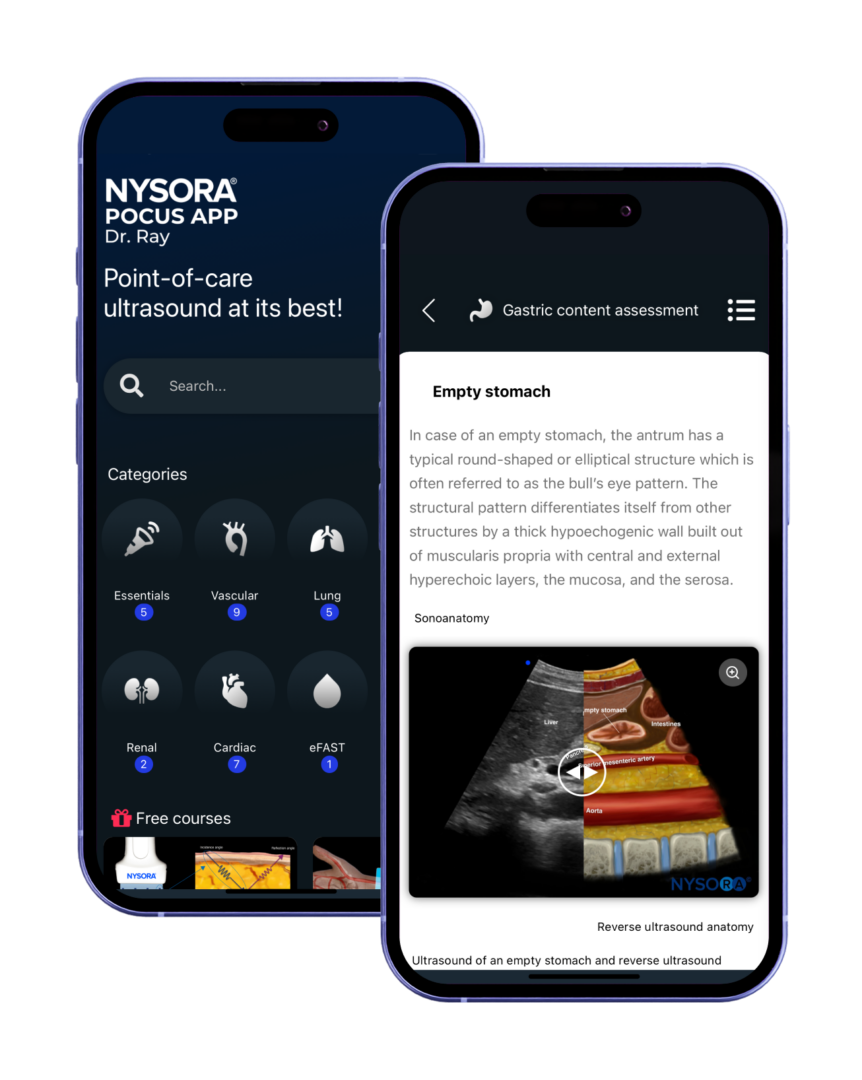
A comprehensive learning tool for anesthesiologists, emergency, and critical care physicians, offering structured modules across eight organ systems, including lung, cardiac, abdominal, renal, and vascular. It integrates step-by-step protocols with high-quality ultrasound images, videos, animations, and NYSORA’s Reverse Ultrasound Anatomy to simplify interpretation of normal and pathological findings.
01
Step-by-step techniques organized by organ system.
02
Detailed anatomical illustrations and ultrasound images.
03
Reverse Ultrasound Anatomy illustrations for intuitive sonoanatomy recognition.
04
Practical recommendations to optimize image acquisition and diagnose pathology.
05
Designed for real-time use in clinical practice.
06
Short quizzes to reinforce key concepts and support ongoing POCUS skill development.
01
Step-by-step techniques organized by organ system.
02
Detailed anatomical illustrations and ultrasound images.
03
Reverse Ultrasound Anatomy illustrations for intuitive sonoanatomy recognition.
04
Practical recommendations to optimize image acquisition and diagnose pathology.
05
Designed for real-time use in clinical practice.
06
Short quizzes to reinforce key concepts and support ongoing POCUS skill development.

Discover the NYSORA POCUS App

Everything you need to learn or teach point-of-care ultrasound

Problems & Solution

Developed by Dr. Imré Van Herreweghe, Anesthesiologist and POCUS expert, the NYSORA POCUS App features over 35 step-by-step techniques.
Problems
Comprehensive, structured resources for POCUS are limited.
Scanning and interpretation recommendations vary widely across available resources.
Ultrasound interpretation often lacks clear anatomical correlation.
Clinicians need reliable, real-time guidance during procedures—not just textbook information.
Solutions
Combines all essential techniques in one intuitive, easy-to-navigate app.
Provides expert guidance on scanning, interpretation, and troubleshooting for consistent outcomes.
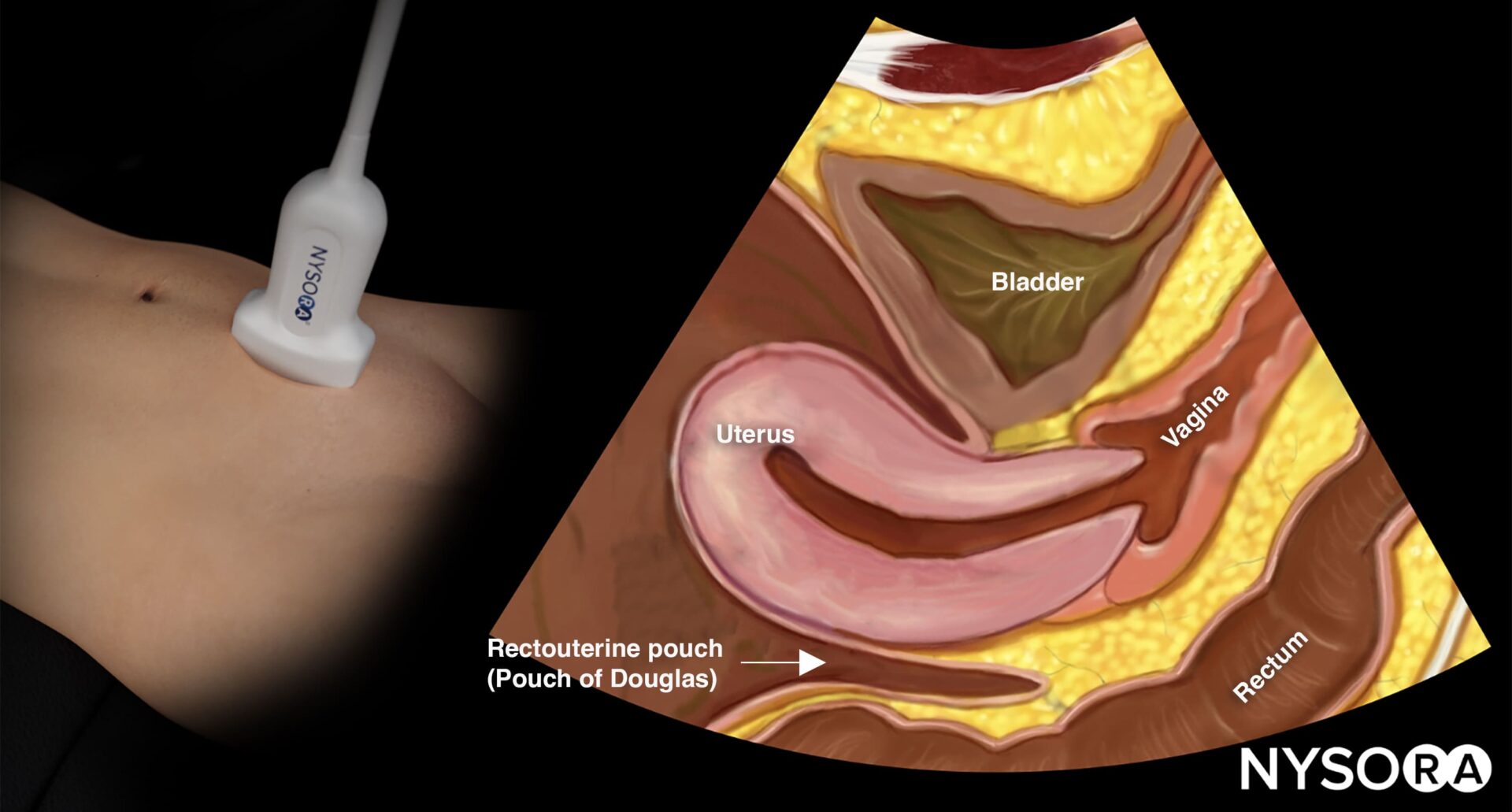
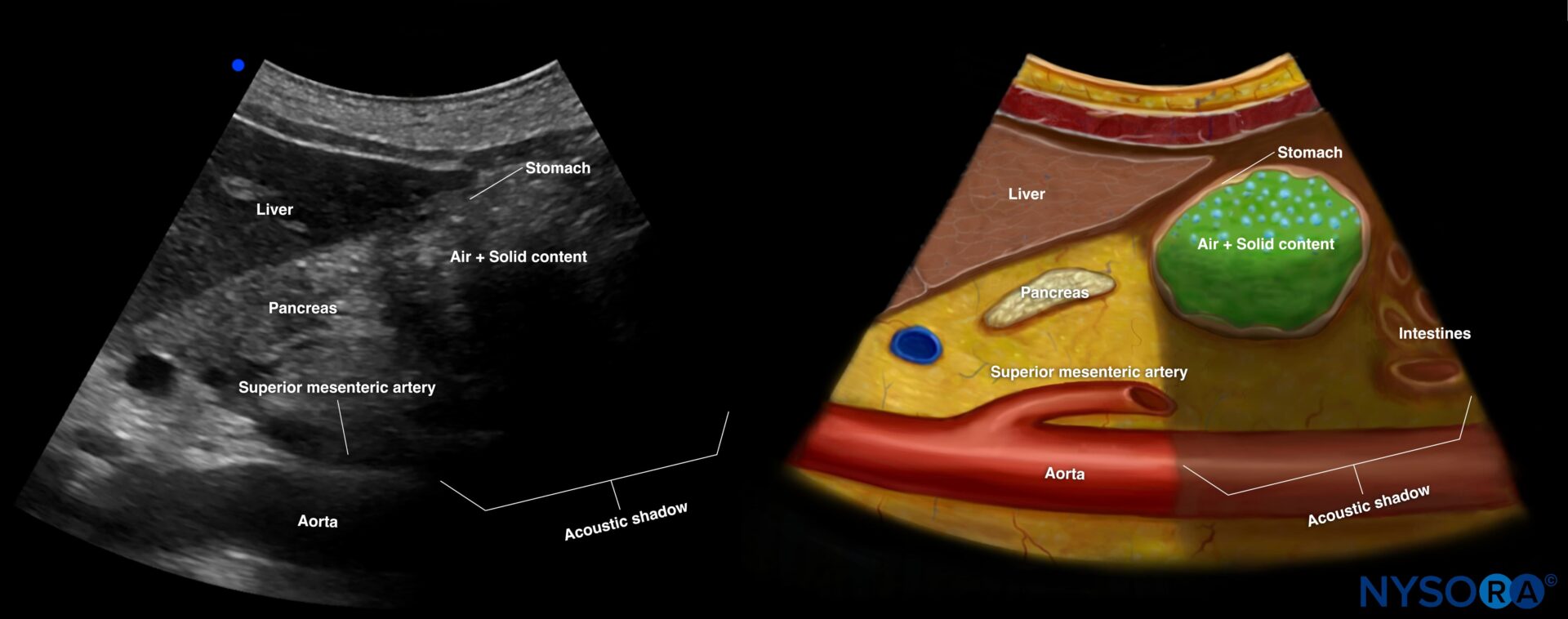
NYSORA’s proprietary Reverse Ultrasound Anatomy simplifies the understanding of sonoanatomy.
Offers a digital, evidence-based companion designed for instant access—anytime, anywhere in clinical practice.

Master proven techniques

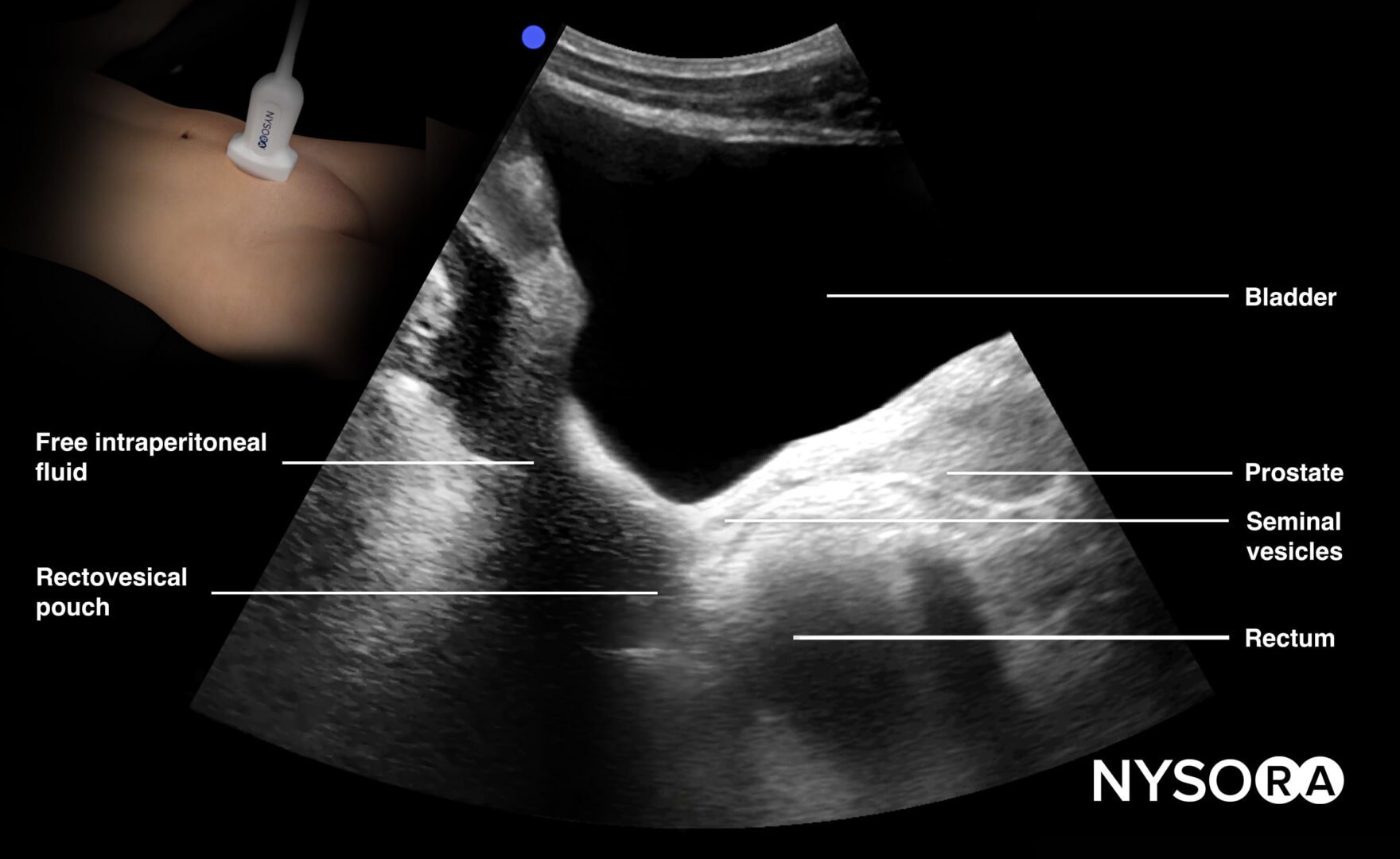
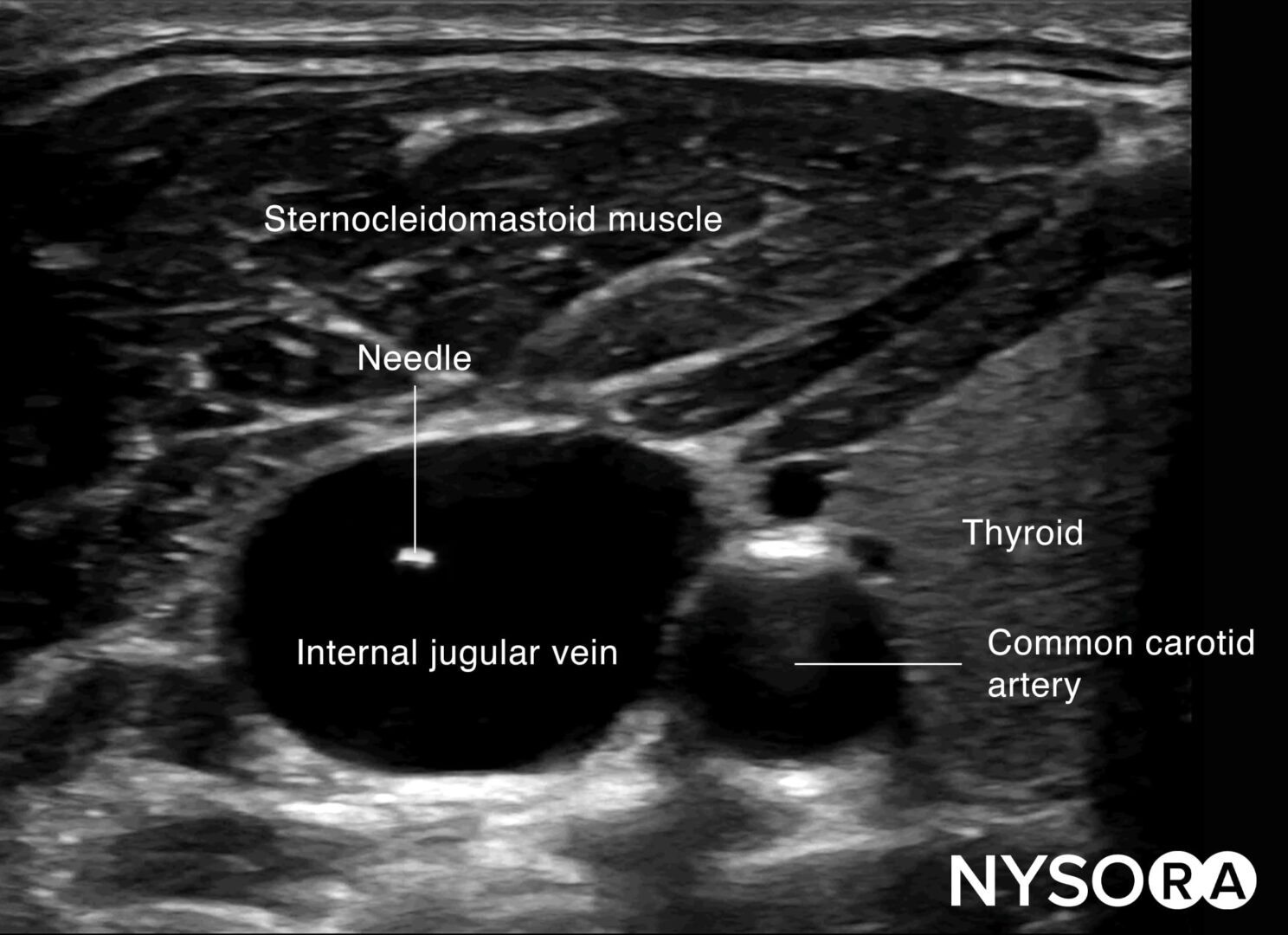
Gastric content assessment, vascular access, free intraperitoneal fluid, and more crucial bedside assessments.

Organized per organ system

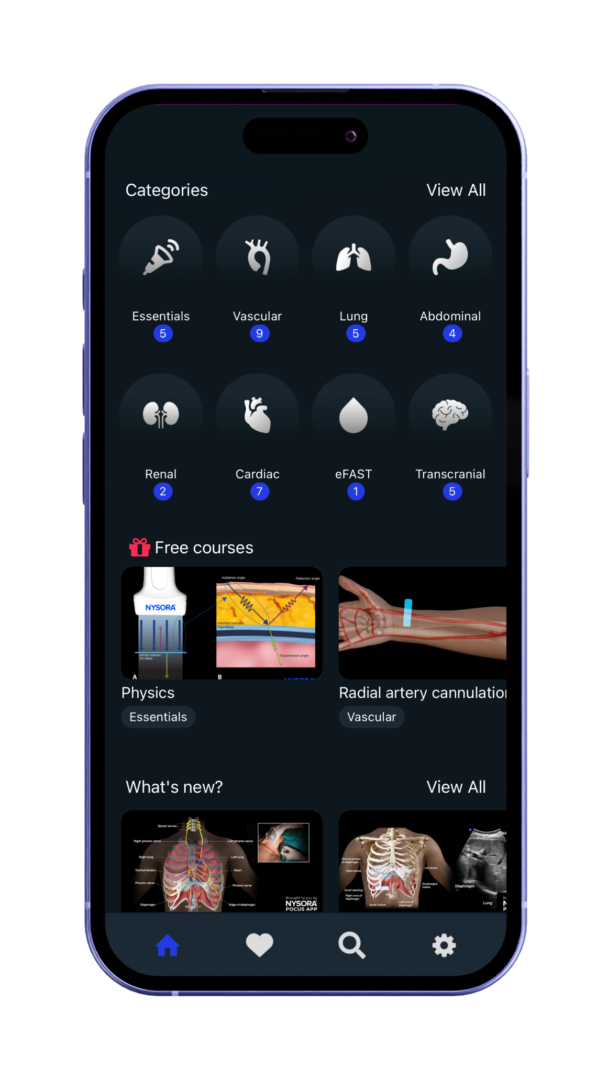
Vascular, lung, abdominal, and more.
Visual learning made simple

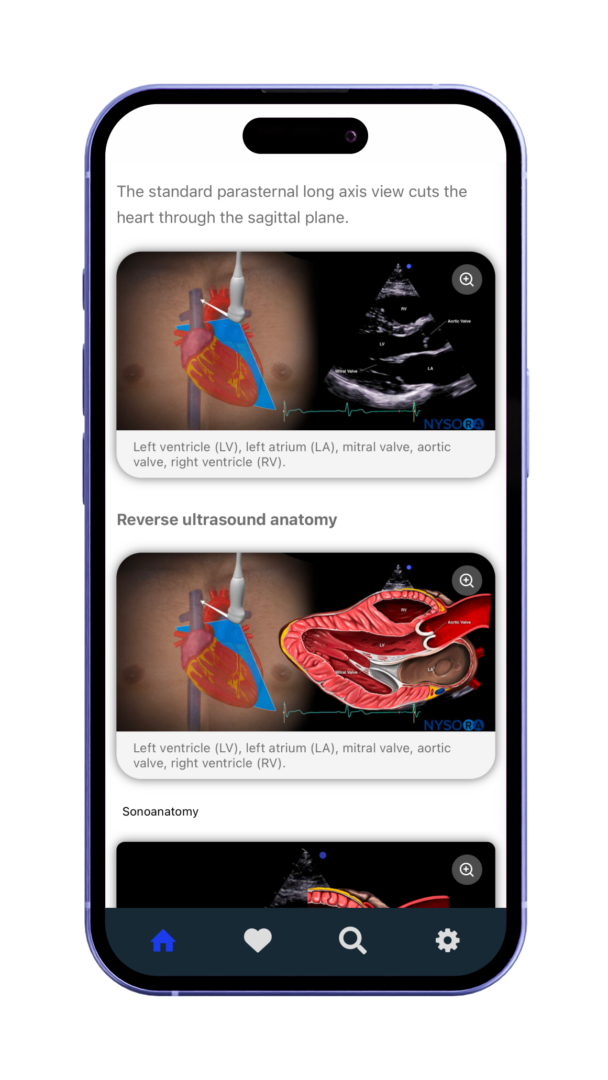
Reverse Ultrasound Anatomy illustrations make sonoanatomy easier to understand and apply. 
Real-time reference

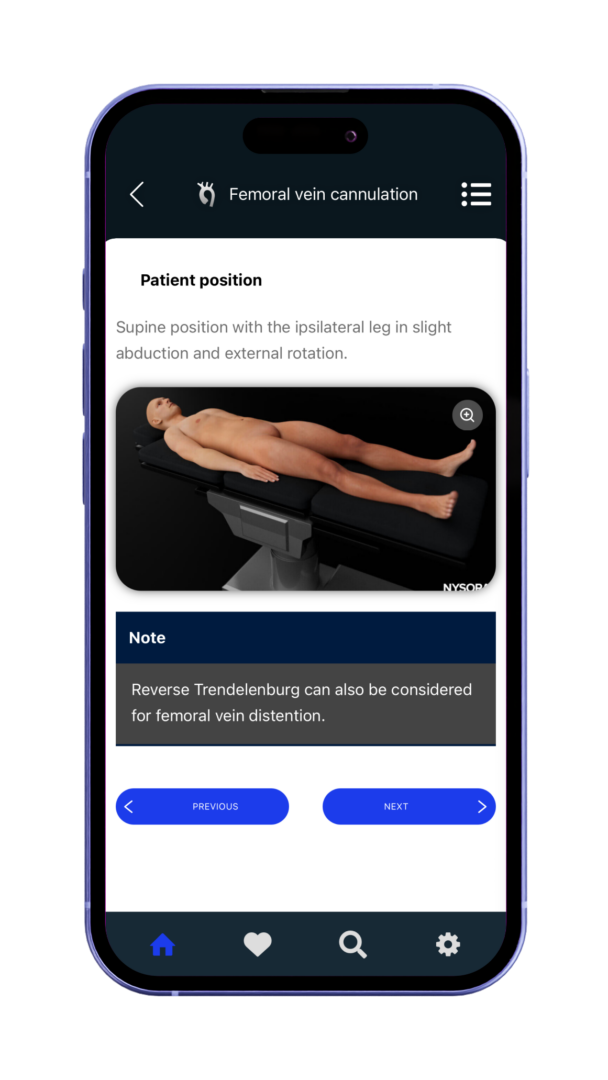
Optimized for fast, easy access on mobile and tablet devices in clinical practice.
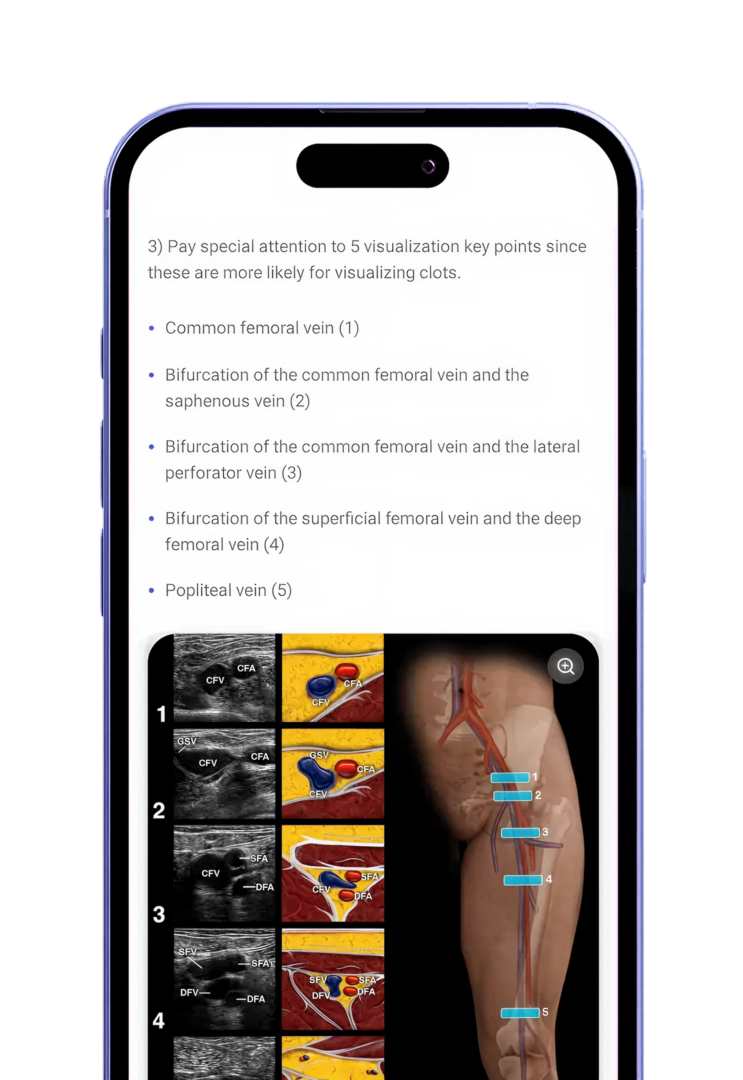
Organized per organ system

Vascular, lung, abdominal, and more.

Visual learning made simple

Reverse Ultrasound Anatomy illustrations make sonoanatomy easier to understand and apply. 

Real-time reference

Optimized for fast, easy access on mobile and tablet devices in clinical practice.
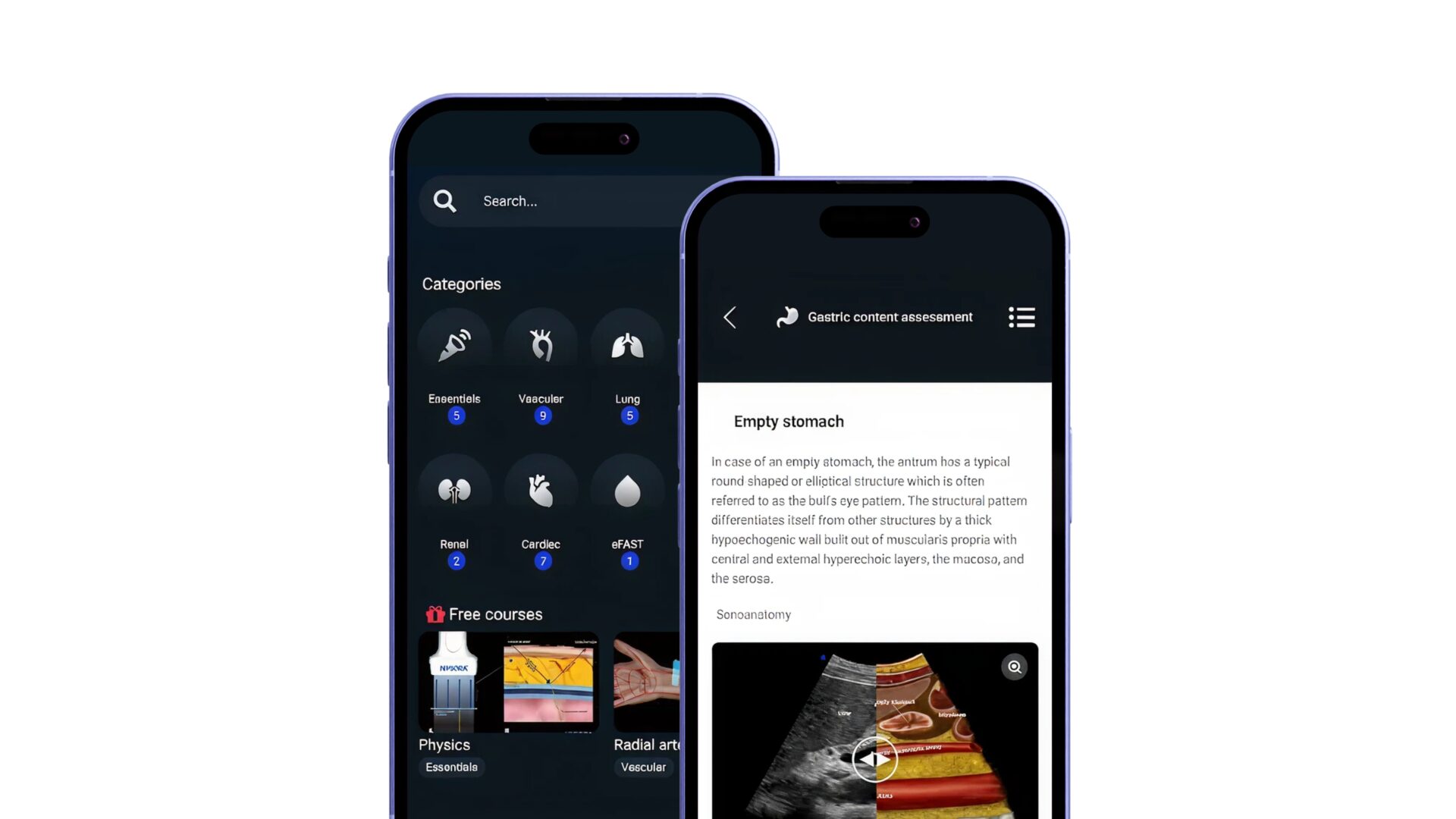
Step-by-step techniques

Easily navigate a well-organized collection of POCUS techniques, grouped by organ system.
Download Now

POCUS App

The best mobile guide for point-of-care-ultrasound. Trusted by physicians worldwide.

Try It out with

Nerve blocks, neuraxial anesthesia, and pain management procedures trusted by veterinarians worldwide.
Sabina Saljic
Insert Title Here
Admir Hadzic
Insert Title Here
Charles Nyugen
Insert Title Here
Sabina Saljic
Insert Title Here
Admir Hadzic
Insert Title Here
Charles Nyugen
Insert Title Here
Sabina Saljic
Insert Title Here
Admir Hadzic
Insert Title Here
Charles Nyugen
Insert Title Here
Hand-Drawn Illustration

Knowledge That Shapes Clinical Practice

From regional anesthesia to IV access, our apps transform complex topics into practical learning. With global reach and top ratings, they guide students, residents, and practicing anesthesiologists alike.

POCUS in Numbers

Downloads 0 K+
Monthly active users 0 K+
Lessons 0 +

Newest Updates

Newest Updates

New POCUS Course: Airway Assessment!

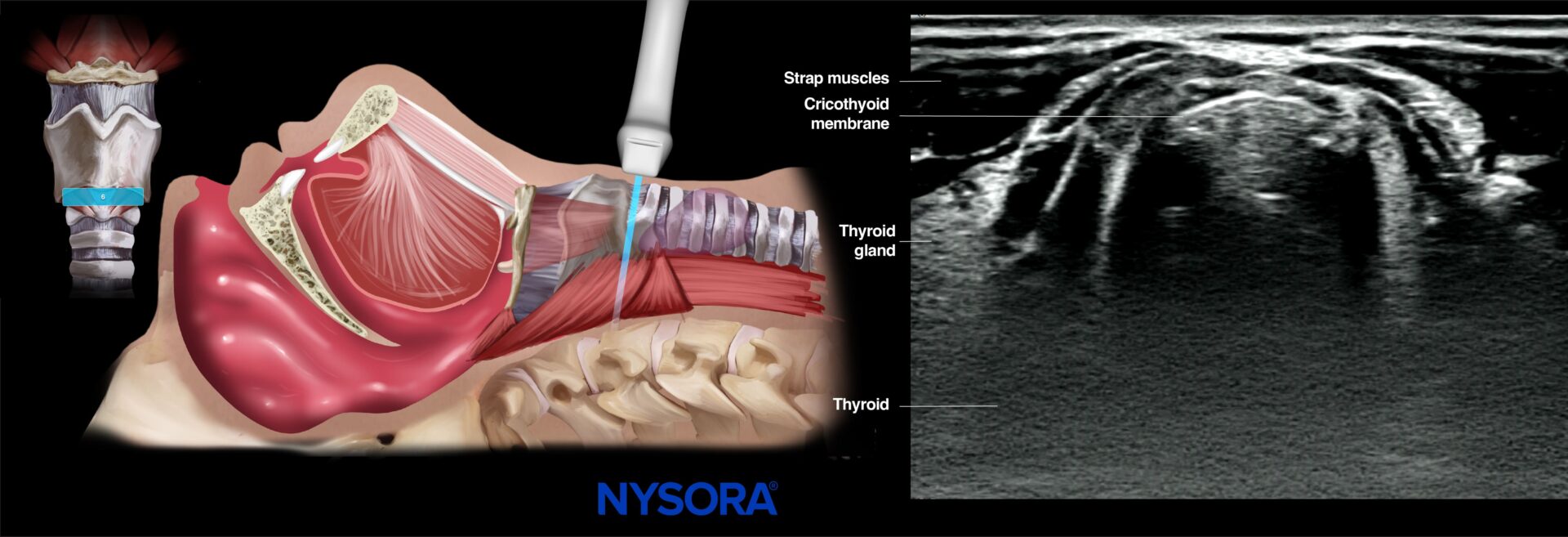
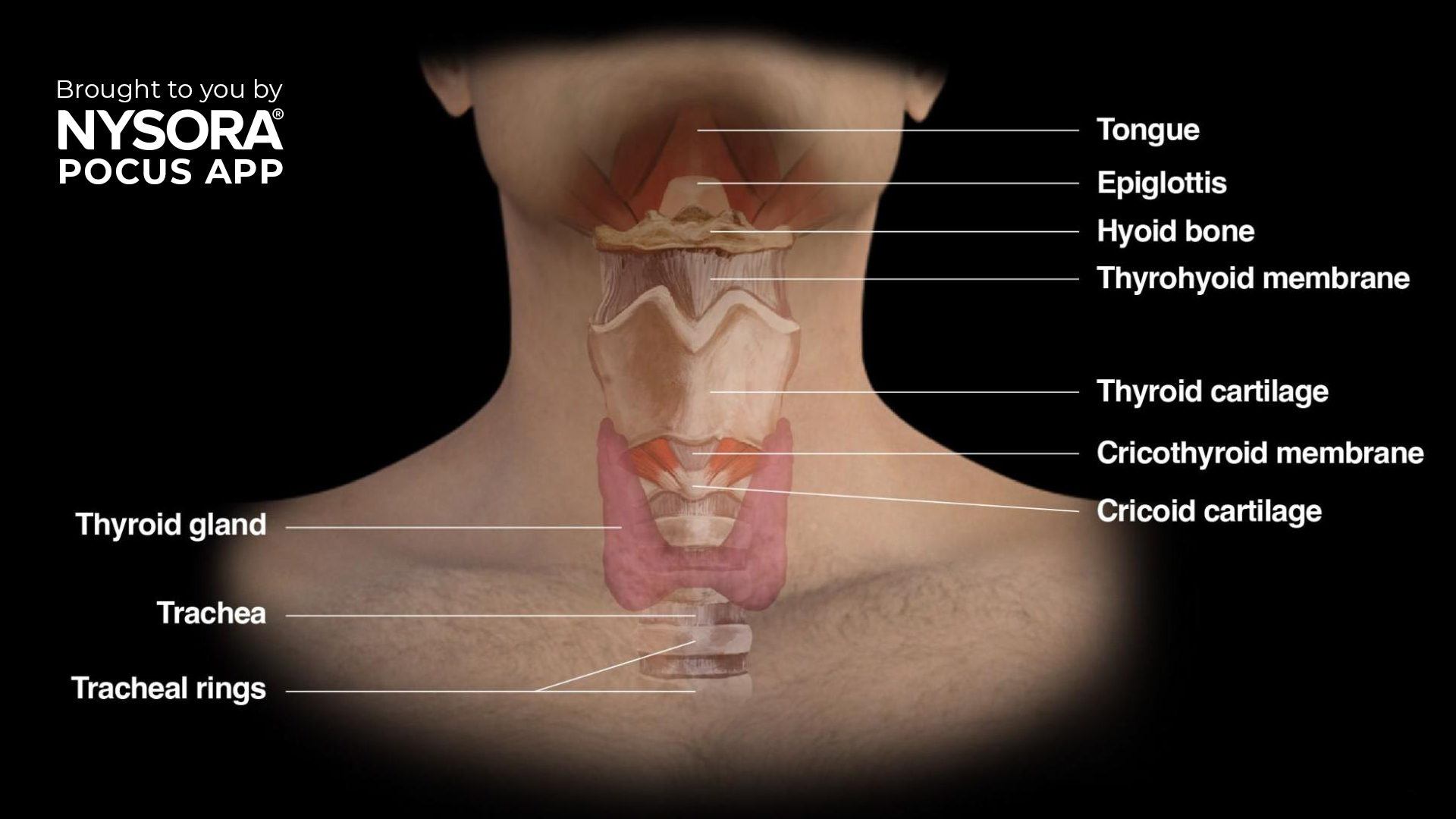
We are thrilled to announce the launch of our Airway Assessment course, now available in the POCUS App! This comprehensive course is designed to equip healthcare professionals with the knowledge and skills to perform advanced airway management using ultrasound techniques. Learning objectives You will gain expertise in: Understanding the anatomy and physiology of the upper airway. Identifying key upper airway structures. mastering the scanning techniques to assess the upper airway Why airway ultrasound? Safe and non-invasive: Quick and painless for patients. Highly accurate: Provides real-time assessment of airway structures and conditions. Improved outcomes: Reduces complications in difficult airway scenarios, a leading cause of anesthesia-related mortality. Evidence-based: Confirming ETT placement via ultrasound shows 98% sensitivity and specificity. What you’ll learn This course covers essential topics in airway ultrasound, including: Upper airway anatomy and physiology Gain a solid understanding of the functional anatomy. Identification of upper airway structures with ultrasound Detailed descriptions help you identify structures clearly, for instance: Hyoid bone – recognizable on ultrasound as a linear hyperechoic inverted U-shaped structure with two greater horns (cornua). Thyroid cartilage – ultrasound appearance as a hypoechoic inverted V-shaped or triangular structure. Cricothyroid membrane – appears as a hyperechoic horizontal line. Ultrasound imaging techniques  Suprahyoid area  Place the transducer longitudinally below the mandible and above the hyoid bone. Ultrasound image shows a fan-shaped tongue with a typical striated appearance. Underneath the mylohyoid and geniohyoid muscles, the tongue appears fan-shaped, with intrinsic muscles providing a striated appearance. Infrahyoid area: Sagittal ‘string of pearls’ technique Start from the trachea, sliding the probe cranially. The tracheal rings appear as dark hypoechoic structures, resembling a pearl necklace. Infrahyoid transverse approach Position the transducer transversely on the midline of the neck. Scan cranially to caudally, visualizing key landmarks: Hyoid bone  Thyrohyoid membrane  Thyroid cartilage  Cricothyroid membrane  Cricoid cartilage  Trachea  […]

Read more

Evaluating Preoperative Gastric Ultrasound in Diabetic Patients with Dysautonomia

The relationship between diabetes mellitus (DM) and delayed gastric emptying has long been a concern for anesthesiologists, especially due to the associated risks of pulmonary aspiration during surgery. A recent study by Sastre et al., published in the December 2024 issue of Anesthesia & Analgesia, provides new insights into this issue by investigating the prevalence of full stomach in diabetic patients with and without dysautonomia compared to healthy controls. This landmark research highlights the importance of preoperative gastric ultrasound in risk assessment and management. Key findings  Background Delayed gastric emptying is a common concern in diabetic patients due to potential autonomic dysfunction. Traditional fasting guidelines do not always account for individual variations in gastric emptying, particularly in diabetics. Study overview Participants: 289 patients undergoing elective surgery: 83 diabetics with dysautonomia. 62 diabetics without dysautonomia. 144 healthy controls. Methodology: Preoperative gastric ultrasound was performed to assess gastric volume (GV) and content. The Perlas grading scale was used to classify gastric content. Results Prevalence of full stomach: Higher in diabetic patients with dysautonomia (22.9%) compared to diabetics without dysautonomia (16.1%) and controls (13.2%). Solid gastric residue: Observed in 12% of diabetics with dysautonomia, compared to 4.8% in those without and 3.5% in controls. Gastric volume: While antral cross-sectional area (CSA) was larger in dysautonomia-positive diabetics, residual GV was not significantly different among groups. Gastroparesis symptoms: Common in diabetics with dysautonomia but not a definitive predictor of full stomach. Implications for clinical practice Role of dysautonomia: The study underscores dysautonomia as a significant factor contributing to the presence of a full stomach, rather than diabetes alone. Utility of gastric ultrasound: Ultrasound is a reliable, non-invasive tool to assess gastric contents, enabling tailored perioperative management. Guideline reevaluation: Findings suggest that current fasting guidelines may not adequately address the unique risks in diabetics with dysautonomia. […]

Read more

New POCUS Course: Airway Assessment!

We are thrilled to announce the launch of our Airway Assessment course, now available in the POCUS App! This comprehensive course is designed to equip healthcare professionals with the knowledge and skills to perform advanced airway management using ultrasound techniques. Learning objectives You will gain expertise in: Understanding the anatomy and physiology of the upper airway. Identifying key upper airway structures. mastering the scanning techniques to assess the upper airway Why airway ultrasound? Safe and non-invasive: Quick and painless for patients. Highly accurate: Provides real-time assessment of airway structures and conditions. Improved outcomes: Reduces complications in difficult airway scenarios, a leading cause of anesthesia-related mortality. Evidence-based: Confirming ETT placement via ultrasound shows 98% sensitivity and specificity. What you’ll learn This course covers essential topics in airway ultrasound, including: Upper airway anatomy and physiology Gain a solid understanding of the functional anatomy. Identification of upper airway structures with ultrasound Detailed descriptions help you identify structures clearly, for instance: Hyoid bone – recognizable on ultrasound as a linear hyperechoic inverted U-shaped structure with two greater horns (cornua). Thyroid cartilage – ultrasound appearance as a hypoechoic inverted V-shaped or triangular structure. Cricothyroid membrane – appears as a hyperechoic horizontal line. Ultrasound imaging techniques  Suprahyoid area  Place the transducer longitudinally below the mandible and above the hyoid bone. Ultrasound image shows a fan-shaped tongue with a typical striated appearance. Underneath the mylohyoid and geniohyoid muscles, the tongue appears fan-shaped, with intrinsic muscles providing a striated appearance. Infrahyoid area: Sagittal ‘string of pearls’ technique Start from the trachea, sliding the probe cranially. The tracheal rings appear as dark hypoechoic structures, resembling a pearl necklace. Infrahyoid transverse approach Position the transducer transversely on the midline of the neck. Scan cranially to caudally, visualizing key landmarks: Hyoid bone  Thyrohyoid membrane  Thyroid cartilage  Cricothyroid membrane  Cricoid cartilage  Trachea  […]

Read more

Evaluating Preoperative Gastric Ultrasound in Diabetic Patients with Dysautonomia

The relationship between diabetes mellitus (DM) and delayed gastric emptying has long been a concern for anesthesiologists, especially due to the associated risks of pulmonary aspiration during surgery. A recent study by Sastre et al., published in the December 2024 issue of Anesthesia & Analgesia, provides new insights into this issue by investigating the prevalence of full stomach in diabetic patients with and without dysautonomia compared to healthy controls. This landmark research highlights the importance of preoperative gastric ultrasound in risk assessment and management. Key findings  Background Delayed gastric emptying is a common concern in diabetic patients due to potential autonomic dysfunction. Traditional fasting guidelines do not always account for individual variations in gastric emptying, particularly in diabetics. Study overview Participants: 289 patients undergoing elective surgery: 83 diabetics with dysautonomia. 62 diabetics without dysautonomia. 144 healthy controls. Methodology: Preoperative gastric ultrasound was performed to assess gastric volume (GV) and content. The Perlas grading scale was used to classify gastric content. Results Prevalence of full stomach: Higher in diabetic patients with dysautonomia (22.9%) compared to diabetics without dysautonomia (16.1%) and controls (13.2%). Solid gastric residue: Observed in 12% of diabetics with dysautonomia, compared to 4.8% in those without and 3.5% in controls. Gastric volume: While antral cross-sectional area (CSA) was larger in dysautonomia-positive diabetics, residual GV was not significantly different among groups. Gastroparesis symptoms: Common in diabetics with dysautonomia but not a definitive predictor of full stomach. Implications for clinical practice Role of dysautonomia: The study underscores dysautonomia as a significant factor contributing to the presence of a full stomach, rather than diabetes alone. Utility of gastric ultrasound: Ultrasound is a reliable, non-invasive tool to assess gastric contents, enabling tailored perioperative management. Guideline reevaluation: Findings suggest that current fasting guidelines may not adequately address the unique risks in diabetics with dysautonomia. […]

Read more

PR Articles

PR Articles

Title Goes Here

Lorem ipsum, dolor sit amet consectetur adipisicing elit. Aliquam, esse quam exercitationem veniam placeat, minima fugiat modi harum laudantium distinctio quos fugit a itaque laboriosam consequatur unde magni, saepe vitae?

Read More

Title Goes Here

Lorem ipsum, dolor sit amet consectetur adipisicing elit. Aliquam, esse quam exercitationem veniam placeat, minima fugiat modi harum laudantium distinctio quos fugit a itaque laboriosam consequatur unde magni, saepe vitae?

Read More

Testimonials

Simon F.
Best app I’ve ever used. I’d give it a 10/10 if I could!
Scott F.
It’s like having a personal assistant with you!
Jenny R.
Twice the knowledge, thrice the fun!
Simon F.
A well-designed app with top-notch educational tools for veterinary anesthesia techniques.
Scott F.
An invaluable resource! The step-by-step approach makes nerve blocks easy to understand and apply in practice.
Jenny R.
Twice the knowledge, thrice the fun!
Download Now

POCUS App

The best mobile guide for point-of-care-ultrasound. Trusted by physicians worldwide.

Frequently Asked Questions

Common questions about our app.

The NYSORA POCUS (Point-of-Care Ultrasound) App is a mobile-friendly, expert-designed resource for healthcare professionals performing bedside ultrasound. It offers step-by-step protocols, high-quality ultrasound images, instructional animations, and clinical tips to optimize diagnostic accuracy and procedural confidence in emergency, critical care, and perioperative settings.

The app is ideal for anesthesiologists, emergency physicians, intensivists, internists, medical residents, and any healthcare professional utilizing POCUS for diagnosis and procedural guidance.

The app includes:

  • High-resolution ultrasound images, illustrations, and animations
  • Step-by-step scanning protocols
  • Interpretation of normal and pathological findings
  • Clinical applications for various medical specialties
  • Tips to improve image acquisition and diagnostic confidence

The NYSORA POCUS App provides quick access to expertly-curated content, helping you:

  • Perform accurate and efficient ultrasound scans.
  • Recognize pathology in real-time bedside assessments.
  • Improve procedural guidance for safer interventions.
  • Reduce dependency on traditional imaging and streamline patient management.

Absolutely. The app is designed as a real-time reference tool, offering concise and structured guidance that can be used directly at the bedside.

NYSORA regularly updates the app to reflect the latest research, best practices, and clinical guidelines. Subscribed users receive these updates automatically, ensuring access to the latest updates and techniques.

Download the NYSORA POCUS App from your preferred app store, create an account, and explore the free content. For extended features, subscribe to unlock the full library and advanced tools.

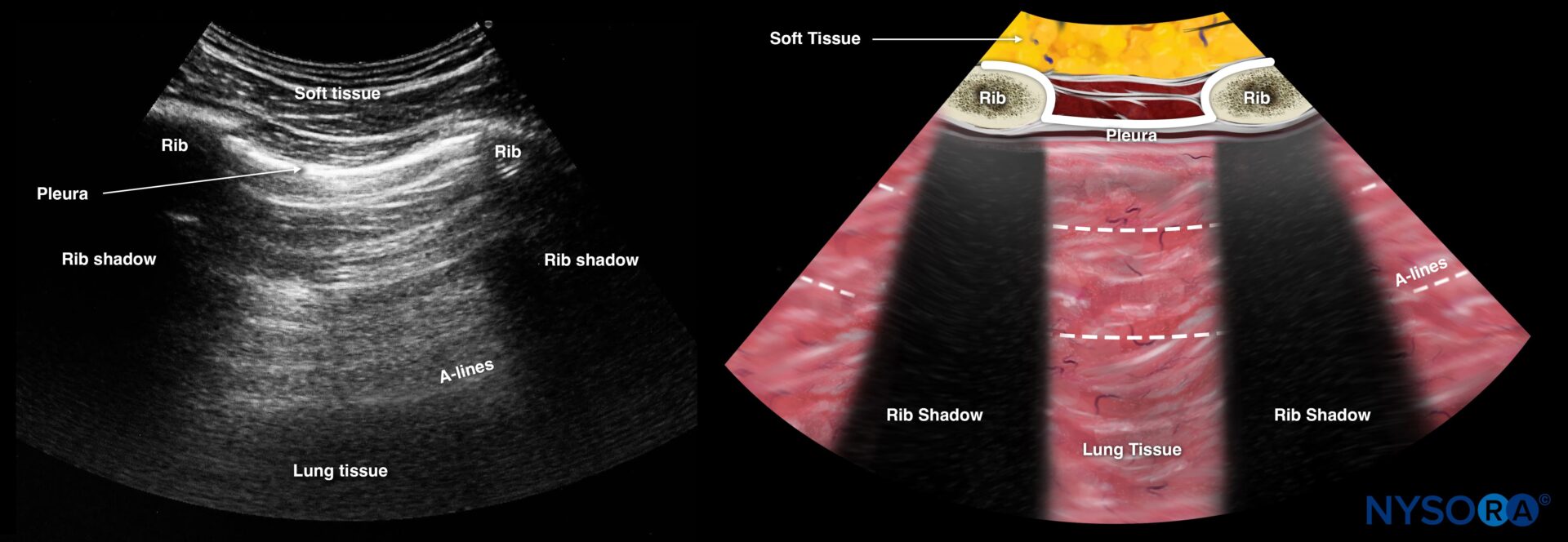
These are proprietary, revolutionary NYSORA educational tools. They take you from the ultrasound image to an illustrated anatomy view—and back again. This approach reinforces crucial anatomical knowledge and helps you recognize sonoanatomy patterns.

The app covers:

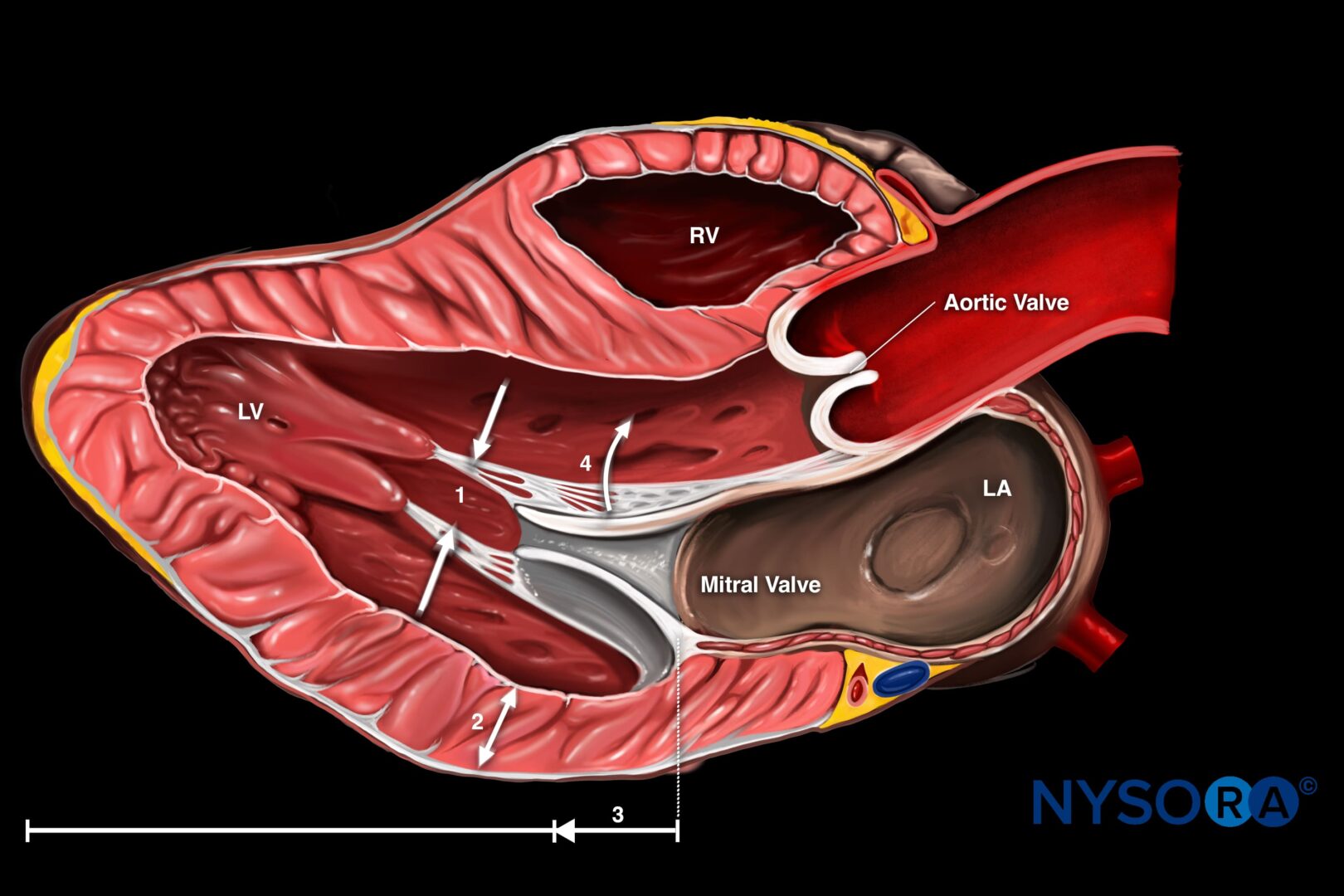
  • Cardiac ultrasound (valve, ventricular function, volume status assessment)
  • Abdominal ultrasound (eFAST, gastric content, bowel assessment)
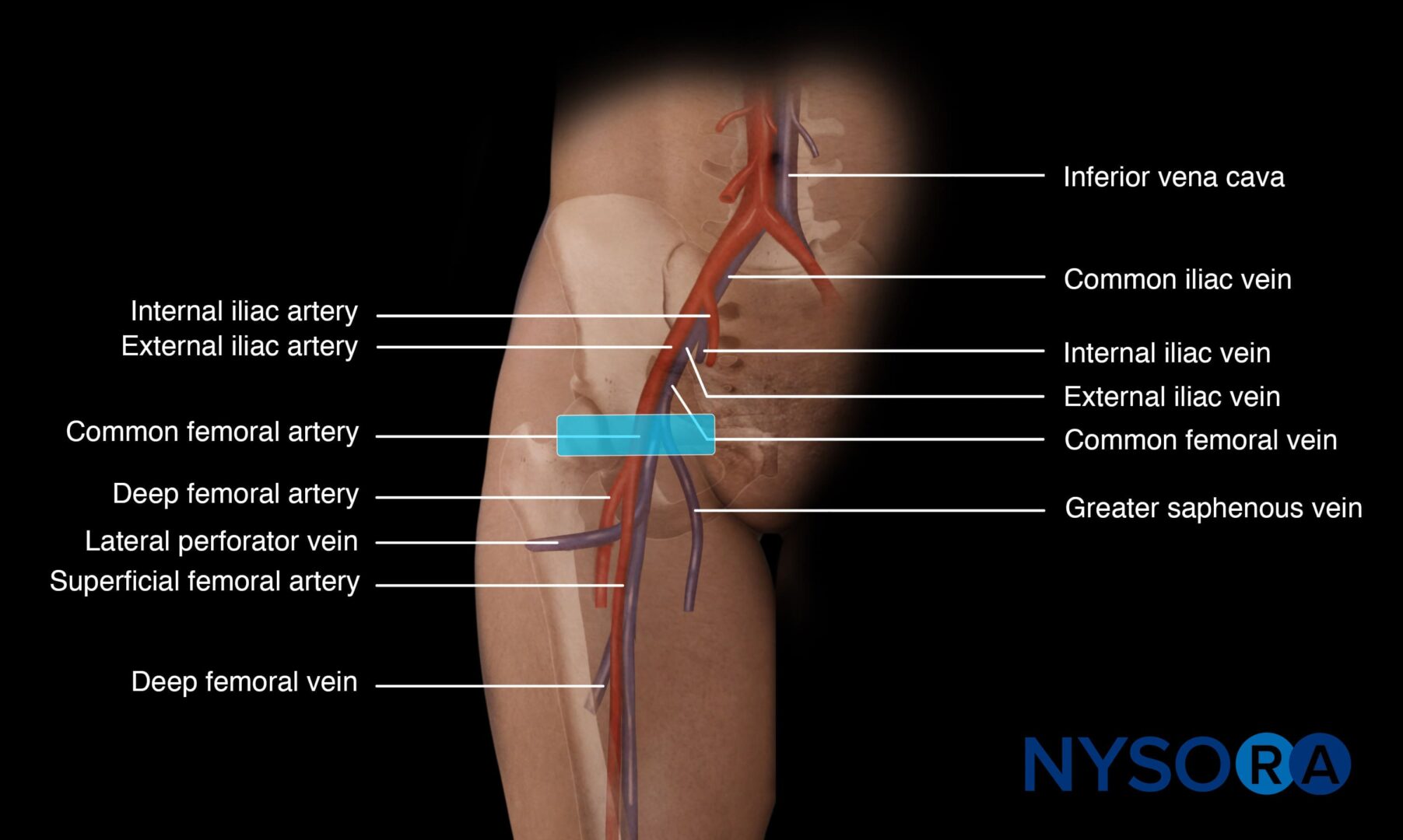
  • Vascular access guidance (central and peripheral lines)
  • Pulmonary ultrasound for pleural effusions and pneumothorax
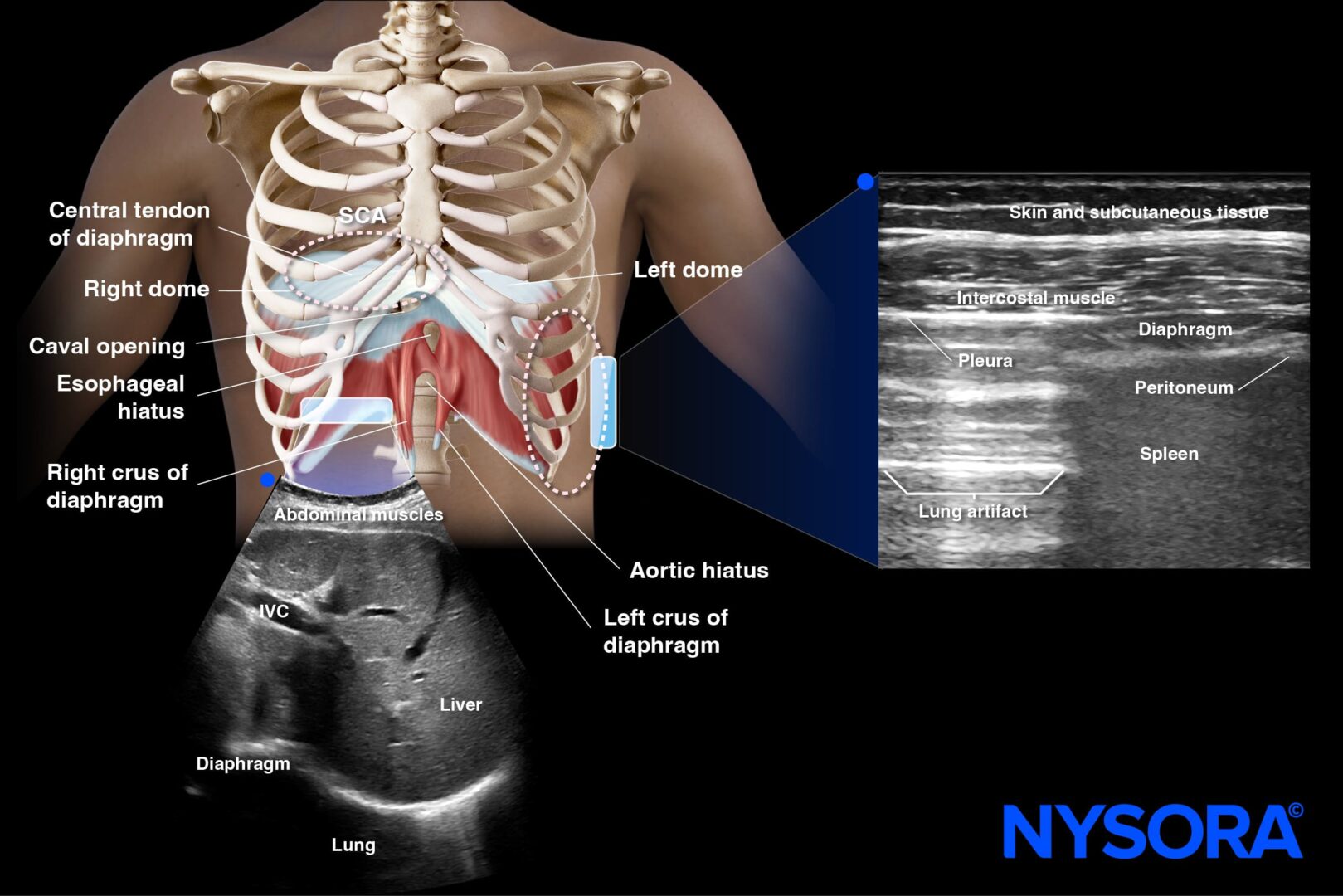
  • Diaphragm and airway ultrasound
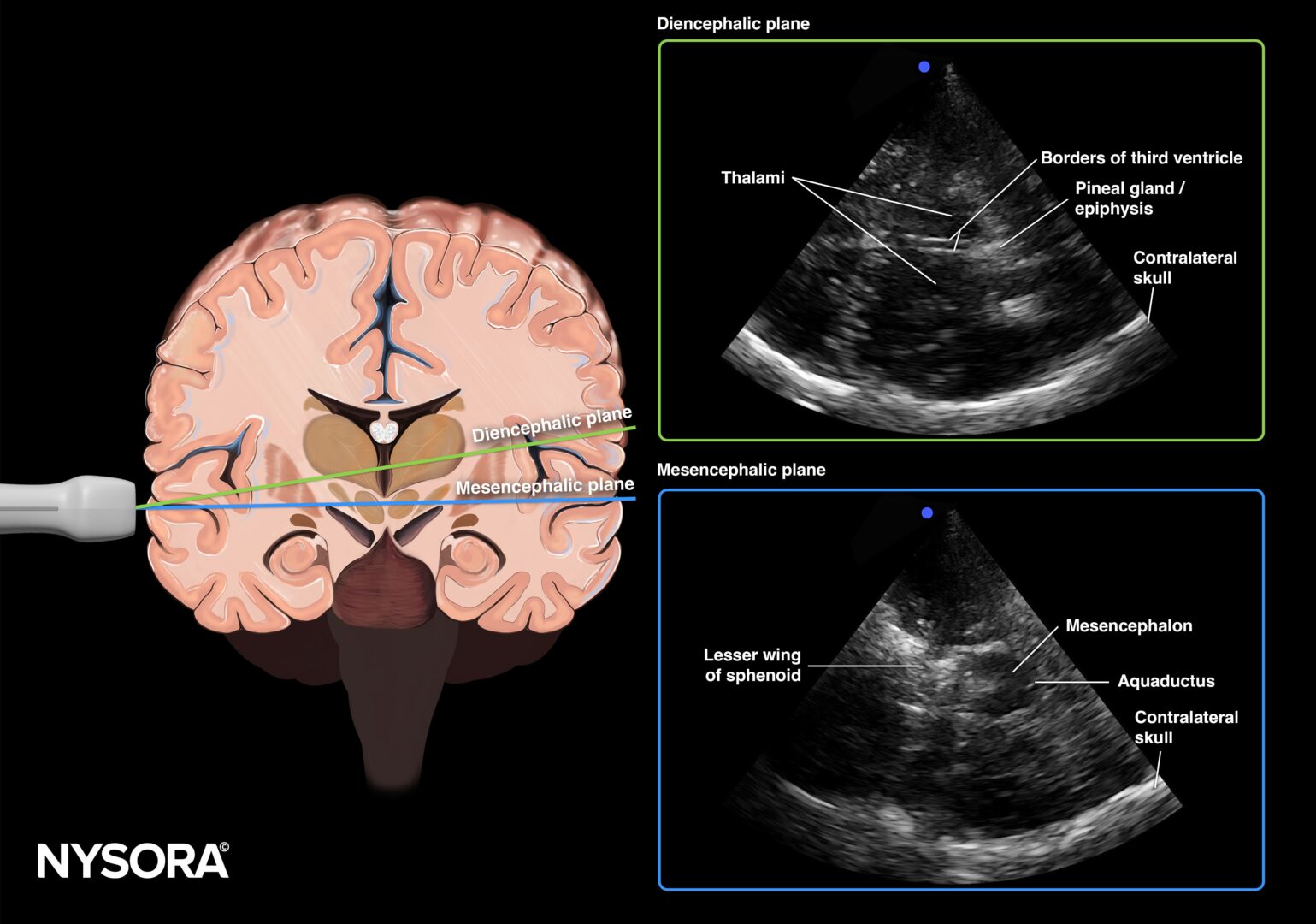
  • Transcranial Doppler
  • Renal and bladder ultrasound
  • And more!

The app can be used in multiple ways:

  1. Pre-scan review – Quickly review scanning protocols before performing an exam.
  2. Live guidance – Follow step-by-step instructions while scanning.
  3. Skill development – Improve diagnostic accuracy with expert insights and pathology recognition tools.

It’s a mobile-friendly reference tool offering:

  • Step-by-step scanning protocols for point-of-care ultrasound
  • High-resolution ultrasound images, illustrations, and animations
  • Pathology identification and real-time scanning techniques
  • Expert clinical and troubleshooting tips

The NYSORA POCUS App is developed by NYSORA’s team of experts. The content is rigorously reviewed and updated to provide evidence-based, clinically relevant information trusted by healthcare professionals worldwide.

From Fundamentals to Advanced Joint Interventions with Live Demonstrations Join us at the Hong Kong Pain Conference in May 2026!

X