 Nerve Blocks App
 Anesthesia Assistant App
 Ultrasound Pain App
 Pain Medicine Assistant App
 POCUS App
 IV Access App
 MSK Knee App
 VetRA App
 Nerve Block Manual
 Regional Anesthesia Updates
 Anesthesiology Manual
 Anesthesiology Review
 Anesthesia Updates 2025
 Anesthesia Updates 2026
 Pediatric Anesthesia Updates
 Airway Management Updates
 US Interventional Pain Manual
 Pain Medicine Updates
 Mastering Difficult IV Access
 PACU Nursing Manual
 RA Veterinary Manual
 Books
Books About
About
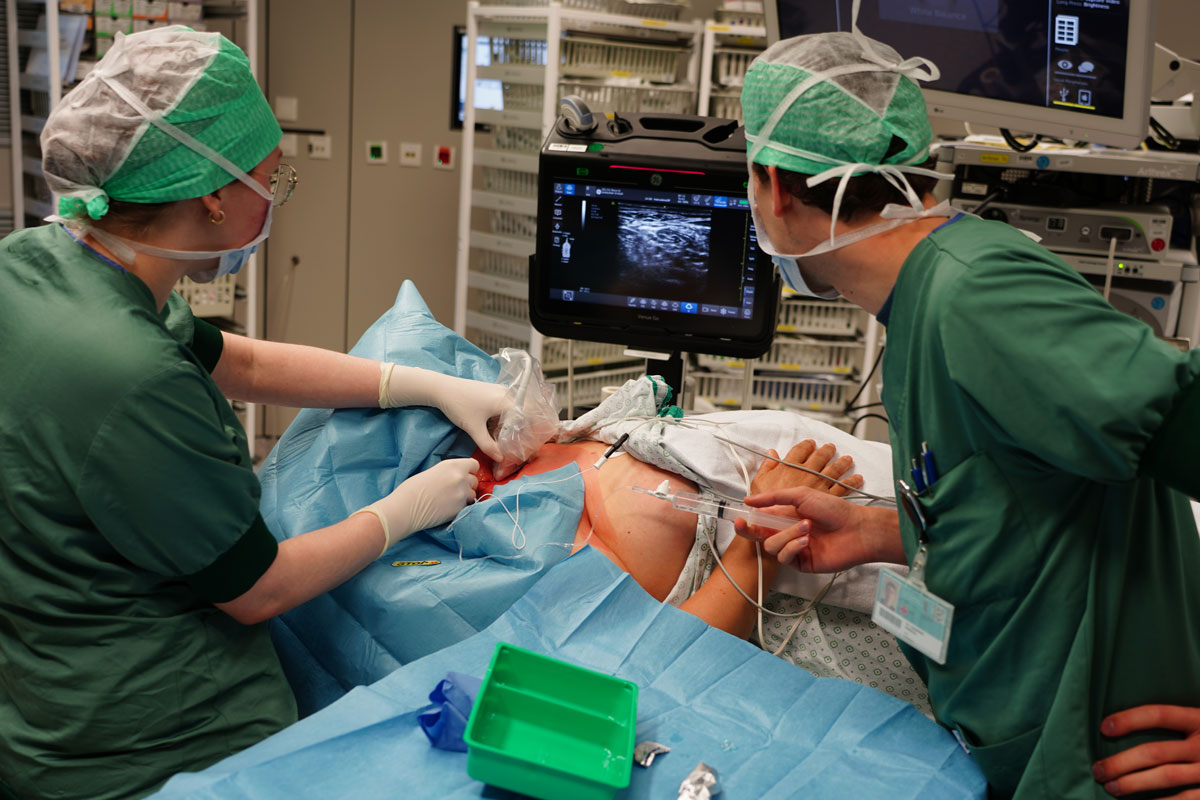
What is regional anesthesia?
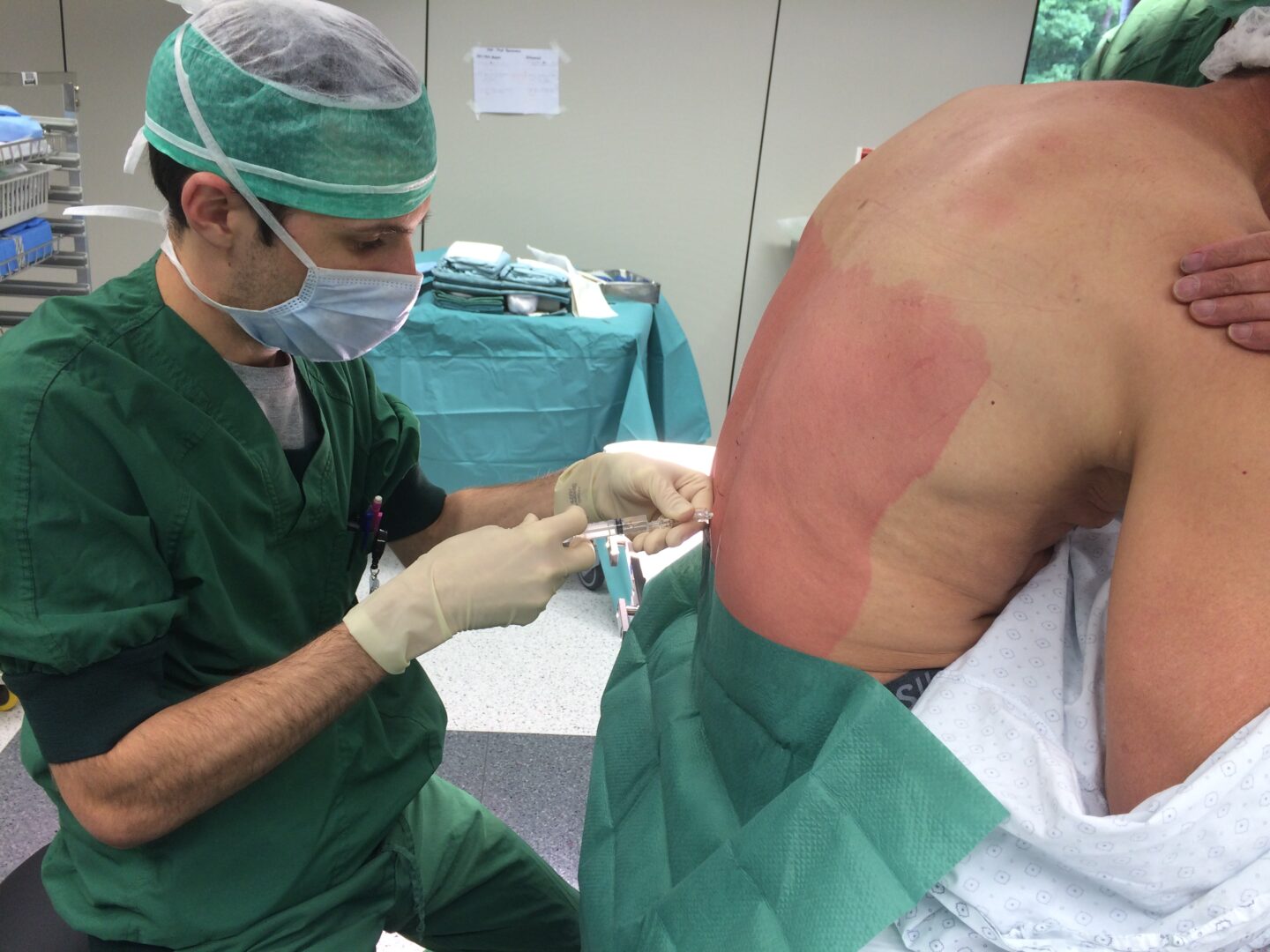
Regional anesthesia is a type of anesthesia that temporarily blocks sensation in a specific part of the body while allowing you to remain awake or lightly sedated. Unlike general anesthesia, which makes you completely unconscious, regional anesthesia targets the nerves that transmit pain signals from the area where surgery or a procedure is being performed.
Common types of regional anesthesia include spinal anesthesia, epidural anesthesia, and nerve blocks. Depending on the technique used, regional anesthesia can numb a small area, such as a hand or foot, or a larger region, such as the lower half of the body.
Regional anesthesia is commonly used for orthopedic procedures, cesarean sections, vascular surgery, and many other operations involving the arms, legs, abdomen, or pelvis. It can be used on its own or combined with sedation or general anesthesia to improve comfort and pain control.
One of the main benefits of regional anesthesia is that it provides excellent pain relief during and after surgery while often reducing the need for opioid medications. Many patients also experience less nausea, drowsiness, and grogginess compared with general anesthesia.
What does regional anesthesia feel like?
Before the regional anesthetic is administered, the area where the injection will be performed is usually cleaned and numbed with a small amount of local anesthetic. You may feel a brief sting from this injection, followed by some pressure as the regional anesthetic is placed.
As the anesthetic begins to work, the affected part of your body may feel warm, heavy, numb, or tingly. Many patients describe the sensation as similar to when an arm or leg “falls asleep,” but more pronounced. You may notice that you can no longer feel pain in the area, and you may temporarily have difficulty moving it.
During surgery, you should not feel pain, although you may still feel pressure, movement, or touch. Many patients receive sedation in addition to regional anesthesia, helping them feel relaxed or sleepy throughout the procedure.
As the anesthetic wears off, sensation and movement gradually return. You may experience tingling or a “pins and needles” sensation as normal feeling comes back. If you have any concerns about prolonged numbness, weakness, or discomfort after the procedure, contact your healthcare team.
Are you awake during regional anesthesia?
Yes, most patients remain awake during regional anesthesia. Regional anesthesia works by numbing a specific part of the body while allowing you to stay conscious and breathe on your own.
However, being awake does not mean you will necessarily be fully aware of everything happening during the procedure. Many patients choose to receive sedation in addition to regional anesthesia. Sedation can help you feel relaxed, sleepy, and less aware of your surroundings. Some patients doze off and remember very little of the procedure afterward.
Whether you remain fully awake or receive sedation depends on the type of surgery, your medical condition, and your personal preferences. Your anesthesiologist will discuss the available options with you and help determine the approach that is safest and most comfortable for you.
Even if you are awake, you should not feel pain during the procedure, although you may notice pressure, movement, or touch in the area being operated on.
What surgeries use regional anesthesia?
Regional anesthesia is commonly used for surgeries involving a specific part of the body. By numbing the area where the procedure is being performed, it can provide excellent pain relief during and after surgery while avoiding the need for general anesthesia in many cases.
Common procedures that use regional anesthesia include:
- Orthopedic surgery: Knee replacements, hip replacements, shoulder surgery, hand surgery, foot and ankle procedures, and fracture repair.
- Obstetric and gynecologic surgery: Cesarean sections (C-sections), labor pain relief with epidurals, and certain gynecologic procedures.
- Urologic surgery: Procedures involving the bladder, prostate, or lower urinary tract.
- Vascular surgery: Some procedures involving blood vessels in the legs.
- General surgery: Certain hernia repairs and surgeries involving the lower abdomen.
- Plastic and reconstructive surgery: Procedures on the arms, legs, face, or breast.
- Dental and facial surgery: Jaw surgery, facial reconstruction, and some oral surgery procedures.
In some cases, regional anesthesia is used as the primary anesthetic, allowing patients to remain awake or lightly sedated. In other cases, it is combined with general anesthesia to improve pain control and reduce the need for opioid medications after surgery.
Your anesthesiologist will determine whether regional anesthesia is appropriate based on the type of surgery, your medical history, and your personal preferences.
How long does regional anesthesia stay in your system, and how long does recovery take?
Regional anesthesia can remain effective for several hours after it is administered, depending on the type of anesthetic used and the specific technique performed. Spinal anesthesia typically lasts between 1.5 and 4 hours, while some nerve blocks can provide pain relief for 12 to 24 hours or even longer. Although the anesthetic medication remains in your body for a short time after the numbness wears off, its effects gradually decrease as your body processes and eliminates the drug.
Recovery from regional anesthesia usually begins as sensation and movement slowly return to the affected area. You may notice tingling, warmth, or a “pins and needles” sensation as the block wears off. Most patients recover fully from the anesthetic effects within hours, although some long-acting nerve blocks may take up to a day or more to completely resolve.
One advantage of regional anesthesia is that recovery is often smoother than with general anesthesia. Many patients experience less nausea, drowsiness, and grogginess, allowing them to return to normal activities more quickly. Your anesthesiologist will provide specific instructions about when it is safe to walk, drive, or resume regular activities, particularly if a nerve block has temporarily affected muscle strength or coordination.
Is regional anesthesia safer or better than general anesthesia?
Neither regional anesthesia nor general anesthesia is universally safer or better. The best choice depends on your health, the type of surgery, and your individual circumstances.
Regional anesthesia numbs a specific area of the body while allowing you to remain awake or lightly sedated. For some procedures, it may reduce nausea, drowsiness, opioid use, and certain breathing-related complications. It can also provide excellent pain relief after surgery.
General anesthesia renders you completely unconscious and may be the preferred option for more complex, lengthy, or invasive procedures. It allows the surgical team to perform operations that would be difficult or uncomfortable under regional anesthesia alone.
Both techniques are considered safe when administered by trained anesthesia professionals. Your anesthesiologist will carefully evaluate your medical history, the planned procedure, and your preferences to recommend the safest and most effective option for you.
In many cases, regional and general anesthesia are used together to maximize comfort, safety, and postoperative pain control.
Who is not a candidate for regional anesthesia?
Regional anesthesia may not be appropriate for patients with certain bleeding disorders, active infections at the injection site, allergies to local anesthetics, severe anatomical abnormalities, or conditions that prevent safe placement of the block.
Sometimes, regional anesthesia can still be used alongside general anesthesia to improve pain control. Your anesthesiologist will discuss the best option for your specific circumstances.