Workshops New York - NYSORA

Explore NYSORA knowledge base for free:

Back to Workshops

NYSORA Boutique Workshops

NYSORA Workshops / New York

Ultrasound-Guided Regional Anesthesia Boutique Workshop

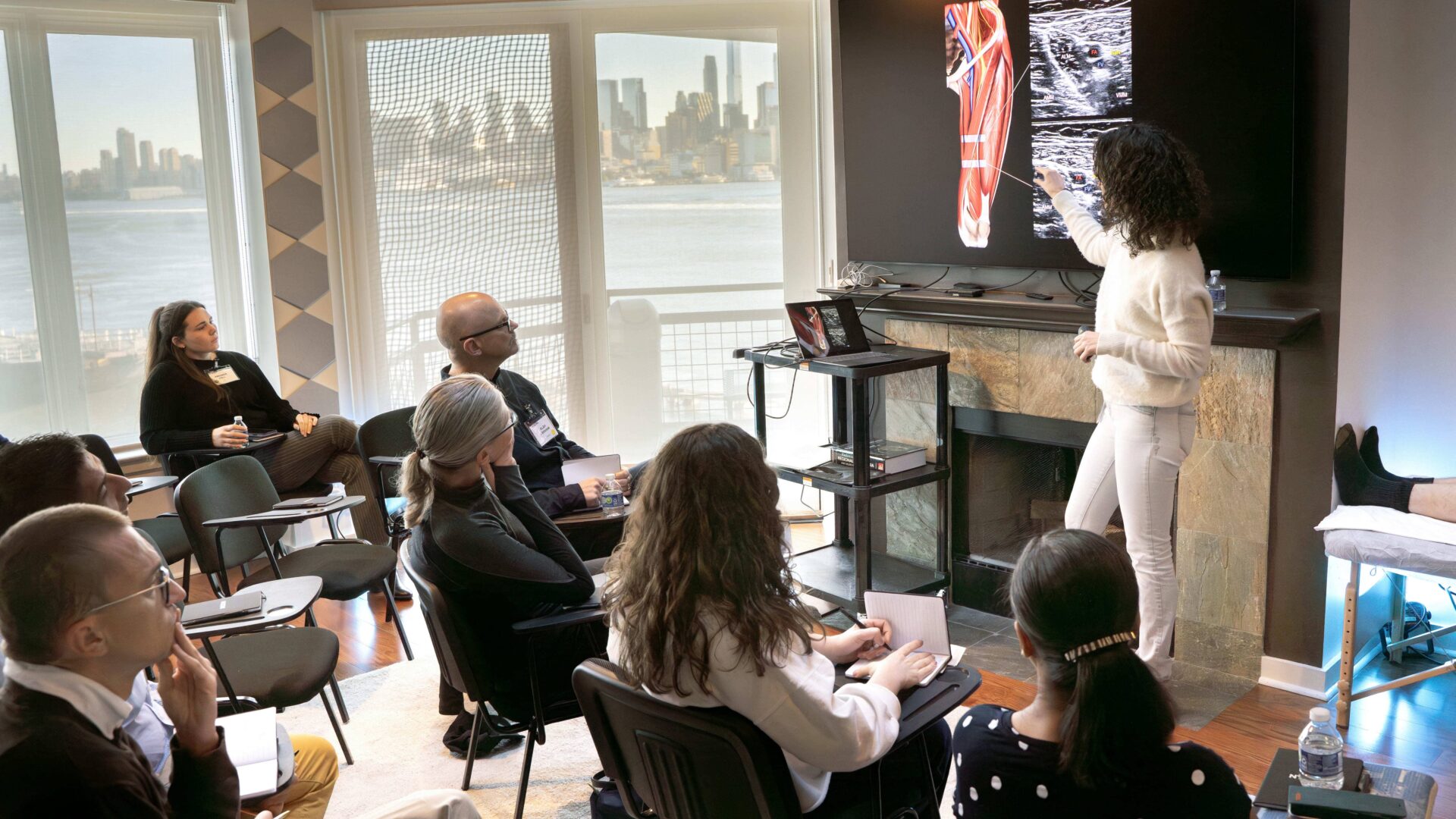
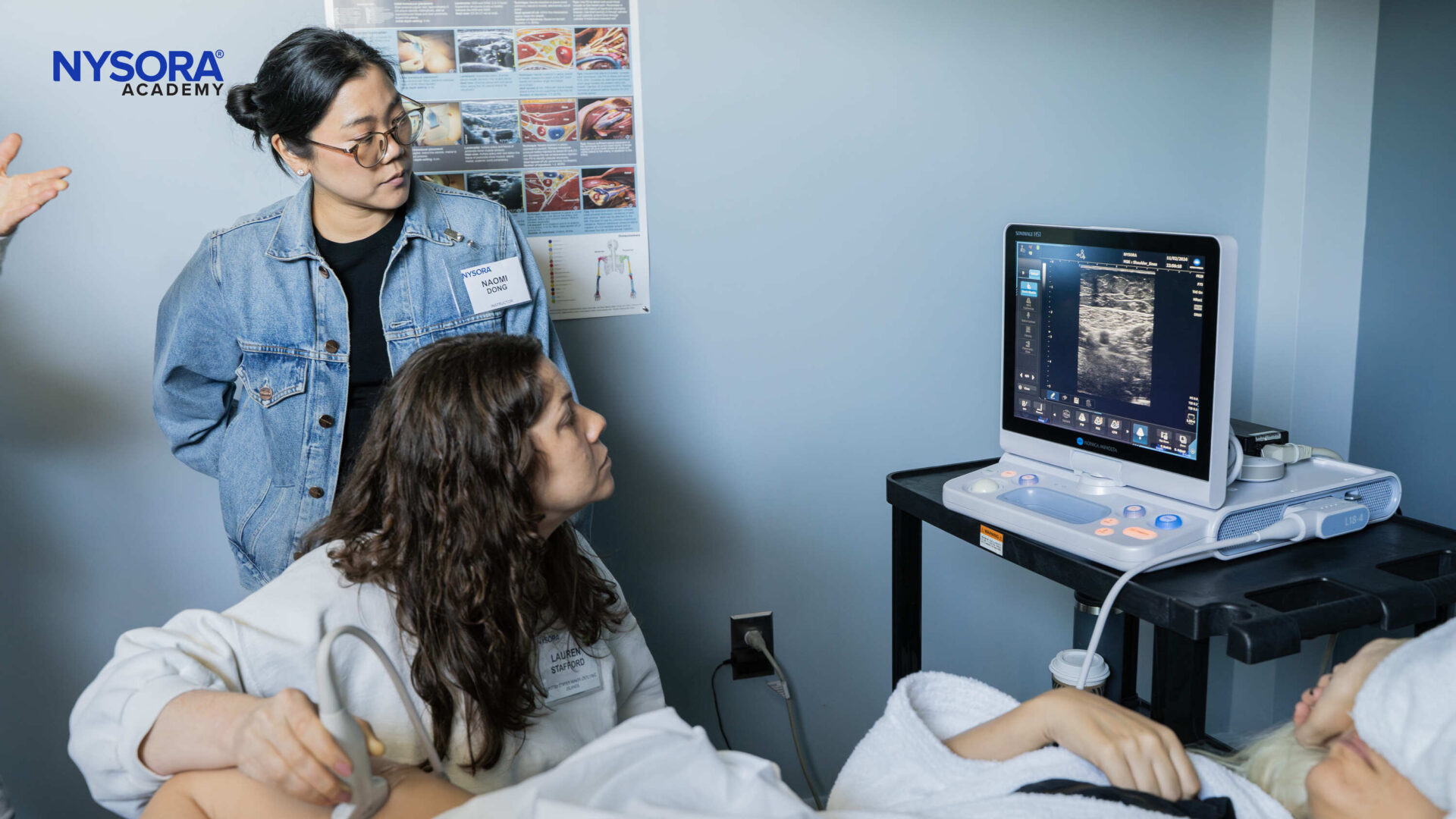
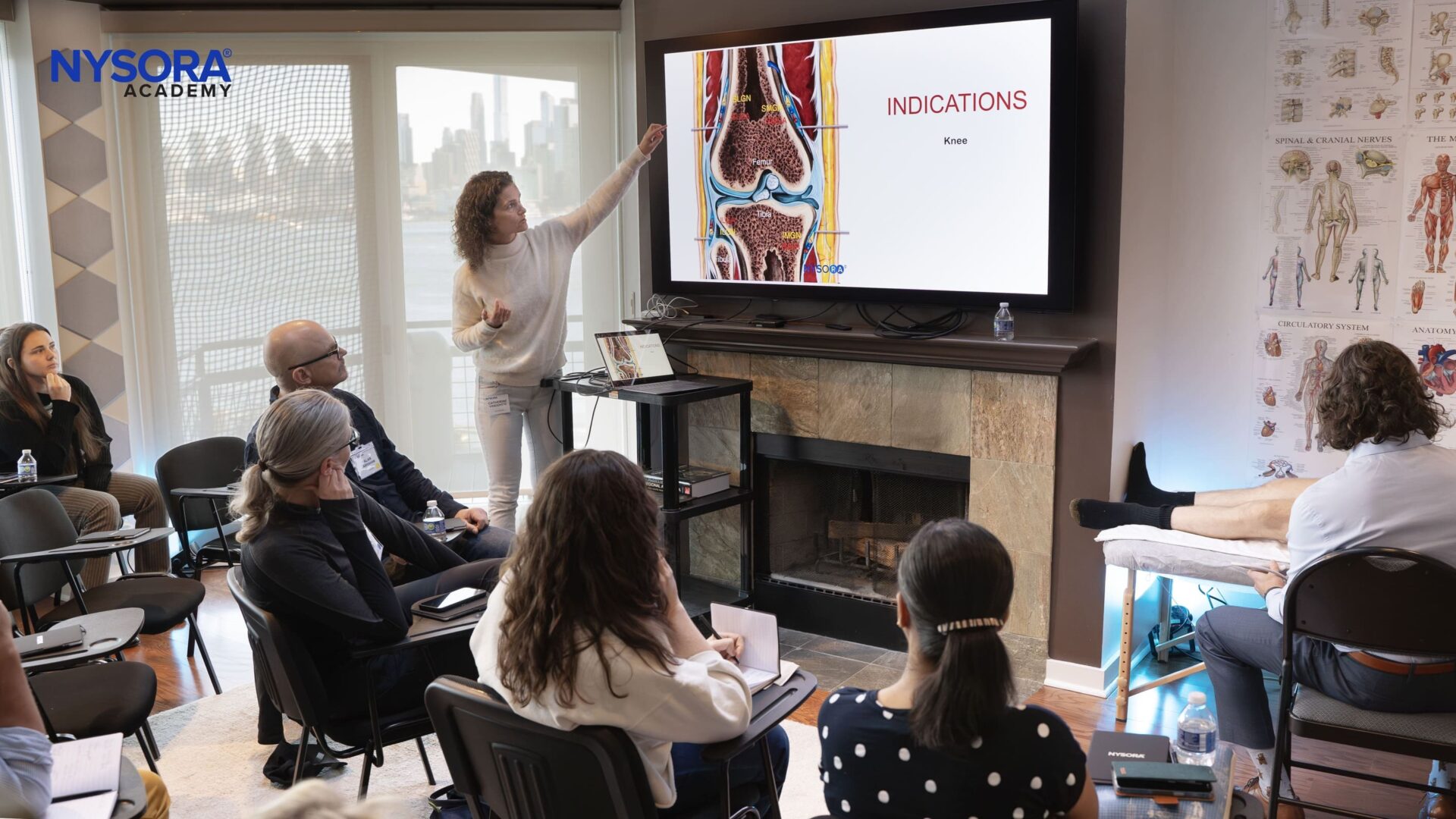
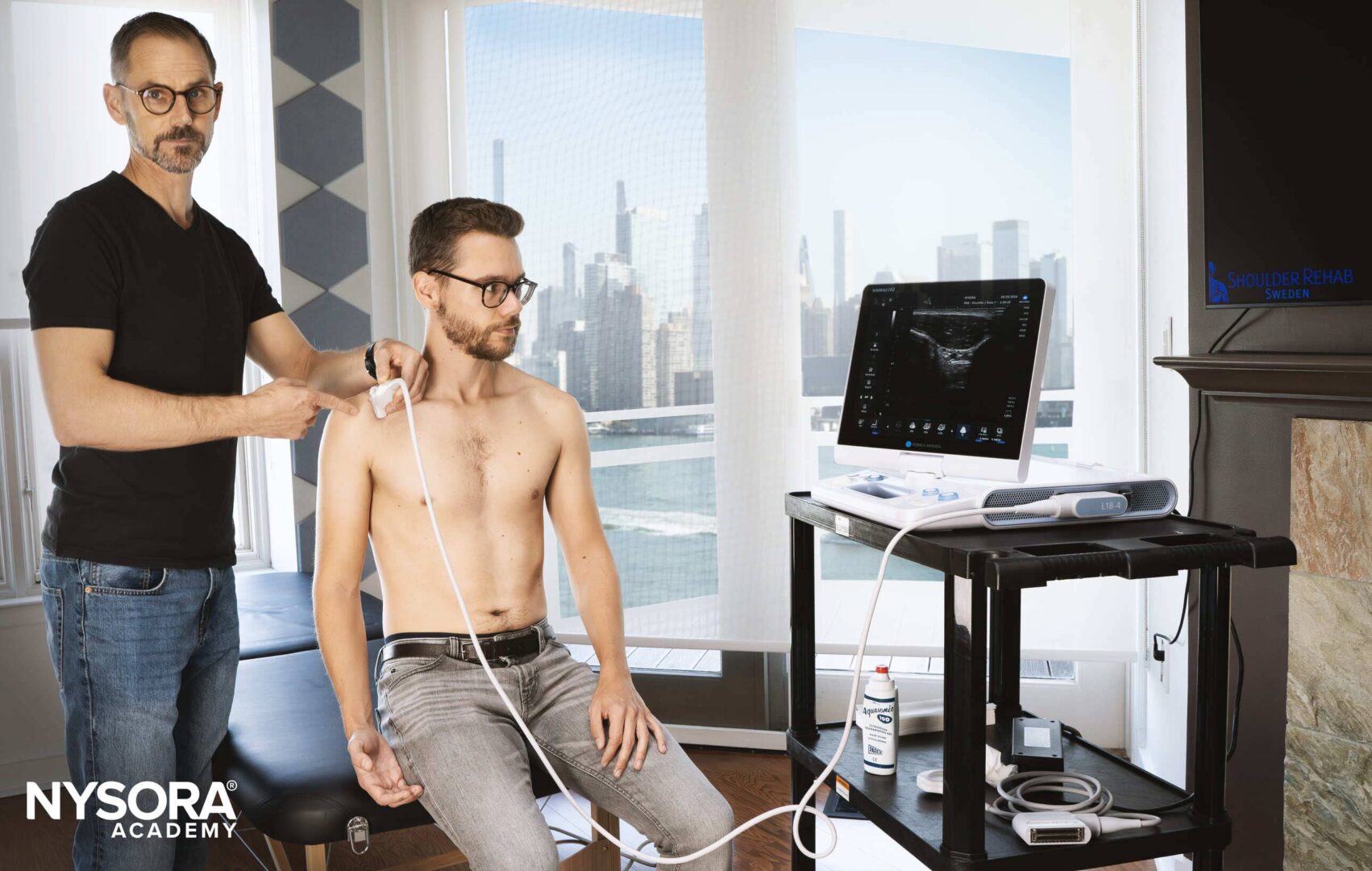
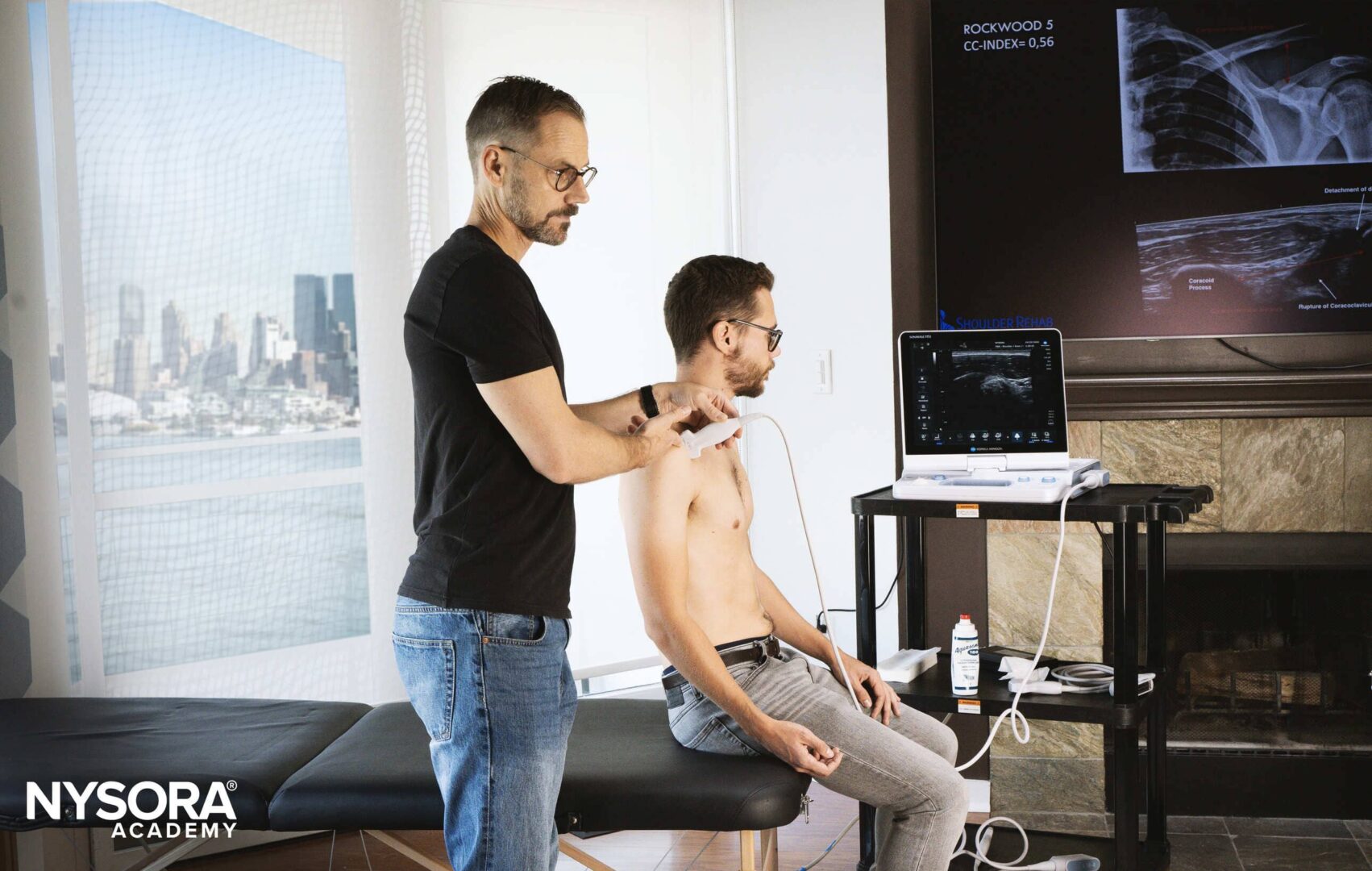
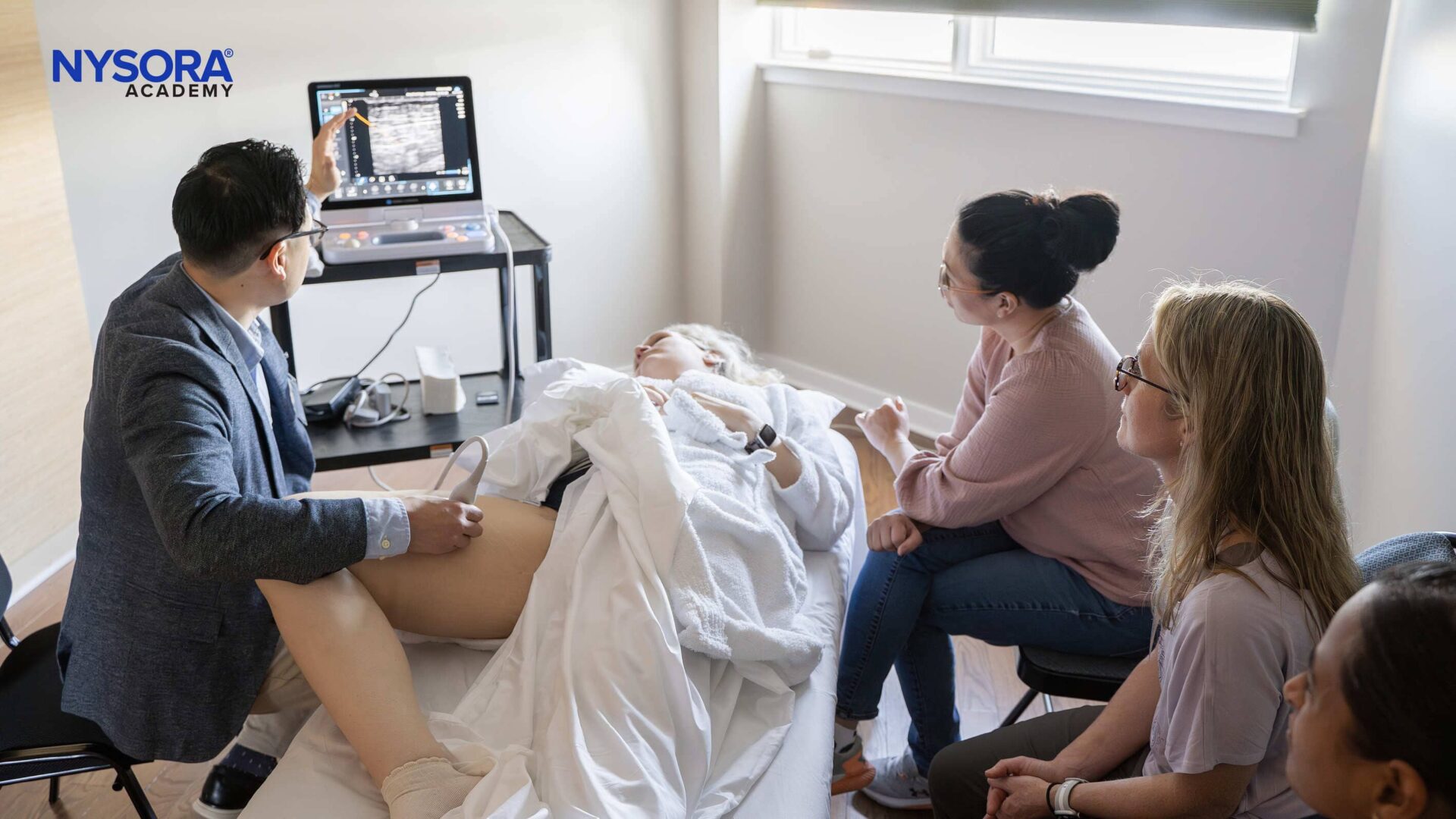
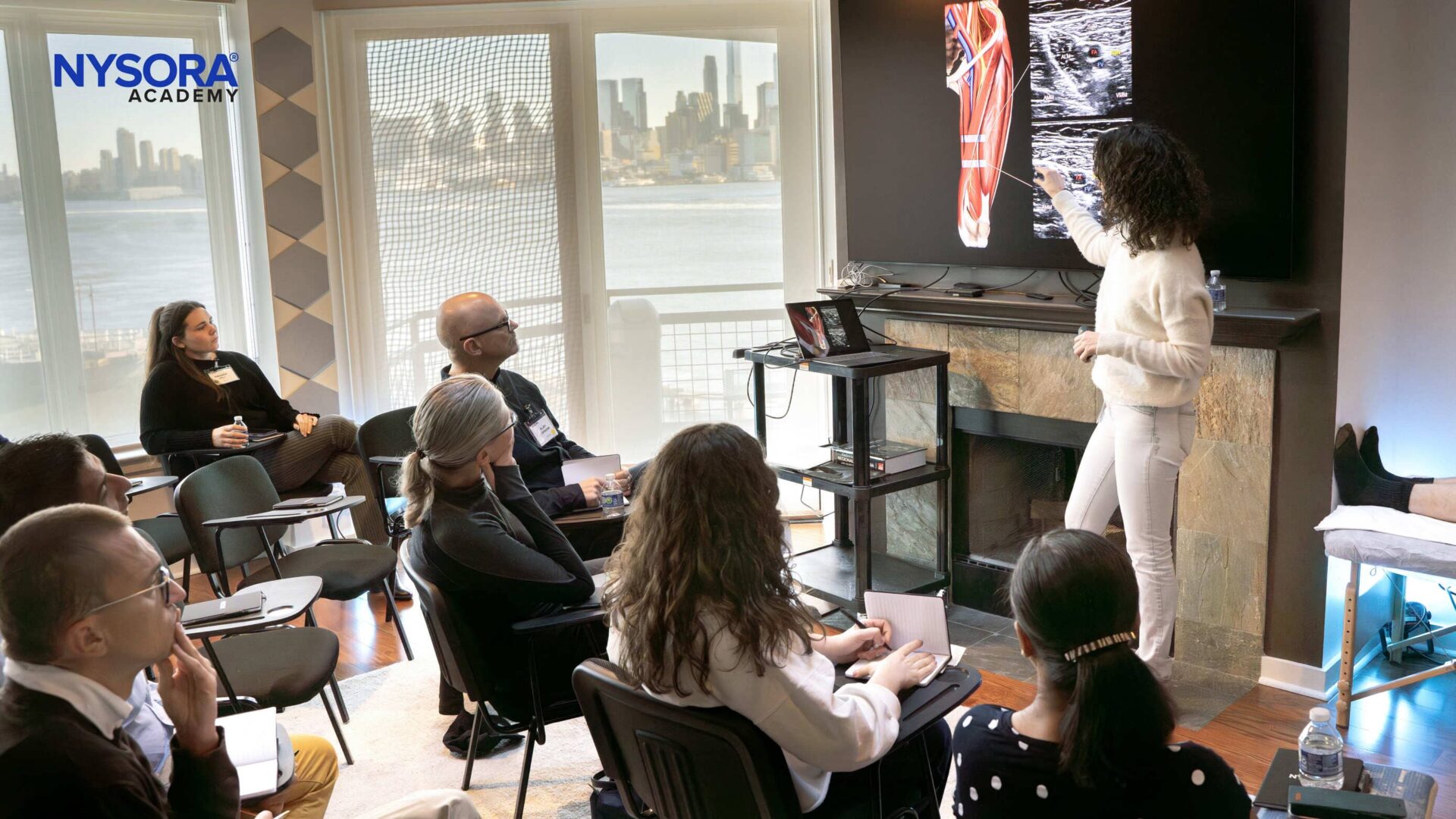
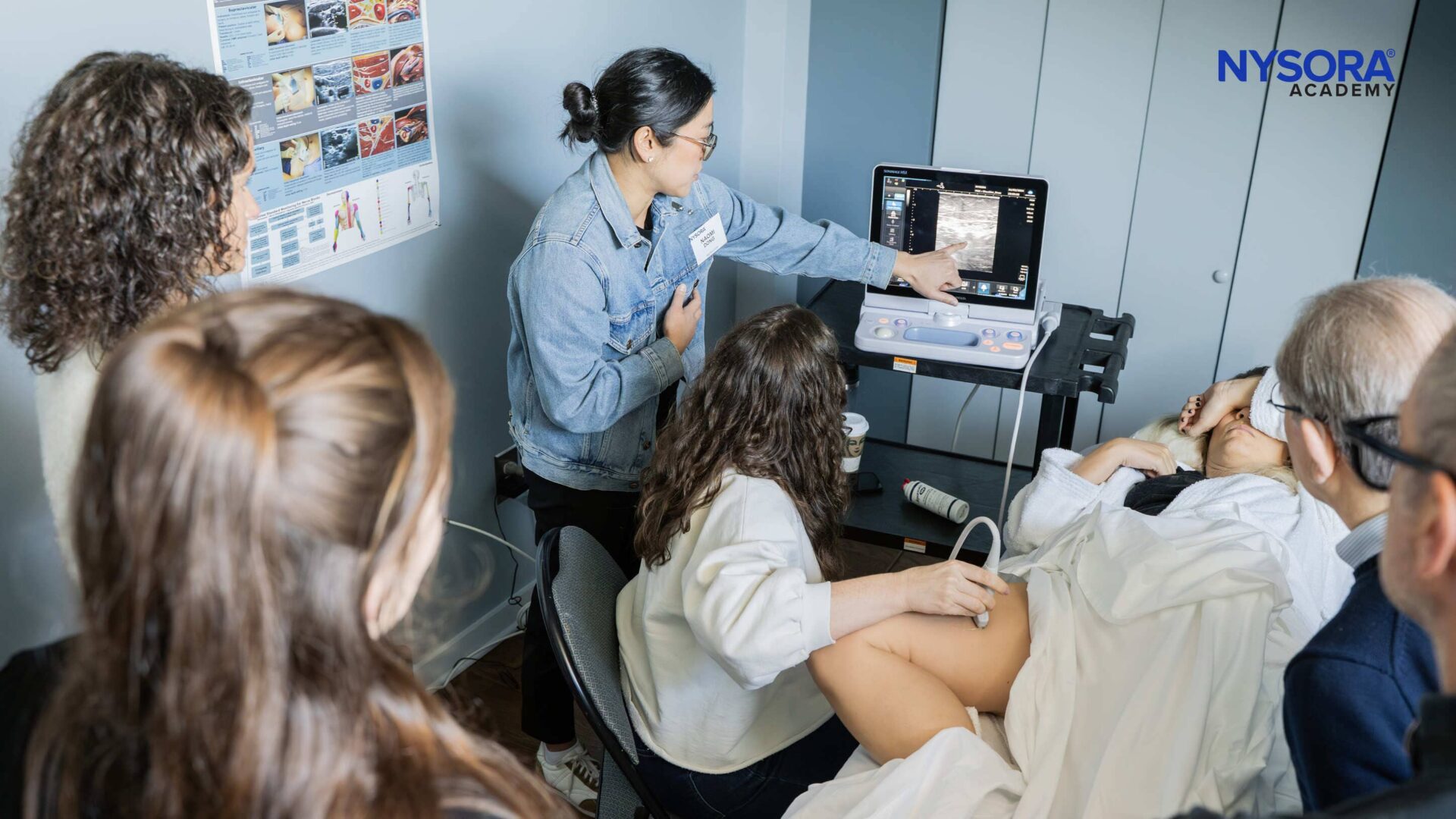
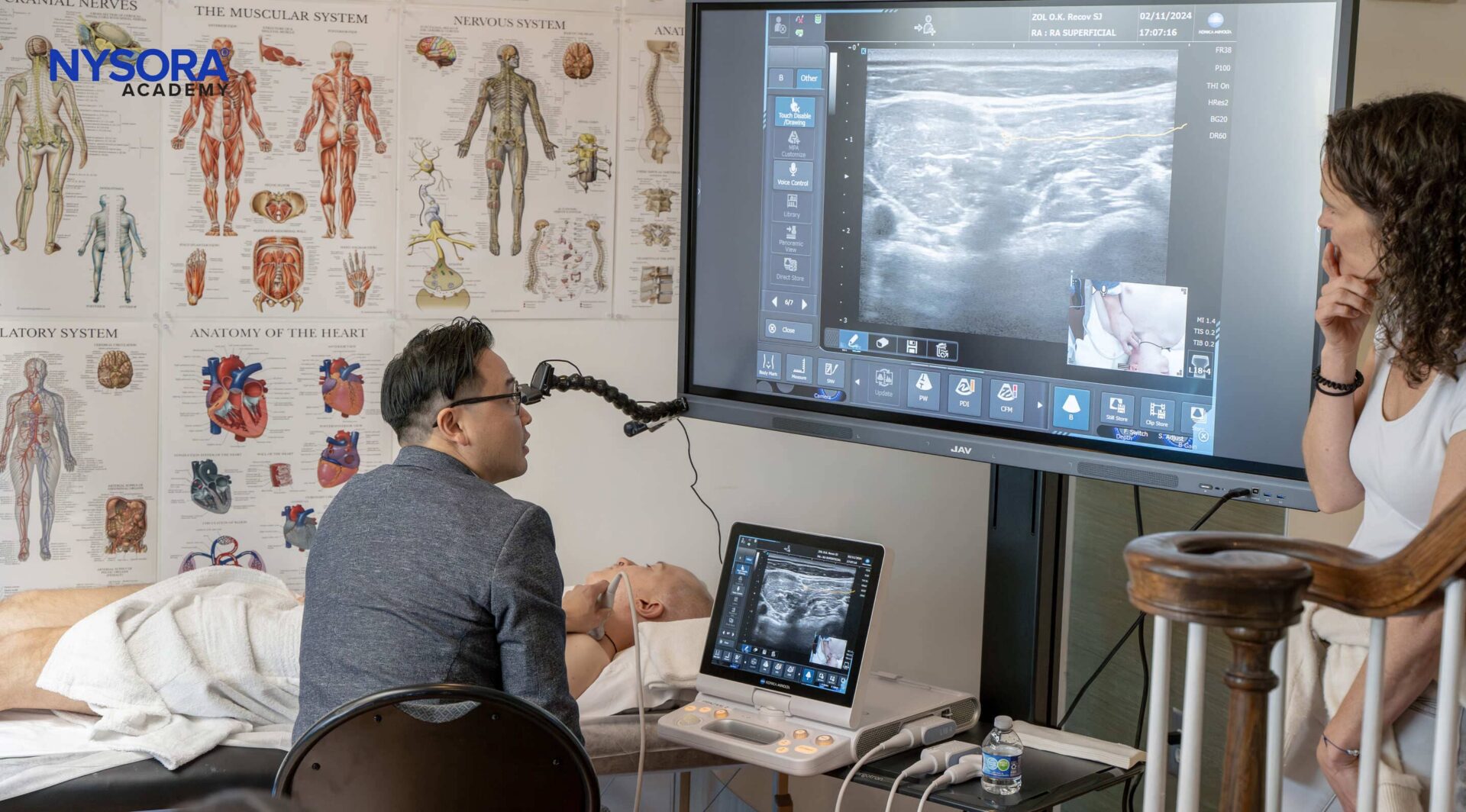
The New York NYSORA Boutique Workshop combines standardized techniques, immersive anatomy learning, and hands-on clinical training — backed by the most comprehensive regional anesthesia education ecosystem in the world.

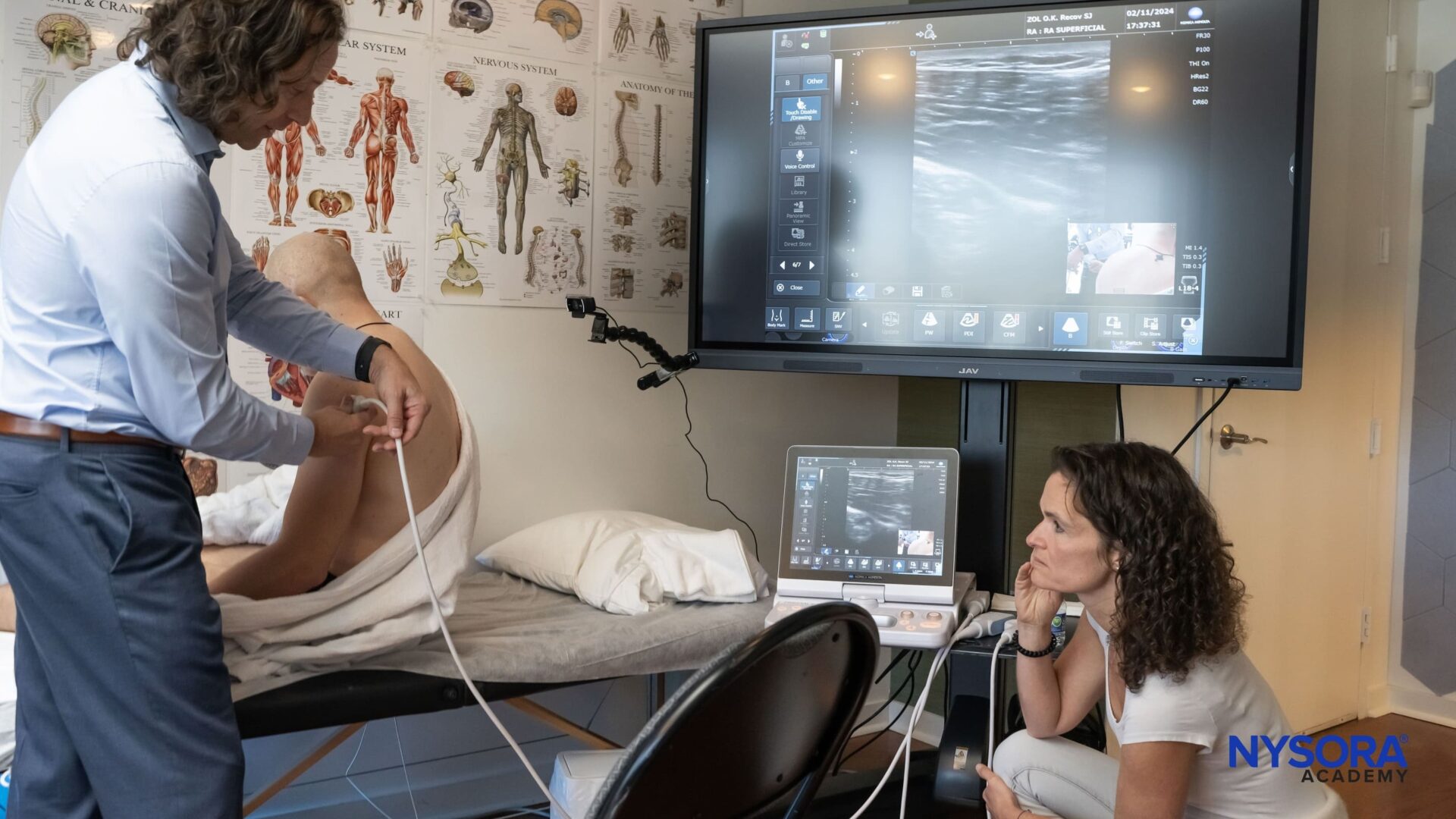
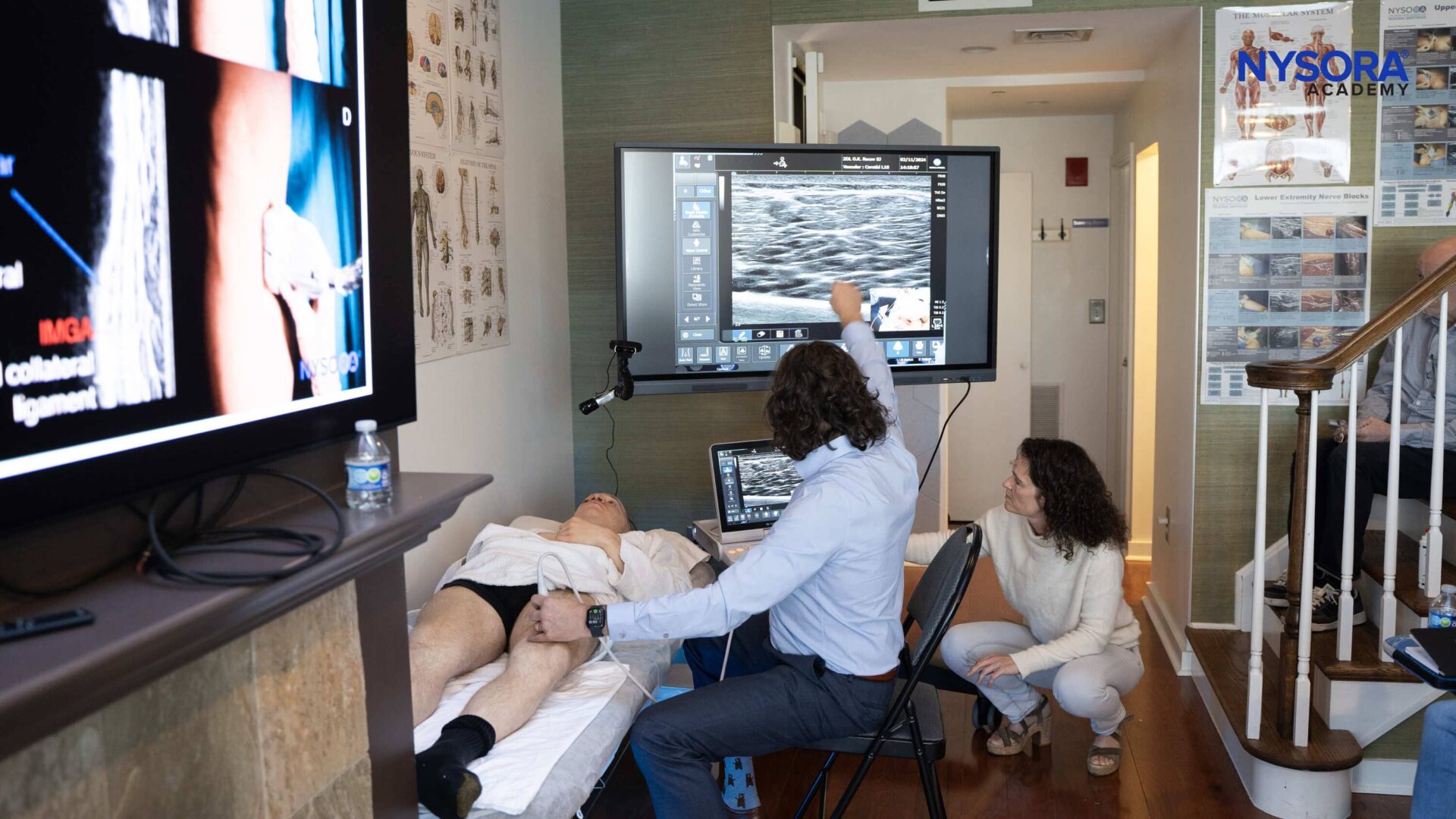
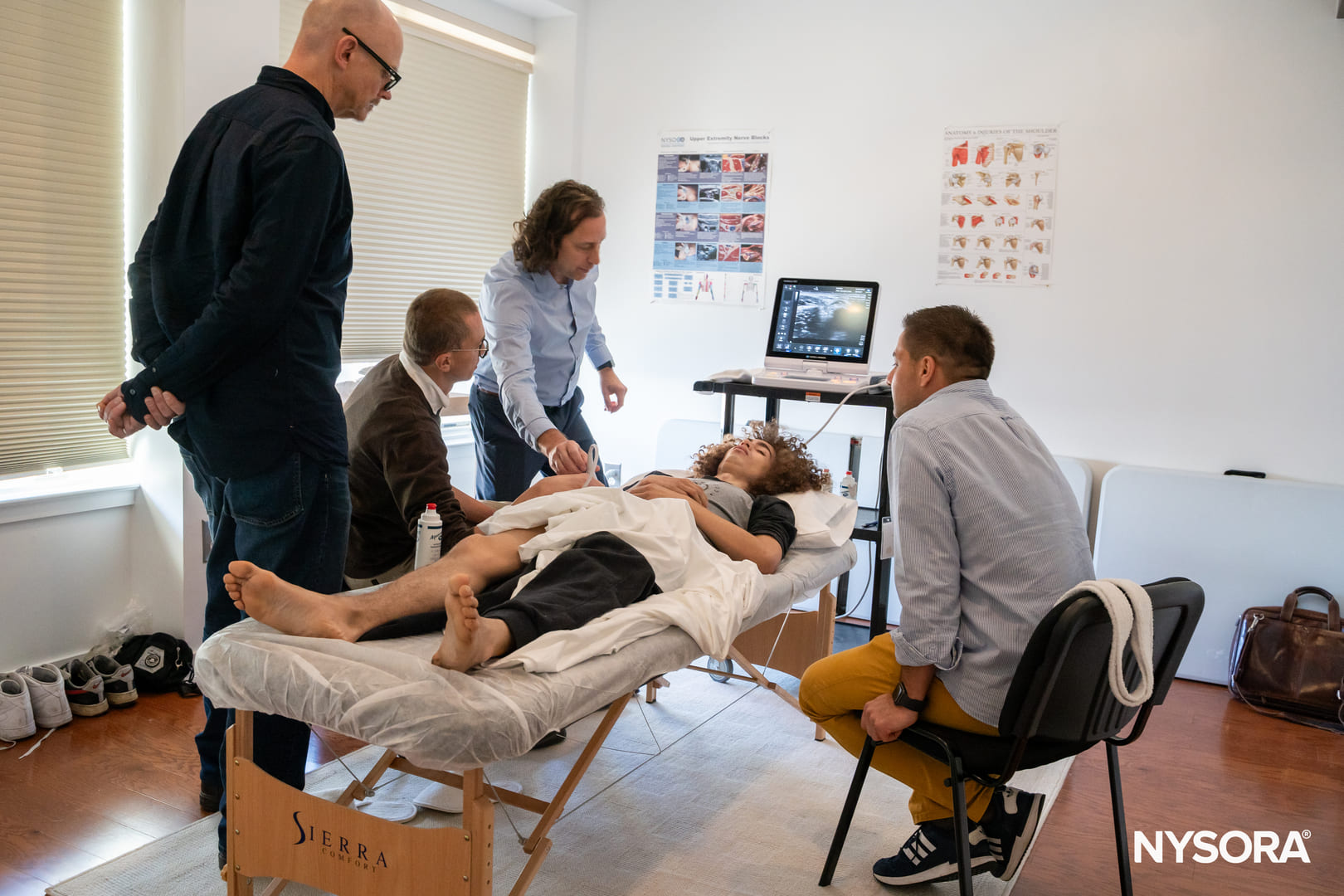
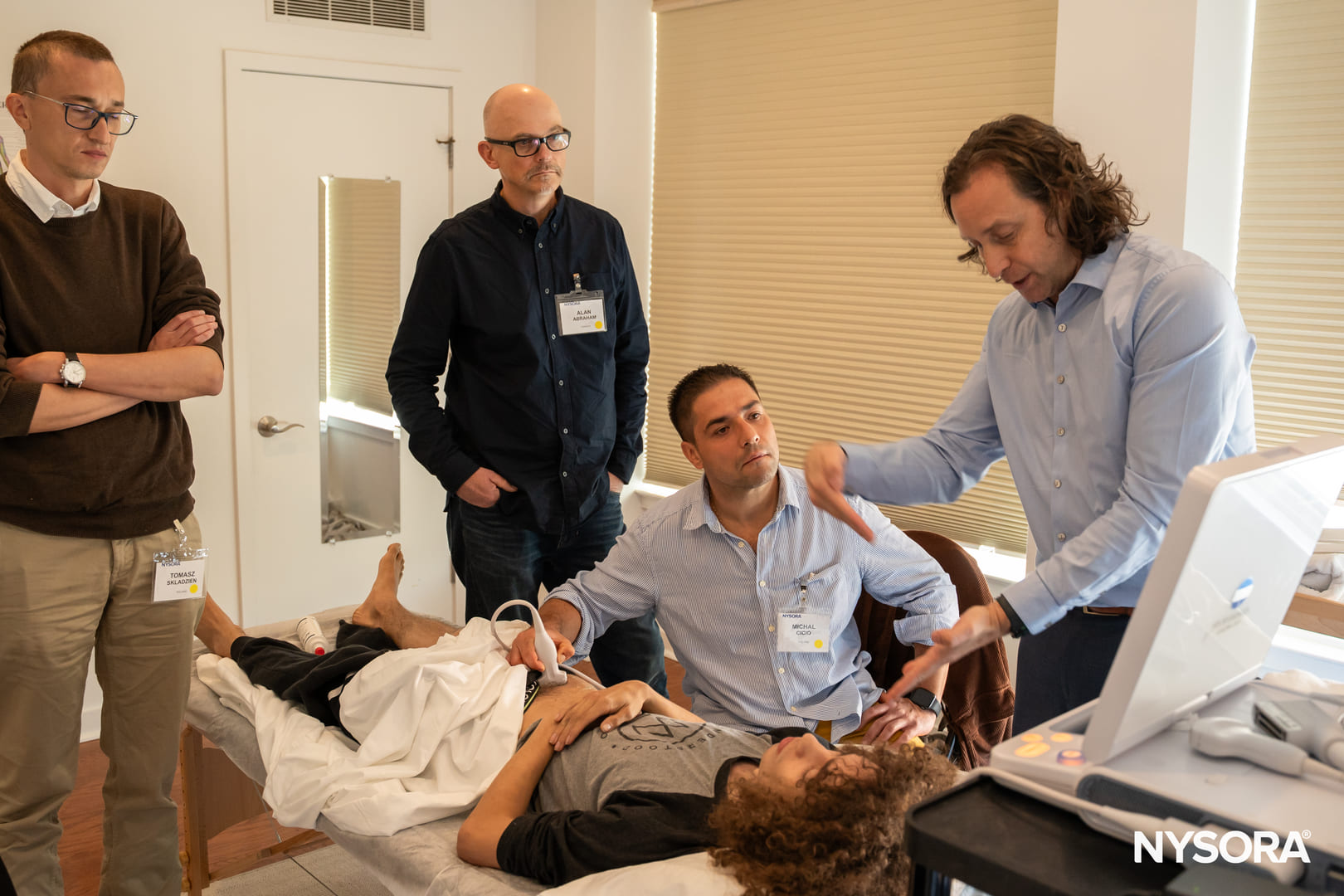
Live Model Scanning
Simulator Training
Small Groups 
Global Faculty
13
AMA PRA
Category 1 Credits
2
Full Days of
Training
Small
Group
Format
+$100
NYSORA360
Subscription Included

Future Workshops

All dates run Fri–Sat at the NYSORA Academy, Weehawken NJ

Take advantage of early bird pricing by booking early. Otherwise, the standard rate applies starting one month before the course. Registration includes course materials & light refreshment. Please note that the price does not cover accommodation.

Date

Event

Location

Time

Price

2026

Apr

25

New York, USA, Apr 25, 2026, 07:30 AM

New York, USA

07:30 AM

$2,195

Schedule
Day 1

Morning Session (07:30 - 16:00)

  • Registration & Light Breakfast
  • Introduction: How to Make the Most of This Course
  • MODULE 1: Shoulder & Proximal Humerus
  • Coffee Break & Simulation Training
  • MODULE 2: Clavicle & Upper Arm
  • MODULE 3: Upper Extremit er Extremity (Elbow, Forearm & Hand orearm & Hand)
  • Lunch Break & & Simulation Training
  • MODULE 4: Truncal Fascial Plane Blocks - Core Set Every Clinician Should Know
  • LECTURE
  • Q&A Panel Discussion
  • Coffee Break & Simulation Training
  • Scanning Practice: Consolidation and Repetition
Day 2

Morning Session (07:30 - 14:45)

  • Registration & Light Breakfast (Simulation Training)
  • Review of Day 1: What We Learned TIPS & Q&A
  • MODULE 5: Lumbar Paraspinal & Posterior Wall Blocks
  • Coffee Break & Simulation Training
  • LECTURE
  • MODULE 6: Lower Extremity — Hip & Knee Pathways
  • Lunch Break & Simulation Training
  • Lower Extremity: Knee, Foot & Ankle
  • MODULE 7 REVIEW: More Scanning Top Down
  • Final Review & Q&A
Course Highlights
  • Interpret various sonographic artifacts and outline a plan for troubleshooting these using various transducer maneuvers and ultrasound machine setting adjustments;
  • Demonstrate the correct sonographic technique for identification of the brachial plexus and individual nerves of the lower extremity, and associated vascular and musculoskeletal structures;
  • Demonstrate the correct sonographic technique for performance of truncal blocks including transversus abdominis plane block, rectus sheath block, and paravertebral and neuraxial block;
  • Develop a framework for the establishment of a regional anesthesia service using strategies to increase surgical, anesthetic and hospital buy-in;
  • Discuss the rational choice of local anesthetics and adjuvants for various peripheral nerve blocks.
Faculty
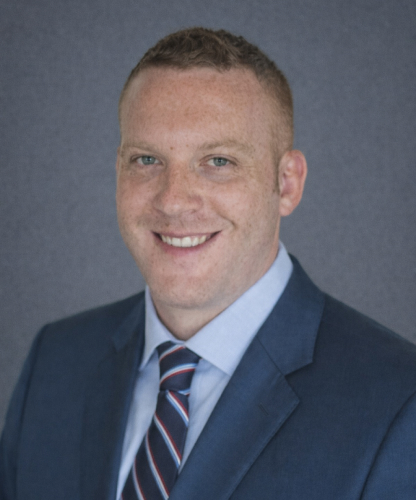
J. Douglas Jaffe
J. Douglas Jaffe

DO, FASA, FAOCA

Clinical Professor of Anesthesiology at Rowan University, School of Osteopathic Medicine. Virtua Medical Group. Department of Anesthesiology at VMG North. Mount Holly, NJ, USA

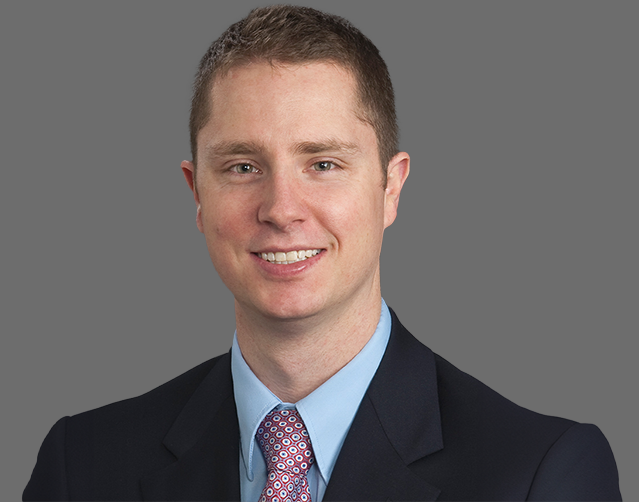
Christian Horazeck
Christian Horazeck

MD, D.ABA

Assistant Professor of Anesthesiology, Baylor College of Medicine, Anesthesiologist Baylor Scott & White Hospital, Temple, TX, USA

May

16

New York, USA, May 16, 2026, 07:30 AM

New York, USA

07:30 AM

Early bird

$2,095

Schedule
Day 1

Morning Session (07:30 - 16:00)

  • Registration & Light Breakfast
  • Introduction: How to Make the Most of This Course
  • MODULE 1: Shoulder & Proximal Humerus
  • Coffee Break & Simulation Training
  • MODULE 2: Clavicle & Upper Arm
  • MODULE 3: Upper Extremit er Extremity (Elbow, Forearm & Hand orearm & Hand)
  • Lunch Break & Simulation Training
  • MODULE 4: Truncal Fascial Plane Blocks - Core Set Every Clinician Should Know
  • LECTURE
  • Q&A Panel Discussion
  • Coffee Break & Simulation Training
  • Scanning Practice: Consolidation and Repetition
Day 2

Morning Session (07:30 - 14:45)

  • Registration & Light Breakfast (Simulation Training)
  • Review of Day 1: What We Learned TIPS & Q&A
  • MODULE 5: Lumbar Paraspinal & Posterior Wall Blocks
  • Coffee Break & Simulation Training
  • LECTURE
  • MODULE 6: Lower Extremity — Hip & Knee Pathways
  • Lunch Break & Simulation Training
  • Lower Extremity: Knee, Foot & Ankle
  • MODULE 7 REVIEW: More Scanning Top Down
  • Final Review & Q&A
Course Highlights
  • Interpret various sonographic artifacts and outline a plan for troubleshooting these using various transducer maneuvers and ultrasound machine setting adjustments;
  • Demonstrate the correct sonographic technique for identification of the brachial plexus and individual nerves of the lower extremity, and associated vascular and musculoskeletal structures;
  • Demonstrate the correct sonographic technique for performance of truncal blocks including transversus abdominis plane block, rectus sheath block, and paravertebral and neuraxial block;
  • Develop a framework for the establishment of a regional anesthesia service using strategies to increase surgical, anesthetic and hospital buy-in;
  • Discuss the rational choice of local anesthetics and adjuvants for various peripheral nerve blocks.
Faculty
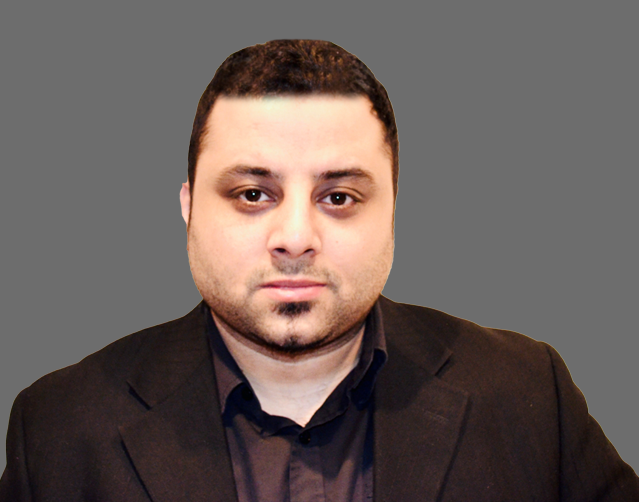
Dr. Kris Abbas
Dr. Kris Abbas

Assistant professor
McMaster University
Department of Anesthesia
St. Joseph’s Healthcare
50 Charlton St. E.
Hamilton, ON. L8N 4A6
Canada
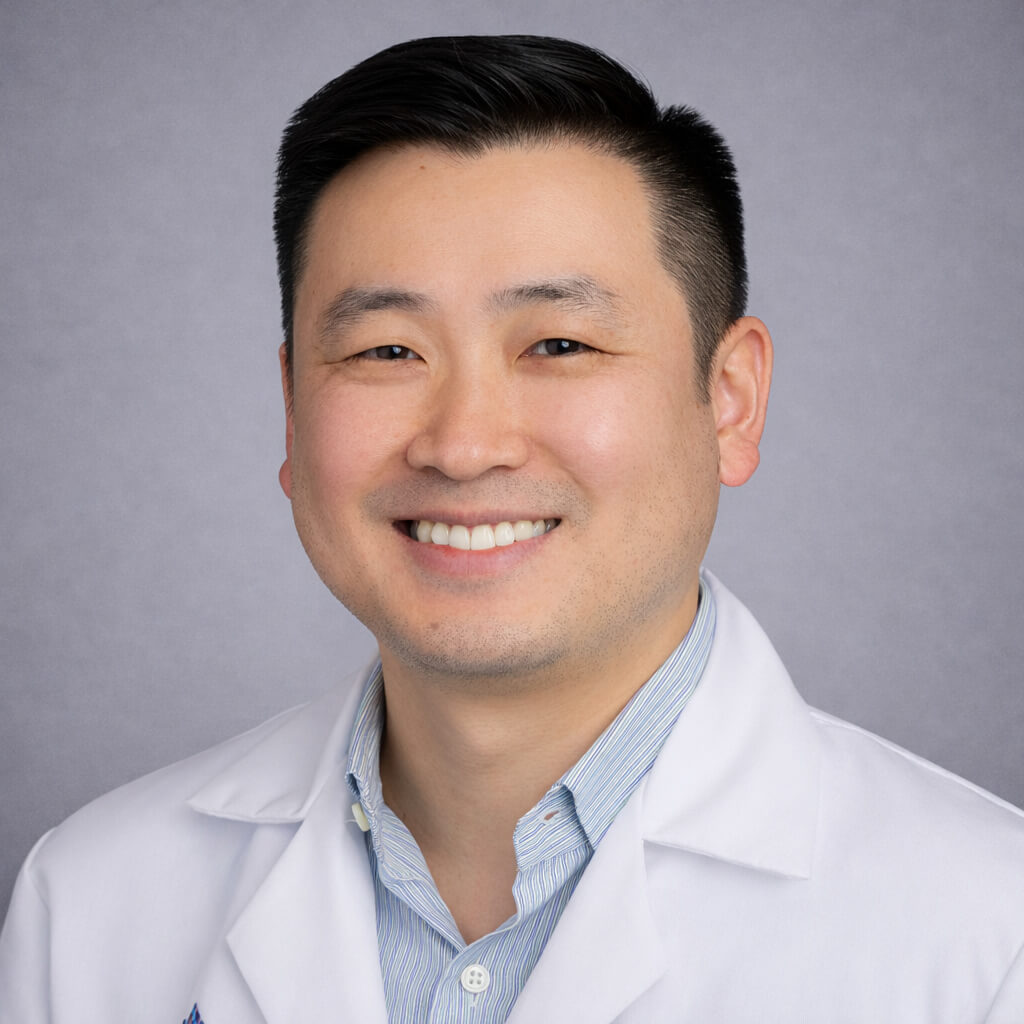
Chang H. Park
Chang H. Park

MD

Associate Professor of Anesthesiology, Perioperative and Pain Medicine
Program Director, Regional Anesthesiology and Acute Pain Medicine Fellowship
Icahn School of Medicine at Mount Sinai
New York, NY, USA

Jul

25

New York, USA, Jul 25, 2026, 07:30 AM

New York, USA

07:30 AM

Early bird

$2,095

Schedule
Day 1

Morning Session (07:30 - 16:00)

  • Registration & Light Breakfast
  • Introduction: How to Make the Most of This Course
  • MODULE 1: Shoulder & Proximal Humerus
  • Coffee Break & Simulation Training
  • MODULE 2: Clavicle & Upper Arm
  • MODULE 3: Upper Extremit er Extremity (Elbow, Forearm & Hand orearm & Hand)
  • Lunch Break & & Simulation Training
  • MODULE 4: Truncal Fascial Plane Blocks - Core Set Every Clinician Should Know
  • LECTURE
  • Q&A Panel Discussion
  • Coffee Break & Simulation Training
  • Scanning Practice: Consolidation and Repetition
Day 2

Morning Session (07:30 - 14:45)

  • Registration & Light Breakfast (Simulation Training)
  • Review of Day 1: What We Learned TIPS & Q&A
  • MODULE 5: Lumbar Paraspinal & Posterior Wall Blocks
  • Coffee Break & Simulation Training
  • LECTURE
  • MODULE 6: Lower Extremity — Hip & Knee Pathways
  • Lunch Break & Simulation Training
  • Lower Extremity: Knee, Foot & Ankle
  • MODULE 7 REVIEW: More Scanning Top Down
  • Final Review & Q&A
Course Highlights
  • Interpret various sonographic artifacts and outline a plan for troubleshooting these using various transducer maneuvers and ultrasound machine setting adjustments;
  • Demonstrate the correct sonographic technique for identification of the brachial plexus and individual nerves of the lower extremity, and associated vascular and musculoskeletal structures;
  • Demonstrate the correct sonographic technique for performance of truncal blocks including transversus abdominis plane block, rectus sheath block, and paravertebral and neuraxial block;
  • Develop a framework for the establishment of a regional anesthesia service using strategies to increase surgical, anesthetic and hospital buy-in;
  • Discuss the rational choice of local anesthetics and adjuvants for various peripheral nerve blocks.
Faculty
Matthew Colontonio
Matthew Colontonio

MD

Assistant Professor & Senior Associate Consultant, Mayo Clinic,
FL, USA

Aug

22

New York, USA, Aug 22, 2026, 07:30 AM

New York, USA

07:30 AM

Early bird

$2,095

Schedule
Day 1

Morning Session (07:30 - 16:00)

  • Registration & Light Breakfast
  • Introduction: How to Make the Most of This Course
  • MODULE 1: Shoulder & Proximal Humerus
  • Coffee Break & Simulation Training
  • MODULE 2: Clavicle & Upper Arm
  • MODULE 3: Upper Extremit er Extremity (Elbow, Forearm & Hand orearm & Hand)
  • Lunch Break & & Simulation Training
  • MODULE 4: Truncal Fascial Plane Blocks - Core Set Every Clinician Should Know
  • LECTURE
  • Q&A Panel Discussion
  • Coffee Break & Simulation Training
  • Scanning Practice: Consolidation and Repetition
Day 2

Morning Session (07:30 - 14:45)

  • Registration & Light Breakfast (Simulation Training)
  • Review of Day 1: What We Learned TIPS & Q&A
  • MODULE 5: Lumbar Paraspinal & Posterior Wall Blocks
  • Coffee Break & Simulation Training
  • LECTURE
  • MODULE 6: Lower Extremity — Hip & Knee Pathways
  • Lunch Break & Simulation Training
  • Lower Extremity: Knee, Foot & Ankle
  • MODULE 7 REVIEW: More Scanning Top Down
  • Final Review & Q&A
Course Highlights
  • Interpret various sonographic artifacts and outline a plan for troubleshooting these using various transducer maneuvers and ultrasound machine setting adjustments;
  • Demonstrate the correct sonographic technique for identification of the brachial plexus and individual nerves of the lower extremity, and associated vascular and musculoskeletal structures;
  • Demonstrate the correct sonographic technique for performance of truncal blocks including transversus abdominis plane block, rectus sheath block, and paravertebral and neuraxial block;
  • Develop a framework for the establishment of a regional anesthesia service using strategies to increase surgical, anesthetic and hospital buy-in;
  • Discuss the rational choice of local anesthetics and adjuvants for various peripheral nerve blocks.
Faculty
Admir Hadzic
Admir Hadzic

MD, PhD.

Director – NYSORA, Anesthesiologist, Professor of Anesthesiology, Department of Anesthesiology, ZOL, Genk, Belgium

Catherine Vandepitte

MD, PhD.

Anesthesiologist at Ziekenhuis Oost-Limburg (ZOL), Genk, Belgium

Christian Horazeck
Christian Horazeck

MD, D.ABA

Assistant Professor of Anesthesiology, Baylor College of Medicine, Anesthesiologist Baylor Scott & White Hospital, Temple, TX, USA

Sep

12

New York, USA, Sep 12, 2026, 07:30 AM

New York, USA

07:30 AM

Early bird

$2,095

Schedule
Day 1

Morning Session (07:30 - 16:00)

  • Registration & Light Breakfast
  • Introduction: How to Make the Most of This Course
  • MODULE 1: Shoulder & Proximal Humerus
  • Coffee Break & Simulation Training
  • MODULE 2: Clavicle & Upper Arm
  • MODULE 3: Upper Extremit er Extremity (Elbow, Forearm & Hand orearm & Hand)
  • Lunch Break & Simulation Training
  • MODULE 4: Truncal Fascial Plane Blocks - Core Set Every Clinician Should Know
  • LECTURE
  • Q&A Panel Discussion
  • Coffee Break & Simulation Training
  • Scanning Practice: Consolidation and Repetition
Day 2

Morning Session (07:30 - 14:45)

  • Registration & Light Breakfast (Simulation Training)
  • Review of Day 1: What We Learned TIPS & Q&A
  • MODULE 5: Lumbar Paraspinal & Posterior Wall Blocks
  • Coffee Break & Simulation Training
  • LECTURE
  • MODULE 6: Lower Extremity — Hip & Knee Pathways
  • Lunch Break & Simulation Training
  • Lower Extremity: Knee, Foot & Ankle
  • MODULE 7 REVIEW: More Scanning Top Down
  • Final Review & Q&A
Course Highlights
  • Interpret various sonographic artifacts and outline a plan for troubleshooting these using various transducer maneuvers and ultrasound machine setting adjustments;
  • Demonstrate the correct sonographic technique for identification of the brachial plexus and individual nerves of the lower extremity, and associated vascular and musculoskeletal structures;
  • Demonstrate the correct sonographic technique for performance of truncal blocks including transversus abdominis plane block, rectus sheath block, and paravertebral and neuraxial block;
  • Develop a framework for the establishment of a regional anesthesia service using strategies to increase surgical, anesthetic and hospital buy-in;
  • Discuss the rational choice of local anesthetics and adjuvants for various peripheral nerve blocks.
Faculty
Jerry Jones
Jerry Jones

MD

East Memphis Anesthesia Services
Partner/Owner & Director, Regional Anesthesia Fellowship
Adjunct Assistant Professor
Division, Regional Anesthesia & Acute Pain Medicine
Department of Anesthesiology
University of Tennessee Health Science Center
Memphis, USA
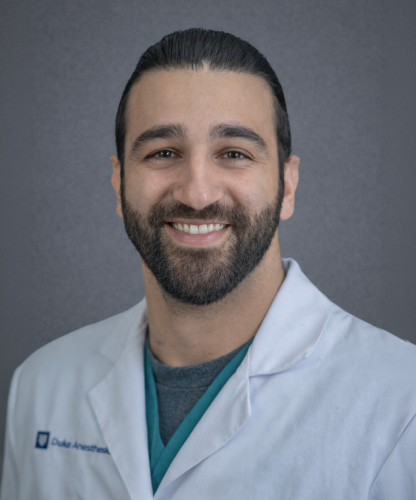
Marc Ghabach
Marc Ghabach

MD

Regional Anesthesiology and Acute Pain Medicine Fellowship program
at Duke University Medical Center, USA

Oct

03

New York, USA, Oct 03, 2026, 07:30 AM

New York, USA

07:30 AM

Early bird

$2,095

Schedule
Day 1

Morning Session (07:30 - 16:00)

  • Registration & Light Breakfast
  • Introduction: How to Make the Most of This Course
  • MODULE 1: Shoulder & Proximal Humerus
  • Coffee Break & Simulation Training
  • MODULE 2: Clavicle & Upper Arm
  • MODULE 3: Upper Extremit er Extremity (Elbow, Forearm & Hand orearm & Hand)
  • Lunch Break & Simulation Training
  • MODULE 4: Truncal Fascial Plane Blocks - Core Set Every Clinician Should Know
  • LECTURE
  • Q&A Panel Discussion
  • Coffee Break & Simulation Training
  • Scanning Practice: Consolidation and Repetition
Day 2

Morning Session (07:30 - 14:45)

  • Registration & Light Breakfast (Simulation Training)
  • Review of Day 1: What We Learned TIPS & Q&A
  • MODULE 5: Lumbar Paraspinal & Posterior Wall Blocks
  • Coffee Break & Simulation Training
  • LECTURE
  • MODULE 6: Lower Extremity — Hip & Knee Pathways
  • Lunch Break & Simulation Training
  • Lower Extremity: Knee, Foot & Ankle
  • MODULE 7 REVIEW: More Scanning Top Down
  • Final Review & Q&A
Course Highlights
  • Interpret various sonographic artifacts and outline a plan for troubleshooting these using various transducer maneuvers and ultrasound machine setting adjustments;
  • Demonstrate the correct sonographic technique for identification of the brachial plexus and individual nerves of the lower extremity, and associated vascular and musculoskeletal structures;
  • Demonstrate the correct sonographic technique for performance of truncal blocks including transversus abdominis plane block, rectus sheath block, and paravertebral and neuraxial block;
  • Develop a framework for the establishment of a regional anesthesia service using strategies to increase surgical, anesthetic and hospital buy-in;
  • Discuss the rational choice of local anesthetics and adjuvants for various peripheral nerve blocks.
Faculty
Admir Hadzic
Admir Hadzic

MD, PhD.

Director – NYSORA, Anesthesiologist, Professor of Anesthesiology, Department of Anesthesiology, ZOL, Genk, Belgium

Catherine Vandepitte

MD, PhD.

Anesthesiologist at Ziekenhuis Oost-Limburg (ZOL), Genk, Belgium

Chang H. Park
Chang H. Park

MD

Associate Professor of Anesthesiology, Perioperative and Pain Medicine
Program Director, Regional Anesthesiology and Acute Pain Medicine Fellowship
Icahn School of Medicine at Mount Sinai
New York, NY, USA

Oct

31

New York, USA, Oct 31, 2026, 07:30 AM

New York, USA

07:30 AM

Early bird

$2,095

Schedule
Day 1

Morning Session (07:30 - 16:00)

  • Registration & Light Breakfast
  • Introduction: How to Make the Most of This Course
  • MODULE 1: Shoulder & Proximal Humerus
  • Coffee Break & Simulation Training
  • MODULE 2: Clavicle & Upper Arm
  • MODULE 3: Upper Extremit er Extremity (Elbow, Forearm & Hand orearm & Hand)
  • Lunch Break & Simulation Training
  • MODULE 4: Truncal Fascial Plane Blocks - Core Set Every Clinician Should Know
  • LECTURE
  • Q&A Panel Discussion
  • Coffee Break & Simulation Training
  • Scanning Practice: Consolidation and Repetition
Day 2

Morning Session (07:30 - 14:45)

  • Registration & Light Breakfast (Simulation Training)
  • Review of Day 1: What We Learned TIPS & Q&A
  • MODULE 5: Lumbar Paraspinal & Posterior Wall Blocks
  • Coffee Break & Simulation Training
  • MODULE 6: Lower Extremity — Hip & Knee Pathways
  • Lunch Break & Simulation Training
  • Lower Extremity: Knee, Foot & Ankle
  • MODULE 7 REVIEW: More Scanning Top Down
  • Final Review & Q&A
Course Highlights
  • Interpret various sonographic artifacts and outline a plan for troubleshooting these using various transducer maneuvers and ultrasound machine setting adjustments;
  • Demonstrate the correct sonographic technique for identification of the brachial plexus and individual nerves of the lower extremity, and associated vascular and musculoskeletal structures;
  • Demonstrate the correct sonographic technique for performance of truncal blocks including transversus abdominis plane block, rectus sheath block, and paravertebral and neuraxial block;
  • Develop a framework for the establishment of a regional anesthesia service using strategies to increase surgical, anesthetic and hospital buy-in;
  • Discuss the rational choice of local anesthetics and adjuvants for various peripheral nerve blocks.
Faculty
Daryl Steven Henshaw

MD, MBA

Professor, Anesthesiology
Vice-Chair of Clinical Operations
Section: Regional Anesthesia and Acute Pain Medicine
Wake Forest School of Medicine, Winston-Salem, USA
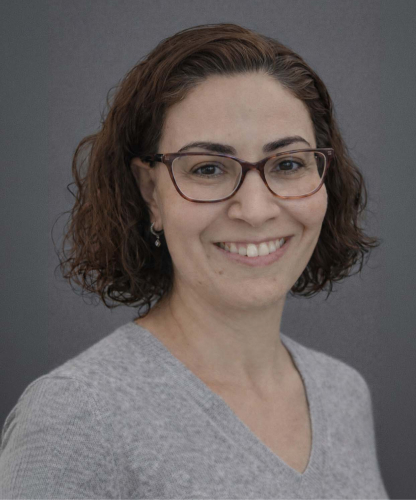
E. Aysu Salviz
E. Aysu Salviz

MD, ESRA - DRA

Aysu Salviz, MD, ESRA-DRA
Assistant Professor
Associate Fellowship Director, Regional Anesthesia & Acute Pain
Regional Anesthesia & Acute Pain, Fellow and Resident Education Director
Department of Anesthesiology
Washington University in St. Louis, School of Medicine, USA

Oya Cok
Oya Cok

MD, ESRA - DRA

Associate Professor
Penn State University, School of Medicine,
Department of Anaesthesiology and Perioperative Medicine, PA, USA

Nov

21

New York, USA, Nov 21, 2026, 07:30 AM

New York, USA

07:30 AM

Early bird

$2,095

Schedule
Day 1

Morning Session (07:30 - 16:00)

  • Registration & Light Breakfast
  • Introduction: How to Make the Most of This Course
  • MODULE 1: Shoulder & Proximal Humerus
  • Coffee Break & Simulation Training
  • MODULE 2: Clavicle & Upper Arm
  • MODULE 3: Upper Extremit er Extremity (Elbow, Forearm & Hand orearm & Hand)
  • Lunch Break & Simulation Training
  • MODULE 4: Truncal Fascial Plane Blocks - Core Set Every Clinician Should Know
  • LECTURE
  • Q&A Panel Discussion
  • Coffee Break & Simulation Training
  • Scanning Practice: Consolidation and Repetition
Day 2

Morning Session (07:30 - 14:45)

  • Registration & Light Breakfast (Simulation Training)
  • Review of Day 1: What We Learned TIPS & Q&A
  • MODULE 5: Lumbar Paraspinal & Posterior Wall Blocks
  • Coffee Break & Simulation Training
  • LECTURE
  • MODULE 6: Lower Extremity — Hip & Knee Pathways
  • Lunch Break & Simulation Training
  • Lower Extremity: Knee, Foot & Ankle
  • MODULE 7 REVIEW: More Scanning Top Down
  • Final Review & Q&A
Course Highlights
  • Interpret various sonographic artifacts and outline a plan for troubleshooting these using various transducer maneuvers and ultrasound machine setting adjustments;
  • Demonstrate the correct sonographic technique for identification of the brachial plexus and individual nerves of the lower extremity, and associated vascular and musculoskeletal structures;
  • Demonstrate the correct sonographic technique for performance of truncal blocks including transversus abdominis plane block, rectus sheath block, and paravertebral and neuraxial block;
  • Develop a framework for the establishment of a regional anesthesia service using strategies to increase surgical, anesthetic and hospital buy-in;
  • Discuss the rational choice of local anesthetics and adjuvants for various peripheral nerve blocks.
Faculty
Jerry Jones
Jerry Jones

MD

East Memphis Anesthesia Services
Partner/Owner & Director, Regional Anesthesia Fellowship
Adjunct Assistant Professor
Division, Regional Anesthesia & Acute Pain Medicine
Department of Anesthesiology
University of Tennessee Health Science Center
Memphis, USA

E. Aysu Salviz
E. Aysu Salviz

MD, ESRA - DRA

Aysu Salviz, MD, ESRA-DRA
Assistant Professor
Associate Fellowship Director, Regional Anesthesia & Acute Pain
Regional Anesthesia & Acute Pain, Fellow and Resident Education Director
Department of Anesthesiology
Washington University in St. Louis, School of Medicine, USA

Dec

05

New York, USA, Dec 05, 2026, 07:30 AM

New York, USA

07:30 AM

Early bird

$2,095

Schedule
Day 1
  • Registration and Breakfast
  • Welcome and Introduction
  • Gastric Ultrasound
  • Demonstration & Hands-on Scanning
  • FAST
  • Demonstration & Hands-on Scanning
  • Coffee Break
  • Introduction to Airway
  • Demonstration & Hands-on Scanning
  • Lung Exam
  • Demonstration & Hands-on Scanning
  • Lunch Break
  • DVT
  • Demonstration & Hands-on Scanning
  • Standard Cardiac Views (FATE) and IVC Imaging
  • Demonstration & Hands-on Scanning
  • Coffee Break
  • FEEL Protocol
  • Demonstration & Hands-on Scanning
  • FATE Clinical Cases
Day 2
  • Registration and Breakfast
  • Review of Previous Day: Gastric, Airway, FAST, Lung & DVT
  • Interactive Q&A
  • Hands-on Scanning: Gastric, FAST, Lung & DVT
  • Coffee Break
  • Global Ventricular Function, EF, TAPSE & MAPSE
  • Demonstration & Hands-on Scanning
  • Interactive Q&A on Cardiac FATE
  • Upcoming POCUS Topics (VExUS)
Course Highlights
  • Extensive Hands-On Ultrasound Training
    The workshop is built around practical skill development, with the majority of the program dedicated to hands-on scanning sessions. Participants practice core POCUS examinations on live models in small groups with expert faculty guidance, ensuring immediate feedback and skill refinement.
  • Core POCUS Applications for Daily Clinical Practice
    Gain practical experience with the most clinically relevant ultrasound exams, including gastric ultrasound, FAST exam, lung ultrasound, airway assessment, DVT evaluation, and focused cardiac imaging.
  • Focused Cardiac Ultrasound and Hemodynamic Assessment
    Develop the ability to obtain and interpret standard cardiac views using the FATE protocol, assess volume status with IVC imaging, and evaluate ventricular function using EF estimation, TAPSE, and MAPSE.
  • Learn–See–Practice Teaching Format
    Each topic begins with a concise lecture, followed by live demonstration and immediate hands-on scanning, reinforcing knowledge and accelerating skill acquisition.
  • Interactive Case Discussions and Clinical Integration
    Case-based sessions and interactive Q&A help participants integrate ultrasound findings into real-world clinical decision-making, improving diagnostic accuracy and bedside confidence.
Faculty
Coming soon.

Dec

12

New York, USA, Dec 12, 2026, 07:30 AM

New York, USA

07:30 AM

Early bird

$2,095

Schedule
Day 1

Morning Session (07:30 - 16:00)

  • Registration & Light Breakfast
  • Introduction: How to Make the Most of This Course
  • MODULE 1: Shoulder & Proximal Humerus
  • Coffee Break & Simulation Training
  • MODULE 2: Clavicle & Upper Arm
  • MODULE 3: Upper Extremit er Extremity (Elbow, Forearm & Hand orearm & Hand)
  • Lunch Break & Simulation Training
  • MODULE 4: Truncal Fascial Plane Blocks - Core Set Every Clinician Should Know
  • LECTURE
  • Q&A Panel Discussion
  • Coffee Break & Simulation Training
  • Scanning Practice: Consolidation and Repetition
Day 2

Morning Session (07:30 - 14:45)

  • Registration & Light Breakfast (Simulation Training)
  • Review of Day 1: What We Learned TIPS & Q&A
  • MODULE 5: Lumbar Paraspinal & Posterior Wall Blocks
  • Coffee Break & Simulation Training
  • LECTURE
  • MODULE 6: Lower Extremity — Hip & Knee Pathways
  • Lunch Break & Simulation Training
  • Lower Extremity: Knee, Foot & Ankle
  • MODULE 7 REVIEW: More Scanning Top Down
  • Final Review & Q&A
Course Highlights
  • Interpret various sonographic artifacts and outline a plan for troubleshooting these using various transducer maneuvers and ultrasound machine setting adjustments;
  • Demonstrate the correct sonographic technique for identification of the brachial plexus and individual nerves of the lower extremity, and associated vascular and musculoskeletal structures;
  • Demonstrate the correct sonographic technique for performance of truncal blocks including transversus abdominis plane block, rectus sheath block, and paravertebral and neuraxial block;
  • Develop a framework for the establishment of a regional anesthesia service using strategies to increase surgical, anesthetic and hospital buy-in;
  • Discuss the rational choice of local anesthetics and adjuvants for various peripheral nerve blocks.
Faculty
Coming soon.

New York, USA

Birthplace of NYSORA

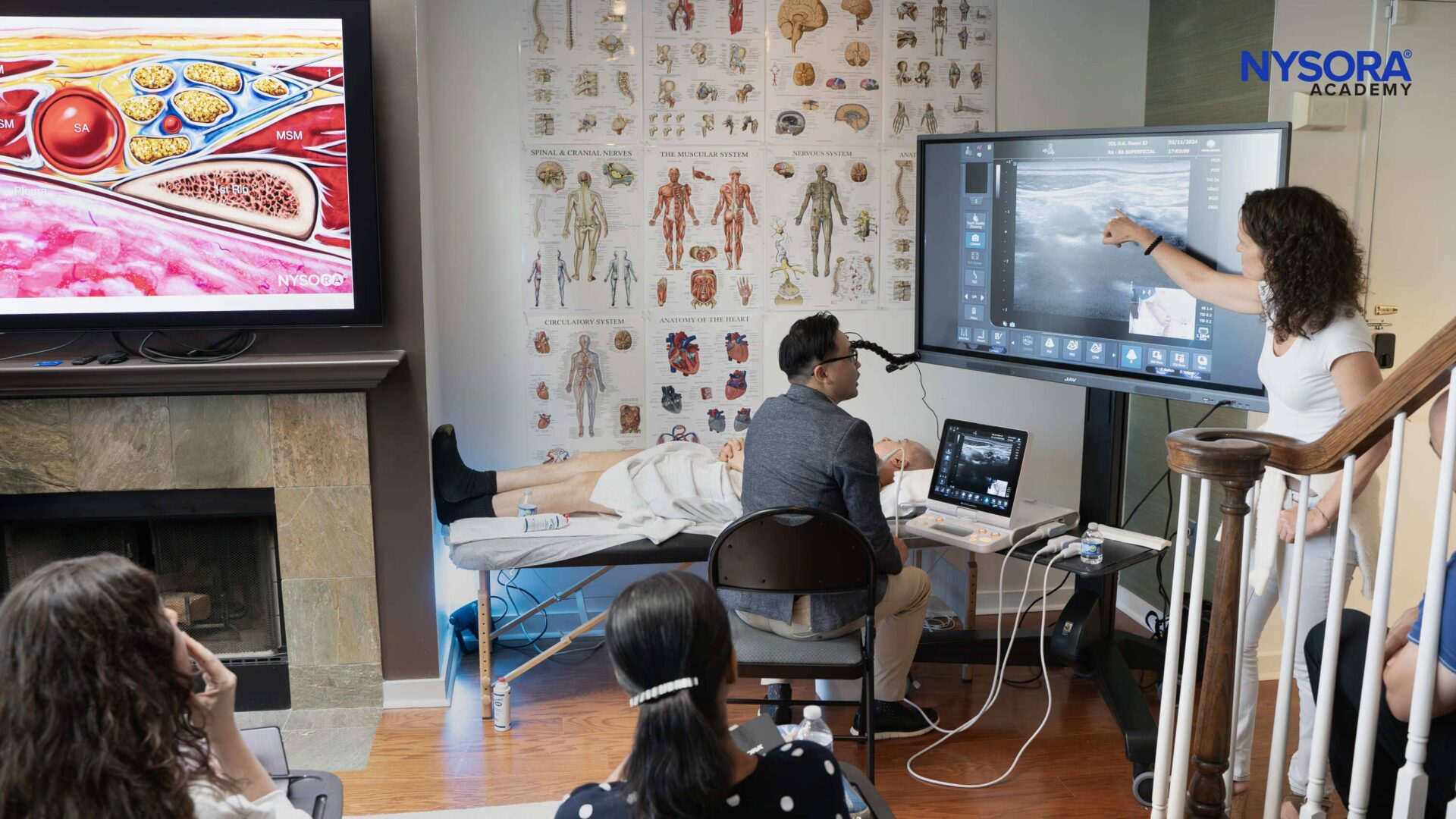
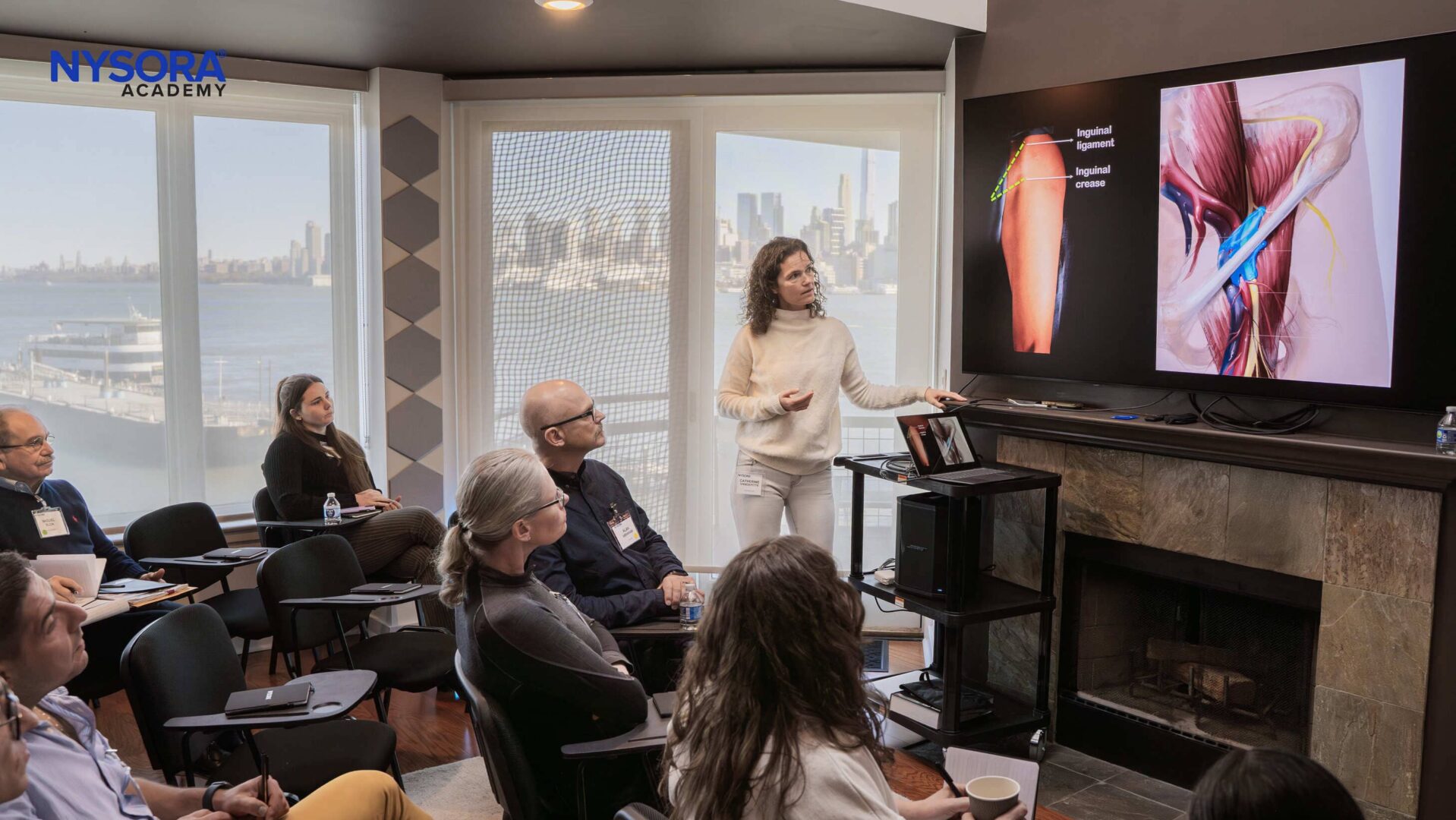
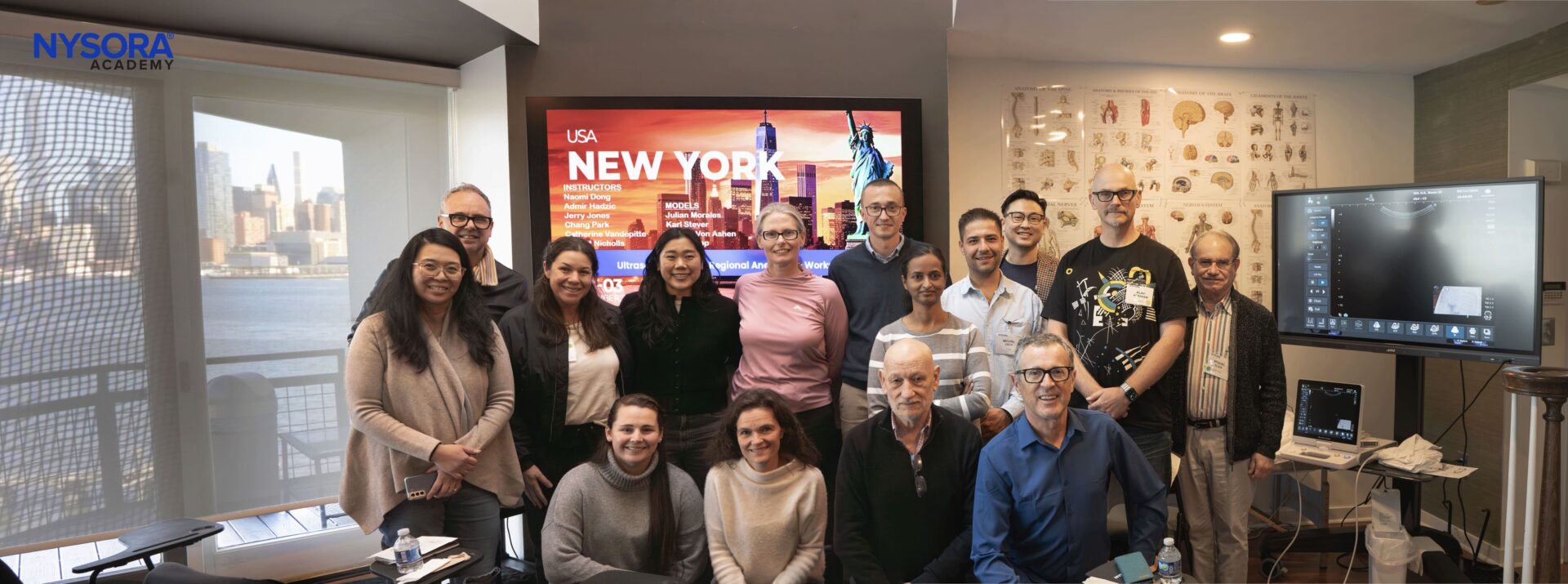
Not just a course. A complete learning ecosystem - designed around how clinicians actually master skills. The New York workshop is hosted in a custom-built NYSORA Academy facility, offering an unmatched training environment built specifically for regional anesthesia education. This is where the NYSORA method was developed and refined over three decades.

Where you'll be learning

Venue

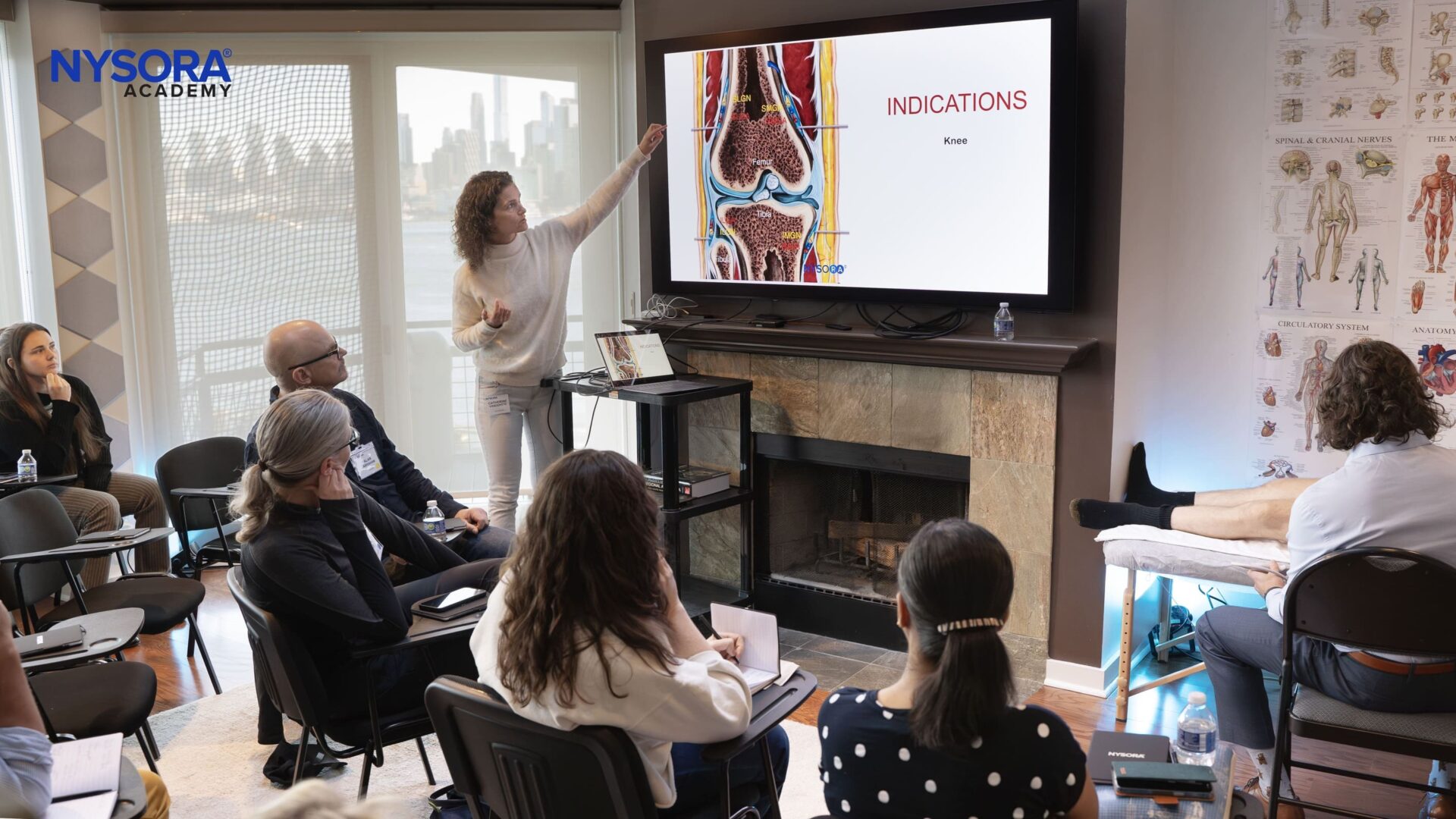
An inspired setting with stunning views across the Hudson to NYC. A truly enviable location in Weehawken NJ. Please note that this venue is accessed via stairs.

Our venues are carefully selected for location to major transport hubs, close proximity to the city and attractions, inspiring views, and first-rate equipment, for the best possible experience.

Arriving by Air:

Newark Airport, 13 miles from the Academy. CLICK HERE for more info.

Arriving by Car:

Parking garage available within 5 minutes walk. CLICK HERE for more info.

Arriving by ferry:

Located immediately next to the Lincoln Harbour ferry terminal, where ferries from Midtown Manhattan take 8 minutes. Please check timetable HERE.

Bus:

Buses to Lincoln Harbor from NYC in 15 minutes. CLICK HERE for more info.

Closest Hotel:

The Sheraton Lincoln Harbor Hotel, is located a 3-minute walk from the Academy. CLICK HERE to make a reservation.

The Entire NYSORA Ecosystem
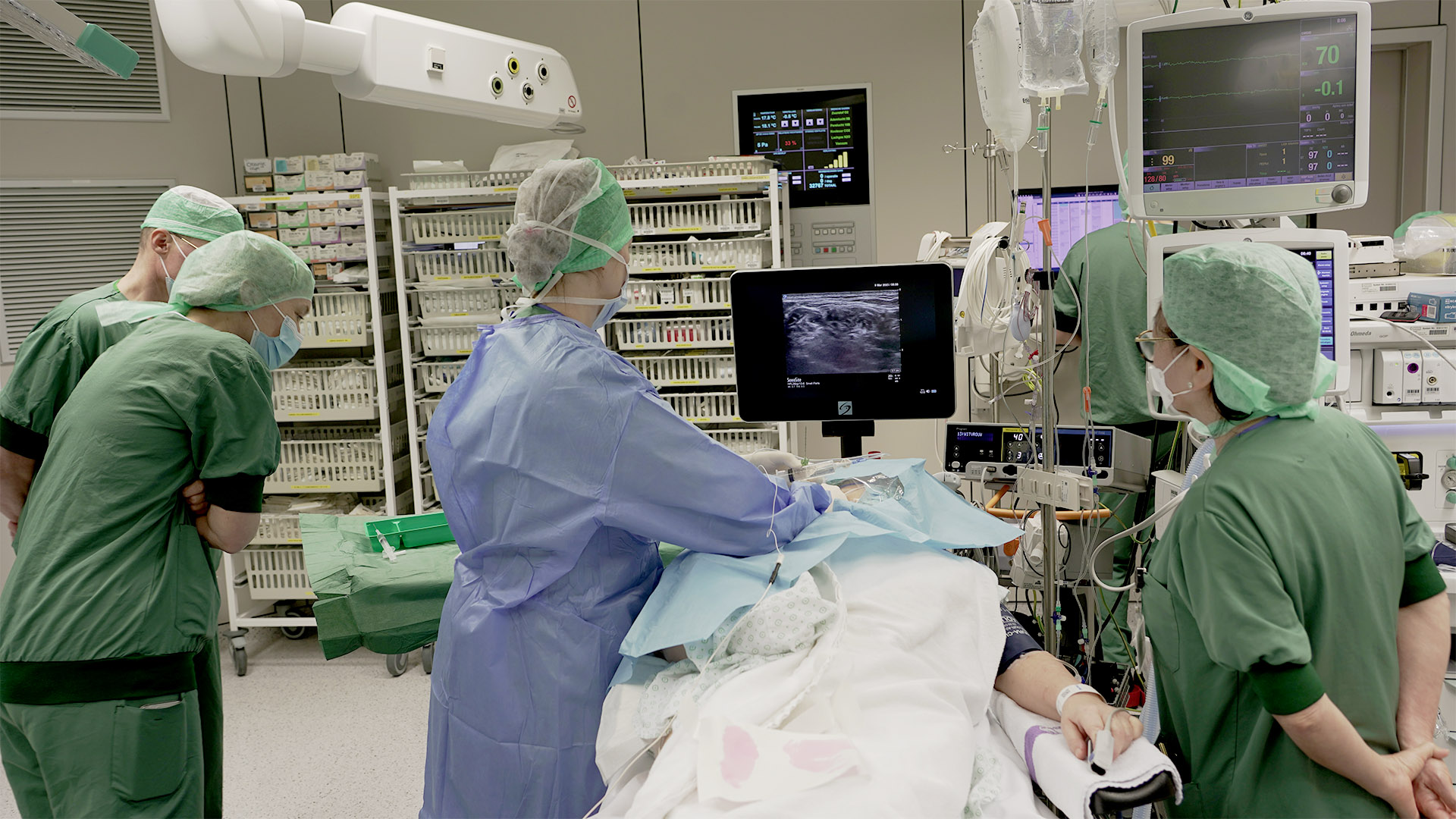
Boutique are recognized as best in class

Not just a course. A complete learning ecosystem.

Standardized Techniques

The program is standardized worldwide, ensuring the same structured NYSORA approach in every workshop - from New York to Sydney.

NYSORA Textbooks

NYSORA Applications

NYSORA360 e-learning platform

NYSORA Workshops
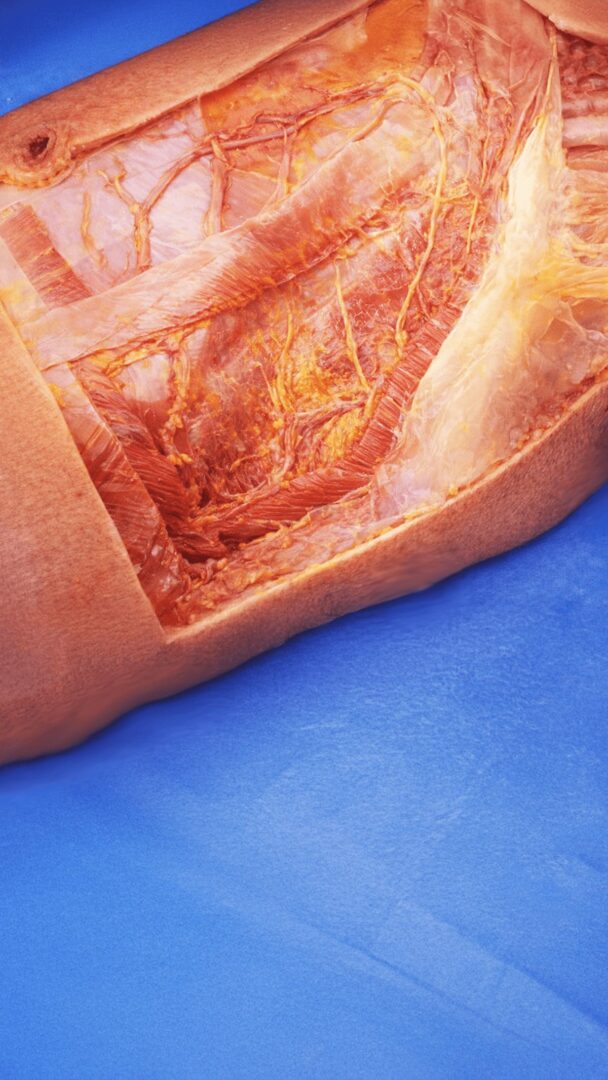
3D Anatomy Understanding

Understanding regional anesthesia requires seeing anatomy in layers.

3D virtual cadaver dissection

Real clinical ultrasound images

Reverse ultrasound animations

NYSORA anatomical illustrations
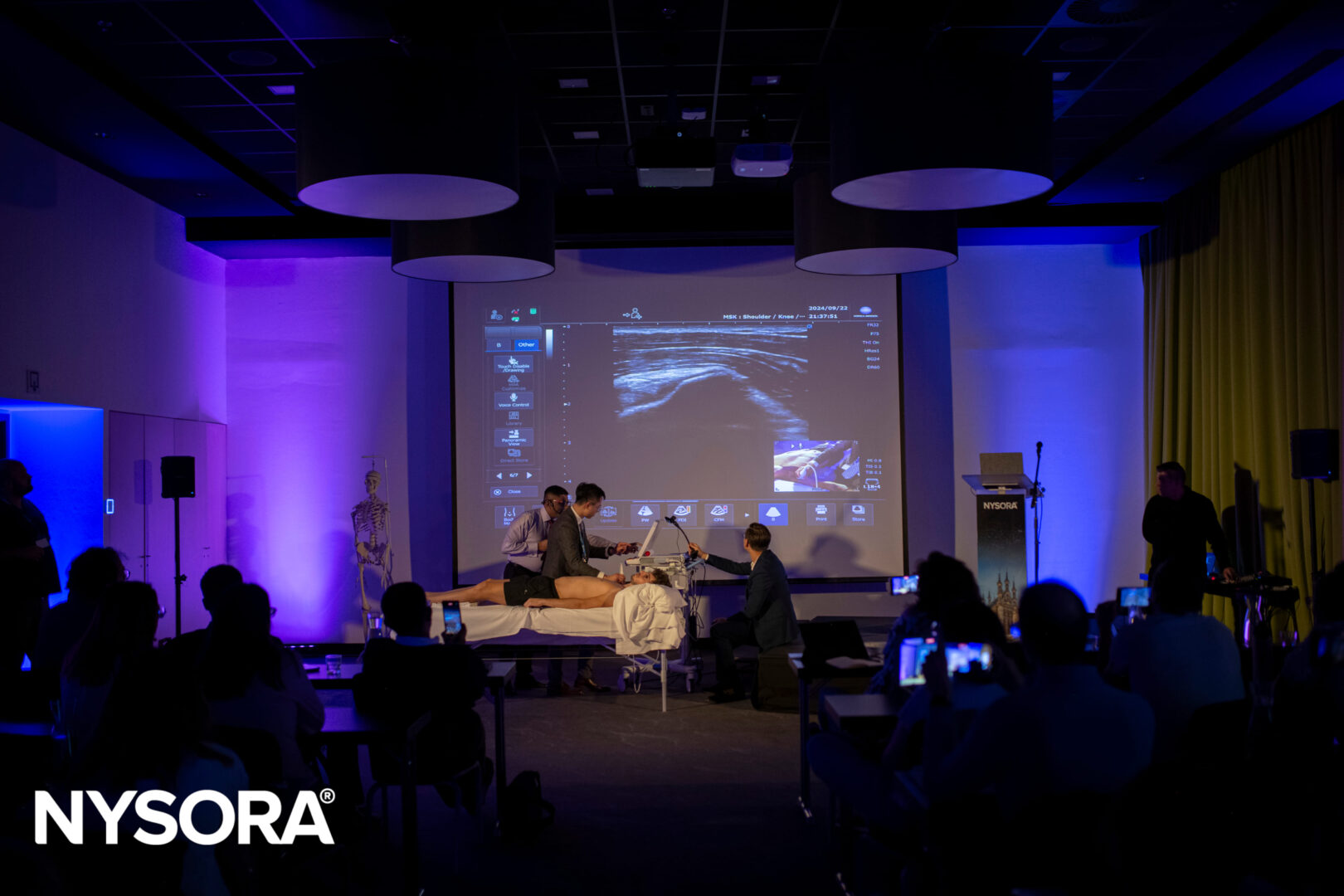
Boutique Learning
Experience

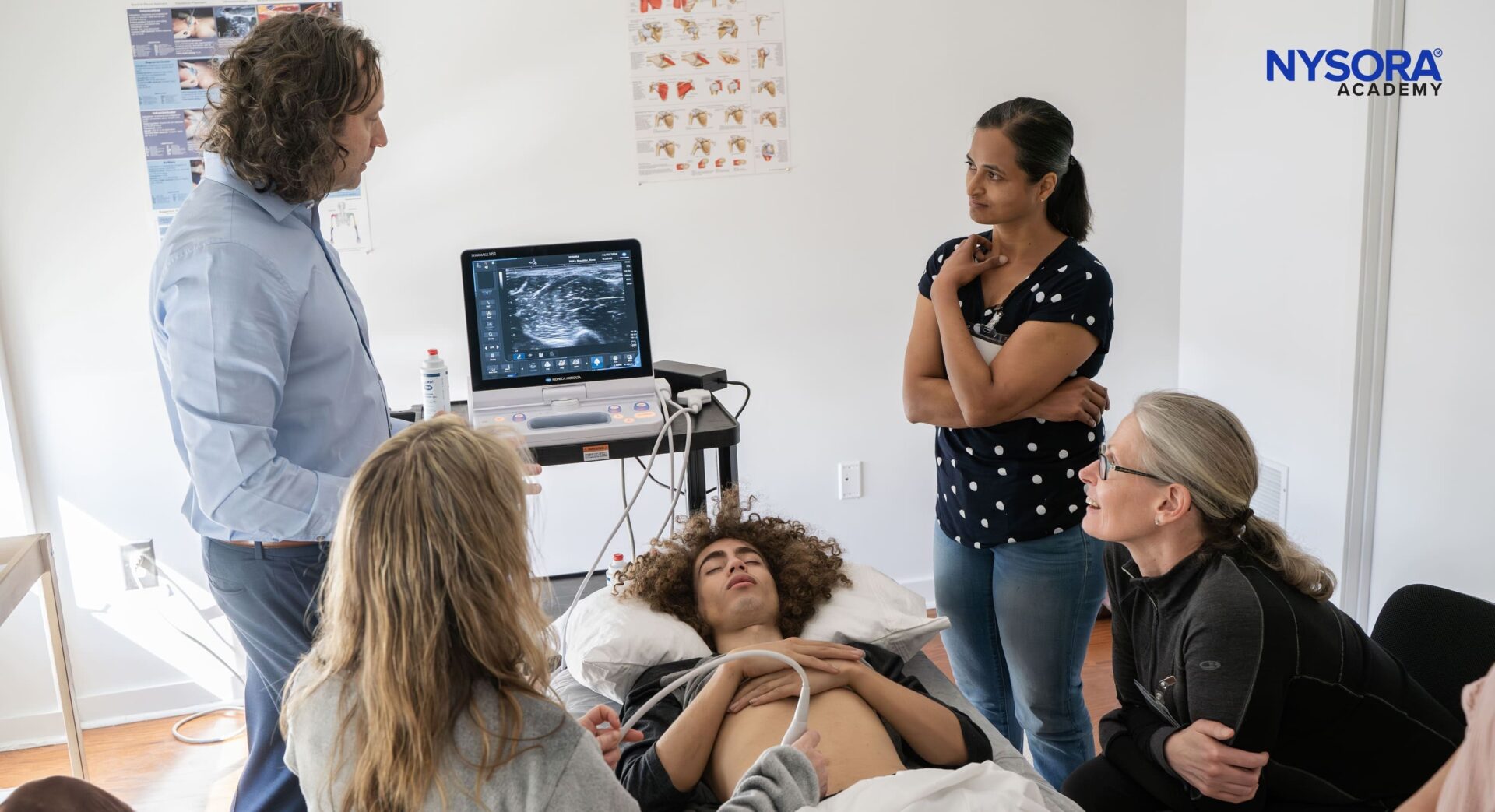
Unlike large conference courses, NYSORA workshops are designed as boutique learning environments.

Small group interaction

Direct faculty access

Intensive scanning practice

Real clinical discussion
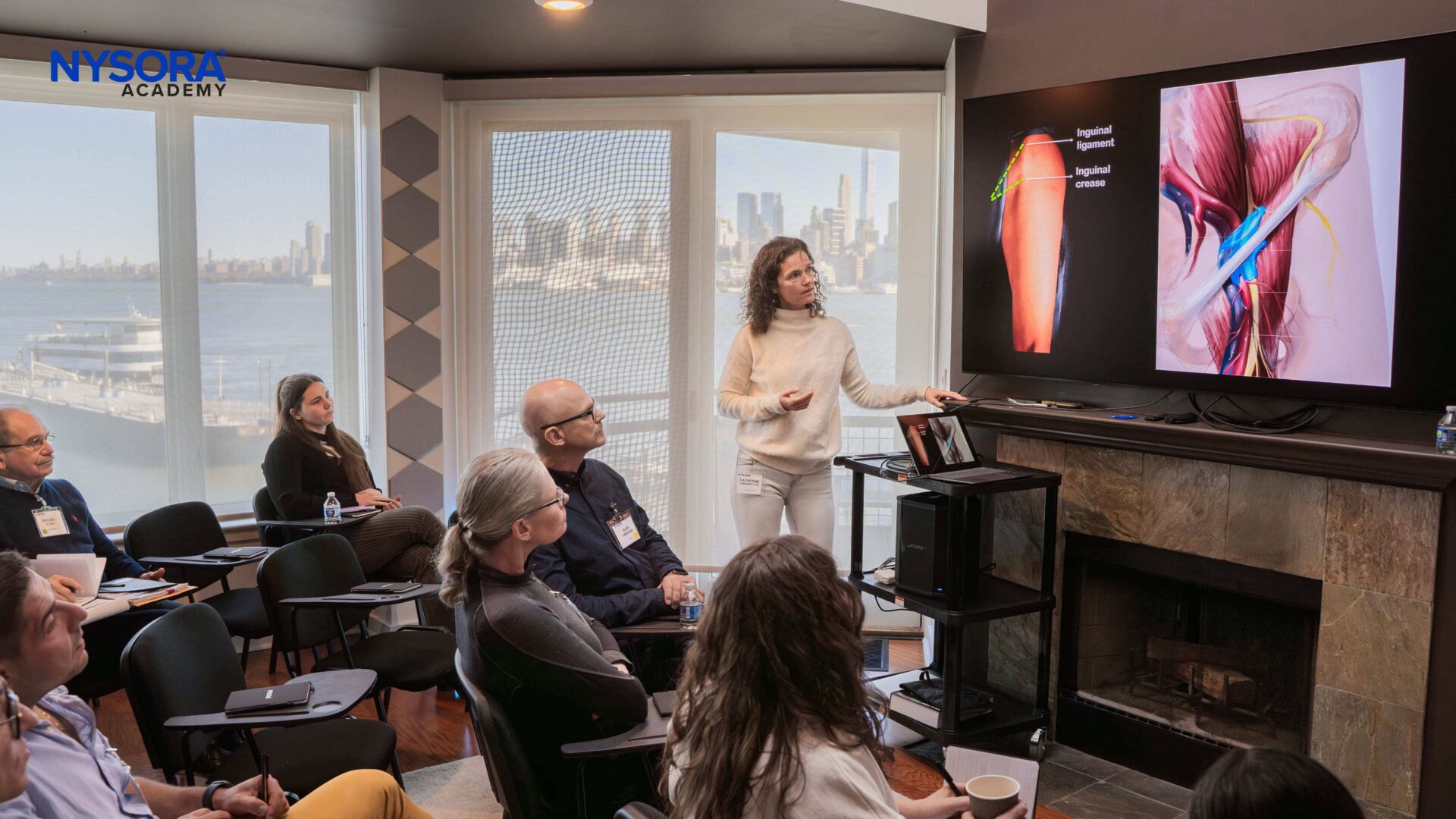
NYSORA Academy
Learning Spaces

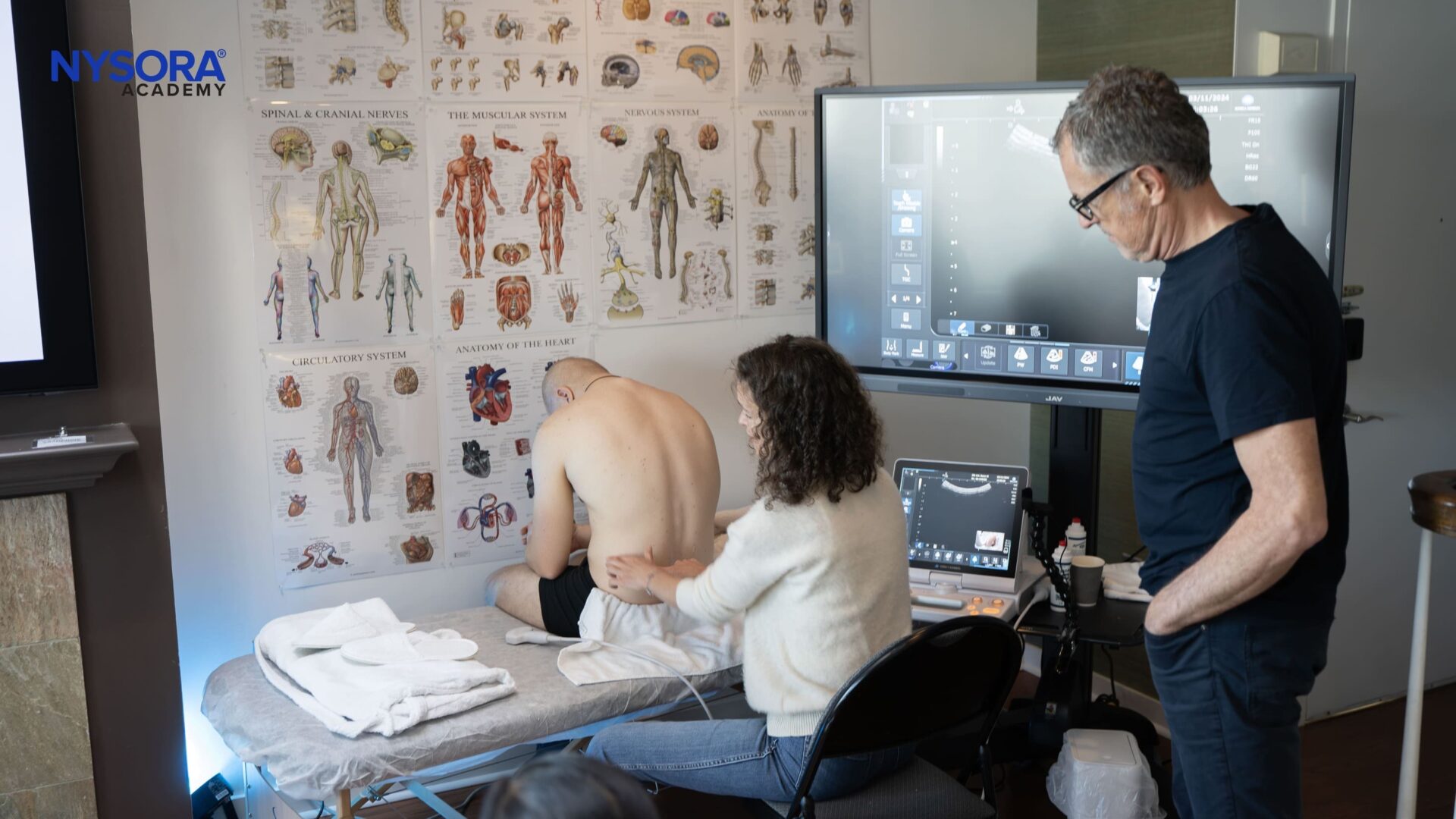
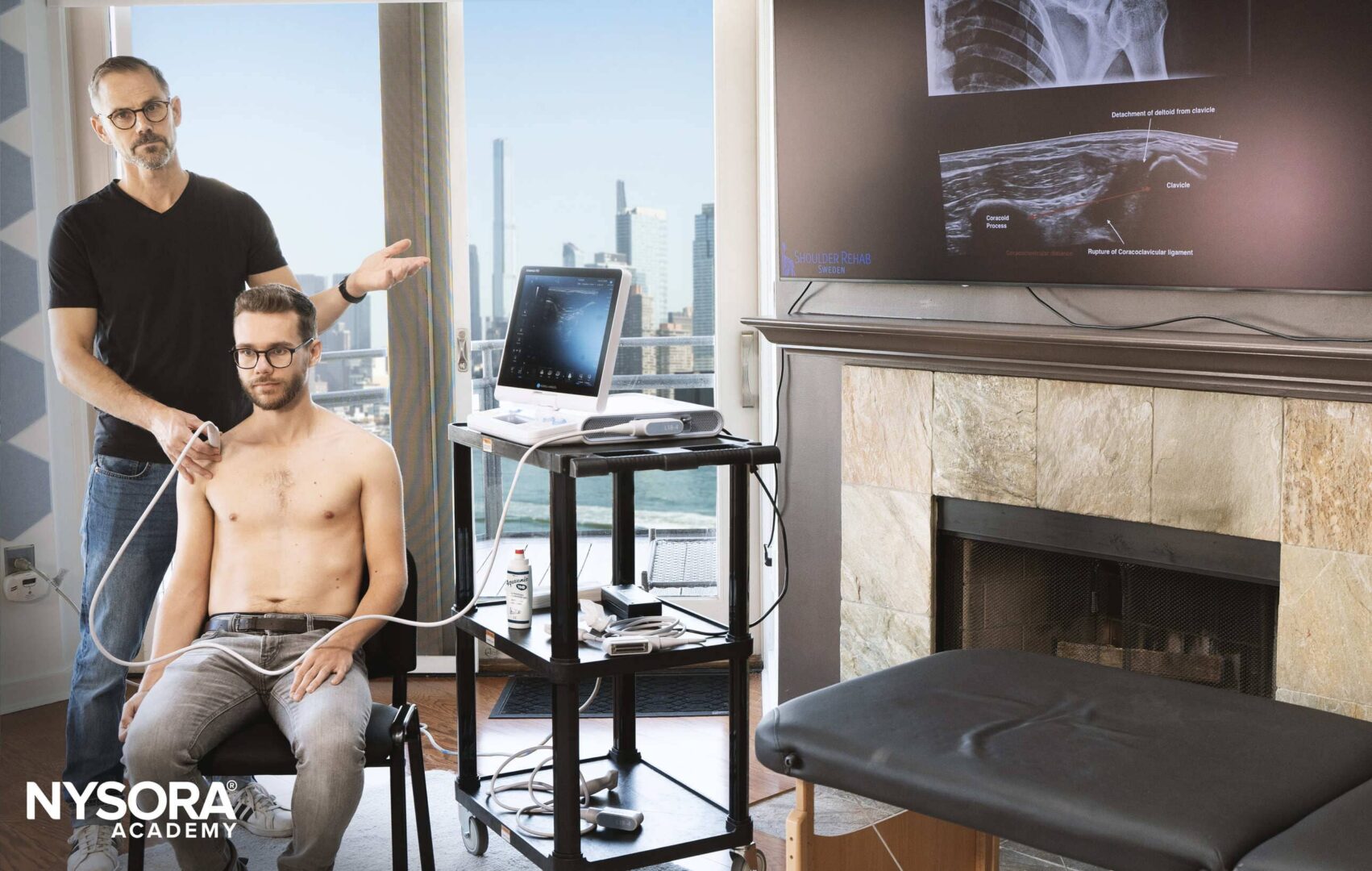
Many workshops take place in custom-built NYSORA Academy facilities designed specifically for regional anesthesia training.

Simulator-based needling stations

Dedicated ultrasound scanning stations

Permanent educational setups

Large visualization screens

New York Exclusive
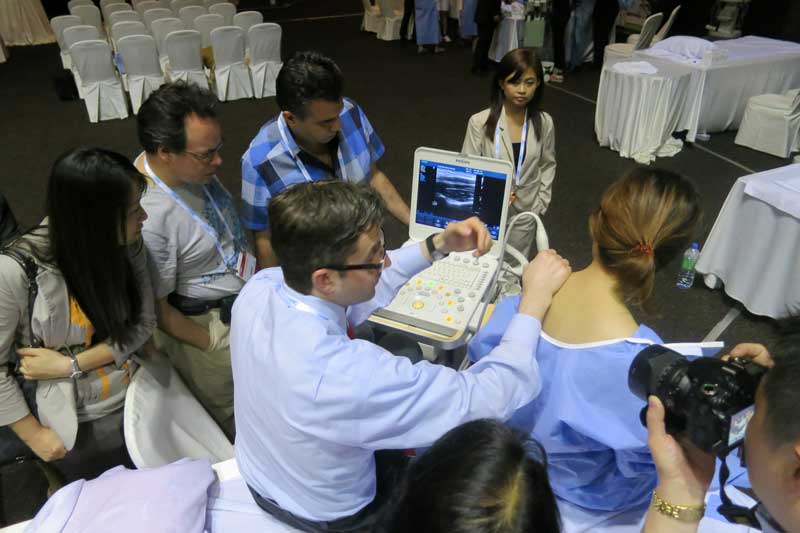
What Makes New York Uniquely Exceptional

The New York workshop offers experiences and an environment you will not find at any other location.

Where NYSORA
Was Born

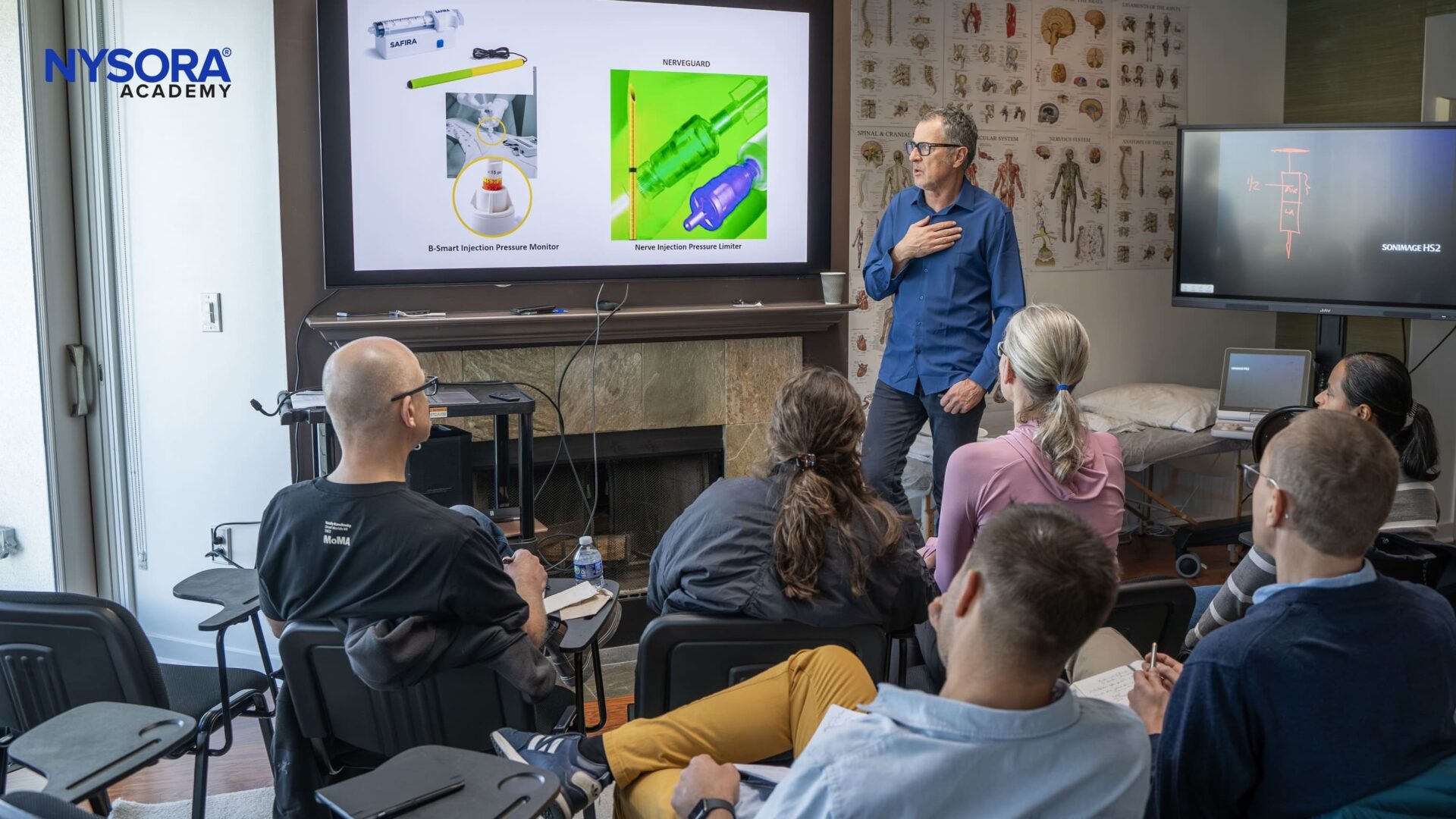
New York is the home of NYSORA. This workshop is taught by the founders and senior faculty who have shaped modern regional anesthesia practice over three decades. The depth of clinical expertise available here is unparalleled.
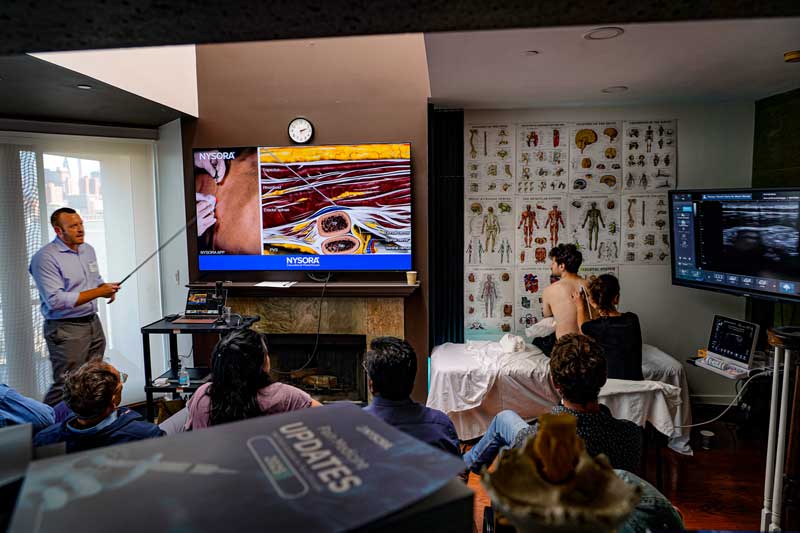
The Original NYSORA
Academy

The New York NYSORA Academy is the flagship training facility — the most established and fully equipped regional anesthesia learning space in North America, with every station designed for maximum skill acquisition.
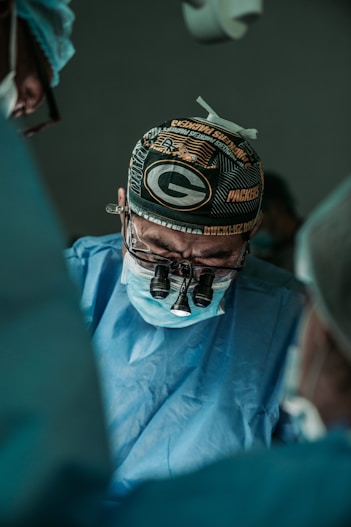
ACCME CME
Accreditation

This workshop is jointly provided by the Postgraduate Institute for Medicine and NYSORA. The Postgraduate Institute for Medicine is jointly accredited by ACCME, ACPE, and ANCC to provide continuing education for the healthcare team.
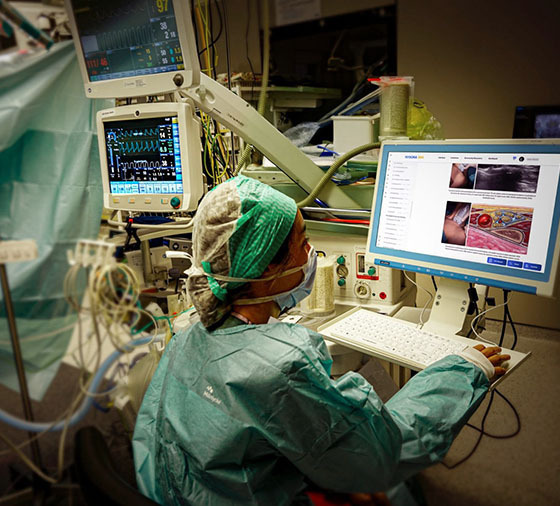
Complimentary
NYSORA360 Access

Each workshop includes a $100 NYSORA360 subscription, giving participants continued access to learning modules and educational resources tailored to the course they attend.
Global Expert Faculty

Learn from the Leaders in Regional Anesthesia

"Regional anesthesia is not about memorizing steps — it's about understanding anatomy deeply enough to adapt to any patient, any situation."

NYSORA Faculty Philosophy:

  • Internationally recognized educators who have shaped modern RA practice
  • Decades of combined clinical and academic experience
  • Authors of the most widely used regional anesthesia texts and applications
  • Faculty who train clinicians across every major world region
  • Direct mentorship in small-group boutique format

Real Clinical Discussions

Bring Your Own Cases

Instead of traditional poster sessions, NYSORA encourages interactive clinical discussions.

Challenging cases

Complex anatomy

Procedural dilemmas

Complications Discussion

Expert Guidance

Discuss ultrasound imaging pitfalls with expert faculty in real timePresent cases from your own practice for collaborative analysisExplore anatomical variants and their clinical implicationsLearn from the complications and challenges of global colleaguesDevelop decision-making frameworks you can apply the next day

In support of improving patient care, this activity has been planned and implemented by the Postgraduate Institute for Medicine and NYSORA. Postgraduate Institute for Medicine is jointly accredited by the Accreditation Council for Continuing Medical Education (ACCME), the Accreditation Council for Pharmacy Education (ACPE), and the American Nurses Credentialing Center (ANCC), to provide continuing education for the healthcare team.

Physician Continuing Medical Education

The Postgraduate Institute for Medicine designates this live activity for a maximum of 13 AMA PRA Category 1 Credit(s). Physicians should claim only the credit commensurate with the extent of their participation in the activity.

Continuing Nursing Education

The maximum number of ANCC Nursing credit hours awarded for this Continuing Nursing Education activity is 13 contact hours. Pharmacotherapy contact hours for Advance Practice Registered Nurses will be designated on your certificate.

Disclosure of Conflicts of Interest

Postgraduate Institute for Medicine (PIM) requires faculty, planners, and others in control of educational content to disclose all their financial relationships with ineligible companies. All identified financial relationships are thoroughly vetted and mitigated according to PIM policy. PIM is committed to providing its learners with high quality accredited continuing education activities and related materials that promote improvements or quality in healthcare and not a specific proprietary business interest of an ineligible company.

What is a CME activity? A Continuing Medical Education(CME) activity serves to maintain, develop, or increase the knowledge, skills, and professional performance and relationships that a physician uses to provide services for patients, the public, or the profession.

Why do physicians need continuing medical education (CME) credit? Physicians use CME credit to demonstrate that they have participated in educational activities and obtained CME credit to document meeting the requirements of state medical boards, medical specialty societies, specialty boards, hospital medical staffs, the Joint Commission, insurance groups, and others.

How are CME credits tracked for physicians? There is no centralized tracking of AMA PRA credits. Each accredited CME provider is required to keep records of AMA PRA Category 1 Credits™ claimed by physicians who participate in their activities for six years from the date of completion of the activity. Because credits may be obtained from a variety of accredited CME providers, physicians should maintain a record of their CME credits from all sources.

What documentation does a physician receive for participating in a certified CME activity provided by an accredited CME provider? Accredited CME providers are required to make available documentation of credits claimed by physicians at their request, but there is no requirement for a specific type of documentation to be used. Many accredited CME providers will issue a credit certificate at the completion and evaluation of an activity.

Nurse Practitioners credit? The American Nurses Credentialing Center (ANCC) accept CME from organizations accredited by the ACCME.

Testimonials

Narendran Jayaraman
(New York 2025)

Excellent lectures, presentations and hands on experience — very useful and clinically relevant.

Olivier Habchi, Epicura
(New York 2025)

Thanks to the NYSORA team for the great lectures and opportunity to share experience with anaesthesiologists from across the world.

Saud Farooqi, Northwestern Central DuPage Hospital
(New York 2025)

Excellent course, will recommend to my colleagues.
Gallery

Discover the highlights and immerse yourself in captivating moments captured at NYSORA events all over the globe.

Boutique format means limited seats. Secure your place early.
New York · Leuven · Genk · Toronto · Istanbul

Frequently Asked Questions

Common questions about our workshop programs.

NYSORA Workshops are small-group, hands-on training programs focused on ultrasound-guided techniques in regional anesthesia, pain procedures, and POCUS. This section also includes Boot Camps, which are immersive clinical observation experiences in a real hospital setting.

Workshops combine brief teaching with extensive hands-on practice using ultrasound machines, live models, and simulators.

Boot Camps are hospital-based clinical immersions where participants observe real-world ultrasound-guided procedures and decision-making during routine patient care.

NYSORA workshops are highly practical. While short lectures provide clinical context, most of the program is dedicated to hands-on scanning, supervised practice, and real-time feedback from faculty.

Depending on the course, topics may include:

  • Ultrasound-guided regional anesthesia and nerve blocks
  • Ultrasound-guided pain interventions (acute and chronic pain)
  • POCUS scanning and clinical interpretation
  • Needle visualization, sonoanatomy, and standardized step-by-step approaches

Each workshop page lists the exact procedures and learning objectives.

Workshops are intentionally kept small to maximize ultrasound time and instructor interaction.

Boot Camps are extremely limited-capacity to maintain a close faculty-to-participant ratio in the clinical environment.

Exact group size is shown on each event page.

Workshops are led by experienced clinicians and educators with deep expertise in regional anesthesia, pain medicine, and ultrasound-guided techniques.

Faculty composition varies by course and is listed on each workshop or boot camp page.

No formal prerequisites are required for most workshops. Courses support a range of skill levels—from trainees building fundamentals to experienced clinicians refining ultrasound-guided techniques.

Any course-specific requirements are listed on the event page.

Inclusions vary by event, but typically include:

  • Access to the full educational program
  • Use of ultrasound equipment, models, and training materials (for workshops)
  • Course resources and supporting materials
  • Lunch and breaks (when specified)
  • In some cases, access to digital learning tools such as NYSORA 360 or a relevant manual/app subscription

Travel and accommodation are generally not included. Where available, event pages provide guidance on nearby hotels and transportation.

You typically do not need to bring special equipment—ultrasound machines and training materials are provided.

Bring comfortable attire, a notebook, and optionally a tablet or laptop for accessing digital resources.

Boot Camp–specific instructions (such as hospital dress code) are provided after registration.

Cancellations must be submitted in writing to info@nysora.com.

  • More than 30 days before the event: 50% refund
  • Within 30 days of the event: no refund

Rescheduling may be possible depending on availability but is not guaranteed. Always review the specific event page for the most accurate policy.

If you registered for a NYSORA Regional Anesthesia Workshop, your registration includes a complimentary 3-month subscription to NYSORA 360, giving you access to the full Regional Anesthesia course.

To access your subscription:

  1. Visit NYSORA360
  2. Log in using:
    1. Email: The same email used to register for the workshop.
    2. Password: Provided in your confirmation email.
  3. If you already have a NYSORA account, use your existing password instead of the temporary one.

Once logged in, you’ll gain immediate access to interactive educational content, including clinical videos, illustrations, and practical guidance based on NYSORA’s best-selling textbooks.

If you experience any issues accessing your account, please contact us at info@nysora.com for support.

From Fundamentals to Advanced Joint Interventions with Live Demonstrations Join us at the Hong Kong Pain Conference in May 2026!

X