Living donor liver transplantation (LDLT) is a major surgical procedure that saves lives but also presents significant challenges, especially regarding postoperative pain management. While enhanced recovery after surgery (ERAS) protocols emphasize multimodal analgesia, the evidence supporting specific strategies has historically been weak. A recent systematic review by Saglietti et al. (2025) offers a comprehensive look at evolving analgesic techniques and their role in improving outcomes in LDLT patients. Why pain management in liver transplant matters Effective perioperative pain control is critical for: Early mobilization Prevention of postoperative complications Avoidance of chronic pain syndromes Improved graft survival and patient outcomes However, despite its importance, there’s considerable variability in analgesic practices due to a lack of high-quality evidence. Current challenges and clinical practice gaps High opioid reliance: Over 80% of LDLT patients still receive intravenous patient-controlled analgesia (PCA) with morphine—despite known risks such as delirium and gastrointestinal ileus. Limited guideline strength: ERAS guidelines (2022) suggest TAP blocks but discourage thoracic epidurals, based on low-quality evidence. Lack of comparative studies: Until now, few studies have directly compared the efficacy of different regional anesthesia techniques. Recent evidence: what does the review say? Saglietti et al. systematically analyzed studies published between 2022 and 2024. Out of 124 papers, only three studies met the inclusion criteria, each focusing on a distinct regional anesthesia technique. Subcostal TAP block Study: Assefi et al. (2023) Design: Before-and-after study Patients: 200 (73 received TAP block, 127 did not) Findings: 24 mg reduction in morphine milligram equivalents (MMEs) No significant difference in pain scores Interpretation: TAP block may reduce opioid need, though pain relief benefits were unclear. Intrathecal morphine (ITM) Study: Kwon et al. (2023) Design: Retrospective study with propensity score matching Patients: 742 (336 included after matching) Dose: 400 mcg morphine intrathecally Key outcomes: Significantly lower pain scores and MME […]
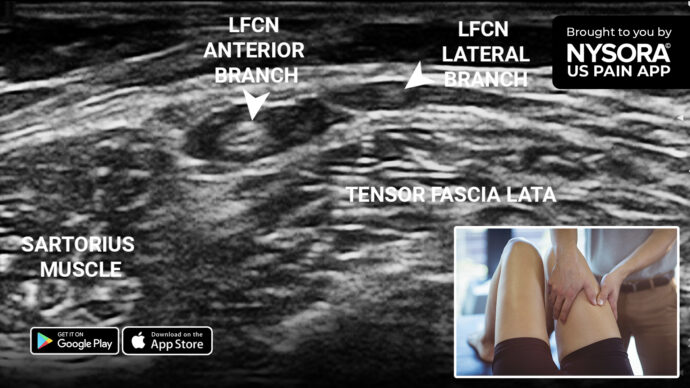
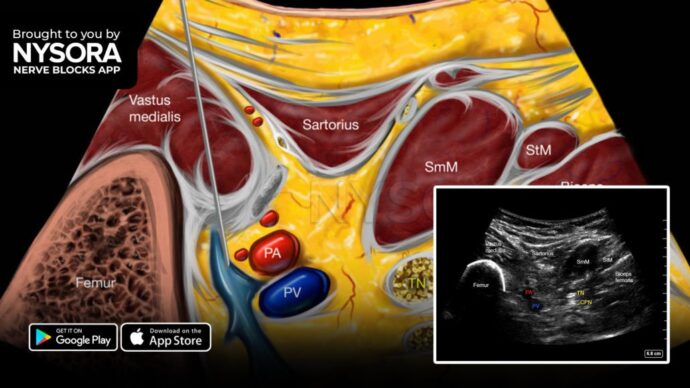
Hip fractures are among the most painful orthopedic injuries, particularly during movement or even minor positional changes before surgery. This intense pain not only compromises patient comfort but also activates the sympathetic nervous system, impacts hemodynamic stability, and complicates positioning for spinal anesthesia. Effective preoperative analgesia is therefore critical—not only to improve patient experience but also to optimize surgical conditions and reduce reliance on systemic opioids. Peripheral nerve blocks (PNBs) have become an integral part of multimodal pain management strategies for hip fractures. They lower pain scores, reduce opioid consumption, and are especially beneficial in older patients, who face heightened risks of opioid-related side effects. Current guidelines recommend fascia iliaca compartment block (FICB), with the supra-inguinal approach (SIFICB) offering broader sensory coverage than the conventional infra-inguinal technique. The SIFICB covers the femoral nerve and lateral femoral cutaneous nerve (LFCN), with spread to the obturator nerve in some cases. This broad coverage makes SIFICB effective for both hip and lateral thigh pain. More recently, the pericapsular nerve group (PENG) block has been introduced as a targeted option for hip analgesia. By blocking articular branches of the femoral, obturator, and accessory obturator nerves—responsible for innervating the anterior hip capsule—PENG aims to deliver potent pain relief while sparing quadriceps strength. This motor-sparing feature has led some clinicians to consider PENG superior to FICB, particularly in frail or elderly patients requiring early mobilization. This randomized controlled trial directly compared the efficacy of PENG and SIFICB for managing dynamic pain in patients with hip fractures, providing substantial new evidence for clinical decision-making. Study objective and methods The primary objective of this study was to evaluate whether the PENG block provides greater reduction in dynamic pain (pain during passive hip flexion) compared to the SIFICB in patients with hip fractures. Study design Type: Prospective, single-center, randomized […]
Knee osteoarthritis (OA) is a degenerative joint disease that significantly impairs mobility and quality of life in millions of individuals worldwide. Traditional management strategies, such as physical therapy, non-steroidal anti-inflammatory drugs (NSAIDs), corticosteroid injections, and eventually, total knee arthroplasty, often fall short in providing lasting relief, especially for patients ineligible for surgery. Recent innovations like radiofrequency ablation (RFA) and intra-articular mesenchymal stem cell (MSC) injections offer hope. A 2025 network meta-analysis by Park et al., published in Regional Anesthesia & Pain Medicine, provides a comprehensive comparison of these two advanced therapies. Understanding knee osteoarthritis and its treatment gaps OA is a degenerative joint disorder characterized by: Progressive loss of articular cartilage Subchondral bone remodeling Synovial inflammation Osteophyte formation Symptoms include: Chronic knee pain Joint stiffness Swelling and reduced range of motion Functional limitations Conventional treatments include: Physical therapy Oral NSAIDs (e.g., ibuprofen, celecoxib) Intra-articular corticosteroids (IACS) Hyaluronic acid injections (IAHA) Platelet-rich plasma (PRP) These modalities have shown only moderate or short-lived benefits, prompting exploration into alternatives like RFA and MSC therapy. Radiofrequency ablation (RFA) RFA is a minimally invasive procedure that uses heat generated by radio waves to ablate pain-transmitting genicular nerves around the knee joint. Types of RFA: Traditional RFA: Uses standard electrodes and frequencies Cooled RFA: Reduces tissue charring, allowing for a larger lesion size Pulsed RFA: Delivers intermittent energy to avoid nerve destruction RFA interrupts nociceptive input and can provide relief for 6 months or longer. It’s typically performed under fluoroscopic or ultrasound guidance. Mesenchymal stem cell (MSC) injections MSCs are multipotent stromal cells that can modulate inflammation, promote cartilage repair, and slow disease progression. They’re administered via intra-articular injection directly into the affected joint. Common sources include: Adipose tissue (ADMSC) Bone marrow (BMMSC) Umbilical cord blood (UBMSC) MSC therapy is believed to provide longer-term benefits, potentially […]